Victoria has no statewide register for holiday-home hosts, so the rules that touch you come from four layers. On 29 October 2026 I checked the State Revenue Office, Consumer Affairs Victoria, Alpine Shire Council, Indigo Shire Council, Alpine Resorts Victoria and the ATO (including its foreign investment page), and what follows is what each page said. One state charge reaches every host here: the Short Stay Levy, in force since 1 January 2025. The State Revenue Office applies a rate of 7.5 percent, worked out on the total booking fee, to any stay shorter than 28 consecutive nights, with the checkout day not counted. The fee it measures is what the guest pays, meaning the room rate, cleaning, GST and any late-checkout charge, and it leaves out card-processing costs and charges for damage. A booking platform pays the levy on the bookings it handles. A reservation made on your own website, or by phone or message, makes you the liable party, and you register with the SRO before you lodge your first return. Returns are annual, due 30 January, while your booking fees total under A$75,000 in the year, and quarterly once they reach A$75,000. A home you live in yourself is excluded, along with other uses such as staff housing, rooming houses and student accommodation tied to an educational institution. The SRO updated its guidance on 29 September 2026, and the levy pays for social and affordable housing, with 25 percent invested in regional Victoria.
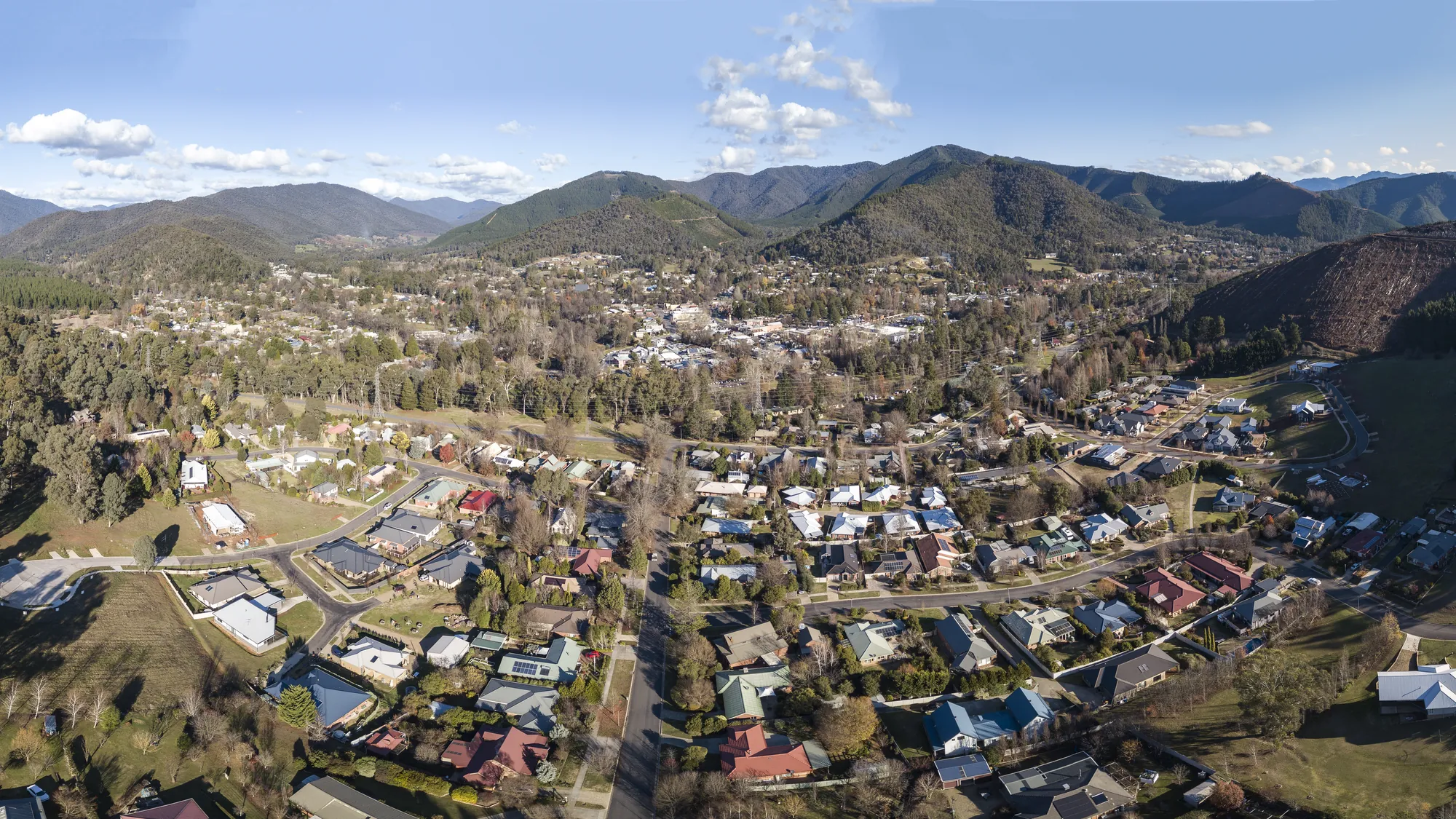
The council layer is lighter than in many tourist towns. Alpine Shire Council resolved in December 2022 to engage the community on a short-stay rental accommodation local law, ran a first-stage survey that closed on 31 January 2024, and says on its engagement page that no further recommendations on a local law have been made for now, linking that to the state levy and to limits on what council can charge. The survey asked residents to rate ideas such as registering every rental, naming a contact person who answers neighbour complaints within two hours, cancelling registration after three substantiated complaints in 12 months, enough off-street parking, no use of outdoor areas such as spas and decks between 10pm and 7am, no tents or campervans on site, and waste arrangements. None of those is a rule today, but they tell you what neighbours and council care about, and a host who already works that way is ready if a local law returns. Whether your use needs a planning permit is a question for council’s planning team, and I did not find a published permit requirement for holiday homes. The state said in 2024 that planning changes would give councils more power to regulate short stays, so check before you buy or change use. In Indigo Shire (Beechworth), the council’s site lists Local Law No. 2 on amenity and a noise page, and I found no short-stay page: its team on 1300 365 003 is the place to ask.
Apartments and units add strata rules. Since 1 January 2025 a Victorian owners corporation can pass a ban on short stays in its building if 75 percent of lot owners vote for it, though the ban can’t reach a lot where the owner or occupier lives as their main home. Separately, the owners corporation laws that took effect in February 2019 let VCAT fine up to A$1,100, award up to A$2,000 compensation to affected residents and stop an apartment being rented for short stays for a period, and an apartment that collects three breach notices for separate events in 24 months can be restricted. Falls Creek and Mount Hotham are alpine resorts, which Alpine Resorts Victoria governs under its own leasing system, and its page did not mention short-stay accommodation, so a home on a resort lease needs a read of that lease. Harrietville and Mount Beauty are in Alpine Shire.
Federal rules sit on top. Rent from a Bright holiday home is income you declare to the tax office. Costs of owning and running the place, such as loan interest, council rates and body corporate fees, are claimable only when the home is held mainly to earn rent, and the ATO judges that from how the home is really used: the split between rent and private use, and whether it is on offer when people want to holiday, in school holidays, on public holidays and in peak seasons. A long block-out of Christmas, Easter or summer, with enquiries turned away, can sink a claim, while a short block in a quiet month need not. Costs are apportioned for private use, vacant stretches and discounted stays for family or friends. Costs that exist only because of renting, such as booking fees, commissions and the cleaning after a paying guest, are deductible in full. If you must register for GST, which business.gov.au says applies from a GST turnover of A$75,000, a stay shorter than 28 continuous days is taxable. Foreign buyers face a ban on purchasing established dwellings between 1 April 2025 and 30 June 2029, with limited exceptions; the ATO says the government extended it from an earlier end date of 31 March 2027.
Fire and flood rules deserve their own line in your welcome book. Council says the shire is susceptible to floods, storms, fires, heatwaves and other emergencies, and lists a Municipal Bushfire Place of Last Resort Plan 2025-2029, a Northern Alpine Fire Management Plan 2025-2027 and an online emergency dashboard. Put the council’s emergency link and a clear plan for what guests do if roads close in your home’s guide. The full state picture, including how each rule fits together for hosts across Australia, is on the Cavmir rules page. This page is orientation, not legal advice. Check your own situation with a conveyancer, accountant and your council, and Cavmir handles the marketing side.