What works here
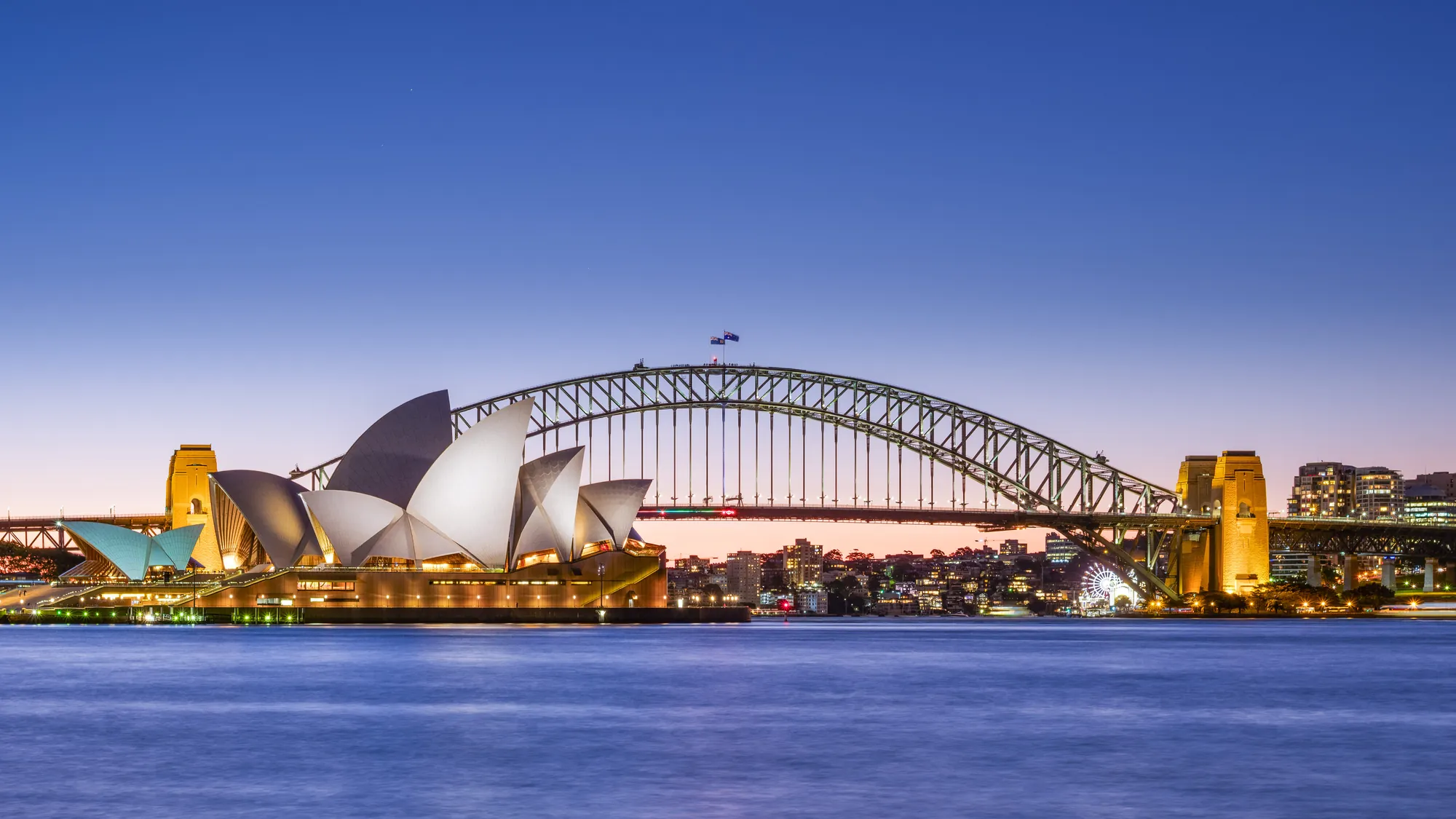
First, sell the minutes and the view. Guests choose a Sydney home by suburb and then by how long it takes to reach the sand, the ferry wharf and the train, so lead the title or first line with the walking minutes, and say what they see from the sofa. A Bondi apartment sells the walk to the Icebergs pool and the coastal path; a Manly home sells the 30-minute ferry from Circular Quay; a Palm Beach house sells the peninsula, which Destination NSW says is about 90 minutes from the city centre by public transport. Air conditioning is advertised by 79 percent of AirROI's listings and goes with a large revenue gap, so show it. A balcony or patio, which 58 percent of listings offer, does the same job for a small flat.
Second, plan the 180 nights. If you let a home without living in it, the cap makes every night a choice, so decide in advance which weeks earn the most: December and January, New Year's Eve, the Mardi Gras weekend and school holidays. Open December early, since December stays book about 76 days ahead in a typical year and 85 days ahead in December 2025, and keep June open for late bookers, who book about 34 days ahead. A booking of three weeks or more sits outside the count, so a monthly rate for visiting workers and families relocating is a second product for the weeks you don't sell by the night, and a different guest from the Christmas family. Hosted letting, with you on the premises, has no cap, and a hosted listing can say so.
Third, use the channels Australians and visitors use, and own one. List on Airbnb, Booking.com, Stayz and Vrbo as your calendar tool allows, use the same fact block on each, and keep your Google Business Profile complete. Airbnb's fee is the largest running cost AirROI shows for the average Sydney listing, about A$6,520 a year or 13 percent of revenue, ahead of cleaning at A$4,560, which is why a direct-booking website pays for itself on repeat guests. With 42 percent of guests from overseas, led by Britain, America and New Zealand, a past-guest email list in January, when northern-hemisphere guests plan the next Sydney summer, is the cheapest booking you will win.
Fourth, treat operations as marketing. Value is where Sydney homes score worst, at 4.66, and the cleaning fee is a large part of it, so price the fee into the nightly rate where you can and show a total for a six-night stay. Answer neighbours and your owners corporation promptly, because the code of conduct and a council debate that is watching non-hosted letting both reward hosts who cause no complaints. Keep the registration current, keep nights counted against the cap in one place across every channel, and keep the listing true to the home: the code requires the premises to match their advertising, and a review that says 'not as photographed' costs more than a fresh photo shoot.
What makes it hard
The rules are the hardest part. The 180-night cap limits non-hosted letting, councils are discussing tighter limits, and the state's review has been open since 2024 without a published result. The City of Sydney's April 2026 motion points at specific inner suburbs, Waverley is looking at how to enforce the cap in Bondi, and the registration data both councils rely on is imperfect. A host answers this by planning for the cap you have rather than the one you hope for: sell the best 180 nights, add a mid-term product for the rest, check the strata by-laws before you buy, and don't build a business case on a calendar that a council could narrow.
The second challenge is competition and cost. AirROI counts 10,260 listings in its Sydney market, the median listing earns A$4,390 a month while the top tenth earns A$11,000 or more, and the Airbnb fee and cleaning together take about A$11,000 a year from the average listing. Domain's September 2026 report shows Sydney's median house price down 5.8 percent over the year, so owners who bought near the peak are looking at income as well as value. In a market this size a listing that says 'Sydney' wins nothing; one that says 'two minutes from Bronte beach and the coastal path, air conditioned, parking for one car' wins the guest who wanted exactly that.
The third is distance and seasonality. Many Sydney homes are owned by people who live elsewhere in Australia or overseas, and a home run from a distance drifts: photos go stale, the winter calendar goes unopened and replies slow down. AirROI's weakest months are May, June and September, and the beaches swing hard, with Palm Beach averaging about A$19,100 a listing in December and about A$4,160 in September. The answer is a calendar of reasons to visit, such as Vivid, the winter school holidays and the spring sculpture walk, a reliable local cleaner and co-host, and marketing that keeps working in the quiet weeks.
Worth knowing. Bondi Icebergs is a swimming club with a liquor licence. The club, founded in 1929 and built around its ocean pool, describes itself as the only licensed swimming club in the world. Its pool opens at 6 am on weekdays and 6:30 am at weekends, and its club and bistro serve into the evening, so guests who swim laps at dawn and eat lunch above the pool are doing what members have done for nearly a century.
Money matters for Sydney owners
🛡️
InsuranceUnder the code of conduct a host must carry cover for injury to, or the death of, a third party throughout every stay, so a home and contents policy that excludes paying guests isn't enough. Ask a broker whether the policy names short-term letting, what the public liability limit is, whether your contents and guests' damage are covered while the home is let, and what an apartment's strata building policy does and doesn't cover. AirROI puts insurance at about A$490 a year in the average Sydney listing's running costs, but that is an average of what hosts report, not a quote. Cavmir doesn't sell or recommend insurance products.
🧾
TaxMoney earned from letting a holiday home is assessable. The ATO's August 2026 guidance (ruling TR 2026/1, with guidelines PCG 2026/2 on apportionment and PCG 2026/3 on holiday homes) covers short-term rentals. The central test is whether the home is mainly used to earn assessable income. If it is, ownership and use costs such as interest, rates and body corporate fees are claimable, but you apportion them for private use and can't claim for the time you stay there; if it isn't, those costs are generally denied, though advertising, post-stay cleaning and booking fees remain deductible. On GST, the ATO treats rent from residential premises used predominantly for residential accommodation as input taxed, so no GST is charged on it, while hotels, motels and similar commercial residential premises charge GST on stays of fewer than 28 continuous days; which side your apartment falls on is a question for your accountant. Foreign residents pay 30 percent up to A$135,000, 37 percent to A$190,000 and 45 percent above that for 2025-26, with no Medicare levy. NSW land tax begins once taxable land value passes A$1,075,000, at A$100 plus 1.6 percent of the excess up to A$6,571,000. Cavmir is a marketing agency, not a tax adviser, so ask your accountant before you set up the books.
🏠
Lending and land taxLending on a short-stay home is a conversation for a broker or bank: ask whether they count short-term rent, what deposit they want, and how they treat the 180-night cap and an apartment building's by-laws. For a sense of price, Domain's September 2026 report puts Sydney's median house price at A$1,661,167 and its median unit price at A$820,890, down 5.8 percent and 2.1 percent on the year. Dividing AirROI's A$49,223 average revenue by each gives gross yields of about 3 percent on a house and 6 percent on a unit, before running costs of about A$16,740, and a citywide median says little about one street, so run your own numbers on the home you are buying. Foreign buyers are shut out of established dwellings between 1 April 2025 and 30 June 2029; new dwellings and vacant land still need approval, and NSW applies surcharge land tax to foreign owners, so ask Revenue NSW for the surcharge rates.