What works here
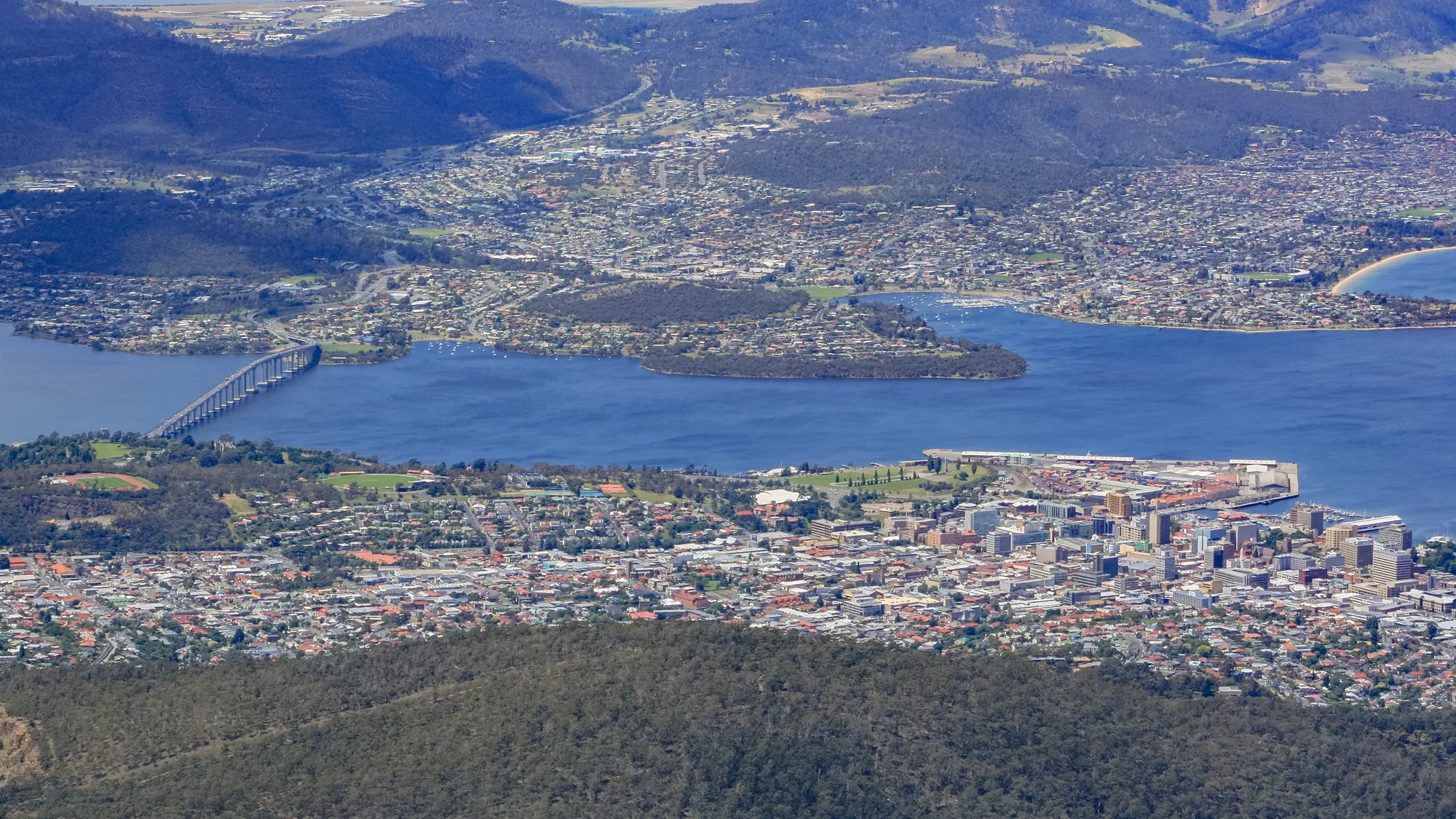
First, sell the walk and the weather. Hobart guests choose a suburb before a house, and the hills matter. In your title and first paragraph say how many minutes on foot it is to Salamanca Place, Brooke Street Pier and the nearest restaurants, and describe the climb home in words: Battery Point, West Hobart and Sandy Bay are not flat. Photograph the heating running (a heat pump, a wood heater, a gas fire), the best view of the river or kunanyi from the room where guests see it, and the parking space or a clear note on street parking. Keep a set of winter photos with the fire lit so June bookers aren't buying January light. AirROI's Hobart data shows how much winter matters: June had the year's highest rate and July stays ran longest, so the cold months reward a warm, well-photographed house.
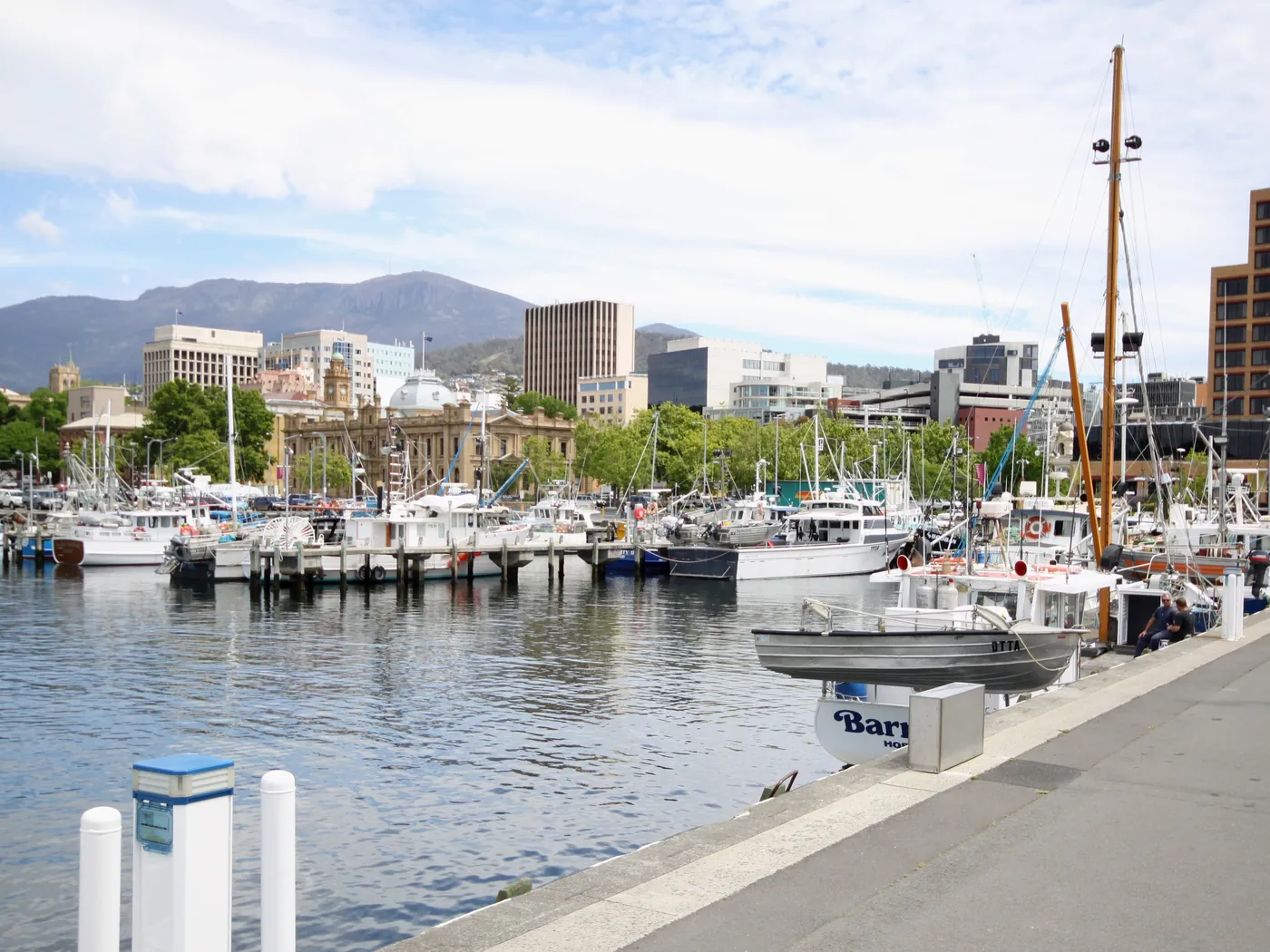
Second, market the calendar rather than the city. Write a page for each date that fills Hobart: New Year on the waterfront with the Sydney Hobart finish at Constitution Dock and Taste of Summer from 27 December, the Wooden Boat Festival on 5 to 8 February 2027, Ten Days on the Island in March, Dark Mofo in June and the August whisky and Beaker Street weeks. Put the dates, the walking times and a sample A$ total in each page, keep last year's page live and add the new dates at the top, and open each festival early at its own price and minimum stay. AirROI's lead times tell you when: about 93 days for December stays and 63 for an average month, against 47 to 49 for May and August.
Third, be exact about your permit on every channel. Airbnb, Stayz, Vrbo and Booking.com are the platforms Australians search, and under the Short Stay Accommodation Act 2019 the platform shows your permit status and reports it to the state. Give every channel the same status, address and bedroom count, and print the same permit number or exemption wording on your own site and in your booking terms. That's good practice rather than law for your own website, but it stops a listing and a site from contradicting each other and it reassures a guest who sees that 96 per cent of AirROI's Hobart listings show a permit. Then work the direct channel: a fast website, a complete Google Business Profile, a past-guest email list, and a returning-guest rate that the platforms can't match once their fees are out of the sum.
Fourth, treat Bruny Island and the Tasman Peninsula as different products. A Bruny stay sells the oysters, the cheese, the lighthouse and the beach: AirROI's Adventure Bay page shows shorter 2.6-night stays and a rate near A$328, so a two-night minimum and a clear ferry timetable in the welcome message matter more than a long list of amenities. A Tasman Peninsula stay sells Port Arthur, the sea cliffs and the Three Capes Track, with stays of 3.5 nights on AirROI's Tasman page; say the drive from Hobart (the Port Arthur Historic Site calls it a 90-minute drive) and that a parks pass is needed for the national park walks. Both areas slow down in May and August like the city, so give them winter products too: a hearth, a long-weekend offer, a gift voucher for the Hobart couple who want a night away.
What makes it hard
The rules are tightening, not loosening, and cost money. Whole-home short stays in the City of Hobart pay a higher rate, councillors came within one vote on 25 May 2026 of quadrupling the residential rate from 2027-28, and the application fee was reported at A$5,000 from April 2026. A host answers by running the sums on the rate and the permit before buying or changing use, keeping the paperwork current, and pricing so the nights that pay the rates (New Year, February, March, June) are never discounted. If your home sits in a strata scheme, read the by-laws first, because the City of Hobart's own page says they can stop you even when planning allows it.
Housing pressure keeps short stays in the news. SQM Research put Hobart's vacancy rate at 0.5 per cent in September 2026, with 127 vacant rentals, and a council debate quoted figures for homes lost to short-stay use. It means regulators and neighbours will keep watching, so keep guests within your permitted bedrooms, give clear parking and noise rules, and answer the phone at night. The 5 per cent state levy lost by one vote, so the idea could return; build your direct-booking engine so a levy line can be switched on, and tell guests plainly what each fee is.
Seasonality and access are the practical limits. Hobart's busiest and quietest months differ by about 1.8 times in AirROI's two-year averages, from A$6,510 in January to A$3,660 in August, May and August occupancy fell to 46.3 and 42.5 per cent, and a Bruny or Tasman Peninsula home also depends on a ferry or a long drive, so a guest who arrives late or misses a crossing needs a plan from you. Add the hills: a home with 40 steps up from the street needs that said before booking, not after. Festival weeks also need cleaners and maintenance people on call, so line them up for the New Year week well before December.
Worth knowing. Tasman National Park, on the Tasman Peninsula, is home to what Tasmania's Parks and Wildlife Service calls Australia's highest sea cliffs: soaring dolerite cliffs along the park's eastern and southern edges that end in the capes of Pillar, Hauy and Raoul. The Three Capes Track runs 48 km across them in a four-day, three-night hut-based walk, and the Tasmans Arch and Devils Kitchen circuit is a 600 m sealed walk of about 20 minutes for guests who only have an afternoon.
Money matters for Hobart owners
🛡️
InsuranceA home with paying guests in it isn't an ordinary home as far as a policy goes, and Moneysmart's general advice on home insurance is to check the exclusions in the Key Fact Sheet and the product disclosure statement. Put it in writing to your insurer that guests pay to stay, find out from a broker whether public liability is included and to what limit, and ask whether a hot tub, a wood heater, a jetty or a steep driveway moves the premium. For Bruny Island and the Tasman Peninsula, ask about bushfire, storm and access exposure for your address, and for older Battery Point cottages ask about heritage and rebuild values. This is general information, not advice on any product.
🧾
TaxThe ATO counts holiday-let income as rental income. Costs of owning and using the home, such as interest, rates and repairs, are claimable only if it's used or held mainly to earn rent, and the ATO looks at real use and the time kept for private stays. If it falls short of that, the costs that exist only to earn rent (booking fees, platform commissions, advertising, cleaning after a guest) can still be deducted. If it does qualify, you still split costs for private use, including free or cheap stays by family and friends. The ATO also describes rent from residential premises let for residential accommodation as input taxed, with no GST in the price and no GST credits on related costs; whether your own lets fit that description is a question for an accountant. Tasmanian land tax is charged on land value. The State Revenue Office's rates from 1 July 2025 are nil under A$125,000, A$50 plus 0.45% of the value above A$125,000 up to A$500,000, and A$1,737.50 plus 1.5% of the value above A$500,000, and principal residence land is not taxed; check the office's page for the current year. Sofie isn't an accountant, so ask one.
🏠
Lending and land taxLenders differ on how they count holiday-let income, and the permit matters, so put the question to a mortgage broker. For a sense of price, Cotality's Hobart figures, as ProperEasy reports them, give a median house value of A$790,406 and a median unit value of A$591,795 for September 2026, with dwelling values up 7.0 per cent in twelve months. Those two values are the denominators for the gross yield in the stats box. Overseas buyers meet the Commonwealth's block on established dwellings (1 April 2025 to 30 June 2029, limited exceptions), and foreign investors who bought land on or after 1 July 2022 may face a Tasmanian land tax surcharge, whose rate the State Revenue Office sets out separately. Run your numbers on the rates, the permit and the state's land tax, not on the platform's headline revenue.