Start here Work with Cavmir in Barossa Valley
Get a Proposal (786) 751-3426
A$312
Avg. Nightly Rate
52%
Avg. Occupancy Rate
A$4,870
Avg. Monthly Revenue
4-6%
Est. Cash-on-Cash ROI
MEDIUM
Seasonality
LOW
Regulatory Burden

* Market averages. Properties marketed by Cavmir typically exceed these figures by 25–45%. Data sourced from AirDNA, STR market reports, and Cavmir internal analytics.

The Market

Why Barossa Valley is One of the World's Premier STR Markets

The Barossa is the freest short-stay market in this wave and one of the most distinctive wine regions on earth, and neither fact is being used properly. South Australia has no state-wide short-term rental licensing or registration scheme, no state levy and no night cap — a parliamentary select committee recommended a state register, safety standards enforcement and possible fees, but none of it is law. Compare that with Victoria's 7.5% levy on every stay under twenty-eight nights, or the mandatory registration and Greater Sydney 180-day cap in New South Wales, and the operating freedom here is unusual. Governance is local and worth checking rather than assuming: The Barossa Council covers most of the valley, with Light Regional Council taking in parts of the western side, so confirm which one covers your address. What sits inside that light framework is a valley settled from 1842 by Silesian Lutheran refugees, which escaped the phylloxera louse that destroyed Europe's vineyards, and which therefore holds some of the oldest continuously producing vines anywhere in the world — including blocks planted in 1843, 1847 and 1853.

The Barossa runs on Adelaide weekends and, like every Australian wine region, struggles Monday to Thursday — which is exactly where the opportunity sits. The valley is about an hour from Adelaide and a little over an hour from the airport, which makes it a weekend market for the city and a genuine two-or-three-night destination for interstate and international visitors doing a South Australian wine trip. Tanunda, Nuriootpa, Angaston, Lyndoch and Marananga carry most of the accommodation, with a mix of restored bluestone and settler cottages, guesthouses, and vineyard stays attached to working wineries. The product is unusually strong: around a hundred and fifty cellar doors, a genuine food culture built on the German settlement heritage — bakeries, smallgoods, the Barossa Farmers Market — and a heritage story that no other Australian wine region can match. Seppeltsfield's palm-lined avenue and its unbroken line of Tawny barrels from every vintage since 1878 is a destination in itself. Blended nightly rates run near A$312 with occupancy around 52%, which is high rates against a weekend-only calendar, and that gap is the whole commercial argument.

Top Attractions & Landmarks

  • Seppeltsfield and the Centennial Cellar
  • The Tanunda and Angaston cellar doors
  • The Barossa Farmers Market
  • Mengler Hill Lookout and the sculpture park
  • Maggie Beer's Farm Shop at Nuriootpa
  • The old Lutheran churches and settler villages
  • The Barossa Trail cycling and walking path

Nearby Markets: Adelaide  |  Great Ocean Road  |  Mornington Peninsula

Airbnb marketing services in Barossa Valley, SA, Australia
Postcards

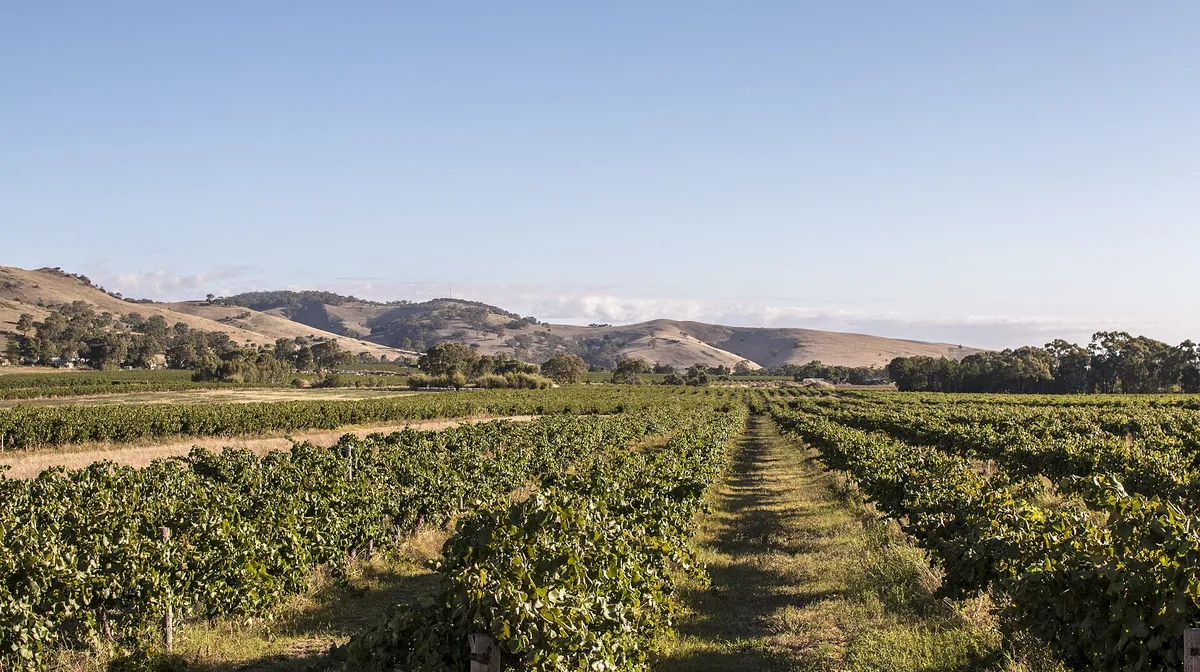
Barossa Valley through the lens

A few of the visual fingerprints we lean into when we shoot, brand and market a Barossa Valley property — courtesy of the open Wikimedia Commons archive.

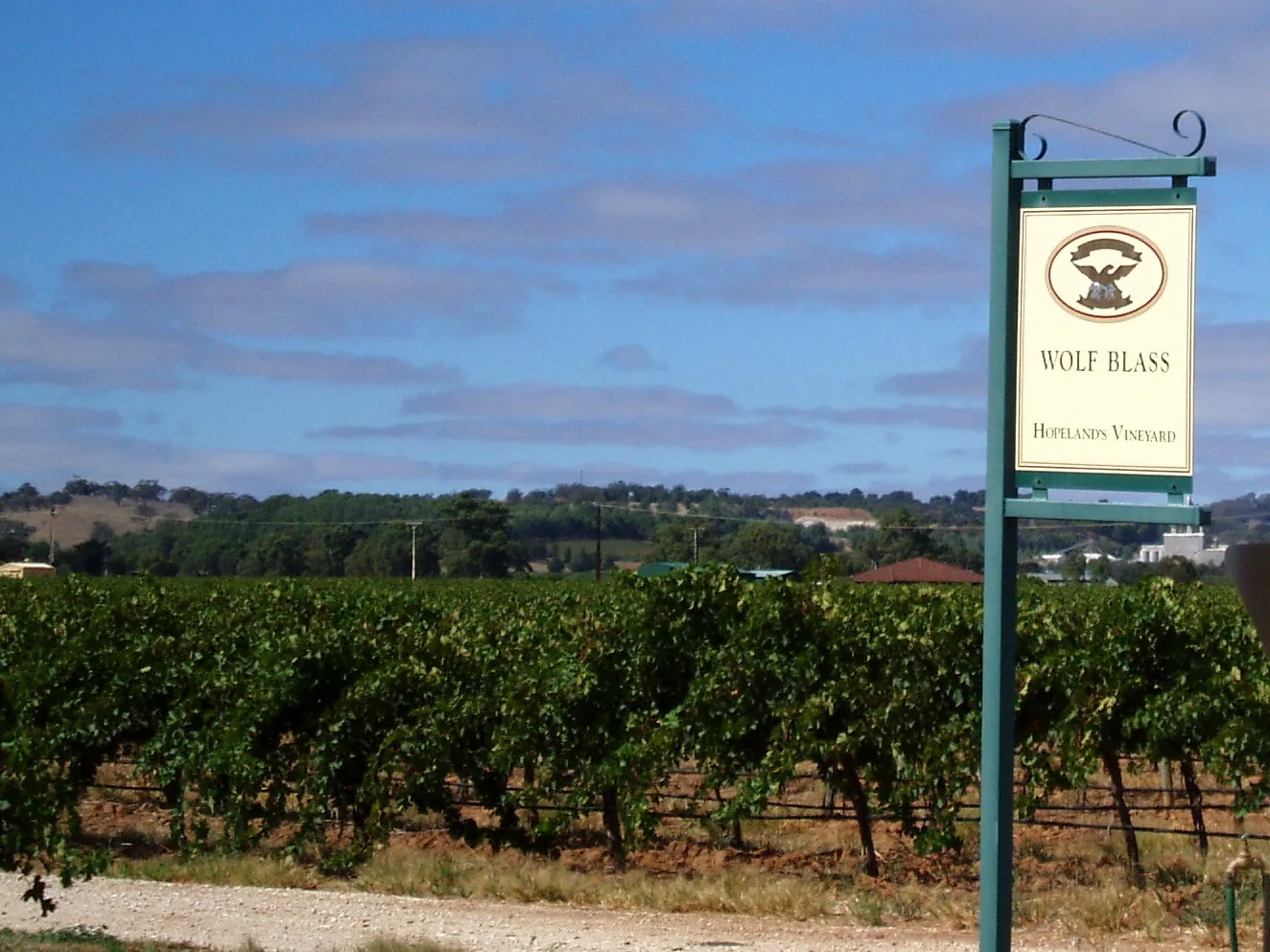
Wolf Blass vineyard in Barossa Valley. SA — Barossa Valley airbnb marketing
Local Color
Wolf Blass vineyard in Barossa
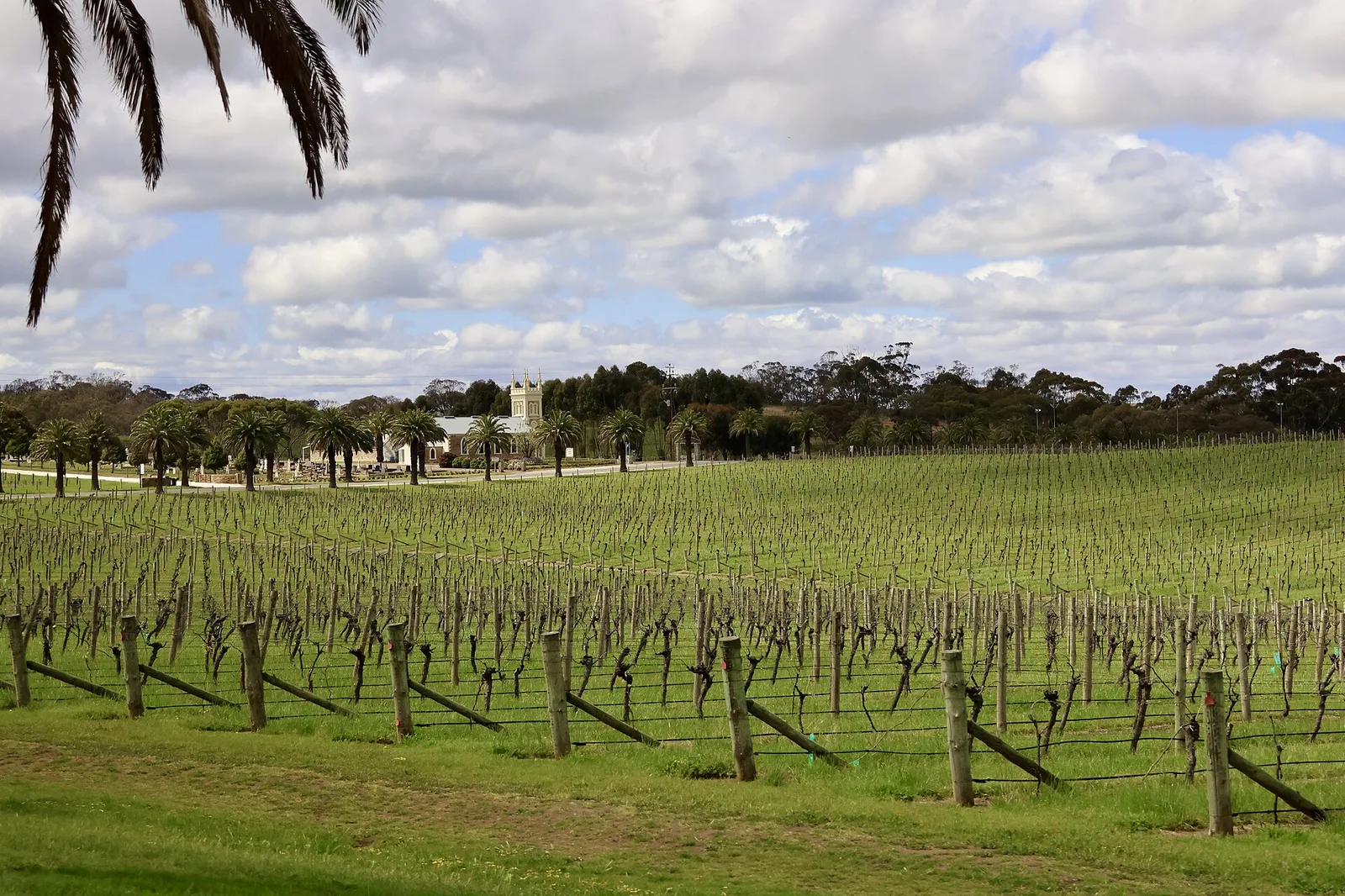
Seppeltsfield, Adelaide on 28 September 2025 03 — Barossa Valley airbnb marketing
Local Color
Seppeltsfield, Adelaide on September
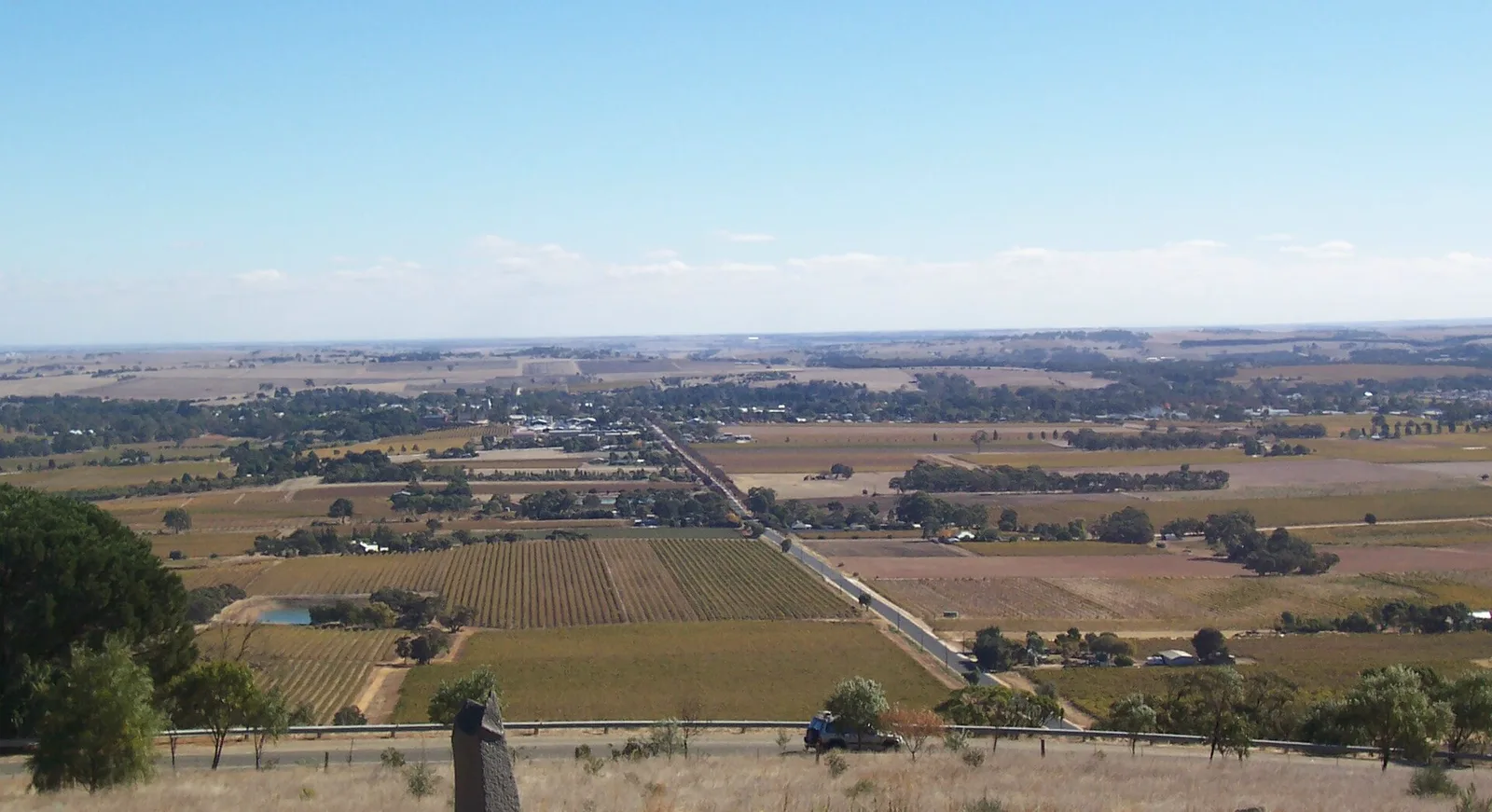
Tanunda — Barossa Valley airbnb marketing
Local Color
Barossa Valley Local Landmark
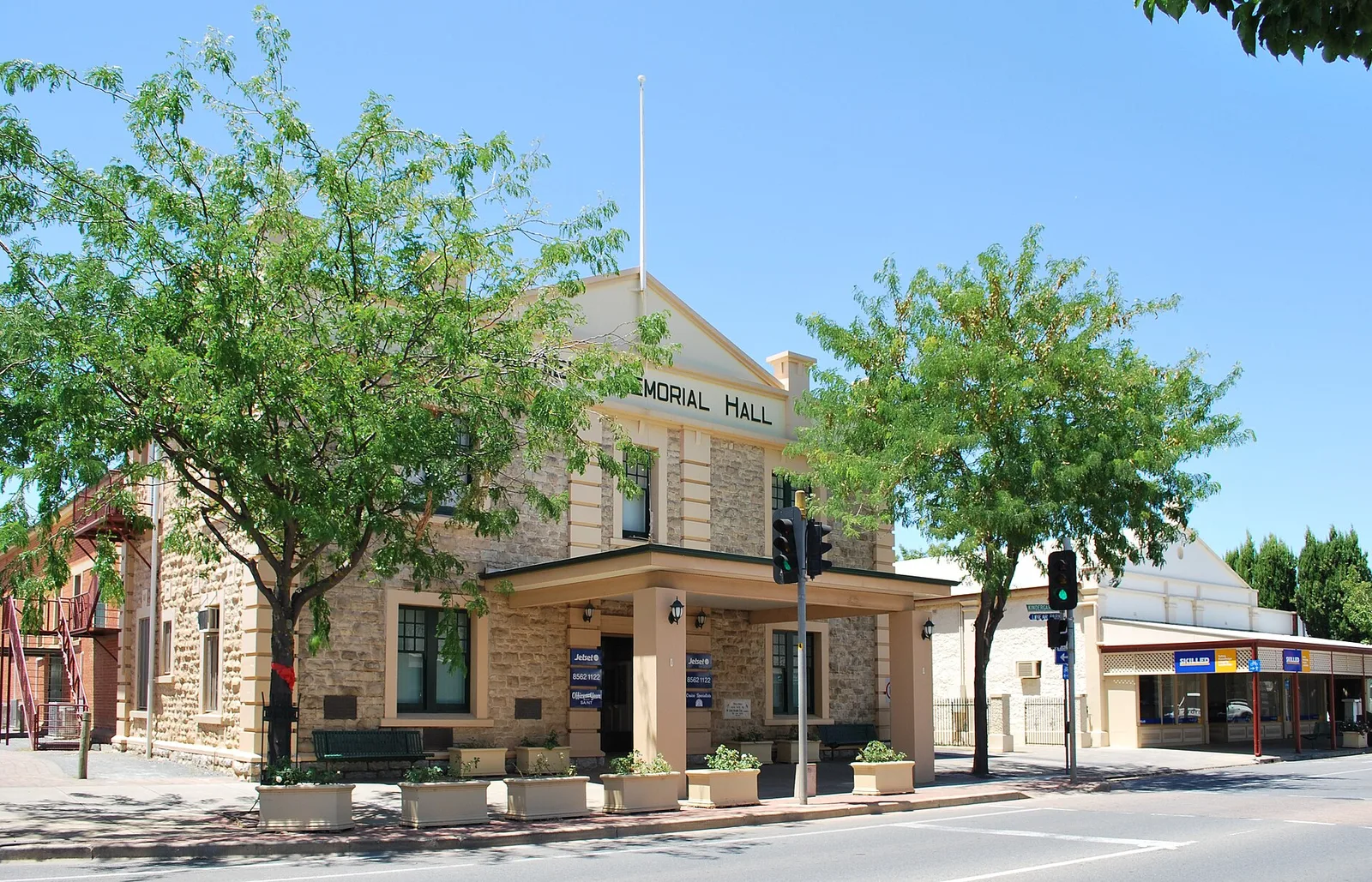
NuriootpaMemorialHall — Barossa Valley airbnb marketing
Local Color
Barossa Valley Local Landmark
Why Cavmir

The Cavmir Advantage
in Barossa Valley

Cavmir wins in the Barossa because the region's story is world-class and its listings mostly say vineyard views. The valley has genuinely rare assets — pre-phylloxera vines older than almost anything in Europe, a Lutheran settlement history you can taste in the bakeries, a century-and-a-half unbroken barrel line at Seppeltsfield — and almost none of that reaches the guest before they book. We put it there, because a property that explains why these vines matter converts a wine traveller far better than another photograph of a row. Then we build midweek, which is where the money is: two- and three-night wine escapes for retirees and empty-nesters who do not care what day it is, small corporate and incentive stays out of Adelaide, and shoulder-season packages built around vintage and pruning when cellar doors have time to talk. We solve the driving problem with named tour operators and honest distances. We make the light-regulation position part of a professional posture rather than an excuse for a casual one, because South Australia is the last mainland state without a framework and that will not hold forever. And for the valley's guesthouses, cellar-door stays and boutique hotels we build direct-booking websites and repeat-guest programs. We help position and market your property. We never manage it or touch your keys.

State of the Industry · History

The Barossa Valley STR Market — Past & Present

The Barossa is Peramangk and Ngadjuri country, and the European valley that sits on it now was built by refugees. From 1842, Silesian Lutherans fleeing religious persecution in Prussia arrived in South Australia and settled the valley in villages laid out on a German pattern — Bethanien, Langmeil, Krondorf — building churches before houses and planting vines almost immediately. The name came from Colonel William Light, who named it after Barrosa in Spain where he had fought; the spelling was mangled in the official registration and never corrected. What that settlement produced is a cultural landscape unlike anywhere else in Australia: Lutheran churches at almost every crossroads, bakeries still making the same breads, smallgoods traditions carried through five generations, and place names in a German that was suppressed during the First World War and quietly restored afterwards.

The vines are the other inheritance, and their significance is easy to understate. Phylloxera, the root louse that destroyed most of the world's vineyards from the 1860s onward and forced Europe to replant on American rootstock, never reached South Australia. The Barossa's oldest blocks therefore survive on their own roots, continuously producing, including Shiraz dated to 1843 and 1847 and a Mourvèdre block from 1853 that is regarded as the oldest of its kind in the world. There is very little else like it anywhere. Seppeltsfield, founded in 1851, holds an unbroken line of Tawny in barrel from every single vintage since 1878, releasing the hundred-year-old wine each year — the only place on earth that can pour you the year you were born from its own cellar. The modern wine economy grew through the twentieth century, faltered during the vine-pull schemes of the 1980s when old vines were being torn out for subsidy, and recovered as the world worked out what it nearly lost. The short-stay market grew inside a regulatory vacuum: South Australia still has no state framework at all.

Pricing Strategy & Seasonality

Pricing, Seasonality & When to Capture ROI

Pricing Strategy

The Barossa rate map is a cellar-door and heritage map. Tanunda sits at the centre with the strongest walkable concentration of cellar doors, restaurants and heritage streetscape, and it carries the highest occupancy in the valley. Angaston trades on a prettier main street, the food economy and proximity to the Eden Valley, at similar rates with a slightly older audience. Marananga and Seppeltsfield command the strongest premium for vineyard settings and the palm avenue, and are where the highest-rate cottage and villa stock sits. Nuriootpa is the practical town — services, supermarkets, the farmers market — and the value tier for families and longer stays. Lyndoch and the southern approaches are closest to Adelaide and the best positioned for a one-night stopover, which is a different and underused product. Blended, the valley runs near A$312 a night at about 52% occupancy: strong rates against a weekend calendar, which is the fingerprint of a region that has never been sold Monday to Thursday.

Seasonality & ROI Windows

The Barossa's year runs on vintage and the Adelaide weekend. Autumn, March to May, is the best season — vintage running through March and April, the vines colouring, warm days and cool nights, and the most comfortable weather for cellar-door touring. Winter, June to August, is cold, wet and quiet, and it is the valley's most underused asset: fires, red wine, slow lunches, and cellar doors with the time to give you a proper tasting. Spring brings green vineyards, wildflowers on the ranges and building demand. Summer is hot and dry, and touring in a Barossa February is genuinely hard work, though Christmas and January carry family and interstate traffic. Weekends outperform midweek by a wide margin all year.

Regulation & Licensing · 2026

What the Law Requires in Barossa Valley

The Barossa is the lightest-regulated market in this wave, and the sensible response to that is professionalism rather than complacency. South Australia has no state-wide short-term rental licensing or registration scheme, no state short-stay levy and no night cap. A parliamentary select committee examining the short stay accommodation sector recommended introducing a state register, enforcing safety standards and potentially charging fees; those recommendations exist on the record and are not law. That makes South Australia the last mainland state without a framework, and given that Victoria has a levy, New South Wales has registration and caps, Queensland has council-level rating measures and Western Australia has moved on registration, the realistic planning assumption is that something arrives here eventually. Locally, governance is split: The Barossa Council covers most of the valley and Light Regional Council takes in parts of the western side, so confirm which council covers your address before you rely on any local guidance. Ordinary planning applies — a property used for something beyond a dwelling can raise change-of-use questions, and rural and primary production zoning has its own considerations, particularly where accommodation sits on a working vineyard. Beyond that the obligations are the standard ones: South Australian smoke alarm requirements, pool fencing where relevant, public liability cover, and food handling rules if you provide anything beyond a basic breakfast. Bushfire-prone land obligations apply in parts of the ranges. Two practical points follow. First, an absent framework is not the same as an absent standard: if a register does arrive, it will almost certainly ask for the safety documentation you should already hold, so the operators who keep current smoke alarm records, an electrical report and a written emergency plan will be filling in a form while their neighbours are scrambling. Second, the most common Barossa compliance surprise is not short-stay rules at all but the planning question that arises when accommodation is added to a working vineyard or a cellar door — a mixed-use rural title is assessed differently from a house in Tanunda, and that conversation belongs with the council before settlement rather than after the first guest.

Market-Specific Tips & Challenges

Local Tips & Unique Market Challenges

Tips That Actually Move Revenue in Barossa Valley

Tell the vine story, because almost nobody does. The Barossa escaped phylloxera and holds blocks planted in 1843, 1847 and 1853 — some of the oldest continuously producing vines on earth — and a listing that explains that in two sentences converts a wine traveller far better than another photograph of a row of vines. Point guests at Seppeltsfield's Centennial Cellar and the ability to taste their birth year; it is a genuinely unique experience and it sells a stay. Sell winter and midweek hard, because that is where the money is: fires, big reds, long lunches and cellar doors with time to talk are a real product, and almost nobody in the valley is packaging it. Solve the driving problem with named tour operators and honest distances between cellar doors. Use the German settlement heritage — the bakeries, the smallgoods, the Lutheran churches, the farmers market — because it is what distinguishes the Barossa from every other Australian wine region. Price the Vintage Festival years properly, because it runs every second year and fills the valley. And build the email list, because wine travellers return.

Unique Barossa Valley Challenges

The midweek gap is the defining commercial problem and it has resisted solutions for decades, holding regional occupancy near 52% against strong nightly rates. Summer is hot and dry and touring cellar doors in a Barossa February is hard work. Bushfire risk in the valley and surrounding ranges affects insurance and can disrupt a season. The Australian wine industry faces genuine structural headwinds in export markets and among younger drinkers, which is a long-run demand question for wine tourism. Two councils cover the valley, which confuses local guidance. Regulation is absent today but South Australia is the last mainland state without a framework. And the region competes directly with McLaren Vale, Clare and the Adelaide Hills for the same Adelaide weekend.

A Barrel from Every Year Since 1878
At Seppeltsfield there is a cellar containing an unbroken line of Tawny in barrel from every single vintage since 1878, and each year the estate releases the one that has turned a hundred years old. It means you can walk in and taste wine from the year you were born, drawn from the barrel, whatever year that happens to be — the only place on earth where that is possible from a single continuous collection. The founding family started it as a rule for their descendants and nobody has broken it in nearly a hundred and fifty years, through two world wars and a depression.
Finance Essentials — Barossa Valley
🛡️

Insurance

Barossa underwriting is bushfire and rural. Parts of the valley and the surrounding ranges are bushfire-prone, and South Australia's fire seasons are serious; check the mapping before you buy and expect premiums to reflect it. Rural properties raise access, water supply and outbuilding questions. You need short-stay or commercial landlord cover with public liability, loss of rent and accidental damage by guests, and if you are hosting groups — the Barossa does a substantial celebration and hen-weekend trade — either build for it with the right property and firm rules or exclude it by policy. Where accommodation is attached to a working winery or cellar door, the liability position is more complex than a standalone cottage and worth a proper conversation with a broker.

🧾

Property & Income Tax

South Australia adds no state levy and charges no registration fee, so the Barossa carries the lightest short-stay tax load of the Australian markets in this wave. What applies is the ordinary stack: GST once turnover crosses the registration threshold, income tax on net rental profit, South Australian land tax above the threshold on aggregated site value with stricter aggregation rules than some other states, and capital gains tax on disposal with the main residence exemption affected by income-producing use. Where accommodation sits on a working vineyard, the interaction between primary production land tax treatment and short-stay income is a genuine complication that a generic short-stay accountant will not have met. Get local advice before you structure it, particularly if you are combining a cellar door, a residence and guest accommodation on one title.

🏦

Mortgages & Financing

Australian lenders discount short-stay income when assessing serviceability, and rural or vineyard-attached titles narrow the panel further because valuers treat mixed-use rural property cautiously. Expect twenty per cent or more deposit. The Barossa's advantage in a lender conversation is a clean regulatory position — no levy, no cap, no registration — but the honest number to model is occupancy rather than availability, and 52% is the regional reality until somebody solves midweek. Bushfire-prone status affects both insurance and lending. Use a broker who has financed short-stay accommodation on South Australian rural titles rather than one working from a metropolitan template.

Future Outlook · 2027 & Beyond

Where Barossa Valley is Headed Next

Two things will shape the Barossa's next decade. The first is regulation: South Australia is the last mainland state without a short-stay framework and the select committee's recommendations point clearly at a register with safety standards. Nothing suggests a levy or a cap is imminent, but an operator building now should assume registration arrives and should be running a documented, compliant business already. The second is the wine economy itself, which faces genuine headwinds — export market volatility, changing drinking patterns among younger consumers, and climate pressure on a region that is already warm. The Barossa's defence is what makes it unique: old vines, heritage and a story that cannot be replicated, which pushes the region toward premium, experience-led tourism rather than volume. That is good news for accommodation, because the guest who comes to taste a hundred-and-eighty-year-old vineyard stays longer and spends more than one who came for a cheap tasting. The commercial prize remains midweek. An hour from a capital city, with a large retired and semi-retired Australian population, no day cap and four empty nights a week, this valley has been leaving money on the table for twenty years.

From the Desk of Sofie Sinag

Why We Love Marketing in Barossa Valley

We love the Barossa because it is a German village that grew grapes and accidentally ended up holding some of the most important vineyards on earth. Silesian Lutherans arrived in 1842 fleeing persecution, built churches before they built houses, and planted vines that are still producing — and because phylloxera never reached South Australia, those vines are on their own roots, unbroken, older than almost anything left in Europe. You can stand in a block planted in 1843. There is a cellar at Seppeltsfield with a barrel from every year since 1878 and you can taste the year you were born. And underneath the wine there is a food culture that is genuinely different from the rest of Australia: bakeries, smallgoods, a farmers market that locals actually shop at, and a valley that still smells of woodsmoke in July. For marketers, the Barossa is the clearest gap in this wave — the freest regulation in the country, the best story of any Australian wine region, high nightly rates, and four nights a week nobody has ever seriously tried to sell.

Why It Matters

A great property in Barossa Valley doesn't just want a listing — it wants a point of view, an audience, and a brand the city itself would recognise.

Cavmir's Barossa Valley Cheat Sheet

The Picks We Recommend for Your Welcome Book

The picks we send Barossa guests — deliberately weighted toward midweek and the cold months, when the valley is at its best and the tastings are unhurried.

Coffee & First Light

Mengler Hill Lookout at sunrise

Ten minutes above Tanunda for the whole valley laid out below with mist in the rows and the ranges behind. There is a sculpture park at the top and almost nobody there before eight. It is the shot that explains the Barossa faster than any tasting note.

The Splurge Table

Hentley Farm or a serious valley dining room

The Barossa's best kitchens cook from the valley itself and are worth building a trip around. Book weeks ahead for a weekend, or go on a Wednesday when you can talk to the people who made both the food and the wine.

Local Obsession

A Barossa bakery, first thing

Five generations of Silesian baking still going in the valley's towns — streusel, bienenstich, proper bread, and smallgoods traditions that arrived in 1842 and never left. Send guests to a bakery before a tasting and they will understand the place before they taste a drop.

Shoulder Season Secret

A cold Tuesday in July

Fires lit, big Shiraz, cellar doors with the time to actually pour you something interesting from the back of the shelf, and long lunches with nobody waiting for the table. Winter midweek is the best wine tourism in the Barossa and almost nobody markets it.

Weekend Escape

Seppeltsfield's palm avenue and the Centennial Cellar

A kilometre of date palms planted by depression-era workers leading to an estate holding a barrel of Tawny from every vintage since 1878. Book the tasting of your birth year in advance; it is the single most memorable hour a guest will spend in the valley.

What Guests Ask For

The driver, the distances and the old vines

Barossa enquiries repeat four things: how do we get around without driving, how far apart are the cellar doors, where are the really old vines, and is there somewhere to eat on a Monday. Answer all four in the listing and you will convert bookings your competitors never see.

Local Work · Composite Case Vignettes

What Cavmir Has Done for Barossa Valley Properties

A few composite engagements drawn from how Cavmir typically works in this market. The details are illustrative and consistent with the Barossa Valley, not pulled from a single named client.

Bluestone cottage · Tanunda
The Brief

A restored settler cottage filled Fridays and Saturdays at strong rates and sat empty Monday to Thursday all year. The listing showed vineyard views and said nothing about the valley's history, the old vines or why any of it matters.

What We Did

Cavmir rewrote the property around the Barossa's actual story — pre-phylloxera vines, the Silesian settlement, Seppeltsfield's barrel line — and built a midweek product for retirees and empty-nesters priced as its own thing rather than as a weekend discount.

The Result

Midweek nights began selling at rates that stood on their own, the guest mix shifted toward longer-staying wine travellers who came for the story, and annual occupancy rose without touching the Saturday rate.

Eight-room guesthouse · Marananga
The Brief

A vineyard guesthouse took most bookings through platforms, paid commission on couples who returned every vintage, and had no way to package a tasting, a dinner and a driver with the room.

What We Did

Cavmir built a direct-booking site selling packaged stays — room, cellar-door tastings, a valley dinner and a driver — priced the Vintage Festival years and the autumn season properly, and set up a post-stay email inviting returning guests to book direct.

The Result

Packaged direct bookings lifted average booking value well above the room rate alone, autumn filled earlier than the previous year, and the operator built a repeat-guest list in a region people come back to every vintage.

Farm cottage · Eden Valley edge
The Brief

A cottage on the eastern ranges competed with Tanunda properties on cellar-door proximity it could never match, never mentioned the cooler-climate wines on its own doorstep, and closed itself off from winter entirely.

What We Did

Cavmir repositioned it around altitude, cool nights, Eden Valley Riesling and a fire, targeting couples and small groups on winter and shoulder midweek stays who actively want quiet rather than a walkable main street.

The Result

The cottage stopped losing a proximity comparison it was never going to win, winter midweek bookings became a genuine season, and it found an audience that valued exactly what it had rather than what it lacked.

Market Intelligence · Seasonality

Airbnb seasonality in Barossa Valley, month by month

Demand in Barossa Valley peaks around March through April and runs quietest around January, February and June. Here is how the year actually books — and what to do about each stretch of the calendar.

Peak demandSteadyQuiet

Peak season

Autumn is the Barossa's peak and its best season. Vintage runs through March and April with fruit coming in and the valley visibly at work, the vines colour, and the weather settles into warm days and cool nights that suit cellar-door touring better than any other time of year. In odd-numbered years the Barossa Vintage Festival lands in April and fills the valley completely, booking a very long way ahead against published dates.

The shoulders

Spring brings green vineyards, wildflowers on the ranges and steadily building weekend demand from Adelaide. Late summer into early autumn is warm and busy. August carries the Barossa Gourmet Weekend, deliberately placed in the coldest month to give winter an anchor. These are dependable months rather than spectacular ones, and they are where a properly built midweek product does most of its work.

The quiet stretch

Winter, June to August, is cold, wet and quiet, and it is the valley's most underused asset rather than a genuinely dead season. Fires, big Shiraz, slow lunches and cellar doors with the time to give an unhurried tasting are a real product that almost nobody packages. Midweek is quiet all year round, and that — rather than any season — is the Barossa's actual problem: strong nightly rates against roughly 52% occupancy.

Dates that fill first

VintageMarch and April
The valley at work, fruit coming in, cellar doors busy and the weather at its best. The highest-rate and most atmospheric weeks of the Barossa year, and the easiest season to sell to a genuine wine traveller.
Barossa Vintage FestivalApril, every second year
A week-long festival held in odd-numbered years that fills the valley completely and books a very long way ahead. Rates for festival years should be set as soon as the dates are published.
Barossa Gourmet WeekendAugust
A food and wine weekend placed deliberately in the coldest month, giving winter a genuine anchor. Most operators still price it as ordinary low season, which is a straightforward mistake to fix.
South Australian long weekendsYear-round
An hour from Adelaide means every long weekend fills hard. Publish rates early and hold three-night minimums rather than reacting a fortnight out when the valley is already booked.
Winter fireside midweekJune to August
Cold nights, big reds and cellar doors with time to talk properly. Not an organised event but the single biggest untapped demand opportunity in the valley, and one that faces almost no competing marketing.
Market Intelligence · Guests

Who books Barossa Valley Airbnbs — and how far ahead

Adelaide weekend couples
An hour up the road for two nights around cellar doors and one big dinner. Established, reliable demand that already sells itself, which is precisely why it is not where the opportunity lies.
Retired and semi-retired midweek travellers
The most valuable underserved audience in the valley. They do not care what day it is, they prefer shoulder seasons, they stay longer and spend more, and almost nobody builds a product for them.
Serious wine travellers
Interstate and international visitors who came specifically for pre-phylloxera old vines and Seppeltsfield's barrel line. They stay longer, spend more and respond to a listing that knows why the vines matter.
Heritage and food visitors
The Silesian settlement story, the bakeries, smallgoods and the farmers market draw an audience with limited interest in tasting rooms, and give the valley a proposition no other Australian wine region has.
Guesthouse and cellar-door stay guests
Vineyard guesthouses, boutique hotels and cellar-door accommodation compete for the same couples and hold the strongest packaging upside — room plus tasting plus dinner plus driver beats a room alone.

The booking window

The Vintage Festival years and long weekends book a long way ahead once dates are known. Autumn touring fills two to three months out. Ordinary weekends book two to four weeks ahead. Midweek demand, where it exists at all, is late and price-sensitive, which is exactly why it needs a positioned product rather than a last-minute discount that trains guests to wait for one.

Typical stays

Two nights on weekends, three over long weekends and Vintage Festival years, and a genuine two-to-four-night midweek opportunity that barely exists today. Because South Australia imposes no day cap and no levy, there is no reason to ration nights — the constraint here is demand generation rather than availability, which is the opposite of the Blue Mountains.

Where guests drive from

AdelaideGawlerClare ValleyMurray BridgeVictor Harbor

Where guests fly from

MelbourneSydneyBrisbanePerthAucklandSingapore
Adelaide at around an hour dominates and supplies almost all weekend demand, with Adelaide Airport a little over an hour away making the valley a genuine fly-drive destination for interstate wine travellers. For paid media, Adelaide postcodes carry the weekends, while retiree and empty-nester audiences in Adelaide and Melbourne are the cheapest route into the midweek gap.
Market Intelligence · What Wins

The Airbnb that wins in Barossa Valley

The winning Barossa property is a heritage cottage or vineyard house with a fire, a large dining table, proper glassware and a clear plan for how guests get between cellar doors without driving. Because South Australia imposes no cap and no levy, the constraint is demand rather than availability — so a property that can justify a midweek rate is worth substantially more than one that only works on Saturday.

Amenities that move bookings here

A fire or wood heater with wood suppliedA large dining table and proper wine glasswareEffective cooling for a hot, dry Barossa summerA named designated-driver or tour-operator planHonest driving distances between cellar doorsFast wifi with the speed statedOutdoor area and a firepit for winter eveningsA written guide to the old-vine blocks and Seppeltsfield
The single most valuable thing you can do is tell the vine story and then build a midweek product around it. The Barossa escaped phylloxera and holds blocks planted in 1843, 1847 and 1853 — that converts a serious wine traveller, and serious wine travellers do not care what day of the week it is.
Straight Answers

Barossa Valley Airbnb marketing questions, answered

How do I market my Airbnb in the Barossa Valley?

Tell the vine story and sell Monday to Thursday. The Barossa escaped phylloxera, so it holds some of the oldest continuously producing vines on earth — blocks planted in 1843, 1847 and 1853 — and Seppeltsfield has an unbroken line of Tawny from every vintage since 1878. Almost no listing mentions any of it, and it converts a serious wine traveller far better than another photograph of a row of vines. Then build a genuine midweek product for retirees, empty-nesters and small corporate groups, priced as its own thing rather than as a weekend discount, and solve the driving question with named tour operators.

When is peak season in the Barossa Valley?

Autumn. Vintage runs through March and April with the valley visibly at work, the vines colouring and the most comfortable weather of the year for touring cellar doors — and in odd-numbered years the Barossa Vintage Festival fills the valley completely in April. Spring is pleasant and building. August carries the Barossa Gourmet Weekend, placed deliberately in the coldest month. Winter is cold, quiet and the valley's most underused asset. Summer is hot and dry and touring in a Barossa February is genuinely hard work.

How far in advance do guests book in the Barossa Valley?

Vintage Festival years and long weekends book a long way ahead once dates are published, and autumn touring fills two to three months out. Ordinary weekends book two to four weeks ahead. Midweek demand, where it exists, is late and price-sensitive — which is precisely why it needs a properly positioned product built for an audience that does not care what day it is, rather than a last-minute discount that simply teaches guests to wait for the next one.

Where do the Barossa Valley's guests come from?

Adelaide at around an hour dominates and supplies almost all the weekend demand, with Adelaide Airport a little over an hour away making the valley a genuine fly-drive destination for interstate wine travellers from Melbourne, Sydney and Brisbane. There is a meaningful international layer for the old vines and Seppeltsfield. For advertising, Adelaide postcodes carry the weekends, while retiree and empty-nester audiences in Adelaide and Melbourne are the cheapest and most direct route into the midweek gap.

Do I need a licence to run a short stay in the Barossa Valley?

No. South Australia has no state-wide short-term rental licensing or registration scheme, no state short-stay levy and no night cap, which makes it the freest position of the ten Australian markets in this wave. A parliamentary select committee recommended a state register, enforced safety standards and possible fees, but none of that is law. Locally, confirm whether The Barossa Council or Light Regional Council covers your address, and check planning where accommodation sits on primary production land or is attached to a working vineyard.

Free Tools · Websites That Book

See what your listing in the Barossa Valley is leaving on the table

Run your Airbnb, Vrbo, or website through Cavmir's free grader. It checks the things that decide whether guests book in the Barossa Valley — photos, listing copy, page speed, local search — and shows you where bookings leak. Takes about a minute, and there's no sales call attached.

If the report says your booking engine is the weak link, that's fixable: a direct-booking website of your own means repeat guests stop paying platform fees to come back to you. That's the work Cavmir does — see Airbnb website design in the Barossa Valley.

What the grader measures

  • Photos and the first-impression frame
  • Listing title and copy
  • Your direct-booking website (or the lack of one)
  • Page speed and mobile experience
  • Local search and Google visibility
Grade My Listing — Free
Ready to Grow in Barossa Valley?

Let's Put Your Barossa Valley
Property on the Map

Talk to Cavmir today. We'll show you exactly what your Barossa Valley property is leaving on the table — and how fast we can change that.

Book a Free Strategy Call