Start here Work with Cavmir in Blue Mountains
Get a Proposal (786) 751-3426
A$268
Avg. Nightly Rate
58%
Avg. Occupancy Rate
A$4,660
Avg. Monthly Revenue
3-5%
Est. Cash-on-Cash ROI
MEDIUM
Seasonality
HIGH
Regulatory Burden

* Market averages. Properties marketed by Cavmir typically exceed these figures by 25–45%. Data sourced from AirDNA, STR market reports, and Cavmir internal analytics.

The Market

Why Blue Mountains is One of the World's Premier STR Markets

The Blue Mountains carry a constraint that catches out almost every new owner: they are inside Greater Sydney for planning purposes, which means non-hosted short-term rental accommodation is capped at 180 days in each twelve-month registration period under State Environmental Planning Policy (Housing) 2021. That is not a Sydney-only rule and the mountains are not an exception to it. Registration on the NSW STRA Register is mandatory, costs $65 for a new registration and $25 to renew, and the Property ID has to appear on your listing; fire safety standards and the STRA Code of Conduct apply. Hosted stays, where you live on the premises, are uncapped at 365 days — which is a genuinely different business model worth understanding before you buy. The day count runs from your initial registration date rather than the financial year, so the arithmetic is personal to your property. What sits inside that framework is a World Heritage Area inscribed in 2000, ninety minutes from Australia's largest city, with an invented winter season that most markets would kill for: Yulefest, the Blue Mountains' Christmas in July, running since 1980 and now filling the coldest months of the year.

The Blue Mountains run on Sydney. Katoomba is about ninety minutes by road or two hours on the train from Central, which makes this a genuine weekend and midweek short-break market rather than a holiday destination, and the demand shape reflects that: two-night weekends dominate, Sydney couples are the core audience, and the properties that win are the ones that feel like a proper escape rather than a suburb with a view. The upper mountains around Katoomba, Leura and Blackheath carry the highest rates and most of the guesthouse stock; Wentworth Falls and Springwood sit lower and cheaper; Megalong and Kanimbla valleys offer the rural product. Demand is built on walking — the Grand Canyon track, the Six Foot Track, the National Pass — plus the Three Sisters and Scenic World, a serious food and antiques economy in Leura, and cool-climate gardens that give the region a spring and autumn calendar. The 180-day cap has a real market effect: it pushes non-hosted operators toward higher rates on fewer nights and makes hosted operation genuinely attractive. Blended nightly rates sit near A$268 with occupancy around 58%, which is what a capped market looks like.

Top Attractions & Landmarks

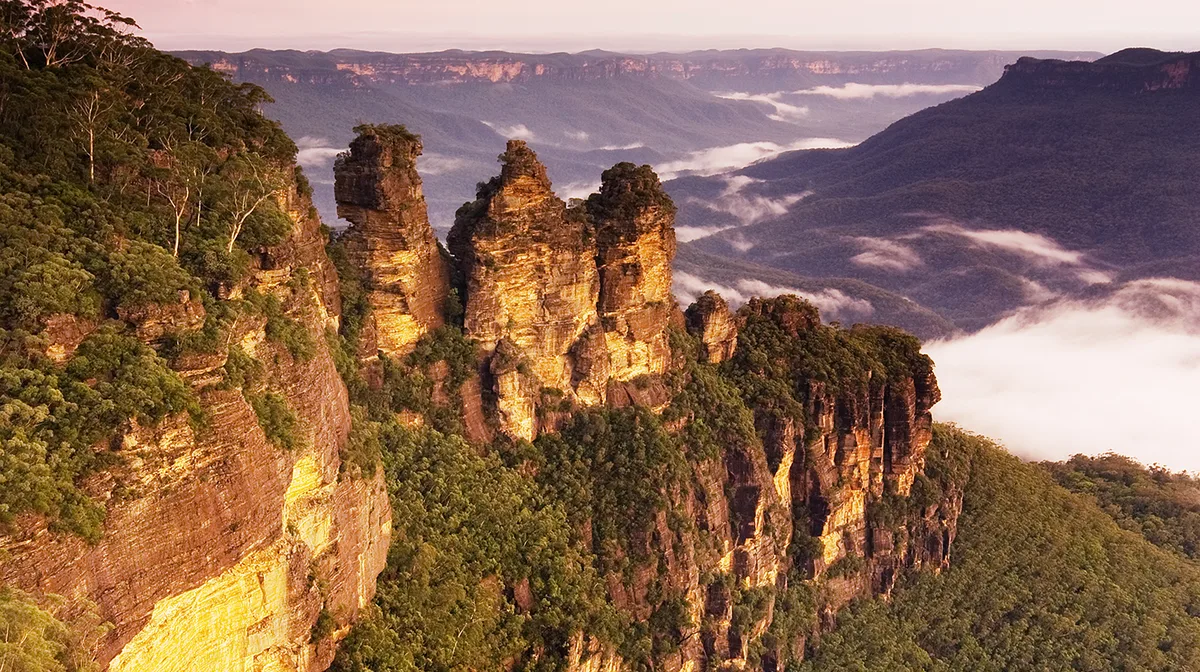
  • The Three Sisters at Echo Point, Katoomba
  • Scenic World and the Katoomba Scenic Railway
  • Wentworth Falls and the National Pass
  • The Grand Canyon walking track, Blackheath
  • Leura village and the mountain gardens
  • Jenolan Caves
  • The Megalong and Kanimbla valleys

Nearby Markets: Hunter Valley  |  Snowy Mountains  |  Brisbane

Airbnb marketing services in Blue Mountains, NSW, Australia
Postcards

Blue Mountains through the lens

A few of the visual fingerprints we lean into when we shoot, brand and market a Blue Mountains property — courtesy of the open Wikimedia Commons archive.

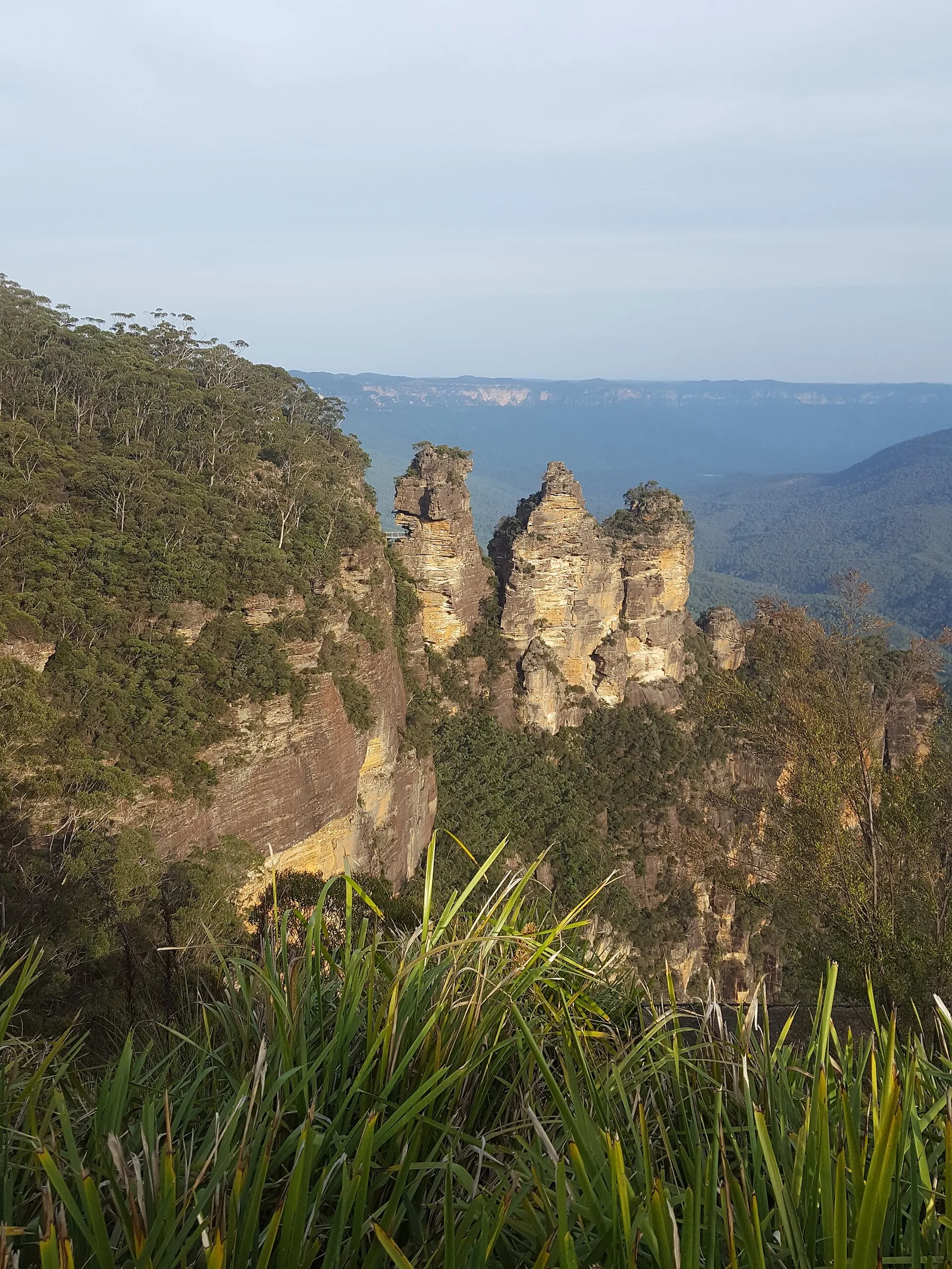
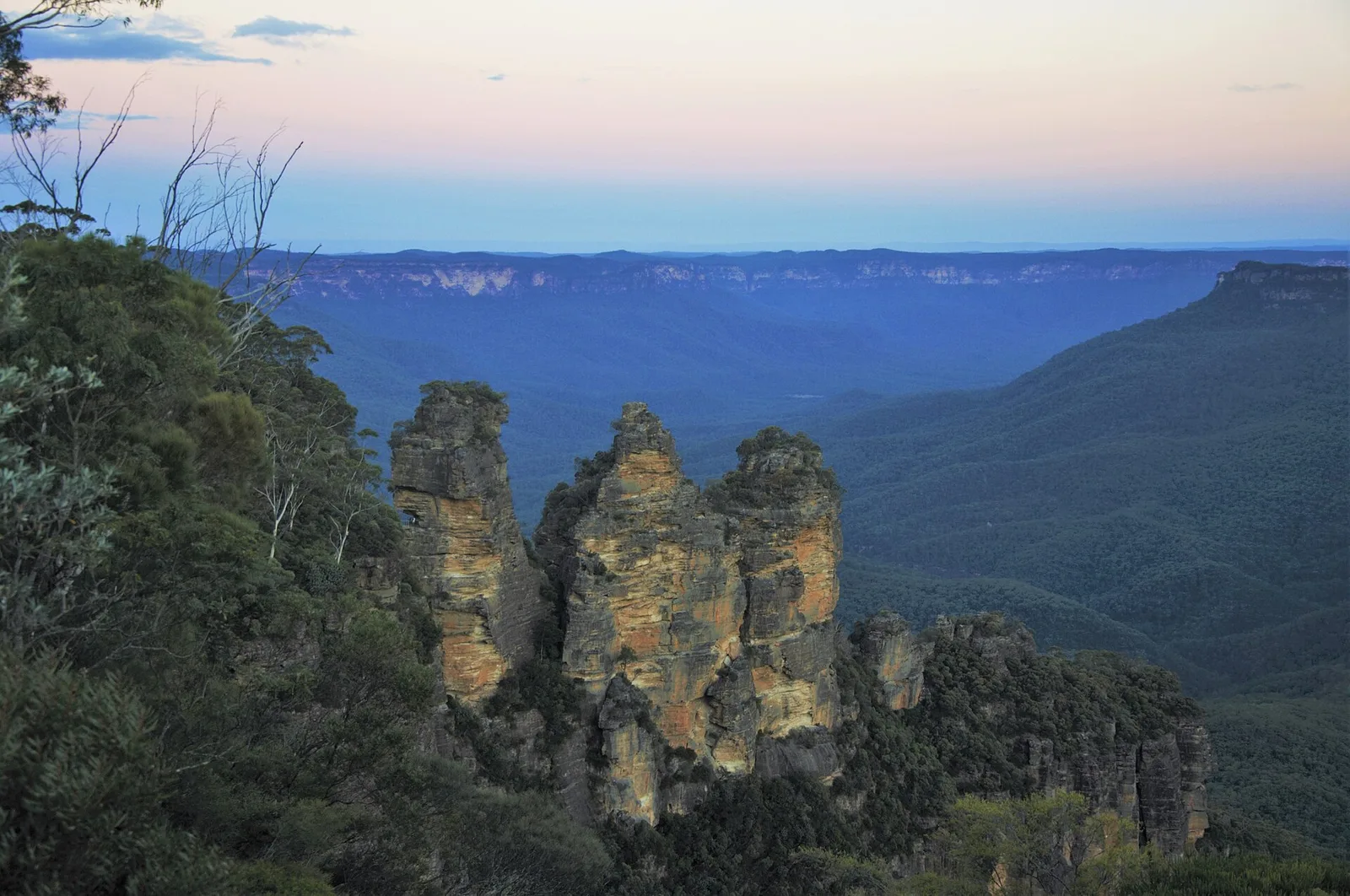
Three Sisters from echo point — Blue Mountains airbnb marketing
Local Color
Three Sisters from echo point
The typical blue haze in the Jamison Valley behand the Three Sister — Blue Mountains airbnb marketing
Local Color
The typical blue haze
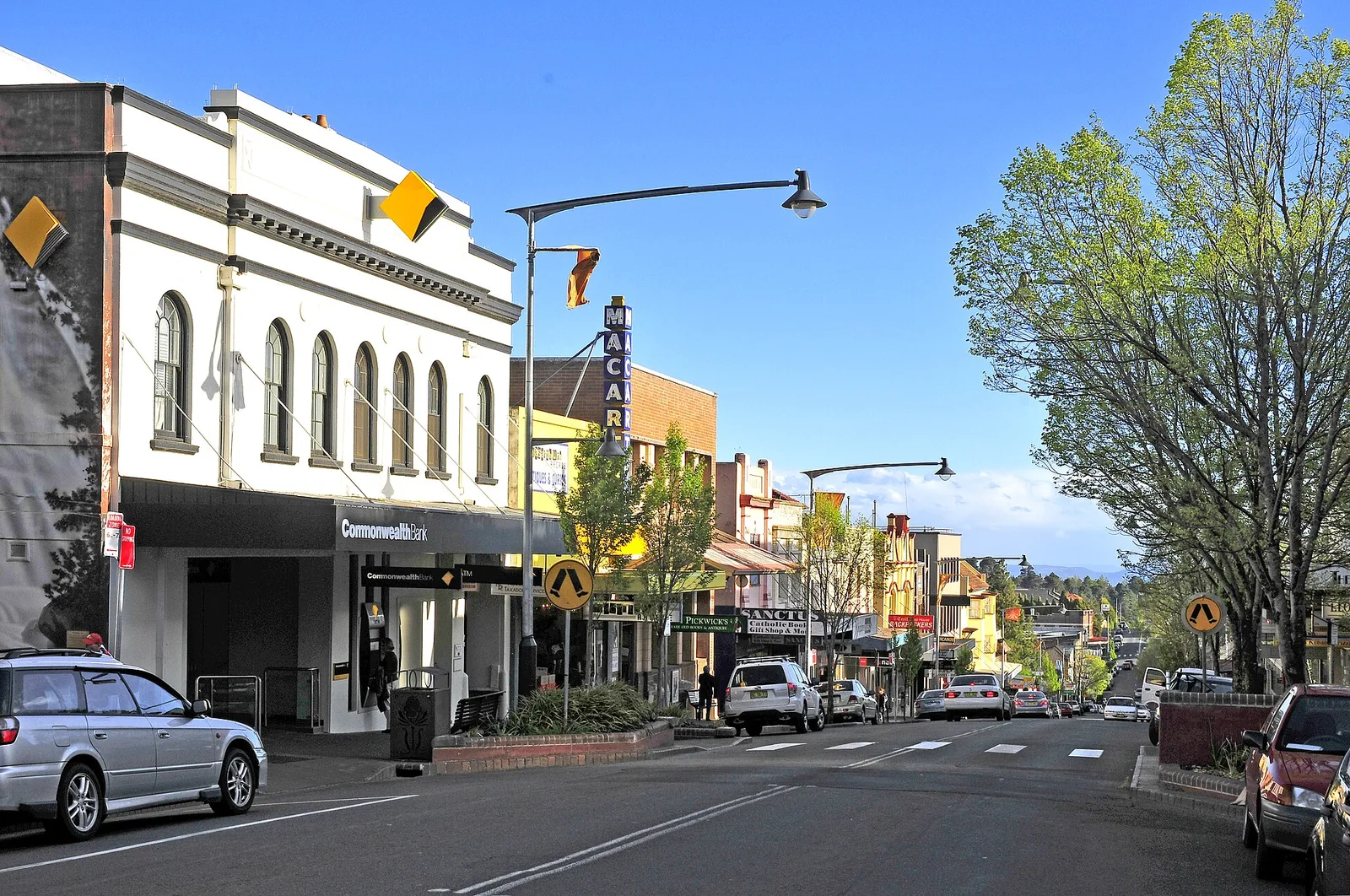
Katoomba 03 — Blue Mountains airbnb marketing
Local Color
Blue Mountains Local Landmark
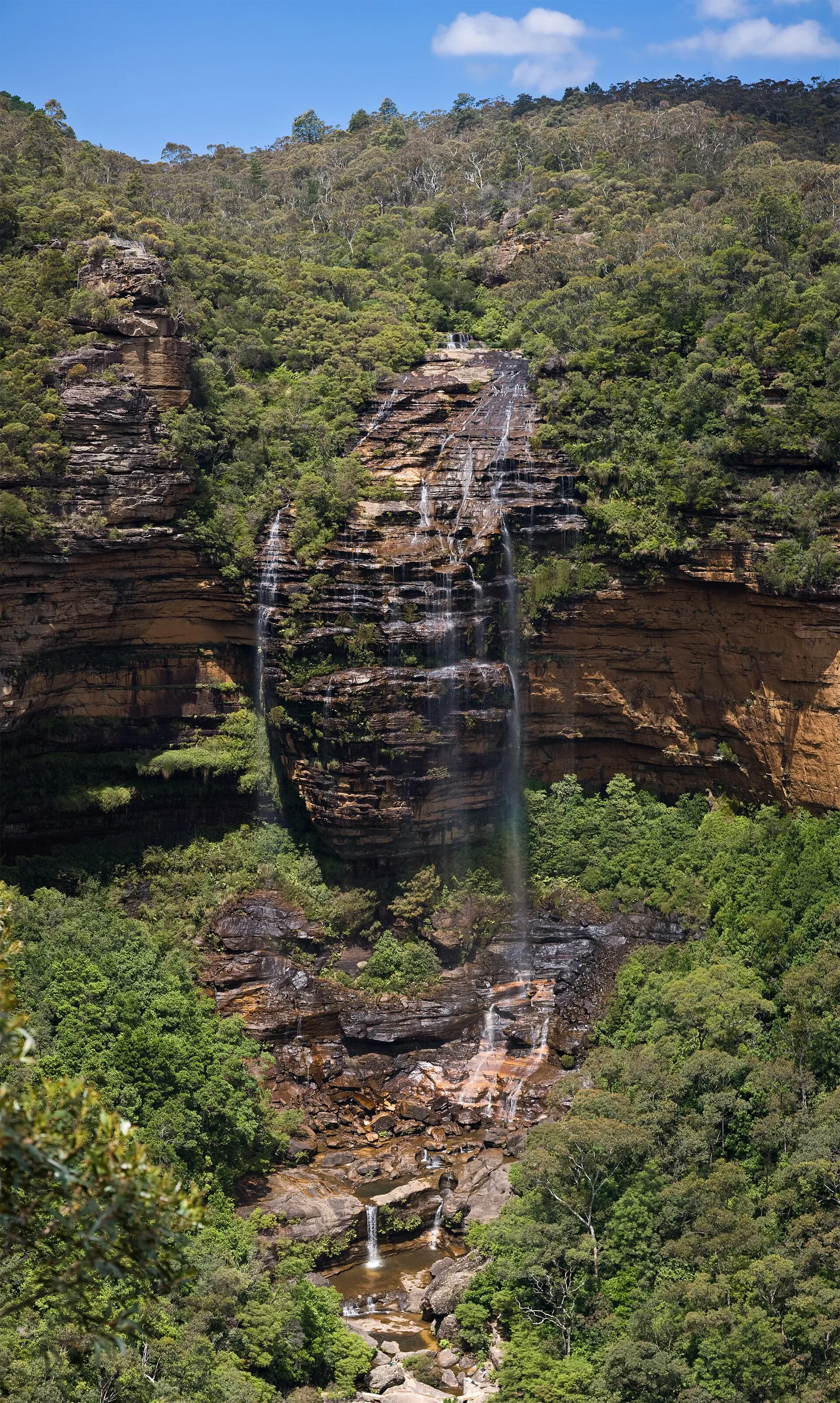
Upper Wentworth Falls, NSW, Australia 2 Nov — Blue Mountains airbnb marketing
Local Color
Upper Wentworth Falls, NSW, Australia
Why Cavmir

The Cavmir Advantage
in Blue Mountains

Cavmir wins in the Blue Mountains because the 180-day cap changes what good marketing means. If you can only sell 180 non-hosted nights, every one of them has to earn more — which makes rate discipline, minimum stays and demand-period targeting far more valuable here than raw occupancy chasing. We build the calendar around the nights worth having: Yulefest through the winter months, autumn colour in Leura and Mount Wilson, spring gardens, long weekends, and the school holidays. We put the STRA registration and Property ID in plain sight, because in a registered market a compliant listing is a trust signal. Then we do the work most listings skip: named walking tracks from the door with distance and grade, an honest position on how cold a mountain winter night actually gets and what heating exists, whether there is a fireplace and whether wood is provided, and clear guidance on bushfire season and the property's own preparations, because Sydney guests ask and deserve a straight answer. We shoot the mountains in mist and low light rather than waiting for the one clear day. And for the region's guesthouses, boutique hotels and B&Bs — of which there are many, and which are not capped in the same way when hosted — we build direct-booking websites and repeat-guest programs. We help position and market your property. We never manage it or touch your keys.

State of the Industry · History

The Blue Mountains STR Market — Past & Present

The Blue Mountains were a wall for the first quarter-century of the colony at Sydney. They are not high — the plateau tops out a little over eleven hundred metres — but they are cut by sandstone gorges that made every obvious route a dead end, and the country is Darug, Gundungurra, Wiradjuri, Dharawal and Wanaruah, whose people had moved through it for tens of thousands of years by paths the colonists could not find. Blaxland, Lawson and Wentworth followed the ridgelines west in 1813, a road was cut within two years, and the mountains stopped being a barrier and became a route to the western plains. The blue haze that gives them their name comes from fine droplets of eucalyptus oil in the air scattering short-wavelength light — a straightforward physical explanation for one of the most-photographed effects in Australia.

The railway arrived in the 1860s and made the mountains a resort. Sydney's wealthy built cool-climate retreats at Leura, Wentworth Falls and Mount Wilson, guesthouses opened along the line, and the towns filled with gardens planted for a climate that actually has four seasons — which is why the mountains have autumn colour that most of Australia does not. Katoomba's Scenic Railway began life hauling coal and shale out of the Jamison Valley and became a tourist ride; it is now recognised as the steepest passenger railway in the world at fifty-two degrees. In 2000 the Greater Blue Mountains Area was inscribed on the UNESCO World Heritage List for its extraordinary eucalypt diversity, and in 1994 a stand of Wollemi pines — a species known only from fossils — was found in a gorge in Wollemi National Park a couple of hours north. The 2019-20 Black Summer fires burned a very large proportion of the World Heritage Area and the recovery, ecological and economic, has shaped the region since. The short-stay market grew through all of it and now operates inside a hard planning constraint: because the Blue Mountains sit within Greater Sydney, non-hosted lets are capped at 180 days a year.

Pricing Strategy & Seasonality

Pricing, Seasonality & When to Capture ROI

Pricing Strategy

The Blue Mountains rate map runs on altitude and outlook. Katoomba and Echo Point carry volume and the highest visibility — the Three Sisters, Scenic World and the station — with a wide range of stock from budget to boutique. Leura is the premium village: gardens, antiques, the best food in the mountains, and the strongest rates for cottages and guesthouses, holding value in autumn better than anywhere else. Blackheath and Mount Victoria price on serious walking, the Grand Canyon track, Govetts Leap and a quieter, cooler upper-mountains feel that suits couples and Yulefest. Wentworth Falls and Bullaburra trade lower with excellent walking access and shorter drives from Sydney. Megalong and Kanimbla valleys are the rural tier — farm stays, wide views, hot tubs and total quiet at a genuine premium for the right property. Blended, the region runs near A$268 a night at about 58% occupancy, and in a market where non-hosted nights are capped at 180, that rate figure matters far more than the occupancy one.

Seasonality & ROI Windows

The Blue Mountains have four real seasons, which is unusual in Australia and is the foundation of the market. Autumn, from March to May, is arguably the best: cool clear days, genuine leaf colour in Leura and Mount Wilson, and garden festivals. Winter, June to August, is cold by Australian standards, occasionally snowy, and is carried by Yulefest — Christmas in July — which has run since 1980 and gives the region a winter season most Australian markets simply do not have. Spring brings the gardens and the strongest walking weather. Summer is warm, busy in school holidays, and is also bushfire season, which is a genuine operational and communication issue rather than a footnote. Long weekends fill hard year-round on the Sydney drive market.

Regulation & Licensing · 2026

What the Law Requires in Blue Mountains

The Blue Mountains are a high-regulation market and the reason is geography rather than local politics. New South Wales requires all short-term rental accommodation to be registered on the STRA Register: $65 for a new registration, $25 to renew, with the STRA Property ID displayed on the listing, compliance with fire safety standards and adherence to the STRA Code of Conduct. Layered on that is the day cap. Under State Environmental Planning Policy (Housing) 2021, non-hosted STRA in the Greater Sydney region is limited to 180 days in each twelve-month registration period, and the Blue Mountains local government area sits inside Greater Sydney. That is the single most important fact for an investor here and it is regularly missed by people who assume a mountain town two hours from the CBD is regional. The count runs from your initial registration date rather than the calendar or financial year, so two neighbouring properties can have completely different reset dates. Hosted STRA — where the host lives on the premises during the stay — is not capped and can run 365 days, which makes hosted operation, guesthouses and B&Bs structurally advantaged in this region. Strata by-laws add a further layer where relevant, and the Code of Conduct includes an exclusion register for hosts and guests with serious breaches. Bushfire is the other regulatory reality: properties in bush-fire prone areas carry planning and construction obligations, and having a written bushfire survival plan is both sensible and increasingly expected. Two practical consequences are worth spelling out. First, the day count is yours to track — nobody sends you a warning at night 170, and exceeding the cap is a planning breach rather than an administrative slip, so a simple running tally against your registration anniversary belongs in your operating routine from the first booking. Second, the cap makes the hosted and non-hosted distinction the single most consequential decision an owner here makes, because it is the difference between 180 sellable nights and 365. If you have a granny flat, a separate wing or a genuine intention to be on site, the arithmetic is worth running properly before you assume non-hosted is the obvious model.

Market-Specific Tips & Challenges

Local Tips & Unique Market Challenges

Tips That Actually Move Revenue in Blue Mountains

Run the calendar around the cap. If you have 180 non-hosted nights, spend them on the highest-value ones — Yulefest, autumn colour, long weekends, spring gardens — rather than letting them drain away on low-rate midweek fills in February. Track the day count from your registration anniversary, not the financial year, because getting that wrong is a compliance failure rather than a rounding error. Sell winter hard: Yulefest is a genuine seasonal product with forty-plus years behind it, and a fireplace with wood provided is one of the few amenities in Australia that reliably moves rate. Name the walking tracks from the door with distance and grade, because mountain guests plan by track. Be straight about how cold it gets and what heating you actually have — Sydney guests routinely underestimate a Blackheath night in July. Publish your bushfire preparations and survival plan; it builds trust rather than alarm. And if you can operate hosted, understand what the uncapped 365 days is worth before you dismiss it.

Unique Blue Mountains Challenges

The 180-day cap is the central constraint and it halves the theoretical revenue of a non-hosted property, which many buyers do not model. Registration-year day counting is easy to get wrong. Bushfire risk is real, insurance is expensive in bush-fire prone areas, and a bad season can remove months of trading. Prices in the upper mountains rose sharply through the 2020s, compressing yields against a capped calendar. Winter is genuinely cold and properties with poor heating are punished in reviews. The market is dominated by two-night Sydney weekends, which makes changeover costs proportionally high. And the region competes with the South Coast and the Southern Highlands for exactly the same Sydney escape weekend.

The Winter Christmas Somebody Invented
Yulefest started because a group of Irish guests asked a Katoomba guesthouse in 1980 whether they could have Christmas dinner in the cold, since the mountains in July felt more like home than an Australian December ever would. The kitchen obliged, word spread, and a region-wide winter season grew out of one dinner: roaring fires, full Christmas menus, carols and mulled wine through June, July and August. It is now more than forty years old, it fills the coldest months of the year, and it remains one of the smartest pieces of destination marketing anyone in Australia has ever accidentally done.
Finance Essentials — Blue Mountains
🛡️

Insurance

Bushfire is the defining underwriting issue in the Blue Mountains, and the 2019-20 season is part of every assessment. Premiums in bush-fire prone areas are materially higher, some insurers restrict cover, and the property's construction standard, vegetation clearance and access all matter. Check the bush-fire prone land mapping before you buy. Beyond that you need short-stay or commercial landlord cover with public liability, loss of rent and accidental damage by guests, plus cover for the storm and hail events that hit the escarpment. Wood fires and heaters need to be serviced and documented — they are a genuine claims category in a cold-climate market where a large share of properties have them.

🧾

Property & Income Tax

New South Wales does not charge a state short-stay levy, which distinguishes it from Victoria's 7.5%, but the registration regime carries its own small fees. What matters more is the ordinary Australian stack: GST once turnover passes the registration threshold, income tax on net rental profit, NSW land tax above the threshold on aggregated land value with surcharges for foreign owners, and capital gains tax on disposal with the main residence exemption affected by income-producing use. The Blue Mountains twist is the 180-day cap, which interacts with tax in a way owners underestimate: a property that can only be let 180 days non-hosted has a very different deduction apportionment from one let year-round, and the private-use portion needs to be handled correctly. Set the method with an accountant in the first year.

🏦

Mortgages & Financing

Australian lenders discount or exclude short-stay income when assessing serviceability, and in the Blue Mountains there is an additional question they will reasonably ask: whether the 180-day cap has been factored into the projections. Bush-fire prone postcodes attract more scrutiny and occasionally restricted lending. Expect twenty per cent or more deposit. Prices in the upper mountains rose strongly through the 2020s on Sydney migration, compressing yields, which is why the case here rests on rate discipline within a capped year rather than on volume. Model on 180 non-hosted nights rather than 365 unless you are genuinely operating hosted, and use a broker who understands the NSW STRA framework.

Future Outlook · 2027 & Beyond

Where Blue Mountains is Headed Next

The 180-day cap is the structural fact and there is no sign of it being relaxed for Greater Sydney; if anything the NSW framework has tightened elsewhere, with Byron Shire cut to 60 days in 2024. Plan on the cap persisting and build a business that works inside it. That pushes the region in two directions at once: toward hosted operation, guesthouses and B&Bs which are not capped, and toward higher-value, longer, better-marketed non-hosted stays that make each of the 180 nights count. Demand fundamentals are strong. Sydney keeps growing, the mountains are the closest genuine four-season escape to it, World Heritage status underpins the walking economy, and Yulefest is a decades-old winter season that most Australian regions would love to have invented. The variables are environmental: bushfire risk is the dominant one, and the 2019-20 fires demonstrated how quickly a season can be lost, while a warming climate is a long-run question for the cool-climate gardens and autumn colour the upper mountains sell. Operators who prepare properly for fire season, communicate honestly about it and build direct relationships will handle the volatility far better than those relying on platform traffic.

From the Desk of Sofie Sinag

Why We Love Marketing in Blue Mountains

We love the Blue Mountains because they are the only place within ninety minutes of an Australian capital city where the seasons actually behave. Leura turns properly in April. It is cold enough in July that people light fires and mean it. There is mist in the valleys most winter mornings and the eucalypt haze that gives the mountains their name is a real optical effect rather than a tourism metaphor. The walking is world-class and genuinely accessible — you can be on the National Pass or in the Grand Canyon track within twenty minutes of a train station — and above it all sits a string of old guesthouse towns with antique shops, cool-climate gardens and a food scene that has quietly improved a lot. And then there is Yulefest, which is exactly the kind of thing a place invents when it has a winter and nobody else in the country does. For marketers, this is the most interesting constraint in the portfolio: 180 non-hosted nights forces you to think about which nights are worth having, and that is a far better discipline than chasing occupancy.

Why It Matters

A great property in Blue Mountains doesn't just want a listing — it wants a point of view, an audience, and a brand the city itself would recognise.

Cavmir's Blue Mountains Cheat Sheet

The Picks We Recommend for Your Welcome Book

The picks we send Blue Mountains guests — weighted toward the cold months, because winter here is the product rather than the problem.

Coffee & First Light

Govetts Leap, Blackheath, before eight

Drive five minutes from the village to a lookout over the Grose Valley with mist sitting in it and almost nobody there. It is the best half hour in the mountains, it is free, and it makes a two-night stay feel like a proper escape rather than a drive.

The Splurge Table

Leura village for a long lunch

Leura has the best concentration of eating in the mountains and it is at its best in autumn when the trees have turned and the fires are on. Book ahead for a weekend, and treat the reservation as part of what you are selling — a mountain weekend is a food weekend as much as a walking one.

Local Obsession

The Scenic Railway at Katoomba

Fifty-two degrees, recognised as the steepest passenger railway in the world, built to haul coal out of the Jamison Valley and now hauling tourists in and out of rainforest. It is short, it is silly, everybody screams, and no child has ever been unimpressed by it.

Shoulder Season Secret

Mount Wilson in late April

A tiny village of exotic cool-climate gardens on a basalt cap north of the highway, where the autumn colour is the best in New South Wales and the crowds are a fraction of Leura's. Send guests midweek in the last two weeks of April and they will book the same week next year.

Weekend Escape

The Grand Canyon track, Blackheath

A six-kilometre loop down through a slot canyon of ferns, dripping sandstone and rainforest, back up to the rim. Three hours, properly spectacular, and accessible to anyone reasonably fit — the single best walk to put at the top of your listing's route notes.

What Guests Ask For

The fire, the heating and the tracks

Blue Mountains enquiries repeat four things: is there a real fireplace and is wood provided, how cold does it actually get, which walks start near the property, and is there parking. Answer all four precisely and you will convert winter bookings your competitors never see.

Local Work · Composite Case Vignettes

What Cavmir Has Done for Blue Mountains Properties

A few composite engagements drawn from how Cavmir typically works in this market. The details are illustrative and consistent with the Blue Mountains, not pulled from a single named client.

Two-bedroom cottage · Blackheath
The Brief

A well-restored cottage was being run as though it had 365 nights available, filled cheap midweek nights in low season, and hit its 180-day non-hosted cap in early spring — leaving the owner unable to sell autumn colour or Yulefest at all.

What We Did

Cavmir rebuilt the calendar around the cap: minimum stays, higher rates on the nights worth having, deliberate targeting of Yulefest, autumn colour, long weekends and spring gardens, and a day-count tracked from the registration anniversary rather than the financial year.

The Result

The same 180 nights produced materially more revenue because they were spent on the right dates, the property was open for the two highest-value seasons instead of exhausted before them, and the compliance position became straightforward.

Twelve-room guesthouse · Katoomba
The Brief

A hosted guesthouse — uncapped at 365 days — was taking nearly all its bookings through platforms, paying commission on Yulefest guests who had returned for a decade, and running a website that could not show a room or take a booking on a phone.

What We Did

Cavmir built a direct-booking site with proper room photography and honest winter descriptions, packaged Yulefest and autumn-colour stays, priced long weekends and school holidays into the calendar, and set up a post-stay email inviting returning guests to book direct.

The Result

Returning Yulefest guests moved onto the guesthouse's own site, the winter months sold earlier and at better rates than the previous year, and the operator gained a mailing list built on a forty-year-old seasonal tradition rather than platform traffic.

Valley farmhouse · Megalong Valley
The Brief

A rural property with wide views and a wood fire was marketed as a cheaper alternative to Leura, competed badly on convenience, and had never addressed the questions Sydney guests actually ask about bushfire, access and how cold it gets.

What We Did

Cavmir repositioned it as a quiet rural escape rather than a discount village stay, published the heating, the fire and the wood supply clearly, addressed bushfire preparation and the survival plan honestly, and targeted couples and small groups on winter and autumn midweeks.

The Result

The property stopped losing a convenience comparison it could not win, winter midweek bookings rose, and the honest bushfire information turned out to build confidence with Sydney guests rather than deterring them.

Market Intelligence · Seasonality

Airbnb seasonality in Blue Mountains, month by month

Demand in Blue Mountains peaks around April and July and runs quietest around February and November. Here is how the year actually books — and what to do about each stretch of the calendar.

Peak demandSteadyQuiet

Peak season

Two peaks that have nothing to do with summer. Autumn, and especially the second half of April, brings genuine leaf colour to Leura and Mount Wilson, clear cool days and garden festivals, and it produces the most premium-priced weeks of the year. Winter is the other, carried by Yulefest — Christmas in July, running since 1980 — which fills June, July and August with fires, full Christmas menus and mulled wine in a country that otherwise has no winter season at all.

The shoulders

Spring, from September to November, is excellent for walking and for the cool-climate gardens, and brings the Sydney weekend market back in force after winter. Early autumn in March is warm, clear and quiet before the colour arrives. These months are the easiest to underprice, because they lack a named season, and in a market where non-hosted nights are capped at 180 they need to be assessed carefully against the nights you actually want to spend.

The quiet stretch

Summer, from December to February, is the softest stretch outside school holidays — warm, sometimes hot, and the height of bushfire season, which is a genuine operational and communication issue rather than a footnote. February in particular is the month most owners should think hardest about, because in a capped year a cheap February night is a night that cannot be sold at Yulefest rates in July.

Dates that fill first

YulefestJune to August
Christmas in July, running region-wide since 1980. Roaring fires, full Christmas menus and carols in mid-winter give the Blue Mountains a genuine cold season that no other Australian market has invented.
Autumn colour and garden festivalsApril and May
Leura and Mount Wilson turn properly, garden festivals run, and the weather is at its clearest. The most photogenic and highest-rate weeks of the year, and the ones most worth spending capped nights on.
Spring gardensSeptember and October
Cool-climate gardens open across Leura, Blackheath and Mount Wilson, walking conditions are at their best and the Sydney weekend market returns in volume after the winter months.
NSW long weekendsYear-round
A capital city ninety minutes away means every long weekend fills hard. Publish rates early and hold minimum stays; these are among the highest-value nights available inside a capped calendar.
April and September school holidaysApril and September
Families walking, riding the Scenic Railway and visiting Jenolan Caves. Larger properties fill for a week at a time on published dates, which makes them easy to price accurately well in advance.
Market Intelligence · Guests

Who books Blue Mountains Airbnbs — and how far ahead

Sydney weekend couples
The core of the market, ninety minutes by road or two hours by train, booking two nights around a fire, a walk and a long lunch. Very high repeat rate, which makes them prime direct-booking candidates.
Yulefest guests
A forty-year-old winter tradition of Christmas in July, drawing groups and families who return to the same property year after year. The most loyal audience in the region and the easiest to build an email list from.
Walkers and bushwalking groups
Drawn by the Grand Canyon track, the National Pass, the Six Foot Track and the World Heritage escarpment. They plan by track rather than by town and travel in shoulder months by preference.
Garden and antiques travellers
An older, higher-spending audience travelling for Leura's shops, the cool-climate gardens and autumn colour. Midweek-flexible, longer-staying and largely indifferent to school terms.
Guesthouse and B&B guests
Hosted accommodation is uncapped at 365 days in NSW, which structurally favours the mountains' many guesthouses and B&Bs. They also carry the largest unused direct-booking upside in the region.

The booking window

Yulefest and autumn colour book two to four months ahead and returning guests frequently rebook before they leave. Long weekends fill early once dates are known. Ordinary weekends book two to four weeks out and midweek later still, sometimes inside a week. Because the calendar is capped, the discipline is to release the high-value dates early at proper rates rather than letting late midweek demand consume the allowance.

Typical stays

Two nights dominates, three over long weekends and Yulefest, and a week in school holidays for larger properties. In a market where non-hosted nights are capped at 180, minimum stays are not just a margin tool but a way of spending the allowance on fewer, better bookings — which changes the maths on one-night stays entirely.

Where guests drive from

SydneyPenrithWollongongNewcastleCanberra

Where guests fly from

MelbourneBrisbaneAdelaideAucklandSydneyCanberra
Sydney is overwhelmingly the source market at ninety minutes by road, with a genuine car-free audience arriving on the train to Katoomba. Interstate visitors typically add the mountains to a Sydney trip. For paid media, Sydney postcodes are the whole game, and winter fireside and Yulefest messaging targeted from April onward is the highest-return campaign in the calendar.
Market Intelligence · What Wins

The Airbnb that wins in Blue Mountains

The winning Blue Mountains property is a cottage or guesthouse with a real fireplace and wood supplied, heating that copes with a July night, named walking tracks within a short drive, and a clear STRA registration and day-count position. Because non-hosted nights are capped at 180, the property that can command a strong winter and autumn rate is worth more than one that fills cheaply year-round.

Amenities that move bookings here

A real fireplace with wood suppliedHeating that genuinely copes with a mountain winterSTRA Property ID displayed on the listingNamed walking tracks with distance and gradeOff-street parking, stated clearlyFast wifi with the speed statedBlackout and warm bedding for cold nightsA written bushfire survival plan for guests
The single most valuable thing you can do is run the calendar around the 180-day cap — spending those nights on Yulefest, autumn colour and long weekends rather than letting them drain into cheap midweek fills. Most owners here still price as though they had 365 nights to sell.
Straight Answers

Blue Mountains Airbnb marketing questions, answered

How do I market my Airbnb in the Blue Mountains?

Build the whole plan around the 180-day cap, because the mountains sit inside Greater Sydney and non-hosted stays are limited to 180 days per registration year. That changes the objective from filling the calendar to spending it well: minimum stays, higher rates, and deliberate targeting of Yulefest, autumn colour, long weekends and spring gardens. Display your STRA Property ID. Then answer what mountain guests actually ask — is there a real fireplace and is wood provided, how cold does it get, which walks start nearby — and publish your bushfire preparation honestly, because Sydney guests will ask.

When is peak season in the Blue Mountains?

Autumn and winter, which is the opposite of most Australian markets. The second half of April brings genuine leaf colour to Leura and Mount Wilson along with garden festivals, and produces the highest rates of the year. Winter is carried by Yulefest — Christmas in July, running since 1980 — which fills June, July and August with fires and full Christmas menus. Spring is excellent for walking and gardens. Summer is the softest stretch outside school holidays, and it is bushfire season, which needs managing rather than ignoring.

How far in advance do guests book in the Blue Mountains?

Yulefest and autumn colour book two to four months ahead, and returning guests frequently rebook their week before they check out. Long weekends fill early once dates are known. Ordinary weekends book two to four weeks out and midweek later still, sometimes inside a week. In a capped market the discipline is to release the high-value dates early at proper rates rather than allowing late, cheap midweek demand to consume nights you cannot get back.

Where do the Blue Mountains' guests come from?

Sydney, overwhelmingly — ninety minutes by road or two hours on the train to Katoomba, which gives the region a genuine car-free audience that most Australian escape markets lack. Wollongong, Newcastle and Canberra add drive traffic. Interstate and international visitors typically attach the mountains to a Sydney trip rather than travelling for them alone. For advertising, Sydney postcodes are effectively the entire market, and winter fireside and Yulefest campaigns launched from April deliver the best return.

What is the 180-day cap and does it apply to me?

Under State Environmental Planning Policy (Housing) 2021, non-hosted short-term rental accommodation in the Greater Sydney region is limited to 180 days in each twelve-month registration period — and the Blue Mountains local government area sits inside Greater Sydney, which surprises many buyers who assume a mountain town two hours from the CBD is regional. Hosted STRA, where you live on the premises during the stay, is uncapped at 365 days. The count runs from your initial registration date rather than the calendar or financial year, so track it from day one.

Free Tools · Websites That Book

See what your listing in the Blue Mountains is leaving on the table

Run your Airbnb, Vrbo, or website through Cavmir's free grader. It checks the things that decide whether guests book in the Blue Mountains — photos, listing copy, page speed, local search — and shows you where bookings leak. Takes about a minute, and there's no sales call attached.

If the report says your booking engine is the weak link, that's fixable: a direct-booking website of your own means repeat guests stop paying platform fees to come back to you. That's the work Cavmir does — see Airbnb website design in the Blue Mountains.

What the grader measures

  • Photos and the first-impression frame
  • Listing title and copy
  • Your direct-booking website (or the lack of one)
  • Page speed and mobile experience
  • Local search and Google visibility
Grade My Listing — Free
Ready to Grow in Blue Mountains?

Let's Put Your Blue Mountains
Property on the Map

Talk to Cavmir today. We'll show you exactly what your Blue Mountains property is leaving on the table — and how fast we can change that.

Book a Free Strategy Call