Start here Work with Cavmir in Hunter Valley
Get a Proposal (786) 751-3426
A$298
Avg. Nightly Rate
55%
Avg. Occupancy Rate
A$4,920
Avg. Monthly Revenue
4-6%
Est. Cash-on-Cash ROI
MEDIUM
Seasonality
MEDIUM
Regulatory Burden

* Market averages. Properties marketed by Cavmir typically exceed these figures by 25–45%. Data sourced from AirDNA, STR market reports, and Cavmir internal analytics.

The Market

Why Hunter Valley is One of the World's Premier STR Markets

The Hunter Valley has a structural advantage over most of New South Wales and very few operators say so out loud: the 180-day cap does not apply here. Non-hosted short-term rental accommodation is limited to 180 days a year in the Greater Sydney region, plus Ballina and certain land in the Clarence Valley and Muswellbrook areas — and the wine country in the Cessnock local government area is outside all of that, which means a non-hosted property can trade 365 days. Set that against the Blue Mountains, ninety minutes from the same city and capped at 180, and it changes the investment case entirely. What still applies is registration: every short-term rental in New South Wales must be on the STRA Register, at $65 for a new registration and $25 to renew, with the Property ID displayed on the listing, fire safety standards met and the STRA Code of Conduct observed. Note also that certain land in the Muswellbrook area is listed in the capped schedule, so an upper-Hunter address needs checking individually rather than assumed. Around that framework sits Australia's oldest wine region, planted from the 1820s, two hours from Sydney, with a midweek problem nobody has properly solved.

The Hunter runs on Sydney weekends and struggles Monday to Thursday, and that gap is the single biggest commercial opportunity in the region. Two hours up the M1 puts Pokolbin, Lovedale and Broke within easy reach of Australia's largest city, and Friday-to-Sunday demand is strong, well established and heavily weighted toward couples, small groups, hen weekends and the concert and event trade at the big vineyard venues. Midweek, the same properties sit empty. The core product is cellar doors — around a hundred and fifty of them across the region — plus a serious restaurant scene, hot air ballooning at dawn, golf, spa, and the Hunter Valley Gardens with a Christmas lights season that runs from November into January and pulls a completely different family audience. Newcastle is forty minutes away with an airport and a growing corporate base. Blended nightly rates run near A$298 with occupancy around 55% — high rates and mediocre occupancy, which is exactly the signature of a weekend-only market that has never been marketed midweek.

Top Attractions & Landmarks

  • The Pokolbin cellar doors
  • Hunter Valley Gardens and the Christmas Lights season
  • Hot air ballooning over the vines at dawn
  • The Lovedale and Broke Fordwich wine trails
  • Hunter Valley Zoo and the family attractions
  • Vineyard concert venues and outdoor stages
  • The Watagans and Wollombi Valley drives

Nearby Markets: Blue Mountains  |  Snowy Mountains  |  Brisbane

Airbnb marketing services in Hunter Valley, NSW, Australia
Postcards

Hunter Valley through the lens

A few of the visual fingerprints we lean into when we shoot, brand and market a Hunter Valley property — courtesy of the open Wikimedia Commons archive.

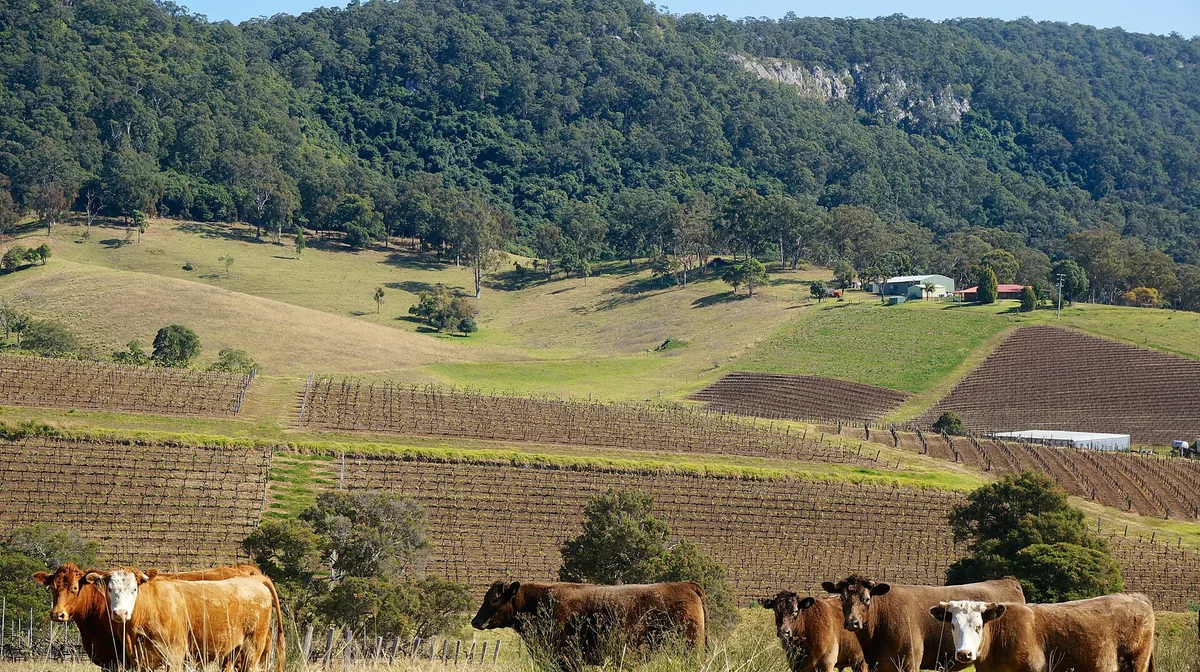
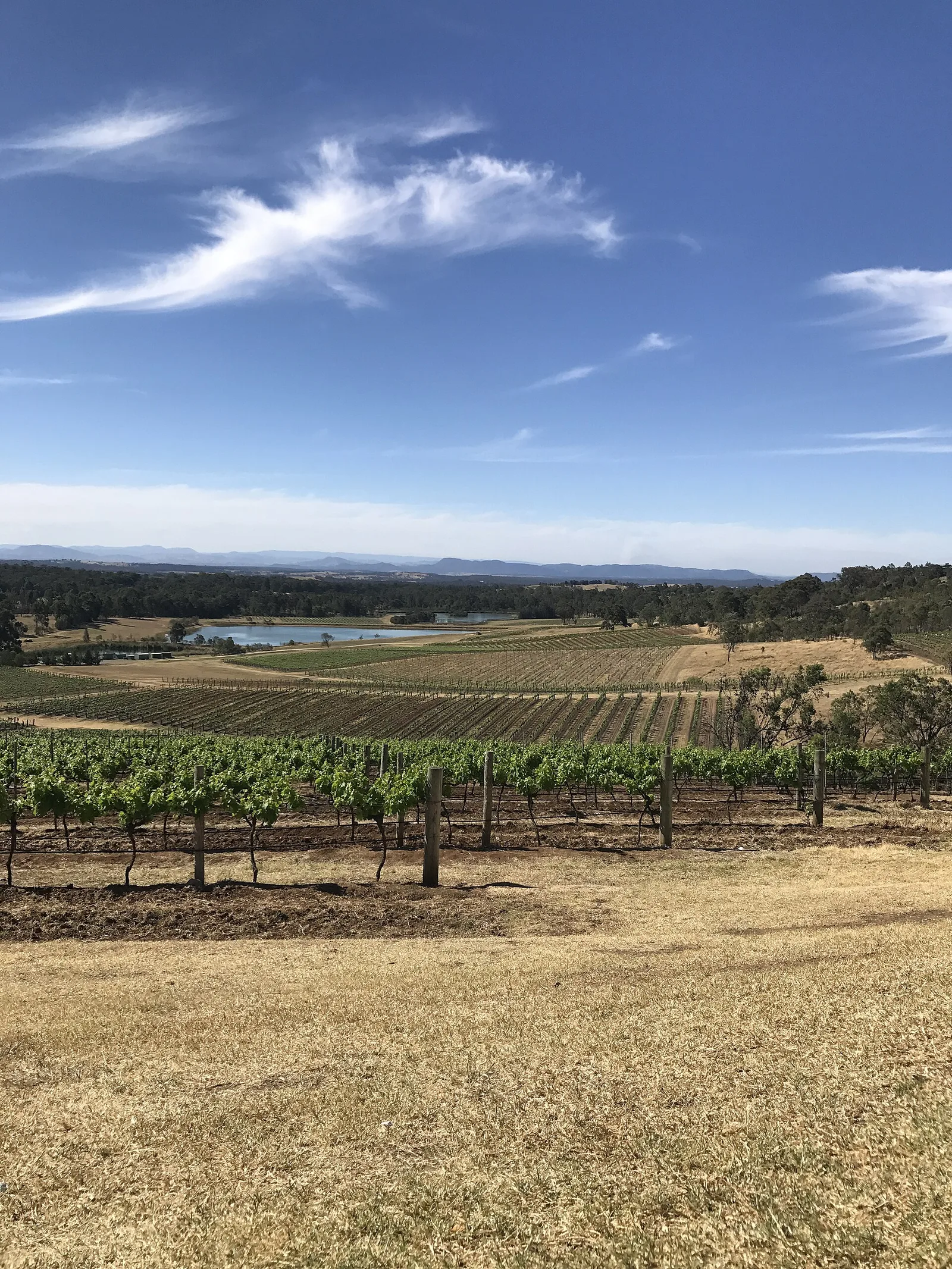
Hunter Valley Means Vineyards — Hunter Valley airbnb marketing
Local Color
Hunter Valley Means Vineyards
Pokolbin, The Hunter Valley, NSW — Hunter Valley airbnb marketing
Local Color
Pokolbin, The Hunter Valley, NSW
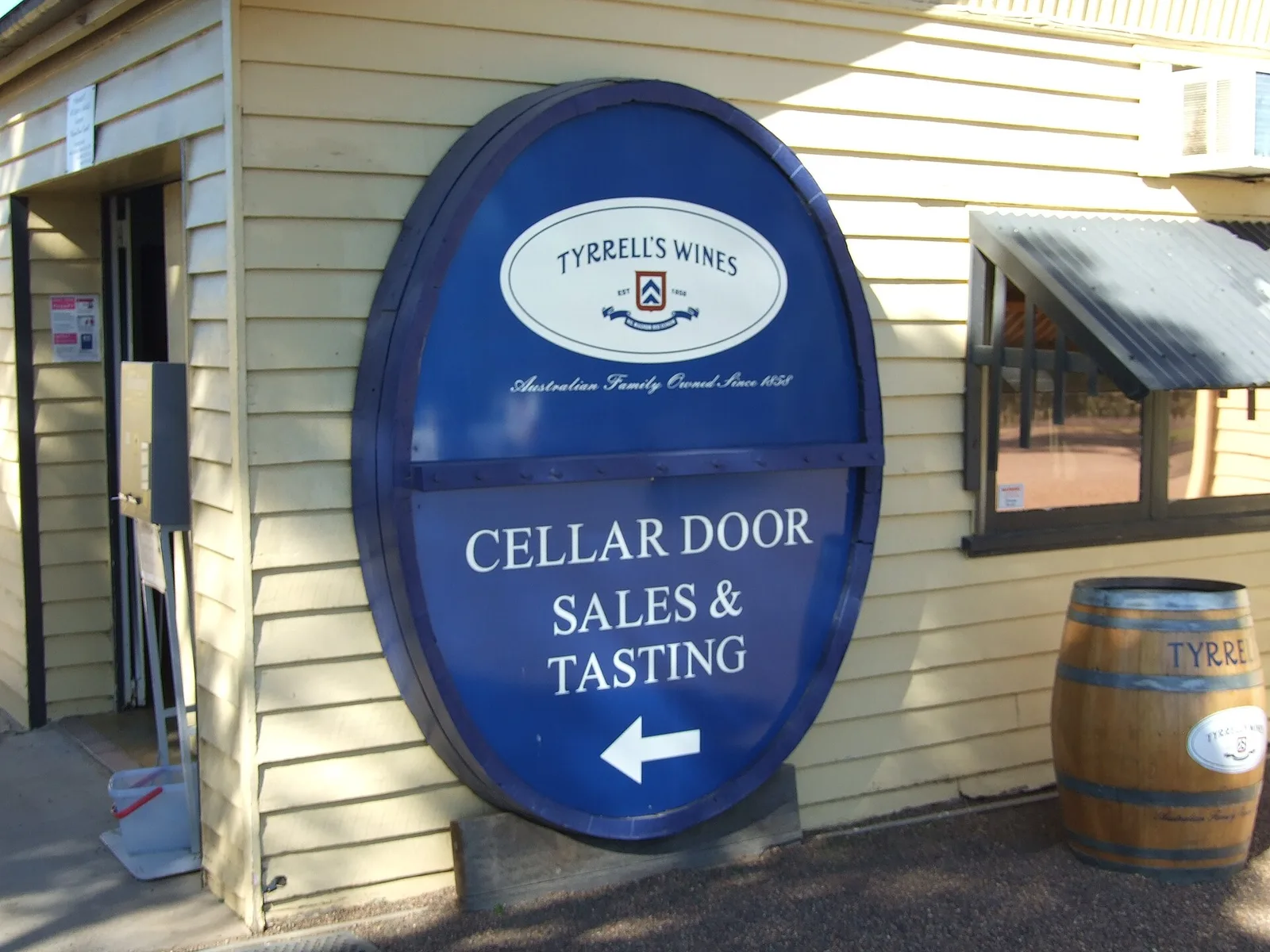
Hunter Valley cellar door — Hunter Valley airbnb marketing
Local Color
Hunter Valley cellar door
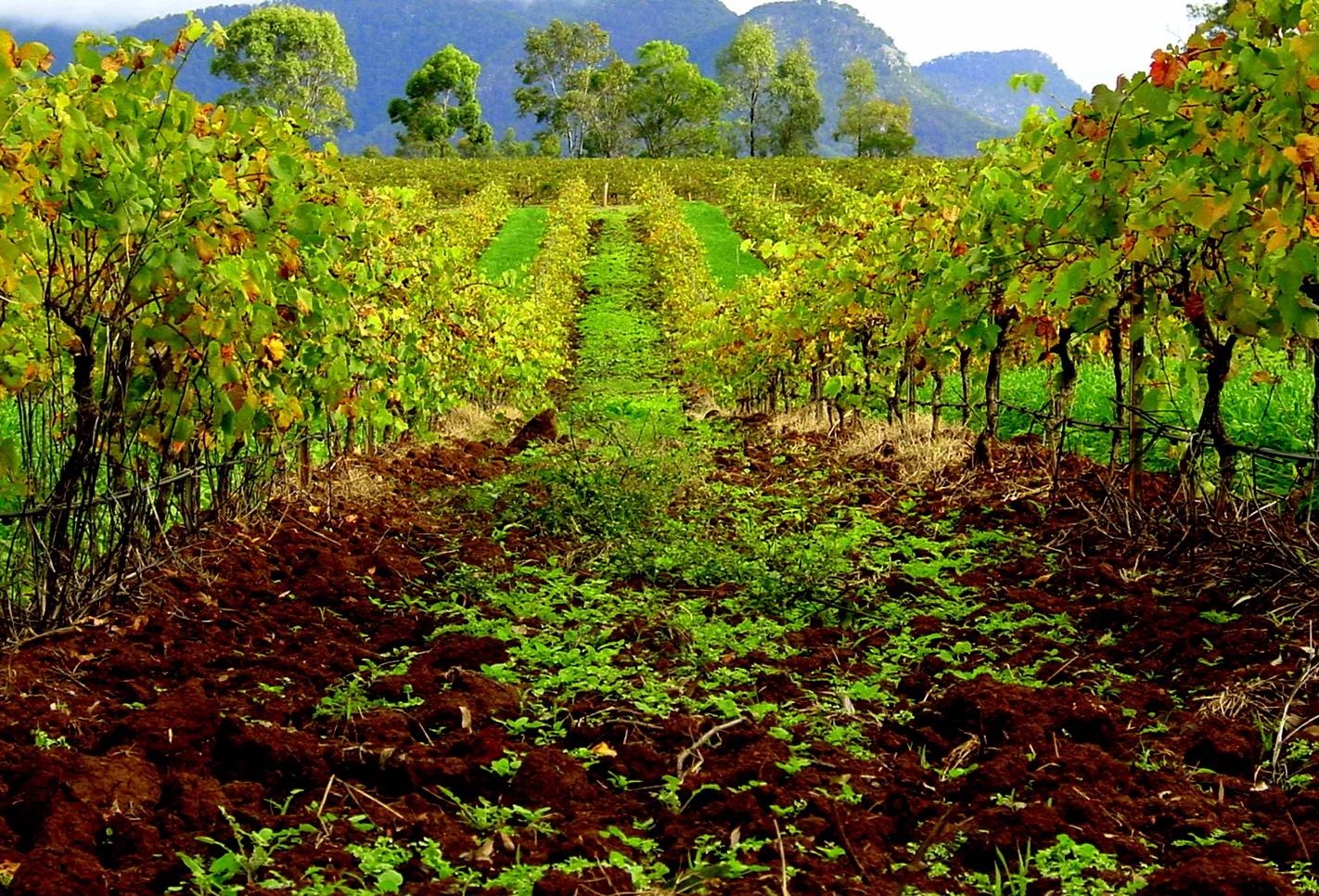
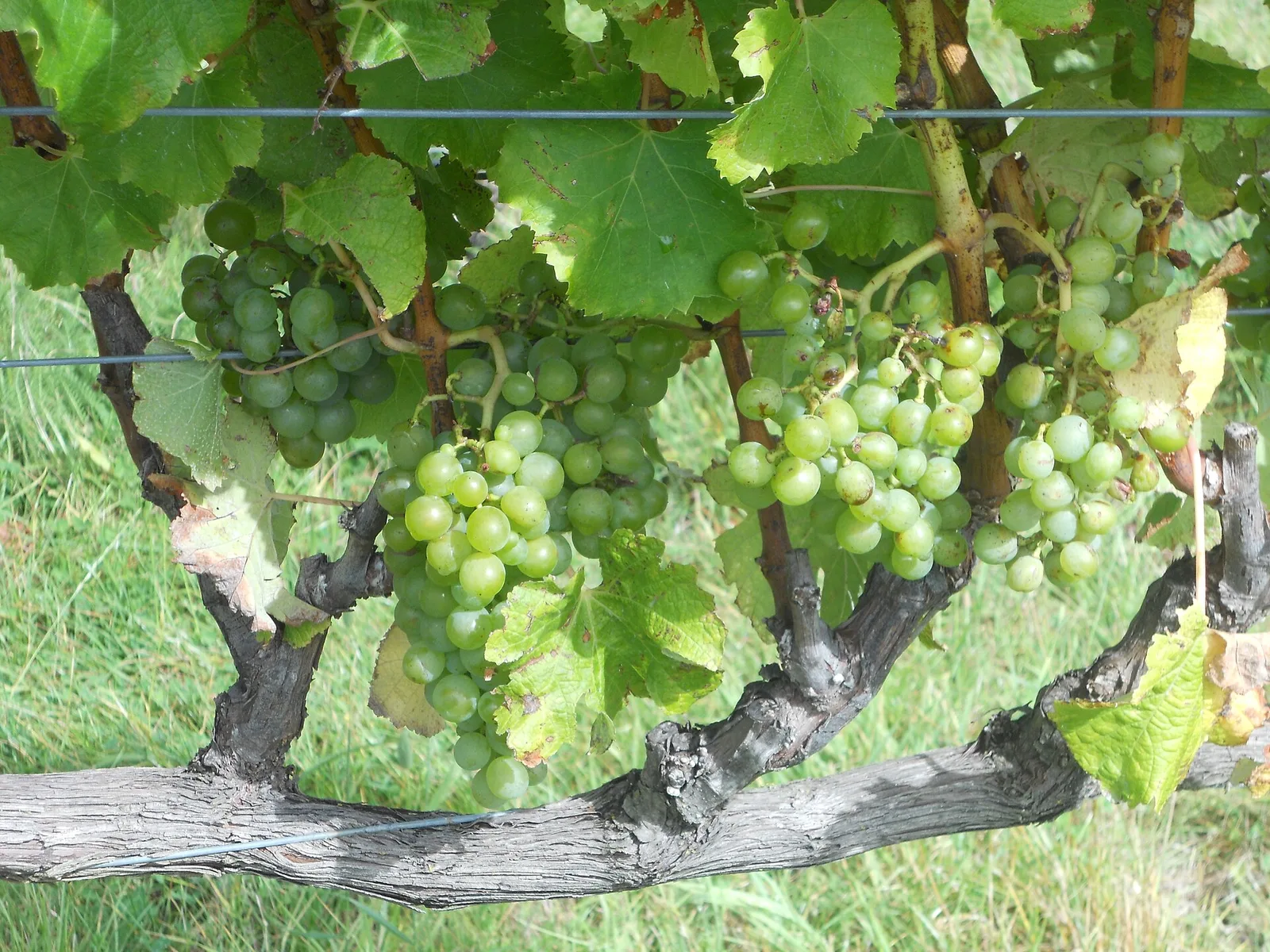
Semillon grapes on the vine — Hunter Valley airbnb marketing
Local Color
Semillon grapes on the vine
Why Cavmir

The Cavmir Advantage
in Hunter Valley

Cavmir wins in the Hunter because the region's problem is a marketing problem rather than a demand problem. The weekends sell themselves; the money is in the four nights nobody is selling. We build midweek products that actually exist: two-night wine escapes for retirees and empty-nesters who do not care what day it is, corporate and small-conference stays from Newcastle and the Central Coast, long-weekend extensions, and shoulder-season packages built around vintage, pruning and the quieter cellar doors that give better tastings on a Tuesday than a Saturday. We put the 365-day position to work, because unlike the Blue Mountains there is no cap eating the calendar here. We make the compliance visible — STRA registration and Property ID — and we do the practical things wine-country guests need and rarely get: honest driving distances between cellar doors, a designated-driver or tour-operator plan, whether the property is on a sealed road, and what the frost and heat actually do in a valley that gets both. We shoot the Hunter at the hours it looks best, which are dawn with balloons up and the last hour before dark over the vines. And for the region's guesthouses, boutique hotels and cellar-door stays we build direct-booking websites and repeat-guest programs. We help position and market your property. We never manage it or touch your keys.

State of the Industry · History

The Hunter Valley STR Market — Past & Present

The Hunter is where Australian wine started. This is Wonnarua country, and the valley was opened to European settlement in the 1820s as convict-worked farmland along the Hunter River; vines went in almost immediately, with commercial plantings established through the 1820s and 1830s, making it the oldest wine region in the country by a considerable margin. James Busby, who is usually credited with importing the vine cuttings that founded much of the Australian industry, had land here. The valley's climate is not obviously suited to wine — it is warm, humid and rains at the wrong time — and the region survived by finding two grapes that work anyway: Shiraz, which produces a medium-bodied earthy style unlike anything in South Australia, and Semillon, picked early at low sugar, unoaked, around ten and a half per cent alcohol, thin and unremarkable when young and transformed into toast and honey after a decade in bottle. There is essentially nowhere else in the world that makes it.

The other Hunter is coal. The valley sits on some of the largest and most accessible coal deposits in Australia, Newcastle at its mouth is one of the world's biggest coal export ports, and the industry has shaped the region's economy, politics and landscape for as long as the vineyards have. The two coexist uneasily and the transition away from thermal coal is the defining long-run question for the wider valley. The wine tourism economy grew from the 1970s as Sydney discovered it was two hours away: cellar doors multiplied, restaurants followed, the Hunter Valley Gardens opened in 2003 and its Christmas Lights season became a major family draw, and the big vineyard venues began hosting concerts that fill the region on specific weekends. The short-stay market grew inside that, concentrated in Pokolbin and Lovedale, and it inherited the region's central weakness: a business that works brilliantly on Saturday and barely at all on Tuesday. New South Wales' STRA framework applies here in full, but the 180-day cap does not, which leaves the calendar open for anyone willing to fill it.

Pricing Strategy & Seasonality

Pricing, Seasonality & When to Capture ROI

Pricing Strategy

The Hunter rate map is a cellar-door map. Pokolbin is the heart and carries the highest rates — the densest concentration of cellar doors, the restaurants, the Gardens and the concert venues, with walk-or-short-drive access that weekend guests will pay a real premium for. Lovedale trades close behind on a quieter, more rural feel with excellent food and its own trail, suiting couples and small groups. Broke Fordwich is the value and character tier, further out, prettier in places, and dependent on the listing being honest about drive times. Cessnock town is the practical, lower-rate option with services and supermarkets, and it suits families and longer stays that do not need to be among the vines. Wollombi and the Watagans offer rural seclusion at a genuine premium for the right property, and are the strongest midweek performers because they sell quiet rather than proximity. Blended, the Hunter runs near A$298 a night at about 55% occupancy — a high rate against modest occupancy, which is the numerical fingerprint of a market that has never been sold midweek.

Seasonality & ROI Windows

The Hunter's year is shaped by heat, harvest and the Sydney weekend. Autumn, from March to May, is the best season: warm days, cool nights, vintage finishing and the vines colouring, with the most comfortable weather for touring cellar doors. Winter, June to August, is cool, quiet and genuinely pleasant, with fires, long lunches and the best value tastings of the year — and it is badly underused. Spring brings warm weather, garden season and the run-up to the concert calendar. Summer is hot, humid and the softest stretch for touring, though the Hunter Valley Gardens Christmas Lights season from November into January pulls a large family audience that has nothing to do with wine. Weekends outperform midweek all year by a wide margin.

Regulation & Licensing · 2026

What the Law Requires in Hunter Valley

The Hunter is a medium-regulation market with one very valuable exemption. Every short-term rental in New South Wales must be registered on the STRA Register, which costs $65 for a new registration and $25 to renew, and the STRA Property ID must be displayed on the listing. Registered properties must meet fire safety standards — smoke alarms, evacuation information and related requirements — and comply with the STRA Code of Conduct, which includes an exclusion register for hosts and guests involved in serious breaches. The important part is what does not apply. The 180-day cap on non-hosted STRA covers the Greater Sydney region — the Eastern Harbour City, Central River City and Western Parkland City — plus Ballina and certain land in the Clarence Valley and Muswellbrook areas. The Hunter Valley wine country in the Cessnock local government area sits outside that schedule, so a non-hosted property here can trade 365 days a year, which is a materially different business from an identical property in the Blue Mountains. One caution: certain land in the Muswellbrook area is listed, so an upper-Hunter address should be checked individually rather than assumed to be uncapped. Hosted STRA is uncapped everywhere in the state. Beyond STRA, ordinary planning applies — a property being used for something other than a dwelling can raise change-of-use questions, and rural-zoned land has its own considerations — and strata by-laws apply where relevant. Bush fire prone land obligations apply to parts of the valley.

Market-Specific Tips & Challenges

Local Tips & Unique Market Challenges

Tips That Actually Move Revenue in Hunter Valley

Sell Monday to Thursday, because Saturday is already sold. Build genuine midweek products — two-night wine escapes for retirees, small corporate and team stays from Newcastle, extended long weekends — and price them as their own product rather than as a discount on the weekend rate. Say you are uncapped: in a state where the Blue Mountains and Greater Sydney are limited to 180 non-hosted nights, being able to trade 365 days is worth stating clearly to any buyer or partner. Solve the driving problem properly. Wine country guests need a designated-driver plan, and the listing that names tour operators, gives honest distances between cellar doors and explains what is walkable will convert better than one that shows a nicer bedroom. Price concert announcements the day the lineup lands, not the week of the show. Sell winter: cool nights, fires, long lunches and the best tastings of the year with nobody in the room. Provide what groups actually need — a big table, glassware, an outdoor area, a firepit. And build the email list, because Hunter guests return annually and the second visit should be direct.

Unique Hunter Valley Challenges

The midweek gap is the defining commercial problem and it has resisted solutions for decades, which keeps regional occupancy near 55% against strong nightly rates. Summer is hot and humid, and touring cellar doors in February is genuinely unpleasant. Hen and celebration weekends are lucrative and cause most of the property damage and neighbour complaints in the region. Bushfire, storm and hail exposure affect insurance costs. The wider valley's coal transition is a long-run economic uncertainty. The 180-day cap does not apply today but New South Wales has extended caps regionally before. And the region competes directly with the Southern Highlands, the South Coast and Orange for the same Sydney weekend.

The Wine That Only Makes Sense After Ten Years
Hunter Semillon is one of the few genuinely unique wine styles in the world, and it works by breaking the rules. The grapes are picked early at low sugar, so the wine comes in around ten and a half per cent alcohol; there is no oak and no malolactic softening; and when young it tastes thin, lemony and largely unremarkable. Left alone in a bottle for ten years it turns into something completely different — toast, honey, lanolin, extraordinary length — without ever having been near a barrel. Nowhere else has successfully copied it, and half the cellar doors in Pokolbin will pour you a young one and an aged one side by side to prove the point.
Finance Essentials — Hunter Valley
🛡️

Insurance

The Hunter's underwriting profile is bushfire, storm and hail. Parts of the valley are bush fire prone, the region gets severe summer storms including damaging hail, and flash flooding affects some low-lying areas. Check the mapping before you buy. You need short-stay or commercial landlord cover with public liability, loss of rent and accidental damage by guests, and if you take hen weekends and celebration groups — which the Hunter does in volume — either build for them with the right property and firm rules or exclude them by policy. Properties with pools need compliant fencing and current certificates, and any property associated with a cellar door or serving alcohol has additional liability considerations worth raising with your broker.

🧾

Property & Income Tax

New South Wales imposes no state short-stay levy, which is a real advantage over Victoria's 7.5%, and the STRA registration fees are nominal. The substantive stack is the ordinary Australian one: GST once turnover passes the registration threshold, income tax on net rental profit, NSW land tax above the threshold on aggregated land value with surcharges for foreign owners, and capital gains tax on disposal with the main residence exemption affected by income-producing use. Rural and vineyard land can raise primary production land tax questions that a suburban accountant will not anticipate, particularly where a property combines a residence, a cellar door and short-stay accommodation. Get advice from someone who works in the region rather than applying a generic short-stay template.

🏦

Mortgages & Financing

Australian lenders discount short-stay income when assessing serviceability, and rural or vineyard-adjacent land can narrow the panel further because valuers treat mixed-use rural property cautiously. Expect twenty per cent or more deposit. The Hunter's advantage in a lender conversation is that no 180-day cap applies in Cessnock, so projections can reasonably assume year-round availability — but the honest number to model is occupancy, not availability, and 55% is the regional reality until somebody solves midweek. Bush fire prone postcodes attract additional scrutiny. Use a broker who has financed short-stay property on rural NSW titles.

Future Outlook · 2027 & Beyond

Where Hunter Valley is Headed Next

The Hunter's next decade has two storylines running in parallel. The wine and tourism economy is stable and slowly premiumising: cellar-door visitation is well established, the restaurant scene keeps improving, the concert venues bring national acts, and the Gardens' Christmas season has proved that a non-wine audience can be built. The wider valley's coal transition is the bigger structural question, and it cuts both ways — a decline in mining employment would hurt the regional economy, while investment in renewables and in tourism as a replacement industry would help the wine country specifically. Regulatory risk is worth watching rather than fearing: New South Wales has shown with Byron Shire, cut to 60 days from 23 September 2024, that it will extend caps to regional areas when housing pressure justifies it, and the Hunter's exemption should not be assumed permanent. The commercial opportunity remains what it has been for twenty years and nobody has taken: midweek. A region two hours from Sydney with a retired and semi-retired Australian population, a growing Newcastle corporate base and no day cap has four nights a week available to whoever builds a product for them.

From the Desk of Sofie Sinag

Why We Love Marketing in Hunter Valley

We love the Hunter because it is the oldest wine region in the country and it is still slightly surprised to be a tourist destination. Two hours out of Sydney the road opens onto flat vineyard country with the Brokenback Range behind it, about a hundred and fifty cellar doors, and a grape variety that nobody else in the world has made work. There are balloons up over the vines most mornings before sunrise, kangaroos on the golf courses, restaurants that would be busy in a capital city, and a Christmas lights season at the Gardens that fills the place with families who could not tell Semillon from Shiraz and do not need to. It is also honest about being a working valley — coal trains, cattle, a big regional town at Cessnock — rather than a manicured wine theme park. For marketers, the Hunter is the clearest gap in this portfolio: high nightly rates, mediocre occupancy, no day cap, and four nights a week that nobody has ever seriously tried to sell. That is not a difficult problem. It is just one that has been left alone.

Why It Matters

A great property in Hunter Valley doesn't just want a listing — it wants a point of view, an audience, and a brand the city itself would recognise.

Cavmir's Hunter Valley Cheat Sheet

The Picks We Recommend for Your Welcome Book

The picks we send Hunter guests — weighted toward midweek and winter, when the cellar doors have time for you and the pours are better.

Coffee & First Light

A dawn balloon flight over the vines

Balloons launch before sunrise most of the year and float over vineyards with the Brokenback Range going pink behind them. It requires a very early check-in and a very early alarm, and it is the single thing Hunter guests talk about most afterwards. Mention it in the listing and offer the early start.

The Splurge Table

Muse Restaurant, Pokolbin

A serious dining room at Hungerford Hill that has been at the top of the region for years and would hold its own in Sydney. Book weeks ahead for a weekend, or go on a Wednesday when you can actually get a table and the kitchen is not running flat out.

Local Obsession

Aged Hunter Semillon, tasted against a young one

Almost any decent cellar door in Pokolbin will pour a current-vintage Semillon and a ten-year-old side by side, and the difference is genuinely startling. It is the region's party trick, it costs nothing, and it turns a casual visitor into somebody who buys a case.

Shoulder Season Secret

A Tuesday in July

Cool, quiet, fires lit, long lunches, and cellar doors with enough time to actually talk to you. Winter midweek is the best wine tourism in the Hunter and the cheapest, and almost nobody in the region markets it. This is the single biggest opportunity on this coast.

Weekend Escape

The drive out through Wollombi

Head south-west from Pokolbin through the Wollombi Valley — sandstone country, a pub with a famous homemade concoction, and one of the prettiest drives in New South Wales. It gives guests a reason to stay a third night that has nothing to do with drinking more wine.

What Guests Ask For

The driver, the distances and the firepit

Hunter enquiries repeat four things: how do we get around without driving, how far apart are the cellar doors, is there an outdoor area or firepit for the group, and is the road sealed. Answer all four in the listing and you will convert bookings your competitors are still messaging about.

Local Work · Composite Case Vignettes

What Cavmir Has Done for Hunter Valley Properties

A few composite engagements drawn from how Cavmir typically works in this market. The details are illustrative and consistent with the Hunter Valley, not pulled from a single named client.

Four-bedroom vineyard house · Pokolbin
The Brief

A well-appointed house filled Fridays and Saturdays at strong rates and sat empty Monday to Thursday all year. The listing was written entirely for weekend groups, and the owner had accepted a fifty-something per cent occupancy as simply how the Hunter works.

What We Did

Cavmir built a midweek product from scratch — two-night wine escapes for retirees and empty-nesters, small corporate and team stays from Newcastle, and a winter fireside package — priced separately from the weekend rather than discounted, and targeted audiences who do not care what day it is.

The Result

Midweek nights began selling at rates that stood on their own instead of undercutting the weekend, annual occupancy rose materially without touching the Saturday rate, and the property stopped being a two-night-a-week business.

Ten-room guesthouse · Lovedale
The Brief

A guesthouse attached to a small vineyard took most bookings through platforms, paid commission on couples who had returned every autumn for years, and had a website that could not package a tasting, a dinner and a room together.

What We Did

Cavmir built a direct-booking site that sells packaged stays — room plus tasting plus dinner plus a driver — priced the concert calendar and the autumn touring season properly, and set up a post-stay email inviting returning guests to book direct next vintage.

The Result

Packaged direct bookings lifted average booking value well above the room rate alone, autumn filled earlier than the previous year, and the operator built a repeat-guest list around a region people return to annually.

Rural cottage · Wollombi Valley
The Brief

A secluded cottage twenty-five minutes from the cellar doors competed with Pokolbin properties on proximity it could never match, took hen-weekend bookings that damaged the property, and had never mentioned the unsealed section of road.

What We Did

Cavmir repositioned it on quiet, stars and seclusion rather than proximity, disclosed the road honestly, set a firm no-party policy with minimum stays, and targeted couples and writers on midweek and winter stays who actively want to be away from the strip.

The Result

The damaging group bookings stopped arriving, the property found a midweek audience that valued exactly what it had, and it moved off a distance comparison it was always going to lose.

Market Intelligence · Seasonality

Airbnb seasonality in Hunter Valley, month by month

Demand in Hunter Valley peaks around March through April and runs quietest around January through February. Here is how the year actually books — and what to do about each stretch of the calendar.

Peak demandSteadyQuiet

Peak season

Autumn, from March to May, is the Hunter's best season and its highest-rate stretch: warm days, cool nights, vintage finishing and colour coming onto the vines, with the most comfortable weather of the year for touring cellar doors on foot and by car. Layered across the rest of the calendar are the vineyard concert weekends, which fill the region on specific announced dates and should move rates the day a lineup is published rather than the week of the show.

The shoulders

Spring is warm and pleasant with the gardens at their best and the concert calendar building. Winter, June to August, is cool, quiet and genuinely lovely — fires, long lunches and the most generous tastings of the year because the cellar doors have time — and it is the most underpriced product in the entire region. The Hunter Valley Gardens Christmas Lights season from November into January pulls a large family audience that has nothing to do with wine at all.

The quiet stretch

Summer, particularly January and February, is hot and humid and touring cellar doors becomes hard work. Midweek is quiet all year round and that, rather than any season, is the Hunter's real problem: regional occupancy sits near 55% against strong nightly rates, which is the numerical signature of a market that sells brilliantly on Saturday and has never seriously been marketed on Tuesday.

Dates that fill first

Autumn touring seasonMarch to May
Warm days, cool nights, vintage finishing and colour on the vines. The most comfortable weather of the year for cellar-door touring and the highest-rate weeks in the Hunter calendar.
Vineyard concerts and outdoor showsSpring and autumn
National and international acts play the big vineyard venues on announced dates, filling the whole region for a weekend. Rates should move the day a lineup is published, not the week of the show.
Hunter Valley Gardens Christmas LightsNovember to January
A major family attraction that fills weeks the cellar-door market writes off as too hot to sell, drawing an audience with no interest in wine and no awareness that they are in a wine region.
NSW long weekendsYear-round
Two hours from Sydney means every long weekend fills hard. Publish rates early and hold three-night minimums rather than reacting a fortnight out when the region is already booked.
Dawn ballooning seasonMost of the year
Hot air balloons launch before sunrise over the vineyards, driving a specific audience that needs a very early start and an early check-in the night before — and that almost no listing targets.
Market Intelligence · Guests

Who books Hunter Valley Airbnbs — and how far ahead

Sydney weekend couples and groups
Two hours up the M1 for Friday to Sunday, built around cellar doors and one big dinner. Strong, established demand that already sells itself, which is exactly why it is not where the opportunity lies.
Retired and semi-retired midweek travellers
The most valuable underserved audience in the region. They do not care what day of the week it is, they travel in shoulder seasons by preference, and almost nobody builds a product for them.
Newcastle corporate and team stays
Forty minutes away with an airport and a growing corporate base, generating small conference, team-offsite and incentive demand that fits Monday to Thursday perfectly.
Christmas Lights families
November to January visitors to the Hunter Valley Gardens who are not wine tourists at all. They need space, parking and air conditioning, and they fill weeks the cellar-door market has given up on.
Guesthouse and cellar-door stay guests
The region's guesthouses, boutique hotels and vineyard accommodation compete for the same couples and have the strongest packaging and direct-booking upside — room plus tasting plus dinner plus driver.

The booking window

Concert weekends book as soon as lineups are announced, and long weekends fill early once dates are known. Autumn touring books two to three months out. Ordinary weekends book two to four weeks ahead. Midweek demand, where it exists at all, is late and price-sensitive — which is precisely why it needs a built product with its own positioning rather than a last-minute discount on the weekend rate.

Typical stays

Two nights on weekends, three over long weekends and concert dates, and a genuine two-to-four-night midweek opportunity that barely exists today. Because there is no day cap in the Cessnock area, there is no reason to ration nights — the constraint here is demand generation rather than availability, which is the opposite of the Blue Mountains.

Where guests drive from

SydneyNewcastleCentral CoastMaitlandCanberra

Where guests fly from

MelbourneBrisbaneNewcastle AirportAdelaideSydneyAuckland
Sydney at two hours dominates and Newcastle at forty minutes is the underused one — an airport, a university and a growing corporate base sitting right next to a region with four empty nights a week. For paid media, Sydney postcodes carry weekends, and retiree and empty-nester audiences in Sydney, Newcastle and the Central Coast are the cheapest route into midweek.
Market Intelligence · What Wins

The Airbnb that wins in Hunter Valley

The winning Hunter property is one built for groups and for midweek at the same time: a big table, an outdoor area with a firepit, glassware that is not an afterthought, air conditioning that copes with a humid January, and a clear plan for how guests get between cellar doors without driving. Because there is no day cap here, the property that can justify a midweek rate is worth substantially more than one that only works on Saturday.

Amenities that move bookings here

A large dining table and proper glasswareOutdoor area with a firepit for winterAir conditioning that copes with a humid summerSTRA Property ID displayed on the listingA named designated-driver or tour-operator planHonest driving distances between cellar doorsSealed-road access stated clearlyFast wifi with the speed stated for corporate stays
The single most valuable thing you can do is build and price a real midweek product — retiree wine escapes, Newcastle corporate stays, winter fireside breaks — as its own thing rather than as a discount on the weekend rate. Saturday is already sold; the four nights nobody is selling are where the Hunter's money is.
Straight Answers

Hunter Valley Airbnb marketing questions, answered

How do I market my Airbnb in the Hunter Valley?

Sell Monday to Thursday, because Saturday sells itself. The Hunter runs strong nightly rates against roughly 55% occupancy, and that gap is a marketing problem rather than a demand ceiling. Build genuine midweek products — two-night wine escapes for retirees, small corporate and team stays out of Newcastle, winter fireside breaks — and price them as their own product rather than discounting the weekend rate. Solve the driving question with named tour operators and honest distances between cellar doors, price concert announcements the day the lineup lands, and display your STRA Property ID.

When is peak season in the Hunter Valley?

Autumn, March to May, is the best and highest-rate stretch — warm days, cool nights, vintage finishing and colour on the vines. Vineyard concert weekends fill the region on announced dates across spring and autumn. The Hunter Valley Gardens Christmas Lights season from November into January brings a family audience with no interest in wine. Winter is cool, quiet and genuinely lovely, with the best tastings of the year, and it is the most underpriced product in the region. Summer is hot and humid and touring becomes hard work.

How far in advance do guests book in the Hunter Valley?

Concert weekends book the moment lineups are announced, which is why rates should move on announcement rather than in the final fortnight. Long weekends fill early once dates are known, and autumn touring books two to three months out. Ordinary weekends book two to four weeks ahead. Midweek demand, where it exists, is late and price-sensitive — which is exactly why it needs a properly positioned product built for it rather than a last-minute discount that trains guests to wait.

Where do the Hunter Valley's guests come from?

Sydney dominates at two hours up the M1 and supplies the weekend market almost single-handedly. Newcastle, forty minutes away, is the underused one — an airport, a university and a growing corporate base sitting next to a region with four empty nights a week. The Central Coast, Maitland and Canberra add drive traffic. For advertising, Sydney postcodes carry the weekends, while retiree and empty-nester audiences across Sydney, Newcastle and the Central Coast are the cheapest and most direct route into the midweek gap.

Does the 180-day cap apply in the Hunter Valley?

Not in the Cessnock local government area, which covers the wine country. The 180-day limit on non-hosted short-term rental accommodation applies to the Greater Sydney region plus Ballina and certain land in the Clarence Valley and Muswellbrook areas, and the Hunter wine country sits outside that schedule — so a non-hosted property here can trade 365 days a year. Registration on the NSW STRA Register is still mandatory at $65 new and $25 renewal, with the Property ID displayed. Check upper-Hunter addresses individually, because certain land in the Muswellbrook area is listed.

Free Tools · Websites That Book

See what your listing in the Hunter Valley is leaving on the table

Run your Airbnb, Vrbo, or website through Cavmir's free grader. It checks the things that decide whether guests book in the Hunter Valley — photos, listing copy, page speed, local search — and shows you where bookings leak. Takes about a minute, and there's no sales call attached.

If the report says your booking engine is the weak link, that's fixable: a direct-booking website of your own means repeat guests stop paying platform fees to come back to you. That's the work Cavmir does — see Airbnb website design in the Hunter Valley.

What the grader measures

  • Photos and the first-impression frame
  • Listing title and copy
  • Your direct-booking website (or the lack of one)
  • Page speed and mobile experience
  • Local search and Google visibility
Grade My Listing — Free
Ready to Grow in Hunter Valley?

Let's Put Your Hunter Valley
Property on the Map

Talk to Cavmir today. We'll show you exactly what your Hunter Valley property is leaving on the table — and how fast we can change that.

Book a Free Strategy Call