Start here Work with Cavmir in Mornington Peninsula
Get a Proposal (786) 751-3426
A$358
Avg. Nightly Rate
52%
Avg. Occupancy Rate
A$5,580
Avg. Monthly Revenue
3-5%
Est. Cash-on-Cash ROI
HIGH
Seasonality
HIGH
Regulatory Burden

* Market averages. Properties marketed by Cavmir typically exceed these figures by 25–45%. Data sourced from AirDNA, STR market reports, and Cavmir internal analytics.

The Market

Why Mornington Peninsula is One of the World's Premier STR Markets

Victoria charges a short stay levy and the Mornington Peninsula is where it bites hardest. Under the Short Stay Levy Act 2024, a levy of 7.5% of the total accommodation fee applies to stays of fewer than twenty-eight consecutive days, on bookings made on or after 1 January 2025. There is no statewide night cap — the levy is the state's chosen instrument rather than a day limit — but the same Act amended the Owners Corporations Act 2006 so that an owners corporation can now ban short stays outright by special resolution of seventy-five per cent of lot owners, with the exception that such a rule cannot apply to a lot that is the owner's or occupier's principal place of residence. For anyone buying an apartment or a unit on this peninsula, that is a material risk that did not exist three years ago. On top of the state layer, Mornington Peninsula Shire Council runs its own short-stay rental registration process with a code of conduct and fines for breaches, so confirm the current local requirements for your specific address. What all of that sits on is Melbourne's weekend playground: an hour from the city, two coastlines, hot springs, wineries and some of the most expensive holiday real estate in Australia.

The Mornington Peninsula is a Melbourne market and it behaves like one. An hour or so from the city puts Mornington, Mount Martha and Dromana within easy weekend reach and Sorrento, Portsea, Flinders and Cape Schanck within comfortable range, and the demand shape follows: two- and three-night weekends dominate, summer is extraordinary and the rest of the year depends entirely on whether an operator has built anything for it. The peninsula's structure is unusual and commercially useful. The bay side — the front beaches — is calm, swimmable and family-oriented, with piers, bathing boxes and the Sorrento to Queenscliff ferry. The ocean side — the back beaches — is Bass Strait surf, cliffs and walking tracks, sometimes only two or three kilometres away across the same peninsula. Inland sits Red Hill and the cool-climate wine country producing serious pinot noir and chardonnay, plus a food economy that runs year-round. Peninsula Hot Springs has done more than anything else to build a genuine winter product. Blended nightly rates run near A$358 with occupancy around 52% — the highest average rate in this batch against modest occupancy, which is what an intensely seasonal market close to a capital city looks like.

Top Attractions & Landmarks

  • Peninsula Hot Springs
  • Sorrento and Portsea front beaches
  • The Bass Strait back beaches and the Cape Schanck lighthouse
  • Red Hill and the peninsula wineries
  • Point Nepean National Park
  • Arthurs Seat and the Eagle gondola
  • The Sorrento to Queenscliff ferry

Nearby Markets: Great Ocean Road  |  Barossa Valley  |  Snowy Mountains

Airbnb marketing services in Mornington Peninsula, VIC, Australia
Postcards

Mornington Peninsula through the lens

A few of the visual fingerprints we lean into when we shoot, brand and market a Mornington Peninsula property — courtesy of the open Wikimedia Commons archive.

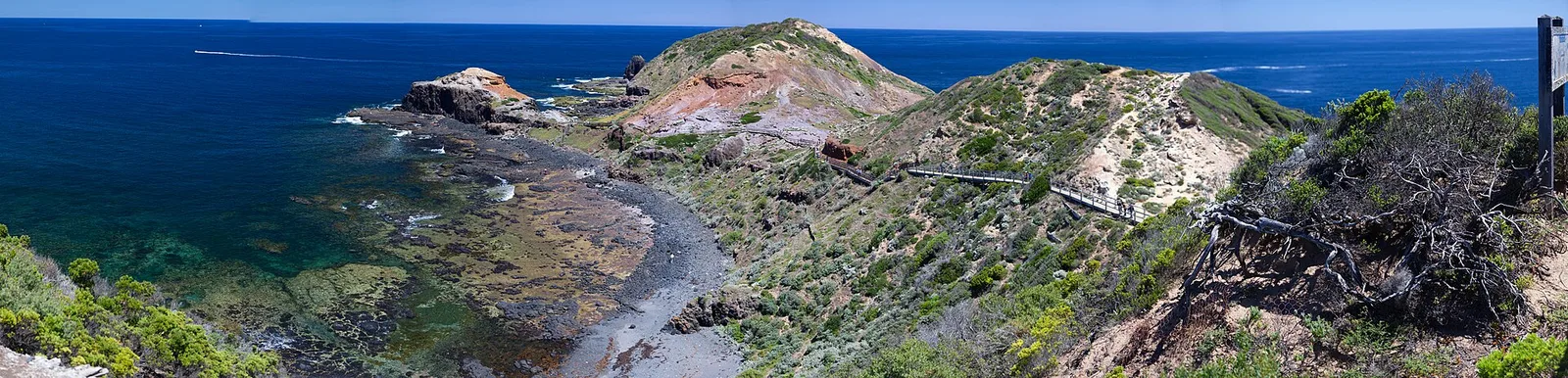
Cape Schanck Panor — Mornington Peninsula airbnb marketing
Local Color
Cape Schanck Panor
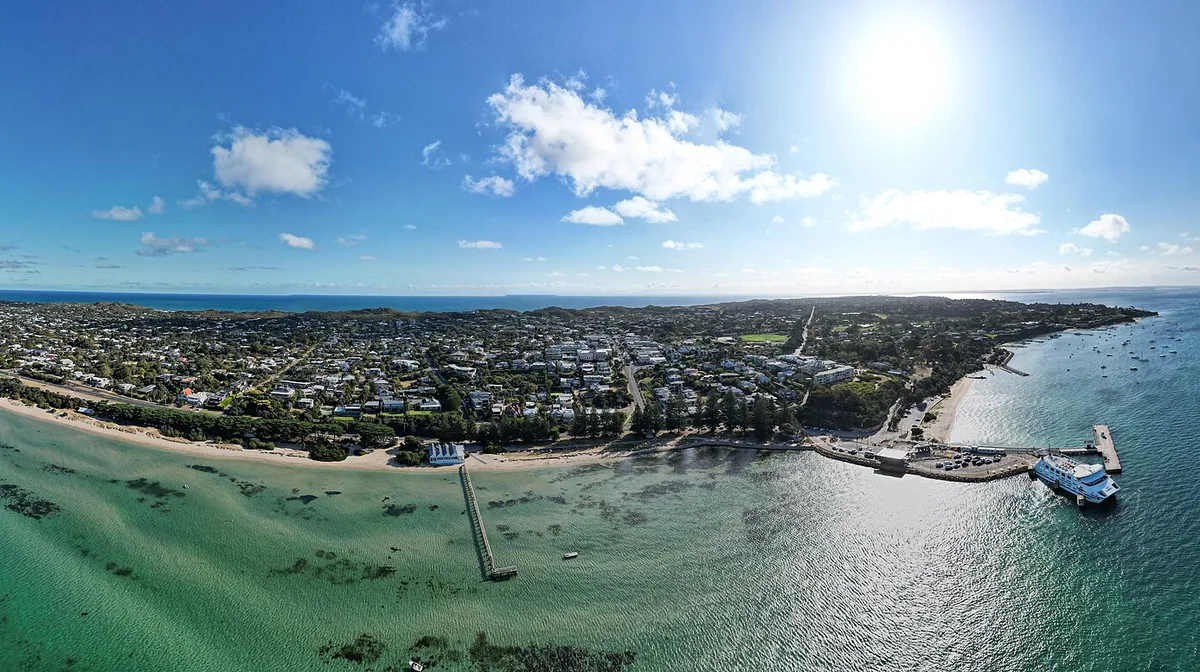
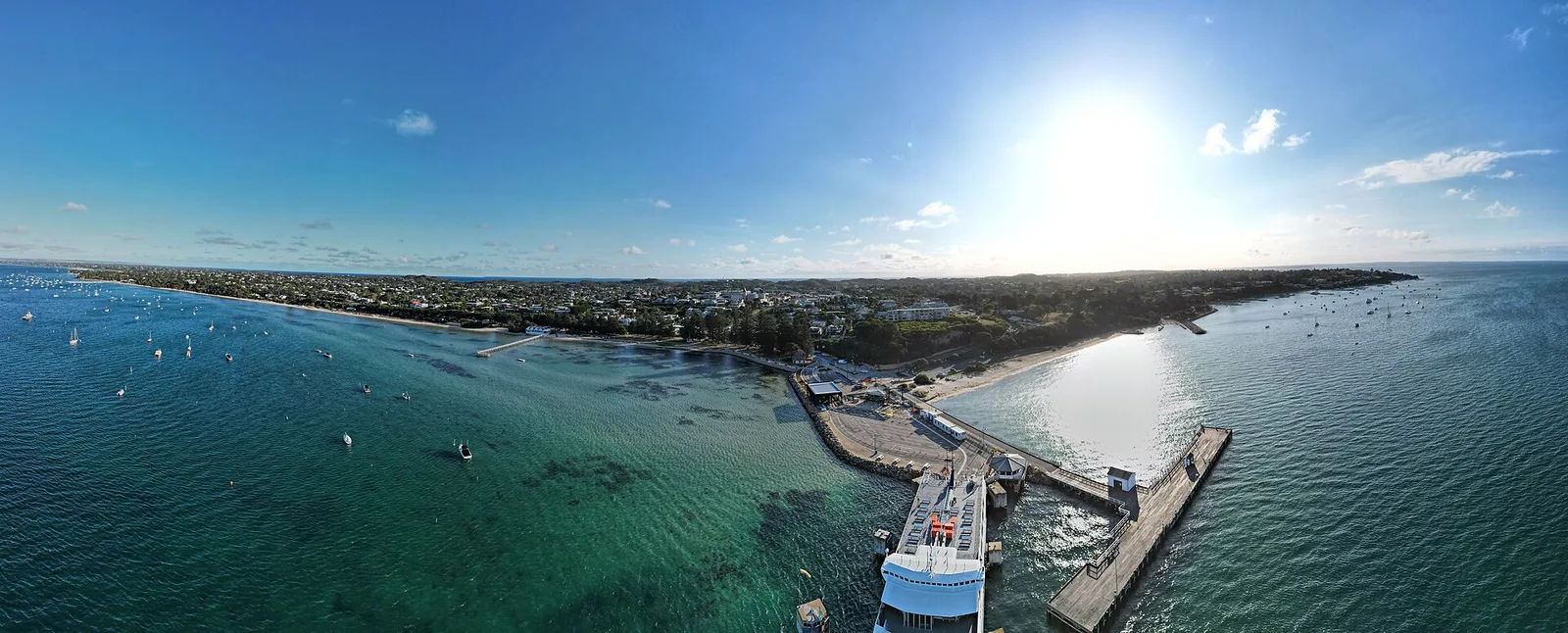
Aerial panorama of Sorrento with the SeaRoad ferry and Sorrento Pier. March — Mornington Peninsula airbnb marketing
Local Color
Aerial panorama of Sorrento
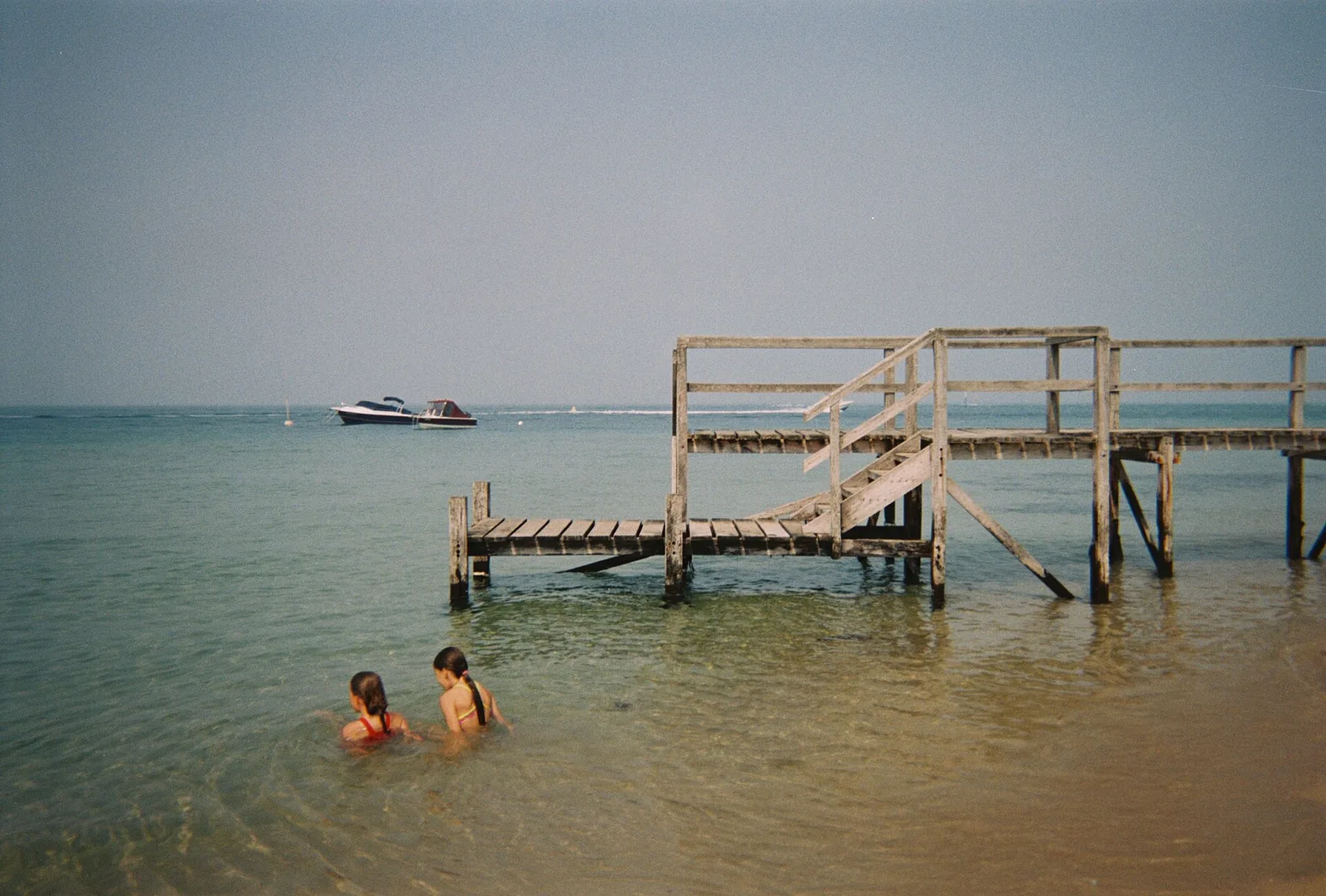
Point king beach in Portsea Victoria — Mornington Peninsula airbnb marketing
Local Color
Point king beach in Portsea
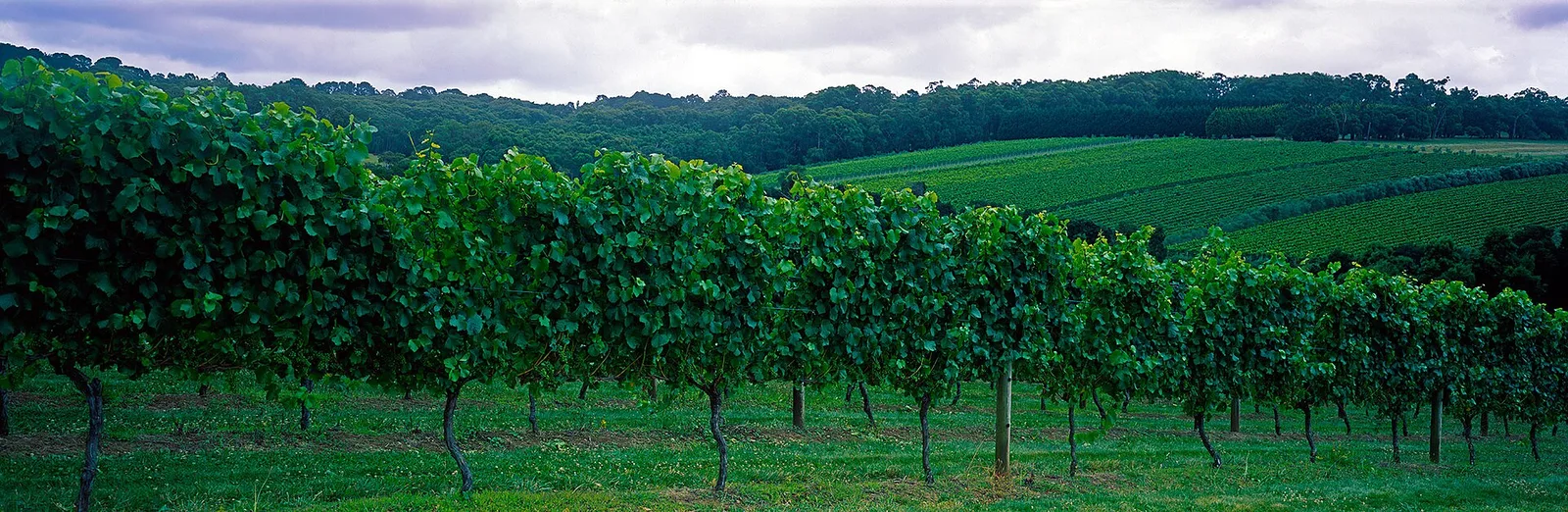
Mornington Peninsula vineyard — Mornington Peninsula airbnb marketing
Local Color
Mornington Peninsula vineyard
Why Cavmir

The Cavmir Advantage
in Mornington Peninsula

Cavmir wins on the Mornington Peninsula because the levy changed the arithmetic and most operators have not adjusted their marketing to match. When the state takes 7.5% of every short stay, the answer is not to absorb it quietly — it is to be worth more per night and to fill the months that were previously written off. So we build the winter: hot springs, fires, wineries at their best when nobody is there, walking the coastal tracks in June, and a food economy that does not close. We price the summer properly rather than reactively, because January on this peninsula is one of the strongest demand blocks in Australia and it is regularly sold too cheaply too early. We are precise about the thing that decides bookings here — front beach or back beach, which one you are near, how far on foot, and whether the surf is swimmable for children — because Melbourne guests know exactly what the difference means and most listings blur it. We put the levy and the registration position in plain sight rather than surprising guests at checkout. And for the peninsula's small hotels, guesthouses and cellar-door stays we build direct-booking websites and repeat-guest programs, because a family that has taken the same Sorrento house every January for fifteen years should not be routed through a platform. We help position and market your property. We never manage it or touch your keys.

State of the Industry · History

The Mornington Peninsula STR Market — Past & Present

Victoria very nearly began on the Mornington Peninsula. In 1803 a party of convicts, soldiers and settlers landed at Sullivan Bay near Sorrento to establish the colony's first European settlement — before Melbourne existed — and abandoned it within months because they could not find enough fresh water. The survivors sailed for Van Diemen's Land, and one of them, William Buckley, escaped and lived with the Wadawurrung for thirty-two years. This is Bunurong and Boon Wurrung country, and it had supported people for many thousands of years on exactly the resources the 1803 party failed to find.

Melbourne's growth made the peninsula a resort. Paddle steamers ran down the bay from the 1870s, Sorrento and Portsea filled with limestone guesthouses and the summer houses of Melbourne's wealthy, and a tramway once ran across the neck of the peninsula between the front and back beaches. Point Nepean carried the colony's defences and later a quarantine station; the fortifications there are said to have fired the first Allied shot of both world wars, at ships in the heads. Through the twentieth century the peninsula became Melbourne's beach: bathing boxes on the front beaches, surf clubs on the back, and a January migration so entrenched that Melbourne empties toward it every summer. Two things reshaped the modern economy. Red Hill and the surrounding hills turned out to be excellent cool-climate wine country, producing pinot noir and chardonnay that are taken seriously nationally. And in 2005 Peninsula Hot Springs opened on geothermal water drawn from deep bore, creating a genuine winter product in a region that previously had none. The short-stay market grew inside that, and then in January 2025 the state introduced a 7.5% short stay levy and gave owners corporations the power to ban short stays outright — the most significant change to the peninsula's rental economics in decades.

Pricing Strategy & Seasonality

Pricing, Seasonality & When to Capture ROI

Pricing Strategy

The peninsula's rate map is drawn by the two coastlines. Sorrento and Portsea sit at the very top of the market — limestone streets, the front beach, the back beach a short drive away, and some of the most expensive holiday real estate in Australia — and January rates here are among the highest in the country. Blairgowrie and Rye trade close behind on family demand, boat access and a slightly broader stock. Mount Martha and Mornington price on proximity to Melbourne and a genuine year-round town, which makes them the strongest shoulder and midweek performers. Flinders, Shoreham and the southern coast command a quiet premium for the back-beach and rural feel with wineries and walking on the doorstep. Red Hill and the hinterland sell cool nights, fires, cellar doors and a winter proposition that the beach towns cannot match. Blended, the peninsula runs near A$358 a night at about 52% occupancy — the highest rate in this batch, which is exactly why the levy stings and exactly why the off-season matters.

Seasonality & ROI Windows

The Mornington Peninsula has the most extreme Melbourne-driven curve in Victoria. January is the peak and it is enormous: the city genuinely empties toward the peninsula, houses that sit quiet for months let for the whole month, and rates reach levels that carry the year. December and the Easter block are strong. Autumn is lovely, with the vineyards colouring and the weather still workable, and it is underpriced. Winter, June to August, is cold and wet by Australian standards, and it is entirely carried by the hot springs, the fires and the food and wine economy — a genuine winter product that did not exist twenty years ago. Spring builds slowly toward the summer. Weekends outperform midweek by a wide margin all year.

Regulation & Licensing · 2026

What the Law Requires in Mornington Peninsula

The Mornington Peninsula is a high-regulation market and the framework changed materially in 2025. The state layer comes first. Victoria's Short Stay Levy Act 2024 imposes a levy of 7.5% of the total accommodation fee on stays of fewer than twenty-eight consecutive days, applying to bookings made on or after 1 January 2025. It is collected and remitted through the booking platform for platform bookings and by the operator for direct bookings, which is a detail that catches out owners moving guests off-platform. Victoria has no statewide night cap — the levy is the instrument, not a day limit — which distinguishes it from New South Wales. The second state-level change is arguably more consequential for apartment and unit owners: the same Act amended the Owners Corporations Act 2006 so that an owners corporation can prohibit short stays by special resolution requiring seventy-five per cent of lot owners, and while such a rule cannot apply to a lot that is the owner's or occupier's principal place of residence, it can apply to an investment unit. If you are buying a strata-titled property here to let short-term, that risk sits above everything else in your due diligence. The local layer sits on top: Mornington Peninsula Shire Council operates a short-stay rental registration process with a code of conduct and fines for breaches, and the requirements have been actively developed rather than static, so confirm the current position for your address directly with the Shire rather than relying on a secondary guide, including this one.

Market-Specific Tips & Challenges

Local Tips & Unique Market Challenges

Tips That Actually Move Revenue in Mornington Peninsula

Be precise about which coast you are on. Front beach or back beach is the single most meaningful distinction on this peninsula, Melbourne guests know exactly what it means, and most listings blur it into beach access. Name the beach, give the walk in minutes, and say plainly whether the water is swimmable for small children. Build winter around the hot springs: a bathing booking, a fire, wood provided, a cellar door open on a Tuesday and a long lunch is a genuine product with twenty years of momentum behind it. Handle the levy properly — build it into your rate rather than adding it as a surprise, and remember you are responsible for it on direct bookings even though the platforms handle theirs. Price January from the previous winter, not in November, because whole-month and multi-week bookings go early and cheaply if you are slow. If you are in a strata property, know your owners corporation's position before you buy. And build the email list, because peninsula summer families are among the most loyal repeat guests in Australia.

Unique Mornington Peninsula Challenges

The 7.5% levy is a direct margin hit on every booking and it lands hardest on low-rate short stays. Owners corporation ban powers are a genuine existential risk for unit investors and did not exist before 2025. The season is extreme — January carries an outsized share of annual revenue and a bad summer is unrecoverable. Entry prices at the Sorrento and Portsea end are among Australia's highest, compressing yields to a point where the investment case rests on capital growth. Winter is genuinely cold and wet, and a property without heating and a fire will struggle regardless of the hot springs. End-of-year group bookings cause most of the property damage. And the Shire's registration framework has been moving, which means owners need to keep checking rather than setting and forgetting.

Where Victoria Nearly Started
In October 1803 a ship landed at Sullivan Bay, near what is now Sorrento, carrying convicts, soldiers and settlers to found Victoria's first European settlement — more than thirty years before Melbourne existed. It lasted a few months. They could not find enough fresh water, the site was judged hopeless, and the whole party sailed for Van Diemen's Land the following year. One convict, William Buckley, walked away instead and lived with the Wadawurrung people for thirty-two years before reappearing. Melbourne's beach was very nearly Melbourne.
Finance Essentials — Mornington Peninsula
🛡️

Insurance

Peninsula underwriting is coastal, storm-driven and increasingly fire-aware. The back beaches carry erosion and cliff issues in places, Bass Strait storms are severe, and parts of the hinterland are bushfire-prone with the summer risk overlapping exactly with the peak season. You need short-stay or commercial landlord cover with public liability, loss of rent and accidental damage by guests. Schoolies and end-of-year group bookings are a genuine claims category on this peninsula, so either build for them with the right property and firm rules or exclude them deliberately. Pools and spas need registration and compliant barriers. If you are in a strata property, understand where the owners corporation policy stops — and whether the OC has moved on short stays at all.

🧾

Property & Income Tax

Victoria's 7.5% short stay levy is the headline and it applies on top of everything else rather than instead of it. Beyond the levy you carry GST once turnover passes the registration threshold, income tax on net rental profit, Victorian land tax above the threshold on aggregated site value with absentee owner surcharges, and capital gains tax on disposal with the main residence exemption affected by income-producing use. Victoria's land tax settings have been among the most active in the country in recent years and the aggregation of multiple peninsula holdings is where owners are most often surprised. Because so many properties here are used privately for part of the summer, the private-use apportionment also needs to be set correctly from the first year. Take Victorian-specific advice.

🏦

Mortgages & Financing

Australian lenders discount short-stay income when assessing serviceability, and on the Mornington Peninsula there are two additional questions worth expecting. The first is the levy: a 7.5% state charge on gross accommodation fees changes projected returns and should be in the model. The second is strata risk: with owners corporations now able to ban short stays by special resolution, a lender may reasonably ask what happens to serviceability if the OC votes. Expect twenty per cent or more deposit. Prices at the Sorrento and Portsea end are among the highest holiday-property values in Australia and yields are correspondingly thin, so the case there rests on capital and personal use rather than on return.

Future Outlook · 2027 & Beyond

Where Mornington Peninsula is Headed Next

Victoria has chosen a levy rather than a cap, and the sensible expectation is that the levy stays and possibly grows rather than being replaced by day limits. That pushes the peninsula toward higher-value, longer stays and away from the cheap two-night weekend, because a 7.5% charge hurts a low-rate booking proportionally more than a high-rate one. The owners corporation power is the bigger medium-term variable: as more buildings exercise it, strata short-stay supply will thin, which helps freehold-house operators and hurts unit investors. The Shire's own registration and code-of-conduct framework has been actively developed and should be expected to tighten rather than relax. Demand is not the problem. Melbourne is one of the fastest-growing cities in Australia and this is its beach, the hot springs have created a real winter product, the wine region keeps improving and the food economy now runs year-round. The operators who will be doing well in 2030 are the ones charging enough to absorb the levy without flinching, filling winter properly and holding a direct-booking base of returning summer families.

From the Desk of Sofie Sinag

Why We Love Marketing in Mornington Peninsula

We love the Mornington Peninsula because it is two completely different places about three kilometres apart. Walk out one side of Sorrento and you are on a calm bay beach with a pier, bathing boxes and children in the shallows; walk out the other and it is Bass Strait, cliffs, surf and a coastal track that goes on for miles. Melbourne has been coming here for a hundred and fifty years and the limestone streets of Sorrento and Portsea still carry that — guesthouses turned into houses, a ferry across the heads, an entrenched January migration that shuts half the city. What has changed is that it now works in winter: geothermal springs at forty-odd degrees in the middle of a cold Victorian June, cellar doors making genuinely good pinot in the hills behind, and a food scene that stopped closing at Easter. For marketers, this is the market where the numbers force discipline — a 7.5% state levy, some of Australia's most expensive holiday property, and a January that carries the year. That combination rewards operators who fill winter and punishes everyone who waits for summer.

Why It Matters

A great property in Mornington Peninsula doesn't just want a listing — it wants a point of view, an audience, and a brand the city itself would recognise.

Cavmir's Mornington Peninsula Cheat Sheet

The Picks We Recommend for Your Welcome Book

The picks we send Mornington Peninsula guests — weighted toward the cold months, because the hot springs turned a summer region into a year-round one and most people still have not noticed.

Coffee & First Light

The back beach at Sorrento before seven

Bass Strait doing its thing with almost nobody watching, the coastal track running east toward Diamond Bay, and a walk back into town for coffee. It is the fastest way to explain to a guest why this peninsula has two coasts and why locals care so much about the difference.

The Splurge Table

A cellar-door lunch at Red Hill

The peninsula's wineries do long lunches better than almost anywhere in Victoria, and the pinot noir is taken seriously nationally. Book ahead for a weekend, or go on a weekday in June when you can talk to the winemaker and the fire is lit.

Local Obsession

Peninsula Hot Springs at night

Geothermal water in a series of outdoor pools, best on a cold night when the steam is rising and the hilltop pool is looking out over the peninsula in the dark. It is the single reason this region has a winter economy, and a pre-booked session sells your June weekend better than any photograph.

Shoulder Season Secret

The wine country in late autumn

Vines colouring, cellar doors quiet enough to have a conversation, the food at its best and none of the January traffic. Send guests down in the second half of May and they will book the same weekend the following year.

Weekend Escape

The Sorrento to Queenscliff ferry

Forty minutes across the heads to the Bellarine, with a decent chance of dolphins and a genuinely dramatic stretch of water underneath. It turns a peninsula weekend into a two-region one and it works in almost any weather.

What Guests Ask For

Front beach or back, and the heating

Peninsula enquiries repeat four things: which coast are you on, how far to the sand, is the water safe for young children, and is there proper heating and a fire. Answer all four precisely in the listing and you will convert winter bookings your competitors never see.

Local Work · Composite Case Vignettes

What Cavmir Has Done for Mornington Peninsula Properties

A few composite engagements drawn from how Cavmir typically works in this market. The details are illustrative and consistent with the Mornington Peninsula, not pulled from a single named client.

Four-bedroom beach house · Blairgowrie
The Brief

A family house filled January and Easter, sat almost empty from May to September, and had quietly absorbed the 7.5% levy out of margin rather than repricing — leaving the owner earning less on the same bookings than two years earlier.

What We Did

Cavmir repriced the property to carry the levy properly, built a winter proposition around the hot springs, a fire with wood provided and the wine country in the cold months, and reshot the house in June rather than only in January.

The Result

Winter weekends began booking from an audience the property had never addressed, the levy stopped eroding margin because it was priced rather than absorbed, and the annual revenue moved off a single-month dependency.

Twelve-room guesthouse · Red Hill
The Brief

A hinterland guesthouse near the wineries took most bookings through platforms, paid commission on couples who returned every autumn, and had no way to package a cellar-door lunch, a hot springs session and a room together.

What We Did

Cavmir built a direct-booking site selling packaged stays — room plus hot springs plus a winery lunch — priced the autumn and winter months as genuine seasons, and set up a post-stay email inviting returning couples to book direct next year.

The Result

Packaged direct bookings lifted average booking value well above the room rate, the winter months carried real occupancy for the first time, and the operator built a repeat-guest list in a region people return to annually.

Two-bedroom unit · Mornington
The Brief

An investor bought a strata unit to let short-term without checking the owners corporation's position, at a point when Victorian owners corporations had just gained the power to ban short stays by special resolution.

What We Did

Cavmir mapped the compliance and OC risk first, repositioned the unit toward longer stays of twenty-eight nights and above where the levy does not apply and OC short-stay rules are not engaged, and targeted relocating households and winter long-stay guests.

The Result

The property moved onto a footing that did not depend on an owners corporation vote going the owner's way, average stay length rose sharply, and revenue became steadier and less exposed to both the levy and the summer peak.

Market Intelligence · Seasonality

Airbnb seasonality in Mornington Peninsula, month by month

Demand in Mornington Peninsula peaks around January and December and runs quietest around May through September. Here is how the year actually books — and what to do about each stretch of the calendar.

Peak demandSteadyQuiet

Peak season

January is the peak and it is enormous. Melbourne genuinely empties toward the peninsula for a month, houses that sit quiet for most of the year let for weeks at a time, and rates reach levels that carry the annual return. Christmas and New Year produce the highest single-night rates of all for houses that can sleep an extended family, and those weeks are typically booked twelve months ahead by groups who return to the same property every year.

The shoulders

Easter and the April school holidays are the last reliably warm block and fill both coastlines and the wine country at close to summer rates. Autumn, particularly late April and May, is genuinely lovely — vines colouring, cellar doors quiet enough to talk to you, the best walking weather of the year on the back beaches — and it is consistently underpriced. Spring builds slowly and is the softest shoulder of the two.

The quiet stretch

Winter, June to August, is cold and wet by Australian standards, and it is entirely carried by what an operator has built for it. Peninsula Hot Springs, fires, the wine country and a food economy that no longer closes at Easter have created a real winter product that did not exist twenty years ago. Properties with proper heating and a fire trade through it; properties marketed purely as beach houses do not.

Dates that fill first

JanuaryThe whole month
Melbourne moves to the peninsula. Whole-month and multi-week bookings at the highest rates of the year, set from the previous winter rather than reactively in November when the good weeks have already gone.
Christmas and New YearLate December
The highest single-night rates of the year for houses that sleep an extended family, typically booked twelve months in advance by groups who return to the same property annually.
Easter and the April school holidaysMarch to April
The last reliably warm block of the year, filling both coastlines and the hinterland wineries at close to summer rates. Dates move with Easter so the calendar needs rebuilding rather than copying each year.
Winter hot springs weekendsJune to August
Geothermal bathing, fires and long lunches. The product that gave this peninsula a genuine cold season, and still underpriced by most operators who treat winter as unavoidable dead time.
Victorian long weekendsYear-round
An hour from a capital of over five million people means every long weekend fills hard. Publish rates early and hold three-night minimums rather than reacting when the region is already booked out.
Market Intelligence · Guests

Who books Mornington Peninsula Airbnbs — and how far ahead

Returning January families
Melbourne families taking the same house for the same weeks year after year, often for a decade or more. Long lead times, whole-month bookings and by far the best audience to move onto direct booking.
Melbourne weekend couples
An hour from the city for two or three nights around a winery lunch, a hot springs session and a beach walk. Year-round demand, but concentrated on weekends and heavily dependent on heating in winter.
Hot springs and wellness visitors
The audience that created the peninsula's winter economy. They travel deliberately in the cold months, book around a bathing session, and respond strongly to packaged stays rather than a room alone.
Wine country visitors
Cool-climate pinot noir and chardonnay draw a serious, higher-spending audience to Red Hill and the hinterland, largely in autumn and winter and largely midweek-flexible.
Guesthouse and small hotel guests
The peninsula's guesthouses, cellar-door stays and small hotels compete for the same couples and hold the most packaging and direct-booking upside — room plus springs plus lunch beats room alone.

The booking window

January and the Christmas block book from the previous winter and returning families frequently rebook before they leave, so summer rates need to be live by mid-year or the best weeks sell cheaply. Easter and long weekends fill two to four months out. Ordinary weekends book two to four weeks ahead, and winter hot springs weekends later still. Early release for the summer blocks and active management for everything else is the pattern.

Typical stays

Whole months and multi-week stays in January, three to four nights over Easter and long weekends, and two nights on ordinary weekends. Winter stays run two to three nights around a hot springs booking. Because the 7.5% levy applies only to stays under 28 consecutive days, genuinely long stays are a structurally different product worth considering deliberately.

Where guests drive from

MelbourneGeelongFrankstonDandenongBallarat

Where guests fly from

SydneyBrisbaneAdelaideHobartCanberraAuckland
Melbourne is effectively the entire market at around an hour by road, which makes this a weekend and holiday-house region rather than a fly-in destination. Interstate visitors typically add the peninsula to a Melbourne trip. For paid media, Melbourne postcodes are the whole game, and wellness, wine and hot springs interest audiences targeted from April onward carry the winter months.
Market Intelligence · What Wins

The Airbnb that wins in Mornington Peninsula

The winning Mornington Peninsula property is a house that works in two seasons: a genuine walk to a named beach on a stated coast, with proper heating and a fire for winter, outdoor space for summer, and enough quality to carry a rate that absorbs the 7.5% levy without eroding margin. In a market with Australia's most expensive holiday real estate, competing on price is the losing strategy.

Amenities that move bookings here

The coast named — front beach or back beach — with walk timeReal heating and a fire with wood providedOutdoor space, barbecue and an outdoor showerLevy handled in the rate rather than added at checkoutPool or spa registered with compliant barriersFast wifi with the speed statedHot springs and cellar-door booking guidanceOwners corporation position disclosed for strata properties
The single most valuable thing you can do is build and price a real winter — hot springs, fire, wine country, long lunches. With a 7.5% state levy on every short stay, absorbing it out of margin on a four-month business is the fastest way to earn less than you did in 2023.
Straight Answers

Mornington Peninsula Airbnb marketing questions, answered

How do I market my Airbnb on the Mornington Peninsula?

Price for the levy and build for winter. Victoria takes 7.5% of the total accommodation fee on every stay under twenty-eight nights, so absorbing it out of margin on a summer-only business means earning less than you did before it existed. Build a genuine cold-season product instead: hot springs, a fire with wood provided, cellar doors in the hills and a food economy that no longer closes at Easter. Then be precise about geography — front beach or back beach, the named beach, the walk in minutes, and whether the water is safe for small children. Melbourne guests know exactly what that difference means.

When is peak season on the Mornington Peninsula?

January, overwhelmingly. Melbourne empties toward the peninsula for the month, houses let for weeks at a time and rates reach levels that carry the year, with Christmas and New Year producing the highest single-night rates for larger houses. Easter and the April school holidays are the last reliably warm block. Autumn is lovely and underpriced. Winter, June to August, is cold and wet and is carried entirely by the hot springs, fires and the wine country — a genuine season for properties that have built for it, and dead time for those that have not.

How far in advance do guests book on the Mornington Peninsula?

Summer books extremely early. January and the Christmas block fill from the previous winter and returning families often rebook before they check out, so your summer rates need to be live by mid-year or the best weeks will go cheaply. Easter and long weekends fill two to four months out. Ordinary weekends book two to four weeks ahead, and winter hot springs weekends later still. Early release for summer and active management for the rest of the calendar is the discipline that separates good years from average ones here.

Where do the Mornington Peninsula's guests come from?

Melbourne, almost entirely — around an hour by road, which makes this a weekend and holiday-house region rather than a fly-in destination. Geelong, Frankston and the wider south-east add drive traffic. Interstate visitors generally attach the peninsula to a Melbourne trip rather than travelling for it alone. For advertising, Melbourne postcodes are effectively the whole market, and wellness, hot springs and wine interest audiences targeted from April onward deliver the best return for the winter months.

What is Victoria's short stay levy and does it apply to me?

Under the Short Stay Levy Act 2024, a levy of 7.5% of the total accommodation fee applies to stays of fewer than twenty-eight consecutive days, for bookings made on or after 1 January 2025. Platforms collect and remit it for platform bookings, but you are responsible for it on direct bookings — which catches out owners moving guests off-platform. Victoria has no statewide night cap. Separately, the same Act lets an owners corporation ban short stays by special resolution of 75% of lot owners, except for a lot that is the owner's or occupier's principal place of residence.

Free Tools · Websites That Book

See what your listing on the Mornington Peninsula is leaving on the table

Run your Airbnb, Vrbo, or website through Cavmir's free grader. It checks the things that decide whether guests book on the Mornington Peninsula — photos, listing copy, page speed, local search — and shows you where bookings leak. Takes about a minute, and there's no sales call attached.

If the report says your booking engine is the weak link, that's fixable: a direct-booking website of your own means repeat guests stop paying platform fees to come back to you. That's the work Cavmir does — see Airbnb website design on the Mornington Peninsula.

What the grader measures

  • Photos and the first-impression frame
  • Listing title and copy
  • Your direct-booking website (or the lack of one)
  • Page speed and mobile experience
  • Local search and Google visibility
Grade My Listing — Free
Ready to Grow in Mornington Peninsula?

Let's Put Your Mornington Peninsula
Property on the Map

Talk to Cavmir today. We'll show you exactly what your Mornington Peninsula property is leaving on the table — and how fast we can change that.

Book a Free Strategy Call