Start here Work with Cavmir in Snowy Mountains
Get a Proposal (786) 751-3426
A$342
Avg. Nightly Rate
48%
Avg. Occupancy Rate
A$4,930
Avg. Monthly Revenue
3-5%
Est. Cash-on-Cash ROI
HIGH
Seasonality
MEDIUM
Regulatory Burden

* Market averages. Properties marketed by Cavmir typically exceed these figures by 25–45%. Data sourced from AirDNA, STR market reports, and Cavmir internal analytics.

The Market

Why Snowy Mountains is One of the World's Premier STR Markets

The Snowy Mountains are Australia's only genuine alpine market and they carry two facts most owners never put together. The first is regulatory: the 180-day cap on non-hosted short-term rentals applies to Greater Sydney plus Ballina and certain land in the Clarence Valley and Muswellbrook areas, and the Snowy Monaro region is not in that schedule — so a non-hosted property here can trade 365 days a year, unlike an identical chalet in the Blue Mountains. Registration on the NSW STRA Register is still mandatory at $65 new and $25 to renew, with the Property ID displayed and the STRA Code of Conduct observed, and Snowy Monaro Regional Council has made its own submission to the state arguing for a balance that protects residents without damaging tourism. The second fact is about ownership. Thredbo and Perisher sit inside Kosciuszko National Park on leasehold land under head leases, so buying there is buying a leasehold interest with conditions and an expiry, which is a fundamentally different asset from freehold at Jindabyne. Get both of those right and you are operating in a market where the winter sells itself and the summer is barely marketed at all.

The Snowy Mountains run the sharpest seasonal curve in this portfolio. The ski season officially opens on the June long weekend and runs to the October long weekend, and inside those four months the region operates close to capacity at the highest nightly rates in Australian alpine accommodation. Thredbo and Perisher carry the on-snow demand; Jindabyne, twenty-five minutes below the snowline, is the freehold town where most of the short-stay stock actually sits and where families base themselves; Cooma, Berridale and Adaminaby extend the market outward at lower rates. Snow reliability varies year to year and that variance is the single biggest commercial risk in the region. What is underused is everything else. Summer brings the walk to Mount Kosciuszko — Australia's highest peak and one of the most accessible high points in the world — plus serious mountain biking at Thredbo, trout fishing, Lake Jindabyne, road cycling and a growing trail-running calendar. Blended nightly rates run near A$342 with occupancy around 48%, and that occupancy figure is the whole story: the highest rates in this batch against the lowest occupancy, because most properties are marketing four months and ignoring eight.

Top Attractions & Landmarks

  • Mount Kosciuszko and the summit walkway
  • Thredbo village and the Kosciuszko Express chairlift
  • Perisher and the Snowy Mountains ski fields
  • Lake Jindabyne
  • Kosciuszko National Park and the Main Range
  • The Thredbo mountain bike park
  • Yarrangobilly Caves and the thermal pool

Nearby Markets: Blue Mountains  |  Hunter Valley  |  Mornington Peninsula

Airbnb marketing services in Snowy Mountains, NSW, Australia
Postcards

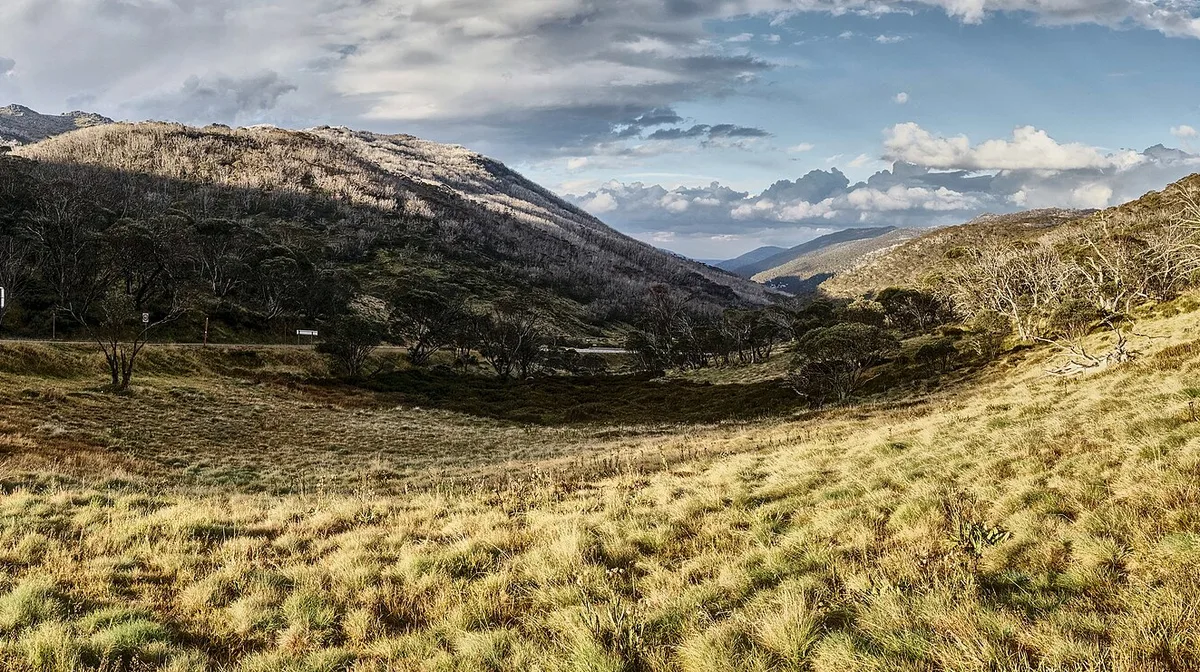
Snowy Mountains through the lens

A few of the visual fingerprints we lean into when we shoot, brand and market a Snowy Mountains property — courtesy of the open Wikimedia Commons archive.

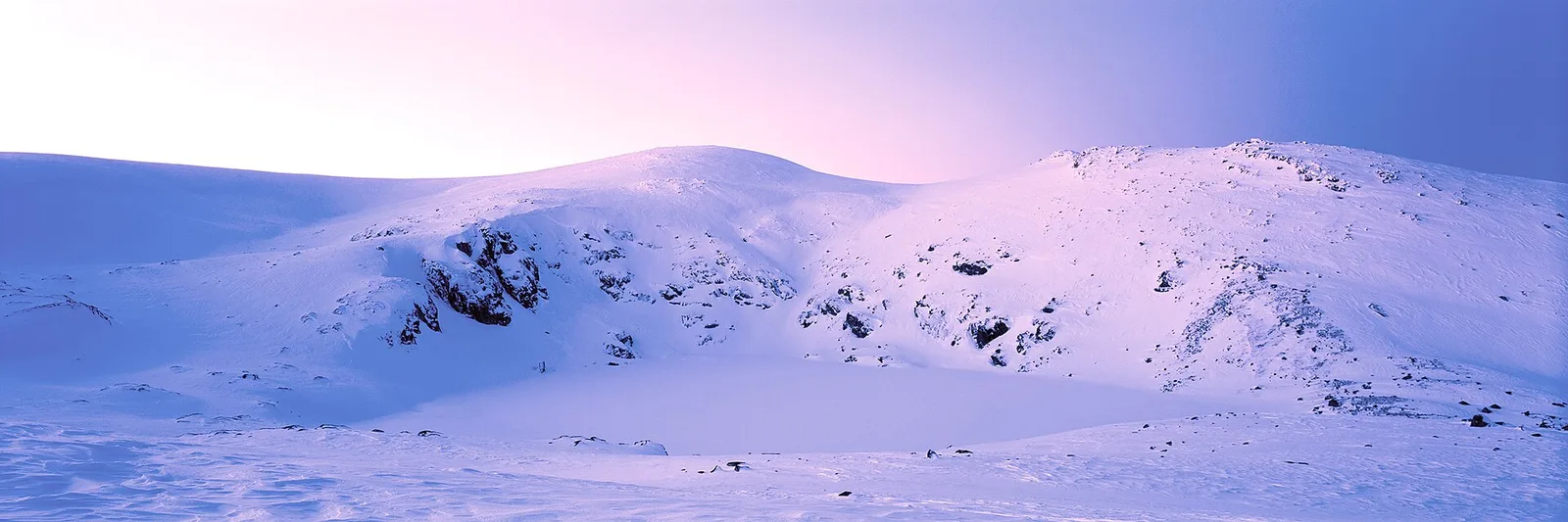
Blue Lake Kosciuszko — Snowy Mountains airbnb marketing
Local Color
Blue Lake Kosciuszko
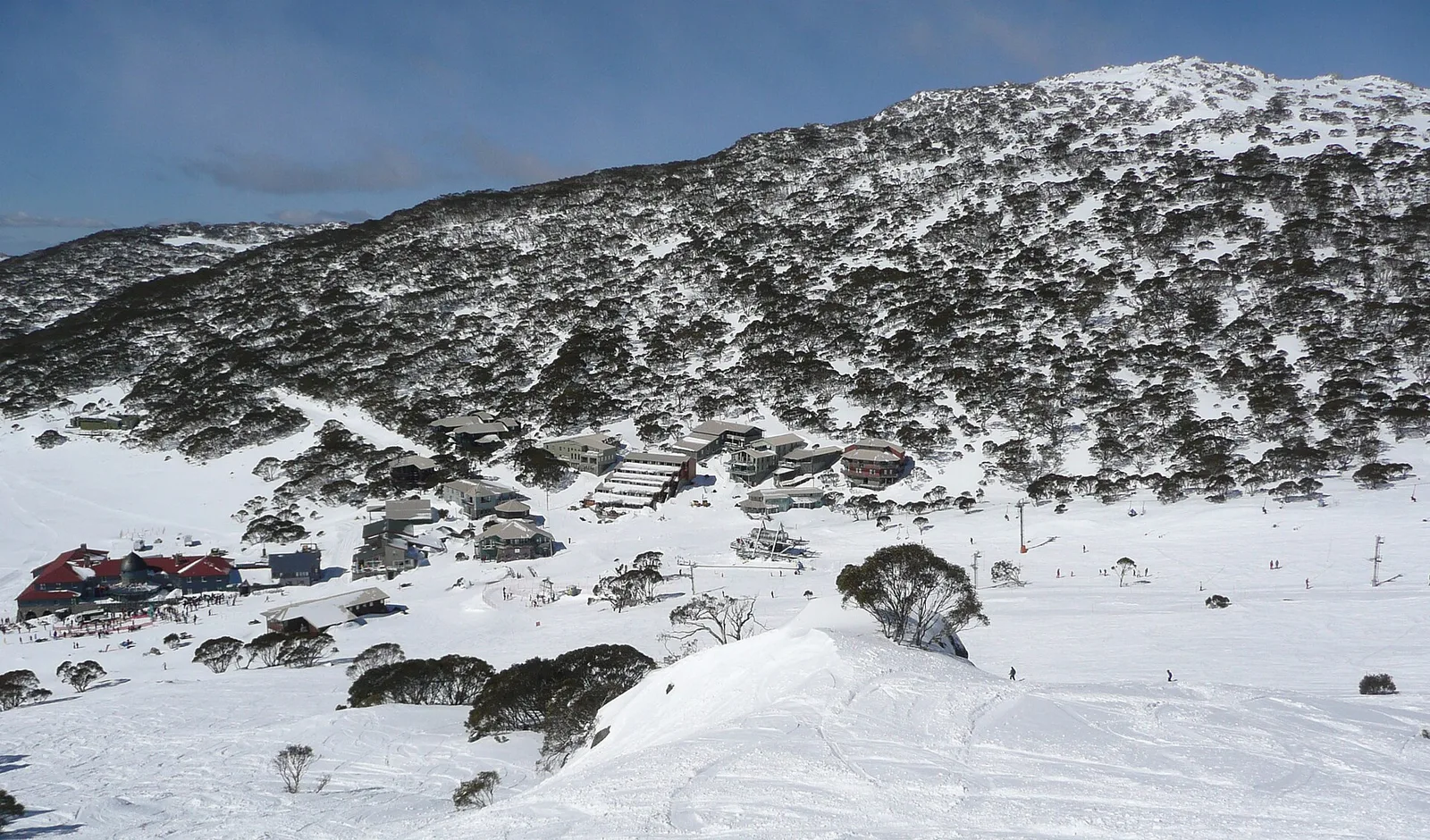
Charlotte Pass Village in August — Snowy Mountains airbnb marketing
Local Color
Charlotte Pass Village in August
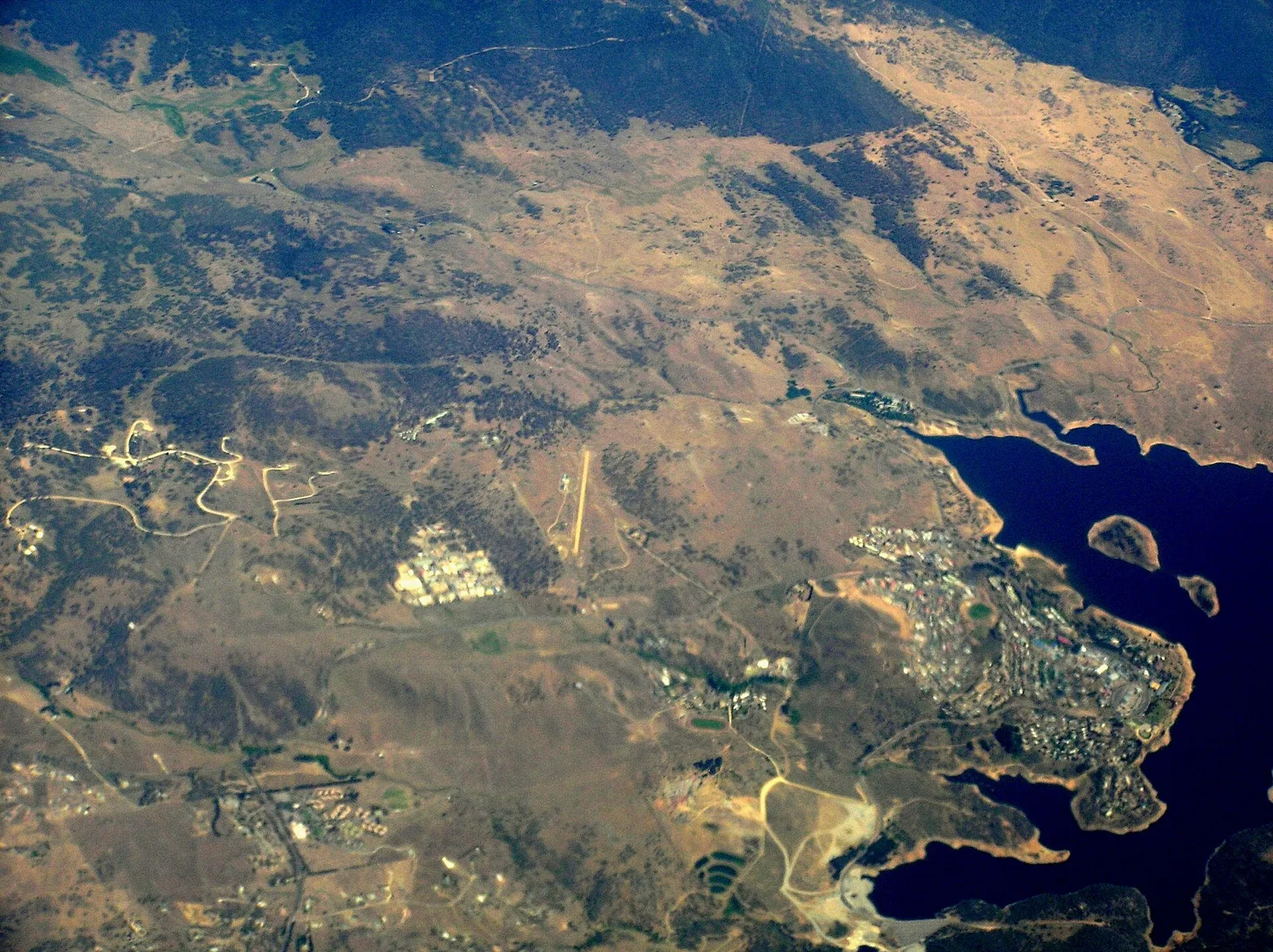
Jindabyne aerial — Snowy Mountains airbnb marketing
Local Color
Jindabyne aerial
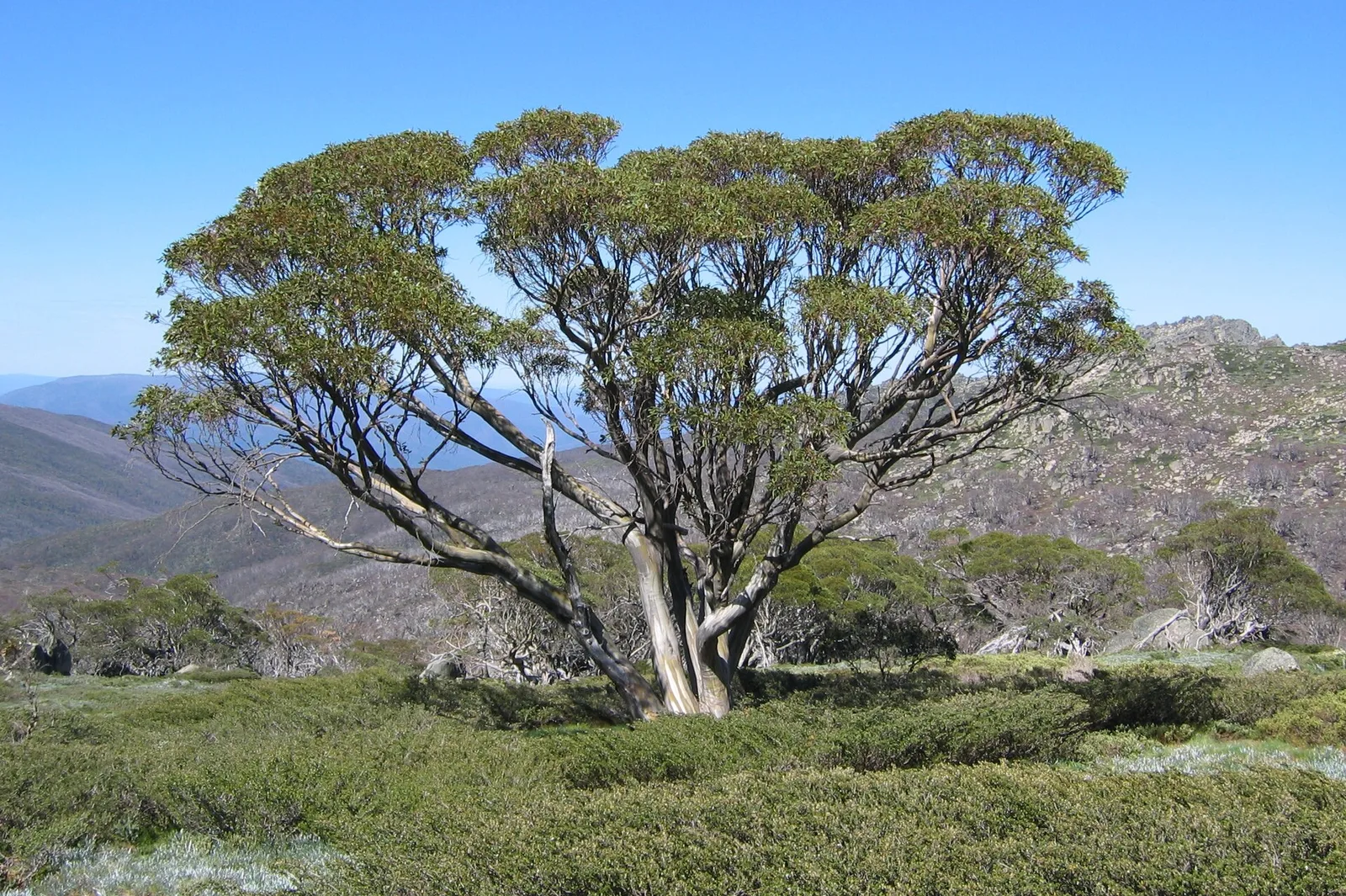
Snow Gum on the Dead Horse Gap Walk — Snowy Mountains airbnb marketing
Local Color
Snow Gum on the Dead
Why Cavmir

The Cavmir Advantage
in Snowy Mountains

Cavmir wins in the Snowy Mountains because the winter is easy and the other two-thirds of the year is where the business is. Ski season sells itself to an audience that already knows the dates; what almost nobody sells is the summer, and it is genuinely excellent — an alpine walk to the roof of a continent, a gravity bike park, trout water, cool nights in a country that spends December to February trying to escape the heat. We build that second season properly: named trails and walks with distance and grade, honest guidance on the chairlift and the summit walk, drying and gear storage that works for bikes as well as skis, and photography taken in February rather than August. On winter, we bring discipline rather than enthusiasm — school-holiday blocks priced early, minimum stays that protect margin in a region where changeover staff are scarce, and honest snow communication so that a thin season damages your reviews less than it damages your competitors'. We make the leasehold and freehold distinction clear where it matters, and we put the STRA registration in plain sight. And for the region's lodges, club lodges and small hotels we build direct-booking websites and repeat-guest programs, because ski families return to the same lodge for decades. We help position and market your property. We never manage it or touch your keys.

State of the Industry · History

The Snowy Mountains STR Market — Past & Present

The Snowy Mountains are Ngarigo, Walgalu and Wiradjuri country, and for thousands of years people came up here in summer for the Bogong moths that gather in the rock crevices of the high peaks — one of the few documented seasonal food migrations of its kind anywhere. Europeans arrived with cattle in the 1830s, running stock on the high plains in summer in a mountain grazing culture that lasted more than a century before it was ended to protect the catchment. Paul Edmund Strzelecki climbed the highest peak in 1840 and named it after a Polish general. Skiing arrived remarkably early: there was a ski club at Kiandra by the 1860s, using long timber planks and gold-rush enthusiasm, which makes this one of the oldest ski areas in the world.

What made the modern Snowies was the Scheme. Between 1949 and 1974 the Snowy Mountains Hydro-Electric Scheme built sixteen major dams, seven power stations and around a hundred and forty-five kilometres of tunnels through the mountains, employing roughly a hundred thousand people from more than thirty countries — a workforce so heavily migrant that the project is routinely credited with changing what post-war Australia looked like. It also built the roads, the towns and the reservoirs that the tourism economy now runs on: Jindabyne itself was relocated when the old town was flooded by the dam. Skiing commercialised through the same decades, with Thredbo and Perisher developing inside Kosciuszko National Park on leasehold land under head leases, which is why property in the villages is a leasehold interest rather than freehold. Snowy 2.0, a large pumped-hydro expansion, has been under construction through the 2020s and has brought a substantial worker population into the region alongside the tourists. The short-stay market grew across Jindabyne and the villages, and it sits today outside the 180-day cap that constrains Greater Sydney — an advantage most owners here have never articulated.

Pricing Strategy & Seasonality

Pricing, Seasonality & When to Capture ROI

Pricing Strategy

The Snowy rate map is an altitude map with a lease overlay. Thredbo village commands the highest rates in Australian alpine accommodation — ski-in ski-out, the chairlift, restaurants and the bike park in summer — on leasehold land inside the national park. Perisher and the Skitube corridor trade similarly in winter with a different access model and a weaker summer. Jindabyne is the freehold town and the volume market: twenty-five minutes below the snowline, on the lake, with the supermarkets, the hire shops and most of the family accommodation, and it is the strongest year-round performer. East Jindabyne and the lakeside add space and views at lower rates for larger groups. Berridale, Cooma and Adaminaby are the value tier, an extra twenty to forty minutes from the snow, competing on price and space and viable mainly in strong seasons. Blended, the region runs near A$342 a night at about 48% occupancy — the highest rates and the lowest occupancy in this batch, which is precisely what a four-month market looks like before anyone markets the other eight.

Seasonality & ROI Windows

This is the steepest curve of the twenty markets. The ski season officially opens on the June long weekend and runs to the October long weekend, and July and the winter school holidays are the ceiling — full houses, top rates, and a booking pattern set months ahead. Snow reliability varies materially from year to year and a thin season is felt immediately. Spring, from October, empties fast. Summer, December to February, is genuinely lovely — cool alpine days when the rest of the country is baking — and carries walkers, cyclists, mountain bikers and anglers, but at a fraction of winter's rates because almost nobody markets it. Autumn is the quietest stretch and the best value in the region for anyone who wants an empty mountain.

Regulation & Licensing · 2026

What the Law Requires in Snowy Mountains

The Snowy Mountains are a medium-regulation market with one significant exemption and one significant complication. The exemption is the day cap: New South Wales limits non-hosted short-term rental accommodation to 180 days a year in the Greater Sydney region plus Ballina and certain land in the Clarence Valley and Muswellbrook areas, and the Snowy Monaro region is not in that schedule, so non-hosted operation here can run 365 days. That is a genuine structural advantage over the Blue Mountains and worth understanding before you compare investment cases. Registration is still mandatory: every short-term rental in New South Wales must be on the STRA Register at $65 for a new registration and $25 to renew, with the STRA Property ID displayed on the listing, fire safety standards met and the STRA Code of Conduct observed, including its exclusion register for serious breaches. Snowy Monaro Regional Council has made a submission to the state on potential STRA regulation, arguing for balance rather than restriction, but New South Wales has shown with Byron Shire — cut to 60 days from 23 September 2024 — that it will extend caps to regional areas when it chooses, so treat the current exemption as valuable rather than permanent. The complication is tenure. Thredbo and Perisher sit inside Kosciuszko National Park on leasehold land under head leases, so what you buy in the villages is a leasehold interest with conditions and an expiry date attached, subject to the head lessee's rules as well as the council's. Jindabyne is freehold. That distinction changes financing, resale and what you can do with the property, and it is not a detail.

Market-Specific Tips & Challenges

Local Tips & Unique Market Challenges

Tips That Actually Move Revenue in Snowy Mountains

Build the summer. It is the single biggest opportunity in the region and almost nobody has taken it: publish the Kosciuszko summit walk with the chairlift option, distance and grade; name the bike park trails and provide storage, a wash-down point and a workshop recommendation; talk about trout season, the lake and cool alpine nights while the rest of the country is at forty degrees. On winter, price the school-holiday blocks early and hold minimum stays, because changeover labour in an alpine town is the operational bottleneck and short stays destroy margin. Communicate snow honestly — link to the resort reports rather than to your own optimism — because guests who booked on a realistic picture forgive a thin week and guests who booked on a marketing photograph do not. Provide the alpine basics properly: drying room, boot warmers, gear storage, a heated interior that copes and clear guidance on snow chains and park entry fees. State whether you are leasehold or freehold if you are ever selling. And build the email list, because ski families return to the same property for decades.

Unique Snowy Mountains Challenges

Seasonality is extreme and snow reliability is the single biggest uncontrollable risk, which is why occupancy sits near 48% against the highest rates in this batch. Leasehold tenure in the villages complicates financing, resale and what an owner may change. Staffing and changeover cover in a small alpine town are genuinely difficult, particularly on peak winter Saturdays. Alpine building maintenance — snow loading, frozen pipes, access — costs more than owners expect. Park entry fees and chain requirements confuse guests who have not driven in snow before. The 180-day exemption is valuable but not guaranteed. And the region competes directly with Victorian alpine resorts and, increasingly, with cheap flights to New Zealand and Japan for the same ski dollar.

A Chairlift to the Roof of a Continent
Mount Kosciuszko is 2,228 metres and it is one of the easiest continental high points on earth to reach. From Thredbo, the Kosciuszko Express chairlift lifts you to about 1,930 metres, and from there a raised metal walkway runs roughly six and a half kilometres to the summit — built above the fragile alpine vegetation so that thousands of people a year can stand on the highest point in Australia without wrecking it. Children do it. People in trainers do it. It is the only one of the seven continental summits you can reach in an afternoon and be back for dinner.
Finance Essentials — Snowy Mountains
🛡️

Insurance

Alpine underwriting is its own discipline. Snow loading on roofs, burst pipes in unheated shoulder-season weeks, and access difficulties for emergency response are all specific risks, and a property that empties from October to May needs an unoccupancy position that actually reflects it. Bushfire is the other side of the same coin — the 2019-20 season reached parts of the region and summer fire risk in the surrounding country is real. You need short-stay or commercial landlord cover with public liability, loss of rent and accidental damage by guests. If you take ski groups, be honest with your insurer about it. Leasehold properties in the villages need clarity on where the head lessee's cover ends and yours begins.

🧾

Property & Income Tax

New South Wales has no state short-stay levy, which is a meaningful advantage over Victoria's 7.5%, and the STRA registration fees are nominal. The substantive stack is the ordinary Australian one: GST once turnover crosses the registration threshold, income tax on net rental profit, NSW land tax above the threshold on aggregated land value with foreign-owner surcharges, and capital gains tax on disposal with the main residence exemption affected by income-producing use. Leasehold property in the resort villages has its own treatment for depreciation and for the amortisation of lease costs that a general accountant may not have encountered. And in a market where many owners use the property themselves for part of the ski season, the private-use apportionment is the most common source of error. Set the method properly in year one.

🏦

Mortgages & Financing

Financing here is genuinely more complex than in a coastal market. Australian lenders discount short-stay income when assessing serviceability, and leasehold property inside a national park narrows the panel sharply — some lenders will not touch it, others require a substantial deposit and look closely at the remaining lease term. Freehold at Jindabyne is far more straightforward. Expect twenty per cent or more deposit, and model on a realistic occupancy rather than a strong-snow year. Because the market's revenue is concentrated in four months, lenders reasonably ask what happens in a poor season, and an operator with a genuine summer business answers that question far better than one without.

Future Outlook · 2027 & Beyond

Where Snowy Mountains is Headed Next

Two forces will decide the Snowy Mountains' next decade. The first is snow. Australian alpine seasons are variable and the long-run climate trend is a real commercial risk to a business built on four months; the resorts have invested heavily in snowmaking and the region has been steadily building a summer product, and every operator should assume the winter gets less reliable rather than more. That makes summer marketing a hedge as well as an opportunity. The second is regulation: the current exemption from the 180-day cap is valuable, Snowy Monaro Regional Council has engaged with the state on the question, and Byron Shire's 2024 reduction to 60 days shows New South Wales is willing to act regionally. Build a business that would survive a cap rather than one that depends on its absence. Alongside both, Snowy 2.0 construction has brought a large worker population into the region, which is a genuine medium-term demand source for longer stays that almost nobody in the short-stay market is targeting deliberately. The operators who will be doing well in 2030 are the ones with a real summer product, a direct-booking base of returning ski families, and enough diversification that one bad snow year is a difficult season rather than a crisis.

From the Desk of Sofie Sinag

Why We Love Marketing in Snowy Mountains

We love the Snowy Mountains because they are Australia's most improbable landscape and the country half forgets they exist. There is real snow, for real months, on a continent famous for the opposite, and a chairlift that takes you most of the way to the highest point in the country so that anyone reasonably mobile can stand on top of it. Underneath the skiing there is a much stranger history: a hydro scheme that tunnelled a hundred and forty-five kilometres through these mountains between 1949 and 1974 with a workforce from more than thirty countries, and which changed what Australia looked like as much as it changed what the mountains looked like. In summer the whole region turns into something else entirely — alpine wildflowers on the Main Range, trout in the lake, a gravity bike park, and cool nights when Sydney is unbearable. For marketers, this is the most obvious untapped season in the portfolio: a four-month business sitting on top of an eight-month one that nobody has bothered to sell, in a market with no day cap and every reason to trade year-round.

Why It Matters

A great property in Snowy Mountains doesn't just want a listing — it wants a point of view, an audience, and a brand the city itself would recognise.

Cavmir's Snowy Mountains Cheat Sheet

The Picks We Recommend for Your Welcome Book

The picks we send Snowy Mountains guests — deliberately weighted toward the eight months of the year the region pretends it is closed.

Coffee & First Light

Lake Jindabyne at dawn

Mist on the water, the Main Range catching first light behind it, and pelicans doing whatever pelicans do at six in the morning. Ten minutes from most Jindabyne accommodation, free, and the shot that convinces winter guests there is a summer worth coming back for.

The Splurge Table

A long dinner in Thredbo village

Thredbo has the best concentration of restaurants in the Australian Alps and they run well past the ski season. Book ahead in winter, or go in February when you can walk in, eat properly and then sit outside in air that is fifteen degrees cooler than the coast.

Local Obsession

Après at the bottom of the run

The Australian ski day ends with a decisiveness that surprises overseas visitors — boots off, beer on, sun on the deck, sometimes at three in the afternoon. It is a genuine culture rather than an import, and any listing that explains where the good decks are is doing its guests a favour.

Shoulder Season Secret

The Main Range walk in late January

A twenty-two kilometre loop from Charlotte Pass past Blue Lake and Australia's only glacial lakes, through alpine wildflowers, in weather that is cool and clear when the rest of the country is unbearable. Genuinely one of the best day walks in Australia and almost nobody knows it exists.

Weekend Escape

Yarrangobilly Caves and the thermal pool

Limestone caves in the north of the national park with a naturally warm swimming pool sitting at about twenty-seven degrees in a river valley below them. A long drive from Jindabyne, a superb day out, and the best possible answer to a guest asking what to do on a rainy day.

What Guests Ask For

Chains, park fees, drying and the drive

Snowy enquiries repeat four things: do we need snow chains, do we pay to enter the park, where do wet gear and boots go, and how long is the drive from the property to the lifts. Answer all four precisely and you will save yourself a winter of messages.

Local Work · Composite Case Vignettes

What Cavmir Has Done for Snowy Mountains Properties

A few composite engagements drawn from how Cavmir typically works in this market. The details are illustrative and consistent with the Snowy Mountains, not pulled from a single named client.

Four-bedroom chalet · Jindabyne
The Brief

A well-equipped chalet filled June to September at strong rates and then sat almost entirely empty for eight months. Every photograph showed snow, the listing mentioned nothing that happens in summer, and the owner treated the rest of the year as unavoidable.

What We Did

Cavmir built a summer identity — the Kosciuszko summit walk with the chairlift option, Main Range routes, the bike park with storage and a wash-down point, trout season and the lake — reshot the property in February, and priced summer as a real season rather than a discount.

The Result

The empty eight months began producing genuine bookings from walkers, cyclists and anglers, the annual occupancy moved well off its winter-only base, and a thin snow season stopped being an existential problem for the year's numbers.

Twenty-bed lodge · Thredbo village
The Brief

A leasehold lodge in the village took most of its winter bookings through platforms, paid commission on ski families who had returned for twenty years, and had no direct channel and no summer proposition at all.

What We Did

Cavmir built a direct-booking website with room and bunk configurations, packaged bike-park and walking stays for the warmer months, priced the winter school-holiday blocks early with proper minimums, and set up a post-stay email inviting returning families to book direct.

The Result

Long-standing ski families moved onto the lodge's own booking channel, the summer months began carrying real occupancy for the first time, and the operator built a database of multi-decade repeat guests rather than renting them back each June.

Lakeside house · East Jindabyne
The Brief

A large lakeside house was competing on winter price with properties closer to the snow, took short one and two-night ski stays that were unprofitable once changeover was counted, and never mentioned the lake, the fishing or the summer at all.

What We Did

Cavmir repositioned it around space, the lake and groups rather than proximity to lifts, set minimum stays through winter, and built a summer and shoulder proposition for anglers, cyclists and multi-family groups escaping coastal heat.

The Result

Average stay length rose enough to make the changeover economics work, the property stopped losing a distance comparison it could never win, and summer group bookings became a genuine second season rather than an occasional accident.

Market Intelligence · Seasonality

Airbnb seasonality in Snowy Mountains, month by month

Demand in Snowy Mountains peaks around July through August and runs quietest around February, March and April. Here is how the year actually books — and what to do about each stretch of the calendar.

Peak demandSteadyQuiet

Peak season

The ski season officially opens on the June long weekend and runs to the October long weekend, and inside it July and the winter school holidays are the ceiling of the year. The region operates close to capacity at the highest nightly rates in Australian alpine accommodation, with families booking months ahead and returning to the same property annually. August historically brings the most reliable snow and draws the serious skiers who book later and pay well when conditions are good.

The shoulders

Late spring and early autumn are genuinely quiet and represent the best value in the region for anyone who wants an empty mountain. October brings the trout season opening on the long weekend just as the ski market disappears. November and April carry the mountain bike park at Thredbo and early or late walking conditions on the Main Range, and both are almost entirely unmarketed by the accommodation stock.

The quiet stretch

Summer, December to February, is the great missed opportunity rather than a genuinely dead season. The alpine weather is cool and clear when the rest of Australia is baking, the Kosciuszko summit walk and the Main Range are at their best, the lake is warm enough to swim and the bike park is running. Rates sit at a fraction of winter's because almost nobody markets it, which is exactly why an operator who does faces almost no competition.

Dates that fill first

Winter school holidaysJuly
The ceiling of the Snowy year. Families book months ahead and return to the same property annually, which makes this both the highest-rate block and the best direct-booking opportunity in the region.
Opening weekendJune long weekend
The official start of the season fills the region regardless of how much snow has actually fallen. Reliably underpriced, and a fixed date every year that can be built into a rate calendar well ahead.
Thredbo bike park seasonNovember to April
Gravity mountain biking that fills weekends outside winter entirely. Riders need secure bike storage, a wash-down point and a workshop recommendation, and very few listings provide any of the three.
Trout season openingOctober long weekend
Anglers arriving on a fixed date for Lake Jindabyne and the Snowy rivers at exactly the moment the ski market disappears. Predictable, published and almost never priced for by accommodation owners.
Summer alpine walking seasonDecember to February
The Kosciuszko summit walk and the Main Range circuit in cool alpine air while coastal Australia bakes. Genuinely world-class walking and the single biggest untapped demand source in the region.
Market Intelligence · Guests

Who books Snowy Mountains Airbnbs — and how far ahead

Returning ski families
The winter backbone, booking the same week and often the same property for decades. Long lead times, high repeat rates and by far the best audience in the region to move onto direct booking.
Serious skiers and snowboarders
Adults who book late and chase conditions, sometimes inside a week when a front arrives. They reward honest snow communication and punish marketing photographs that do not match the report.
Summer walkers and Kosciuszko climbers
Visitors coming for the summit walk and the Main Range, often as a bucket-list item. They need route information, an early start and cool alpine nights, and they are barely marketed to at all.
Mountain bikers and anglers
Thredbo bike park riders and trout anglers on Lake Jindabyne and the Snowy rivers, filling weekends from October through April. Both need specific gear storage that most properties do not provide.
Lodge and club lodge guests
The Snowies have an unusual concentration of lodges and club lodges serving multi-generation ski groups. These operators hold the deepest repeat-guest relationships and the most unused direct-booking upside.

The booking window

Winter school holidays book months ahead and returning families frequently rebook before they leave, so July rates need to be live by early autumn. Opening weekend and the August blocks fill early. Conditions-chasing skiers book late, sometimes inside a week. Summer and shoulder demand is later again, two to five weeks out, which makes an open, priced summer calendar considerably more valuable than a closed one.

Typical stays

Seven nights in winter school holidays and four to five nights across the rest of the ski season, which is worth protecting with minimum stays because changeover labour in a small alpine town is the operational bottleneck. Summer stays run two to four nights around a walk or a bike weekend. One and two-night winter stays rarely justify their cost once cleaning and linen are counted.

Where guests drive from

CanberraSydneyMelbourneWollongongAlbury

Where guests fly from

SydneyMelbourneBrisbaneCanberraAdelaideAuckland
Canberra is the closest capital at around two and a half hours and supplies weekend demand year-round; Sydney is five to six hours and Melbourne about seven, which favours week-long winter stays over weekends. For paid media, ski interest audiences in Sydney, Canberra and Melbourne carry winter, while hiking, mountain biking and fly-fishing audiences in the same cities are far cheaper and almost uncontested for summer.
Market Intelligence · What Wins

The Airbnb that wins in Snowy Mountains

The winning Snowy property is one that works in two seasons: an alpine-capable house or chalet with a genuine drying room, boot warmers and ski storage for winter, plus bike storage, a wash-down point and route information for summer, and heating that copes with a July night. Because occupancy rather than rate is the constraint here, the property that can sell a February booking is worth materially more than one that cannot.

Amenities that move bookings here

Drying room, boot warmers and ski storageSecure bike storage and a wash-down pointHeating that genuinely copes with an alpine winterSTRA Property ID displayed on the listingSnow chain and park entry fee guidanceNamed walking and riding routes with distance and gradeFast wifi with the speed statedHonest drive times from the property to the lifts
The single most valuable thing you can do is build and photograph a real summer product — the Kosciuszko summit walk, the Main Range, the bike park, trout season. Winter sells itself to people who already know the dates; the other eight months are sitting there uncontested.
Straight Answers

Snowy Mountains Airbnb marketing questions, answered

How do I market my Airbnb in the Snowy Mountains?

Build the summer, because winter sells itself. Ski season fills from an audience that already knows the dates, and the region's occupancy sits near 48% because almost nobody markets the other eight months. Publish the Kosciuszko summit walk with the chairlift option, distance and grade; name the bike park trails and provide storage and a wash-down point; talk about trout season and cool alpine nights while the coast is at forty degrees. On winter, price the school-holiday blocks early, hold minimum stays because changeover labour is scarce, and communicate snow honestly by linking to the resort reports rather than your own optimism.

When is peak season in the Snowy Mountains?

The ski season, which officially opens on the June long weekend and runs to the October long weekend. July and the winter school holidays are the ceiling, with August historically bringing the most reliable snow. Outside that, October brings the trout season opening, the Thredbo bike park runs from about November to April, and December to February offers genuinely excellent alpine walking in cool, clear weather while the rest of Australia bakes. Snow reliability varies year to year, which is the biggest single commercial risk in the region.

How far in advance do guests book in the Snowy Mountains?

Winter school holidays book months ahead and returning families often rebook before they check out, so July rates need to be live by early autumn or you will sell the best week of the year at an ordinary price. Opening weekend and the August blocks fill early too. Serious skiers chasing conditions book late, sometimes inside a week when a front is forecast. Summer and shoulder demand books two to five weeks out, which is a strong argument for keeping the warm-weather calendar open and priced.

Where do the Snowy Mountains' guests come from?

Canberra is the nearest capital at around two and a half hours and supplies weekend demand year-round. Sydney is five to six hours away and Melbourne about seven, which is why the market favours week-long winter stays over weekends and why school holidays dominate. For advertising, ski interest audiences in Sydney, Canberra and Melbourne carry the winter, while hiking, mountain biking and fly-fishing audiences in the same cities are far cheaper to reach and effectively uncontested for the summer months.

Does the 180-day cap apply in the Snowy Mountains?

No. The 180-day limit on non-hosted short-term rental accommodation applies to the Greater Sydney region plus Ballina and certain land in the Clarence Valley and Muswellbrook areas, and the Snowy Monaro region is not in that schedule — so non-hosted operation can run 365 days a year. Registration on the NSW STRA Register is still mandatory at $65 new and $25 renewal with the Property ID displayed. One important tenure point: Thredbo and Perisher sit inside Kosciuszko National Park on leasehold land under head leases, while Jindabyne is freehold.

Free Tools · Websites That Book

See what your listing in the Snowy Mountains is leaving on the table

Run your Airbnb, Vrbo, or website through Cavmir's free grader. It checks the things that decide whether guests book in the Snowy Mountains — photos, listing copy, page speed, local search — and shows you where bookings leak. Takes about a minute, and there's no sales call attached.

If the report says your booking engine is the weak link, that's fixable: a direct-booking website of your own means repeat guests stop paying platform fees to come back to you. That's the work Cavmir does — see Airbnb website design in the Snowy Mountains.

What the grader measures

  • Photos and the first-impression frame
  • Listing title and copy
  • Your direct-booking website (or the lack of one)
  • Page speed and mobile experience
  • Local search and Google visibility
Grade My Listing — Free
Ready to Grow in Snowy Mountains?

Let's Put Your Snowy Mountains
Property on the Map

Talk to Cavmir today. We'll show you exactly what your Snowy Mountains property is leaving on the table — and how fast we can change that.

Book a Free Strategy Call