Start here Work with Cavmir in Sunshine Coast
Get a Proposal (786) 751-3426
A$288
Avg. Nightly Rate
62%
Avg. Occupancy Rate
A$5,360
Avg. Monthly Revenue
4-5%
Est. Cash-on-Cash ROI
HIGH
Seasonality
MEDIUM
Regulatory Burden

* Market averages. Properties marketed by Cavmir typically exceed these figures by 25–45%. Data sourced from AirDNA, STR market reports, and Cavmir internal analytics.

The Market

Why Sunshine Coast is One of the World's Premier STR Markets

The Sunshine Coast is a zoning market, and that single fact decides more Sunshine Coast property purchases than any spreadsheet does. Queensland imposes no state short-stay levy and no night cap, which puts operators here in a far better position than in Victoria or Greater Sydney. What governs short-stay letting on this coast is the Sunshine Coast Planning Scheme 2014: properties in Tourist Accommodation and medium or high density residential zones generally need no special approval, while Low Density Residential and Rural Residential properties can require a Material Change of Use approval, with lawful use established before the 2014 scheme mattering a great deal to what you may do today. Get the zone wrong and the business does not exist. There is a second trap for anyone reading a generic guide: Noosa Shire is a separate council with its own short-stay permit regime, having de-amalgamated from the Sunshine Coast in 2014, so Noosa's rules are not this council's rules and vice versa. Add the Queensland requirement for interconnected photoelectric smoke alarms in every existing dwelling by 1 January 2027, and body corporate by-laws along the beachfront apartment strip, and you have the real compliance picture for one of Australia's fastest-growing coastal regions.

The Sunshine Coast runs a genuine two-part market that most operators only sell half of. The coastal strip — Mooloolaba, Maroochydore, Alexandra Headland, Coolum, Peregian and Caloundra — is beach, surf and family holiday demand, with a fierce Queensland and New South Wales school-holiday peak and a strong drive-market weekend business from Brisbane, ninety minutes south. The hinterland — Maleny, Montville, the Blackall Range and the Glass House Mountains — is a completely different product: cooler air, rainforest, waterfalls, a food and gallery economy and a couples market that travels year-round and barely notices school terms. Around both sits an events and attractions layer including Australia Zoo at Beerwah, the Eumundi Markets, and a triathlon and endurance calendar that fills specific weekends. An expanded airport runway has opened the region to more direct interstate and international capacity. Blended nightly rates run near A$288 with occupancy around 62%, and the spread inside that is enormous: an ocean-view apartment on the Mooloolaba Esplanade and a four-bedroom house fifteen minutes inland are not the same business, and the listings rarely say which they are.

Top Attractions & Landmarks

  • Mooloolaba Beach and the Esplanade
  • The Glass House Mountains
  • Australia Zoo at Beerwah
  • The Eumundi Markets
  • Maleny, Montville and the Blackall Range
  • Kondalilla Falls and the hinterland rainforest
  • Point Cartwright and the Mooloolah River mouth

Nearby Markets: Brisbane  |  The Whitsundays  |  Hunter Valley

Airbnb marketing services in Sunshine Coast, QLD, Australia
Postcards

Sunshine Coast through the lens

A few of the visual fingerprints we lean into when we shoot, brand and market a Sunshine Coast property — courtesy of the open Wikimedia Commons archive.

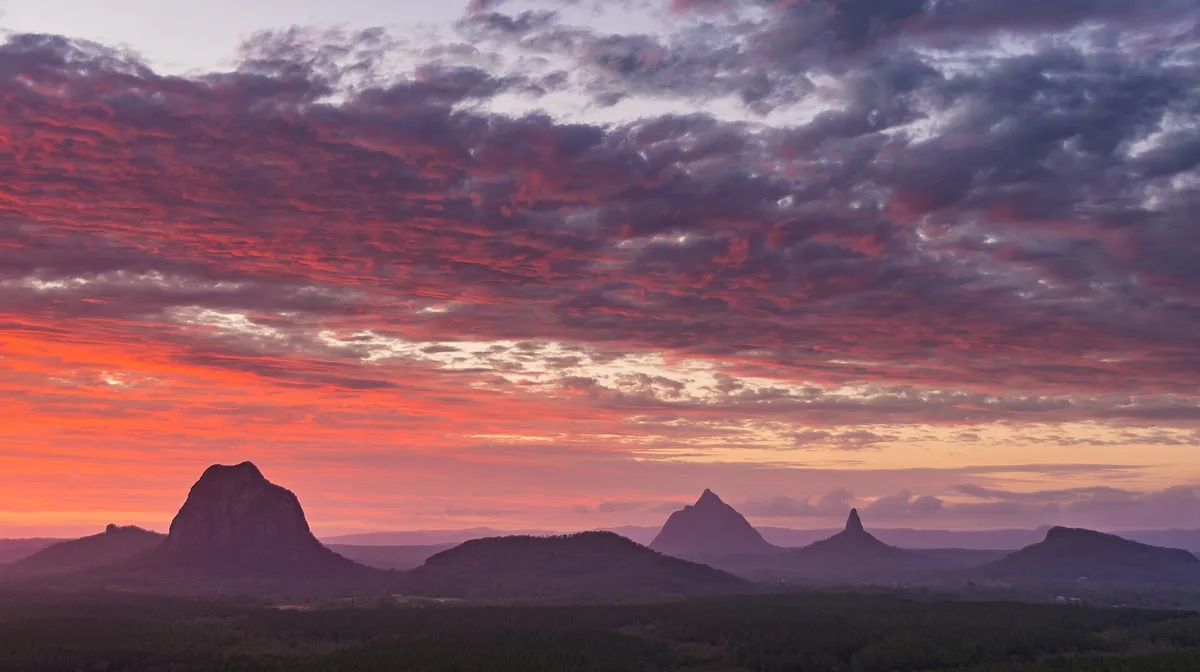
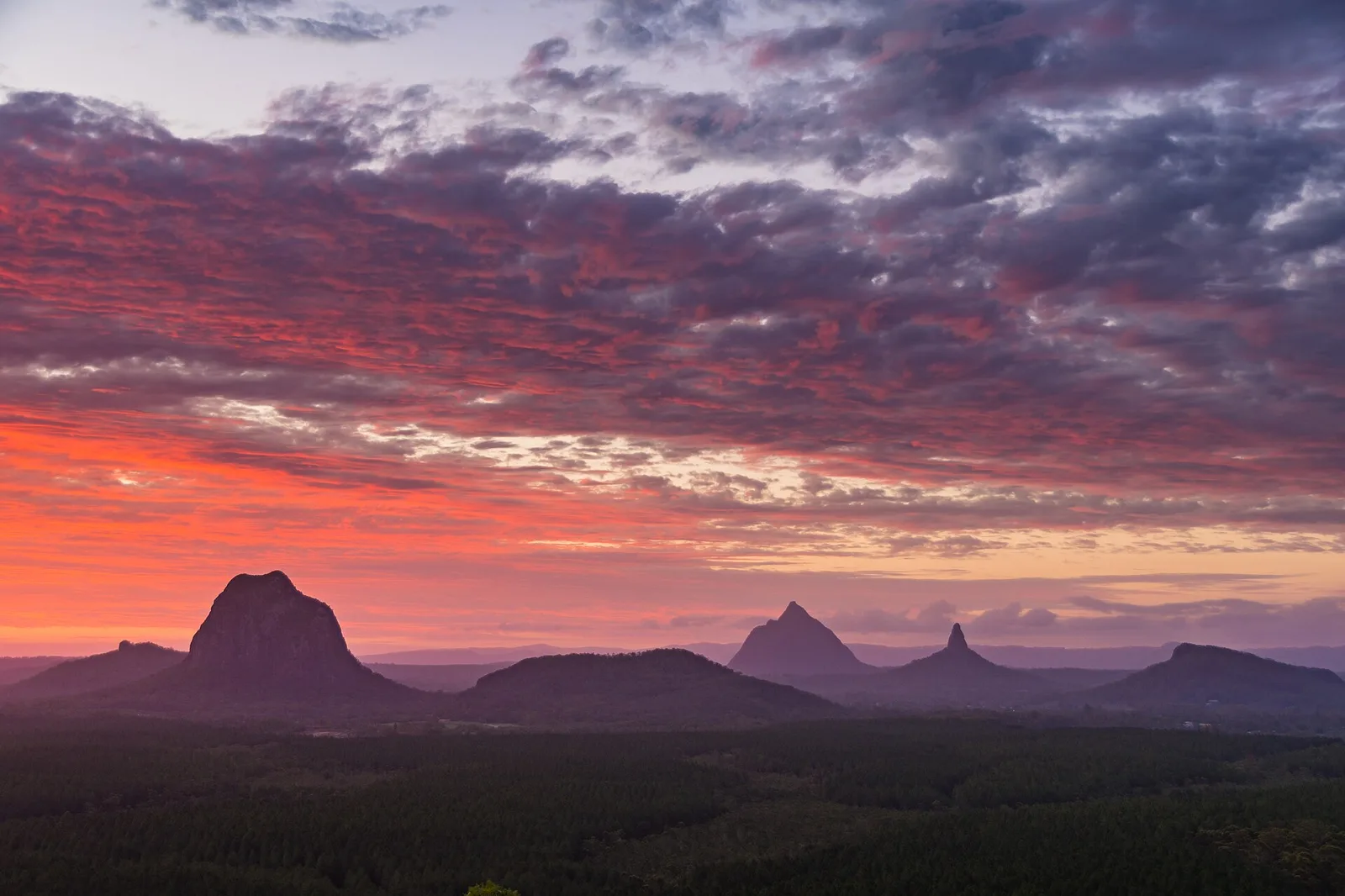
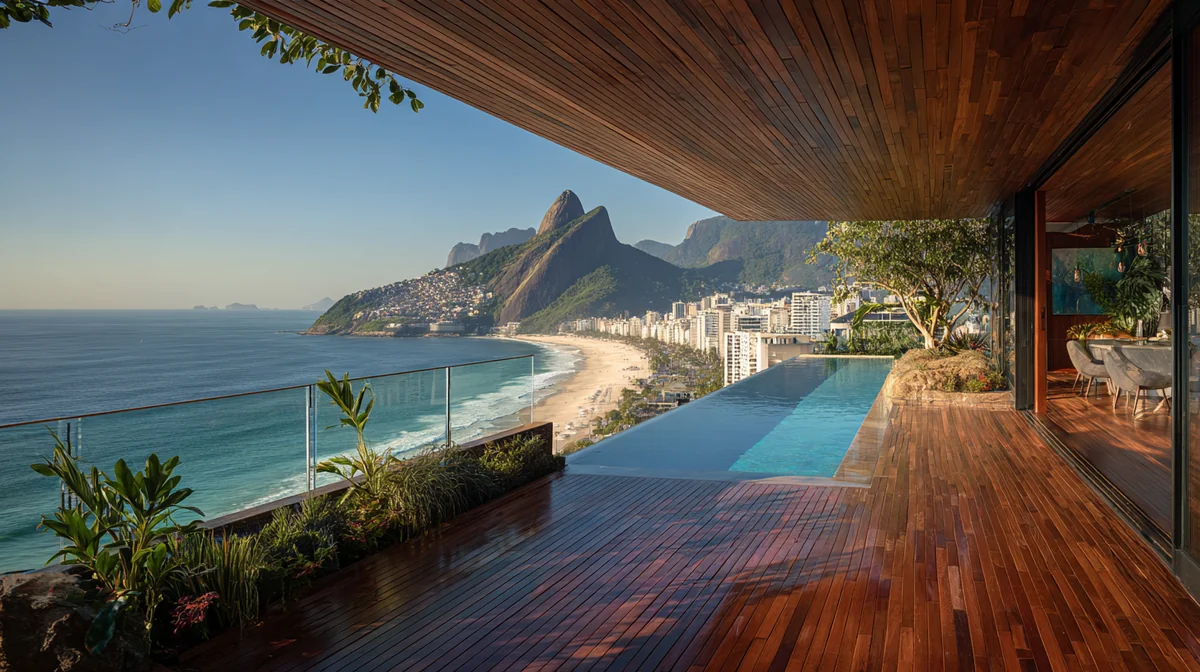
Glass House Sunset view — Sunshine Coast airbnb marketing
Local Color
Glass House Sunset view
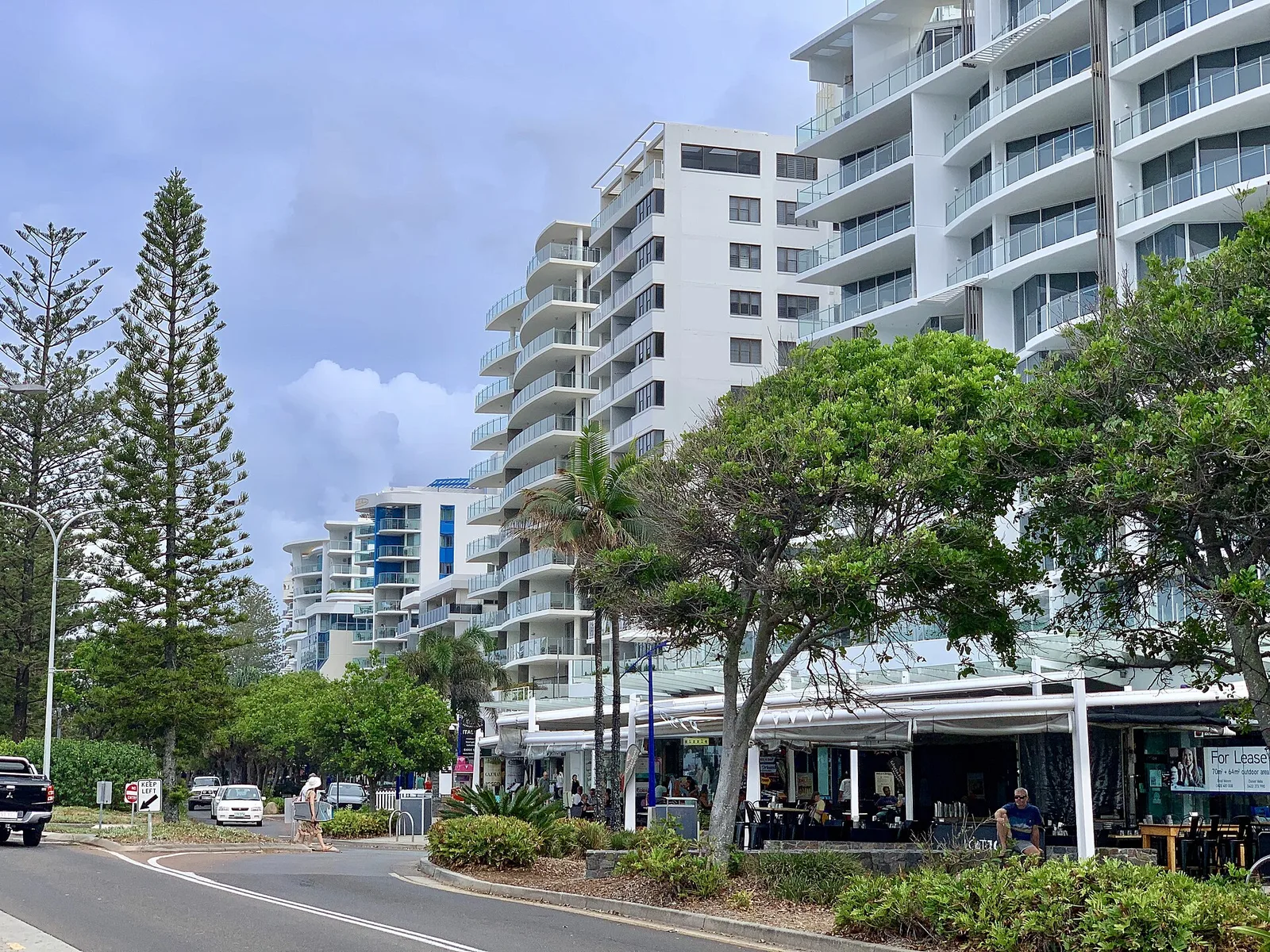
Mooloolaba Esplanade at Mooloolaba, Queensland — Sunshine Coast airbnb marketing
Local Color
Mooloolaba Esplanade at Mooloolaba, Queensland
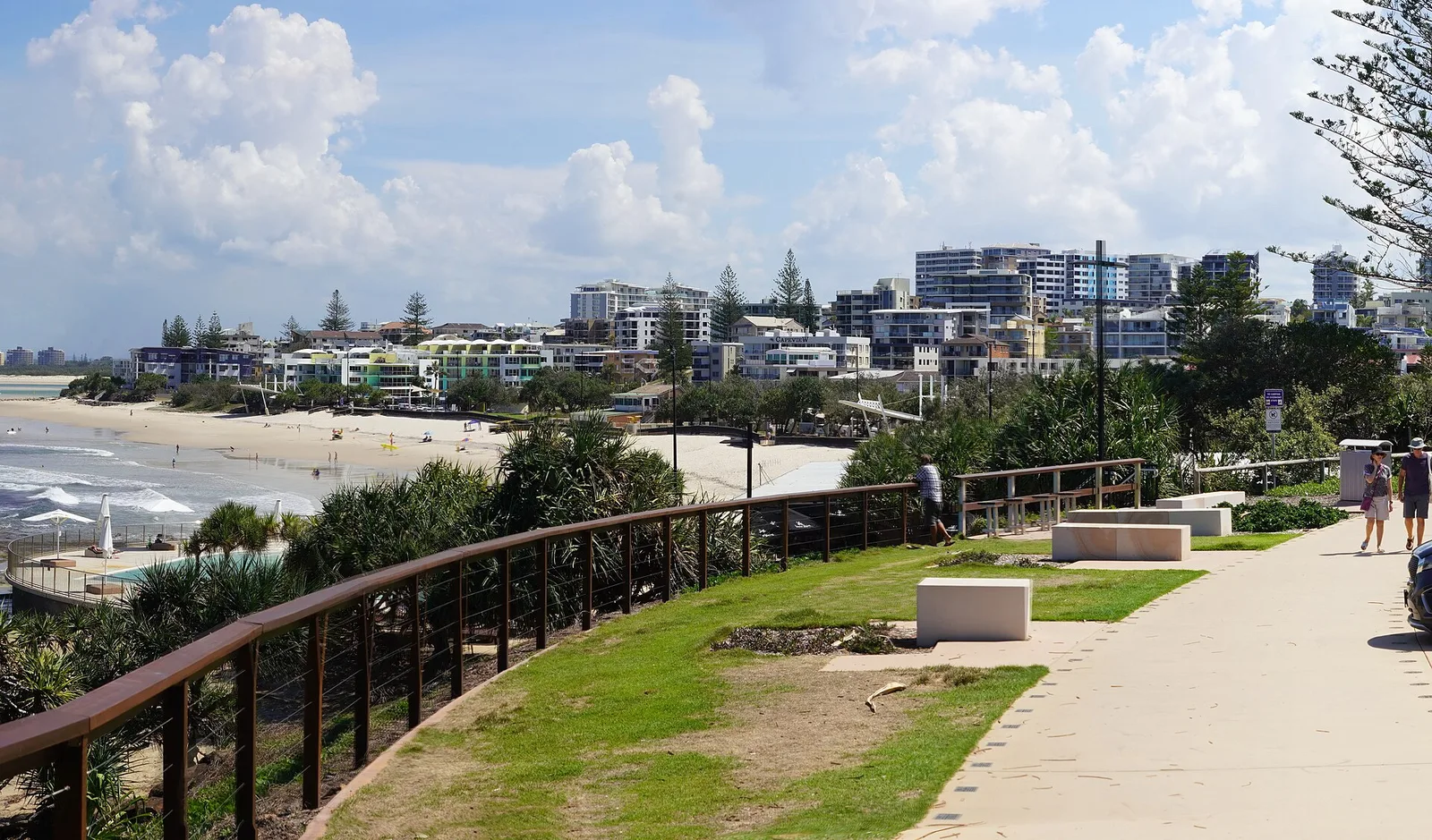
Kings Beach, Caloundra — Sunshine Coast airbnb marketing
Local Color
Kings Beach, Caloundra
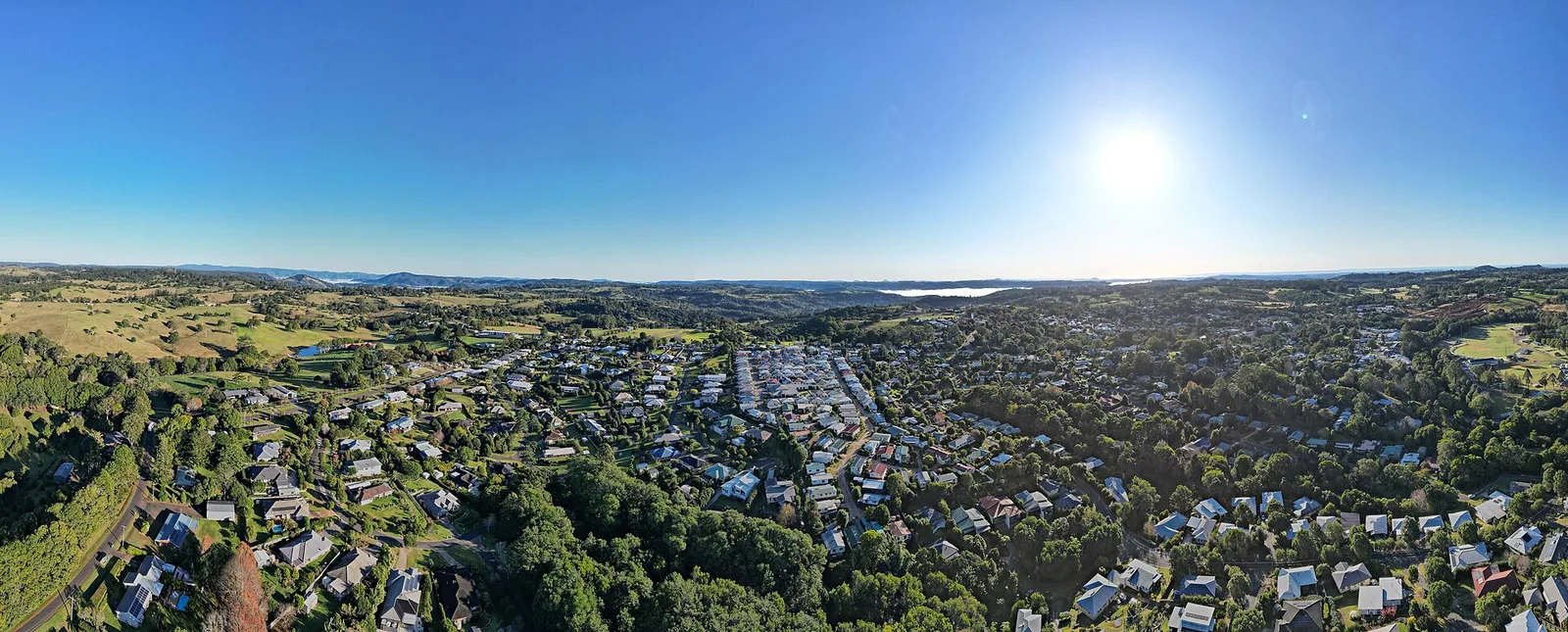
Aerial panorama of Maleny facing Lake Baroon. — Sunshine Coast airbnb marketing
Local Color
Aerial panorama of Maleny facing
Why Cavmir

The Cavmir Advantage
in Sunshine Coast

Cavmir wins on the Sunshine Coast because the market rewards precision about two things almost nobody writes down: the zone and the walk. On zoning, we help operators present the compliance position clearly, because a purchaser or a guest who can see that a property is properly approved is dealing with a professional rather than a hopeful. On the walk, we replace vague beach proximity with the numbers that actually convert — minutes to the sand, which patrolled flags, whether you cross a main road, and whether the surf break in front is suitable for kids. We build the shoulder season deliberately, because the coast is dominated by school holidays and the weeks between them are where the year is won: Brisbane weekenders, hinterland couples, endurance events, and a winter that southern Australians should be told about far more aggressively than they are. We shoot both coasts of this market properly — the Esplanade at first light, the Glass House Mountains from the range, rainforest in the hinterland — instead of another aerial that could be any Queensland beach. And for the coast's small resorts, motels and holiday-apartment managers we build direct-booking websites and repeat-guest programs, because a family that has come to the same block every September for a decade should not be arriving through a platform. We help position and market your property. We never manage it or touch your keys.

State of the Industry · History

The Sunshine Coast STR Market — Past & Present

This coast was Gubbi Gubbi country long before anyone called it the Sunshine Coast, and the name itself is recent — it was officially adopted in 1967, replacing the rather less marketable Near North Coast. Before tourism there was timber and then sugar and fruit: the Blackall Range was logged for red cedar and hoop pine, the coastal flats grew cane, and Nambour had a sugar mill running trains down the main street until 2003. James Cook sailed past in May 1770 and named the Glass House Mountains for the way the volcanic plugs caught the light, reminding him of the glass furnaces of his native Yorkshire. Those thirteen peaks are the eroded cores of volcanoes about twenty-five million years old and are deeply significant to the Jinibara and Gubbi Gubbi peoples.

Tourism arrived properly with the car. Postwar Brisbane families drove north to fibro shacks at Caloundra and Mooloolaba, the Bruce Highway improved, and by the 1980s the coastal strip had become a holiday economy with its own high-rise beachfront. Australia Zoo opened as a small reptile park in 1970 and became internationally famous through the Irwin family. The Eumundi Markets started in 1979 in a hinterland town that had almost emptied out and turned it into one of the region's biggest attractions. Then, in 2014, Noosa Shire voted to de-amalgamate from the Sunshine Coast Regional Council and became its own local government again — which is why anyone reading a single guide to short-stay rules for this region is reading about two different councils. What has happened since 2020 is a population surge: South East Queensland has been absorbing interstate migration at a rate that has pushed prices sharply upward, a new city centre is being built at Maroochydore, and the airport's extended runway has changed what direct routes are possible. The short-stay market grew inside all of it, governed principally by the zoning map rather than by a licence.

Pricing Strategy & Seasonality

Pricing, Seasonality & When to Capture ROI

Pricing Strategy

The Sunshine Coast rate map is a beach-access map with a hinterland exception. Mooloolaba and Alexandra Headland carry the highest rates — patrolled beach, the Esplanade's restaurants, the Spit and the harbour — and ocean-view apartments here set the ceiling for the region. Noosa's neighbours at Peregian and Coolum price strongly on a quieter beach experience with the same water, and hold shoulder rates better than the busier strip. Maroochydore trades slightly lower with a large apartment stock, the new city centre and the airport close by, and is the strongest midweek and longer-stay market on the coast. Caloundra and Kings Beach are the family value tier, with calm water, Bulcock Street and entry prices that still work for investors. Maleny, Montville and the Blackall Range are a separate product entirely — cooler, rainforest, views over the Glass House Mountains, and a couples market that travels in winter and midweek. Blended, the coast runs near A$288 a night at about 62% occupancy, with the gap almost entirely explained by how well the non-school-holiday weeks have been marketed.

Seasonality & ROI Windows

The Sunshine Coast's year is driven by Australian school holidays more than by weather, which is the key thing for anyone applying northern-hemisphere intuition. The late-December to late-January summer holidays are the biggest block of the year and price accordingly. Easter and the April, July and September or October school holidays are the other peaks. Winter, from June to August, is dry, mild and genuinely lovely — mid-twenties days, no humidity — and is when the hinterland is at its best and the coast is at its quietest, which makes it the most underpriced stretch in the region. February and March are the wet, humid, soft months. Weekends run strongly all year on the Brisbane drive market.

Regulation & Licensing · 2026

What the Law Requires in Sunshine Coast

The Sunshine Coast is a medium-regulation market where the decisive document is a zoning map rather than a licence. Queensland has no state short-stay levy and no night cap. Sunshine Coast Regional Council regulates short-stay letting principally through the Sunshine Coast Planning Scheme 2014: properties in Tourist Accommodation zones and in medium or high density residential zones generally require no special approval to be used for short-stay accommodation, while properties in Low Density Residential and Rural Residential zones can require a Material Change of Use approval before they may lawfully be used that way. Where a property was lawfully used for holiday letting before the 2014 scheme took effect, that established use matters, and demonstrating it is a documentary exercise rather than an assertion. The practical consequence is blunt: two houses in the same suburb can have completely different rights, and the zone is the first thing to check before you make an offer. The second thing to check is which council you are actually in. Noosa Shire de-amalgamated in 2014 and runs its own short-stay letting permit regime with its own conditions, so guidance written for Noosa does not apply here and guidance written for the Sunshine Coast does not apply there. Beyond planning, every existing Queensland dwelling must have interconnected photoelectric smoke alarms by 1 January 2027, pool fencing and safety certificates are enforced, and in the beachfront apartment stock body corporate by-laws can restrict short-stay use regardless of the zoning. Read the community management statement. Two practical notes. A Material Change of Use application is a genuine development assessment rather than a registration form — it takes time, costs money, invites public notification in some circumstances and can be refused, so it belongs in a purchase timeline and a purchase price rather than in a post-settlement to-do list. And where you are relying on use established before the 2014 scheme, the evidence is documentary: historic booking records, advertising, rates notices and statutory declarations, assembled before anyone asks for them rather than after a complaint has been made. Owners who can produce that file quickly are in a very different position from owners who are confident they have always done it this way.

Market-Specific Tips & Challenges

Local Tips & Unique Market Challenges

Tips That Actually Move Revenue in Sunshine Coast

Say which beach and how far. Sunshine Coast enquiries are decided on the walk to the sand, whether you cross a main road, and which patrolled flags you end up between — vague beach proximity is the single most common failure in listings here. Sell the shoulder deliberately: market winter to Melbourne and Sydney as the dry, mild season it is, and market the hinterland to couples as a cooler, wetter, greener alternative that works midweek. Price the Brisbane drive weekend properly; ninety minutes from a capital city is the most reliably underpriced demand on this coast. Put the triathlon and endurance calendar in your rates and provide the things those guests need — bike storage, an early breakfast option, a very early departure. Be explicit about pool access and body corporate rules in apartment stock. Publish your planning position if you are in a low-density zone and you have approval, because it signals professionalism to guests and to any future buyer. And build the email list: Sunshine Coast families return to the same block for a decade and should not cost commission every year.

Unique Sunshine Coast Challenges

Zoning is the biggest single risk, and it is discovered too late by too many buyers — a low-density address without approval is not a short-stay business. The market is heavily school-holiday dependent, so cash flow is lumpy and the weeks in between require active marketing rather than hope. Supply is large and much of the beachfront apartment stock is genuinely interchangeable. Body corporate committees have become more assertive. Prices rose sharply through the 2020s, compressing yields. Summer is hot, humid and stormy, and flood and coastal erosion risk are real and mapped. And the persistent confusion with Noosa's separate regime causes owners to comply with the wrong rulebook entirely.

Named for a Yorkshire Glass Furnace
The Glass House Mountains got their name from a homesick navigator. Sailing north in May 1770, James Cook saw thirteen volcanic plugs rising abruptly out of flat coastal plain and thought they looked like the glass furnaces of his native Yorkshire, so he wrote that name into his journal and it stuck. They are the eroded cores of volcanoes about twenty-five million years old, they are deeply significant to the Jinibara and Gubbi Gubbi peoples, and they are the view every hinterland property on the Blackall Range is quietly selling.
Finance Essentials — Sunshine Coast
🛡️

Insurance

This coast's underwriting is cyclone-adjacent, storm-exposed and increasingly flood-aware. Severe storms, hail and East Coast lows are routine, coastal erosion is an active issue on parts of the strip, and several low-lying areas around the Maroochy and Mooloolah rivers carry genuine flood risk that is mapped and priced. You need short-stay or commercial landlord cover with public liability, loss of rent, storm and accidental damage by guests, and in an apartment you need to know where the body corporate policy ends. Pools need compliant fencing and a current safety certificate. Declare short-stay use honestly — a standard landlord policy will not respond — and check whether your policy contemplates cyclone-season claims.

🧾

Property & Income Tax

Queensland's tax position is comparatively light and that is a genuine selling point against Victoria and New South Wales: no state short-stay levy, no registration fee regime. What you carry is council rates, GST once turnover passes the registration threshold — which short-stay accommodation reaches faster than owners expect — income tax on net rental profit, land tax above the Queensland threshold assessed on the aggregated unimproved value of your holdings, and capital gains tax on disposal with the main residence exemption affected by income-producing use. Foreign owners face surcharges. The most common Sunshine Coast surprise is land tax aggregation once an investor buys a second or third property on the coast. Model it with an accountant before you buy, not at the end of the financial year.

🏦

Mortgages & Financing

Australian lenders discount or exclude short-stay income when assessing serviceability, so a Sunshine Coast purchase generally needs to work on your broader income or on a long-term rental assessment rather than on peak-season nightly rates. Expect twenty per cent or more deposit to avoid lenders mortgage insurance, plus scrutiny of body corporate by-laws in apartment stock and of the planning position in low density zones. Coastal prices rose sharply through the 2020s on interstate migration, which has compressed yields, so the case increasingly rests on operating quality and capital rather than on gross return. Use a broker experienced with Queensland short-stay lending.

Future Outlook · 2027 & Beyond

Where Sunshine Coast is Headed Next

The Sunshine Coast is being reshaped by growth rather than regulation. Interstate migration into South East Queensland continues, a new city centre is being built at Maroochydore, the airport's extended runway is adding direct capacity, and the 2032 Olympic and Paralympic Games will bring events and infrastructure to the region as well as to Brisbane. All of that supports demand and, over time, supports supply too. The regulatory direction is harder to read but the pressure is visible: Queensland councils have been steadily tightening short-stay controls, Noosa runs a permit regime next door, and a coast under housing pressure with a planning scheme already distinguishing between zones has the tools to go further if it chooses. Plan for the zoning framework to be applied more strictly rather than for a new licence. Commercially, the opportunity is the same one it has been for years and almost nobody has taken: the weeks between school holidays. A dry, mild Queensland winter, a hinterland that is at its best in June and a capital city ninety minutes away are the ingredients of a genuine year-round business, and most of the coast is still selling a summer.

From the Desk of Sofie Sinag

Why We Love Marketing in Sunshine Coast

We love the Sunshine Coast because it has two personalities and never makes you choose. Down on the strip it is exactly what it looks like — patrolled beaches, an esplanade, kids in rashies, fish and chips on the Spit, surf that is forgiving enough to learn on. Twenty-five minutes inland you are eight hundred metres up on the Blackall Range in cool air and rainforest, looking across at thirteen volcanic plugs Captain Cook named after glass furnaces, drinking coffee in a village that smells of woodsmoke in July. That contrast is the product, and it is why this coast works in winter when southern Australia is cold and the hinterland is at its absolute best. It has kept a bit of its old character too: a Wednesday market in a hinterland town that saved the town, a zoo that started as a reptile park, surf clubs that still run the way surf clubs run. For marketers, the Sunshine Coast is a shoulder-season opportunity dressed as a summer market — the school holidays sell themselves, and everything between them is available to whoever bothers to write for it.

Why It Matters

A great property in Sunshine Coast doesn't just want a listing — it wants a point of view, an audience, and a brand the city itself would recognise.

Cavmir's Sunshine Coast Cheat Sheet

The Picks We Recommend for Your Welcome Book

The picks we send Sunshine Coast guests — chosen for the weeks between school holidays, when this coast is at its best and the car parks are empty.

Coffee & First Light

Point Cartwright at sunrise

Walk out to the lighthouse on the headland at the Mooloolah river mouth and watch the sun come up over the Pacific with dolphins in the swell more often than not. Ten minutes from most Mooloolaba properties, free, and the reason people book a second trip.

The Splurge Table

A hinterland dining room on the Blackall Range

Maleny and Montville have quietly built a serious food scene with views over the Glass House Mountains, and it is where locals go for an occasion rather than down on the strip. Book ahead in winter, which is when the range is at its best and the fires are lit.

Local Obsession

The Eumundi Markets, Wednesday and Saturday

Started in 1979 in a hinterland town that had nearly emptied out, and now several hundred stalls under the fig trees selling things that are genuinely made rather than imported. Go early on a Wednesday when it is calmer than the Saturday crush.

Shoulder Season Secret

The hinterland in July

Cool enough for a fire, green from the winter rain, waterfalls running, rainforest walks at Kondalilla and Mary Cairncross, and almost nobody there. Southern Australians think of this coast as a summer destination, and July in the range is the best-kept argument against that.

Weekend Escape

The Glass House Mountains lookout

Half an hour inland from the strip to a lookout that puts all thirteen peaks in front of you, with walking tracks around several of them for anyone who wants more than a photograph. It is the region's defining view and a lot of coastal guests never see it.

What Guests Ask For

The beach walk, the flags and the pool

Sunshine Coast enquiries repeat four things: how far to the sand on foot, do you cross a main road, which patrolled beach is closest, and can we actually use the building's pool. Answer all four precisely in the listing and most bookings arrive without a message.

Local Work · Composite Case Vignettes

What Cavmir Has Done for Sunshine Coast Properties

A few composite engagements drawn from how Cavmir typically works in this market. The details are illustrative and consistent with the Sunshine Coast, not pulled from a single named client.

Beachfront apartment · Mooloolaba
The Brief

An ocean-view two-bedroom filled the school holidays and emptied between them, sold itself on a generic beach-proximity claim, and never mentioned that the building's pool was available to guests or how far the patrolled flags actually were.

What We Did

Cavmir replaced vague proximity with exact walking times and named the patrolled beach, confirmed and published pool access, priced the Brisbane drive weekend and the triathlon calendar, and marketed the winter months to southern audiences as the dry season they are.

The Result

The weeks between school holidays began filling with Brisbane weekenders and winter escapees, the pool question stopped generating pre-booking messages, and the property moved off pure price competition with the rest of the block.

Small beachfront resort · Alexandra Headland
The Brief

A family-run resort of twenty-odd units took most bookings through platforms, paid commission on families who had returned every September for a decade, and had a website that could not show a unit type or take a booking on a phone.

What We Did

Cavmir built a direct-booking website with unit categories and honest view descriptions, packaged school-holiday and winter stays separately, priced the event calendar, and set up a post-stay email inviting returning families to book direct next year.

The Result

Returning families began booking through the resort's own site, the winter months sold on a proposition the resort had never articulated before, and the operators built a mailing list of loyal guests they controlled rather than rented.

Hinterland cottage · Blackall Range
The Brief

A cottage with a Glass House Mountains view was marketed as a cheaper alternative to the beach, lost every comparison to coastal listings, and sat empty midweek despite being at its best in exactly the months the coast is quiet.

What We Did

Cavmir stopped selling it against the beach and built a hinterland identity — fire, cool nights, rainforest walks, waterfalls, the food scene on the range — targeting couples on midweek winter breaks rather than families in January.

The Result

The cottage found an audience that travels outside school terms, midweek winter occupancy rose sharply, and it stopped being the cheap option in the coast's market and became the obvious option in its own.

Market Intelligence · Seasonality

Airbnb seasonality in Sunshine Coast, month by month

Demand in Sunshine Coast peaks around January, July and December and runs quietest around February, March and May. Here is how the year actually books — and what to do about each stretch of the calendar.

Peak demandSteadyQuiet

Peak season

The Australian summer school holidays from late December to late January are the biggest block of the year, filling the coastal strip with week-long Saturday-to-Saturday family stays at the highest rates the region sees. Easter and the April school holidays run close behind on warm water and settled weather. The July school holidays are the third peak and the most pleasant of them, with southern families escaping winter into dry, mild Queensland conditions.

The shoulders

Everything between school holidays is the shoulder, and it is where the Sunshine Coast year is actually won or lost. Brisbane is ninety minutes away and supplies a strong weekend drive market all year that most operators never price for. The hinterland is at its best from May to August — cool nights, fires, waterfalls running, rainforest green — and draws a couples market that travels midweek and outside school terms entirely.

The quiet stretch

February and March are the softest weeks: hot, humid, the tail of the wet season, storms, and no school holidays to prop the calendar up. Coastal properties that have only ever been marketed on beach photographs feel this most. The hinterland trades better through the same period, and both benefit from the Brisbane drive weekend, which does not stop just because the coast has gone quiet.

Dates that fill first

Summer school holidaysLate December to late January
The biggest block of the year, booked from the previous winter, running Saturday to Saturday in week-long family stays. Firm minimum stays and early rate release matter more here than any amenity upgrade.
Mooloolaba TriathlonMarch
Thousands of athletes and supporters arriving for a fixed weekend in an otherwise soft month. Early check-in, secure bike storage and a flexible checkout convert this audience far better than styling.
July school holidaysLate June to mid July
Southern families escaping winter into dry, mild Queensland weather. The best fortnight of the year for the hinterland as well as the coast, and the easiest peak to sell to Melbourne and Sydney.
Easter and the April school holidaysMarch to April
Warm water, settled weather and a long weekend that reliably fills the whole coastal strip at close to summer rates. Dates move with Easter, so the calendar needs rebuilding each year rather than copying.
Brisbane drive weekendsYear-round
Ninety minutes from a capital city of well over two million people, generating consistent Friday-to-Sunday demand that almost nobody prices separately from midweek. The most reliably underpriced demand on this coast.
Market Intelligence · Guests

Who books Sunshine Coast Airbnbs — and how far ahead

Returning holiday families
Queensland and northern New South Wales families booking the same block in the same week for years. Week-long stays, Saturday changeovers, and the single best audience on the coast to convert to direct booking.
Brisbane weekenders
Ninety minutes up the highway for two nights, all year, largely independent of school terms. They book late, they book often, and most listings price them exactly the same as a Tuesday in February.
Southern winter escapees
Melbourne and Sydney travellers arriving in June and July for dry, mild weather. Longer stays, older, higher spend, and almost entirely unaddressed because the coast still markets itself as a summer destination.
Hinterland couples
A midweek, year-round market for the Blackall Range — cool nights, fires, rainforest walks, galleries and the food scene at Maleny and Montville. They travel outside school holidays by choice.
Small resort and holiday-apartment guests
The coast's family-run resorts, motels and managed apartment blocks compete for the same returning families and have the largest unused direct-booking upside in the region.

The booking window

Summer school holidays book from the previous winter and returning families frequently rebook before checkout. Easter and the July holidays fill two to four months out. Brisbane weekend demand is late — often inside two weeks — and hinterland midweek later still. That split rewards early rate release for the holiday blocks and an actively managed, always-open calendar for everything in between.

Typical stays

Seven nights Saturday to Saturday in school holidays and worth protecting with minimum stays. Two and three nights on Brisbane drive weekends. Three to five nights for southern winter visitors and hinterland couples. One-night stays rarely justify the changeover on a coast where cleaning demand spikes hard on holiday Saturdays.

Where guests drive from

BrisbaneGold CoastToowoombaIpswichNorthern NSW

Where guests fly from

SydneyMelbourneAucklandAdelaideCanberraCairns
Brisbane at ninety minutes is the single biggest feeder and is a genuine weekend market rather than a holiday one. Sydney and Melbourne fly in for school holidays and, increasingly, for winter. The airport's extended runway has broadened direct capacity. For paid media, Brisbane postcodes for weekends and Melbourne and Sydney audiences in May and June for winter are the best value on the calendar.
Market Intelligence · What Wins

The Airbnb that wins in Sunshine Coast

The winning Sunshine Coast property is one whose planning position is clear and whose beach access is specific: a short, named walk to a patrolled beach without crossing a highway, or, in the hinterland, a genuine Glass House Mountains outlook with a fire and cool nights. Zoning compliance and precision about the walk beat styling here, because the supply is large and most of it describes itself identically.

Amenities that move bookings here

Exact walking time to a named patrolled beachPool access clarified — resident-only or guest-usableEffective air conditioning and ceiling fansOutdoor shower and board or bike storageSecure parking with a boat or trailer noteFast wifi with the speed statedFire or heating for hinterland winter staysPlanning and body corporate position disclosed
The single most valuable thing you can do is write and price a real shoulder-season product — Brisbane weekends, southern winter escapees and hinterland midweek couples. The school holidays sell themselves; everything between them is available to whoever bothers to market for it.
Straight Answers

Sunshine Coast Airbnb marketing questions, answered

How do I market my Airbnb on the Sunshine Coast?

Be precise about the walk and deliberate about the shoulder. Sunshine Coast bookings are decided on exactly how far the sand is on foot, whether you cross a main road and which patrolled beach you end up at — vague beach proximity is the most common failure in listings here. Then build for the weeks between school holidays: price the Brisbane drive weekend properly, market winter to Melbourne and Sydney as the dry mild season it actually is, and if you are in the hinterland sell cool nights, fires and rainforest rather than positioning yourself as a cheaper beach. Disclose pool access and your planning position clearly.

When is peak season on the Sunshine Coast?

Australian school holidays rather than weather. The summer holidays from late December to late January are the biggest block, followed by Easter and the April holidays, and then the July holidays which bring southern families north into dry, mild Queensland winter. Between those blocks the coast is quiet on the family market but strong on Brisbane weekends. February and March are the softest weeks — humid, stormy and holiday-free. Winter, June to August, is genuinely lovely and the hinterland's best season, and it is the most underpriced stretch on the coast.

How far in advance do guests book on the Sunshine Coast?

The school holiday blocks book a long way out — summer fills from the previous winter and returning families often rebook before they check out, so your holiday rates need to be live months ahead. Easter and the July holidays fill two to four months out. Brisbane weekend demand is genuinely late, frequently inside two weeks, and hinterland midweek couples book later still. That means early rate release for the holiday blocks and an always-open, actively managed calendar for everything in between.

Where do the Sunshine Coast's guests come from?

Brisbane is the single biggest feeder at ninety minutes by road, and it is a weekend market rather than a holiday one, which is why it should be priced separately. The Gold Coast, Toowoomba, Ipswich and northern New South Wales fill out the drive market. Sydney and Melbourne fly in for school holidays and increasingly for winter, and the airport's extended runway has broadened direct capacity. For advertising, Brisbane postcodes for weekends and southern capitals in May and June for winter deliver the best return.

Do I need approval to run a short stay on the Sunshine Coast?

It depends entirely on your zone, and this is the question to answer before you buy. Sunshine Coast Regional Council regulates short-stay letting through the Sunshine Coast Planning Scheme 2014: Tourist Accommodation and medium or high density residential zones generally need no special approval, while Low Density Residential and Rural Residential properties can require a Material Change of Use approval. Lawful use established before the 2014 scheme can carry rights but must be evidenced. Note also that Noosa Shire is a separate council with its own permit regime — its rules are not this council's rules.

Free Tools · Websites That Book

See what your listing on the Sunshine Coast is leaving on the table

Run your Airbnb, Vrbo, or website through Cavmir's free grader. It checks the things that decide whether guests book on the Sunshine Coast — photos, listing copy, page speed, local search — and shows you where bookings leak. Takes about a minute, and there's no sales call attached.

If the report says your booking engine is the weak link, that's fixable: a direct-booking website of your own means repeat guests stop paying platform fees to come back to you. That's the work Cavmir does — see Airbnb website design on the Sunshine Coast.

What the grader measures

  • Photos and the first-impression frame
  • Listing title and copy
  • Your direct-booking website (or the lack of one)
  • Page speed and mobile experience
  • Local search and Google visibility
Grade My Listing — Free
Ready to Grow in Sunshine Coast?

Let's Put Your Sunshine Coast
Property on the Map

Talk to Cavmir today. We'll show you exactly what your Sunshine Coast property is leaving on the table — and how fast we can change that.

Book a Free Strategy Call