Start here Work with Cavmir in The Whitsundays
Get a Proposal (786) 751-3426
A$312
Avg. Nightly Rate
60%
Avg. Occupancy Rate
A$5,620
Avg. Monthly Revenue
4-6%
Est. Cash-on-Cash ROI
MEDIUM
Seasonality
HIGH
Regulatory Burden

* Market averages. Properties marketed by Cavmir typically exceed these figures by 25–45%. Data sourced from AirDNA, STR market reports, and Cavmir internal analytics.

The Market

Why The Whitsundays is One of the World's Premier STR Markets

The Whitsundays changed the rules in March 2026, and any owner working from an older guide is working from the wrong document. A major amendment to the Whitsunday Planning Scheme 2017 dealing with short-term accommodation was intended to commence on 30 March 2026, and under it short-term accommodation is generally not supported in Low Density Residential zones — with exceptions for ten identified precincts that have a long-standing history of holiday-home use. That is a substantial narrowing of where a whole-house holiday let can operate, and it makes the zone and the precinct map the first thing to check before any purchase here. Alongside it, the council proposed amendments to Subordinate Local Law No. 1 (Administration) 2014 dealing with how short-term accommodation operates rather than where. Queensland still imposes no state short-stay levy and no night cap, which keeps the region far more workable than Victoria or Greater Sydney, and every existing Queensland dwelling still needs interconnected photoelectric smoke alarms by 1 January 2027. What sits behind all of it is seventy-four islands, the Great Barrier Reef, and one of the most recognisable beaches on earth.

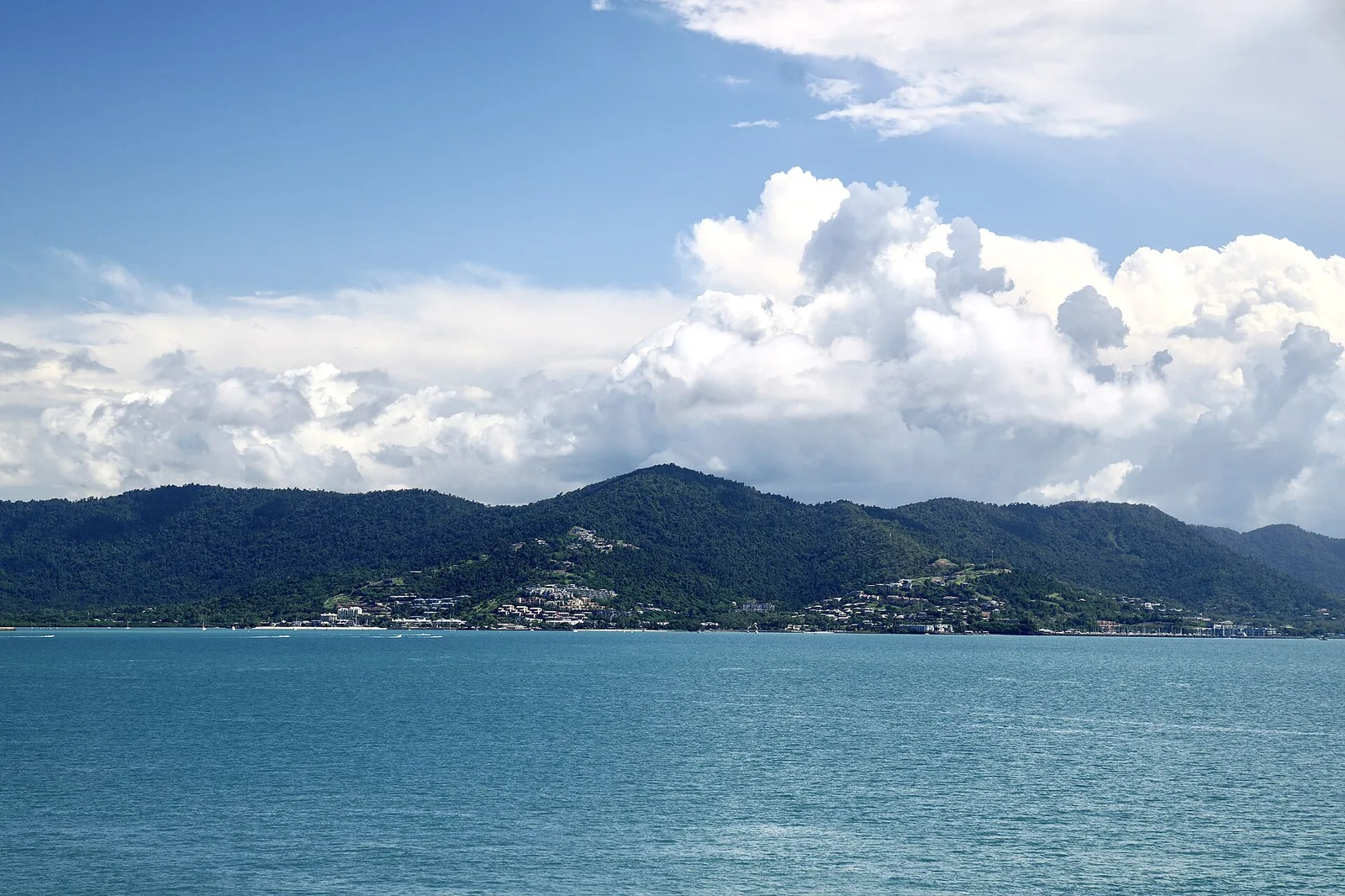
The Whitsundays market splits between the islands and the mainland, and Airlie Beach is the hinge. Airlie is the gateway town — the lagoon, the marinas at Abell Point and Port of Airlie, the departure point for almost every reef and island trip — and it carries the bulk of the short-stay stock in apartments, hillside houses with island views and a scattering of small resorts. The island resorts operate on a different model, and Hamilton Island in particular runs as its own destination. Cannonvale, Jubilee Pocket and Shute Harbour extend the mainland market, and Bowen sits at the northern edge. The demand is heavily experience-led: guests are here to sail, dive, snorkel, fly over Heart Reef and get to Whitehaven, and accommodation is a base for that rather than the point of the trip — which is why the properties that help guests book the right boat outperform the ones with the better sofa. Blended nightly rates run near A$312 with occupancy around 60%, the highest average rate in this batch, reflecting a market where the product is genuinely scarce and the audience is travelling a long way to reach it.

Top Attractions & Landmarks

  • Whitehaven Beach and Hill Inlet
  • The Great Barrier Reef and Heart Reef
  • Airlie Beach Lagoon and the boardwalk
  • Abell Point and Port of Airlie marinas
  • The Whitsunday Islands National Park
  • Cedar Creek Falls and the Conway rainforest
  • Shute Harbour and the island ferries

Nearby Markets: Brisbane  |  Sunshine Coast  |  Hunter Valley

Airbnb marketing services in The Whitsundays, QLD, Australia
Postcards

The Whitsundays through the lens

A few of the visual fingerprints we lean into when we shoot, brand and market a The Whitsundays property — courtesy of the open Wikimedia Commons archive.

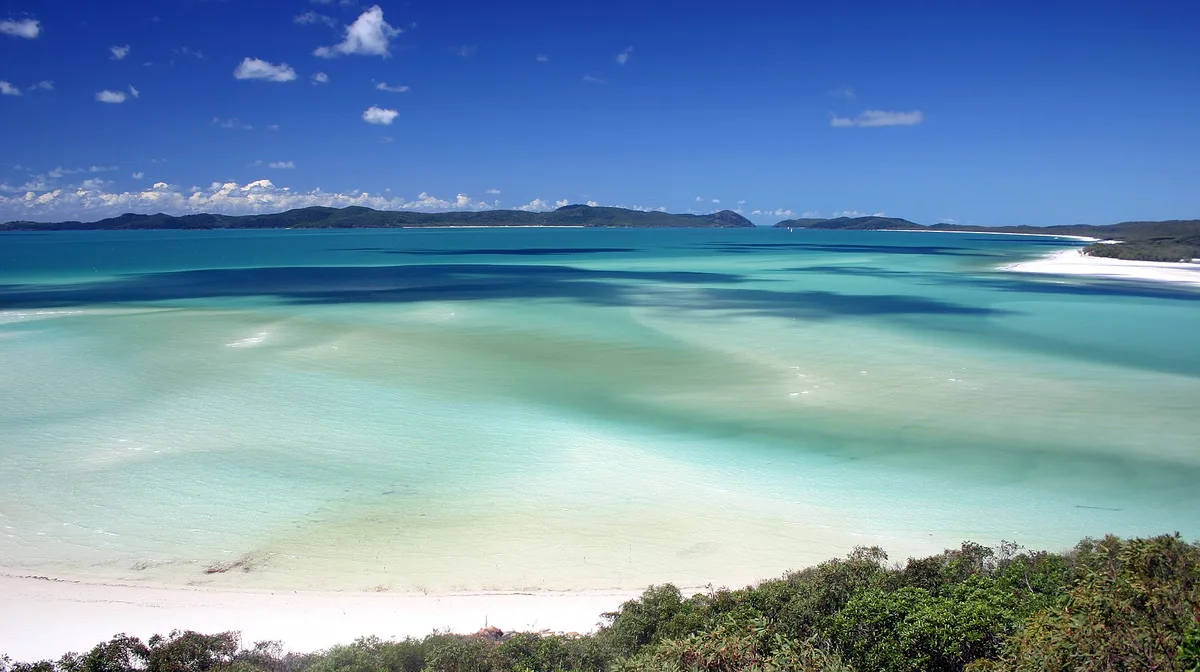
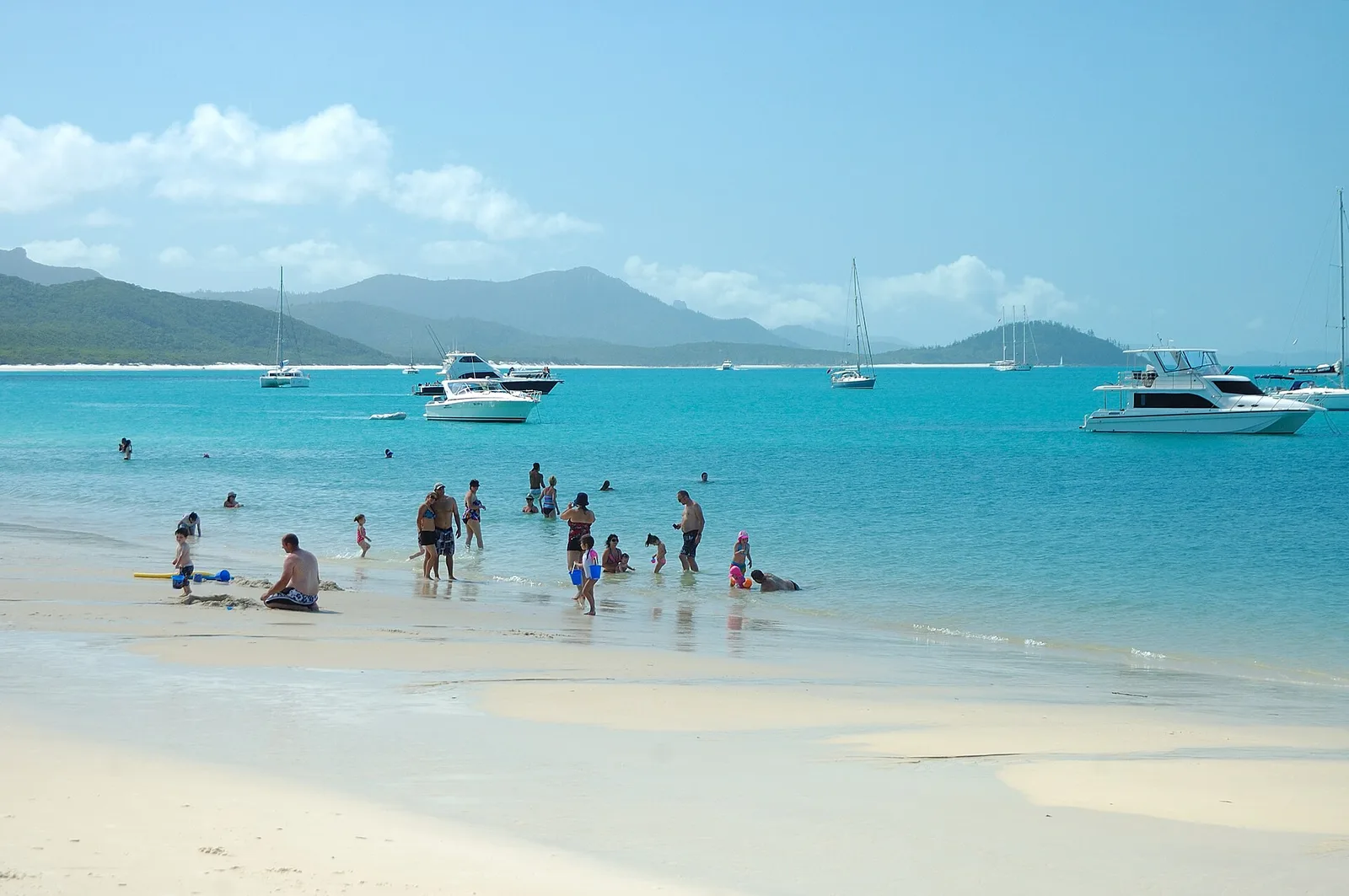
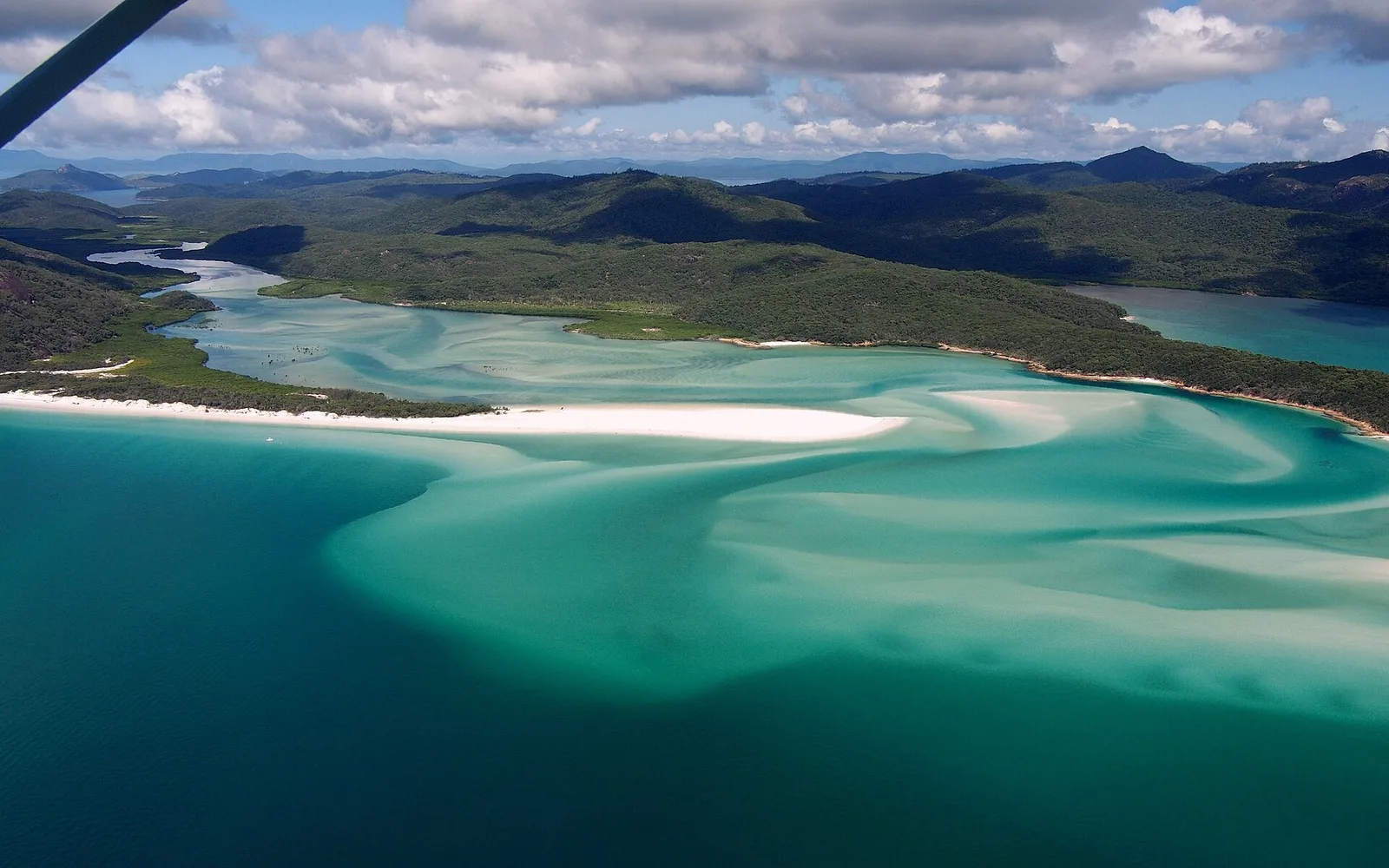
Whitehaven Beach, Whitsunday Island, Queensland — The Whitsundays airbnb marketing
Local Color
Whitehaven Beach, Whitsunday Island, Queensland
Aerial View of Hill Inlet 2013.04 panoramio — The Whitsundays airbnb marketing
Local Color
Aerial View of Hill Inlet
Airlie Beach is a coastal locality and resort town in the Whitsunday Region of Queensland, Australia — The Whitsundays airbnb marketing
Local Color
Airlie Beach is coastal locality
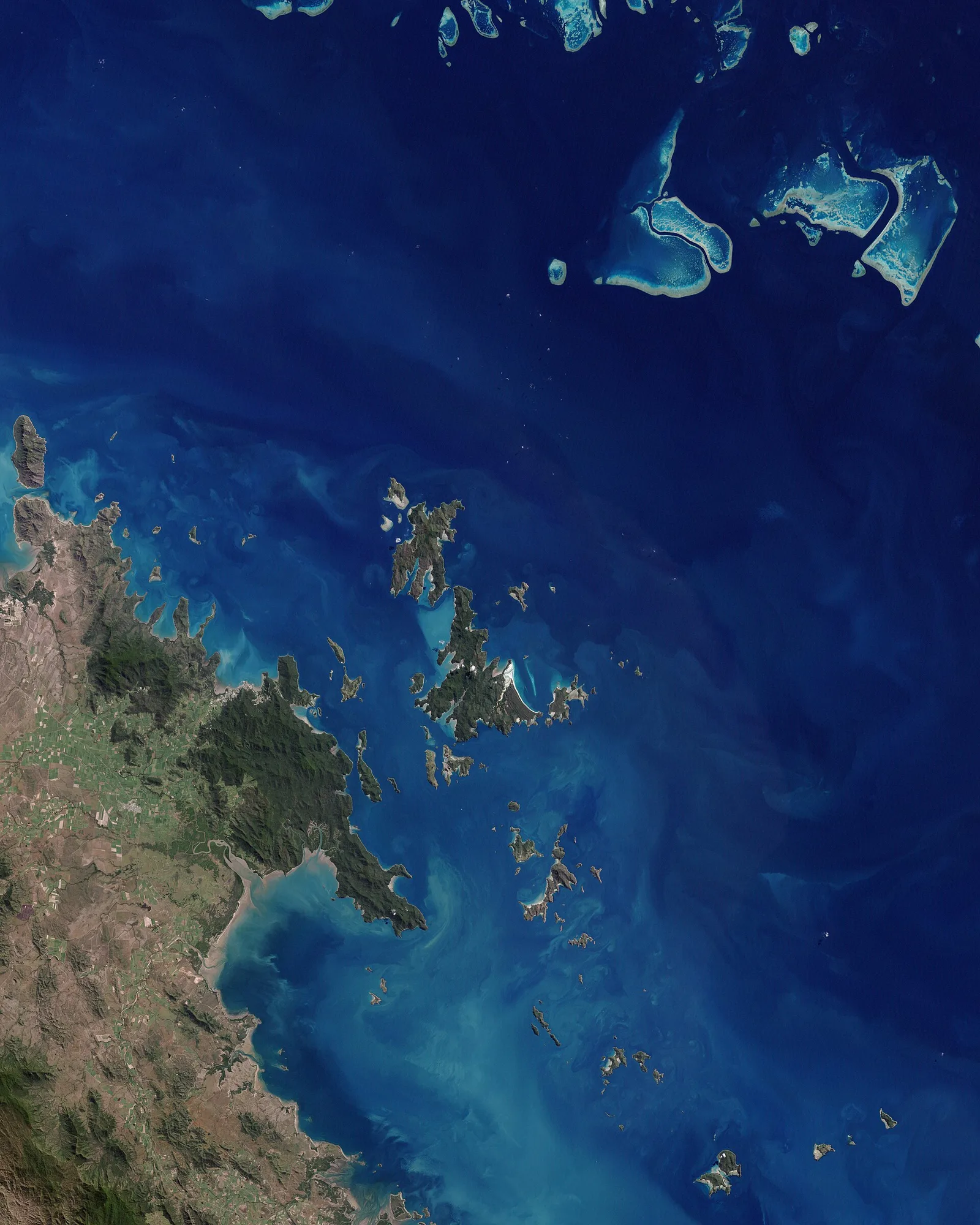
Whitsunday Islands, Queensland, Australia — The Whitsundays airbnb marketing
Local Color
Whitsunday Islands, Queensland, Australia
Why Cavmir

The Cavmir Advantage
in The Whitsundays

Cavmir wins in the Whitsundays because this is an experience market where almost every listing sells a room. We build the trip around the property: which reef and island operators actually suit which guest, when Whitehaven is at its best, how the ferry and seaplane logistics work, and the two practical facts every northern visitor needs and almost nobody publishes — that stinger season runs roughly November to May and that this is a cyclone-belt wet season over the same months. Being straight about that converts better than pretending it does not exist, because the guest who was warned books anyway and the one who was not leaves a review. We handle the new planning position properly too, presenting compliance clearly in a region that has just narrowed where short-term accommodation is supported. We price the dry season — April to October — with the discipline it deserves, and we build the Australian school-holiday and race-week blocks in advance. We shoot the islands honestly: turquoise water and silica sand, yes, but also the marina at first light and the hillside outlook that a guest will actually wake up to. For the region's small resorts, boutique hotels and managed apartment blocks we build direct-booking websites and repeat-guest programs. We help position and market your property. We never manage it or touch your keys.

State of the Industry · History

The The Whitsundays STR Market — Past & Present

The Whitsundays are drowned mountains. The seventy-four islands are the peaks of a coastal range that flooded when sea levels rose after the last ice age, which is why they are steep, forested and close together rather than low coral cays — and why the sailing here is sheltered enough for people with limited experience to bareboat charter. Ngaro people navigated and lived across these waters for thousands of years, and their rock art survives on Hook and South Molle islands. James Cook sailed through in June 1770 and named the passage for the day he believed it to be, which turned out to be off by one because he had not adjusted for crossing the date line.

The modern region grew from sugar and timber on the mainland to tourism in the second half of the twentieth century, as island resorts opened one by one and the reef became a global destination. Airlie Beach turned from a small coastal town into the gateway, with the marinas, the backpacker circuit and eventually a lagoon built on the foreshore because the mainland water is not always swimmable. Two things have shaped the region since: cyclones, most severely Debbie in 2017, which caused extensive damage across the islands and mainland and from which the region rebuilt over several years; and the reef itself, which is under sustained environmental pressure and is now managed and monitored intensively. The short-stay market grew inside that, concentrated in Airlie Beach and the hillsides behind it, and it has just been through the most significant regulatory change in its history. A major amendment to the Whitsunday Planning Scheme 2017 dealing with short-term accommodation was intended to commence on 30 March 2026: short-term accommodation is generally not supported in Low Density Residential zones, with exceptions for ten identified precincts carrying a long-standing history of holiday-home use. Whitsunday Regional Council also put amendments to Subordinate Local Law No. 1 (Administration) 2014 out for community feedback, covering how short-term accommodation operates. Where you may run one, and how, have both moved.

Pricing Strategy & Seasonality

Pricing, Seasonality & When to Capture ROI

Pricing Strategy

The Whitsundays rate map runs on water access and outlook. Airlie Beach central and the Esplanade carry the strongest occupancy — walk to the lagoon, the boardwalk, the tour operators and the restaurants — and set the pace for the mainland market. The Airlie hillsides and Whitsunday Terraces price on island views, which command a real premium and photograph better than anything else in the region, offset by a steep walk that has to be disclosed honestly. Port of Airlie and Abell Point trade on marina proximity and suit sailing guests who want to be able to walk to a boat before dawn. Cannonvale and Jubilee Pocket are the value and family tier, with more space, real parking and a short drive rather than a walk. Bowen and the northern edge sit lower again on rate with genuine beaches and a quieter market. Blended, the region runs near A$312 a night at about 60% occupancy — the highest average rate in this batch, and a reminder that a market where guests fly a long way to reach a specific experience will pay for the right property.

Seasonality & ROI Windows

The Whitsundays run on the dry season, and that is the thing to get right. April through October is the season: warm, dry, low humidity, reliable trade winds for sailing, and outside the marine stinger period. June to August is the sweet spot on weather and coincides with southern winter, which is why race week and the Australian school holidays land there. November through March is the wet season — humid, storm-prone, in the cyclone belt, with stingers in the water — and it is genuinely softer, though Christmas and the January school holidays keep a floor under it. This is one of the few Australian markets where the weather calendar and the school-holiday calendar mostly agree, which makes forecasting easier and rate discipline more important.

Regulation & Licensing · 2026

What the Law Requires in The Whitsundays

The Whitsundays became a high-regulation market in 2026 and the change is recent enough that most secondary guidance has not caught up. A major amendment to the Whitsunday Planning Scheme 2017 dealing with short-term accommodation was intended to commence on 30 March 2026. Under it, short-term accommodation is generally not supported in Low Density Residential zones — a substantial narrowing — with exceptions for ten identified precincts that have a long-standing history of holiday-home use. If your property is in one of those precincts your position is very different from one that is not, so the precinct map is the single most important document for a buyer in this region. Alongside the planning change, Whitsunday Regional Council proposed amendments to Subordinate Local Law No. 1 (Administration) 2014, which deal with how short-term accommodation operates rather than where it is allowed — the operational conditions, in other words, on top of the locational ones. Because these are recent and were consulted on publicly, check the council's current position directly rather than relying on any guide, including this one, as the last word. Outside the planning layer, the Queensland position still applies and is comparatively generous: no state short-stay levy, no night cap, but interconnected photoelectric smoke alarms required in every existing dwelling by 1 January 2027, enforced pool fencing and safety certificate rules, and body corporate by-laws that bind operators in the apartment stock around Airlie Beach. Marine and reef access is separately regulated through the Great Barrier Reef Marine Park Authority for commercial operators.

Market-Specific Tips & Challenges

Local Tips & Unique Market Challenges

Tips That Actually Move Revenue in The Whitsundays

Sell the trip, not the room. In a market where guests are here for the reef, Whitehaven and the sailing, the listing that explains which operator suits which guest, when to go and how the logistics work will beat the one with better cushions. Be straight about stinger season — roughly November to May — and about the wet and cyclone season over the same months, because the guest who was warned still books and the one who was not writes the review. Publish the walk honestly if you are on an Airlie hillside; the view is worth a premium and the gradient is worth a sentence. Price the dry season with discipline from April to October and hold rate through the August regatta weeks rather than reacting late. Provide what this market actually needs: secure storage for dive and snorkel gear, an outdoor shower, a real fan and air conditioning, and somewhere to hang wet things. Confirm and state your planning and precinct position now that the scheme has changed. And build the email list, because reef and sailing guests return with different friends every few years.

Unique The Whitsundays Challenges

The March 2026 planning amendment is the defining new constraint, and any purchase in a Low Density Residential zone outside the ten identified precincts needs a very careful look. Insurance costs are among the highest in Australia because of cyclone exposure and they move the whole yield calculation. The wet season is genuinely wet and the stinger period covers the same months, which compresses the sellable year. Reef health is an environmental and reputational variable outside any operator's control. The region is remote, so trades, staff and materials all cost more and take longer, and post-cyclone repair queues are real. Body corporate by-laws bind much of the apartment stock. And Hamilton Island competes as a self-contained destination with its own marketing budget.

Sand That Squeaks and Stays Cool
Whitehaven Beach's sand is around ninety-eight per cent silica, and it behaves unlike any other beach sand in Australia. It squeaks underfoot because the grains are so uniform, it does not hold heat the way ordinary quartz-and-shell sand does, so you can walk on it barefoot in the middle of the day, and it is fine enough that people used to clean their sunglasses with it. Nobody is entirely sure how it got there, since the surrounding islands are not made of it — the leading explanation is that ocean currents deposited it over millions of years.
Finance Essentials — The Whitsundays
🛡️

Insurance

This is cyclone country and the insurance market prices it accordingly. North Queensland premiums are among the highest in Australia, cyclone and flood cover is scrutinised carefully, and the region's experience with Cyclone Debbie in 2017 is part of every underwriter's assessment. Budget properly rather than being surprised. You need short-stay or commercial landlord cover with public liability, loss of rent, storm and cyclone damage and accidental damage by guests, and in an apartment you need clarity on where the body corporate policy stops. Pools require compliant fencing and current certificates. Check whether your policy has a cyclone excess and what the claim process looks like in a region where trades are stretched after an event.

🧾

Property & Income Tax

Queensland remains the lightest-touch state on short-stay taxation: no state levy, no registration fee. What applies is council rates, GST once turnover crosses the registration threshold — which short-stay accommodation at Whitsunday rates reaches quickly — income tax on net rental profit, Queensland land tax above the threshold on the aggregated unimproved value of your holdings, and capital gains tax on disposal with the main residence exemption affected by income-producing use. Foreign owners face additional surcharges. In a market where many owners hold a single high-value property used personally for part of the year, the apportionment between private use and income-producing use is the most common source of error. Have an accountant set the method before the first tax year, not after it.

🏦

Mortgages & Financing

Lending in the Whitsundays is a specialist exercise. Australian lenders discount short-stay income when assessing serviceability, some restrict lending in cyclone-exposed postcodes, and body corporate by-laws in resort-style complexes attract scrutiny. Expect twenty per cent or more deposit and a narrower panel than in a capital city. The March 2026 planning amendment adds a new question a lender may reasonably ask: whether the property sits in a zone or precinct where short-term accommodation is supported. Insurance costs materially affect serviceability here in a way they do not further south, so build them into the model at the outset and use a broker who has financed north Queensland short-stay property.

Future Outlook · 2027 & Beyond

Where The Whitsundays is Headed Next

The Whitsundays have just been through their biggest regulatory change and the next few years will be about how it is applied. Narrowing short-term accommodation out of Low Density Residential zones, with ten grandfathered precincts, is a deliberate structural decision: it protects existing holiday-home areas while stopping the spread of whole-house letting through ordinary residential streets. The practical effect over time is a supply cap in the places that matter and a premium on properties that are clearly within a supported zone or precinct. Expect the operational local law to be finalised and enforced rather than reversed. On the demand side, the fundamentals remain unusually strong: the reef and Whitehaven are globally recognised, the sailing product is genuinely distinctive, the airports at Proserpine and Hamilton Island connect to the southern capitals, and Australian domestic travel remains robust. The real long-run variable is environmental. Reef health, coral bleaching events and cyclone frequency all feed into how this destination is perceived, and operators who engage honestly with reef tourism and support responsible operators will be better placed than those selling an unchanging postcard.

From the Desk of Sofie Sinag

Why We Love Marketing in The Whitsundays

We love the Whitsundays because the postcard is not exaggerating and the rest of it is better. Everyone comes for Whitehaven and Hill Inlet, and they are genuinely worth the flight — silica sand so pure it squeaks, water in about four shades of blue, a tidal channel that rearranges itself and looks different every time. But the thing that makes the region work is that the sailing is easy: these are drowned mountains, not coral cays, so the passages between the islands are sheltered enough that ordinary people can charter a boat and not die of fright. Airlie Beach on the mainland has the rest of it — a lagoon on the foreshore because the sea is not always swimmable, two marinas full of people going somewhere at six in the morning, a boardwalk, and a town that is honest about being a base rather than pretending to be a destination. For marketers, this is an experience market with almost no experience marketing in it: nearly every listing sells a bedroom to a guest who came for a boat. Our job is to make sure your property is the one that sells the trip.

Why It Matters

A great property in The Whitsundays doesn't just want a listing — it wants a point of view, an audience, and a brand the city itself would recognise.

Cavmir's The Whitsundays Cheat Sheet

The Picks We Recommend for Your Welcome Book

The picks we send Whitsundays guests — weighted toward the dry season, which is when this region is at its best and the trade winds do the work.

Coffee & First Light

Abell Point Marina at six in the morning

The marina wakes up long before the town does, with charter crews provisioning and day boats going out. Walk down with a coffee and watch it happen; it is the fastest way for a guest to understand that the Whitsundays are a sailing place with a town attached rather than the other way round.

The Splurge Table

A long lunch at Airlie Beach on a boardwalk table

The best eating in the Whitsundays is unfussy and outdoors — seafood, a view of the passage and enough time to watch the boats come in. Book a table facing the water for the trip's big meal, and go at lunchtime rather than dinner, because the light is the point.

Local Obsession

The Airlie Beach Lagoon

A free public swimming lagoon on the foreshore, built because the mainland water has stingers half the year and mud flats at low tide. Locals use it constantly, it is patrolled, and for families it turns a base town into a place you can actually spend a day.

Shoulder Season Secret

September and October, after the regattas

The trade winds ease, the water is warm, the stingers have not arrived and the August crowds have gone home. It is the most comfortable stretch of the year for a first-time sailor and it is priced as shoulder by nearly everyone in the region.

Weekend Escape

Hill Inlet lookout on Whitsunday Island

Most people photograph Whitehaven from the sand. The better shot is from the lookout above Hill Inlet at the northern end, where the tide pushes white sand through turquoise water into patterns that change hourly. Almost every operator can drop you there; not many listings tell guests to ask.

What Guests Ask For

Stingers, the walk and which boat

Whitsundays enquiries repeat four things: are there stingers right now, how steep is the walk from the hill to town, which reef trip should we book, and is the air conditioning good. Answer all four honestly in the listing and you will convert bookings your competitors are still messaging about.

Local Work · Composite Case Vignettes

What Cavmir Has Done for The Whitsundays Properties

A few composite engagements drawn from how Cavmir typically works in this market. The details are illustrative and consistent with the Whitsundays, not pulled from a single named client.

Hillside apartment · Airlie Beach
The Brief

A two-bedroom with an island view sold on the view alone, never mentioned the steep walk down to town, said nothing about stinger season, and priced the same rate through the August regatta weeks as through a wet February.

What We Did

Cavmir rewrote the listing around honest logistics and the trip itself — which reef operators suit which guest, when Whitehaven is best, the walk described accurately — and built a dry-season rate structure that held rate hard through the regatta weeks.

The Result

Pre-arrival messages dropped away, the August weeks stopped being sold at ordinary rates, and the reviews stopped mentioning the hill because guests had chosen it knowingly rather than discovering it with luggage.

Sixteen-room boutique resort · Cannonvale
The Brief

A small mainland resort took most bookings through platforms, paid commission on repeat sailing guests who returned every couple of years, and had a website that could not show room types or package a reef trip.

What We Did

Cavmir built a direct-booking website with proper room categories, packaged reef-and-stay and sail-and-stay offers with local operators, priced the regatta and school-holiday calendar, and set up a post-stay email inviting returning guests to book direct.

The Result

Direct bookings began carrying a real share of the dry season, packaged stays lifted average booking value well above the room rate alone, and the operator built a repeat-guest list rather than renting the same sailors back each time.

Family house · Jubilee Pocket
The Brief

A four-bedroom house competed on price with Airlie apartments it could never beat on walking distance, had no clarity on its planning position after the 2026 scheme amendment, and sat quiet through the wet season with nothing to say about it.

What We Did

Cavmir confirmed and presented the planning position clearly, repositioned the property for families and multi-boat groups needing space, parking and gear storage rather than a town-centre location, and built a wet-season proposition around Christmas and January school holidays.

The Result

The house stopped losing a walking-distance comparison it could not win, family and group bookings lengthened the average stay, and the Christmas and January weeks began booking early instead of being written off with the weather.

Market Intelligence · Seasonality

Airbnb seasonality in The Whitsundays, month by month

Demand in The Whitsundays peaks around June through August and runs quietest around February through March. Here is how the year actually books — and what to do about each stretch of the calendar.

Peak demandSteadyQuiet

Peak season

June to August is the core of the dry season and the peak of the year: warm dry days, low humidity, reliable trade winds for sailing, and no marine stingers in the water. It coincides with southern winter and with two major regattas in August, so the mainland town and the marinas fill together. This is a hold-your-rate window where discipline through the regatta weeks matters far more than any late discounting.

The shoulders

April, May, September and October are excellent and consistently underpriced. April and May sit right at the start of the dry with warm water and thinning humidity; September and October come after the regattas with easing trade winds, warm seas and no stingers yet — arguably the most comfortable conditions of the year for a first-time sailor. Australian school holidays in April and September add predictable, publishable demand blocks.

The quiet stretch

November to March is the wet season: humid, storm-prone, in the cyclone belt, with marine stingers in the water over roughly the same months. It is genuinely softer, and honest disclosure matters more here than anywhere else in this portfolio. The exception is Christmas and the January school holidays, when domestic families travel regardless of humidity and rates hold up considerably better than the weather alone would suggest.

Dates that fill first

Airlie Beach Race WeekAugust
A sailing regatta that fills the mainland town and both marinas for a week in the middle of the dry season. Crews, supporters and spectators book well ahead against published dates, and rates should be set months in advance.
Hamilton Island Race WeekAugust
The region's other major regatta. Island capacity fills first and the overflow lands on the mainland, lifting Airlie Beach rates at the same time as the local regatta — August is effectively one long peak.
Whitsunday Reef FestivalAugust
A mainland community festival in the middle of the strongest month of the year, adding a further weekend of demand on top of the regatta traffic and the school-holiday overhang.
Australian school holidaysApril, July and September
Families arriving inside the dry season for reef trips and Whitehaven. Week-long stays on published dates, which makes them the easiest demand in the calendar to price accurately a long way ahead.
Christmas and January school holidaysLate December to late January
The exception inside the wet season. Domestic families travel regardless of humidity and stingers, and rates hold far better than the weather suggests — provided the listing is honest about conditions.
Market Intelligence · Guests

Who books The Whitsundays Airbnbs — and how far ahead

Sailing and charter guests
Bareboat charterers and crewed-charter passengers using the mainland for a night either side of a trip. They want marina proximity, very early departures, gear storage and somewhere to leave a car for a week.
Reef and Whitehaven day-trippers
The largest single group, here for one or two big excursions. The property that helps them pick the right operator and the right day outperforms the one with better interiors, every time.
Dive and snorkel travellers
Certified divers and snorkellers travelling for the reef specifically, often in the dry season. They need secure gear storage, an outdoor shower and somewhere to hang wet things, and they stay longer than average.
Domestic holiday families
Australian families arriving in school holidays for the lagoon, the boat trips and the beach. They want space, parking, air conditioning and a pool, and they are the only reliable wet-season demand.
Small resort and boutique hotel guests
The region's mainland resorts and boutique hotels serve the same sailing and reef audience as whole-unit lets, and hold the most unused direct-booking and packaging upside in the market.

The booking window

The dry season and the August regattas book months ahead against published dates, which is why rates need to be set early. School-holiday blocks fill two to four months out. Shoulder season in September and October books later, two to six weeks, and wet-season demand outside Christmas is genuinely last-minute. Charter-adjacent bookings often arrive with little notice as trip dates firm up, so responsiveness has real value here.

Typical stays

Three to five nights is the Whitsundays standard, built around one or two big excursions plus travel days. Charter guests take a night either side of a trip. Families take a week in school holidays. One-night stays are common around charter turnarounds and are worth accommodating because they carry high value per night rather than despite it.

Where guests drive from

MackayTownsvilleBowenRockhamptonCairns

Where guests fly from

BrisbaneSydneyMelbourneAdelaideCairnsAuckland
This is a fly-in market. Proserpine and Hamilton Island airports connect to Brisbane, Sydney and Melbourne, and almost all high-value guests arrive by air rather than road. Southern capitals in May and June are the highest-return advertising audiences, because that is when the dry season sells against a southern winter and sailing and diving interest audiences are cheap to reach.
Market Intelligence · What Wins

The Airbnb that wins in The Whitsundays

The winning Whitsundays property is one whose planning position is clear under the amended scheme, with air conditioning that genuinely works, secure storage for dive and snorkel gear, an outdoor shower, and either a real island outlook or a walk to the marina. Because this is an experience market, the property that packages the trip well beats the property with the better interior almost every time.

Amenities that move bookings here

Air conditioning that genuinely copes with humiditySecure dive, snorkel and luggage storageOutdoor shower and somewhere to hang wet gearSecure off-street parking for charter weekHonest walk description if you are on a hillsideFast wifi with the speed statedPool with compliant fencing and current certificateA written guide to reef and island operators
The single most valuable thing you can do is sell the trip rather than the room — which operators suit which guest, when Whitehaven is at its best, how the logistics work, and honest guidance on stinger and wet season. Almost every competing listing sells a bedroom to someone who came for a boat.
Straight Answers

The Whitsundays Airbnb marketing questions, answered

How do I market my Airbnb in the Whitsundays?

Sell the trip rather than the room. Guests here have flown a long way for the reef, Whitehaven and the sailing, so the listing that explains which operators suit which guest, when to go and how the logistics work will beat the one with better cushions. Be straight about stinger season, roughly November to May, and about the wet and cyclone season over the same months — the guest who was warned books anyway and the one who was not writes the review. Confirm and state your planning position under the scheme amendment that was intended to commence on 30 March 2026, and price the dry season with real discipline.

When is peak season in the Whitsundays?

The dry season, April to October, with June to August the core: warm dry days, low humidity, reliable trade winds and no marine stingers. August is the strongest month of all because both Airlie Beach and Hamilton Island Race Weeks land in it along with the Reef Festival. September and October are excellent and underpriced — easing winds, warm water and no stingers yet. November to March is the wet and cyclone season with stingers in the water, softened only by Christmas and the January school holidays.

How far in advance do guests book in the Whitsundays?

The dry season and the August regatta weeks book months ahead against published dates, so your rates need to be set early or you will sell the best week of the year at an ordinary price. School-holiday blocks fill two to four months out. Shoulder-season demand in September and October books two to six weeks ahead, and wet-season bookings outside Christmas are genuinely last-minute. Charter-adjacent stays often arrive with very little notice as trip dates firm up, which makes fast enquiry response worth real money here.

Where do the Whitsundays' guests come from?

Almost entirely by air. Proserpine and Hamilton Island airports connect to Brisbane, Sydney and Melbourne, and the high-value guests fly rather than drive. Mackay, Townsville and Bowen supply a modest regional drive market. There is a meaningful international layer for the reef, though domestic Australian travel carries the majority of nights. For advertising, southern capitals targeted in May and June convert best, because that is when a dry Whitsunday winter sells hardest against a cold one at home.

Do I need approval to run a short stay in the Whitsundays?

The answer changed in 2026 and it now depends on your zone and precinct. A major amendment to the Whitsunday Planning Scheme 2017 dealing with short-term accommodation was intended to commence on 30 March 2026, and under it short-term accommodation is generally not supported in Low Density Residential zones, with exceptions for ten identified precincts that have a long-standing history of holiday-home use. Whitsunday Regional Council separately proposed amendments to Subordinate Local Law No. 1 (Administration) 2014 covering how these properties operate. Check the council's current adopted position for your specific address before you buy.

Free Tools · Websites That Book

See what your listing in the Whitsundays is leaving on the table

Run your Airbnb, Vrbo, or website through Cavmir's free grader. It checks the things that decide whether guests book in the Whitsundays — photos, listing copy, page speed, local search — and shows you where bookings leak. Takes about a minute, and there's no sales call attached.

If the report says your booking engine is the weak link, that's fixable: a direct-booking website of your own means repeat guests stop paying platform fees to come back to you. That's the work Cavmir does — see Airbnb website design in the Whitsundays.

What the grader measures

  • Photos and the first-impression frame
  • Listing title and copy
  • Your direct-booking website (or the lack of one)
  • Page speed and mobile experience
  • Local search and Google visibility
Grade My Listing — Free
Ready to Grow in The Whitsundays?

Let's Put Your The Whitsundays
Property on the Map

Talk to Cavmir today. We'll show you exactly what your The Whitsundays property is leaving on the table — and how fast we can change that.

Book a Free Strategy Call