Publik Coffee or Eggs in the City
Publik is SLC's design-forward roaster; Eggs is the neighborhood breakfast institution. Two different mornings, both local.
Expert short-term rental marketing to grow your bookings and nightly rate in Salt Lake City, Utah, USA.
* Market averages. Cavmir-managed properties typically exceed these figures by 25–45%. Data sourced from AirDNA, STR market reports, and Cavmir internal analytics.
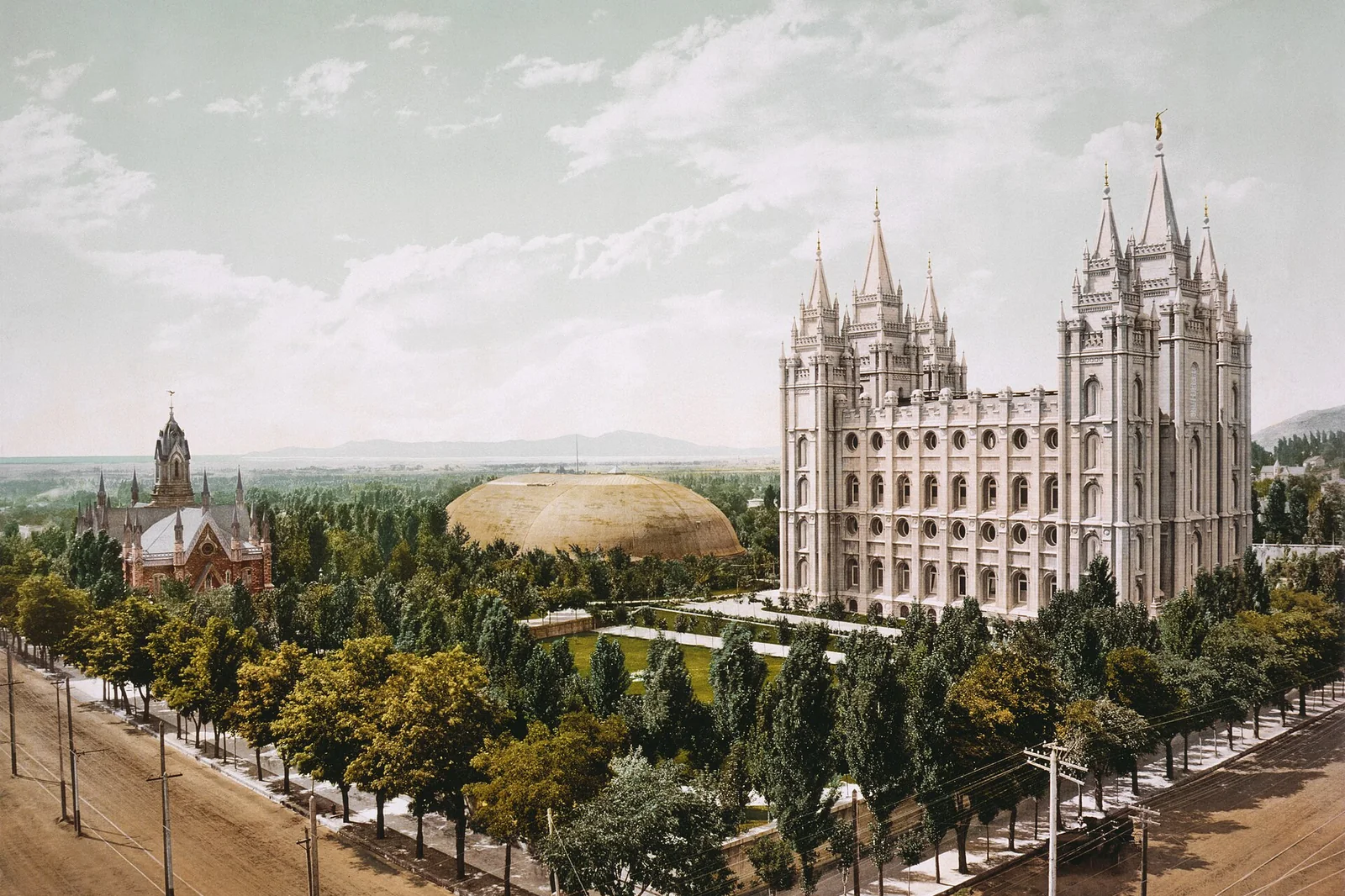
Salt Lake City is the gateway to some of the world's greatest outdoor recreation. Within an hour of downtown SLC, guests can be skiing the 'Greatest Snow on Earth' at Alta, Snowbird, Brighton, or Solitude; hiking red rock formations at Red Butte Gardens; or visiting Temple Square, the spiritual heart of one of America's most distinctive religious communities. The city's proximity to five national parks (the 'Mighty Five') makes it an increasingly popular base for Utah exploration.
SLC's STR market is anchored by ski season but growing steadily as Utah's national park tourism booms. The 2034 Winter Olympics — awarded to Salt Lake City — will transform the long-term value of properties in the entire Wasatch Front. Summer outdoor recreation demand is significant and growing.
Cavmir positions SLC properties to capture both the ski market and the growing outdoor adventure traveler who uses Salt Lake City as a launchpad for Utah's natural wonders — year-round.
Salt Lake City was founded in 1847 by Brigham Young and the first wave of Mormon settlers, on land the Latter-day Saint community chose for its isolation from federal authority. That foundation shapes the city's identity still — Temple Square remains the spiritual headquarters of the LDS Church, attracting 3–5 million visitors annually (more than most US national parks). The city's modern tourism economy layers the religious-heritage baseline with ski tourism (four world-class Cottonwood Canyon resorts within an hour of downtown), Utah's Mighty Five national parks accessed through SLC International Airport, and the 2002 Winter Olympics legacy infrastructure.
The 2034 Winter Olympics, formally awarded to Salt Lake City in 2024, is the defining long-term catalyst for the regional STR economy. Infrastructure upgrades through 2033 (FrontRunner rail extension, airport expansion completion, downtown convention and hospitality investment) will materially reshape SLC's visitor profile and capacity. 2025–2034 is an unusual pre-event investment window.
SLC STR pricing concentrates in downtown (Temple Square proximity, convention-center access), the Avenues (historic-home character), Sugar House (walkable neighborhood), and the Cottonwood Heights/Holladay corridor (ski-resort-access). Ski-season (December–March) carries premium for properties offering easy Cottonwood Canyon access. Summer sees strong demand for Mighty Five national park gateway positioning. LDS General Conference weeks (April and October) are under-the-radar super-peaks with thousands of visitors converging on the city.
Medium seasonality with two meaningful peaks. Winter peak: December–March ski season. Summer peak: June–August national park season. Shoulders: April–May and September–October (strong around Conference weekends). Missed revenue: LDS General Conference first weekends of April and October — under-priced by most owners who don't recognize the specific event-driven demand.
Salt Lake City requires a Short-Term Rental business license and compliance with zoning. Type I (owner-occupied within the property) is broadly allowed in residential zones. Type II (non-owner-occupied whole-home) is restricted to specific zones (primarily commercial and mixed-use) and requires Conditional Use approval in most residential areas — a genuine barrier. Utah state law allows local regulation; outright bans are not in effect. Salt Lake County (areas outside SLC proper) has its own framework, generally more permissive.
Combined state and local sales tax plus Transient Room Tax runs approximately 12.5% guest-collected. HOA and condo rules are common restrictions in downtown high-rises. 2026 enforcement has strengthened with platform data-sharing. Neighboring ski-access communities (Cottonwood Heights, Holladay, Sandy, Draper, Murray) each have their own rules — not all are STR-permissive.
The SLC tip: position for the 2034 Olympics 10-year arc. Properties purchased in 2025–2027 are in an unusual pre-event window — demand will grow significantly through 2033, and property values will likely appreciate ahead of that curve. Ski-access properties in Cottonwood Heights and Holladay are especially well-positioned.
Second — market to the Mighty Five national park traveler. SLC is the primary gateway to Arches, Canyonlands, Capitol Reef, Zion, and Bryce Canyon — a 7–14 day national-park road trip typically starts with a night or two in SLC. Properties offering parking for larger vehicles, van-life-compatible amenities, and park-access trip guidance capture this growing segment. Third — LDS General Conference weeks are under-priced by almost every SLC owner. Mark the first weekends of April and October in calendar pricing. Fourth — downtown Salt Lake City has evolved dramatically; lean into the current food and coffee scene rather than older perceptions.
SLC's challenges: Type II non-owner-occupied Conditional Use approval difficulty, valley air-quality inversions (winter particularly) affecting guest experience, wildfire-smoke exposure (August–September), and HOA-restriction expansion in downtown condo towers. The 2034 Olympics catalyst also increases regulatory attention; expect tightening as the event approaches.
Utah insurance moderate. Earthquake coverage (Wasatch Fault) increasingly recommended. Wildfire exposure in foothill neighborhoods. Water-damage claims common with winter pipe-freeze events. Budget $1,800–$4,500 annually for typical urban STRs.
Utah state income tax 4.65% flat. Property tax moderate (~0.6% effective Salt Lake County). Combined state and local lodging tax ~12.5% guest-collected. LDS-community-owned property-tax exemptions affect specific temple-adjacent parcels but not most STR inventory.
SLC financing is competitive. Zions Bank and Bank of Utah are local STR-knowledgeable lenders. DSCR loans active. Type II Conditional Use status must be confirmed for investment properties. 20–25% down typical.
SLC through 2027 and beyond is an Olympics-cycle growth story. 2030–2033 pre-Olympic test events and infrastructure completions will drive punctuated demand. Long-term population and business growth (fastest-growing major metro several recent years) supports baseline expansion. Expect tightening STR regulation as 2034 approaches, HOA-restriction expansion in downtown luxury inventory, and property-value appreciation above Mountain West averages. Air quality and water-availability debate will shape policy.
If SLC Type II permitting rules out your investment plan, Park City (same 2034 Olympics upside, different regulatory framework) and surrounding Summit County markets offer alternatives within the Wasatch Front ski corridor.
Salt Lake City is the most misunderstood STR market in the American West. The guest audience is specific and valuable — ski-weekenders pivoting to Park City and Deer Valley, tech-conference attendees, Silicon Slopes business travellers, Sundance festival-goers using SLC as the cheaper basecamp, outdoor-adventure travellers heading to the Utah national parks. The marketing mistake most SLC listings commit is the generic "close to the airport, close to the mountains" framing that misses every specific audience it could win.
What we love about marketing Salt Lake City is the audience sophistication and the underpriced competitive landscape. A well-marketed SLC property is still a genuine opportunity — the competitive set hasn't fully professionalized, which means editorial-quality marketing compounds into pricing advantages competitors can't match. The downtown Central Ninth neighborhood, the Sugar House district, the Avenues' tree-lined historic homes — each is worth naming specifically in marketing, and each attracts a different guest profile willing to pay for specificity.
The picks Cavmir recommends for Salt Lake City welcome books — specifics that separate an SLC-as-destination guest from an SLC-as-airport-layover guest.
Publik is SLC's design-forward roaster; Eggs is the neighborhood breakfast institution. Two different mornings, both local.
Ensign Peak for a 40-minute hike ending with a panoramic sunset; the Capitol for the architectural-photograph alternative.
The up-and-coming Ninth-and-Ninth neighborhood. Bookstores, galleries, the specific SLC design culture most guests don't know exists.
Table X for the farm-to-table Utah-ingredients story; Current for the oyster-bar photograph in a landlocked state.
Utah's most-storied Mexican restaurant. Molé sampler plate is the specific order. A host who names the molé variants has done their homework.
Aspens in the canyons, weather perfect, ski-season pricing hasn't begun. Pre-Sundance leisure travel is under-marketed by most hosts.
Antelope Island for the bison and the Great Salt Lake; Park City is 40 minutes east for a different Utah. Both legitimate half-day pivots.
SLC to Park City via UTA ski-bus, UDOT traffic cam logic for Cottonwood canyon days, and airport-to-downtown trax logistics are the three logistics guests most commonly need. A printed brief solves all three.
Representative Cavmir engagements in Salt Lake City. Client details removed; numbers composited from internal analytics and market benchmarks.
Beautiful historic home whose marketing defaulted to generic "close to Park City" language. ADR tracking $80 below comparable Avenues inventory.
Rebuilt around the Avenues' tree-lined residential identity and the home's architectural character. Photography included the walk to City Creek Canyon, the Sundance logistics, the quiet alternative to Park City lodging.
ADR climbed 36%. Sundance-week bookings now clear a substantial premium over baseline. Sundance-adjacent production-rental inquiries grew to a new revenue channel.
Modern loft in a newly-vibrant neighborhood whose marketing hadn't caught up with the neighborhood's identity. Guest profile defaulted to budget-travellers.
Repositioned around Central Ninth's design-and-coffee culture. Photography included the walk to Publik, the gallery scene, the bicycle infrastructure. Copy rewrote for the creative-class weekend-traveller audience.
Occupancy moved from 61% to 80%. ADR up 29%. Guest profile shifted to longer stays at higher review scores.
Family-scale home marketed as a ski-trip basecamp. Missing the year-round leisure and business-travel audience that represented substantial unclaimed demand.
Built a four-season brand rather than a ski-season brand. Summer photography, fall photography, business-traveller-amenity emphasis, plus retained ski-season positioning. Distribution through three business-travel corporate housing services.
Non-ski-season occupancy moved from 42% to 76%. Total annual revenue up 48% year-over-year. Ski-season revenue held at prior levels while all other seasons grew.
Talk to Cavmir today. We'll show you exactly what your Salt Lake City property is leaving on the table — and how fast we can change that.
Book a Free Strategy Call