Private island rentals are the highest-ticket category in short-term rentals, and the least forgiving of mediocre marketing. A private island that fails to reach the right audience sits empty earning nothing, while ones that master the positioning fill their calendars with $10,000–$50,000 weekly bookings. The difference is almost never about the island — it's about discovery, positioning, and the specific high-trust funnel ultra-wealthy travelers use to book.
Cavmir markets private islands across the Caribbean, French Polynesia, and Southeast Asia. The category demands discretion, relationship-driven distribution, and ultra-high-quality content. Mass-market OTAs help but rarely drive the right bookings; direct relationships with luxury travel advisors and UHNW concierge networks are where the best reservations come from.
How Private Island Marketing Is Different
Private island marketing operates by completely different rules than the rest of STR. The target audience is small (perhaps 20,000–50,000 people globally who regularly book at this price point), concentrated in specific networks (luxury travel advisors, UHNW concierge services, family offices), and highly relationship-driven. Mass marketing through Airbnb, Google Ads, or Instagram produces low-quality inquiries; relationship marketing through specialized channels produces qualified ones.
Practically, this means private island marketing in 2026 centers on three elements. First, Virtuoso and Traveller Made membership — the luxury travel advisor networks that book most UHNW travel. Being listed with these networks costs significant annual membership fees but delivers the right bookings. Second, editorial press in the right publications — Condé Nast Traveler Gold List, Travel + Leisure's It List, Robb Report, Monocle. A single inclusion drives months of inquiries. Third, ultra-high-quality cinematic video content — private island guests need to see the full property before booking because they're committing $30,000–$200,000 per week.
Mass-market platforms (Airbnb, VRBO) still have a role — they drive visibility and occasional bookings — but should represent perhaps 10–20% of total revenue. The main channels are relationship-based, and marketing investment should reflect that.
Best Marketing ROI for Private Islands in 2026
The highest-ROI marketing investment for a private island in 2026 is professional cinema-grade video content showing the property across a full week of guest experience — arrival, meals, activities, sunset, evening. Budget $25,000–$75,000 for a proper multi-day shoot with drone, cinematography, and editing. This is the single asset that converts high-value inquiries to bookings, and it's reusable across every distribution channel for 3–5 years.
After video, luxury travel advisor relationships deliver the highest sustained bookings. Membership in Virtuoso or Traveller Made networks, familiarization trips for top advisors, and an on-property sales representative to handle advisor inquiries are worth more than paid media at this price point. A single strong advisor relationship can drive 8–15 bookings per year.
Press coverage in top-tier publications is disproportionately valuable for private islands — an inclusion in CN Traveler Gold List or Robb Report's Best Of generates inquiries for 12–24 months. Hire a specialized luxury hospitality PR firm ($8,000–$25,000/month retainers are typical) to drive these placements.
Who Books Private Islands in 2026
Private island guests fall into a narrow band of demographics with specific motivations.
Ultra-high-net-worth family reunions (ages 40–75, groups of 10–25) represent the highest-value bookings. They book entire islands for 7–10 days, multi-generational trips, and rarely negotiate on price once committed. They require white-glove service, can be demanding, but generate premium revenue and often return annually. They book 4–12 months out, usually through a family office or travel advisor.
Corporate retreats for senior executives (groups of 8–16, C-suite or founder-level) book private islands for offsite strategic meetings, team-building, or client entertainment. They need reliable WiFi, meeting space, and discretion. Many are repeat bookers on behalf of the company. This segment books 6–16 weeks out through executive assistants.
Celebrity and discretion-seeking bookings (varies widely) — actors, musicians, athletes, controversial public figures seeking genuine privacy. The property's ability to guarantee true discretion (no staff leaks, no location-visible social posts, controlled arrival/departure) is critical. This segment often books through agents or security firms at premium rates.
Private Island Seasonality
Caribbean and Atlantic private islands peak in the Northern Hemisphere winter (December–April) with a second peak around Thanksgiving and Christmas/New Year. French Polynesia and Fiji run more year-round with a May–October peak. Asian private islands (Phuket region, Indonesian archipelago) peak November–March during the dry season.
The shoulder-season strategy for private islands in 2026 involves attracting different guest segments — off-peak corporate retreats, celebrity disconnect bookings, and production rentals (film crews, music video shoots, magazine editorials). Each of these segments has different needs and can be marketed differently than peak-season luxury tourism.
Storm season in the Caribbean (August–October) presents specific challenges — many private islands close for 6–10 weeks during peak hurricane risk. Those that operate year-round use this period for maintenance, staff training, and creative programming (writing retreats, wellness intensives) targeted at risk-tolerant UHNW travelers willing to book with storm-contingency policies.
Private Island Economics in 2026
Private island economics look dramatically different from other categories because of the capital intensity and operating cost structure. A 3–8 villa private island in the Caribbean represents a $15–$80 million investment. Operating costs typically run $800,000–$4 million annually — staff (often 20–40 full-time), fuel, water, food, transport, insurance, and maintenance on remote infrastructure.
Gross revenue at the top tier can reach $5–$20 million annually for a well-booked private island, with net margins often thin (8–15%) due to the high operating costs. ROI on purchase price is typically in the 4–10% range — private islands are as much passion assets as pure investments. Owners who treat them as passion investments with reasonable returns do well; those expecting hotel-like margins struggle.
The 2026 margin pressure points: staff costs (up significantly with professionalization of the category), energy (transitioning to solar/renewable saves meaningfully long-term but requires capital investment), and insurance (hurricane coverage in the Caribbean has become dramatically more expensive since 2022). Marketing investment typically runs 5–10% of gross revenue — justified because of the concentrated audience and high-ticket bookings.
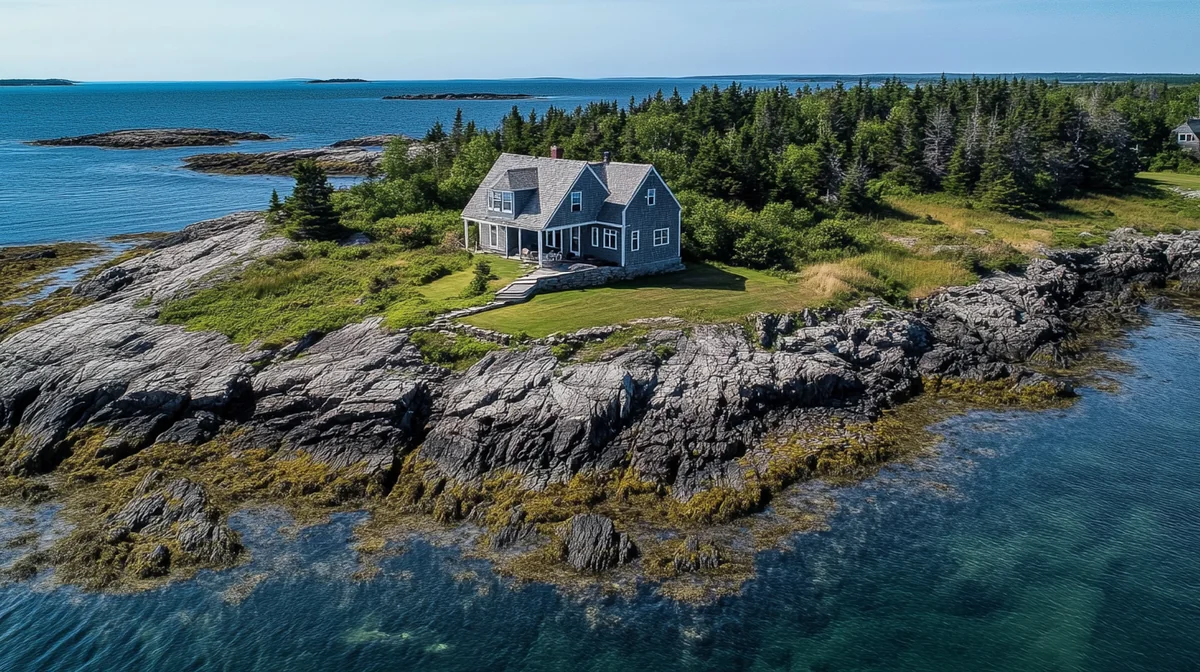
Top Global Markets for Private Islands
Private island demand concentrates in a small number of global destinations where infrastructure, climate, and political stability combine. The Caribbean dominates for Northern Hemisphere winter demand; the Indo-Pacific for summer.
- British Virgin Islands
- Bahamas (Exumas, Abacos)
- French Polynesia (Bora Bora, Tikehau)
- Fiji (Mamanuca, Yasawa)
- Maldives
- Indonesian archipelago
- Belize cays
How Cavmir Works With Private Islands
Cavmir markets private islands through high-trust, relationship-based distribution. Our 12-step system for private islands emphasizes: cinematic multi-day video content, luxury travel advisor relationships (Virtuoso, Traveller Made), ultra-premium press strategy, high-touch direct-booking experience, and on-property sales representation for travel advisor and UHNW concierge inquiries.
Private island engagements are typically year-round retainers (not project-based) given the long sales cycle and relationship-building required. Results accrue over 12–24 months as advisor networks, press coverage, and repeat-guest loyalty compound.
What It Takes to Hit 4.9+ Ratings on Private Islands
Private island ratings reflect UHNW guest expectations that are absolute, not relative. What's required to maintain 4.9+ ratings:
- Staff who can read a room. Private island staff must be simultaneously attentive and invisible — anticipating needs without intruding. This requires extensive training and a discipline of reading guests. Turnkey staff with hotel-chain backgrounds often struggle; staff trained specifically in villa-service protocols excel.
- Genuine privacy and discretion. No staff social media, no location-revealing posts, controlled arrivals and departures. Any leak of guest identity or location can end a relationship permanently — and travels fast within UHNW networks.
- Flexibility to customize every experience. "No" is rarely the right answer for a private island guest — even unusual requests (bringing in a private chef, specific dietary needs, custom transportation arrangements) should be accommodated. Building a network of trusted vendors enables this flexibility.
- Technology that works seamlessly. Despite being remote, UHNW guests expect enterprise-grade WiFi, reliable cellular, working smart-home systems, and modern entertainment technology. Technology failures on a private island feel disproportionately bad given the price point.
- Food program calibrated to expectations. A private island's F&B should rival a top restaurant — both because guests expect it and because meals occupy much of the on-island experience. Employing or contracting a real executive chef, with specific dietary accommodations and ingredient sourcing systems, is non-negotiable.
Frequently Asked Questions
What owners, operators, and prospective buyers ask us about this property type — answered with 2026 data.
Who actually owns private islands that rent in 2026?
Mix of private UHNW owners, family offices, investment groups, and hospitality companies. Most rental private islands are partially amortizing assets — owners use them 4-12 weeks per year personally and rent them the remainder to offset costs. Purely investment-held private islands (no personal use) are relatively rare because pure ROI is modest; most owners are lifestyle-driven.
What's the typical booking window for a private island?
4-14 months out for peak-season bookings; 6-12 weeks for shoulder season. Ultra-peak holiday weeks (Christmas, New Year's, Presidents' Day week in US markets) often book 12-18 months in advance. Last-minute bookings (under 30 days) are rare and typically at premium rates for unexpected use cases.
How do I handle food and beverage for private island guests?
Full-service F&B program with chef on staff or contracted. Guests expect multiple dining venues (formal, casual, beach), specific dietary accommodation (kosher, vegan, allergies), beverage program including wine list, and proactive meal planning. Budget 15-25% of gross revenue for F&B operations — high relative to other categories but expected at this price point.
What's the right insurance for a private island rental operation?
Commercial hospitality insurance with international coverage, hurricane/typhoon rider, guest liability ($5-10M minimum), business interruption, and specialty coverage for marine operations (if boats are part of offering). Budget $80,000-$400,000 annually. Work with a specialty marine and hospitality insurance broker — standard hotel insurance often has exclusions for private island operations.
Can private islands use Airbnb or VRBO in 2026?
Yes, but as secondary channels. OTA listings drive inquiries but the platforms aren't optimized for the high-value booking process UHNW guests expect. Keep OTA listings updated and respond to inquiries, but direct the meaningful conversations offline into a proper sales process. Expect OTAs to generate 10-25% of total bookings, mostly lower-peak or shoulder.
How do I handle guest transport to a remote private island?
Offer seamless transport as part of the booking: private boat/seaplane transfer from the nearest major airport, luggage handling, customs coordination, arrival welcome. Guests paying $20,000+ per week don't want to figure out logistics. Build relationships with 2-3 reliable transport operators and include transfer in the package price or as a clear add-on.
What's the typical staff-to-guest ratio on a private island?
1:1 or higher for luxury private islands (10 staff for 10 guests). This includes management, housekeeping, kitchen, F&B service, maintenance, grounds, and marine operations. Lower ratios feel undersupplied at this price point. Staffing is the largest operating expense and the biggest driver of guest experience quality.
Do private islands need traditional hotel-style amenities?
Generally no — the amenities should feel residential, not hotel-like. Guests are paying specifically to escape hotel experience. That said, expected amenities include: extensive water sports equipment, spa treatment capacity (on-site or via visiting therapists), fitness capability, tender/yacht access, and children-specific provisions if families book. Tailor the amenity mix to the specific guest segments you target.
What's the biggest operational risk for private island owners?
Weather damage and supply chain disruptions. Hurricane and typhoon risk requires sophisticated emergency planning. Supply chain (food, fuel, parts, staff travel) is fragile for remote operations — a single supply failure can cascade into a guest-experience disaster. Build 6-week supply buffers and redundant supplier relationships. Insurance handles the property but not the reputation damage of a botched guest experience.
How do I market a private island I just acquired?
Start with a 6-12 month launch campaign: professional cinematic video, editorial press push (hire specialty hospitality PR), Virtuoso or Traveller Made application (8-18 month process), and opening familiarization trips for 10-20 top travel advisors. Expect minimal bookings in year 1 during brand-building; proper launches typically hit stable occupancy in year 2-3. Shortcut launches (just listing on Airbnb) underperform for years.