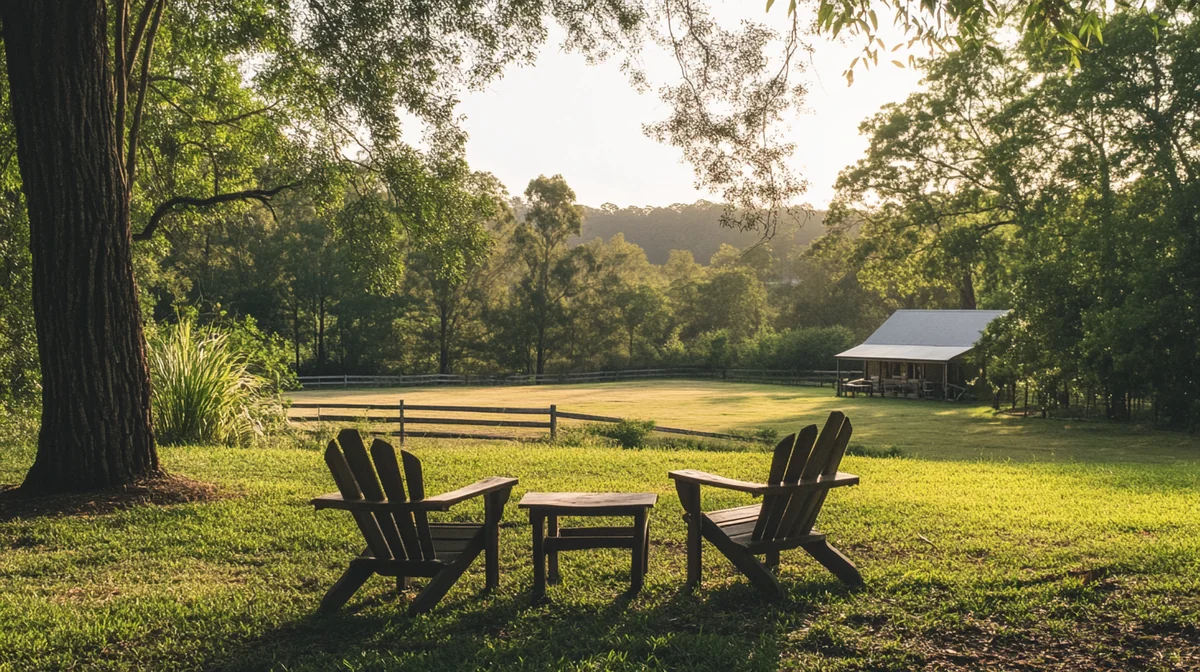
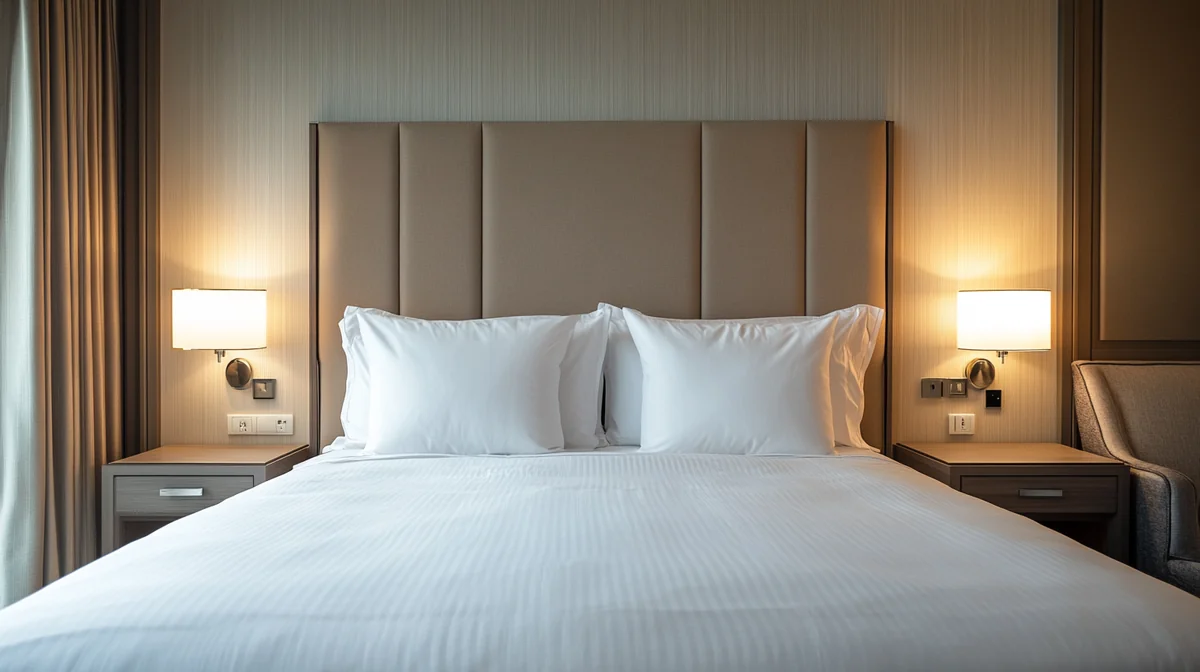
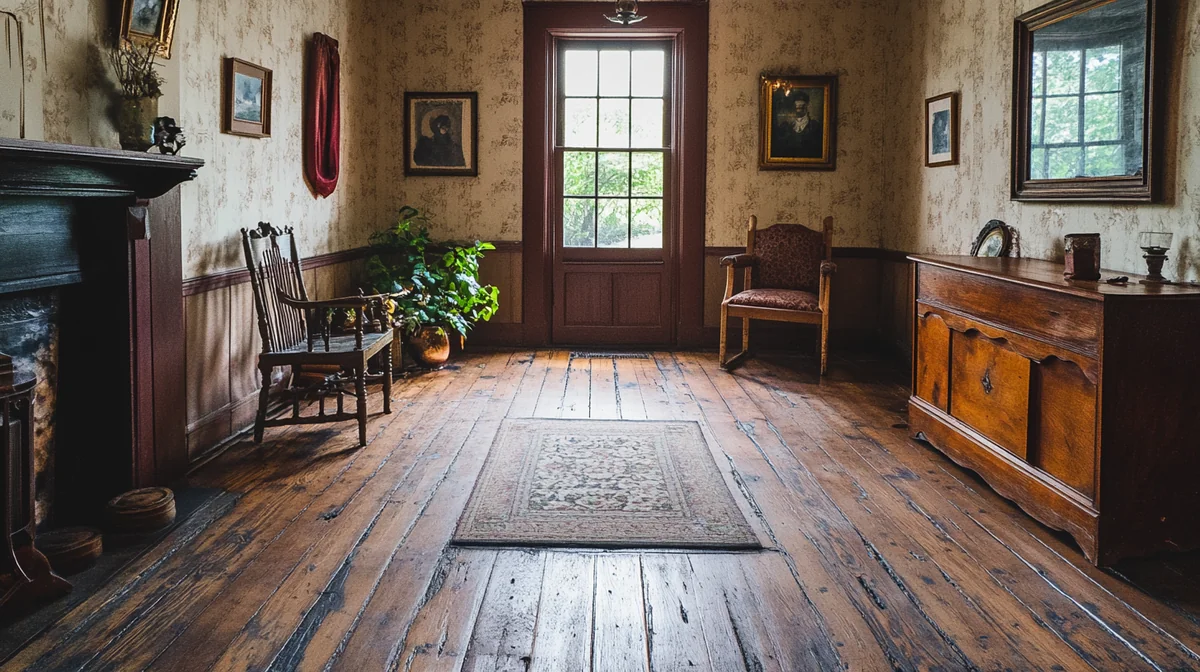
Vineyard stays are among the highest-rate STRs in hospitality — guests paying $500+ per night for accommodation on or adjacent to working vineyards is standard in established wine regions. The category attracts a specific, affluent, loyalty-prone guest base and rewards operators who understand that the wine is the draw, not just the view.
Cavmir works with vineyard accommodations across Napa, Sonoma, Tuscany, Mendoza, Stellenbosch, and Douro Valley. The marketing consistently emphasizes three things: the specific winery story, the harvest-season opportunity, and the wine-tasting experiences available to guests. Generic 'vineyard view' marketing wastes the category's advantage.
How Vineyard Stay Marketing Is Different
Vineyard stay marketing leads with wine, not accommodation. Guests who book vineyard stays are wine-interested first, rental-seekers second — which means the marketing that works centers on the specific winery's story, the wine program (tastings, tours, winemaker access), and the harvest and seasonal viticulture cycle rather than on property features.
The practical implementation in 2026: Every marketing surface should feature the winery's name, the grape varietals grown, the winemaker's bio, and the specific wine-related experiences available to guests. Accommodation photography should include vineyards, barrel rooms, tasting spaces, and wine-in-hand lifestyle shots alongside room interiors. Generic Tuscan villa marketing fails against specifically-branded 'Stay at [Winery Name]' marketing every time.
Marketing also has to address the fact that vineyard guests care deeply about wine access during their stay. Including a complimentary wine tasting, bottle of estate wine on arrival, or discount on purchases drives bookings more than most 'property amenities.' The wine access is the product; the accommodation is the container.
Best Marketing ROI for Vineyard Stays in 2026
The single highest-ROI marketing investment for a vineyard stay in 2026 is harvest-season photography and content. Harvest (September-November in Northern Hemisphere, February-April in Southern) is the most visually distinctive and emotionally compelling moment in the winemaking cycle. A professional multi-day harvest-season shoot covering picking, pressing, and the accommodation experience generates content that markets the property for 12+ months.
After content, partnerships with wine influencers, sommelier networks, and wine education platforms deliver outsized returns. Wine-focused creators (WSET sommeliers, wine YouTubers, wine Substack writers) drive bookings at much higher rates than generic travel influencers because their audience is specifically interested in the category. Budget for 4-6 partnership stays per year with carefully selected wine creators.
Direct partnerships with the winery's wine club (if the vineyard has one) drive repeat booking economics most vineyard stays underutilize. Wine club members are pre-qualified high-intent customers who book stays at 3-5x higher conversion rates than general traffic. Email marketing, wine-club member discounts, and member-only events turn accommodation into an extension of the wine business.
Who Books Vineyard Stays in 2026
Vineyard guests skew older, more affluent, and more wine-specifically-interested than general STR guests.
Wine-enthusiast couples (40-70 age range) are the dominant segment. They book vineyard stays for anniversary trips, wine-tourism tours, and harvest-season visits. They care deeply about the specific wines available, the producer's story, and the quality of wine education they receive during their stay. They pay premium rates ($400-$800/night) without hesitation at well-positioned vineyard properties and often return to the same vineyards annually.
Wine club members from the specific vineyard's membership program are an under-tapped segment at most vineyard accommodations. These guests already love the brand and want access to it. Direct marketing to the wine club list (with the winery's cooperation) converts at 10-25% — extraordinary by STR standards.
Professional wine industry travelers (sommeliers, buyers, journalists, educators) book vineyard stays for both leisure and professional reasons. They're exceptionally valuable because they're influential — a positive experience becomes recommendation, press, or professional placement. Comp or discount stays for vetted industry professionals is high-ROI marketing.
Vineyard Stay Seasonality
Vineyard seasonality follows the viticulture calendar. Harvest season (September-November Northern, February-April Southern) is the peak — rates can be 40-80% above off-season, and bookings often close 6-12 months out. The spring bud-break through summer growing season has steady demand. Winter varies — some regions go quiet (Napa, Loire), others maintain demand (Mendoza, Stellenbosch).
The 2026 shoulder-season strategies that work: pruning and winemaker workshops in late winter (January-February), barrel-tasting events during March-April, and summer-harvest-preview tours in July-August before peak. Each of these creates harvest-adjacent experiences that justify premium rates outside the absolute peak.
One specific opportunity: vineyard stays are well-suited for multi-day educational packages that fill midweek shoulder periods. A 3-day winemaking workshop with accommodation, a 4-day 'harvest apprentice' experience, or a 5-day wine-country exploration can fill calendar gaps that generic tourism won't. Market these packages directly to wine education platforms (WSET students, wine clubs, sommelier programs).
Vineyard Stay Economics
Vineyard stay economics depend heavily on whether the accommodation integrates with active wine business operations or operates as standalone rental. Integrated vineyard stays (where accommodation is part of a working winery) can leverage shared costs — marketing, labor, maintenance — that pure STR rentals pay alone. Net margins for integrated vineyard stays can reach 35-50%, exceptional for hospitality.
Standalone vineyard rentals (accommodation on or adjacent to vineyards without operational integration) run more typical STR economics — 25-35% net margins with proper marketing. Neither model is inherently better; it depends on the specific property and operator capacity.
The margin opportunity most vineyard stays miss: ancillary wine sales to guests. A guest buying 2-3 bottles of estate wine generates $100-$300 in direct-to-consumer wine revenue at 65%+ margin — effectively doubling the profit on that night. Vineyard stays that actively market wine purchases to in-stay guests (not just tasting fees) dramatically outperform those that don't.
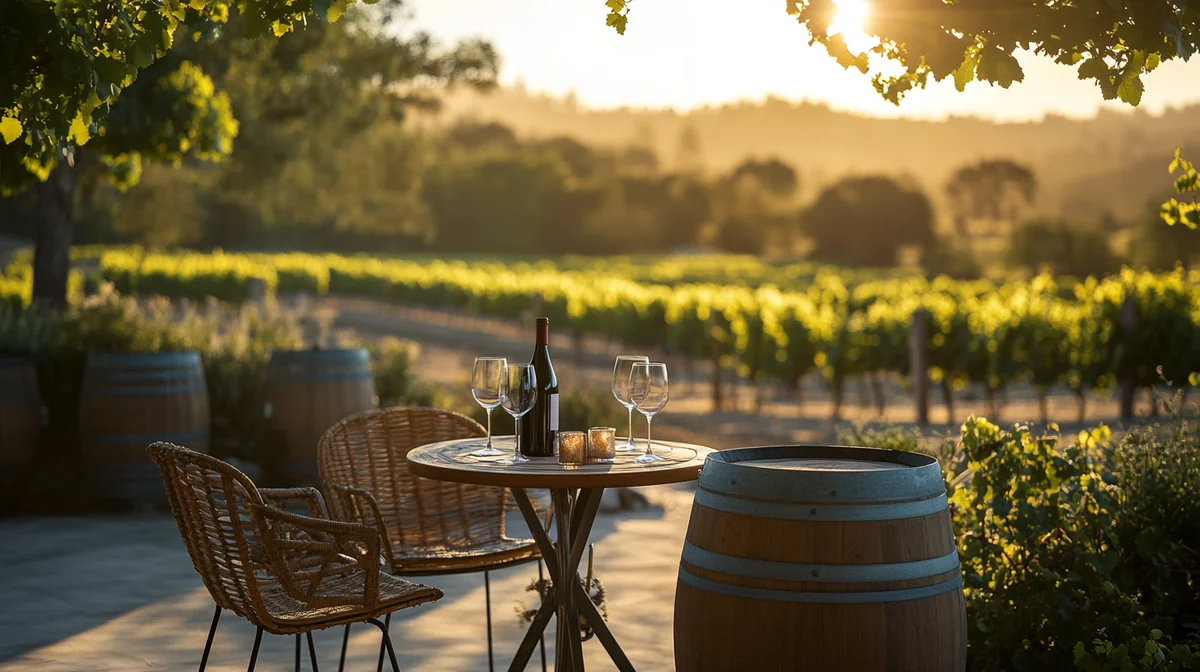
Top Global Markets for Vineyard Stays
Vineyard stay markets concentrate globally in the major wine-producing regions with established tourism infrastructure. Napa, Tuscany, and Mendoza lead in 2026 for their combination of wine quality, tourism maturity, and accommodation availability.
- Napa Valley and Sonoma, California
- Tuscany (Chianti, Montalcino, Montepulciano)
- Mendoza, Argentina
- Stellenbosch, South Africa
- Douro Valley, Portugal
- Burgundy and Champagne, France
- Barossa Valley, Australia
How Cavmir Works With Vineyard Stays
Cavmir markets vineyard stays by leading with wine. Our 12-step system for vineyard stays emphasizes: harvest-season photography and multi-season content, wine program packaging (included tastings, estate bottles, winemaker access), winery-branded listing titles and copy, partnership marketing with wine influencers and sommelier networks, wine-club member integration (with winery cooperation), and direct-booking site that reads like a wine-country magazine.
Vineyard stay clients typically see 30-50% rate increases and strong year-over-year booking growth — vineyard guests are exceptionally loyal and the category benefits from compounding word-of-mouth in the wine community.
What It Takes to Hit 4.9+ Ratings on Vineyard Stays
Vineyard stay ratings hinge on delivering the wine experience guests booked for. What drives 4.9+ ratings:
- Real wine access, not just views. A complimentary tasting, a bottle on arrival, winemaker introduction if possible, discount on wine purchases. Vineyard-view rentals without wine access consistently underperform actual vineyard stays.
- Knowledgeable host who can talk wine. The host or staff should be able to discuss the vineyard's varietals, viticulture approach, and winemaking style beyond marketing talking points. Guests who ask wine questions and get inadequate answers downgrade ratings.
- Tasting and tour coordination. Making tasting appointments, coordinating with local wineries if not offering own tastings, booking harvest experiences or vineyard tours. Guests need this logistical support — figuring it out themselves undermines the category premium.
- Accommodation design that honors the wine country aesthetic. Period-appropriate design in Italian vineyard stays, modern-minimalist in Napa, traditional hacienda in Mendoza. Design that clashes with the regional wine-country context reads as inauthentic.
- Quiet, scenic setting without industrial vineyard noise. Working vineyards include tractor noise, bottling lines, and harvest activity that can disturb guests. Proactive communication about operations ('during harvest, you may hear activity starting at 6am') prevents surprise complaints.
Frequently Asked Questions
What owners, operators, and prospective buyers ask us about this property type — answered with 2026 data.
Do I need to own a working vineyard to offer a vineyard stay in 2026?
No. Many vineyard stays are accommodation on or adjacent to vineyards without full wine production operations. You can offer 'vineyard stays' by partnering with a neighboring winery for tastings, maintaining your own small vineyard as landscape feature, or leasing rights on vines. The key is guest access to vineyard experiences — operational integration is one path, partnerships are another.
What's the ideal property configuration for a vineyard stay?
Depends on market. Napa/Sonoma: modern farmhouse or contemporary villa, 2-4 bedrooms. Tuscany: restored agriturismo or stone farmhouse. Mendoza: hacienda-style with pool. The commonality is: scale for couples or small groups (2-6 guests), outdoor living space with vineyard views, and integration with or access to winemaking operations.
How do I structure wine offerings for guests?
Complimentary tasting on arrival (2-3 wines, 30 minutes), optional tour or extended tasting for additional fee, discount on wine purchases, and potentially harvest-season experiences. Avoid giving away too much — a token tasting is appreciated but guests will pay premium rates for extended wine experiences. Pricing: $35-$75 per person for tour-and-tasting, $150-$300 for winemaker-led experiences.
Can vineyard stays work in emerging wine regions?
Yes, often with higher ROI than established regions. Emerging wine regions (Texas Hill Country, English wine country, North Carolina Yadkin Valley) have less accommodation competition and strong local tourism growth. Risk is lower guest awareness — marketing has to do more educational work. Upside is capturing leadership position in a growing market before saturation.
Should vineyard stays market during off-season?
Yes, with different messaging. Off-season vineyard stays can market: 'pruning workshops' (winter), 'spring bud-break vineyard walks,' 'barrel tasting weekends,' 'blending seminars.' Each of these is a specific experience tied to the viticulture calendar that guests specifically book for. Price at shoulder-season rates but market the distinctive experience, not discounts.
What's the ideal length of stay for a vineyard rental?
3-5 nights is the sweet spot. Shorter stays (1-2 nights) rarely capture full guest experience and have high per-stay operational cost. Longer stays (7+ nights) work for remote-work guests or extended wine-tourism tours. Pricing structure that rewards 3+ night stays (20% discount on 3rd+ night) drives healthier stay length.
How do I partner with a winery if I don't own one?
Approach adjacent or nearby wineries with a mutually beneficial proposal: you refer accommodation guests to their tasting room (with a small discount or package deal), and they co-market your accommodation to their wine club. Many small wineries welcome this because it drives new visitors. Formalize with a simple MoU covering discount rates, commission (if any), and marketing coordination.
What's the biggest operational challenge for vineyard stays?
Guest traffic during harvest. Harvest season brings operational intensity to working vineyards — tractors, picking crews, bottling lines, sometimes 24-hour activity. Guests paying premium rates need clear communication about operational periods and potentially moved away from most-active areas. Some vineyard stays reduce inventory or close during harvest; others lean into the experience.
Are vineyard stays a good investment in 2026?
Yes, in established or promising wine regions with clear brand positioning. Vineyard stays generally maintain rates and occupancy better than generic rural rentals because the wine category has loyal, high-income guests. ROI depends heavily on whether you own vs. lease the property and whether wine operations integrate with hospitality. Well-structured vineyard stays routinely hit 10-15% net yields in 2026.
What's the biggest marketing mistake at vineyard stays in 2026?
Marketing the accommodation instead of the wine experience. Most vineyard stay listings focus on the house (beds, kitchen, pool) instead of the reason guests are there (the specific winery, wines, winemaker access, harvest opportunities). Leading every marketing surface with wine content — even for generic property rental on vineyard land — significantly outperforms accommodation-first marketing.