How Cavmir Approaches Short-Term Rental Interior Design
Cavmir's interior design consultancy starts from a premise that traditional residential designers find alien: the property is not being designed for the owner to live in. It is being designed for a paying stranger to photograph, rank against twenty alternatives, book, experience, and review. Every interior decision is evaluated against three filters that rarely cross a residential designer's mind — how it photographs, how it holds up under high turnover, and how it reads to the specific guest segment the property is trying to win. That triple filter is the single biggest difference between interior design that raises nightly rates and interior design that does not.
Our process begins with a visual audit of the property's current state, a competitive photo audit of the top fifteen performing listings in its micro-market, and a positioning session tied to the broader brand. From there, we produce a design direction document — not a full design package, because we are consultants rather than full-service interior architects — that specifies exactly what to keep, what to remove, what to replace, and what to add. The document names actual products, actual retailers, and actual price points. It is written so that the owner or the owner's general contractor can execute the refresh without an ongoing hourly retainer. Owners who have worked with traditional designers are typically stunned by the specificity: we give you the exact rug, the exact lighting fixture, the exact swatch, not a moodboard and a bill.
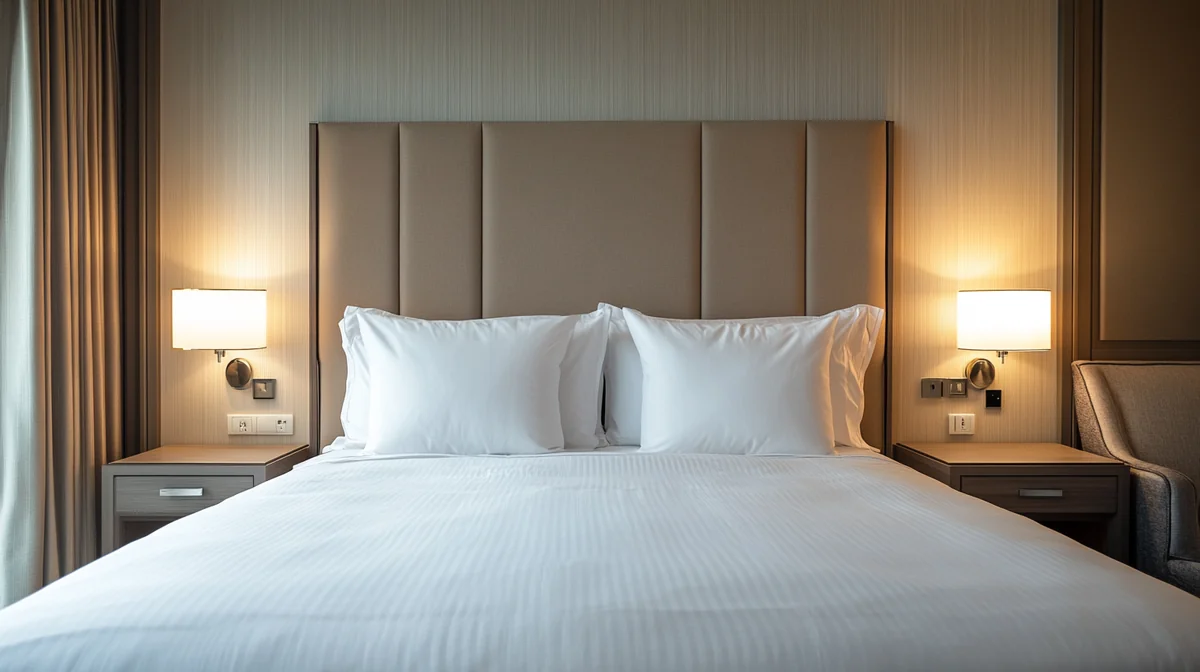
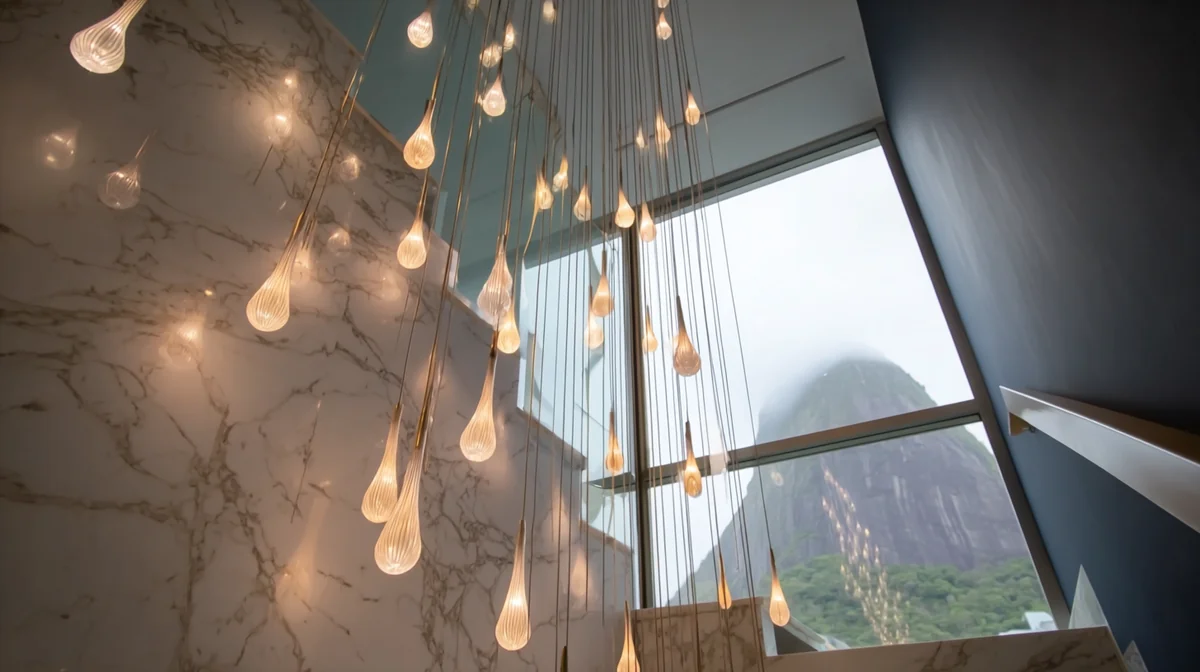
Because every recommendation is made with the camera in mind, we prioritize interventions that change how the property photographs over interventions that only change how it feels at ground level. A single ceiling-height statement light fixture in the main living area can transform twelve of the top twenty listing photographs. A replaced headboard can carry an entire bedroom scene. Builder-grade hardware, generic art, and plastic-framed mirrors are the three highest-leverage eliminations on almost every property we audit; replacing them is one of the cheapest changes a guest notices, and the new photos show it.
We also design for durability under short-term rental conditions, which are closer to boutique hotel conditions than residential conditions. A residential designer sources fabric for a family of four; we source fabric for a hundred and fifty different guests a year, some of whom will treat the sofa the way they would treat a rental car. Performance fabrics, sealed stone, commercial-grade rugs, and replaceable textile layers are non-negotiable on every Cavmir engagement. The interior has to read like a luxury editorial spread and survive like hospitality infrastructure. Getting both is a specialized discipline that residential design training does not teach.
AI enters the workflow at two specific points. First, we use diffusion models to render realistic photorealistic visualizations of proposed interior changes so owners can see the outcome before committing budget. Second, we rank every recommendation by its cost and by what guests see in the photos and mention in reviews, so the budget goes to the changes that matter most. Owners can literally see the before-and-after and the numerical projection side by side before they approve a single purchase order.
📸
Designed for the Camera First
Every decision is evaluated against how it photographs for the listing, because the listing photo is where the booking is won or lost.
🛠️
Specific, Not Moodboards
Exact products, exact retailers, exact price points. No vague direction, no hourly retainers to translate taste into a purchase list.
🛡️
Hospitality-Grade Durability
Performance fabrics, sealed stone, commercial rugs. It has to read editorial and survive a hundred and fifty guests a year.
🎨
AI-Rendered Previews
We render every proposed change photorealistically so you can see the outcome before the purchase order leaves your desk.
What Sets Cavmir Apart From Other Vacation Rental Interior Designers
The interior design market is full of options for vacation rental owners, and most of them fail to produce commercial results. Traditional residential interior designers typically lack any understanding of STR-specific constraints. Big-box online design services ship templated aesthetics that work for a home but fail inside a listing algorithm. STR "setup services" move furniture in but rarely elevate the photography. Cavmir occupies a different position — and the difference shows up in four specific ways.
First, we are not selling design hours; we are selling commercial performance. A traditional residential designer bills by time and bills for subjective revisions. The longer the project takes, the more the designer earns. That is a misaligned incentive. Cavmir's consulting engagements are scoped against specific deliverables: a set of rooms re-designed, a photography refresh and a priced shopping list, delivered at a fixed fee. You are paying for the work, not for hours.
Second, we specialize in the short-term rental context and nothing else. We know that bedroom photography requires specific lighting and specific linen choices. We know that listing cover photos prefer horizontal compositions with clear depth. We know that Airbnb's algorithm down-ranks listings with cluttered opening frames. Traditional residential designers optimize for how a room feels at 6pm on a Tuesday. We optimize for how it looks in the third swipe of a guest's weekend search. The two disciplines look related but produce very different output.
Third, every Cavmir interior design engagement plugs directly into the photography, listing, and brand work. The palette we specify is the palette the photographer lights against. The accent pieces we recommend are the props the stylist positions. The voice of the listing reflects the voice of the space. That integration is impossible when interior design, photography, and listing copy are contracted to three different vendors who never talk to each other. When a Cavmir interior engagement sits inside a Cavmir branding or full 12-Step engagement, the three disciplines reinforce each other on every photograph, on every headline, and on every guest review that mentions "the space felt exactly like the listing promised."
Fourth, we are honest about what interior design cannot fix. If a property is in a weak market, poorly located, or structurally compromised, interior design will improve photography and raise ADR by some margin — but it will not turn a bad asset into a great one. Residential designers have no incentive to tell an owner that. We do. On a meaningful minority of audits, our recommendation is a smaller, tighter scope of work than the owner initially expected, because spending more would not produce proportional revenue. That kind of commercial honesty is rare in the design industry and it is one of the things clients tell us they value most.
🎯
Fixed-Fee, Outcome-Scoped
No hourly billing, no open-ended revisions. You are paying for a specific set of deliverables.
🏨
STR-Native, Never Residential
We design for the listing algorithm, the cover photo, and the hundred-and-fifty-guests-a-year wear cycle. Not family living rooms.
🧩
Integrated With Brand and Photography
Palette, styling, and props connect directly to the listing, the direct site, and every channel campaign.
⚖️
Honest About ROI Limits
If design can't produce proportional return, we scope smaller — or recommend a different intervention entirely.
What to Consider Before Hiring an Interior Designer for Your Short-Term Rental
Interior design spend is one of the most visible line items on a vacation rental P&L, and it is among the most commonly mis-allocated. The difference between an interior engagement that pays for itself in one season and one that sits on the balance sheet for years comes down to a handful of decisions the owner makes before signing a contract. Here are the questions we would ask if we were hiring an interior designer for our own property.
First, ask the designer whether they design for photography or for the lived experience. Both are valid disciplines, but the answers produce very different outcomes. For a short-term rental, photography-first design is almost always the right choice, because the photograph is what sells the stay. A designer who cannot articulate how each decision will translate to the camera is probably not the right designer for a rental property. Ask for examples of the before-and-after photography they have produced for other STR clients, not just for their residential portfolio.
Second, ask how the designer handles durability. Short-term rental interiors age at three to five times the rate of residential interiors. Fabric pilling, stone staining, wood scratching, and hardware loosening happen in months rather than years. A designer who has never specified hospitality-grade materials will default to residential-grade choices that look pristine on the day of delivery and shabby by the second high season. Request a materials spec list from the designer's last three STR projects. The answer will tell you everything.
Third, clarify what is in scope and what is not. Some engagements are pure consulting — a document, a shopping list, a photography direction. Others include procurement, installation, and styling. Others include only a single room. The most common source of friction between owners and designers is misaligned scope, and it is almost always the designer's responsibility to clarify upfront. A designer who presents a vague proposal is going to present a vague invoice six months in. Ask for a fixed-fee quote against a defined deliverables list, and walk away from "time and materials" engagements unless you have unusual budget flexibility.
Fourth, think carefully about the order of operations. A very common and very expensive mistake is to commission new photography before completing the interior refresh, then commission the refresh, then be forced to commission the photography again. The correct sequence is: brand positioning first, interior design consultation second, procurement and installation third, photography last. When the photographer arrives, the space should be in its final form. Owners who skip ahead end up paying for photography twice.
Fifth, be realistic about budget. A high-impact consulting-only interior engagement for a luxury single-property STR typically runs three to eight thousand dollars and specifies ten to twenty thousand dollars of product purchases that the owner executes. A full fit-out including procurement and installation runs considerably higher and usually only makes sense for new acquisitions or total-gut refurbishments. Anyone promising a transformative STR interior on a shoestring budget is either deferring the cost to lower-quality materials that will not survive two seasons, or is not being honest about what transformation actually costs.
📷
Ask About Photography Portfolio
A designer for an STR needs an STR photo portfolio, not a residential living-room portfolio.
🧱
Request a Materials Spec Sheet
Hospitality-grade fabrics, sealed stone, commercial rugs. The answer tells you whether the designer has done this before.
📝
Get a Fixed-Fee Scope
Time-and-materials engagements produce surprise invoices. Insist on a fixed fee tied to a defined deliverables list.
🔢
Sequence: Brand → Design → Photography
Designing then photographing — never the reverse. Out-of-order owners typically pay for photography twice.
The Rooms That Decide the Booking
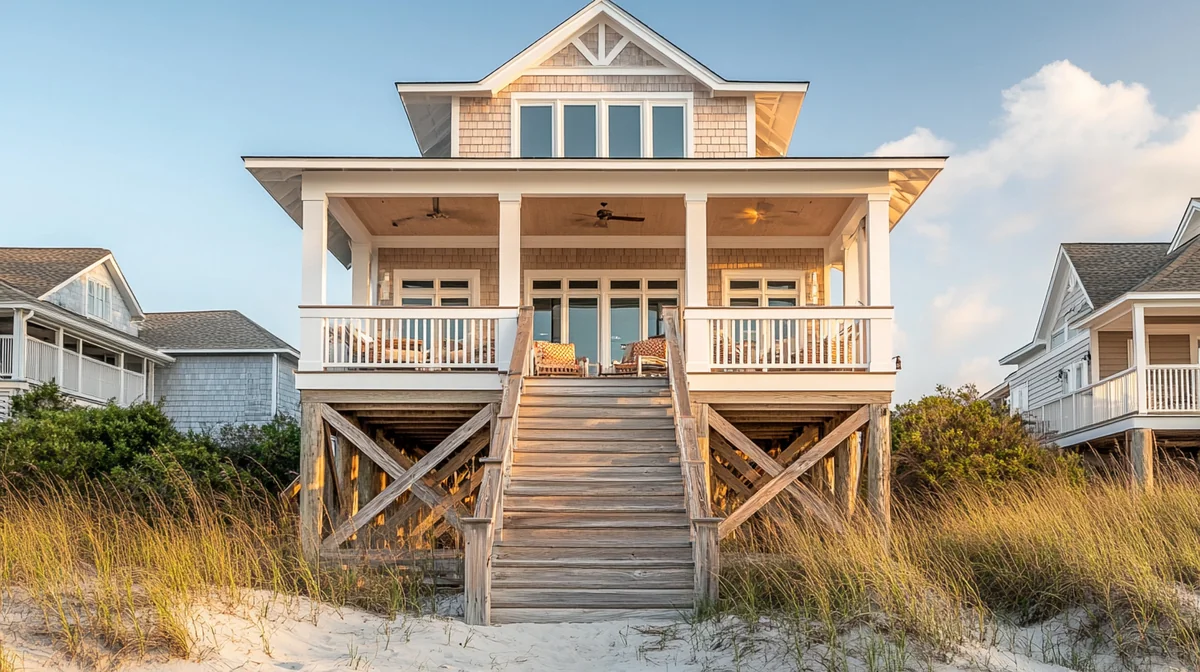
Guests do not weigh every room equally, and neither should the design budget. The booking decision is substantially made by three or four frames: the hero space — usually the living area or the view it frames — the primary bedroom, the outdoor moment if the property has one, and the kitchen for group and family travel. These are the images guests linger on, compare across listings, and send to the rest of the travel party, which makes them the highest-leverage square footage in the property. Cavmir design work ranks spaces by their role in the booking before allocating a dollar, so the budget concentrates where the conversion happens instead of spreading evenly into rooms no guest ever screenshots.
Within those key rooms, the design builds a focal moment rather than an inventory of furniture: the bed styled against a wall treatment worth photographing, the seating arranged around the view instead of the television, the outdoor table set as a scene rather than stored as equipment. Secondary spaces — hallways, additional bathrooms, bunk rooms — get treated for coherence and durability at sensible cost, keeping the whole property to one standard without pretending every room sells equally. The result photographs as a place with a point of view, which is what separates listings guests remember from the interchangeable scroll.
Amenities That Change What a Night Costs
Some amenity spending is decoration; some of it changes the property's search position and rate ceiling. The amenities that earn their keep are the ones travelers filter by and pay premiums for: a hot tub in mountain and cold-season markets, a genuinely usable workspace now that remote-work stays stretch the calendar, EV charging as its absence starts costing bookings, fire pits and outdoor lounges that extend evenings and the season, and the family infrastructure — cribs, high chairs, games, bunk rooms — that unlocks the multigenerational groups who book the longest stays. Each addition is measurable in advance: what share of the market filters for it, what comparable properties with it charge, and what installing it would cost against that spread.
The amenity case is also a marketing case, because an amenity that exists and is presented badly earns almost nothing. Whatever the property adds must enter the photography, the listing's amenity fields, and the search filters travelers use — an unphotographed hot tub is a maintenance cost, and an unticked amenity box hides the feature from every filtered search. This is where the design work hands off to listing optimization: the interiors investment and the listing presentation get planned as one move, so the spend surfaces everywhere a guest could discover it and the rate adjustment follows the upgrade rather than lagging it by a season.
Designing for the Two-Hundredth Guest
A rental interior faces service conditions residential design never meets: weekly turnovers, luggage against the walls, sunscreen on the upholstery, and guests who treat the furniture with a renter's care rather than an owner's. Designing for that reality is a materials discipline — performance fabrics that shrug off spills, dining tables that survive heat and moisture, rugs that clean rather than retire, finishes chosen because they age into character instead of shabbiness. Every piece gets judged on repairability and replaceability too: a sofa with washable, reorderable covers is an operating asset, and a discontinued designer piece that cannot be matched is a future hole in the photography.
The same discipline organizes the property for turnover speed. Duplicated linen sets sized to the housekeeping cycle, storage that gives cleaners a defined home for every item so staging resets exactly to the photos, and a documented styling standard — what the room looks like when it is ready — that keeps frame one and stay two hundred identical. This is the quiet difference between interiors that photograph brilliantly at launch and interiors that still match their photos two years in: reviews mentioning that the place looked "exactly like the pictures" are a durability outcome, and they compound into ranking and rate like any other marketing asset.