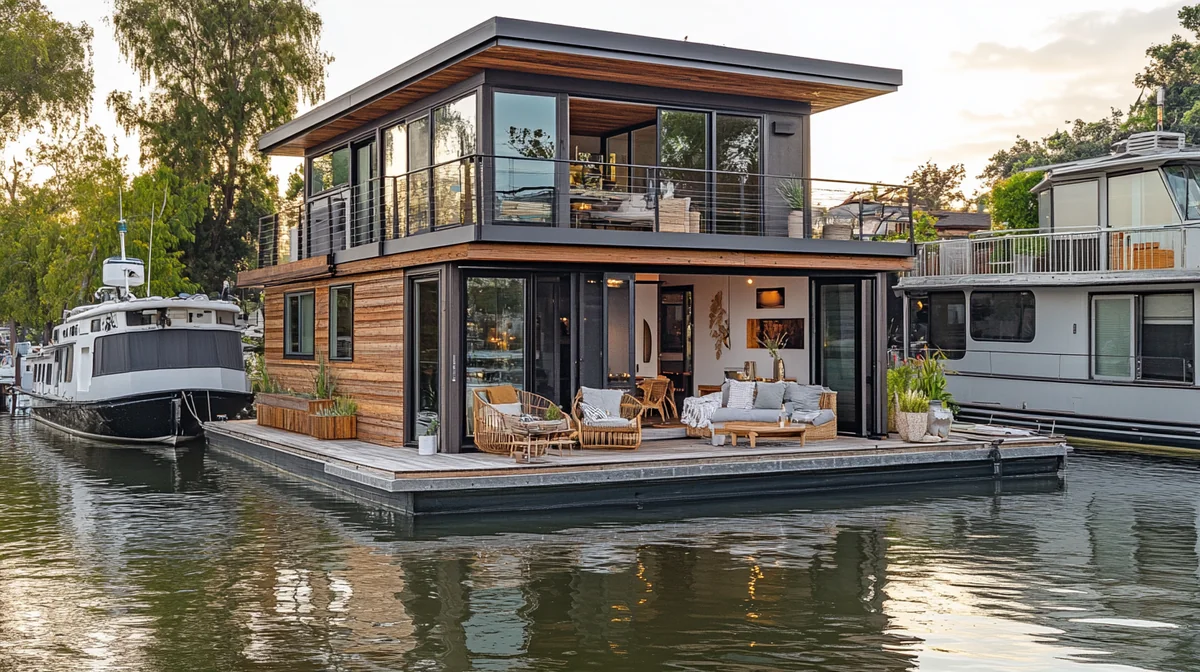
Houseboats occupy a strange niche — part accommodation, part vessel, part experience. They face regulatory complexity (Coast Guard requirements, marina fees, licensing), operational challenges (weather, maintenance, guest orientation), and a narrower guest pool than land-based rentals. But the houseboats that thrive in 2026 tap into a guest base that specifically wants the floating-accommodation experience and pays premium rates for it.
Cavmir works with houseboat operators across the US (Lake Powell, Shasta, Kentucky Lake), Europe (Amsterdam canals, Loire river), and specialty markets (Kerala backwaters, Bahamas). The marketing consistently emphasizes the experience of being on the water — the morning coffee while floating, the evening swim off the deck, the novelty of waking up somewhere new if the boat moves. The vessel itself is secondary to the experience.
How Houseboat Marketing Is Different
Houseboat marketing has to solve a specific problem: guests who've never stayed on a houseboat are often nervous about the experience (seasickness? safety? weather? navigation?), while guests who've done it before are looking for specific upgrades over their last experience. The marketing has to simultaneously reassure newcomers and excite repeat customers.
The effective approach in 2026 combines three elements. First, explicit experience description — what the day-by-day looks like, what guests do and don't need to know, whether skipper service is provided. Second, safety and operation messaging presented without scaring people ("We've run safety orientations for 2,000+ guests"). Third, lifestyle content showing the unique moments — sunrise on the water, kids jumping off the deck, evening BBQ on the roof deck, stargazing from the water — that justify the premium.
The biggest marketing lever for houseboats is honest about whether guests can drive the boat. Skippered houseboats (captain included) access a much broader guest base but operate at lower margins. Bareboat rentals (guests navigate) require more experienced guests but command higher margins per booking. Market the type clearly and don't try to straddle.
Best Marketing ROI for Houseboats in 2026
The highest-ROI investment for houseboats in 2026 is drone and water-level video content showing the houseboat in action — moving through water, guests swimming off the deck, sunset from the roof deck. This content performs on Instagram and TikTok at unusually high rates and drives direct inquiries. Budget $2,500–$5,000 for a proper multi-day video shoot; the return typically manifests as 50–100 direct inquiries per month within 90 days of publishing the content.
After video, specialty booking platforms deliver outsized value. Platforms like Boatsetter, GetMyBoat, and region-specific houseboat marketplaces (Amsterdam Houseboat Rentals, etc.) reach guests specifically looking for water-based accommodations. Being listed on 2–3 specialty platforms plus Airbnb/VRBO covers most of the audience. Specialty platform bookings tend to be higher-value and better-matched to the property.
Local search and Google Business Profile matter because "houseboat rental {lake}" searches drive substantial direct demand. Optimizing a GBP with seasonal photos, reviews, and specific lake/river references captures this intent-based traffic. Most houseboat operators neglect this entirely; those who invest see meaningful direct booking growth.
Who Books Houseboats in 2026
Houseboat guests break into three main segments with different booking behaviors.
Multi-generational family groups (6–12 guests across 3 generations) are the largest houseboat segment in North American lake markets. They book 5–10 night stays, often for extended family reunions, birthdays, or annual traditions. They need multiple sleeping areas, a real kitchen, and guest-friendly common spaces. Price-sensitive per person but willing to book large boats at substantial total rates.
Friend groups and celebration bookings (6–12 friends, 28–50 age range) book houseboats for birthdays, bachelor/bachelorette weekends, and generic escape weekends. They book 4–12 weeks out, stay 3–5 nights, and care about party capability — sound systems, roof deck space, ability to raft with friends on other boats. Higher per-night rates but more wear-and-tear risk.
Couples seeking unique experiences (30–55, 1–2 guests) book smaller houseboats for novel romantic getaways. They often pay premium rates for private charter, skipper service, and extras (chef, wine package). This is the highest-margin segment but smallest volume.
Houseboat Seasonality
Houseboat seasonality is extremely high in most markets. Lake and river houseboats in temperate climates run May through October with peak demand compressed into Memorial Day through Labor Day. Tropical houseboat markets (Kerala backwaters, Bahamas) run year-round with dry-season peaks. European canal houseboats operate April through October with peak summer months dominant.
The off-season for lake houseboats poses unique challenges — most are physically winterized and unavailable for booking. Year-round houseboat operation is possible only in climate-permitting markets. Operators should plan annual revenue around 5–7 operational months and budget fixed costs (insurance, marina fees, maintenance) against compressed earning periods.
Shoulder-season strategies that work in 2026: target fishing trips (early season and late season both attract dedicated anglers), photography groups (autumn colors, sunrise on the water), and cool-weather romantic retreats (hot tub on deck with fall foliage background). Price at shoulder rates but lean into the weather-specific appeal rather than competing with peak-season generic beach vacations.
Houseboat Profit Margins
Houseboat economics are distinctive. The capital investment is significant — a quality 50-70 foot houseboat in 2026 runs $200,000-$800,000 depending on features. Marina slip fees ($3,000-$12,000 annually), insurance ($4,000-$15,000 annually), Coast Guard compliance, and seasonal maintenance (winterization in cold climates, bottom cleaning, engine servicing) add up to substantial fixed costs.
Operating margins for well-marketed houseboats land in the 25-40% range in 2026. Houseboats with skipper service built into the price operate at narrower margins (15-25%) due to labor costs but access broader guest base. Bareboat rentals operate at higher margins (30-45%) but require more experienced guests and present higher damage risk.
The margin-sensitive line items: fuel (guest-paid or owner-paid depends on your model), marine insurance (has risen substantially in many markets since 2022), and capital maintenance (houseboats need hull inspection and repair cycles most owners underestimate). Budget 8-12% of annual revenue for capital maintenance to avoid surprise year-4 repair bills.
Top Global Markets for Houseboats
Houseboat markets concentrate where calm waters, mature infrastructure, and tourism demand align. Lake Powell and Amsterdam lead globally for different reasons — massive scale and year-round cultural tourism respectively.
- Lake Powell, USA
- Amsterdam canals
- Kerala backwaters, India
- Lake Shasta, California
- Kentucky Lake, USA
- Lake of the Ozarks, Missouri
- Loire River, France
How Cavmir Works With Houseboats
Cavmir markets houseboats through water-focused content and specialty distribution. Our 12-step system for houseboats emphasizes: drone and water-level video, Instagram Reels showing the unique boat-life moments, specialty platform listings (Boatsetter, local marketplaces), local Google Business Profile optimization, and clear experience-level positioning (skippered vs. bareboat).
Houseboat clients typically see 30-50% rate increases within the first operational season and meaningful growth in repeat bookings (houseboat guests are among the most loyal if the experience is well-delivered). Direct-booking growth averages 20-35% of revenue within 18 months.
What It Takes to Hit 4.9+ Ratings on Houseboats
Houseboat reviews punish specific problems more harshly than land-based rentals. The five things that drive 4.9+ ratings:
- Working mechanical and electrical systems. Engines, generators, air conditioning, water pumps, plumbing, and electrical — any failure during a stay becomes a review-killing event. Invest in proactive maintenance and redundancy; a spare generator battery is cheaper than a bad review.
- Genuinely clean after previous guests. Houseboats accumulate residue (swimsuits, sand, food spills) in ways hotels don't. The cleaning standard needs to be higher, not lower. A 4-hour turnover between guests is often insufficient for proper houseboat cleaning.
- Clear, patient orientation for first-time houseboat guests. A proper 30-45 minute hands-on briefing covering safety, navigation, systems (water, power, toilet), and emergency procedures. Rush this and guests get stressed and resentful. Do it well and guests feel cared for.
- Reliable WiFi despite being on the water. Cellular boosters, starlink-equivalent systems, or properly-configured WiFi. Guests expect connectivity in 2026 even on water. 'We're rural so WiFi is spotty' is no longer acceptable at premium rates.
- Weather-ready equipment and clear weather policy. Windbreaks, rain gear, storm protocols. Guests need to know what happens if weather turns bad — shelter protocols, refund policies, how to contact operator. Transparent weather handling prevents review disasters.
Frequently Asked Questions
What owners, operators, and prospective buyers ask us about this property type — answered with 2026 data.
Do I need special licensing to rent a houseboat to guests in 2026?
Varies. Most US lake houseboats can be rented without Coast Guard certification if under 100 gross tons and operated as 'bareboat charter' with no skipper. International differs significantly — UK and EU canal houseboats have specific licensing. Hotel-style houseboats with dedicated staff require full commercial marine licensing. Consult a marine attorney in your jurisdiction before launching.
Do guests need boating experience to rent a houseboat?
Depends on the boat and market. Large Lake Powell-style houseboats require experience or a mandatory skipper briefing. Smaller lake houseboats can be rented to novices with thorough orientation. Amsterdam canal boats typically include a skipper. Market clearly which experience level your boats require to avoid bad matches.
What's the typical damage deposit for a houseboat rental?
$2,000-$10,000 depending on boat size and value. Houseboats have higher damage risk than land rentals (collisions, engine damage, interior damage from water). Many operators use escrow services rather than direct deposits to speed return of non-damaged deposits. Clear pre-inspection and post-inspection documentation is essential.
What insurance is required for a houseboat rental operation?
Commercial hull insurance, commercial general liability ($1-2M minimum), guest liability, and marine-specific coverage. Many standard hospitality insurers don't write marine policies; specialty brokers (BoatUS Commercial, IMIS) are needed. In 2026, insurance has tightened in hurricane and tornado-prone markets — expect $6,000-$20,000 annually depending on boat value and market.
How do I handle guest safety on a houseboat?
Mandatory pre-rental safety briefing (30+ minutes), written safety materials left on board, life jackets for every guest (including non-swimmers), clear emergency contact protocols, weather monitoring service, and safety equipment compliance check each turnover. Coast Guard-required safety equipment is non-negotiable. Most houseboat incidents are preventable with proper briefing and equipment.
What's the best marketing platform for houseboats in 2026?
Instagram Reels for top-of-funnel, Boatsetter/GetMyBoat for booking volume, Airbnb/VRBO for supplementary bookings, Google Business Profile for local search. Houseboats perform unusually well on Instagram because water-based content drives strong engagement. A dedicated property Instagram account is high-ROI for houseboat rentals.
How do I handle weather cancellations for houseboat rentals?
Clear weather policy on the listing: high winds above X knots, small craft advisories, or tornado warnings trigger date change or refund. Communicate proactively — guests appreciate knowing about weather 48-72 hours out rather than arriving to a cancellation. Monitor forecasts aggressively during booking season and coordinate with guests early.
Can I operate a houseboat year-round?
Depends on climate. Lake Powell and similar warm-weather lakes can operate year-round with reduced winter demand. Northern lake houseboats require winterization and shut down November-March. European canal houseboats close during freeze-prone periods. Amsterdam and Kerala run essentially year-round. Plan operations around your specific water body's seasonal windows.
What's the best houseboat size for 2026 investment?
Mid-sized 50-60 foot houseboats sleeping 8-10 guests typically deliver best revenue per capital dollar. Smaller houseboats struggle to support fixed marina and insurance costs; larger ones (75-100 foot yacht-scale) require crew and enter hospitality-chartering territory. The 50-60 foot range balances accessibility with operational complexity.
How long does it take to recover a houseboat investment in 2026?
6-10 years for typical US lake houseboats in tourism-strong markets. Faster (4-7 years) in specialty markets with high year-round demand (Amsterdam, Kerala). Longer (10-15 years) in secondary markets or for owners who use the boat personally for significant portions of the season. Set expectations for a long-hold asset, not a quick flip.