Teton Village
The base of Jackson Hole Mountain Resort and the valley's prime legal STR zone — ski-in, ski-out and permitted to host. Draws the skier in winter and the park family in summer. Scarce, compliant, premium inventory.
Expert short-term rental marketing to grow your bookings and nightly rate in Jackson Hole, Wyoming, USA.
Sixteen services, one team. Everything below is built in-house and scoped to your property and market. Most owners start with the 12-Step System.
Every engagement is quoted to your portfolio. These are the ready-made scopes owners pick most — our Fall Special (55% off list) is already applied. A clear proposal within 48 hours.
The work is public. Selected engagements and what changed — and reviews from the owners and managers behind them.
* Market averages. Properties marketed by Cavmir typically exceed these figures by 25–45%. Data sourced from AirDNA, STR market reports, and Cavmir internal analytics.
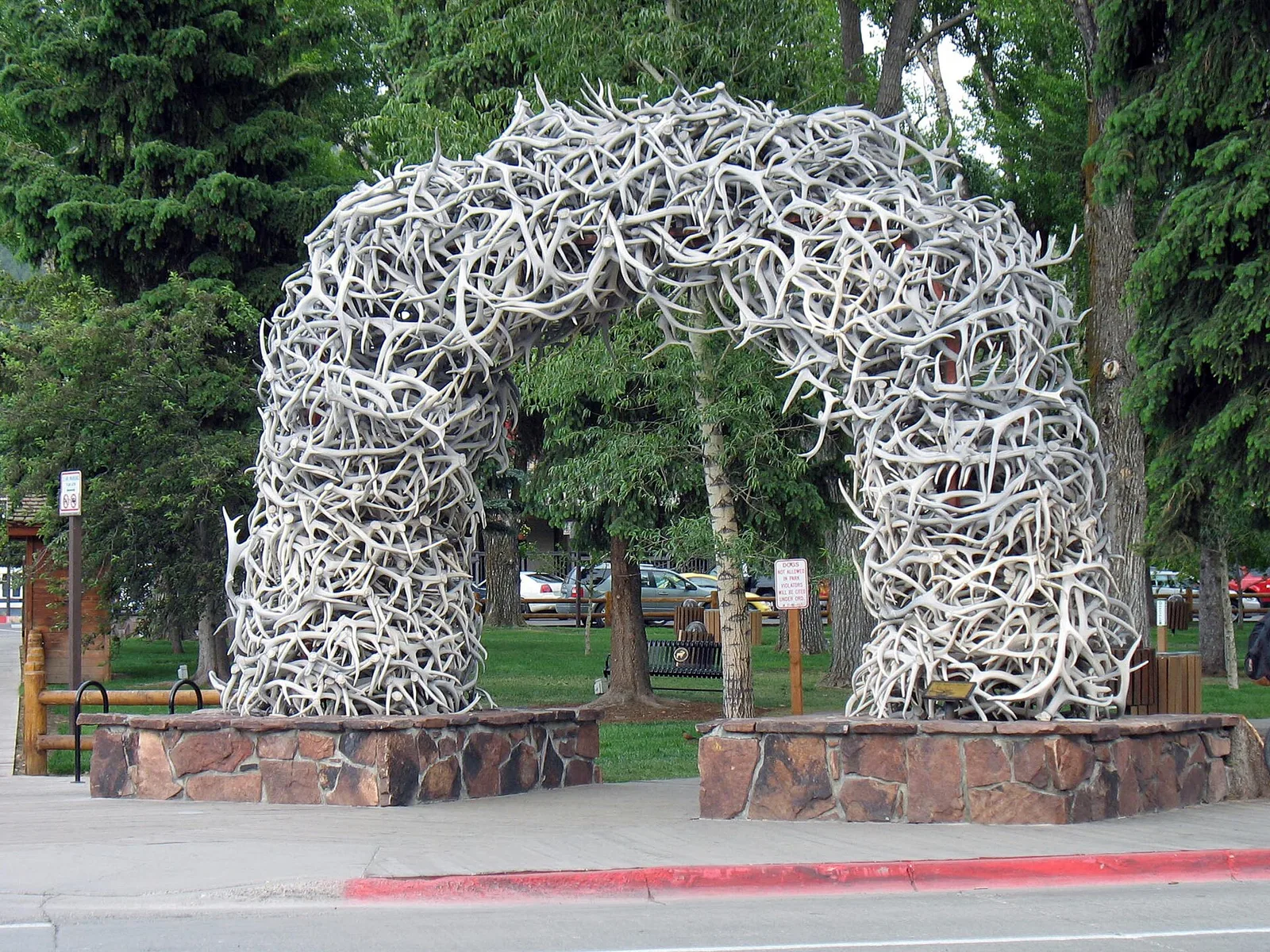
Jackson Hole sits at the base of the Teton Range — one of the most dramatic mountain landscapes in North America. Grand Teton National Park and Yellowstone are both within reach, making Jackson a magnet for adventure travelers, wildlife enthusiasts, and luxury seekers alike. The town square, with its famous elk antler arches, anchors a vibrant scene of fine dining, galleries, and boutique shopping.
Jackson Hole commands some of the highest STR rates in the Mountain West, driven by limited developable land, two national parks, and a consistently high-income visitor demographic. Summer and winter are both peak seasons; fall and spring are where strong marketing makes the biggest revenue difference.
Nearby Markets: Aspen | Salt Lake City

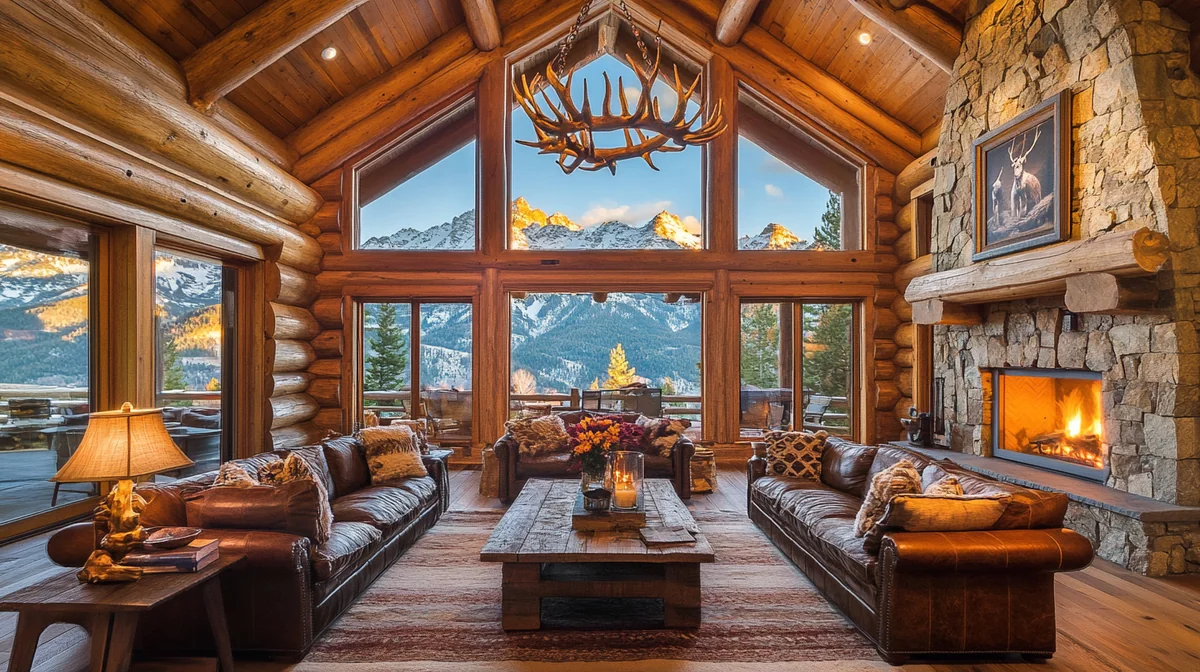
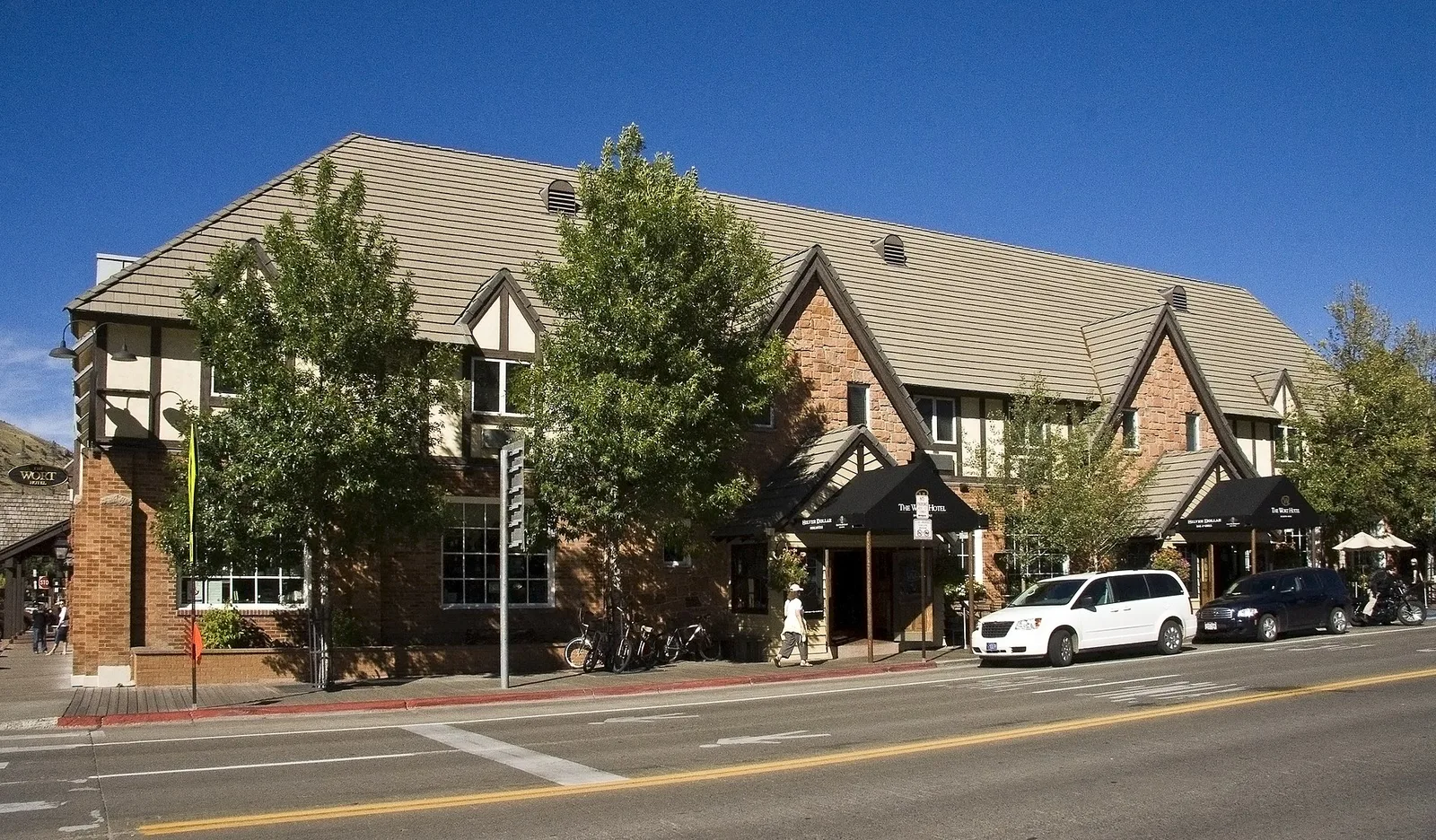
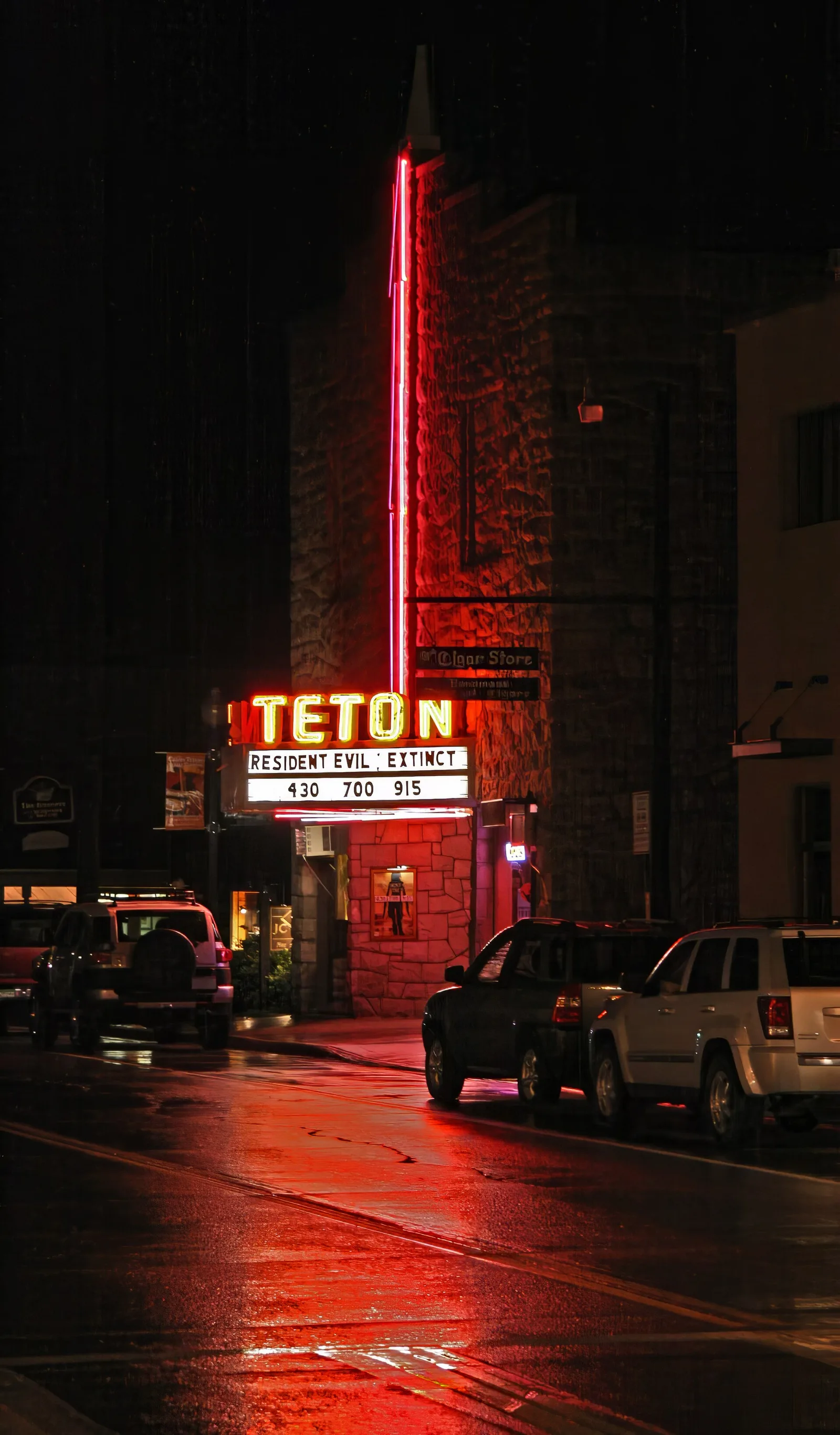
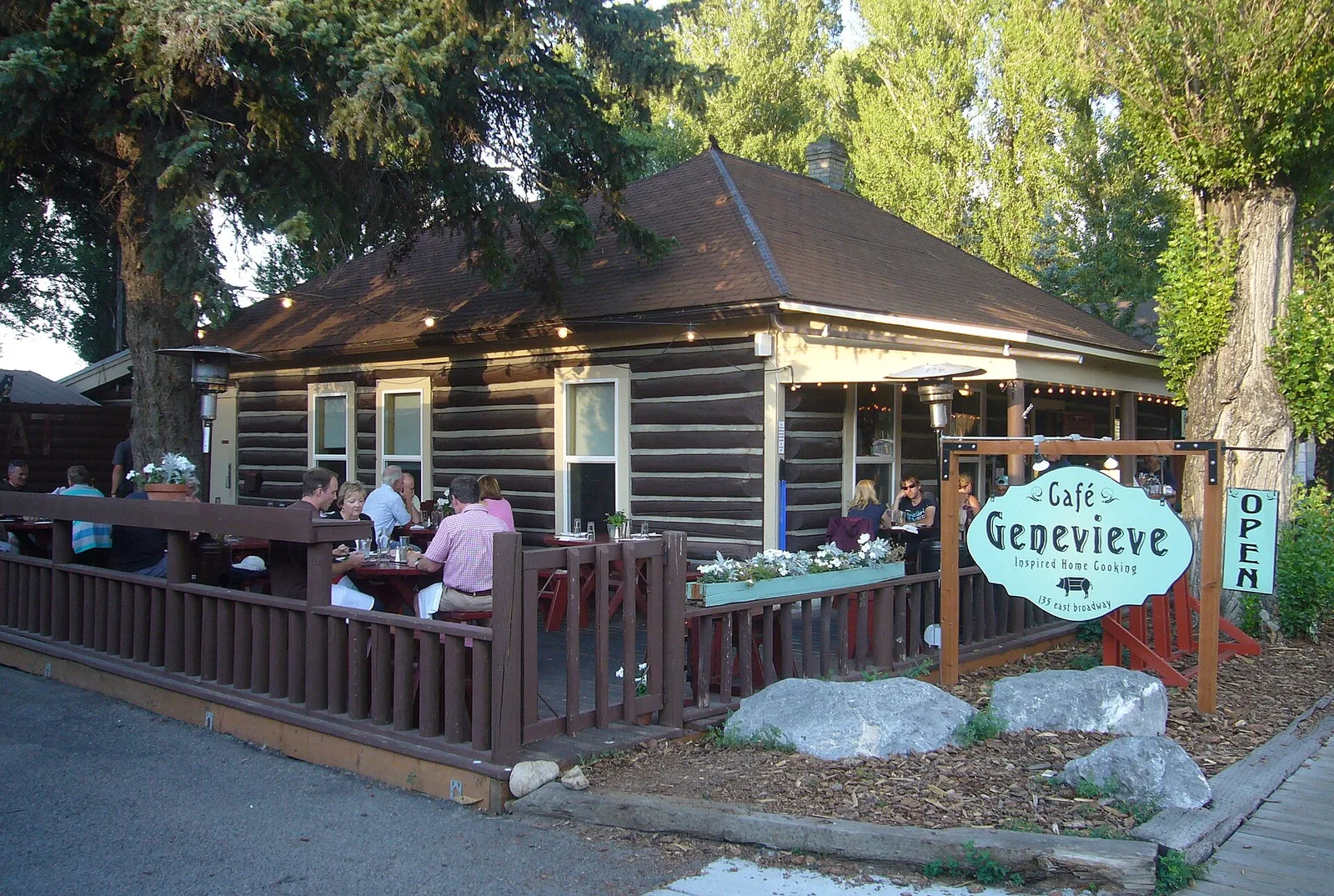
A few of the visual fingerprints we lean into when we shoot, brand and market a Jackson Hole property — courtesy of the open Wikimedia Commons archive.
We position your Jackson Hole property to capture the premium traveler who books months in advance and pays for the experience, not just the bed. Cavmir's drone photography of the Tetons, combined with our algorithm engineering for platform priority, gives your listing an unfair advantage over the competition.
Jackson Hole's modern identity traces to the 1920s, when dude ranches in the Tetons introduced East Coast city-dwellers to guided horseback tourism in what was still nearly frontier country. John D. Rockefeller Jr.'s secret land acquisitions through the Snake River Land Company, donated in 1949 to create Grand Teton National Park, preserved the valley from the overdevelopment that consumed so many other scenic areas. That deliberate scarcity — two-thirds of Teton County is permanently protected federal and state land — is the single most important fact about Jackson Hole STR economics.
The contemporary Jackson STR market emerged alongside Jackson Hole Mountain Resort's rise from regional ski hill to internationally ranked destination in the 1990s–2000s. Purpose-built lodging at Teton Village dominates the ski-in/ski-out segment; residential STRs in Jackson town and surrounding areas (West Bank, Wilson, South Park) serve a different guest — often family-based, often summer-anchored. The market operates with unusually high owner sophistication; many Jackson property owners are second-home holders with other STRs elsewhere.
Jackson pricing is driven by the scarcity math: limited developable land plus two national parks plus a consistently high-income visitor demographic. Ski-in/ski-out Teton Village properties command the premium; single-family homes with Teton views follow; in-town condos trade at the market baseline. Christmas through mid-March is the ski-season super-peak; July through August is the summer super-peak driven by Grand Teton and Yellowstone access. Uniquely, Jackson's summer rates often exceed winter rates at mid-tier properties — a pattern that surprises owners familiar with other Mountain West markets.
The highest-value pricing move is minimum-stay calibration. Five-to-seven-night minimums in peak season filter for the trip planner rather than the weekend opportunist, and almost always lift both revenue and guest quality.
Jackson has two almost-equally strong peaks (winter and summer) separated by genuine shoulder seasons. The biggest missed revenue window is early-to-mid September — fall foliage, elk rut, quieter national parks, and rates that most owners drop prematurely. Savvy marketing to the photography-enthusiast and wildlife-viewing segments captures near-peak rates through late September.
Teton County and the Town of Jackson both regulate STRs. Jackson allows 'Transient Lodging' in specific zones (primarily Lodging Overlay and commercial districts); residential-zone STRs face tighter restrictions including owner-occupancy requirements in some cases. Teton County outside town limits permits STRs more broadly but requires registration, a Business License, and compliance with safety standards. Wyoming state law is STR-permissive at the state level, so most regulation is local. 2025–2026 updates continued tightening on platform compliance — listings must display permit numbers, and platforms share data with the county upon request.
The practical rule for new Jackson STR investors: buy in a zone that clearly permits transient lodging, or purchase an existing property with a grandfathered permit. Converting a residential-zone property to STR use in Jackson in 2026 is substantially harder than it was in 2019.
Jackson's signature tip: sell the wildlife. Guests book Jackson expecting moose, bison, bears, and elk — and listings that tell guests exactly where and when to reliably see them (and safely, at a distance) convert better than listings with better interior photography but no wildlife guidance. A simple 'guest guide' PDF included with booking is a major repeat-booking driver.
Second — plan for the shoulder-week corporate-retreat segment. Jackson's convention-free, small-scale lodging ecosystem is uniquely attractive to tech and finance firms running executive retreats. A large property positioned for a 10–20-person retreat (breakout space, reliable wi-fi, catering relationships) can clear premium revenue in September and early November. Third — be careful with wildfire-season marketing. August–September air quality can be affected by regional fires; properties with HEPA filtration or mentioned AC systems perform better in reviews.
Three challenges define Jackson STR ownership. First, cost structure — like Aspen, vendor and labor costs run at destination-resort levels. Second, bear-country operations — guests can and do leave trash accessible, attracting bears and generating Wyoming Game and Fish complaints that can affect permit standing. Clear guest protocols matter. Third, weather variability — road closures, early-season snow, late-season wildfire smoke — make flexible cancellation policies important, which in turn requires careful revenue-management discipline.
Wyoming insurance for mountain STRs remains relatively affordable compared to California or Florida. Wildfire exposure is rising and affects premium. STR-specific policies through Proper, CBIZ, or a local independent agent are typical. Budget $2,500–$8,000 annually depending on property size and proximity to wildfire-prone zones. Flood coverage advisable near the Snake River.
Wyoming has no state income tax — a significant advantage for owners able to establish Wyoming residency or flow income through Wyoming entities. Property tax is relatively low (~0.6% effective). Lodging tax combines Wyoming state sales (4%) plus county lodging tax (3% Teton County). Total typically 7–8% collected from guests.
Jackson prices frequently require jumbo financing. Local lenders (Bank of Jackson Hole, First Western Trust) specialize in the market. DSCR loans available through national investor-focused lenders, with rate premiums. 20–30% down minimum; luxury properties often 35–40%.
Jackson Hole runs some of the strictest short-term-rental rules in the country, and the consequence is the single most important fact in this market: across most of the valley's residential land, renting for fewer than 31 days is simply prohibited. The legal short-term inventory concentrates into a handful of zones and named developments — which means a home with the right to host is genuinely scarce and genuinely valuable, and a beautiful house in the wrong zone can never legally be a nightly rental at all. Zoning isn't a detail here; it's the whole deal.
Two authorities govern the valley. The Town of Jackson offers a permitted path to short-term renting, with different conditions inside and outside its Lodging Overlay. Unincorporated Teton County is tighter still: it allows the use only within a short list of named resort developments — Teton Village foremost among them — and treats the rest as long-term housing with a 31-night minimum. So before you fall for a property, you confirm not just the county rules but the specific overlay or development it sits in, because two similar homes minutes apart can have opposite rights.
Where renting is allowed, Teton County requires a permit through its Planning & Development department — a modest application fee, an annual renewal, and documentation including a floor plan, a parking plan and proof of ownership. A resort/lodging tax around 4% applies to stays. And here's the counterweight to the tight supply that draws investors anyway: Wyoming has no state income tax, so the rental income and the eventual gain are structured in one of the most favorable tax environments in the nation. Scarce permits, but friendly economics for the ones who hold them.
Jackson breaks the ski-town mold: its biggest season is summer, not winter, because the valley is the gateway to two of the most visited national parks in America. That inversion changes everything about how a property should be priced, and owners who treat it like a pure ski market give away the busiest, most reliable months of the year.
Summer, roughly June through September, is the peak — Grand Teton is next door and Yellowstone is just up the road, and the park-trip family books well ahead and stays multiple nights. Winter brings world-class skiing at Teton Village and the holiday weeks that price at a premium, along with the wildlife and northern-lights draw. Fall has quietly become a favorite: elk in the refuge, golden cottonwoods and a calmer, higher-end guest. Spring events like ElkFest and Old West Days add color, while the deep shoulder weeks — the mud seasons of April and November — are genuinely quiet and best used for owner time and upkeep.
Price the summer park season with confidence — it's the peak here, and the multi-night park itinerary rewards minimum stays and a listing that helps plan the trip. Hold the winter holiday weeks at a premium, market the fall to the guest who wants the valley without the crowds, and accept the mud seasons rather than discounting into a market that isn't there. Above all, because a legal rental is scarce, invest in the repeat relationship: the family that returns every July to the same Teton-view house is the most durable revenue this market offers.
In Jackson Hole the submarket answers two questions at once: whether nightly rental is even legal there, and which guest it wins if it is. Here is how Cavmir reads the valley before writing a word, matching the property to the guest — within the narrow map of where hosting is actually allowed.
The base of Jackson Hole Mountain Resort and the valley's prime legal STR zone — ski-in, ski-out and permitted to host. Draws the skier in winter and the park family in summer. Scarce, compliant, premium inventory.
The Lodging Overlay near Town Square — walkable to the antler arches, restaurants and galleries. The guest who wants town energy and easy park access. Sells the classic Jackson base and the in-town convenience.
West of town toward the pass — big Teton views, quiet lanes and a local, unhurried feel. Where nightly rental is permitted, it draws the privacy-first guest. Sells the view and the calm over proximity.
Golf-and-clubhouse living in the developments that allow hosting. The summer golf group and the amenity-first family. Sells the fairway, the pool and the resort-community polish within the legal map.
Residential valley-floor neighborhoods — largely off-limits to short stays under the 31-night rule. Beautiful homes, but confirm the zone first; most are long-term rentals, not nightly ones. Diligence before dreams.
South over the pass into a lower-priced valley with its own rules. The budget-aware guest willing to drive for savings and space. Sells value and elbow room — but weigh the winter pass closures into every stay.
Over Teton Pass to the quieter west slope — lower entry prices, its own jurisdiction, and a growing base. The value skier and the summer-trail guest. Sells the same mountains from the affordable side.
Nowhere does the first step matter more. Before you make an offer, confirm that the exact parcel — the specific overlay or named development — legally permits nightly rental, because most of the valley does not, and a gorgeous home in a long-term zone can never become the short-term business you imagined. Where hosting is allowed, secure the county permit and set up the lodging-tax collection. Buyers who skip this verification routinely close on a dream property only to discover it can't legally host a single night — the most painful and most avoidable mistake in Jackson Hole.
The reason investors accept Jackson's tight supply is the economics on the other side, and it's worth structuring for deliberately. Wyoming levies no state personal income tax and no corporate income tax, so rental income and eventual appreciation are treated in one of the most favorable environments in the country — a genuine, ongoing advantage that a legal, well-run property compounds year after year. Combined with the scarcity that props up rates, a compliant Jackson rental can pencil in ways a higher-tax mountain market cannot. Talk to your accountant and attorney about how to hold the property and how the resort-tax collection works, because getting the ownership structure right is part of capturing the very advantage that drew you to Wyoming in the first place.
A legal rental in Jackson is scarce, so market it like the asset it is. Sell the two seasons — the summer parks itinerary and the winter ski week — with equal weight, because too many owners price only for snow and miss the busier season entirely. Position the property as a premium, well-serviced base for a bucket-list trip, and lean hard on direct booking with returning guests: in a market where you likely can't add a second permit, the family that rebooks every year is the most valuable inventory you will ever have.
The details here are wilderness and weather. Teton Pass and mountain roads close in storms, so build honest travel guidance and flexible arrival plans into every booking. Wildlife is real — bear-safe trash storage and clear no-feeding guidance protect guests and neighbors alike. High-altitude winters demand serious heat, snow management and winterization; a cold house in January is an emergency. And the guest paying Jackson prices expects Jackson service, so the local knowledge — the park timing, the gear, the where-to-eat — is what turns a first trip into a standing yearly reservation.
Jackson's future is a supply-scarcity story. The county's deliberate growth management — roughly 97% of land permanently protected from development — means STR supply is capped in practical terms. Expect permit scarcity to intensify, rates to grow faster than national averages, and continued tightening around residential-zone STRs. The 2034 SLC Winter Olympics will bring regional attention to Mountain West skiing, which benefits Jackson. Wildfire and climate-smoke exposure remains the biggest non-regulatory risk factor.
Jackson Hole is a market where geography does most of the marketing work for you — if you let it. The Tetons rise 7,000 feet from the valley floor; nobody else in America has that backdrop. But the marketing mistake here is cheap overuse of the iconic Snake River Overlook frame. Every generic listing uses it, which means it reads like stock photography to the guest. The Jackson audience — patient, wealthy, outdoors-literate — sees through that instantly and books the property that tells a more specific story.
We love marketing in Jackson because the guest is unusually discerning. They read the listing, they research the neighborhood, they want to know the trail behind the cabin and the ranch history of the road. They're buying an experience of the American West, and they'll pay substantially more for a property that earns its place in that story — with honest photography, local-operator storytelling, and specific details about wildlife corridors, sunrise light on the Tetons, the elk calendar, the Yellowstone gateway logistics. Jackson is a market where brand depth returns real dollars.
The picks Cavmir recommends for Jackson welcome books — specifics that separate a real Jackson host from someone who's read the Airbnb playbook.
Persephone is the Jackson bakery every local visits. Breakfast under the elk antler arches is the unofficial Jackson ritual.
Reflection of the Tetons in the beaver-pond. The light window is fifteen minutes. A host who mentions the timing wins the review.
Two-mile walk along the river path. Ends at one of the best wildlife-art collections in the country — most guests don't know it exists.
Snake River Grill is the reliable upscale choice; Figs is the quieter, more photographable option for guests who've already done the classics.
Huckleberry is a Wyoming obsession. A host who stocks huckleberry jam in the welcome basket has won the guest's heart before check-in.
Cool nights, no crowds, the bugling elk. A window most hosts underprice and most travellers don't know to book.
Most guests don't realise Yellowstone's South Entrance is 57 miles from Jackson. A pre-mapped itinerary doubles the guest's trip length.
Jackson is grizzly country. A host who provides bear spray and a one-page wildlife-behavior briefing saves the guest an expensive retail stop.
Representative Cavmir engagements in Jackson Hole. Property identifiers removed; figures composited from internal analytics and AirDNA benchmarks.
Stunning property with terrible marketing. Photography was on-camera-flash real-estate style; listing read as a room-by-room inventory rather than a narrative. ADR tracking 28% below comparable homes.
Complete editorial rebuild. Architectural photography in two seasons, a cinematic short film that followed a day in the property — morning coffee on the porch with the Tetons visible, afternoon hike from the back gate, dinner around the firepit. Listing copy was rewritten around the specific westside-of-the-valley identity — quieter, closer to Teton Village skiing, the light-direction advantage. Direct-booking site with a custom pricing calendar keyed to national-park visitation data.
ADR moved from $780 to $1,240. Occupancy climbed from 61% to 79%. Peak summer weeks now book 6 months ahead at a level the property had never previously cleared.
One of dozens of near-identical ski condos at the base of the tram. Competing purely on price and losing.
Differentiated through brand and audience precision. Re-photographed in winter light with explicit ski-boot-room and drying-rack utility shots — the details a serious skier evaluates. Rewrote copy for the expert-skier audience rather than the family vacationer. Distribution partnership with a ski-gear retailer's customer list segmented by Jackson-area purchase history.
Occupancy moved from 54% to 73%. ADR climbed 32%. Guest profile shifted to a demonstrably more experienced skier audience, longer average stays, and a review-score lift that improved platform ranking.
Remote property positioned wrongly — owner was marketing it as a quiet alternative to Jackson town, but that framing didn't drive bookings. Occupancy stuck at 49%.
Reframed as a Grand Teton National Park gateway property rather than a Jackson-town alternative. Photography emphasised wildlife viewing from the deck, the moose herd that wintered on the neighboring property, the proximity to Mormon Row. Built content around the "wake-up in the park" experience for the wildlife-photography and soft-adventure audience.
Occupancy climbed to 71%. ADR up 24%. Autumn elk-rut bookings (previously a soft week) now clear at a 2.1× multiplier. Guests increasingly book 7+ night stays, smoothing revenue.
Demand in Jackson Hole peaks around July, August and December and runs quietest around April, October and November. Here is how the year actually books — and what to do about each stretch of the calendar.
Jackson Hole runs on two peaks, and both are ferocious. July and August bring the Grand Teton and Yellowstone wave, when the valley is the base camp for the national-park trip of a lifetime, and the Christmas-through-March ski season answers it, with the holiday weeks in late December the most contested dates on the calendar. Price both peaks with confidence and set real minimum stays, and have winter photography and ski-season copy live by early fall, because the destination skier plans months ahead.
June and September are shoulders in name only: June carries early park travelers and wedding season, and September pairs golden aspens with the Fall Arts Festival's twelve days of gallery events. Late May earns its keep too, with ElkFest's antler auction and Old West Days filling town. The play is to hold near-peak weekend rates in these months while using midweek flexibility to catch the anglers, photographers and empty nesters who deliberately avoid the crowds.
April to mid-May and November are mud season, when the tram closes, trails thaw and the town catches its breath. Chasing nightly rates here is wasted effort; the honest strategy is month-long stays for seasonal workers, traveling professionals and remote workers who want the valley cheap, plus your own maintenance, deep cleaning and the photo refresh before the next peak. A hot tub repair in November pays for itself by New Year's.
This is one of the longest-window markets in the country: Christmas and New Year's weeks and prime summer dates book many months to a year out, and repeat ski groups rebook before they leave town. Shoulder weeks move on short notice. Your winter listing needs to be dialed by late summer and your summer listing by midwinter, which feels early until you watch the best dates disappear.
Winter ski trips run close to a week, since nobody flies this far to ski for two days, while summer park stays typically run three to five nights inside a larger Wyoming loop. Shoulder-season stays are shorter and more spontaneous, with a real month-stay segment in mud season for hosts set up to take it.
The Jackson winner is a log-and-timber home with a view, of the Tetons, the buttes or open meadow, and a layout built for groups: a great room everyone gathers in, a hot tub on the deck and a mudroom that swallows ski gear and muddy boots. Teton Village and Wilson locations win the ski trade, in-town Jackson wins walkability and summer, and either beats a generic condo without a view. Character and setting are the product here; guests can get granite countertops anywhere.
Market to two different guests in two different seasons: park-trip families choosing a summer base camp, and destination skiers building a week around the mountain. That means seasonal photography, both snow and summer, listing copy that answers each peak's questions, and pricing that respects how far out this market books. Layer on a Google Business Profile for map visibility and a direct-booking site so repeat ski groups can rebook without platform fees, and you have the stack Cavmir builds for mountain-town hosts. In a market this competitive, presentation is the whole game.
There are two: July and August on Grand Teton and Yellowstone traffic, and the ski season from the late-December holidays through March, with Christmas and New Year's weeks the most contested dates of all. June and September are nearly as strong, carried by weddings, early park travel and the Fall Arts Festival. The honest lulls are April to mid-May and November, the valley's mud seasons.
Further than almost anywhere: holiday ski weeks and prime summer dates fill many months to a year ahead, and loyal ski groups rebook for next season before this one ends. Shoulder-season stays book on short notice. Have winter dialed by late summer and summer dialed by midwinter, because the best dates in this market never make it to the last minute.
It's a national fly-in market, with direct peak-season service connecting Dallas, Chicago, Los Angeles, New York, Denver and Atlanta straight into an airport that sits inside Grand Teton National Park. Salt Lake City supplies the core drive traffic, with Idaho Falls, Pocatello and Boise behind it. Geo-targeted ads toward Texas, Chicago and the coasts before each peak are usually the efficient play.
The hot tub is close to mandatory, it's the first thing ski groups filter for and the photo that sells winter. A mudroom with real gear storage, garage parking for snowy mornings and a fireplace round out the winter kit, while fast wifi and a workspace capture the shoulder-season remote workers. Above all, sell the view; in Jackson, the window is the amenity.
Run your Airbnb, Vrbo, or website through Cavmir's free grader. It checks the things that decide whether guests book in Jackson Hole — photos, listing copy, page speed, local search — and shows you where bookings leak. Takes about a minute, and there's no sales call attached.
If the report says your booking engine is the weak link, that's fixable: a direct-booking website of your own means repeat guests stop paying platform fees to come back to you. That's the work Cavmir does — see Airbnb website design in Jackson Hole.
Send us the listing and we'll tell you what we'd change. Not a pitch deck — a straight read on your photos, your title, your rates against the Jackson Hole comp set, and whether a direct-booking site would pay for itself.
You'll hear back from a person, usually inside one business day. If we don't think we can move your numbers, we'll say so. Cavmir is a short-term rental marketing agency — we position and market properties, we don't manage them.
Talk to Cavmir today. We'll show you exactly what your Jackson Hole property is leaving on the table — and how fast we can change that.
Book a Free Strategy CallPhotography via Wikimedia Commons (images resized and cropped): Wort Hotel Jackson WY1 by Acroterion (CC BY-SA 4.0) · Teton Theater Jackson WY1 by Acroterion (CC BY-SA 4.0) · Vanvleckhouse-jackson-wyoming-usa by Staib (CC BY-SA 3.0) · Jackson wy by Monster1000 (CC BY-SA 3.0).