

Yacht charter is a large, established business with its own brokers, shows and calendar. Published weekly rates for crewed motor yachts in the 30 to 55 metre range cluster between $100,000 and $500,000 in the Mediterranean, with the advance provisioning allowance adding 30 to 40 percent for fuel, berthing, food and drink. Below that, a whole market of smaller crewed and bareboat yachts rents by the week and by the day, and a growing number of owners rent the yacht at the dock as a floating villa between charters.
Cavmir markets yachts for both uses. The charter side needs the brochure, the film, the broker relationships and the shows. The dockside side works like a luxury villa listing: nightly rates, a marina address, a direct-booking site and the platforms guests already use. Both depend on getting the rules right first, because the difference between a stay and a charter is a legal one.
How yacht marketing is different
Start with the rules, because they shape the product. In the United States a yacht that carries passengers for hire with a crew is limited to six passengers if it is an uninspected vessel under 100 gross tons, or twelve above that; carrying more requires a Coast Guard inspected vessel. A bareboat charter, where the charterer takes the boat without a crew supplied by the owner, is limited to twelve people. Illegal charters draw civil penalties of up to $42,750 a day. The marketing has to describe only what the yacht can legally offer.
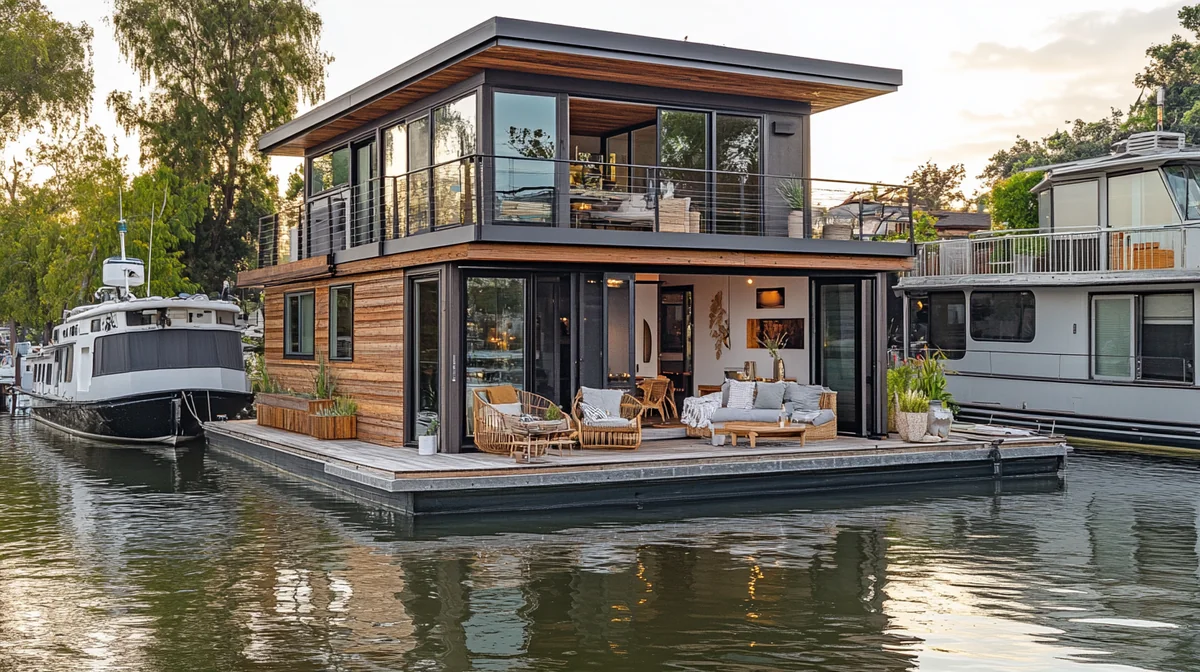
A dockside stay is a different product. The yacht stays tied up at a marina or a private dock, guests sleep aboard, and the boat does not move with them. Operators in Miami sell these as overnight stays priced below a cruising itinerary because there is no fuel and no navigation. What governs them is the marina's policy on overnight guests and liveaboards, the short-term rental rules of the city where the dock sits, and the owner's insurance. Miami Beach, for example, restricts most short-term rentals, while Fort Lauderdale registers them. Check both before listing a single night.
Once the rules are settled, the marketing splits. Charter guests book through brokers, advisors and the charter platforms, and they judge the yacht on its crew, its toys and its itineraries. Dockside guests book the way villa guests do, from a listing and a website, and they judge the yacht on the cabins, the deck, the marina and the city around it.
Where marketing money goes furthest for a yacht
For charter, the film and the brochure. A charter yacht is sold by brokers from a brochure and a walkthrough film, and the ones that book are the ones brokers can present with confidence: every cabin, every deck, the crew, the tender and the toys, the galley, and the yacht under way and at anchor. The brochure follows the format brokers expect; the film is cut for the broker portals, the charter shows and the site.
For dockside stays, the listing and the direct-booking site. A yacht at the dock is a waterfront villa with a crew, and the listing has to sell it that way: the master cabin, the saloon, the sun deck, the marina, what the crew provides overnight, and what is not allowed. A direct site with nightly rates and instant enquiry keeps the platform fee, and a Google Business Profile at the marina address puts the yacht on the map where guests search for waterfront stays.
Distribution to brokers and advisors. Charter brokers at the established houses, the luxury travel advisors who book yachts for clients, and the charter shows are where the peak weeks are sold. A yacht that is known to the right brokers, with a brochure they can forward and a crew they trust, is booked before the public sees it.
Who books yachts and yacht stays
Families and friends on a charter week. The core of the charter market: a family or two, a week in the Mediterranean in summer or the Caribbean in winter, booked six to twelve months out through a broker or an advisor. They compare the crew, the cabins and the itinerary, and they rebook the yacht that got it right.
Corporate and event charters. Companies hosting clients during the Monaco Grand Prix, the Cannes Film Festival, Art Basel Miami or the boat shows, booked by agencies and assistants with a fixed budget and a guest list that has to fit the passenger limit.
Dockside guests. Couples and small groups who want to sleep on a yacht in the marina for a night or a weekend: an anniversary, a birthday, a city stay with a view. They book like villa guests, on a listing or a direct site, weeks rather than months ahead, and they leave the reviews that fill the calendar.
Productions and brand events. Photo and film shoots, launches and private dinners aboard at the dock, booked through location agencies and event planners, paid by the day.
Yacht seasonality
The Mediterranean season runs from May to September, with the Monaco Grand Prix in late May, the Cannes festival and the summer school holidays the most contested weeks. The Caribbean runs December to April, with Christmas and New Year commanding the highest rates of the year, and the Bahamas, the British Virgin Islands and St Barts at the center of demand. Many yachts cross between the two, and the marketing calendar follows the boat.
Dockside stays run on the city's calendar instead. In Miami that means the winter season, Art Basel in December, the boat show in February and the Grand Prix in May. A yacht based in a city with year-round demand can sell nights in the months between charters, which is the whole point of the dockside product.
The shoulder months belong to corporate charters, productions and repositioning trips. Each is a separate page on the site and a separate conversation with the brokers and agencies who book them.
Yacht charter and dockside economics
A crewed charter week is priced on the base fee plus the advance provisioning allowance, typically 30 to 40 percent of the fee, which covers fuel, berthing, food, drink and the guests' requests, with any unspent balance returned. Published Mediterranean rates for the 30 to 55 metre segment sit between $100,000 and $500,000 a week; Caribbean weeks are priced in a similar band, with the holiday weeks carrying a premium. Brokers take a commission from the owner's side, which is the cost of their distribution.
The costs are the boat: crew salaries, insurance, berthing, maintenance and the annual yard period. They run whether the yacht is chartered or not, which is why a few extra charter weeks or a run of dockside nights change the year. Dockside stays earn less per night than a charter day but cost almost nothing in fuel, and they use nights the yacht would otherwise spend empty at the berth.
Cavmir doesn't set your rates or manage the yacht. The work is to present the boat so that brokers can sell it and guests can book it, and to keep the marketing inside the rules the boat operates under.
Top markets for yachts and yacht stays
Charter demand concentrates where the cruising is and where the buyers already go. Dockside stays follow the cities with marinas in the center of things.
- The French Riviera and Monaco
- The Balearics: Ibiza and Mallorca
- Sardinia, the Amalfi Coast and the Aeolian Islands
- The Greek islands
- The British Virgin Islands and St Barts
- The Bahamas and the Exumas
- Miami and Fort Lauderdale (charter and dockside)
- Dubai Marina (dockside and day charter)
How Cavmir works with yachts
Cavmir markets the yacht. We brand the boat and its crew, direct the film and the photography, produce the charter brochure in the format brokers expect, build the direct-booking site for dockside stays and enquiries, and write the listings for the charter platforms and the villa-style platforms where dockside nights are sold. Then we run the distribution: brokers, advisors, the charter shows, and the press and creators who cover yachting.
Before any of it, we work with your captain, your management company and your marina to confirm what the yacht can offer where it lies: passenger limits, the marina's overnight policy, the city's short-term rental rules. The marketing describes only what is permitted.
What it takes to earn 5-star reviews aboard
Charter reviews go to the broker; dockside reviews go on the platform. Both turn on the same things:
- The crew. Warm, discreet, professional, and able to read a group. On a charter the crew is the stay; at the dock the overnight host or steward is the difference between a hotel room and a yacht.
- Cabins that match the photos. Bed sizes, en-suites and headroom stated honestly. Guests measure a cabin against a hotel room, and the listing should help them.
- Clear rules stated up front. Shoes, smoking, guests aboard, noise at the marina, and what the boat will and will not do. Surprises write reviews.
- Working systems. Air conditioning, hot water, internet and shore power at the dock. A generator fault at midnight is the review that lasts.
- Food and drink at the level of the boat. A chef on charter; at the dock, a stocked galley or breakfast delivered from the marina.
The shot list for a yacht
A yacht is bought from the brochure and the film, and brokers need the set to be complete.
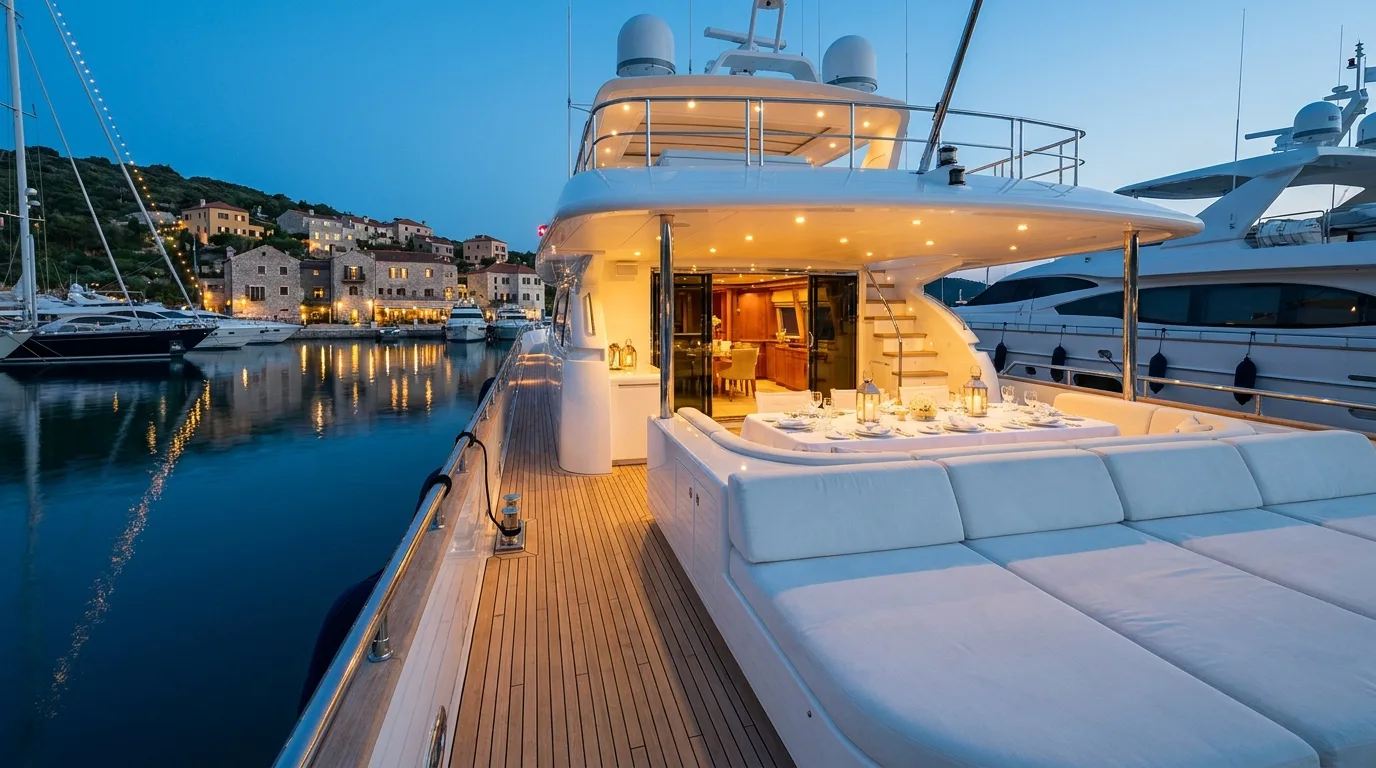
- The profile shots: the yacht under way, at anchor and stern-to at the dock, at golden hour and lit at night.
- The aerial over the yacht at anchor in clear water.
- Every cabin and every head, labelled by deck and name.
- The main saloon and the dining, set for dinner.
- The sun deck, the jacuzzi, the beach club and the aft deck laid for lunch.
- The galley and the crew at work.
- The tender and the toys in the water, in use.
- The marina and the city for dockside listings: the berth, the walk to the restaurants, the view from the deck at night.
Film a charter day and a dockside evening as separate cuts. The photography direction service plans the shoot with the captain around the yacht's calendar and the light.
Writing the listing for a yacht
For charter, follow the format brokers expect: the yacht's name and builder, length, year and refit, cabins and guest capacity within the legal limit, crew size, the tender and the toys, cruising grounds by season, the weekly rate and the provisioning allowance. Then the crew profiles and sample itineraries, which are what a broker forwards to a client.
For dockside stays, write it like a villa: the yacht's name, the marina and the city, the number of cabins and guests, the decks, what the stay includes, what the crew provides overnight, the rules, and the walk to the neighborhood. Say plainly that the yacht stays at the dock. Tag every amenity the platform allows and describe the rest.
Our listing optimization service writes both versions and keeps them inside the passenger and marina rules the yacht operates under.
Where a direct-booking site earns its keep for a yacht
Charter enquiries still come through brokers, and the site's job is to make the broker's work easy: the brochure, the film, the crew, the itineraries, the rate card and a person to email. Dockside stays are different. Guests book nights the way they book a villa, and a direct site with rates, availability and an enquiry form keeps the platform fee on every stay and builds the list of past guests who come back for the next event weekend.
The pages that matter: the yacht; the decks and the cabins with a layout; the crew; charter itineraries by season; dockside stays with the marina and the city; food and drink; the toys; rates and what they include; and the rules. A Google Business Profile at the marina address puts the yacht on the map for waterfront-stay searches, and search work around the city, the marina and the words yacht stay reaches the guest before the aggregators do.
Beyond the direct site, a yacht belongs with the charter brokers and on the charter platforms, on the boat-stay categories of the major booking platforms for dockside nights, and in front of the advisors and planners who book event weeks. Press and creator stays work when the yacht has a story to tell, and we run them through the influencer marketing service with the captain's rules in hand.
Frequently Asked Questions
What owners, estate managers, advisors and family offices ask us about yachts and superyacht stays.
Can a parked yacht be rented like an Airbnb?
In many places, yes, as a dockside stay: guests sleep aboard, the yacht stays tied up and does not move with them. What decides it is the marina's policy on overnight guests and liveaboards, the short-term rental rules of the city where the dock sits, and your insurance. Check all three before listing a single night; Miami Beach restricts most short-term rentals while Fort Lauderdale registers them.
How many guests can a charter yacht carry in the United States?
An uninspected passenger vessel under 100 gross tons may carry six passengers for hire, and twelve above 100 tons. A bareboat charter is limited to twelve people. More than twelve requires a Coast Guard inspected vessel. Illegal charters carry civil penalties of up to $42,750 a day, so the listing must state only what the yacht can legally offer.
What does a crewed superyacht charter cost?
Published weekly rates for 30 to 55 metre motor yachts in the Mediterranean cluster between $100,000 and $500,000, with an advance provisioning allowance of 30 to 40 percent on top for fuel, berthing, food and drink. Caribbean weeks sit in a similar band, and the holiday weeks carry a premium.
Who sells charter weeks?
Charter brokers, luxury travel advisors and the charter shows. A yacht that the right brokers know, with a brochure and a film they can forward and a crew they trust, is booked before the public sees it.
What is the difference between a bareboat and a crewed charter?
In a bareboat charter the charterer takes the yacht and is responsible for operating it, hiring any crew separately. In a crewed charter the owner supplies the captain and crew. The two are regulated differently, and the marketing has to say which one the yacht offers.
Do dockside stays make sense for a large yacht?
They use nights the yacht would otherwise spend empty at the berth, cost almost nothing in fuel, and suit cities with year-round demand and central marinas. They earn less per night than a charter day, and they depend on the marina and the city allowing them.
Which platforms list yacht stays?
The major booking platforms have boat-stay categories for dockside nights, the charter platforms and broker portals handle charter weeks, and the peer-to-peer boat rental marketplaces cover day charters. Each wants a different version of the listing.
What should a dockside listing say about the rules?
Everything: that the yacht stays at the dock, the number of guests, shoes and smoking, noise at the marina, whether visitors are allowed aboard, what the crew provides overnight, and the check-in arrangement. Surprises write the reviews.
How far ahead do charters book?
Six to twelve months for peak Mediterranean and Caribbean weeks, and a year or more for Christmas, New Year and the Monaco Grand Prix. Dockside stays book weeks ahead, like a villa.
What photographs does a yacht need?
Profile shots under way, at anchor and at the dock, the aerial, every cabin and head labelled by deck, the saloon and dining set for dinner, the sun deck and beach club, the galley and crew at work, the tender and toys in use, and the marina and city for dockside listings.
Does Cavmir manage the yacht or the charters?
No. Cavmir is a marketing agency. We brand the yacht, direct the film and photography, produce the brochure, build the direct-booking site and write the listings, and run the distribution to brokers, advisors and press. Your captain, your management company and your calendar stay yours.
How does Cavmir keep the marketing legal?
Before anything is published we confirm with your captain, your management company and your marina what the yacht may offer where it lies: passenger limits, the marina's overnight policy and the city's short-term rental rules. The listing and the site describe only what is permitted.