Persephone Bakery, then coffee on the town square
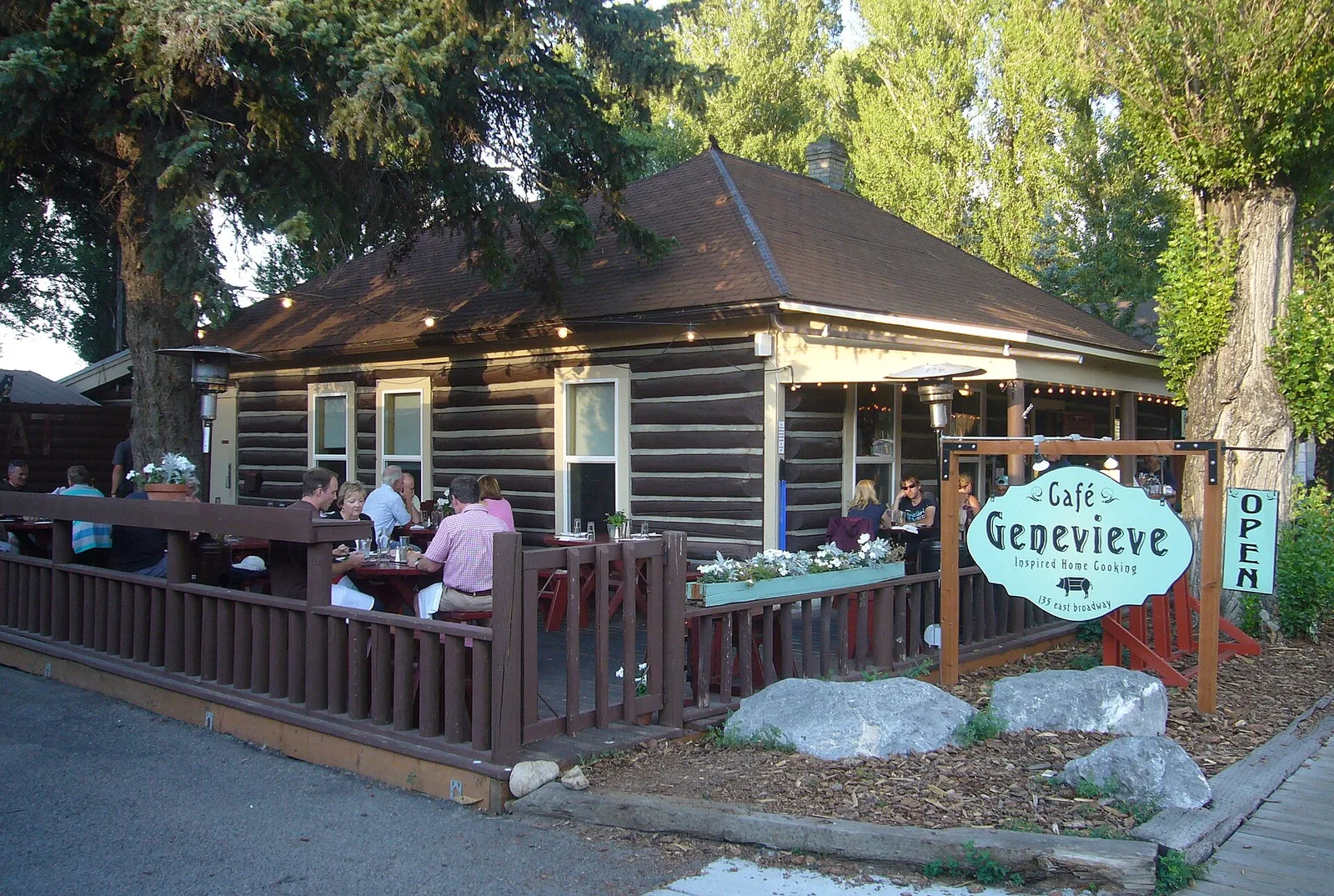
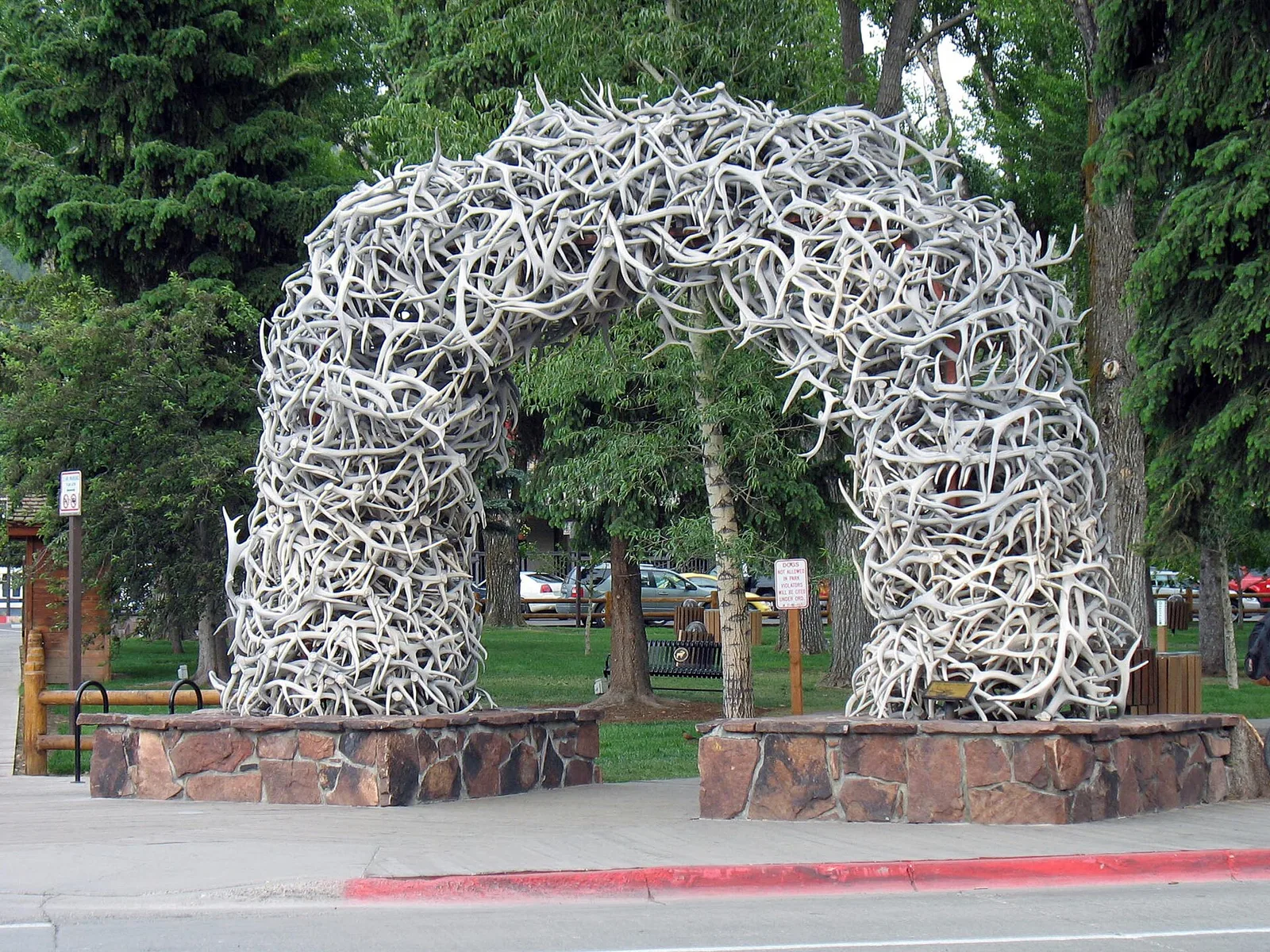
Persephone is the Jackson bakery every local visits. Breakfast under the elk antler arches is the unofficial Jackson ritual.
Expert short-term rental marketing to grow your bookings and nightly rate in Jackson Hole, Wyoming, USA.
* Market averages. Cavmir-managed properties typically exceed these figures by 25–45%. Data sourced from AirDNA, STR market reports, and Cavmir internal analytics.
Jackson Hole sits at the base of the Teton Range — one of the most dramatic mountain landscapes in North America. Grand Teton National Park and Yellowstone are both within reach, making Jackson a magnet for adventure travelers, wildlife enthusiasts, and luxury seekers alike. The town square, with its famous elk antler arches, anchors a vibrant scene of fine dining, galleries, and boutique shopping.
Jackson Hole commands some of the highest STR rates in the Mountain West, driven by limited developable land, two national parks, and a consistently high-income visitor demographic. Summer and winter are both peak seasons; fall and spring are where strong marketing makes the biggest revenue difference.
Nearby Markets: Aspen | Salt Lake City

We position your Jackson Hole property to capture the premium traveler who books months in advance and pays for the experience, not just the bed. Cavmir's drone photography of the Tetons, combined with our algorithm engineering for platform priority, gives your listing an unfair advantage over the competition.
Jackson Hole's modern identity traces to the 1920s, when dude ranches in the Tetons introduced East Coast city-dwellers to guided horseback tourism in what was still nearly frontier country. John D. Rockefeller Jr.'s secret land acquisitions through the Snake River Land Company, donated in 1949 to create Grand Teton National Park, preserved the valley from the overdevelopment that consumed so many other scenic areas. That deliberate scarcity — two-thirds of Teton County is permanently protected federal and state land — is the single most important fact about Jackson Hole STR economics.
The contemporary Jackson STR market emerged alongside Jackson Hole Mountain Resort's rise from regional ski hill to internationally ranked destination in the 1990s–2000s. Purpose-built lodging at Teton Village dominates the ski-in/ski-out segment; residential STRs in Jackson town and surrounding areas (West Bank, Wilson, South Park) serve a different guest — often family-based, often summer-anchored. The market operates with unusually high owner sophistication; many Jackson property owners are second-home holders with other STRs elsewhere.
Jackson pricing is driven by the scarcity math: limited developable land plus two national parks plus a consistently high-income visitor demographic. Ski-in/ski-out Teton Village properties command the premium; single-family homes with Teton views follow; in-town condos trade at the market baseline. Christmas through mid-March is the ski-season super-peak; July through August is the summer super-peak driven by Grand Teton and Yellowstone access. Uniquely, Jackson's summer rates often exceed winter rates at mid-tier properties — a pattern that surprises owners familiar with other Mountain West markets.
The highest-value pricing move is minimum-stay calibration. Five-to-seven-night minimums in peak season filter for the trip planner rather than the weekend opportunist, and almost always lift both revenue and guest quality.
Jackson has two almost-equally strong peaks (winter and summer) separated by genuine shoulder seasons. The biggest missed revenue window is early-to-mid September — fall foliage, elk rut, quieter national parks, and rates that most owners drop prematurely. Savvy marketing to the photography-enthusiast and wildlife-viewing segments captures near-peak rates through late September.
Teton County and the Town of Jackson both regulate STRs. Jackson allows 'Transient Lodging' in specific zones (primarily Lodging Overlay and commercial districts); residential-zone STRs face tighter restrictions including owner-occupancy requirements in some cases. Teton County outside town limits permits STRs more broadly but requires registration, a Business License, and compliance with safety standards. Wyoming state law is STR-permissive at the state level, so most regulation is local. 2025–2026 updates continued tightening on platform compliance — listings must display permit numbers, and platforms share data with the county upon request.
The practical rule for new Jackson STR investors: buy in a zone that clearly permits transient lodging, or purchase an existing property with a grandfathered permit. Converting a residential-zone property to STR use in Jackson in 2026 is substantially harder than it was in 2019.
Jackson's signature tip: sell the wildlife. Guests book Jackson expecting moose, bison, bears, and elk — and listings that tell guests exactly where and when to reliably see them (and safely, at a distance) convert better than listings with better interior photography but no wildlife guidance. A simple 'guest guide' PDF included with booking is a major repeat-booking driver.
Second — plan for the shoulder-week corporate-retreat segment. Jackson's convention-free, small-scale lodging ecosystem is uniquely attractive to tech and finance firms running executive retreats. A large property positioned for a 10–20-person retreat (breakout space, reliable wi-fi, catering relationships) can clear premium revenue in September and early November. Third — be careful with wildfire-season marketing. August–September air quality can be affected by regional fires; properties with HEPA filtration or mentioned AC systems perform better in reviews.
Three challenges define Jackson STR ownership. First, cost structure — like Aspen, vendor and labor costs run at destination-resort levels. Second, bear-country operations — guests can and do leave trash accessible, attracting bears and generating Wyoming Game and Fish complaints that can affect permit standing. Clear guest protocols matter. Third, weather variability — road closures, early-season snow, late-season wildfire smoke — make flexible cancellation policies important, which in turn requires careful revenue-management discipline.
Wyoming insurance for mountain STRs remains relatively affordable compared to California or Florida. Wildfire exposure is rising and affects premium. STR-specific policies through Proper, CBIZ, or a local independent agent are typical. Budget $2,500–$8,000 annually depending on property size and proximity to wildfire-prone zones. Flood coverage advisable near the Snake River.
Wyoming has no state income tax — a significant advantage for owners able to establish Wyoming residency or flow income through Wyoming entities. Property tax is relatively low (~0.6% effective). Lodging tax combines Wyoming state sales (4%) plus county lodging tax (3% Teton County). Total typically 7–8% collected from guests.
Jackson prices frequently require jumbo financing. Local lenders (Bank of Jackson Hole, First Western Trust) specialize in the market. DSCR loans available through national investor-focused lenders, with rate premiums. 20–30% down minimum; luxury properties often 35–40%.
Jackson's future is a supply-scarcity story. The county's deliberate growth management — roughly 97% of land permanently protected from development — means STR supply is capped in practical terms. Expect permit scarcity to intensify, rates to grow faster than national averages, and continued tightening around residential-zone STRs. The 2034 SLC Winter Olympics will bring regional attention to Mountain West skiing, which benefits Jackson. Wildfire and climate-smoke exposure remains the biggest non-regulatory risk factor.
Jackson Hole is a market where geography does most of the marketing work for you — if you let it. The Tetons rise 7,000 feet from the valley floor; nobody else in America has that backdrop. But the marketing mistake here is cheap overuse of the iconic Snake River Overlook frame. Every generic listing uses it, which means it reads like stock photography to the guest. The Jackson audience — patient, wealthy, outdoors-literate — sees through that instantly and books the property that tells a more specific story.
We love marketing in Jackson because the guest is unusually discerning. They read the listing, they research the neighborhood, they want to know the trail behind the cabin and the ranch history of the road. They're buying an experience of the American West, and they'll pay substantially more for a property that earns its place in that story — with honest photography, local-operator storytelling, and specific details about wildlife corridors, sunrise light on the Tetons, the elk calendar, the Yellowstone gateway logistics. Jackson is a market where brand depth returns real dollars.
The picks Cavmir recommends for Jackson welcome books — specifics that separate a real Jackson host from someone who's read the Airbnb playbook.
Persephone is the Jackson bakery every local visits. Breakfast under the elk antler arches is the unofficial Jackson ritual.
Reflection of the Tetons in the beaver-pond. The light window is fifteen minutes. A host who mentions the timing wins the review.
Two-mile walk along the river path. Ends at one of the best wildlife-art collections in the country — most guests don't know it exists.
Snake River Grill is the reliable upscale choice; Figs is the quieter, more photographable option for guests who've already done the classics.
Huckleberry is a Wyoming obsession. A host who stocks huckleberry jam in the welcome basket has won the guest's heart before check-in.
Cool nights, no crowds, the bugling elk. A window most hosts underprice and most travellers don't know to book.
Most guests don't realise Yellowstone's South Entrance is 57 miles from Jackson. A pre-mapped itinerary doubles the guest's trip length.
Jackson is grizzly country. A host who provides bear spray and a one-page wildlife-behavior briefing saves the guest an expensive retail stop.
Representative Cavmir engagements in Jackson Hole. Property identifiers removed; figures composited from internal analytics and AirDNA benchmarks.
Stunning property with terrible marketing. Photography was on-camera-flash real-estate style; listing read as a room-by-room inventory rather than a narrative. ADR tracking 28% below comparable homes.
Complete editorial rebuild. Architectural photography in two seasons, a cinematic short film that followed a day in the property — morning coffee on the porch with the Tetons visible, afternoon hike from the back gate, dinner around the firepit. Listing copy was rewritten around the specific westside-of-the-valley identity — quieter, closer to Teton Village skiing, the light-direction advantage. Direct-booking site with a custom pricing calendar keyed to national-park visitation data.
ADR moved from $780 to $1,240. Occupancy climbed from 61% to 79%. Peak summer weeks now book 6 months ahead at a level the property had never previously cleared.
One of dozens of near-identical ski condos at the base of the tram. Competing purely on price and losing.
Differentiated through brand and audience precision. Re-photographed in winter light with explicit ski-boot-room and drying-rack utility shots — the details a serious skier evaluates. Rewrote copy for the expert-skier audience rather than the family vacationer. Distribution partnership with a ski-gear retailer's customer list segmented by Jackson-area purchase history.
Occupancy moved from 54% to 73%. ADR climbed 32%. Guest profile shifted to a demonstrably more experienced skier audience, longer average stays, and a review-score lift that improved platform ranking.
Remote property positioned wrongly — owner was marketing it as a quiet alternative to Jackson town, but that framing didn't drive bookings. Occupancy stuck at 49%.
Reframed as a Grand Teton National Park gateway property rather than a Jackson-town alternative. Photography emphasised wildlife viewing from the deck, the moose herd that wintered on the neighboring property, the proximity to Mormon Row. Built content around the "wake-up in the park" experience for the wildlife-photography and soft-adventure audience.
Occupancy climbed to 71%. ADR up 24%. Autumn elk-rut bookings (previously a soft week) now clear at a 2.1× multiplier. Guests increasingly book 7+ night stays, smoothing revenue.
Talk to Cavmir today. We'll show you exactly what your Jackson Hole property is leaving on the table — and how fast we can change that.
Book a Free Strategy Call