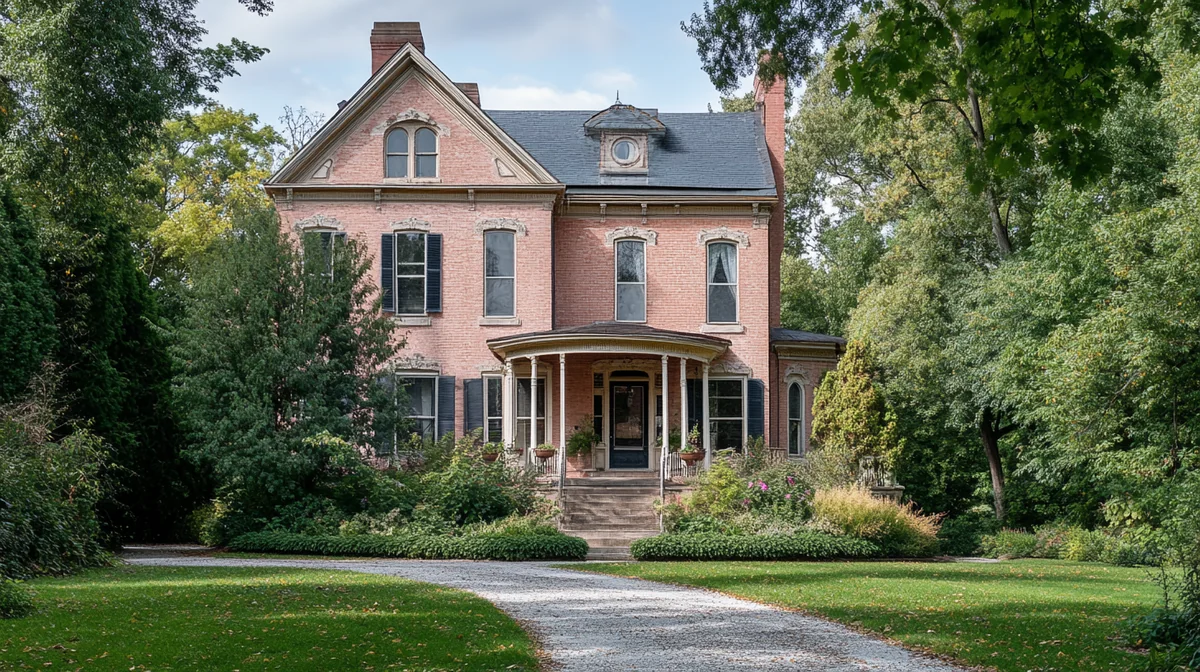
Historic properties — restored Victorian homes, converted castles, 18th-century farmhouses, heritage-registered townhouses — carry an advantage no new-build can replicate: the story. Guests who book heritage properties are specifically choosing the period experience over generic modern comfort. The marketing has to deliver on that story authentically while reassuring guests that modern essentials (WiFi, heating, working bathrooms) are handled.
Cavmir works with heritage properties across the UK, Italy, Portugal, colonial Americas, and the Middle East. The playbook centers on story-rich content, period-appropriate design, and the specific guest segment that values authenticity over uniformity. Done well, historic properties earn 30-50% premiums over equivalent-sized modern rentals.
How Historic Property Marketing Is Different
Heritage property marketing leads with story. When, who built it, what happened there, what's been preserved, what's been updated — every historic property has a narrative, and the marketing has to tell it clearly. Generic hospitality marketing ('charming 3-bedroom getaway') wastes the category's advantage. Specific story-based marketing ('1887 Victorian carriage house built for a steel baron, restored with original heart-pine floors and converted for modern comfort') commands premium rates.
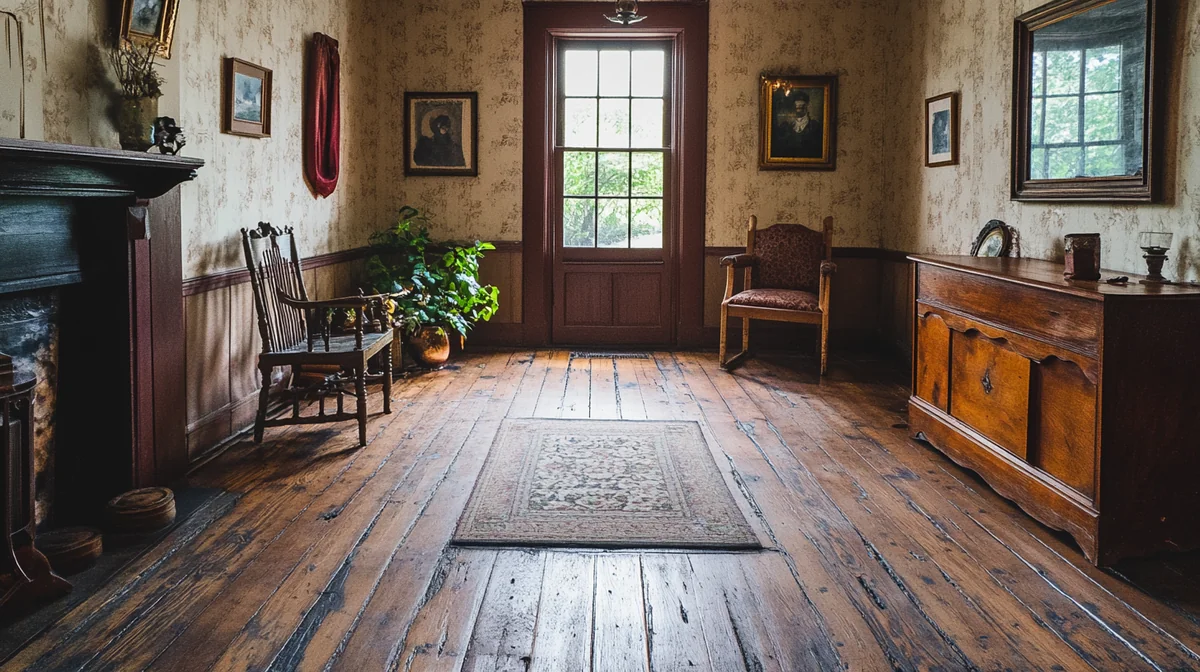
Photography for heritage properties also differs. Rather than the bright, even-light modern-real-estate style, heritage properties benefit from moody, atmospheric photography that conveys period character — soft morning light, warm lamp glow, texture and patina. Photographers who specialize in architectural or editorial shooting produce better heritage property photos than standard real estate photographers.
The marketing also has to address specific guest concerns proactively. Are there stairs? Is the heating efficient? Is there air conditioning? How does WiFi work in old stone walls? These are real questions guests ask — answering them in the listing (rather than in post-booking Q&A) builds trust and converts inquiries.
Best Marketing ROI for Heritage Properties in 2026
The single highest-ROI marketing investment for a heritage property in 2026 is an editorial photo shoot with a lifestyle photographer. Budget $2,500–$5,000 for a photographer who shoots for architectural digest, interior magazines, or high-end Airbnb editorial. The photos become the brand asset, usable across website, social, press, and listings for years. Generic real-estate photography is the #1 reason heritage properties under-market themselves.
After photography, press and editorial coverage delivers outsized returns. Heritage properties photograph beautifully and have genuine story angles — perfect for 'escape to a castle' travel features, historical-interest pieces, and design-focused publications. A single editorial feature in Country Life, Veranda, Cereal, or regional heritage publications drives bookings for 12-24 months. Specialty hospitality PR firms ($3,000-$8,000/month retainers) can make this happen systematically.
Pinterest is underused for heritage properties — and it's one of the highest-converting platforms for this category. Pinterest users specifically search for 'historic home interior,' 'castle rental,' 'heritage Airbnb' and save content to trip-planning boards 6-18 months before booking. A strong Pinterest presence drives sustained traffic at near-zero ongoing cost.
Who Books Heritage Properties
Heritage property guests skew older, more educated, and more culturally-oriented than general STR guests.
Cultural travelers and heritage tourists (45-70 age range) are the dominant segment. They travel specifically for history, architecture, and cultural experience. They book 6-16 weeks out, stay 4-7 nights, and care deeply about authenticity. They're willing to pay premium rates for genuinely historic properties and will write detailed reviews that explicitly reference the property's history.
Milestone-trip couples (35-65) book heritage properties for anniversaries, honeymoons, and significant birthdays. They care about atmosphere, privacy, and the Instagram-worthy setting. They pay the highest rates per-night for the 'unforgettable stay' category and often rebook at other heritage properties in other regions — a repeat customer across properties, not just a specific one.
Creative professionals on retreats (writers, designers, artists, 30-50) book heritage properties specifically for the atmosphere that supports creative work. 1-3 week stays are common. They need reliable WiFi, quiet, workspace, and the aesthetic that feeds their practice. This is a growing segment in 2026 as more creative work becomes remote.
Heritage Property Seasonality
Heritage properties have more balanced seasonality than most categories because their appeal is weather-independent. An 18th-century farmhouse in the Cotswolds is interesting in every season — spring gardens, summer evenings, autumn colors, winter fireside. This allows heritage properties to maintain 55-75% occupancy year-round in strong markets.
Peak months vary by property specifics. UK heritage properties peak May-September plus December (Christmas in a castle premium). Mediterranean heritage properties peak April-October. American colonial heritage properties peak May-October plus November-December (holiday season travel).
Shoulder-season strategies for heritage properties in 2026 work especially well because the weather-independent appeal supports year-round marketing. 'Winter by the fire' in January, 'Spring garden opening' in April, 'Harvest week' in October — each creates bookable moments distinct from peak season. Historical event alignment (royal jubilees, historical anniversaries, period festivals) also drives unique demand spikes.
Heritage Property Economics
Heritage property operating costs are higher than comparable modern properties because of maintenance demands. Old buildings require specialized trades (stone masonry, lime plaster, period glazing, slate roofing), regulatory compliance (listed building consent, heritage restoration rules), and higher insurance (specialty heritage building coverage). Budget 15-20% of gross revenue specifically for building maintenance, higher than most property categories.
Operating margins in 2026 typically land in the 25-40% range for well-managed heritage properties with proper marketing. Lower margins (15-25%) for properties with deferred maintenance or inadequate marketing. Higher margins (35-45%) possible for distinctive properties with strong brand equity and 50%+ direct-booking rates.
Capital expenditure for heritage properties is the critical economic variable. A listed historic building typically needs major periodic investments ($30,000-$200,000+) for roof, stone, or infrastructure work every 10-20 years. These aren't optional, and the best financial approach is treating a percentage of annual revenue as reserved for capital campaigns rather than take-home profit.
Top Global Markets for Historic & Heritage Properties
Heritage property markets concentrate in regions with preserved historic building stock and active preservation cultures. The UK and Italy lead globally for heritage rentals due to the combination of historic buildings, active tourism, and established STR infrastructure.
- Cotswolds and Lake District, UK
- Tuscany and Umbria, Italy
- Lisbon and Porto historic quarters, Portugal
- Charleston, SC and Savannah, GA, USA
- Dubrovnik, Croatia
- Provence, France
- Kyoto machiya district, Japan
How Cavmir Works With Historic & Heritage Properties
Cavmir markets heritage properties by honoring the story. Our 12-step system for heritage properties emphasizes: editorial photography with a period-appropriate aesthetic, detailed story-based copy (year built, history, restoration notes), Pinterest-first visual distribution, editorial PR for story-rich publications, direct-booking site that reads like a design magazine, and a listing strategy that markets to cultural travelers rather than generic tourists.
Heritage property clients typically see 20-40% rate increases and meaningful shifts toward the higher-value cultural traveler segment. Direct bookings often grow from 5-10% baseline to 35-50% over 18 months as the property builds reputation with its specific audience.
What It Takes to Hit 4.9+ Ratings on Historic & Heritage Properties
Heritage property ratings reflect guest expectations about authenticity and comfort. What drives 4.9+ ratings:
- Authentic period character preserved. Original floors, fireplaces, exposed beams, period details visible and honored. Stripping out character in favor of bland renovation undermines the category's entire premise. Guests actively want to see the history.
- Modern essentials that work reliably. WiFi, heating, hot water, and plumbing must function flawlessly despite the building's age. A historic property with unreliable WiFi or slow hot water can't command premium rates. Invest in modern systems concealed behind period character.
- Thoughtful information about the property's history. A printed or framed history of the property, perhaps with photos of previous eras. Guests want to understand what they're staying in. A 1-2 page story of the property increases guest satisfaction meaningfully.
- Period-appropriate furnishing and decor. IKEA furniture in a 1780 farmhouse kills the experience. Period-appropriate furnishings (not museum-quality necessarily, but sympathetic to the building's era) make the stay feel coherent.
- Honest about quirks of the building. Uneven floors, quirky layouts, low doorways — acknowledge these in the listing and welcome materials. Guests who know what to expect find quirks charming; guests surprised by them complain.
Frequently Asked Questions
What owners, operators, and prospective buyers ask us about this property type — answered with 2026 data.
Can I rent a listed or heritage-registered building?
Yes in most jurisdictions, subject to specific restrictions. The UK, Italy, and Portugal actively encourage heritage rental as part of preservation economics. Listed status often restricts exterior changes and some interior modifications. Consult a heritage property attorney before making changes — unauthorized modifications can trigger regulatory penalties and mandatory restoration.
Do heritage properties need modern renovations to compete?
Modern mechanical systems yes; modern aesthetics no. Update plumbing, electrical, heating, WiFi, and kitchen/bathroom function to contemporary standards — but preserve original floors, fireplaces, woodwork, plasterwork, and character elements. Guests specifically want the old-building experience with working modern systems, not a renovation that erases character.
How do I handle insurance for a historic property rental?
Specialty heritage property insurance — standard policies often undervalue or exclude period buildings. Need: replacement-cost coverage calibrated for specialized trades, liability coverage for guest interaction with period features (stairs, old fireplaces), business interruption, and preservation-compliance coverage. Specialty brokers (Hiscox Heritage, specialist Lloyd's syndicates) handle these better than mainstream carriers.
What's the biggest operational challenge for heritage properties?
Maintenance costs and timing. Heritage buildings need specialized trades who charge premium rates, often with long waitlists. Planning for 10-20% of revenue reserved for maintenance, combined with 5-10 year capital repair cycles, handles most challenges. Under-investing in maintenance leads to compounding problems that become far more expensive over time.
How do I market a heritage property's story effectively?
Lead every marketing surface with the year built, original purpose, and key historical detail. Your Airbnb listing title, website homepage, and Instagram bio should reference the property's heritage immediately. A dedicated 'history' page on the direct-booking site with photos and anecdotes drives conversion. Pinterest and Instagram content that features specific period details (original fireplace, stained glass, carved woodwork) outperforms generic room shots.
Should I price a heritage property at a premium?
Yes, typically 20-40% above equivalent-sized modern rentals in the same market. Heritage guests expect and accept the premium as part of the category positioning. Under-pricing heritage properties sends the wrong signal — guests assume the 'heritage' claim is weak. Price confidently at a premium and let the photos, story, and reviews justify it.
How do I handle guest expectations about modern comfort?
Proactive communication. List specific modern systems in the property description (e.g., 'central heating throughout, 300mbps WiFi, modern kitchen with induction hob and dishwasher') so guests know they're getting modern function despite the period setting. Eliminate surprises — surprise cold rooms or slow hot water crater ratings in this category.
What's the best social platform for heritage property marketing?
Instagram and Pinterest. Instagram for ongoing brand building with Reels featuring specific details; Pinterest for long-term traffic (heritage property searches peak 6-12 months before bookings, which matches Pinterest's planning behavior). TikTok rarely works for this category — the audience is older than TikTok's core. Skip it unless the property has an unusually playful angle.
Can heritage properties operate year-round?
Yes in most climates. The weather-independent appeal of heritage atmosphere (fires in winter, gardens in summer, coziness in shoulder) supports year-round operation. Some heating-cost-sensitive properties in cold climates may scale back winter operations — but most operate year-round with strong shoulder-season performance.
What's the biggest marketing mistake heritage property owners make?
Generic real-estate photography. The photos make or break heritage property marketing, and most owners hire the same photographer who shoots for local MLS — producing bright, flat, characterless images. Invest in an editorial photographer with an architectural or interiors portfolio. The extra $1,500-$3,000 returns 5-15x over the life of the photos.