


Morning
Coffee at Not Just Coffee or brunch at Toast Café
Not Just Coffee's various locations are Charlotte's design-forward coffee standard; Toast Café is the easy family brunch that delivers reliably.

Expert short-term rental marketing to grow your bookings and nightly rate in Charlotte, North Carolina, USA.
Sixteen services, one team. Everything below is built in-house and scoped to your property and market. Most owners start with the 12-Step System.
Every engagement is quoted to your portfolio. These are the ready-made scopes owners pick most — our Fall Special (55% off list or more) is already applied to the website, King Broker, Hotels and à la carte scopes. A clear proposal within 48 hours.
The work is public. Selected engagements and what changed — and reviews from the owners and managers behind them.
* Market averages from AirDNA and STR market reports. A single home's numbers depend on its size, its location and how it is marketed.
Cavmir is an Airbnb marketing agency. We build the brand, the direct-booking website and the marketing for short-term rentals in Charlotte.
Charlotte is the largest city in the Carolinas and one of the fastest-growing financial centers in the United States. Home to Bank of America and Wells Fargo's East Coast hub, Charlotte draws consistent business travel alongside a growing leisure tourism base drawn by NASCAR culture (Charlotte Motor Speedway), the Whitewater Center — the largest outdoor whitewater facility in the world — and a restaurant scene anchored by the eclectic neighborhoods of NoDa, Plaza Midwood, and South End.
Charlotte's STR market benefits from a major convention center, eight professional sports teams, and a growing number of corporate relocations. NoDa (North Davidson arts district) and Plaza Midwood lead in character-driven short-term rental demand.
Nearby Markets: Atlanta | Outer Banks
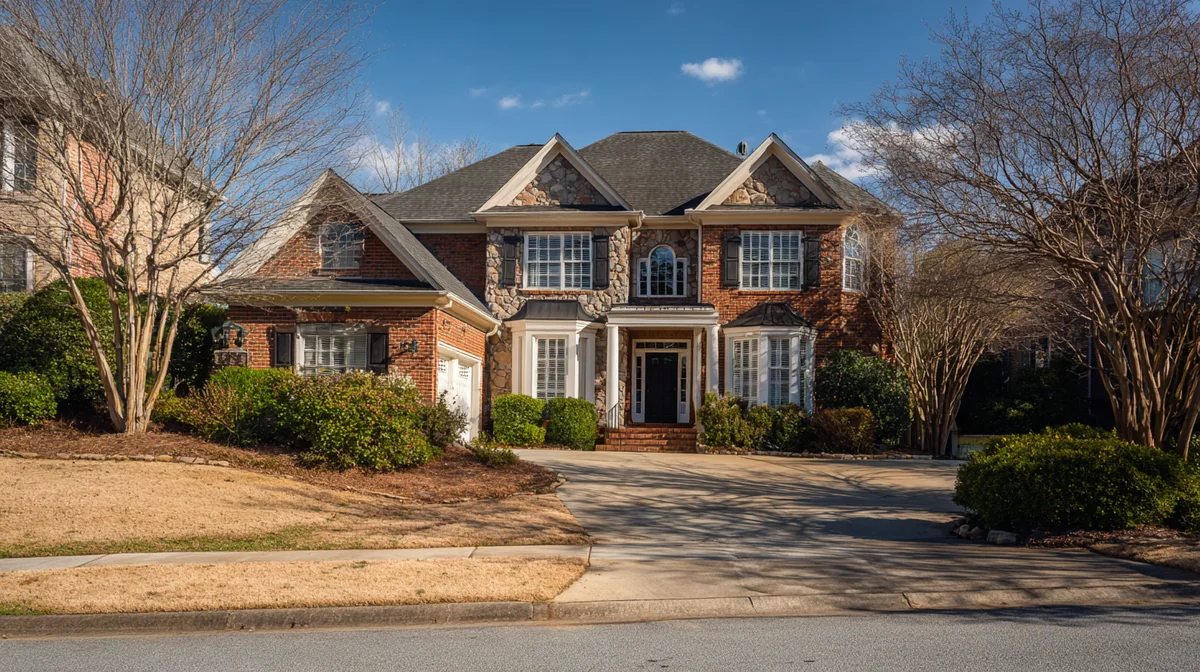
A few of the visual fingerprints we lean into when we shoot, brand and market a Charlotte property — courtesy of the open Wikimedia Commons archive.
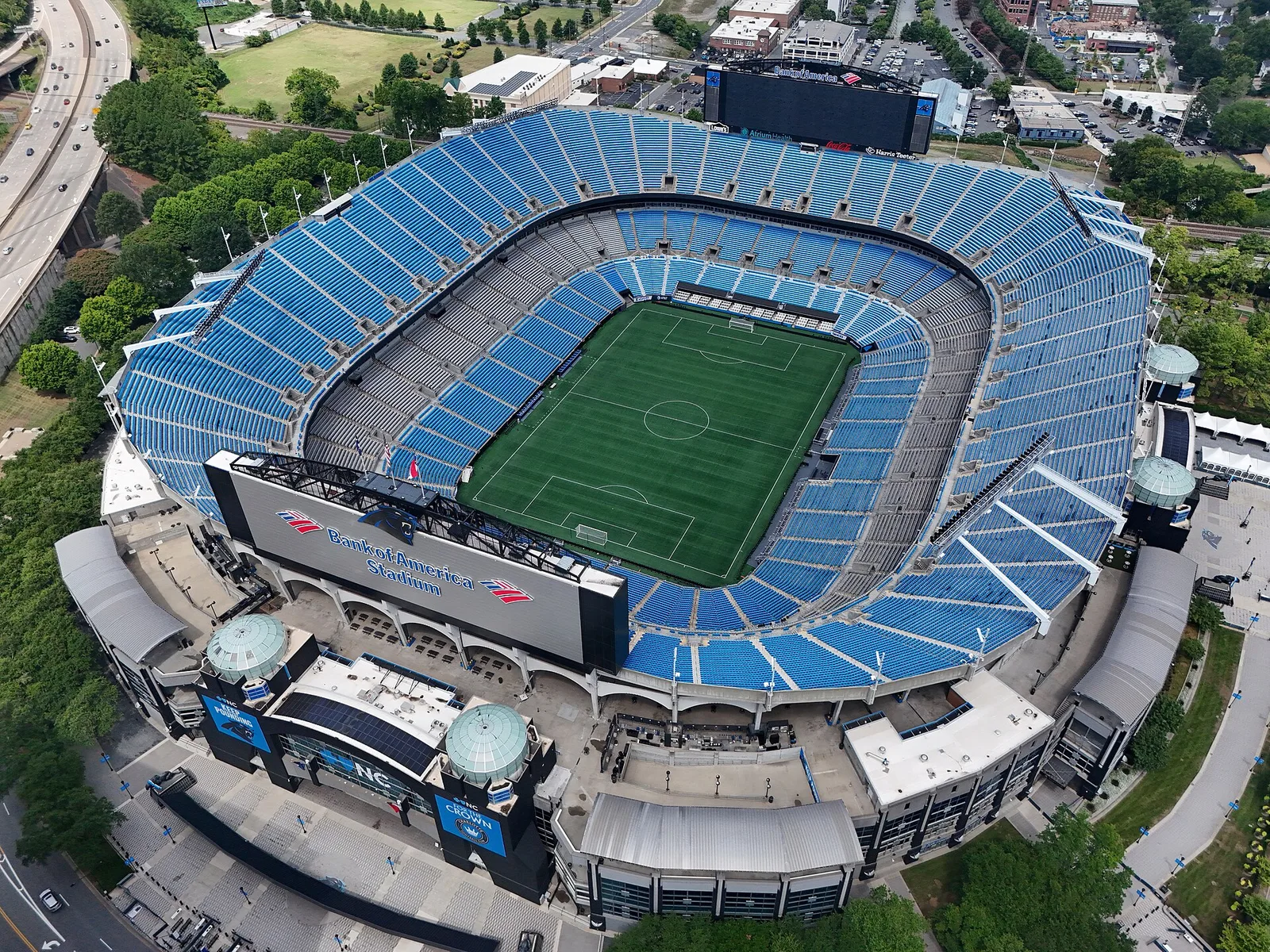
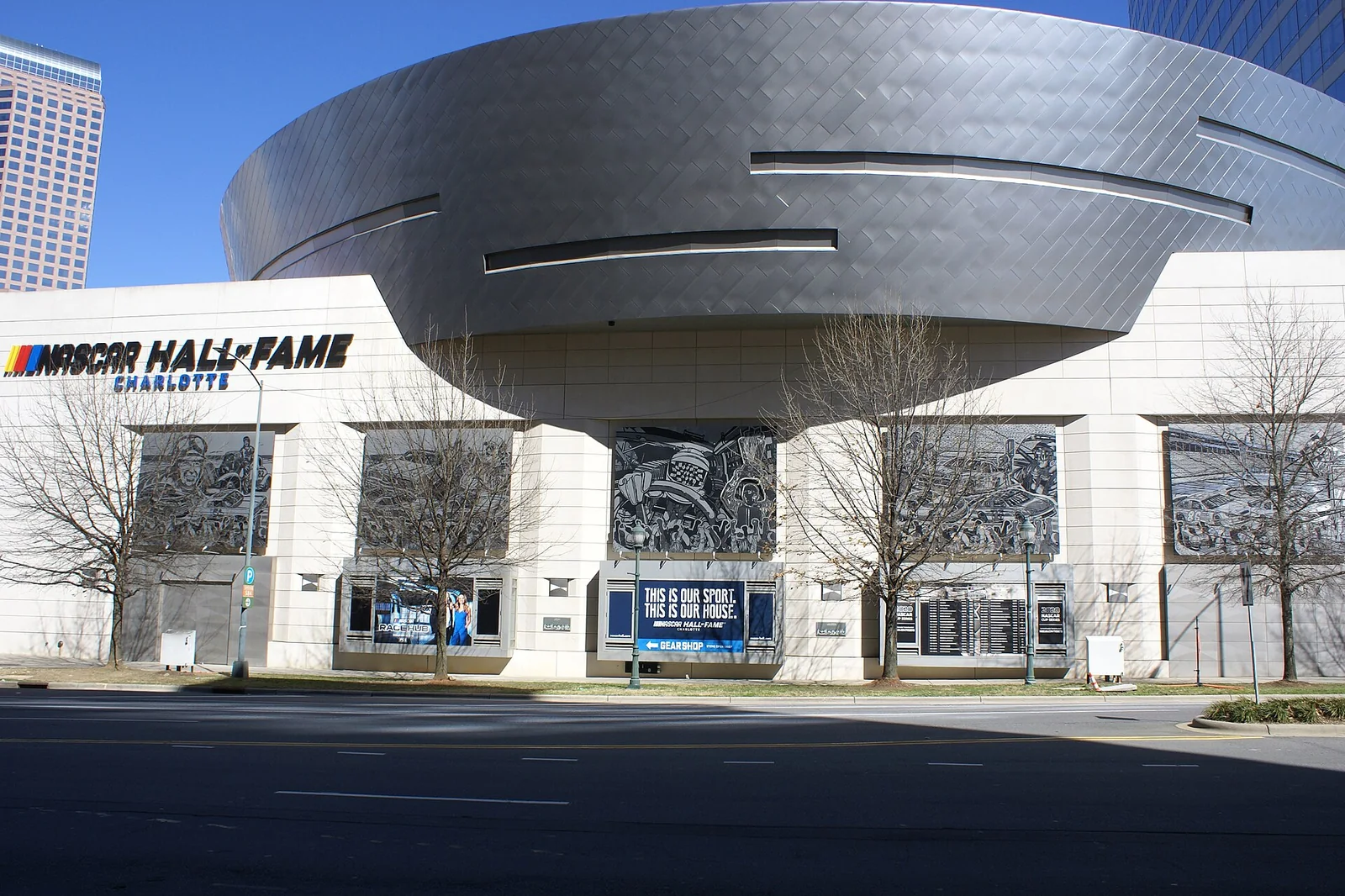
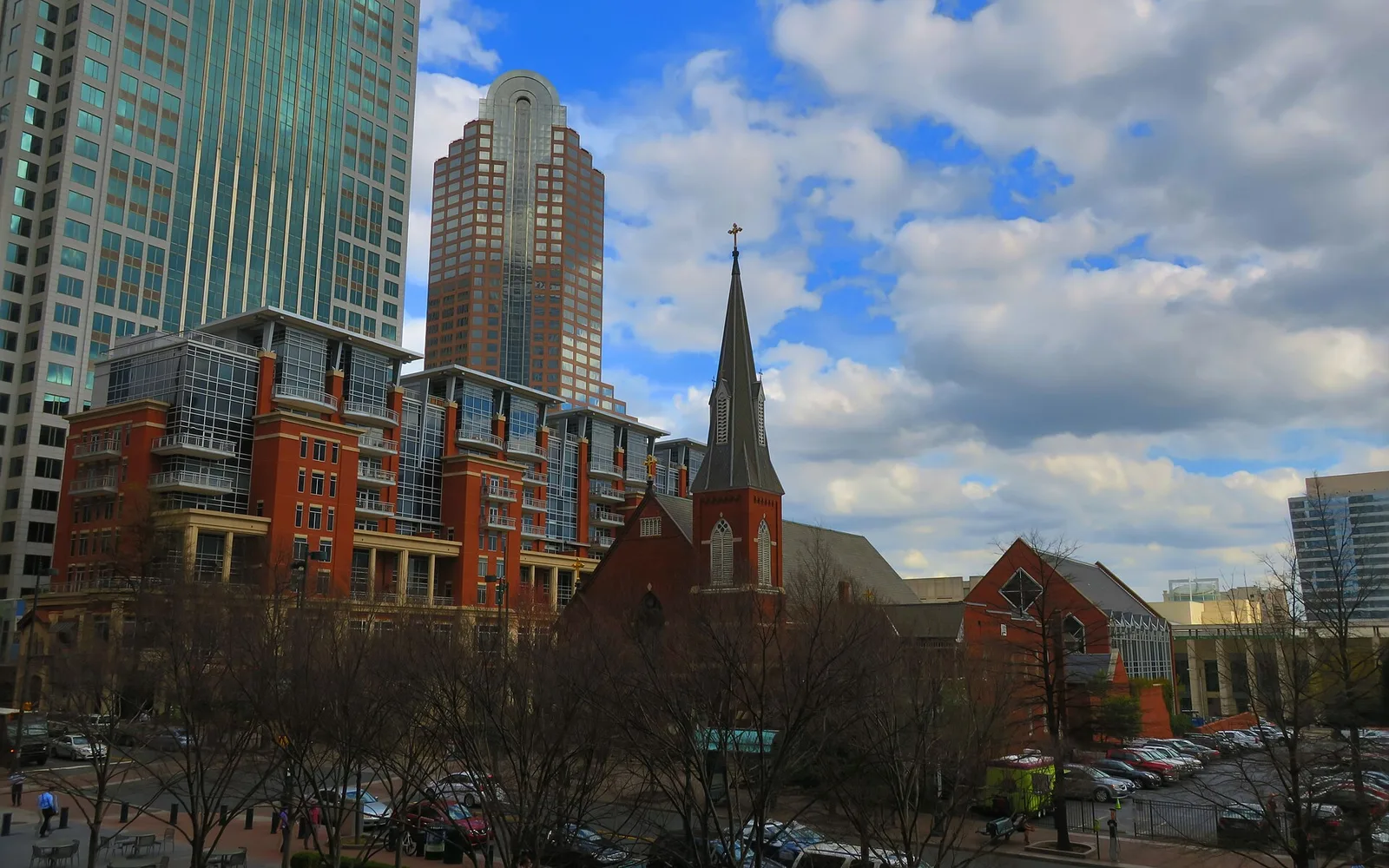
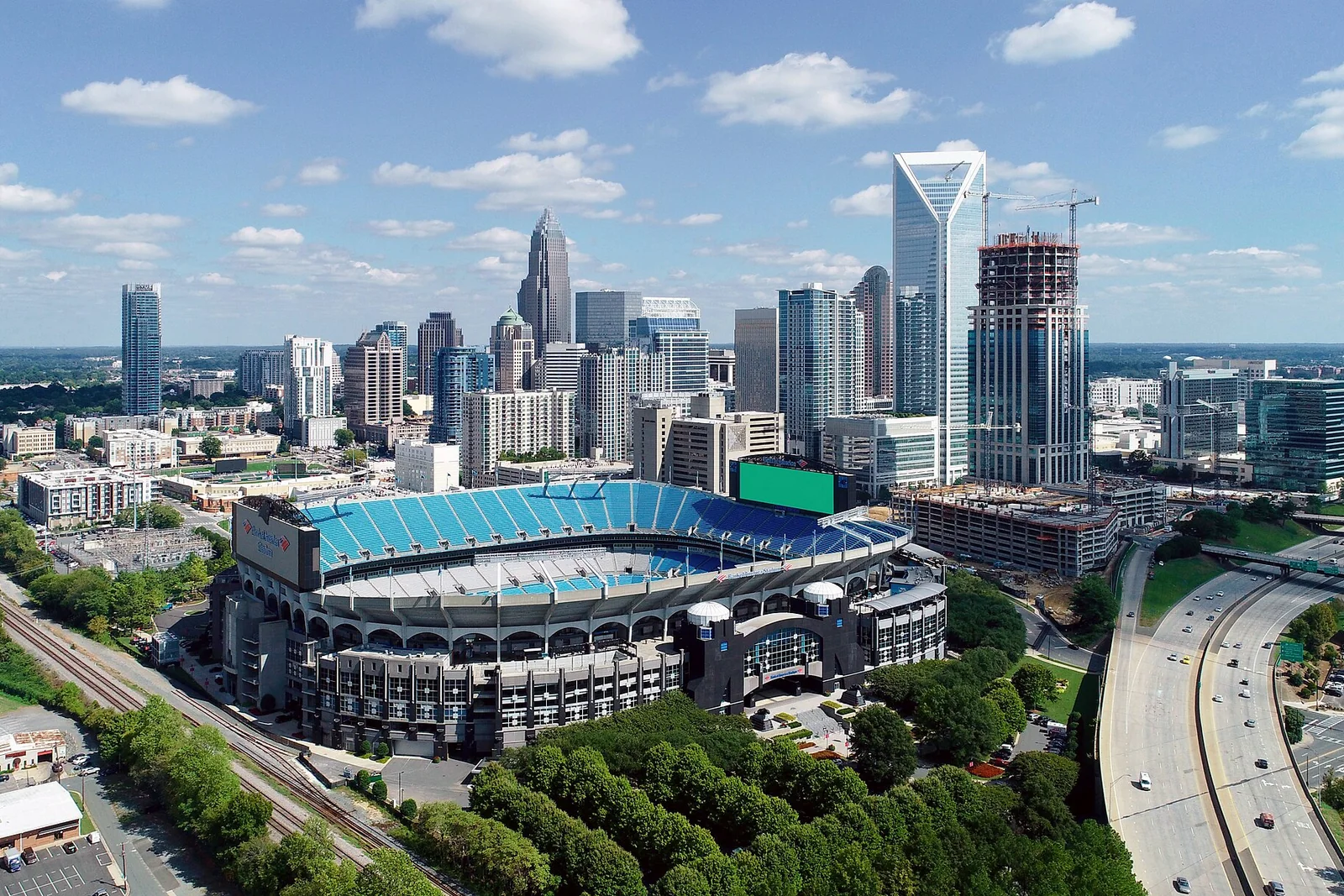
Cavmir positions Charlotte properties to capture both the business traveler needing an extended stay alternative to hotels and the leisure traveler exploring Charlotte's rapidly evolving culture scene.
Charlotte's visitor economy has always run on the traveler with an appointment — gold agents first, then cotton men, then bankers, then forty thousand race fans at a time. Cavmir writes the modern chapter.
Charlotte's transformation from regional banking city to major US financial center happened in the 1980s–1990s, when NCNB (later Bank of America) and First Union/Wachovia (later Wells Fargo) expanded aggressively from Charlotte bases. The city's corporate travel and convention-center infrastructure grew to support this, and by the 2010s Charlotte had become one of the fastest-growing US metros. NASCAR's Charlotte Motor Speedway (Concord) has been a motorsports tourism anchor since the 1960s, and the US National Whitewater Center (opened 2006) brought outdoor-adventure tourism. The STR market grew alongside this expansion, concentrated in NoDa (North Davidson), Plaza Midwood, Dilworth, South End, and Uptown.
Charlotte's STR evolution has been comparatively regulation-light. North Carolina state law protects private-property use, and Charlotte's municipal framework emphasizes registration and tax compliance over caps or zone-based restrictions. This positions Charlotte as one of the more investor-friendly mid-size Southeast markets — though tightening has occurred through 2024–2025.
Before the platforms, the branch mint pulled the money men of the first American gold rush into town, the Selwyn and the Hotel Charlotte gave the New South's salesmen somewhere worthy to sleep, and Bruton Smith's speedway turned race weeks into the region's busiest hotel season. The banks that grew here in the 1980s and 1990s filled the same rooms with a new profession. The channel changed; the work is identical: presentation, positioning, and a well-run stay in a working city. It is the same business Cavmir is in today.
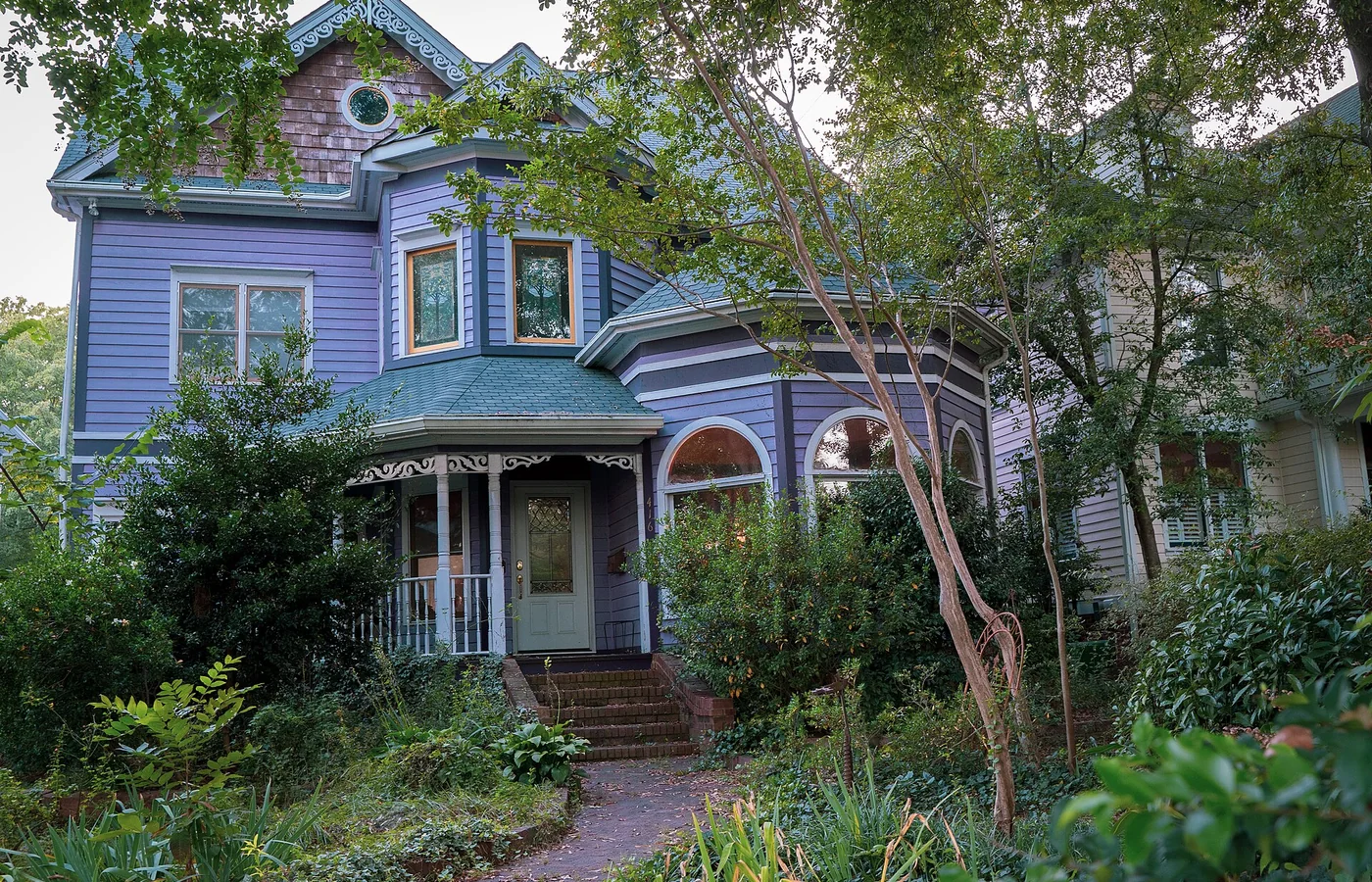
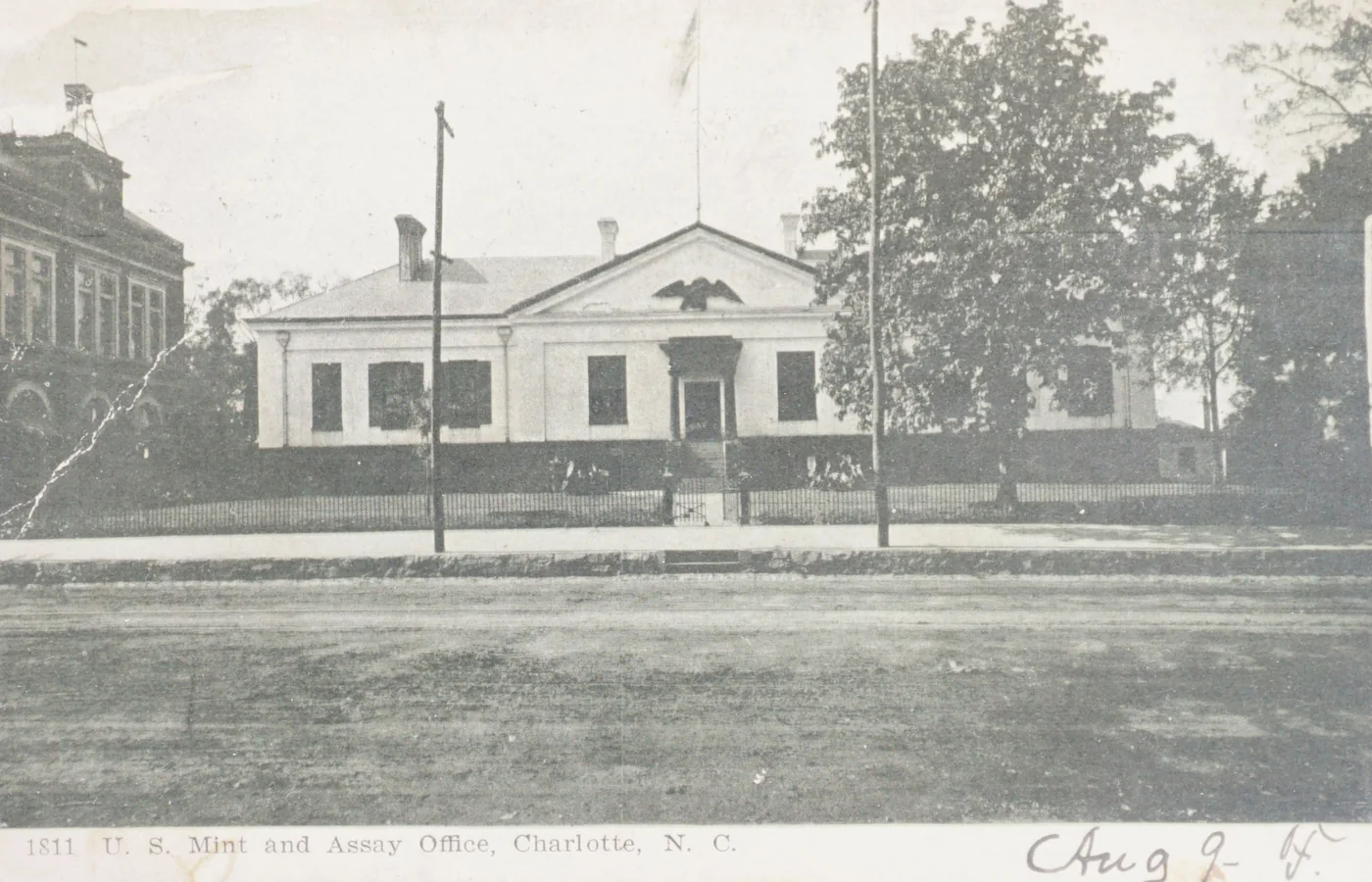
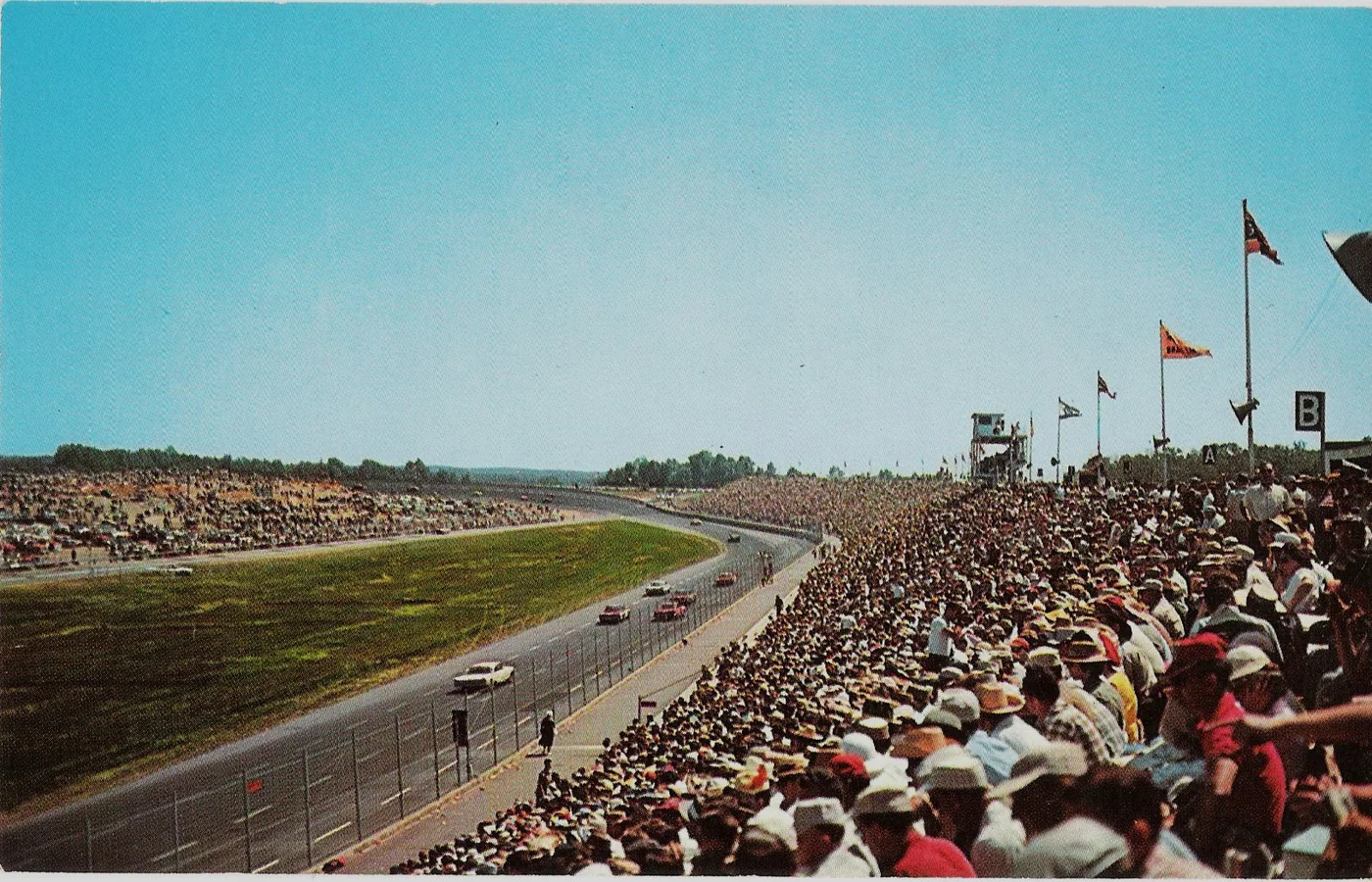
Historical images: public domain and Creative Commons via Wikimedia Commons — Boston Public Library Tichnor Brothers collection, Bob Merchant Collection of U.S. Numismatics, State Archives of North Carolina.
Charlotte pricing concentrates in Uptown (business travel, Bank of America Stadium events), South End (converted-industrial creative class), and NoDa/Plaza Midwood (arts district and design-conscious traveler). Dilworth and Myers Park serve the higher-end neighborhood-character market. Ballantyne and South Charlotte trade as suburban corporate-travel inventory. Event-driven premiums around CIAA basketball (February), Wells Fargo Championship golf (May), Charlotte Motor Speedway race weekends, and PNC Music Pavilion concerts create predictable spike opportunities.
Low seasonality. Corporate travel baseline plus event-driven spikes. Spring and fall are strongest for leisure. Winter slower outside holiday windows. Summer heat affects some leisure demand but corporate travel continues. The missed revenue window: late October through Thanksgiving — mild weather and college football weekends underpriced by most owners.
Charlotte has no short-term rental license or registration requirement. The city's Unified Development Ordinance contains no STR use category, and North Carolina law (G.S. 160D-1207) bars cities from requiring permits to lease residential property — the state Court of Appeals struck down Wilmington's registration scheme on exactly that ground in 2022. What an operator does owe: a Mecklenburg County occupancy tax account (8%) and state and local sales tax (8.25% combined rate since July 1, 2026), collected on every stay. CMPD runs a Residential Rental Property Registration program, but participation is voluntary except for properties in the highest calls-for-service tier.
The primary practical restrictions are HOA and condo rules. Several Uptown and South End luxury condo buildings have adopted STR prohibitions in their bylaws, and single-family-home HOAs in South Charlotte and Ballantyne increasingly restrict STR use. Read the bylaws before you buy — in Charlotte, the covenants are the real regulator. A statewide preemption bill (SB 291) that would lock in this permissive framework has sat in committee since March 2025; watch it, but plan on today's rules.
The Charlotte tip: corporate-travel mid-term stays are the hidden revenue layer. Charlotte's banking, consulting, and tech sectors generate significant 30–90 night corporate housing demand at premium monthly rates. Properties in Uptown, South End, and Ballantyne positioned as furnished corporate housing (professional workspace, reliable Wi-Fi, monthly-rate pricing, production-accounting-friendly invoicing) earn stable revenue without STR regulatory exposure.
Second — NASCAR race weekends and Speed Street are real rate opportunities that most urban-focused owners miss. Properties within 45 minutes of Charlotte Motor Speedway should market specifically to race fans during the three major race weekends. Third — NoDa's arts-district identity deserves specific marketing attention. Listings that lean into NoDa's brewery-scene and gallery-row positioning outperform generic Charlotte descriptions. Fourth — college-football weekends (UNC Chapel Hill, NC State, Duke all within 2 hours) drive surprising Charlotte spillover demand.
Charlotte's challenges: HOA restriction expansion, increasing uptown-tower STR bylaw bans, traffic and urban-growth pains affecting guest experience, and the relative commodification of inventory in a rapidly growing market. Undifferentiated listings compete primarily on price. Insurance costs have risen modestly with severe-storm exposure.
Severe thunderstorm, tornado, and hail exposure moderate. STR-specific policies widely available and competitively priced. Budget $1,800–$4,500 annually for typical urban STRs. Pool liability if applicable.
North Carolina state income tax 3.99% flat from 2026. Property tax Mecklenburg County effective ~1.0–1.15%. Combined 16.25% guest-collected lodging tax since July 2026.
Charlotte financing is investor-friendly — conventional, DSCR, and portfolio products competitive. Conforming limits cover most inventory; jumbo for luxury Myers Park and high-end South Park. 20–25% down typical.
The rule that changed for every Charlotte booking in 2026 is a tax. Mecklenburg County's voter-approved transit penny took effect on July 1, 2026, and the North Carolina Department of Revenue now puts the combined state and local sales tax in the county at 8.25%. Add the county and city room occupancy tax of 8%, the highest occupancy rate in North Carolina, and a guest staying in Charlotte pays about 16.25% on top of the nightly rate and cleaning fee. The extra two points of occupancy tax above the state's usual 6% cap were added in 2005 to help finance the NASCAR Hall of Fame. Everything else held still. Charlotte drafted short-term-rental rules for its development ordinance, scrapped them after the Wilmington ruling, and still has no city permit to apply for. That makes compliance here a matter of tax accounts, rental contracts and private covenants, and the paragraphs below take them in the order you'll meet them. Confirm the current rates with the Department of Revenue and the Mecklenburg County tax collector before you set your prices.
North Carolina taxes a rental stay as an accommodation, and the county's occupancy tax follows the same stays, so a booking that runs beyond 90 continuous days falls outside both. Below that line, two accounts matter. On the bookings it processes, Airbnb collects the state and local sales tax, figured on the listing price including cleaning and guest fees, and its North Carolina help page says all locally imposed occupancy taxes are collected too. That page still quoted a 6.75-7.5% sales-tax range at the time of writing, so pull a payout from after July and check that your guest was charged the 8.25% rate. Everything the platform doesn't touch is yours: direct bookings from your own website, repeat guests who pay by invoice, the friend-of-a-colleague stay paid by bank transfer. For those you need a sales tax registration with the Department of Revenue and an occupancy tax account with the Mecklenburg County tax collector. You charge the full 16.25%, cleaning fee included, show it on the invoice, and file on the schedule each office assigns when you register. If you also list on Vrbo, read the tax lines on its statements the same way before you assume anything is covered, and set your booking engine to add both taxes before the first direct reservation comes in.
With no permit in the picture, buying or selling a working rental here comes down to its calendar. North Carolina's Vacation Rental Act makes a buyer take the house subject to every vacation rental agreement that ends within 180 days after the deed is recorded, and the buyer has to honor those stays. Bookings that end later bind the buyer only if they choose to keep them; if they don't, the guest gets their money back, and the seller has 30 days from the transfer to issue the refund. The seller also has to disclose the booked periods before signing a sales contract, and within 10 days after closing hand over each guest's name, address and rental agreement. If you're buying, get the booking list attached to the contract so you know which race weekends and summer Saturdays you're inheriting, and price the deal with those payouts in mind. If you're selling, decide early whether to keep taking reservations, because every stay you book inside that window becomes the buyer's obligation and a point in the negotiation.
Inside Charlotte, the binding limits come from private documents. A condo declaration or HOA covenant can set a minimum stay or ban rentals outright, and owners can amend those documents after you close, so ask the association for any amendment in the works along with the current rules. The other limits change at the town line. Cornelius, Davidson, Huntersville, Matthews, Mint Hill and Pineville each write their own zoning ordinance, and Cornelius has its own state act on the subject: S.L. 2014-91 lets it zone vacation rentals, defines one as a stay of less than 90 days, and exempts letting someone else use your home for up to three weeks a year. Across the county line, in late 2023 Iredell County moved to require a permit for short-term rentals and cap occupancy at two guests per bedroom plus two, and Lincoln County weighed zoning permits limited to residential districts with no large gatherings. The Iredell rules have been fought in court since, so ask each county's planning staff what is enforced on a given parcel. None of this is legal or tax advice. A local real-estate attorney and an accountant who files Mecklenburg occupancy returns should check your setup before the first guest arrives.
The neighborhood read above covers the city core, from Uptown out to University City. Many of the houses a Charlotte-area buyer tours sit beyond it: the Lake Norman towns to the north, Matthews and Mint Hill to the southeast, and the corner from Pineville and Steele Creek out to Lake Wylie in the southwest. Visitors spent a record $6.5 billion in Mecklenburg County in the visitor authority's latest count, and each of these areas catches a different slice of it. A lake house earns its year in a summer of family weekends; a Matthews ranch earns it from tournament families and relatives home for the holidays. Pick the guest first and the property type follows. Then check the town's own rules, because a line on the map can change your zoning, your taxes and even your state. It's the area read Cavmir starts from when we market a home in this region.
Lake Norman is the region's summer market, and it books on a different rhythm from the city. Families, reunions and friend groups come for the water between Memorial Day and Labor Day and choose the house with a dock, an easy walk to the shoreline and enough beds for two households. Cornelius holds a long stretch of the Mecklenburg shoreline, with marinas, waterfront restaurants and Jetton Park, and it's the default for a lake weekend that also wants a dinner out. Davidson plays a different hand. It's a college town first, with Davidson College's commencement, family weekends and visiting faculty filling its walkable Main Street blocks, so a renovated house near campus sells to parents and visiting academics through spring and fall. Huntersville runs from the lake's southern reach to Mountain Island Lake, and Birkdale Village, Latta Nature Preserve and the Carolina Renaissance Festival's fall weekends keep it booked after the boats come out of the water. Before you buy anywhere on the lake, confirm that the dock and any shoreline work carry Duke Energy's permits, since the utility manages the shoreline, read the HOA's rules on rentals and boats, and in Cornelius ask the town how its vacation-rental zoning applies to the lot. Keep the boat out of the listing unless your insurer has signed off on guests using it.
North of the county line, Mooresville calls itself Race City USA, and the race shops in and around town, Team Penske's among them, bring sponsors, crews and fans through all year. Lake Norman State Park in Troutman gives Iredell families a reason to come without a boat. The guest here is the large group: reunions, race-industry trips and friend weekends that need plenty of bedrooms, a big kitchen and parking for several cars. The rules are the reason to slow down. Iredell County's late-2023 move to permits and a cap of two guests per bedroom plus two has been fought in court since, Mooresville's town limits run on the town's own ordinance, and the occupancy and sales taxes are Iredell's, so the 8.25% transit-penny rate stops at the county line. Ask the county or the town, in writing, which rules apply to the exact parcel, and register with Iredell's tax office instead of Mecklenburg's before the first guest checks in.
Southeast of the city, Matthews and Mint Hill sell space and quiet. Matthews has a small historic downtown, the Matthews Sportsplex for youth tournaments and the Matthews Alive festival over Labor Day weekend, and its ranches and two-story suburban houses suit visiting families, relocation scouts and tournament teams that want a yard and a driveway. Mint Hill is quieter still, with bigger lots that suit reunions and holiday visits. Both are their own municipalities with their own zoning, and Mint Hill crosses into Union County, so confirm which county taxes a given address. In the southwest, Pineville and Steele Creek sit closest to Carowinds and the Charlotte Premium Outlets, and Steele Creek runs up to the airport, so a clean townhome there wins summer theme-park families and early-flight stays. Lake Wylie, past Steele Creek, straddles the state line, and a house on the South Carolina side answers to that state's rules and taxes. Before you buy anywhere in the outer ring, pull the town's zoning use table and the HOA documents, and confirm the current rules with the town's planning office.
Charlotte through 2027 and beyond benefits from continued population growth (one of the fastest-growing US metros), corporate relocations, and expanding tech/fintech sector. STR regulation is unlikely to tighten dramatically — North Carolina state law protects private-property rights. HOA restriction expansion is the primary risk to existing inventory. Occupancy-tax rates may modestly increase. Mid-term corporate housing demand should continue to grow.
Charlotte is the under-marketed opportunity of the Southeast. Banking capital, fast-growing tech employer base, NASCAR calendar, ACC-basketball demand, a quietly-excellent food scene in Plaza Midwood, NoDa, and South End. The marketing mistake most Charlotte listings commit is treating the city like a generic business-travel commodity. The corporate-travel market is real, but it's also not the whole story — and the leisure audience is growing faster than most operators realise.
What we love about marketing Charlotte is the dual-audience puzzle. Midweek corporate stays and weekend leisure or event stays require different photography, different copy, and different pricing. A listing that does both well — with clear audience segmentation — captures the full calendar in ways that generic downtown-Charlotte positioning can't. The neighborhoods with genuine identity — South End's brewery corridor, NoDa's arts scene, Plaza Midwood's vintage-and-coffee culture — are the ones where editorial marketing returns premium rates.
The picks Cavmir recommends for Charlotte welcome books — the neighborhood specifics that position the city as more than a business-travel commodity.
Not Just Coffee's various locations are Charlotte's design-forward coffee standard; Toast Café is the easy family brunch that delivers reliably.
The best Charlotte skyline photograph most visitors don't know about. Walkable, free, 45 minutes before sunset.
Light-rail-adjacent walk past breweries, food halls, and the design-district identity South End has built. A half-day discovery.
Kindred is a 20-minute drive but the Charlotte-area dinner that design publications cover; Fig Tree is the Uptown classic-fine-dining.
North Carolina barbecue is an argument. Charlotte hosts its own version of that argument. A host with an opinion looks local.
NASCAR Bank of America 400 weekend draws predictable demand; weather is ideal; pricing hasn't fully calibrated. A window that rewards marketers.
Asheville is two hours west for the mountain-and-brewery pivot. Charleston/Kiawah is 3.5 hours east for the coast-and-gardens weekend.
The Blue Line is the underrated answer to most Charlotte transit questions. A printed guide to Uptown parking and light-rail stops wins reviews.
Representative Cavmir engagements in Charlotte. Client details removed; figures composited from internal analytics and market benchmarks.
Generic corporate-travel positioning left weekend occupancy under 50%. Missing the brewery-tour and leisure-weekend audience South End was built to serve.
Dual-brand approach — weekday corporate listing and weekend brewery-tour-and-foodie listing from the same inventory. Different photography, different copy, different pricing by calendar segment.
Weekend occupancy climbed to 81%. Weekday ADR held while weekend ADR climbed 32%. Total annual revenue up 38%.
Historic bungalow marketed generically. Missing the design-tourism and NODA-adjacent creative-class audience that was the neighborhood's real fit.
Rebuilt around Plaza Midwood's vintage-and-coffee identity. Photography emphasised the porch culture, the walkability to the neighborhood's restaurants, the architectural character. Copy rewritten for the design-conscious weekend-traveller audience.
Occupancy moved from 58% to 79%. ADR up 29%. Guest profile shifted to longer stays at higher review scores.
Family-scale home whose marketing defaulted to generic business-travel. Missing the sports-weekend audience (Panthers, Hornets, NASCAR) that represented substantial unclaimed revenue.
Built a sports-weekend product alongside the generic listing. Calendar-synced photography for each major season, pre-booked rideshare and tailgate-logistics welcome-book PDF, distribution through sports-tourism channels.
Event-weekend revenue up 54%. Annual ADR climbed 24%. Sports-weekend-guests now represent a substantial repeat-booking pattern that smooths the revenue year.
Charlotte is a city of distinct neighborhoods wrapped around a compact banking core, and the short-term rental supply follows that shape. The unit of supply varies block by block: a glass-tower condo in Uptown, a converted mill house in NoDa, a 1920s bungalow in Dilworth, a new-build townhome in South End with a rooftop view of the skyline. Each of those products serves a different traveler, and the distance between a listing that names its neighborhood's actual audience and one that says "close to everything" is measured in occupancy points. Charlotte guests almost never come for Charlotte in the abstract. They come for a meeting, a game, a race, a concert, a hospital, or a flight, and the neighborhood decides which. That is also why this market rewards operators rather than speculators: the demand is deep and steady, and it goes to the listing that knows exactly who is arriving on Tuesday and why.
Uptown is the reason Charlotte has a weekday market at all. The headquarters towers of Bank of America and Truist, Wells Fargo's largest employment hub east of the Mississippi, and the law and consulting firms that orbit them generate a steady flow of interview candidates, project teams, and relocating hires who want a full apartment instead of a hotel room. Bank of America Stadium and Spectrum Center sit inside the same footprint, so the weekday business base gets topped up by Panthers Sundays, Hornets games, and arena concert runs. The caveat in Uptown is the building, and it matters more than the zoning: many towers restrict or prohibit short stays in their bylaws, so an Uptown condo's rental viability is a document-review question before it is a market question.
South End, one light-rail stop south, is where the corporate guest goes by choice. The neighborhood grew out of converted textile-era industrial blocks along the LYNX Blue Line, and its rail access, brewery patios, and design-forward new construction make it the default for the thirty-something consultant on a monthlong project and the couple visiting for a stadium weekend. South End listings earn their rate with workspace, fast Wi-Fi, and walkability copy; the Rail Trail is a genuine amenity and belongs in the photography.
NoDa — North Davidson, the old mill village turned arts district — is Charlotte's personality purchase. Music rooms, murals, galleries and one of the densest brewery clusters in the South draw a leisure guest who books the neighborhood first and the house second, and the mill cottages and bungalows here photograph like nowhere else in the city. The Blue Line extension put NoDa on the rail map, which widened its audience beyond the weekend crowd. Plaza Midwood plays a similar role with a different accent: an eclectic commercial strip, deep porches, and a food-and-vintage scene that suits group weekends and creative-industry travel. Dilworth, the streetcar suburb south of Uptown, holds the city's postcard housing stock — oak canopies, craftsman bungalows, Latta Park — and one strategic anchor most listings ignore: Atrium Health's flagship medical center sits on its edge. Medical visits, treatment stays, and visiting clinicians make up a quiet, year-round demand layer that values calm, kitchens, and parking, and Dilworth (with neighboring Myers Park and Elizabeth, near Novant's midtown hospital) is its natural home. These neighborhoods are where Charlotte's rental market feels least like a commodity, and pricing should reflect that.
The outer ring plays a different game. Ballantyne and SouthPark, down in south Charlotte, run on corporate campuses, golf, and upscale retail; their townhomes and suburban houses suit the four-week project stay and the visiting-family trip better than the party weekend, and monthly-rate positioning often outearns nightly churn there. University City, up by UNC Charlotte, banks on the academic calendar — move-in, graduation, and family weekends — plus the research-park workforce. And the west side holds the U.S. National Whitewater Center, whose races and festival weekends give river-minded guests a reason to sleep on the otherwise overlooked side of town.
Four engines drive the calendar. First, banking and corporate travel — the weekday baseline that makes Charlotte one of the least seasonal markets on the East Coast, strongest in Uptown, South End, and anywhere on the Blue Line. Second, the event calendar: race weeks at Charlotte Motor Speedway in Concord — the Coca-Cola 600 over Memorial Day weekend and the fall playoff weekend on the Roval — fill houses across the whole metro, and the Wells Fargo Championship, Panthers and Hornets dates, and stadium concerts do the same at smaller scale. Race-week guests will happily book a suburban house with parking twenty minutes from the track; a listing that names the Speedway and the drive time captures demand a generic listing never sees. Third, the airport: Charlotte Douglas is one of the busiest airports in the world and American Airlines' great East Coast hub, and it produces positioning stays — crews, early departures, missed connections, relocating families in transit — that reward properties on the west side with quiet rooms, blackout curtains, and flexible check-in. Fourth, the universities and hospitals, which supply graduation weekends, tournament trips, and long medical stays. Underneath all four sits the mid-term layer: Charlotte's banks, consultancies, and hospital systems generate thirty-to-ninety-night furnished-housing demand all year, and a property that offers monthly pricing, a real desk, and invoicing a corporate travel office will accept has a second business model waiting inside its first. Cavmir writes Charlotte listings engine-first: the property's location picks its guest, and the guest dictates every line of the copy.
Charlotte's regulatory position is the quiet advantage of this market, and it is worth stating precisely. The city issues no short-term rental license, and its Unified Development Ordinance — in force since mid-2023 — contains no short-term-rental use category at all. That posture is reinforced by state law: N.C. Gen. Stat. § 160D-1207 sharply limits any North Carolina city's power to require permits or registration as a condition of leasing residential property, and the state Court of Appeals struck down Wilmington's rental-registration scheme on exactly that ground in 2022. What Charlotte does operate is the Charlotte-Mecklenburg Police Department's Residential Rental Property Registration — voluntary for the overwhelming majority of properties, with registration becoming compulsory only for the small band of addresses at the top of the department's calls-for-service rankings, where a remedial plan follows. Day-to-day enforcement runs through the noise ordinance, nuisance abatement, and the UDO's ordinary occupancy limits rather than through any rental-specific permit. The obligations that do bind every operator are fiscal and contractual: Mecklenburg County's 8% room occupancy tax and state and local sales tax on every stay under 90 nights, and the North Carolina Vacation Rental Act's written-agreement and trust-account requirements. Watch two things going forward: Senate Bill 291, the statewide short-term rental preemption bill that has sat in committee since March 2025, and — far more practically — HOA and condo bylaws, which are where Charlotte rentals actually get prohibited. In this city the deed restrictions, and the building rules, are the real regulators.
Demand in Charlotte peaks around May and runs quietest around January. Here is how the year actually books — and what to do about each stretch of the calendar.
May is the month that carries the year in Charlotte. The Truist Championship at Quail Hollow and the Coca-Cola 600 at Charlotte Motor Speedway land within weeks of each other, stacked on top of the city's year-round corporate base, and well-run listings hold firm rates across the whole month. Have your photography, pricing rules and minimum stays locked by the end of March, and price the golf week and race weekend as their own events, not as ordinary spring dates.
April, June, September and October are quietly productive. Conference and banking travel keeps midweek dates moving, Charlotte SHOUT! wakes up April in Uptown, and fall brings Panthers home dates, the Roval playoff race and wedding season all at once. The play is precision: event-aware pricing on the specific Saturdays that spike, and listing copy that speaks to the weekend visitor and the Tuesday-to-Thursday business guest in the same breath.
Deep winter weekends and the dog days of midsummer are Charlotte's honest lulls, when leisure travel drains toward the mountains and the coast. The midweek corporate base never fully leaves, so lean on it: keep the workspace photos prominent, stay flexible on weekday rates, and court week-plus stays from relocation scouts and traveling professionals. Use the slow weekends for photo refreshes and review replies before the spring ramp.
Race weekends, tournament week and the ACC championship fill months ahead, and returning race fans book almost as early as they check out. Business and event stays move on a short fuse, often inside two weeks. Practically, that means locking your marquee dates early in the year, then staying priced to catch the short-window demand that makes up most of Charlotte's calendar.
The core booking is a two-to-three-night stay, with midweek business trips running shorter and race weekends stretching longer. There's a real long-stay segment underneath it all, fed by relocations and project work, that rewards listings set up for a week or more.
The Charlotte winner is a renovated bungalow or townhome in NoDa, Plaza Midwood, Dilworth or South End, walkable to breweries and restaurants or an easy hop to a Blue Line stop. Character sells here: a real porch, mature trees, local art on the walls. Uptown high-rise units compete mostly on price; houses with parking and a yard compete on feel, and feel wins better guests and better reviews.
Start with the fundamentals guests actually see: photography that captures the porch-and-trees character of neighborhoods like NoDa and Dilworth, a listing written around what Charlotte guests search for, and pricing that moves with the event calendar instead of sitting flat through race weekends and Panthers dates. From there, the compounding wins are a Google Business Profile so you show up in map searches and a simple direct-booking site so race regulars and corporate repeat guests can skip the platform fees. That's the stack Cavmir builds for Charlotte hosts, and it works because every piece feeds the others.
May is the clear crown, when the Truist Championship and the Coca-Cola 600 stack on top of steady corporate travel. April, June, September and October form strong shoulders around it, firmed up by Panthers weekends, the Roval race and wedding season, and early December gets a reliable bump from the ACC championship. Deep winter weekends and midsummer are the quiet stretches.
Marquee dates fill months ahead — race fans and tournament-goers are planners, and many rebook year after year. The everyday base of business and event stays books on a much shorter fuse, often inside two weeks. Your calendar should have the big dates priced early in the year while staying agile enough to catch the constant short-window demand.
Drive-market guests come from across the Carolinas — Raleigh, the Triad, Columbia, Asheville — plus Atlanta, mostly for games, races and weekends. Fly-in guests arrive through one of the busiest airline hubs in the country, with New York, Philadelphia and the rest of the Northeast especially well represented thanks to the banking corridor. If you run ads, in-state metros and the Northeast are usually the efficient targets.
Off-street parking is the big one — race crowds, stadium guests and business travelers all drive or rent cars, and it removes a real anxiety. After that: fast wifi and a dedicated workspace for the midweek corporate base, self check-in for the late Friday arrivals, and pet-friendliness with a fenced yard, which instantly widens your audience in a city full of dog owners.
Run your Airbnb, Vrbo, or website through Cavmir's free grader. It checks the things that decide whether guests book in Charlotte — photos, listing copy, page speed, local search — and shows you where bookings leak. Takes about a minute, and there's no sales call attached.
If the report says your booking engine is the weak link, that's fixable: a direct-booking website of your own means repeat guests stop paying platform fees to come back to you. That's the work Cavmir does — see Airbnb website design in Charlotte.
Send us the listing and we'll tell you what we'd change. Not a pitch deck — a straight read on your photos, your title, your rates against the Charlotte comp set, and whether a direct-booking site would pay for itself.
You'll hear back from a person, usually inside one business day. If we don't think we can move your numbers, we'll say so. Cavmir is a short-term rental marketing agency — we position and market properties, we don't manage them.
Talk to Cavmir today. We'll show you exactly what your Charlotte property is leaving on the table — and how fast we can change that.
Book a Free Strategy CallPhotography via Wikimedia Commons (images resized and cropped): Aerial view of Bank of America Stadium in Charlotte by Quintin Soloviev (CC BY 4.0) · Saint Peter Catholic Church (Charlotte, North Carolina) - view from Mint Museum by Nheyob (CC BY-SA 4.0) · Uptown Charlotte 2018 taking by DJI Phantom 4 pro - Perspective Corrected Edit by Precisionviews ; edits (perspective correction and colour correction) (CC BY-SA 4.0) · Dilworth Historic District by Hitkiller666 (CC BY-SA 4.0).
