

Morning
Brunch at Home Grown or pastry at Bakeshop
Home Grown for the East Atlanta Southern brunch tradition; Bakeshop in Inman Park for the pastry case that photographs. Two very different Atlantas.

Expert short-term rental marketing to grow your bookings and nightly rate in Atlanta, Georgia, USA.
Sixteen services, one team. Everything below is built in-house and scoped to your property and market. Most owners start with the 12-Step System.
Every engagement is quoted to your portfolio. These are the ready-made scopes owners pick most — our Fall Special (55% off list or more) is already applied to the website, King Broker, Hotels and à la carte scopes. A clear proposal within 48 hours.
The work is public. Selected engagements and what changed — and reviews from the owners and managers behind them.
* Market averages from AirDNA and STR market reports. A single home's numbers depend on its size, its location and how it is marketed.
Cavmir is an Airbnb marketing agency. We build the brand, the direct-booking website and the marketing for short-term rentals in Atlanta.
Atlanta is the cultural and economic capital of the American South — a city of extraordinary growth, creative energy, and deeply rooted history. The BeltLine has transformed formerly industrial corridors into vibrant, walkable neighborhoods. Ponce City Market, Krog Street Market, and Little Five Points anchor a food and arts scene of national relevance. As home to CNN, Coca-Cola, Delta Air Lines, and a rapidly expanding film production industry, Atlanta draws a diverse mix of business travelers, creatives, and tourists.
Atlanta's STR market benefits from a convention center (Georgia World Congress Center), two major airports (Hartsfield-Jackson being the world's busiest), major league sports (Braves, Falcons, Hawks, United), and a film industry that drives mid-term rental demand. Midtown and Buckhead lead in rates; Inman Park and East Atlanta Village lead in character-driven premium demand.
Nearby Markets: Charlotte | Birmingham | Lake Martin
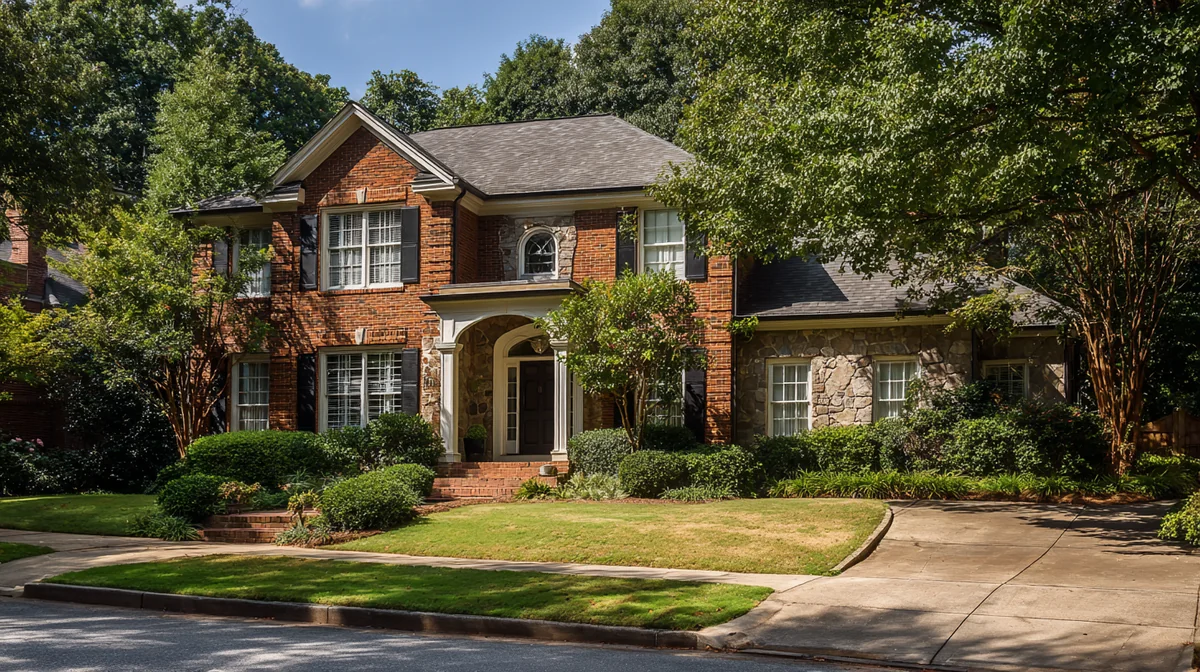
A few of the visual fingerprints we lean into when we shoot, brand and market a Atlanta property — courtesy of the open Wikimedia Commons archive.
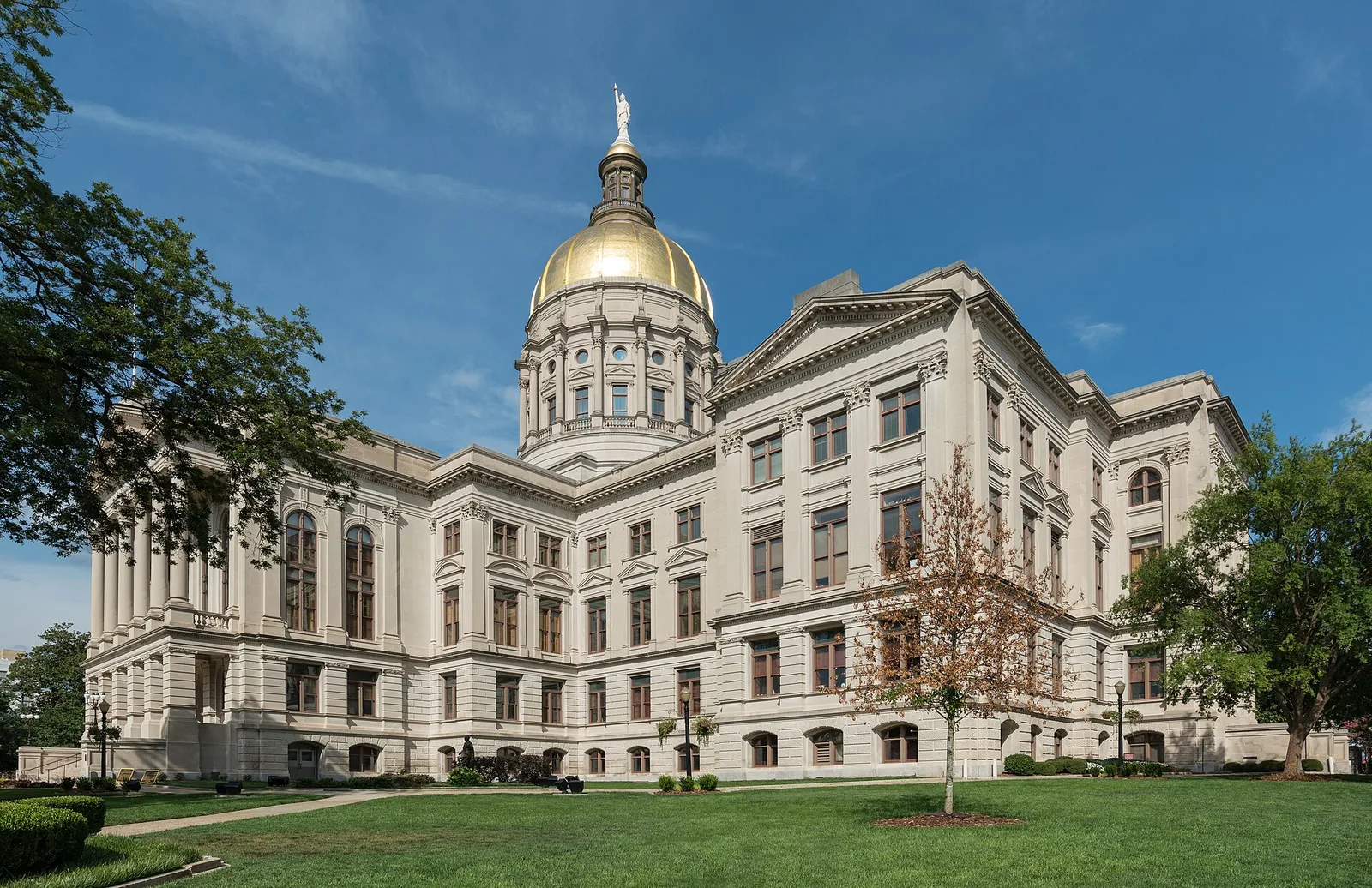
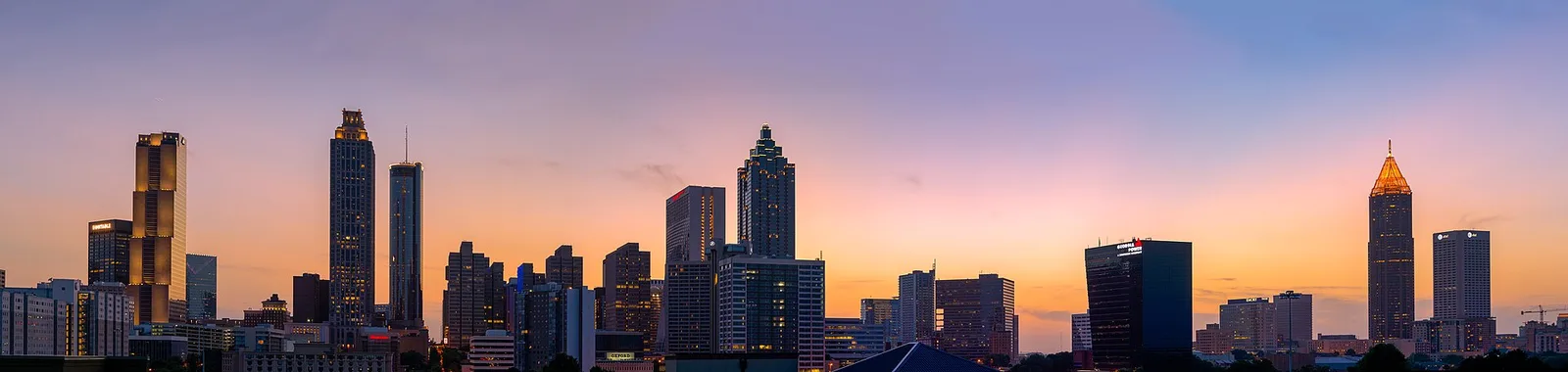
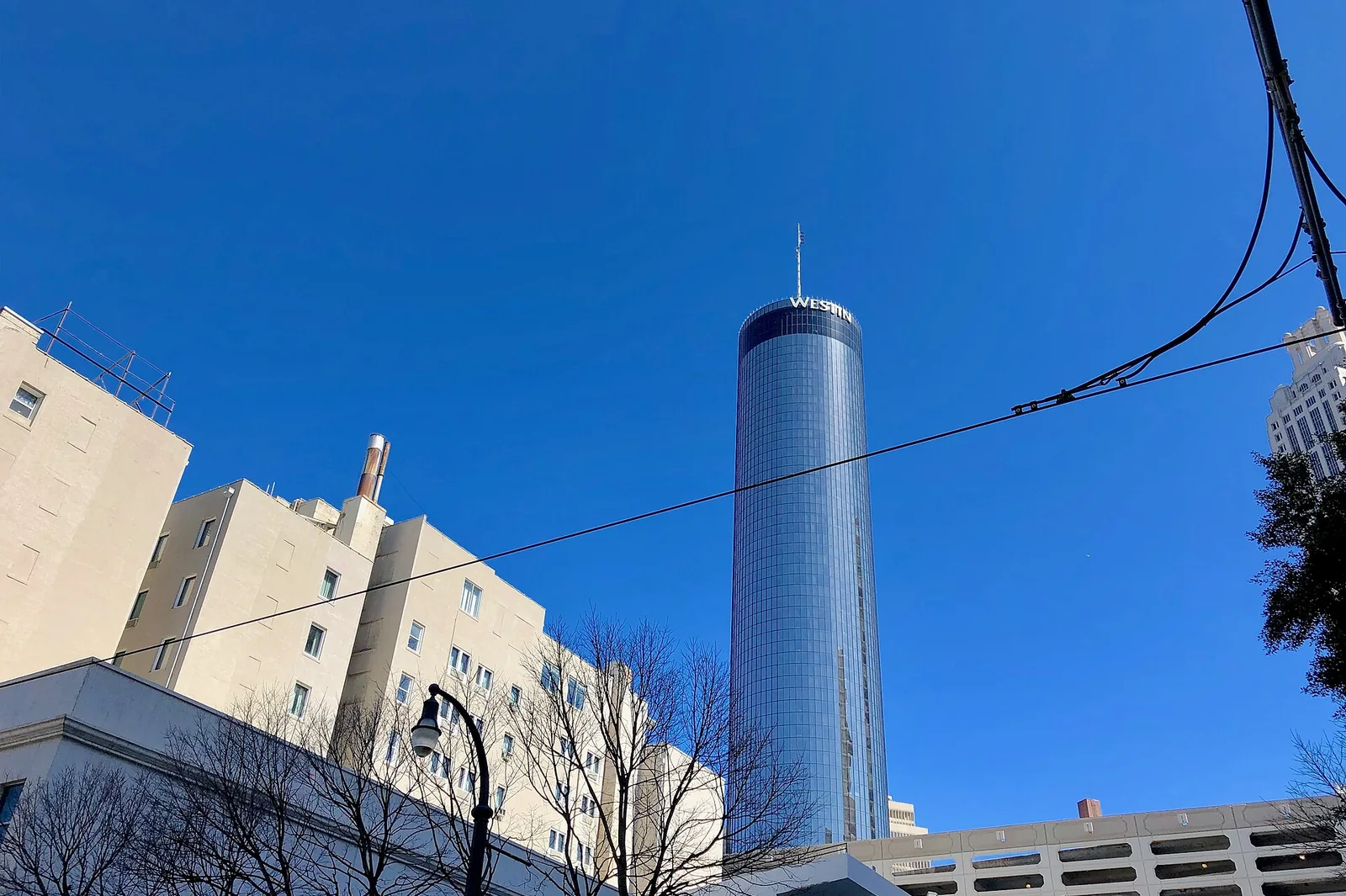
Cavmir builds Atlanta listings that stand out in a large and competitive market — leading with neighborhood personality and design quality to attract the guests who value the experience and leave the best reviews.
Atlanta's whole brand is reinvention: a city that burned in 1864, rebuilt itself into the capital of the New South, and has been selling that new self to the world ever since. Cavmir writes the modern chapter.
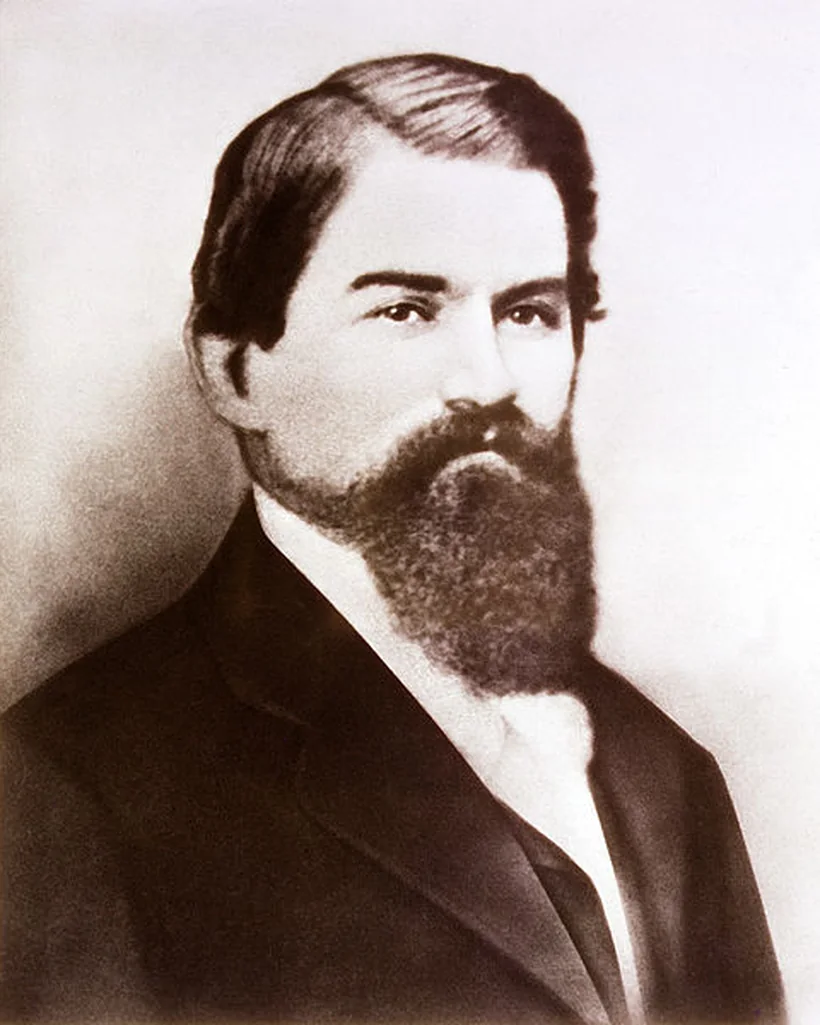
Atlanta's modern hospitality industry was built on the 1996 Summer Olympics and the exponential post-Olympic growth of Hartsfield-Jackson Airport into the world's busiest. CNN's 1980 launch anchored Atlanta as the first major US cable-news city. Coca-Cola, Delta Air Lines, UPS, and later Turner Broadcasting established Atlanta as the corporate-travel capital of the Southeast. The BeltLine — a 22-mile former railroad right-of-way being converted into parks, trails, and transit — has transformed Atlanta's urban neighborhoods (West End, Old Fourth Ward, Reynoldstown) into some of the Southeast's most design-driven residential markets.
The STR market in Atlanta is large and fragmented. Midtown, Buckhead, Downtown, and Inman Park anchor the traveler-focused inventory. The 2023 film-industry boom (Georgia's tax credits have made Atlanta the third-largest US film-production market) has generated significant 30–90 night corporate-housing demand that sits adjacent to traditional STR inventory. Atlanta's 2021 STR ordinance, enforced since March 2023 and amended in September 2026, shapes the current regulatory environment.
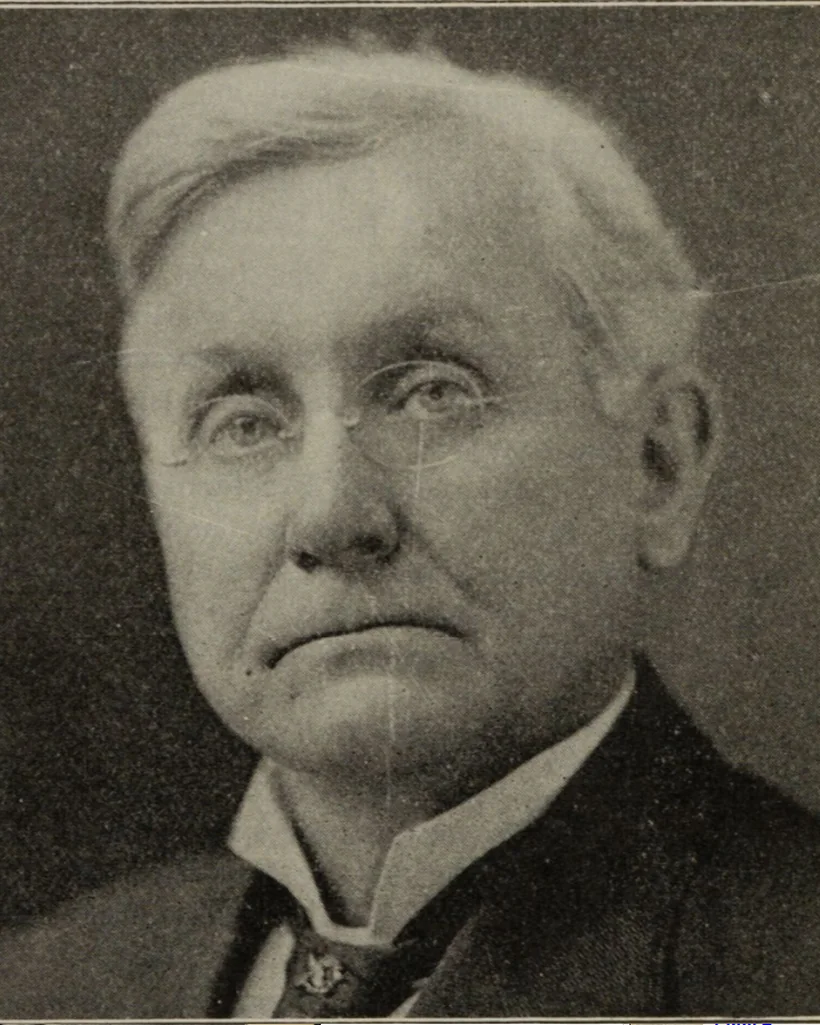
Before the platforms, a rebuilt city sold itself to the country from Piedmont Park: two Cotton Expositions, a soft drink that became the most advertised brand on earth, and later a network, an Olympics, and the busiest airport anywhere. Every chapter ran the same play, taking what the city had rebuilt and presenting it to a wider audience. The channel changed; the work is identical: presentation, positioning, and a city whose product is reinvention. It is the same business Cavmir is in today.
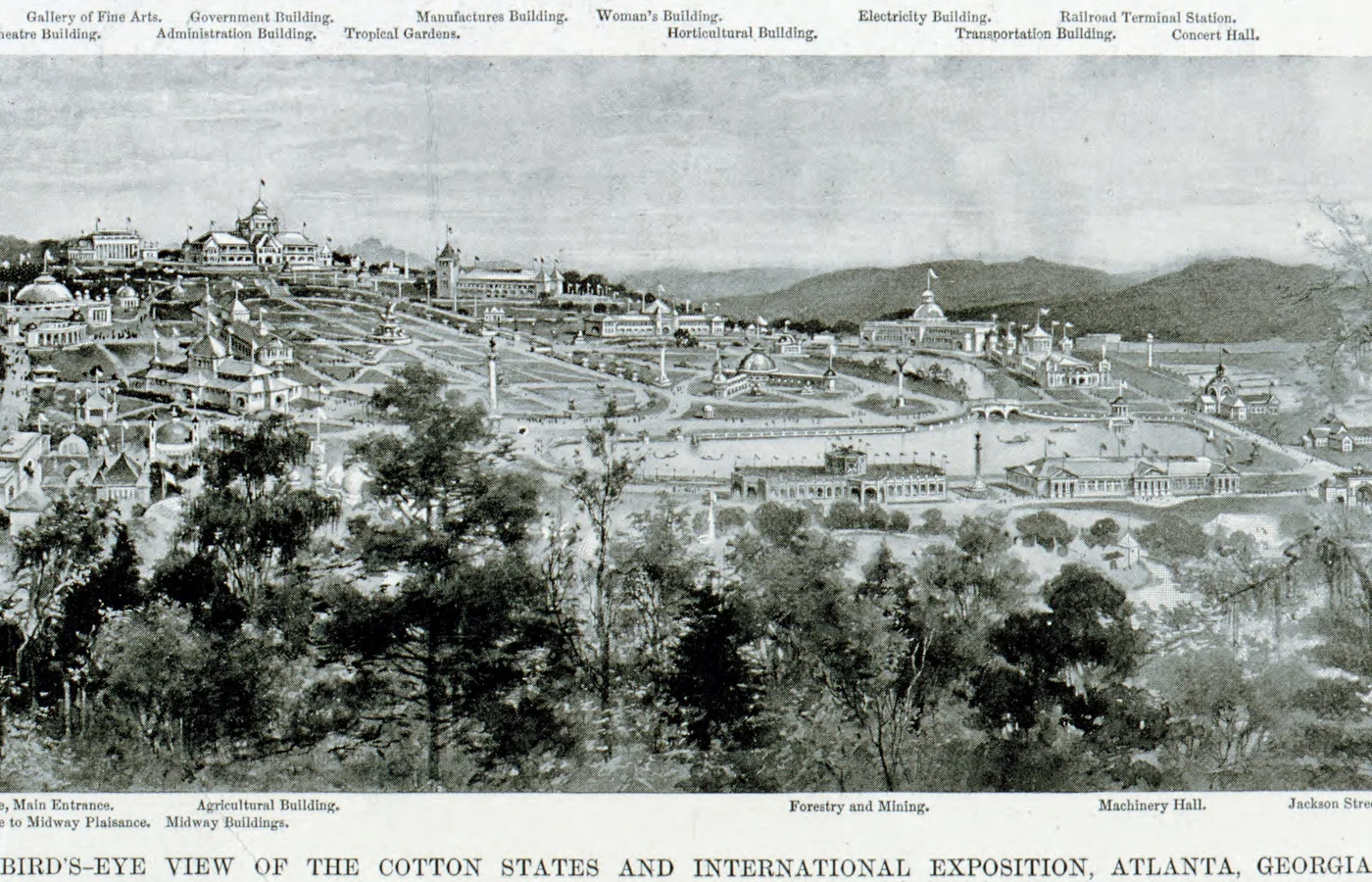
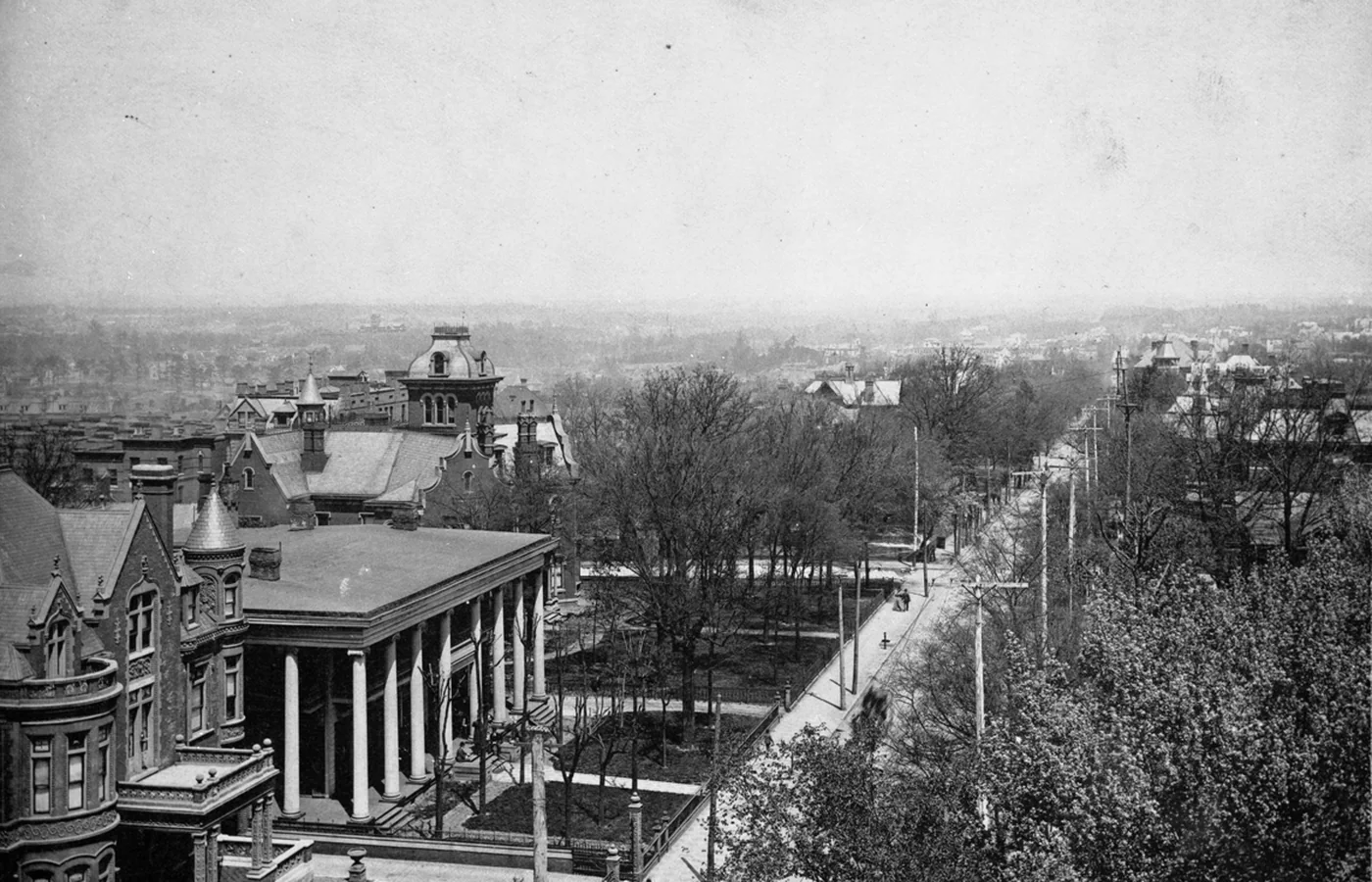

Historical images: public domain and Creative Commons via Wikimedia Commons — Harris & Ewing, period exposition and street photography, and vintage Coca-Cola advertising.
Atlanta pricing concentrates in Midtown, Buckhead, and Inman Park/Old Fourth Ward. Midtown luxury towers anchor the corporate-travel premium. Buckhead serves luxury leisure and business. Inman Park, Virginia-Highland, and the BeltLine corridor attract the design-conscious traveler. Downtown serves convention-center and Mercedes-Benz Stadium event demand. College football weekends (Georgia Tech, neighboring SEC programs), Dragon Con (Labor Day weekend), and ongoing industry events drive punctuated rate opportunities.
Low seasonality overall — corporate travel, film production, and event demand keep year-round demand steady. Spring and fall are strongest (mild weather, conventions, sports). Summer sees some leisure slowdown in peak heat. Winter holidays spike. The event-driven super-peaks (SEC Championship, College Football Playoff when Atlanta hosts, Super Bowl when hosted, major concert tours at Mercedes-Benz Stadium) create 3–5x baseline opportunities.
Atlanta's 2021 STR ordinance (20-O-1656) requires licensing through the Department of City Planning. Atlanta has no Type I or Type II licenses. One license covers the primary residence plus one additional unit, a limit the council voted 9-5 to remove from January 1, 2027. Registration fees apply annually. The city's Short-Term Rental Complaint system allows neighbors to report nuisance issues, and repeated complaints can trigger license review. Enforcement has been inconsistent historically but tightened through 2025–2026.
Georgia state law (HB 523, 2019 attempt; subsequent efforts) has oscillated on whether cities can regulate STRs — current law permits local regulation within specific limits. DeKalb, Fulton, and Cobb counties each have their own rules for unincorporated areas. Hotel-motel tax is 8% (a City of Atlanta tax; the state adds a $5 nightly fee) plus 8.9% combined state and local sales tax — total guest-collected lodging tax roughly 16–17% in most Atlanta jurisdictions. HOA and condo rules are common restrictions; several Midtown luxury towers prohibit STR use entirely.
Atlanta's strategic tip: the film and TV industry is a $10+ billion market, and its housing demand is underserved. Furnished apartments in the BeltLine corridor, Buckhead, and the West Midtown production zones, positioned specifically for 30–90 night film industry stays (wardrobe storage, reliable Wi-Fi, early/late arrival flexibility, production-accounting-friendly invoicing), consistently earn premium rates and avoid short-term-rental regulatory friction entirely.
Second — neighborhood identity matters for Atlanta guests. Inman Park's Victorian streetscapes, Cabbagetown's converted-mill aesthetic, West End's historic Black-business district — each has a distinct guest appeal. Listings that lean into neighborhood story outperform generic 'Atlanta' positioning. Third — BeltLine proximity is a real marketing asset. Properties within a 10-minute walk of BeltLine trailheads should feature it prominently; it's a growing differentiator. Fourth — verify condo bylaws meticulously. Many Midtown luxury buildings changed rules between 2022 and 2025 specifically to block STR use.
Atlanta's challenges: HOA rule complexity, inconsistent city enforcement (compliance costs unclear), spring tornado and summer storm exposure, and uneven neighborhood safety profiles that can affect specific properties' guest satisfaction. Traffic is legendary and affects guest experience reviews. Property tax assessment can climb rapidly in gentrifying areas.
Georgia insurance is moderately priced. Tornado and severe-storm exposure drives premium — roof-hail and wind damage are common claims. STR-specific liability standard. Budget $2,000–$5,500 annually for typical urban STRs. Film-industry-adjacent properties sometimes require production-activity riders.
Georgia state income tax 5.39% (reducing per HB 1437 schedule). Property tax rates vary by county (Fulton 1.1–1.3% effective, DeKalb similar, Cobb 0.9–1.1%). Hotel-motel tax 8% plus state/local sales tax (8.9% in most of the city) = ~16.9% total guest-collected, plus $5 a night.
Atlanta financing is competitive — conventional, DSCR, and investment products widely available. Conforming loan limits cover most inventory; Buckhead and Midtown luxury into jumbo. 20–25% down typical for investment; primary residence with second-home treatment possible at 10%.
The rule that has defined Atlanta's rental license since 2021 is on its way out. Under it, a city Short-Term Rental License is tied to your primary residence, which must be registered first, with room for one additional unit on the same license. In September 2026 the City Council voted 9-5 to strike that residency limit, effective January 1, 2027. Councilmember Kelsea Bond's amendment to hold each host to two units failed, and the city's Department of Law had warned that residency rules like Atlanta's had been successfully challenged elsewhere. From January, an owner who lives out of town can license a house the old rule kept off the market, and a host who already runs two units can apply for more. You'll still need the license itself, renewed every year. Read the amended ordinance and the city's application requirements before you close on a property you won't live in.
Under section 20-1003 of the city code, any dwelling rented for 30 consecutive days or less needs the license, and applications go through the city's online portal only. The ordinance asks you to name a short-term rental agent who accepts violation notices and watches compliance for you, and to post emergency contact numbers where guests will see them inside the unit. Guides to the ordinance published in 2026 put the penalty at about $500 per adjudicated violation, with every continuing day counted as a separate offense. The bigger risk is the license itself: three violations on one property inside 12 months revoke it and bar a new application at that address for 12 months, which can strand a house you bought to rent. Atlanta also adopted a separate party-house ordinance in April 2025, so a listing that sells itself for parties and events invites a second enforcement track. Confirm the current figures with the city's Department of City Planning before you rely on them.
Two measures could change the math again, and neither is law. Ordinance 24-O-1687 would raise the license fee to $250, require $500,000 in liability insurance and set a 1,000-foot buffer between rentals, and it has sat in committee. Councilmember Byron Amos's bill, introduced January 25, 2026, would require 275 days a year of owner occupancy, create an Office of Short-Term Rentals, and make the platforms hold permits, verify listings within 30 days and carry $1 million in liability insurance, with fines of $1,000 per listing per day. The committee held it 5-0 on March 24, 2026, and it was still held when the residency limit fell in September. Both cut against the new opening, so underwrite any purchase to work if either one passes. The buffer is the one to model, because under a 1,000-foot rule a licensed rental down the street could block yours. In November 2025 the council also turned down a proposed ban on rentals in parts of Buckhead.
Inside most of the city a guest pays 8.9% in combined state and local sales tax plus the city's 8% hotel-motel tax, about 16.9% before Georgia's $5-a-night hotel-motel fee. Airbnb's Georgia tax page says it collects and remits the 4% state sales tax and the 2% to 5% local share on reservations of 89 nights and shorter, cleaning fees included, plus the $5 fee and local occupancy taxes of typically 0% to 8% for the first 30 days of a reservation. Georgia's Department of Revenue treats a platform as the marketplace innkeeper on the bookings it takes. On your direct bookings you're the innkeeper. You register on the Georgia Tax Center for a sales tax number and a state hotel-motel fee number, file the fee return electronically by the 20th of each month, even in a month with no guests, and register with the city to collect and remit its 8% tax. The thresholds matter for film crews and relocations: the $5 fee stops on the 31st consecutive day and the city license covers stays of 30 days or less, while sales tax runs on stays up to 89 nights. Have an accountant who files Atlanta lodging returns set this up before your first direct booking.
The neighborhood guide above sorts intown Atlanta by guest. Before you fall for an address, run the check that sits underneath it, which is whose rules apply. The City of Atlanta reaches into both Fulton and DeKalb counties, and the cities and counties around it each write their own short-term rental rules, so two houses ten minutes apart can sit under a city license that opens to investors in 2027, a county license that went live in 2026, or a suburb that lets you rent only the home you live in. Match the property to the guest that jurisdiction serves, and check the rule before you check the price. It's the read Cavmir starts from when we market a home here, because the rulebook decides which guest you're allowed to chase.
Everything inside the city limits runs on the one city license, including the DeKalb County side of town, so Kirkwood, East Lake and East Atlanta Village follow Atlanta's ordinance. From January 1, 2027 that license stops asking where you live, which widens the buyer pool most in the places guests already book: the Midtown and Downtown condo towers, the Westside lofts and the BeltLine bungalows. Inside the city your tighter gate is private. Many Midtown and Buckhead towers ban rentals in their bylaws, and a city license doesn't override a condo declaration, so read the declaration before the listing. Buckhead's larger houses stay licensable after the council turned down a ban for parts of the neighborhood in November 2025. For the film crews and relocating families who book 31 nights or longer, the stay falls outside the license's 30-day definition, which keeps a furnished mid-term unit on the Westside out of the licensing queue altogether.
Cross the city line into unincorporated DeKalb, around Emory and the CDC in Druid Hills and North Druid Hills, and a county license applies, live since May 20, 2026. County materials put it at about $175 a year. The application wants a government ID, proof of ownership, a site plan showing on-site parking and a 24-hour contact, the license doesn't pass to a new owner, and the county's 8% excise tax applies. A trade report on the launch says homes in historic districts won't qualify, and parts of Druid Hills sit in a historic district, so check the district map and confirm the current figure with the county before you offer. The guest here is the visiting academic, the hospital family and the CDC visitor. Decatur, a separate city with its own square and MARTA stop, makes every rental register in 2026, charges about $125 that it keeps if it denies you, and gives 15 days of public notice before a license issues. Brookhaven allows rentals only in an owner-occupied home you've owned more than a year with a current DeKalb homestead exemption, caps renting at 180 days a year and lists permits at $25 for one year or $50 for three. It amended its rules again in December 2025. Buy there only to rent your own home part-time.
Sandy Springs has allowed short-term rentals since its late-2017 zoning code, and only as an owner-occupied home rented for 30 days or less. It enforces, too. In September 2025 the city won a court order shutting down a house neighbors had complained about, and the company that owned it was ordered to pay $7,800 in attorney fees. Northwest, the Braves crowd at Truist Park and the Battery books in unincorporated Cobb County, which has required a separate certificate for each rental unit since 2023, a local agent who can resolve problems quickly and parking for one car per bedroom plus one; Smyrna and Marietta next door set their own rules. Game-day groups want beds, parking and a short drive, so a house in the Cumberland area sells on its distance to the ballpark. South of town, College Park, East Point and Hapeville are separate cities around Hartsfield-Jackson and sit outside the Atlanta license, so the layover and early-flight guest you'd chase there comes with a different city's code. Pull that code before you buy.
Atlanta through 2027 and beyond benefits from structural drivers: Hartsfield-Jackson's continued growth, film-industry expansion (though competing tax-credit policy in other states is eroding Atlanta's share), corporate relocation inflows, and FIFA World Cup 2026 match-hosting. Expect continued incremental tightening of STR rules, more HOA restrictions in luxury towers, and gradual property-tax increases. The BeltLine's continued expansion will lift specific neighborhoods. Regulatory risk is moderate — not as aggressive as California/New York markets but trending tighter.
Atlanta is the most demographically sophisticated STR market in the South. Film-and-television production is the largest non-California market in America. The tech corridor is growing. The music-industry inflow is real. The Black travel economy centers here. The neighborhoods have genuine character — Virginia-Highland, Inman Park, West Midtown, Old Fourth Ward, Cabbagetown, Grant Park, Buckhead. The marketing mistake most Atlanta listings commit is treating the city as a single sprawl rather than as a constellation of very specific neighborhood audiences.
What we love about marketing Atlanta is the audience diversity. A well-positioned Atlanta listing can draw from film-industry crews staying six weeks, convention travellers attending ABAW or Dragon Con, music-industry visitors, the Black-travel-market that drives significant weekend volume, and the college-sports calendar that produces predictable SEC-game-day demand. Atlanta rewards segmentation. Generic "close to downtown" copy loses here; audience-specific positioning wins.
The picks Cavmir recommends for Atlanta welcome books — neighborhood-specific, with the level of detail Atlanta's increasingly sophisticated travellers now expect.
Home Grown for the East Atlanta Southern brunch tradition; Bakeshop in Inman Park for the pastry case that photographs. Two very different Atlantas.
The classic ATL skyline shot. West side of the park at 45 minutes before sunset, skyline lights coming on. Free, walkable, reliable.
The BeltLine is Atlanta's great urban-design triumph. Murals, restaurants, breweries, the walk that sells the city's future.
Bacchanalia for the tasting-menu classic; Miller Union for the farm-to-table aesthetic; Kimball House for the oyster-bar photograph.
Mary Mac's is the Atlanta tearoom institution; Flying Biscuit for the casual-brunch version. Both photograph and both deliver the specific biscuit Atlanta takes seriously.
Dogwood season, mild weather, festival calendar peak. Atlanta at its most photogenic. Pricing often hasn't adjusted.
Stone Mountain for the hike-and-park photograph; Serenbe for the planned-community dining scene 40 minutes south. Two completely different suburban Atlantas.
ATL airport is huge. MARTA is the actual answer. Event-weekend traffic (Falcons games, concerts, Dragon Con) is crushing. A welcome-book traffic-pattern guide is the unexpected review-saver.
Representative Cavmir engagements in Atlanta. Client details removed; numbers composited from internal campaign analytics and market benchmarks.
Historic home marketed as "close to Little Five Points." Wrong framing for Virginia-Highland's actual guest profile (upscale creative-class, not backpacker-eclectic).
Rebuilt the listing around Virginia-Highland's specific character — the tree-lined streets, the neighborhood restaurants, the Ponce City Market proximity. Photography emphasised the architectural detail. Distribution added a film-industry-adjacent corporate-housing channel.
ADR climbed 38%. Film-industry long-stay bookings now represent a substantial off-season revenue floor. Review quality climbed as guest-property match improved.
Converted-warehouse loft whose marketing defaulted to generic downtown-Atlanta language. Missing the music-industry and design-creative audience that actually booked the neighborhood.
Repositioned around West Midtown's specific identity — the gallery district, the restaurant scene, the music-industry presence, the Westside Provisions walkability. Photography rebuilt around the loft's architectural character.
Occupancy climbed from 62% to 80%. ADR up 27%. Music-industry and production-industry bookings now represent a measurable repeat-guest segment.
Upscale condo in a corporate-travel-heavy submarket. Weekend occupancy under 40%. Brand positioning failed to attract leisure travellers.
Built a weekend-leisure product in parallel to the weekday-corporate listing. Photography emphasised the shopping and dining walkability. Distribution to two luxury-shopping-focused travel concierge services.
Weekend occupancy moved to 76%. Total annual revenue up 34%. Corporate weekday and leisure weekend guest profiles now smooth through the calendar.
Atlanta is a metro of six million people spread across a dozen counties, but its short-term rental market is a much smaller and more concentrated thing. The listings that book steadily sit inside the perimeter, in a ring of intown neighborhoods that wrap the Midtown and Downtown core and spread east along the Atlanta BeltLine, with Buckhead to the north and the Westside to the west as distinct poles of their own. The suburbs hold most of the region's houses; the intown neighborhoods hold most of its guests. And within that intown ring, the block decides almost everything about who books a property, how long they stay, and what they came to Atlanta to do. An owner who lists a Midtown high-rise condo with the same copy they would use for an Inman Park Victorian has skipped the one piece of positioning that this market rewards most.
Midtown is the tall, dense heart of intown Atlanta, a wall of residential and office towers around Peachtree Street with Piedmont Park, the High Museum and the Woodruff Arts Center at its edges and Georgia Tech on its western flank. Its short-term supply is overwhelmingly condos, and its guest is overwhelmingly on business: corporate travelers on assignment, conference attendees who want to walk to dinner, and parents and visitors tied to Georgia Tech and the universities nearby. A Midtown listing sells walkability, a MARTA rail stop, and a skyline view, and it fills midweek nights that pure leisure markets leave empty. Downtown, just south, is convention-and-event territory: the Georgia World Congress Center is one of the largest convention halls in the country, Mercedes-Benz Stadium hosts the Falcons and Atlanta United, State Farm Arena hosts the Hawks, and Centennial Olympic Park, the Georgia Aquarium and the World of Coca-Cola anchor the tourist blocks. Downtown listings live or die on the event calendar, and groups who chose a whole unit over three hotel rooms are their bread and butter. Old Fourth Ward, immediately east, is the neighborhood the BeltLine remade: the Eastside Trail runs straight through it past Ponce City Market and Historic Fourth Ward Park, and the Martin Luther King Jr. birth home and national historical park sit at its southern end. O4W draws the design-conscious leisure traveler who wants to step out the door onto the trail, and its converted lofts and new-build townhomes command some of the strongest intown rates.
East of the core, the BeltLine and the old streetcar grid define a string of walkable, tree-lined neighborhoods that carry Atlanta's leisure demand. Inman Park was the city's first planned suburb, and its Victorian mansions, its stop on the BeltLine, and its proximity to Krog Street Market make it a favorite for couples, food-scene weekenders and wedding-adjacent stays. Virginia-Highland, a little to the north, is a bungalow neighborhood built around a walkable commercial village of restaurants and shops; it draws families, returning alumni, and travelers who want a quiet residential base with a main street they can walk to. Grant Park, south of Inman Park, wraps the city's oldest park, Zoo Atlanta and the historic Cyclorama building, and its Victorian houses pull family travel and BeltLine-Southside visitors. What these neighborhoods share is that the setting is the amenity: the guest is paying for the porch, the trees, the trail and the walk to breakfast, and the photography that sells them has to lead with the street, not just the interior. Reynoldstown, Cabbagetown and Kirkwood extend the same east-side character further out for guests who want the neighborhood feel at a lower nightly rate.
West Midtown, known locally as the Westside, is a former industrial district of warehouses and rail sidings that has become one of Atlanta's densest concentrations of design showrooms, breweries and destination restaurants, anchored by the Westside Provisions District. It is also the intown neighborhood closest to Atlanta's film-production world, and its lofts and new townhomes carry a heavy share of the long-stay crew demand the industry generates. Buckhead, several miles north, is the affluent pole: luxury shopping at Lenox Square and Phipps Plaza, a cluster of high-end hotels, and a business-and-leisure guest who wants a quieter, greener, more upscale base than Midtown. Buckhead's supply skews toward larger condos and single-family homes, and its guest will pay for space and for the address. Between the two, the practical point for an owner is the same one that runs through this whole market: Atlanta's neighborhoods are not interchangeable, and the price a property can hold is set as much by which one it sits in as by the finishes inside it.
Four engines drive intown demand, and they reward different properties. First, convention and business travel: the Georgia World Congress Center, the Midtown and Downtown office cores, and a steady flow of corporate assignments fill weekday nights that leisure markets cannot, and they concentrate in Midtown and Downtown. Second, the universities and the medical and tech economy: Georgia Tech, Georgia State, Emory and the hospital campuses bring visiting families, academics and longer research stays year-round. Third, film and television, the demand most Atlanta owners underserve. Georgia's film tax credit turned the metro into one of the busiest production centers in the country, the business the industry nicknamed "Y'allywood," and crews book thirty-, sixty- and ninety-night stays that value a whole house, a washer and dryer, parking and quiet far above nightly flash; the Westside and the east-side neighborhoods absorb much of it. Fourth, the event calendar: Falcons and Atlanta United matches and concerts at Mercedes-Benz Stadium, Hawks games at State Farm Arena, Dragon Con over Labor Day weekend, and the festival season fill Downtown and the core around specific dates. Braves demand largely leaves the city entirely, pulled northwest to Cobb County where Truist Park and the Battery opened in 2017, which is worth knowing before assuming a baseball crowd will find an intown listing. A fifth, quieter engine runs south of town, where Hartsfield-Jackson, the busiest airport on earth, generates early-flight and layover stays near College Park and the airport corridor. A property marketed to the wrong engine underperforms even when the photography is excellent, which is why Cavmir writes Atlanta listings neighborhood-first: the block decides the guest, and the guest decides the copy.
The City of Atlanta regulates all of this through a short-term rental ordinance, and it is the single most important fact in any intown underwriting decision. Under Ordinance 20-O-1656, codified as Part 20 of the city code, adopted in 2021 and enforced since March 2023, anyone renting a dwelling for stays of thirty days or fewer must hold a Short-Term Rental License from the city. The license runs twelve months, renews annually, carries a $150 fee, and its number must appear on every online listing so the platforms can verify it. The structure is the part that shapes supply: a license is issued for the host's primary residence, and it may also cover one additional dwelling unit, which is what lets an owner run their own home plus a single second property such as an accessory unit. That limit ends with 2026: in September 2026 the council voted 9-5 to strike the primary-residence rule effective January 1, 2027, opening the license to non-owner-occupied houses. Occupancy is limited to two adults per bedroom. On top of every booking sit the city's eight-percent hotel-motel tax on stays of thirty nights or fewer, Georgia sales tax, and the state's five-dollar-per-night lodging fee, which Airbnb and Vrbo generally collect and remit while the host still registers with the state. A further tightening has been proposed but not passed: Ordinance 26-O-1084, introduced in January 2026, would cap unhosted stays at ninety nights a year and create a dedicated Office of Short-Term Rentals, and it remained in committee as of spring 2026. For anyone buying or listing intown, the takeaway is that Atlanta is a licensed, primary-residence market that punishes improvisation and rewards operators who file, renew, display the number, and position the property for the guest their neighborhood already attracts.
Demand in Atlanta peaks around April, September and October and runs quietest around January. Here is how the year actually books — and what to do about each stretch of the calendar.
Atlanta doesn't have one beach-town peak; it has a drumbeat of event-driven surges, strongest in spring and fall. April brings the Dogwood Festival, graduation season warming up and a full convention slate, while September and October stack Dragon Con, college football and festival season back to back. The winning posture is precision: price marquee weekends individually and keep the listing dialed year-round, because the next surge is never far off.
Summer runs steadier than people expect — family reunions, the Peachtree Road Race, ballgames and a constant churn of concerts and conventions keep the calendar moving through the heat. Winter into early spring leans on business travel and whatever the stadium and arena schedules deliver. Midweek business guests are the glue; make sure the listing speaks to them with a real desk and self check-in.
January and early February are the lull once bowl-season crowds leave, and November softens between fall festivals and the December events. Use these windows for longer stays aimed at traveling professionals, film crews and relocation scouts, and for the photo and copy refresh before spring. It's also when review replies and listing tune-ups actually get done.
Marquee weekends — Dragon Con, the SEC Championship, homecomings, graduations — fill months ahead, and reunion groups plan even earlier. Business and concert stays book inside a few weeks, and championship crowds surge late once matchups are set. Lock your known event dates early in the year, then stay priced for the short-fuse demand that never really stops.
Two-to-three-night event stays are the backbone, with a meaningful long-stay layer underneath from production crews, traveling professionals and relocators. Summer reunion trips run longer and book bigger houses. The listings that earn most here can toggle between a weekend group and a three-week crew booking without breaking stride.
The Atlanta winner is a renovated bungalow or intown house in Old Fourth Ward, Inman Park, Grant Park, Kirkwood or East Atlanta — walkable to the BeltLine or a MARTA stop, with off-street parking and enough real beds for a group. Midtown condos win conventioneers on location alone. Character and comfort beat square footage: this market screenshots a good porch and a thoughtful interior, not a beige great room.
Anchor the listing to the demand engines guests actually search around: your walk to the BeltLine, your MARTA stop, your distance to Mercedes-Benz Stadium and the convention core. Price the known event calendar — Dragon Con, SEC weekend, homecomings — individually instead of running flat rates, and keep photography that shows the porch and the parking, not just the sofa. A Google Business Profile gets you into map searches, and a direct-booking site captures the reunion groups and film crews who'd rather book you directly next time. That's the stack Cavmir builds for Atlanta hosts, and it compounds because every piece feeds the others.
Spring and fall are the strongest stretches: April brings the Dogwood Festival and full convention slates, and September through October stacks Dragon Con, college football and festival season. Summer holds up well on reunions, the Peachtree Road Race and steady event traffic. January and early February are the quietest weeks of the year.
The marquee weekends fill months ahead — Dragon Con regulars and reunion groups are the earliest planners — while business and concert stays book inside a few weeks. Championship and playoff crowds surge late once matchups are known. Set your known event dates early in the year and keep everything else responsive.
The Southeast drives in from every direction — Birmingham, Chattanooga, Nashville, Charlotte and the Carolinas are all a few hours away on the interstates — and the world's busiest airport delivers fly-in guests from every major metro. Event weekends skew regional, holidays and conventions skew national. Regional geo-targeting is usually the efficient ad play.
Off-street parking is the clear number one, and saying it plainly in the listing wins bookings on its own. After that: fast wifi and a workspace for the midweek business base, real beds rather than sofa-sleeper math for the group and reunion market, and a washer and dryer for the film crews and long-stay professionals who quietly anchor this calendar.
Run your Airbnb, Vrbo, or website through Cavmir's free grader. It checks the things that decide whether guests book in Atlanta — photos, listing copy, page speed, local search — and shows you where bookings leak. Takes about a minute, and there's no sales call attached.
If the report says your booking engine is the weak link, that's fixable: a direct-booking website of your own means repeat guests stop paying platform fees to come back to you. That's the work Cavmir does — see Airbnb website design in Atlanta.
Send us the listing and we'll tell you what we'd change. Not a pitch deck — a straight read on your photos, your title, your rates against the Atlanta comp set, and whether a direct-booking site would pay for itself.
You'll hear back from a person, usually inside one business day. If we don't think we can move your numbers, we'll say so. Cavmir is a short-term rental marketing agency — we position and market properties, we don't manage them.
Talk to Cavmir today. We'll show you exactly what your Atlanta property is leaving on the table — and how fast we can change that.
Book a Free Strategy CallPhotography via Wikimedia Commons (images resized and cropped): Atlanta skyline from Jackson Street Bridge 2020 by Marc Merlin (CC BY-SA 4.0) · Atlanta Downtown Skyline by Anish Patel (CC BY-SA 4.0).
