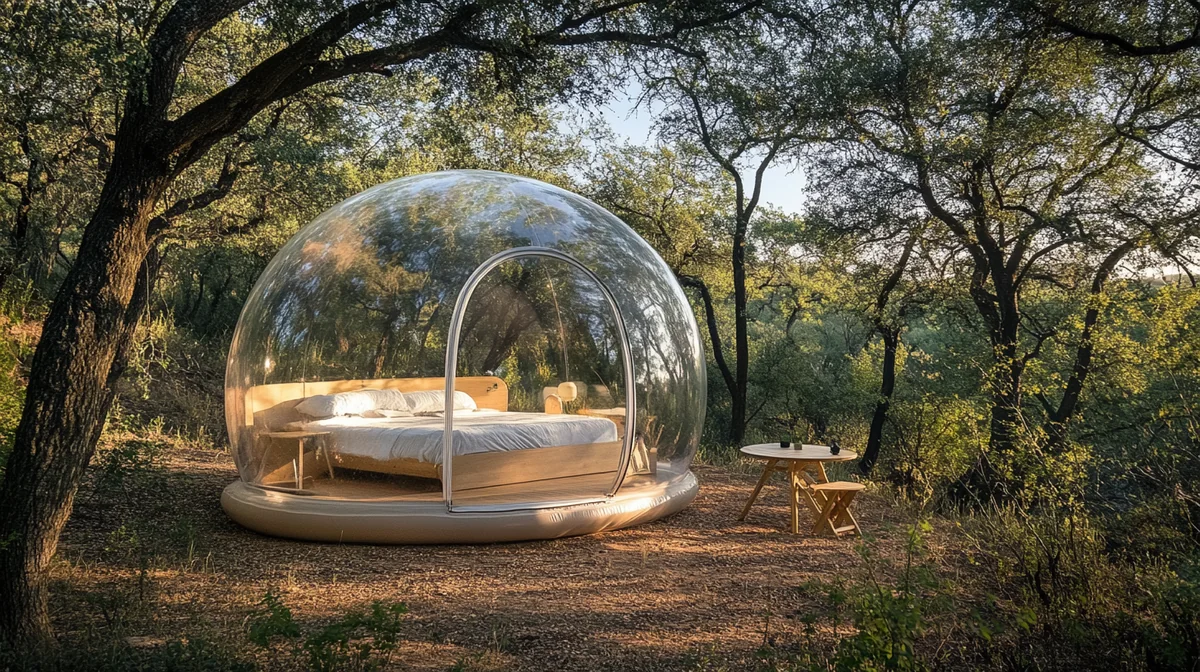
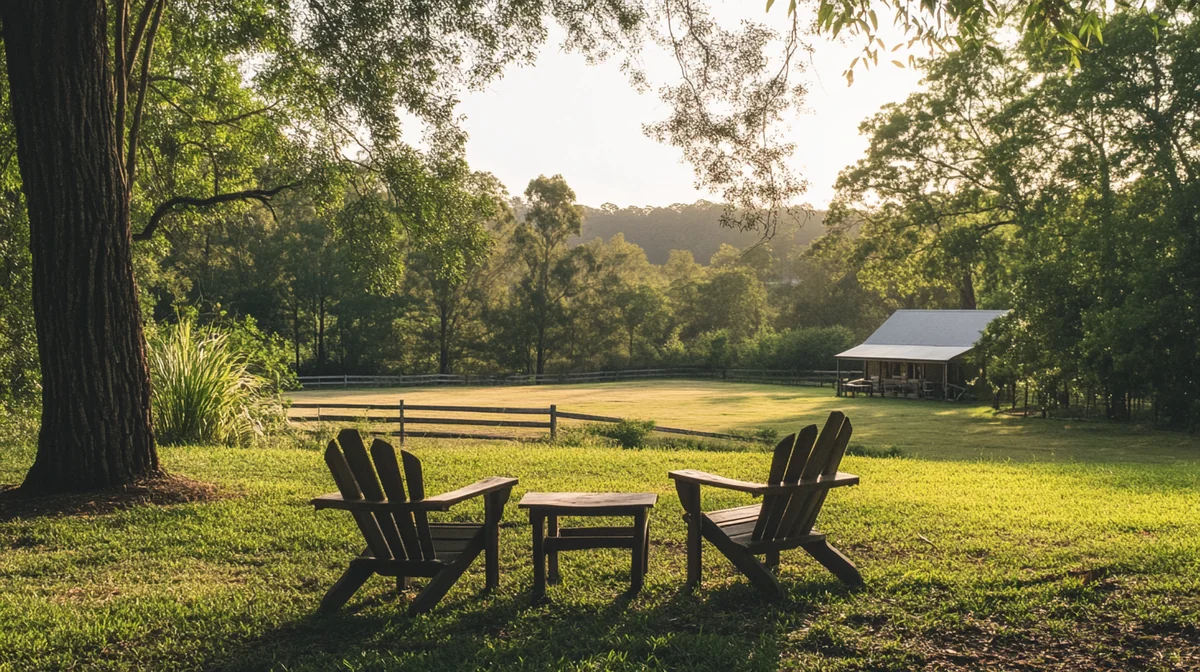
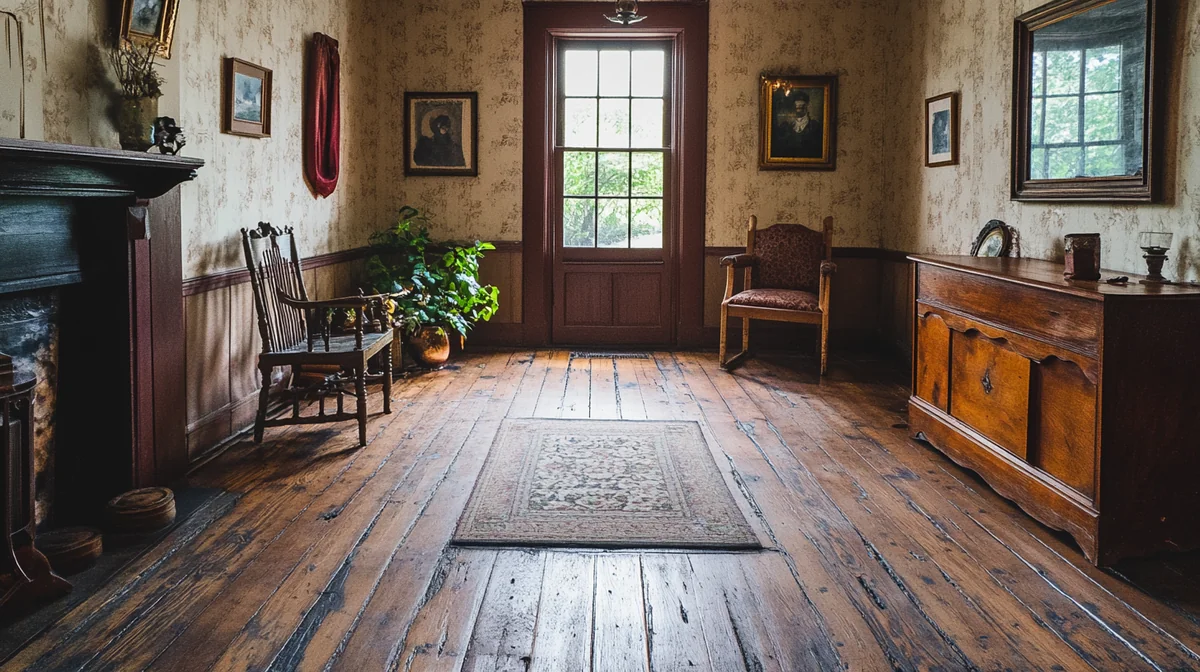
Cabins and mountain retreats are one of the most saturated STR categories in North America — Gatlinburg, Pigeon Forge, Blue Ridge, the Poconos, and every national-park-adjacent town has hundreds or thousands of listings competing for similar guests. Which means the difference between a cabin that clears $60,000 a year and one that struggles to cover its mortgage is almost entirely a marketing and positioning question, not a property question.
The good news: cabin guests are among the most consistent and loyal STR guests. They book ahead, they stay multiple nights, they treat properties well, and they tip (in reviews and referrals) when the experience lives up to the fantasy. Cavmir works with cabin owners from the Smokies to the Rockies to the Alps — and the playbook, with regional adjustments, is remarkably transferable.
How Cabin Marketing Is Different
Cabin marketing is fighting a specific saturation problem: in any given mountain market, guests are scrolling through 40–80 cabins that look functionally identical at thumbnail size. Wood walls, stone fireplace, hot tub on the deck, forest view. That's the baseline — everyone has it. The differentiation has to happen in photography styling, listing voice, and brand identity, not in the property itself.
The cabins that win in 2026 treat themselves as a specific destination with a specific mood. "Treetop Cozy" is different from "Family Adventure Base" is different from "Romantic Retreat for Two." These are all cabins with wood, stone, and a hot tub — but the photos, words, and guest experience for each one are deliberately tuned to a specific guest fantasy. Generic cabins get lost; specific cabins get booked.
Seasonal marketing matters more here than in most categories. A cabin that looks the same in every season's photos is leaving bookings on the table. Autumn leaves, fresh snow, spring wildflowers, summer fire pits — each season deserves its own photo set, and the best-performing cabin listings rotate hero images quarterly to match.
Best Marketing ROI for Cabins in 2026
The highest-ROI investment for a cabin in 2026 is a winter photo shoot. Most cabin listings are photographed in summer when weather is forgiving, but a cabin with snow on the roof, smoke from the chimney, and interior lights glowing at dusk is one of the highest-converting images in the entire STR category. Cost: $800–$1,800 for a one-day winter shoot. Typical return: 30–50% booking rate lift in the prime Nov–Feb booking window.
After photography, the best marketing ROI is a name, a logo, and a branded printed welcome book. "The Cedar Cabin" with a hand-drawn logo and a printed guidebook costs under $400 to create and drives repeat bookings and word-of-mouth in a way generic cabins never do. Guests take photos of the logo and branded book — free social media for the property.
Paid advertising for cabins works best as retargeting, not prospecting. A $150–$400/month Meta retargeting campaign to visitors of your direct-booking site converts at 4–8% for cabin properties — often better than prospecting campaigns that run 0.5–1.5%. Send people to a blog post or a "Weekend Itineraries" page first, then retarget the ones who engage.
Who Books Cabins in 2026
Three major guest segments drive cabin bookings, each with different priorities and booking behaviors.
Couples seeking disconnection (30–55, 2–4 night stays) book cabins specifically for the romance and escape. They care about hot tubs, fireplaces, views, and whether there's a TV (some want one, some explicitly don't — your branding tells them which). They book 4–8 weeks out and pay premium rates for atmosphere. This is the most profitable cabin segment per night.
Multi-generational families (4–12 guests, 4–7 night stays) book larger cabins for holidays, reunions, and school-break trips. They need multiple bedrooms, a real kitchen, game rooms or activity spaces, and kid-safe layouts. They book 2–4 months out and care more about value and space than design details. Lower per-night rates but longer stays and higher total revenue.
Remote-work escapes (28–45, 1–4 guests, 7–21 night stays) are the fastest-growing segment. They need fast WiFi (300+ Mbps), dedicated workspace, good daylight, and enough space to not feel claustrophobic. They'll book shoulder-season weeks that families don't want and pay monthly-discount rates that still net more than empty nights.
Seasonality in Cabin Markets
Cabin seasonality is the most pronounced in the STR industry — high variation being the norm. Most mountain cabin markets see 70%+ of annual revenue compressed into 4–5 peak months: ski markets in December through March, leaf-peeping markets in October, summer lake-and-hiking markets in June through August. The challenge is not maximizing peak (which mostly takes care of itself) but filling the shoulder and off-season weeks.
What works in 2026 shoulder season: experience-based positioning. "Autumn Color Cabin" in October, "Fireside Romance" in November, "Snowed-In Staycation" in January, "Spring Wildflower Cabin" in April. Change your Airbnb listing hero image and title quarterly. This costs almost nothing and typically lifts shoulder-season bookings 20–40%.
Winter-specific cabins in non-ski markets have a particular opportunity: market to families running Thanksgiving, Christmas, and New Year's without snow. Winter cabin stays are often a family's favorite holiday memory. Lean into that nostalgia in copy and photography.
Cabin Profit Margins in 2026
Cabin operating margins in 2026 are generally stronger than coastal or urban STRs — utilities are typically lower, wear-and-tear is more manageable, and cleaning costs are offset by longer average stays. Budget 35–45% of gross for operating costs in owner-operated cabins; 50–60% for professionally managed.
Net margins in the 25–45% range are typical for well-run cabin STRs in 2026. The profit killers to watch: hot tub maintenance (budget $150–$300/month in active markets), propane heating costs in cold climates, and capital furniture replacement (guests are rougher on rustic-styled furniture than modern finishes).
The high-seasonality nature means cash flow is lumpy. A cabin might earn 65% of annual revenue in October–February. Set aside peak-season income to cover shoulder and off-season operating costs, not as take-home until the full year closes out. Many new cabin owners are unprepared for the February–April cash-flow dip.
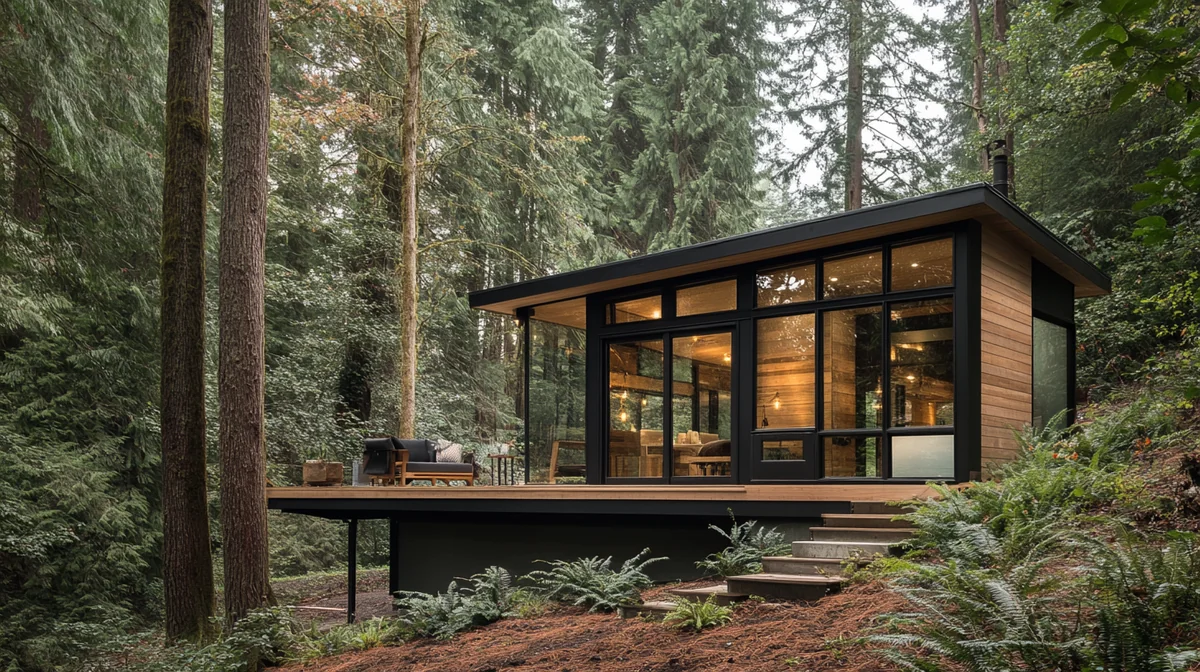
Top Global Markets for Cabins & Mountain Retreats
The top cabin markets globally share three characteristics: strong natural drawcard (mountains, lakes, national parks), road-trip accessibility from major metros, and a mature STR regulatory framework. These are the markets where cabin investments have the best risk-adjusted returns in 2026.
- Smoky Mountains (Gatlinburg/Pigeon Forge), Tennessee
- Blue Ridge Mountains, Georgia/North Carolina
- Aspen, Colorado
- Jackson Hole, Wyoming
- Poconos, Pennsylvania
- Park City, Utah
- Lake District, UK
- Swiss Alps (Zermatt/St. Moritz)
How Cavmir Works With Cabins & Mountain Retreats
Cavmir markets cabins and mountain retreats by treating each property as a destination brand, not a generic listing. Our 12-step process for cabins emphasizes: seasonal photo rotations (4 shoots per year in many markets), named property branding, branded print welcome books, a direct-booking site with a winter/summer toggle, TikTok and Instagram Reels featuring the cabin across seasons, and targeted Meta Ads to the three guest personas that actually book cabins.
Cabin clients typically see a 25–50% increase in nightly rates within two seasons, plus meaningful shoulder-season revenue growth (the area most cabin owners underperform). Many see 25%+ of bookings coming through direct booking within 18 months — a margin boost of 10–15% on those reservations.
What It Takes to Hit 4.9+ Ratings on Cabins & Mountain Retreats
Cabin guests have specific expectations that, if unmet, crater ratings fast. The five things that separate 4.9-star cabins from 4.6-star cabins:
- Firewood provided, stacked, and dry. Nothing kills a romantic cabin weekend like discovering wet firewood or an empty woodshed. Provide at least one cord for a weekend, with kindling, matches, and clear instructions for first-time fireplace users.
- Working, clean hot tub with clear instructions. A slow or cloudy hot tub is the #1 cabin review complaint. Invest in professional hot tub maintenance, provide a printed care card, and leave a small bucket of fresh towels dedicated to the hot tub.
- Fast, reliable WiFi that reaches every room. Remote workers and families both filter for this in 2026. Budget for mesh WiFi ($300–$500 one-time) and a speed test card in the welcome book showing current speeds.
- Seasonally appropriate supplies. In winter: ice melt, snow shovels, boot scrapers, extra blankets. In summer: bug spray, citronella candles, fans. In autumn: leaf rakes for the deck. Guests notice when you've anticipated their season.
- A local experiences guide the guest didn't expect. A printed or laminated one-pager with hiking trails, restaurants, scenic drives, and seasonal recommendations. This single deliverable generates more "thought of everything" review language than any physical amenity.
Frequently Asked Questions
What owners, operators, and prospective buyers ask us about this property type — answered with 2026 data.
Are cabins still a good Airbnb investment in 2026?
Yes, in the right markets with the right positioning. Oversaturated markets like Gatlinburg have become difficult for generic cabins, but high-end or specifically-branded cabins in any established market still perform well. Newer markets (secondary mountain towns, lake districts outside traditional hotspots) often offer better ROI in 2026 than the saturated primary markets. Due diligence on local supply trends matters more than ever.
What's the best size cabin for Airbnb revenue in 2026?
2-bedroom cabins (sleeping 4–6) typically deliver the best revenue per square foot in 2026, balancing couples' weekend stays with small-family trips. Studio and 1-bedroom cabins work for romance positioning. 4+ bedroom cabins work in family markets but have much higher capital costs and more challenging cleaning. The 2-bedroom sweet spot fits the broadest guest base.
How much does a hot tub actually lift cabin bookings?
In most mountain markets, a hot tub lifts booking rates 30–70% and allows 15–25% higher nightly rates — but it also adds $150–$300/month in maintenance, $800–$2,500 annual insurance rider in some states, and ongoing repair costs. The ROI is usually positive but requires continuous care. A cabin without a hot tub needs other strong differentiators (view, location, design) to compete in hot-tub-saturated markets.
Do I need pet-friendly policies for cabin bookings in 2026?
Pet-friendly positioning can lift cabin bookings 20–30% and is especially valuable in mountain markets. Charge a $75–$150 pet fee per stay, require the fee up front, include clear rules in the house manual (no pets on beds, outdoor leash rules), and provide a few pet amenities (water bowl, bed, poop bags). Cabins in hiking/dog-walking regions should strongly consider pet-friendly; ski cabins can skip it without meaningful revenue loss.
What's the best lock system for a remote cabin in 2026?
A cellular-connected smart lock is ideal — Lockly, August, or Yale models that work over cellular (not just WiFi) handle cabin situations where WiFi drops or power flickers. Ensure the lock works offline with unique guest codes, has a physical key backup, and allows remote code generation. Budget $300–$450 for a proper remote-cabin lock setup. Cheaper locks fail in cold weather or during power outages and trigger late-night guest crises.
How do I handle cabin bookings during severe weather or road closures?
Write a clear severe-weather policy into your listing: if official road closures or extreme weather advisories make safe travel impossible, guests get a date change or refund. Communicate proactively the moment forecasts look concerning — 'I'm monitoring the storm for your stay; here's the plan.' This over-communication is what turns a cancelled booking into a future rebooking and a good review.
Should I install a Tesla or EV charger at my cabin in 2026?
Yes, increasingly. EV adoption continues to climb and cabin guests are often road-tripping 2–5 hours from home. A Level 2 EV charger ($600–$1,200 installed) can be marketed as a premium amenity, filter for higher-income guests, and adds trivial ongoing cost. In Western US and Northeast markets, EV chargers have become expected amenities for premium cabins in 2026.
What should I NOT do when marketing a cabin Airbnb in 2026?
Don't photograph in harsh midday light, don't use stock mountain imagery for social posts, don't skip seasonal photo updates, don't rely on 'rustic' as your positioning (everyone claims rustic), and don't race-to-the-bottom on pricing during shoulder season. The cabin market rewards distinctive branding and punishes generic competition — fight that pull with deliberate positioning.
How do guests actually find cabins in 2026?
Airbnb search and Google 'cabin rentals near {destination}' remain dominant, but Instagram Reels, TikTok, and Pinterest drive meaningful direct inquiries for specifically-branded cabins. Guests research on social before booking — a cabin with 3,000 engaged Instagram followers and fresh Reel content routinely outperforms a cabin with zero social presence, even at higher rates. The brand-building investment compounds.
What's the most common cabin marketing mistake Cavmir sees in 2026?
Treating the cabin like a property, not a brand. Most cabin listings in 2026 still read like MLS descriptions — feature lists with no story, no identity, no emotional hook. Guests choose cabins for an experience, not a specifications sheet. The single biggest marketing upgrade most cabin owners can make is rewriting their listing from the guest's emotional perspective rather than the owner's feature inventory perspective.