

Morning
Donuts at Duck Donuts or Orange Blossom Bakery
Duck Donuts is the institution; Orange Blossom in Buxton is the locals' underground pick. A host with an opinion on both sounds local.

Expert short-term rental marketing to grow your bookings and nightly rate in Outer Banks, North Carolina, USA.
Sixteen services, one team. Everything below is built in-house and scoped to your property and market. Most owners start with the 12-Step System.
Every engagement is quoted to your portfolio. These are the ready-made scopes owners pick most — our Fall Special (55% off list or more) is already applied to the website, King Broker, Hotels and à la carte scopes. A clear proposal within 48 hours.
The work is public. Selected engagements and what changed — and reviews from the owners and managers behind them.
* Market averages from AirDNA and STR market reports. A single home's numbers depend on its size, its location and how it is marketed.
Cavmir is an Airbnb marketing agency. We build the brand, the direct-booking website and the marketing for short-term rentals in Outer Banks.
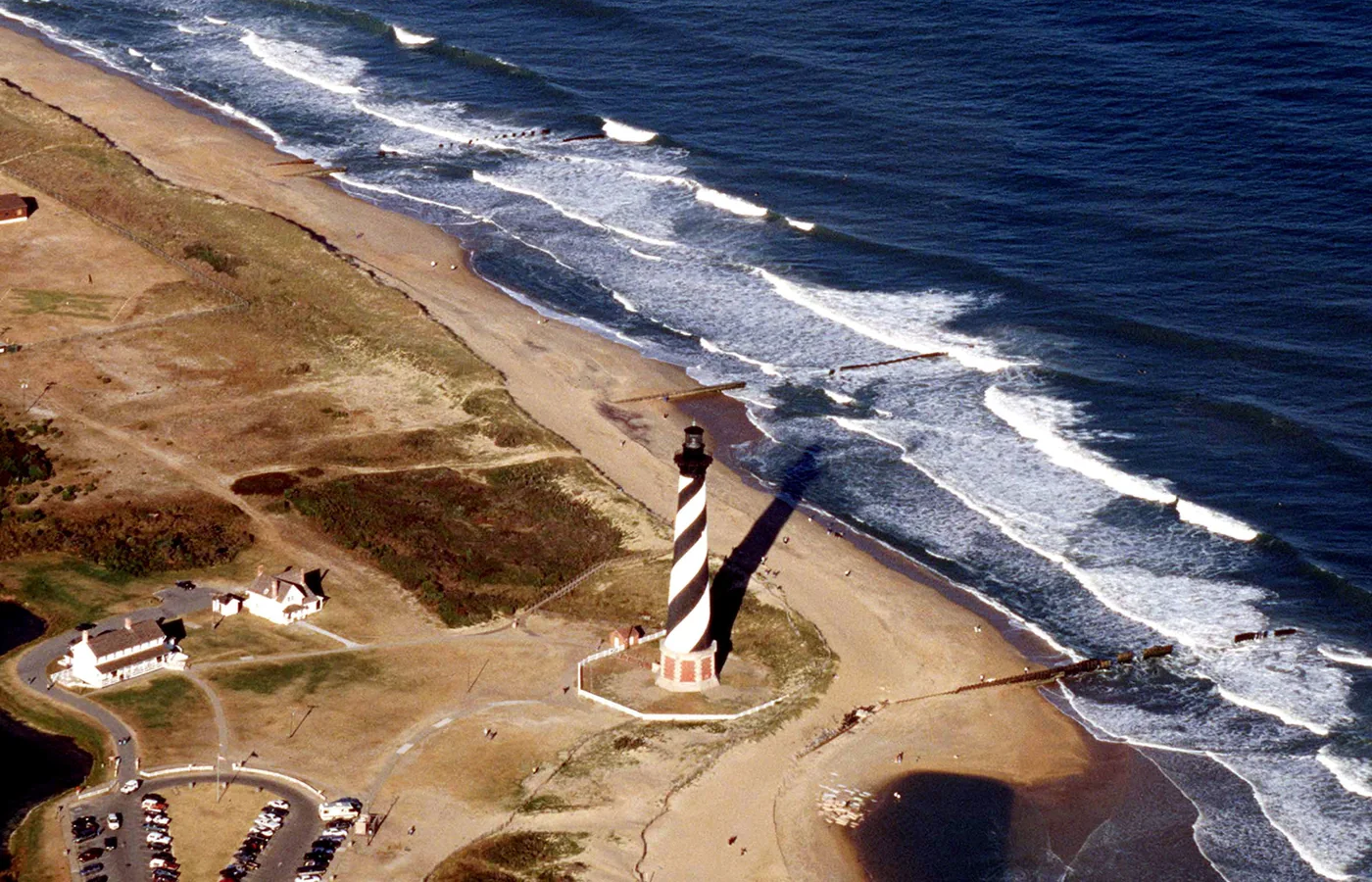
The Outer Banks of North Carolina are one of the East Coast's most beloved family vacation destinations — a 100-mile barrier island chain where wild horses roam on Corolla's beaches, the Wright Brothers made history at Kill Devil Hills, and Cape Hatteras Lighthouse stands as one of America's most iconic landmarks. The OBX offers a rare combination of natural drama and wholesome family appeal that drives fierce repeat visitor loyalty.
The Outer Banks STR market is intensely seasonal (Memorial Day through Labor Day) but commands exceptional rates during peak summer. Large group vacation homes — 5+ bedrooms — are the most in-demand property type, with families booking a year or more in advance. Off-season marketing to fishing and surf communities extends the revenue calendar significantly.
Nearby Markets: Charlotte | Virginia Beach
A few of the visual fingerprints we lean into when we shoot, brand and market a Outer Banks property — courtesy of the open Wikimedia Commons archive.
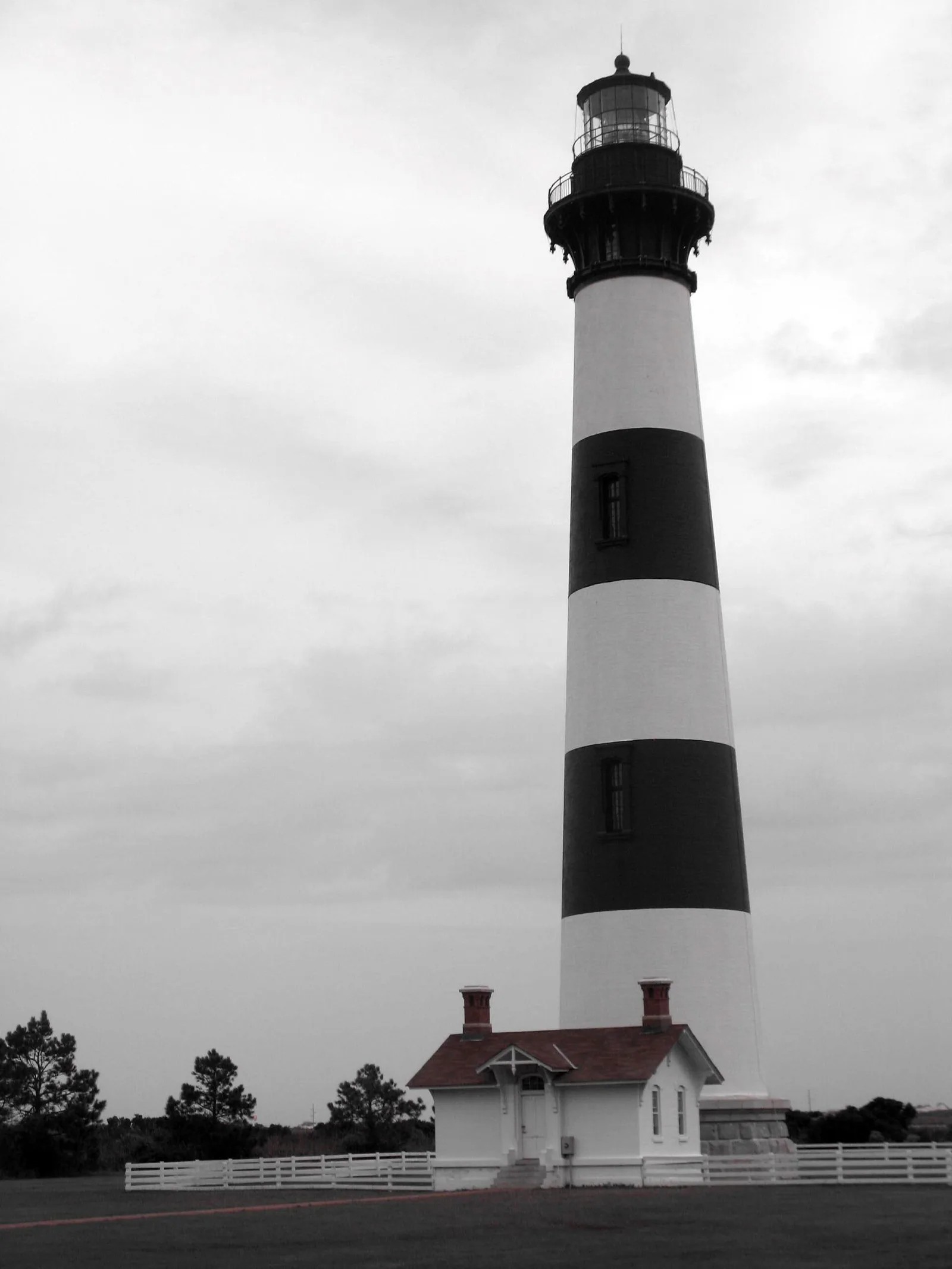
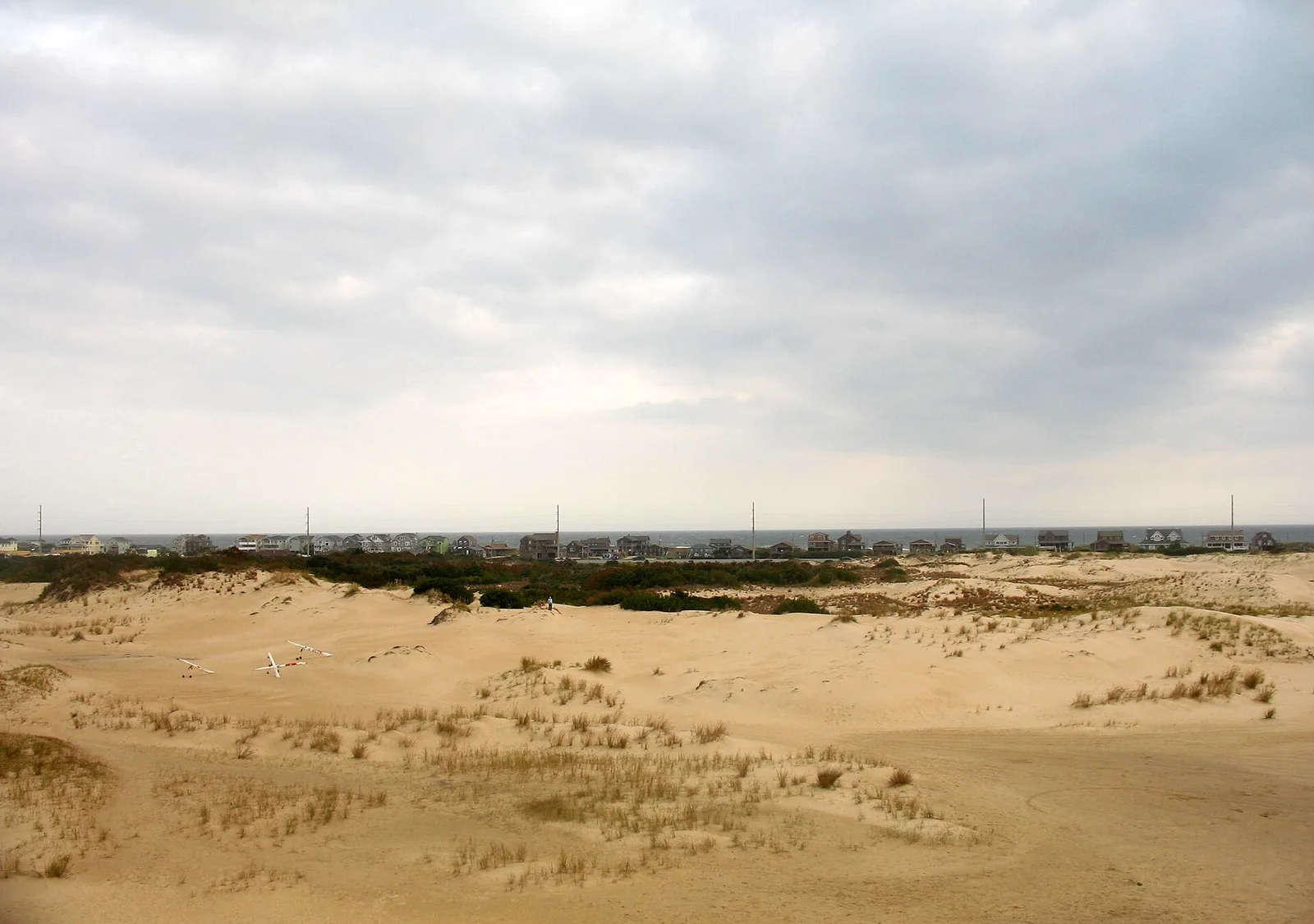
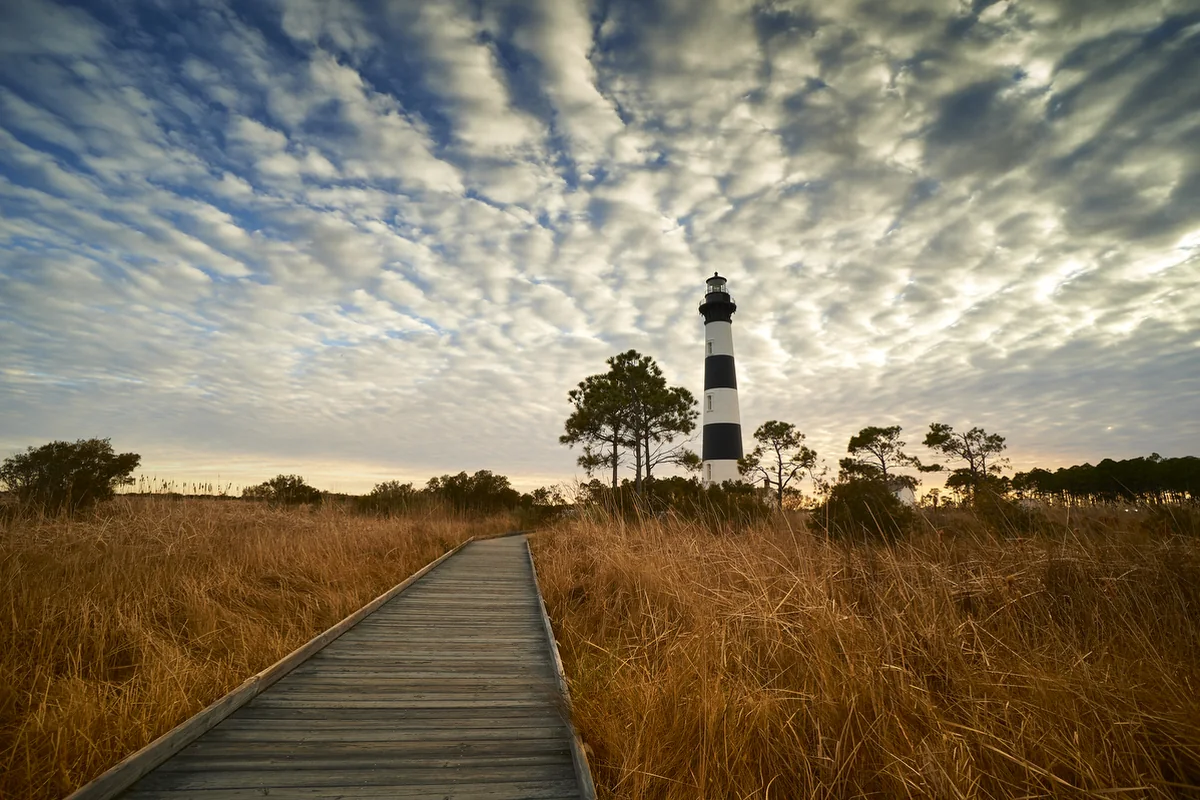
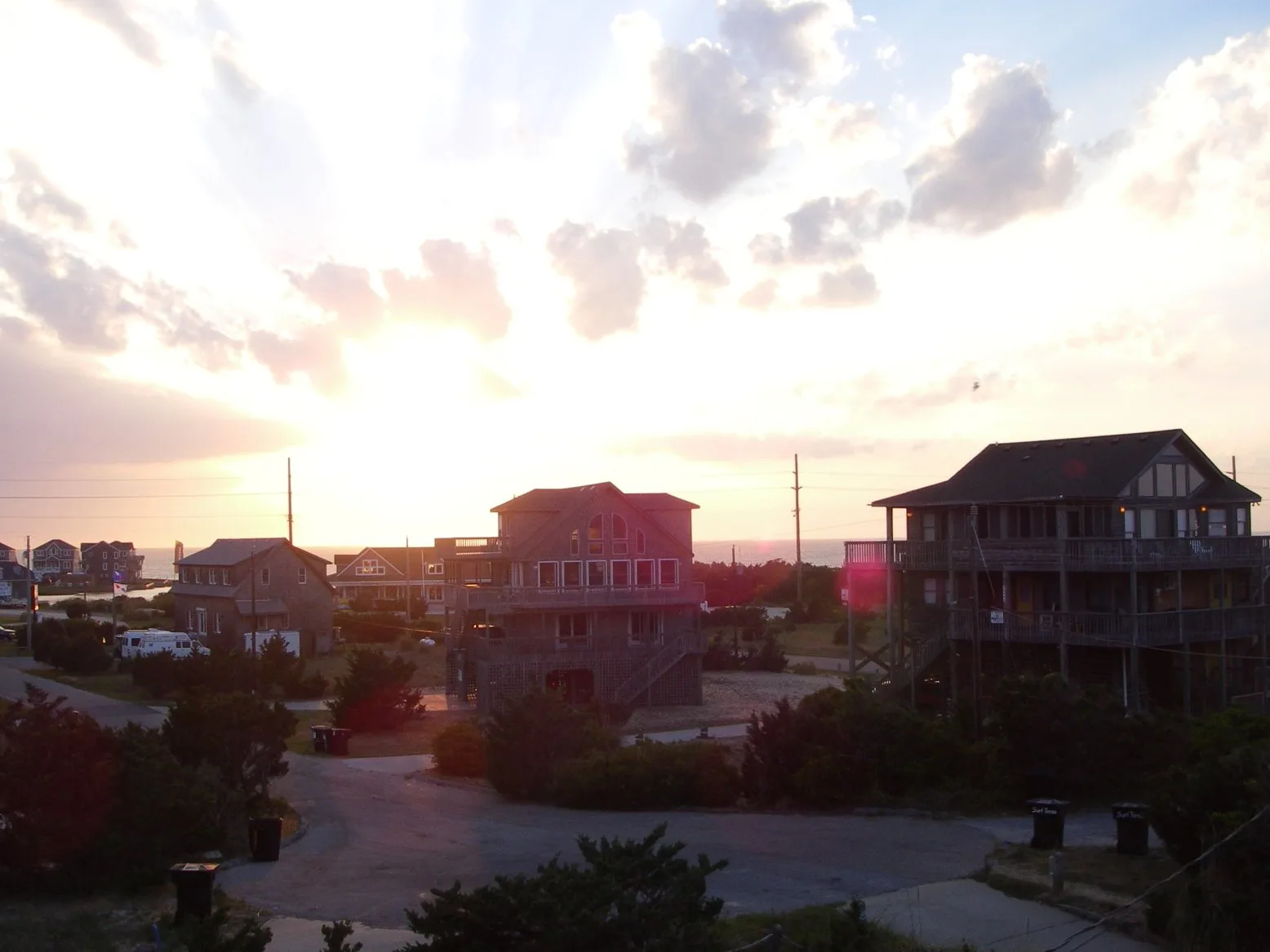
Cavmir's multi-platform distribution strategy ensures your OBX property reaches every family, every group planner, and every travel blogger looking for the Outer Banks experience. Our cinematic photography captures the scale and beauty of OBX beach houses in ways that generic listing photos never can.
The Outer Banks were chosen from a weather report. Two bicycle makers in Ohio read a government wind table, wrote to Kitty Hawk, and picked this sand over every other beach in America. The wind was the amenity then and it still is; Cavmir writes the modern chapter.
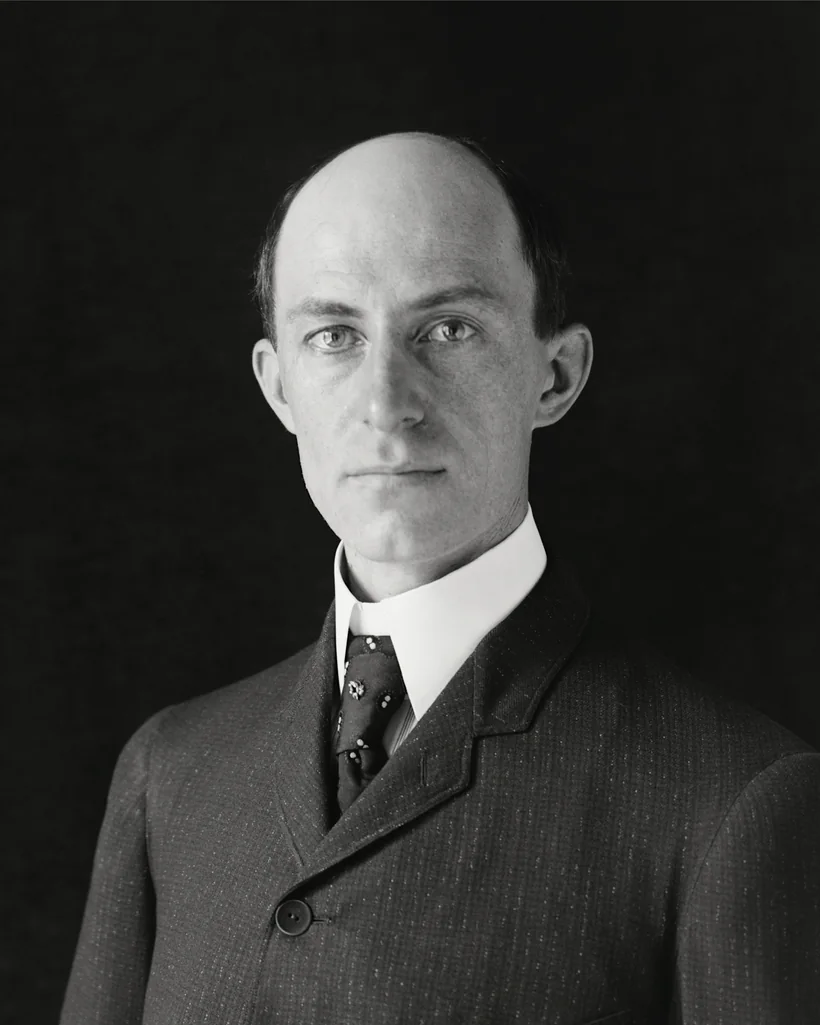

The Outer Banks' short-term rental tradition is older than most visitors understand. The Wright Brothers' 1903 first-flight at Kill Devil Hills happened because the area was sparsely populated enough to allow risky experiments — the same isolation that later made it desirable as a family-vacation escape. From the 1920s onward, Hatteras Island fishing camps and Nags Head cottages (the famous 'unpainted aristocracy' of weathered-cedar houses built directly on the dunes) hosted generations of families returning year after year. Many contemporary OBX STRs are multi-generational family rental bookings — the exact same family returning to the exact same house the same week every summer for 30+ years.
The modern OBX vacation-rental industry scaled significantly in the 1970s–1990s with the development of Corolla (opened by paving NC-12 through the 4WD-only sections), Duck, and the Southern Shores. Large bed-count beach houses (8–20 bedrooms) became the signature inventory, driven by multi-family vacation culture. The Airbnb era added smaller-unit inventory but the dominant OBX asset class remains the large-format beach house booked a year in advance by 20-person family groups.
Before the platforms, a government wind table and two handwritten letters sold this coast to the Wright brothers, and the surfmen of the Life-Saving Service kept them alive while they worked. The photograph a surfman took on December 17, 1903 has advertised these beaches ever since. The channel changed; the work is identical: presentation, positioning, and the promise of wind, sand and room to spread out. It is the same business Cavmir is in today.


Historical images: public domain via Wikimedia Commons — John T. Daniels and the Wright brothers' negatives (Library of Congress), U.S. Air Force.
OBX pricing is bedroom-count driven in a way that most US markets are not. A 12-bedroom oceanfront with a private pool in Corolla can clear $20,000–$40,000 per week during July 4th; the same week at a 3-bedroom a mile inland earns $3,000–$5,000. Direct oceanfront commands a 40–80% premium over oceanside. Pool heat extends season meaningfully. Saturday-to-Saturday bookings are the historical norm — violating this creates operational complexity. The biggest pricing mistake: failing to set shoulder-season (late May and late September) rates aggressively enough — these weeks sell out early among repeat-booking families planning year-ahead.
Highly seasonal — Memorial Day through Labor Day is the concentrated peak, with July being the super-peak. May, June, September, and early October are meaningful shoulders. November through April sees limited demand — fishing and surf travelers, occasional holiday gatherings, but nothing near summer intensity. Off-season is where professional marketing to specific niches (surf camps, fishing tournaments, corporate retreats) can create revenue that generic listings cannot.
OBX is one of the more permissive STR markets in North America. Dare County and the individual towns (Nags Head, Kill Devil Hills, Kitty Hawk, Duck, Southern Shores) each have registration requirements, but the underlying zoning permits vacation rental as a recognized use across most residential zones. Currituck County (Corolla) has its own framework. All jurisdictions require Dare County occupancy tax (6% combined) and North Carolina state sales tax (6.75%). Commercial vacation-rental management companies dominate the booking ecosystem — Sun Realty, Outer Banks Blue, Village Realty, and others manage thousands of properties. Owner-operated Airbnb inventory is a minority of the market.
North Carolina state law allows local regulation but protects private property use in most cases — outright STR bans have not occurred. Life-safety regulations (working smoke detectors, CO detectors, specific hot-water requirements, septic compliance) are required and inspected. Flood-zone and coastal construction regulations are meaningful — substantial renovations must comply with FEMA and NC Department of Environmental Quality standards. Dune-disturbance rules can affect outdoor amenity additions.
The OBX-specific tip that changes economics: market to the same family 30 years in a row. OBX is uniquely loyalty-driven — a well-operated property often has 80%+ of summer weeks booked by returning families. Building that book of repeat guests through an excellent first experience, pre-booking outreach for following year, and consistent amenity upgrades is the single most important long-term strategy.
Second — invest in the pool deck. For large-format houses, the pool-deck area often matters more to guest satisfaction than any interior detail. Sun coverage, heated pool, hot tub, outdoor dining for 16+, grilling station — these are the amenities that drive return bookings. Third — Saturday turnover is a logistical reality; cleaners work Saturday mornings across the OBX. Build relationships with local cleaning companies early, because peak-season cleaning capacity is genuinely scarce. Fourth — respect the weather. Hurricane evacuations happen; clearly documented cancellation and evacuation policies are essential for professional operation.
Hurricane and nor'easter exposure is the permanent operational reality. Erosion claims oceanfront homes at irregular intervals; FEMA buy-outs and relocation programs have reshaped some stretches of NC-12. The Bonner Bridge / Marc Basnight Bridge and NC-12 access remain occasional vulnerability points. Flood insurance costs are a material line item. And the highly seasonal revenue pattern requires strong cash-flow management — carrying a property through a slow winter with insurance, debt service, and HOA fees without peak-season revenue arriving yet.
Flood insurance (NFIP or private) and windstorm coverage are mandatory and expensive. Standard homeowners insurance doesn't exist for OBX — everything is specialty. Budget $5,000–$20,000 annually for typical oceanfront homes; V-zone (most exposed) properties can exceed $30,000. Elevation certificate matters enormously to pricing.
North Carolina state income tax 4.5% flat. NC property tax rates moderate (Dare County effective ~0.65%, Currituck similar). Non-homestead classification applies to STR-primary properties. NC sales tax 6.75% + 6% occupancy tax = 12.75% total guest-collected.
OBX financing is specialty — mainland lenders often underwrite conservatively due to hurricane/flood exposure. Local and regional banks (TowneBank, First Bank) and vacation-rental-focused DSCR lenders are better routes. Saturday-to-Saturday rental-income history is strongly recognized for underwriting. 25–30% down typical; flood-insurance escrow requirements can affect down-payment math.
OBX through 2027 and beyond is a climate-exposed but regulation-friendly market. Expect continued supply decline on extreme oceanfront (erosion, buyout programs). Interior and sound-side inventory more stable. Regulatory pressure is unlikely — North Carolina's political climate strongly supports private property rights. Insurance costs will remain the biggest operational variable. The repeat-family booking culture is durable and protects well-maintained properties even through hurricane-season volatility.
The Outer Banks is a family-market built around a specific American vacation tradition — the week-long beach-house rental, the multigenerational gathering, the cousins building sand-castles while the adults drink coffee on the deck. What we love about marketing OBX is that the audience is loyal and patient. Guests book their property a year out, pay deposits ten months in advance, and return to the same property for a decade. Acquiring a repeat family is worth more than ten one-time bookings.
The marketing opportunity most OBX listings miss is specificity of town and beach-mile. Corolla, Duck, Southern Shores, Kitty Hawk, Kill Devil Hills, Nags Head, Rodanthe, Avon, Buxton, Hatteras — each has a distinct guest profile, a distinct beach-access pattern, and a distinct photography mood. Corolla's wild-horse tours and quiet family reputation isn't Nags Head's scale-and-restaurant scene isn't Buxton's surf-and-lighthouse identity. A listing that names its town and mile-marker and leans into that specific identity commands a meaningful rate premium over generic "OBX beach house" positioning.
The picks Cavmir recommends for Outer Banks welcome books — the kind of details that get forwarded to the guest's sister before next summer.
Duck Donuts is the institution; Orange Blossom in Buxton is the locals' underground pick. A host with an opinion on both sounds local.
East-coast dunes, largest on the Atlantic seaboard. Soundside sunset over the water. Walkable. The OBX photograph guests don't know to expect.
The Duck village boardwalk along Currituck Sound. Shops, ice cream, paddle-boards. A one-hour walk that defines the town's charm.
Red Sky in Duck for the quieter upscale evening; Kill Devil Grill for the classic-diner aesthetic with ocean-view seating.
The southern OBX fishing-village food is the real OBX food story. A recommendation south of the Bonner Bridge separates locals from visitors.
Water's still warm, crowds have gone, the fishing is peak, pricing collapses. The window that rewards OBX hosts who market across the whole shoulder.
The ferry-only island south of Hatteras. A full-day excursion that adds a genuine adventure to a beach week.
Beach umbrellas, carts, rip-tide flags, red/yellow flag meaning. A welcome book with the surf-forecast app and the beach-access rules prevents the most common review complaints.
Representative Cavmir engagements in the Outer Banks. Property details removed; figures composited from internal analytics and market benchmarks.
Premium multi-generational home whose marketing read like a rental brochure. Missing the year-ahead direct-booking family-reunion audience that was its natural fit.
Repositioned as a family-reunion destination with specific reunion-week and birthday-week product bundles. Photography included the multi-family dinner spaces, the kid-safety infrastructure, the sunrise-deck and sunset-deck orientation. Direct-booking site with a reunion-planning welcome PDF.
Booking lead time extended to 10–14 months. Peak-week ADR climbed 38%. Repeat-family bookings now represent 47% of revenue, a level unusual for the OBX market.
Beautiful soundside property positioned against oceanfront competitors and losing. Wrong audience, wrong pricing.
Inverted the framing. Rebuilt as a sunset-kayaking-and-wild-horses destination rather than a second-best-to-oceanfront property. Photography emphasised the sound-side experience — dolphin sightings, sunset paddles, quiet evenings — as the primary draw. Partnership with a wild-horse-tour operator.
Occupancy moved from 61% to 81%. ADR up 27%. Guest profile shifted to longer-stay nature-focused travellers with measurably higher reviews and longer stays.
Hatteras-area property whose marketing defaulted to generic OBX language. Missing the surf-traveller and fishing-traveller audience that distinguished the south island.
Rebuilt around the surf-and-fishing identity of Hatteras Island. Photography at the pier at dawn, board-storage infrastructure shot, the specific Avon surf-break context. Distribution through a surf-travel blog partnership and a Hatteras-charter-boat network.
Occupancy climbed from 54% to 74%. ADR up 31%. Off-season shoulder bookings (April and October) grew dramatically as the surf-specific audience discovered the property.
"The Outer Banks" is one name covering a hundred-mile string of villages that behave like separate rental markets. Everything runs along a single road — NC 12 — and locals give directions by mile post, but the product changes completely as the numbers climb: an eight-thousand-square-foot event home in Corolla, a shingled cottage on the beach road in Kill Devil Hills, and a stilted box in the surf-casting flats of Rodanthe are three different businesses that happen to share a highway. An owner who knows which of these markets their house belongs to has already written the first line of the listing. A guest who books the wrong village learns the difference on day one, because on a barrier island this narrow there is no fixing a location mistake with a car. The distances are real — Corolla to Hatteras village is a two-hour drive on a summer Saturday — and every village has spent decades cultivating its own repeat clientele.
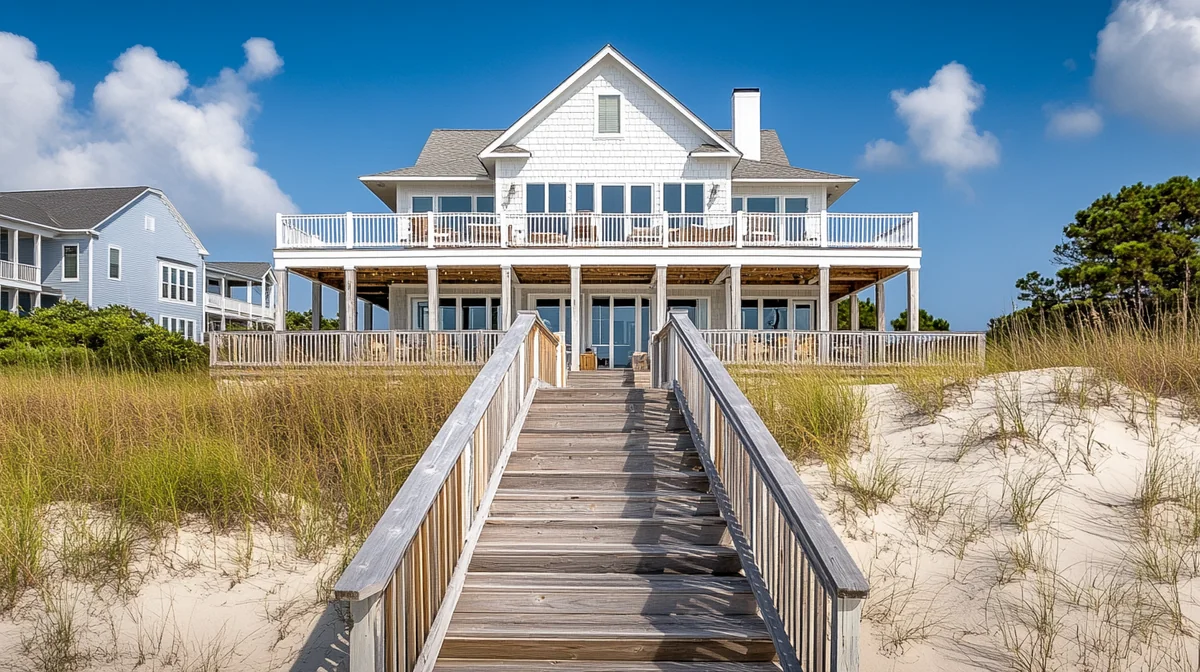
Corolla is where the Outer Banks built America's signature large-cottage market. The pavement only reached here in 1984, so almost everything is modern and almost everything is big: houses of eight, twelve, and in a few famous cases more than twenty bedrooms, with private pools, theater rooms, elevators, and dining tables that seat a family reunion. This is the multi-generational and event end of the market — grandparents' anniversary weeks, three-family shares, and the wedding-house trade, with Historic Corolla Park's Whalehead and the beach itself as the backdrops. Beyond the end of the pavement, the four-wheel-drive beaches of Carova add off-grid seclusion and the wild horse herd. Event use is its own discipline up here: gatherings beyond the house's registered occupancy typically need the county's blessing, quiet hours are enforced, and Currituck's noise rules have teeth, so a house marketed for weddings must be genuinely cleared for them.
Duck, the Outer Banks' newest town — incorporated in 2002 — is the walkable one: a soundside boardwalk, boutiques and restaurants in a village core, and a polished mix of large homes and mid-size cottages that draws couples and families who want amenities within strolling distance. Southern Shores, Frank Stick's planned community begun in 1947 and still dotted with his concrete flat-top cottages, is the quietest of the three: residential streets under live oaks, private beach accesses, and repeat families who prize exactly that stillness.
The central towns are the historic heart of the market and its broadest inventory. Kitty Hawk and Kill Devil Hills carry the year-round infrastructure — groceries, restaurants, the Wright Brothers National Memorial — and a huge stock of mid-size cottages and beach boxes between the beach road and the bypass. This is where first-time Outer Banks families usually land, where shoulder-season weekends stay bookable, and where a well-run six-bedroom with a pool earns steadily without the price of the northern beaches. Nags Head adds the icons: Jockey's Ridge, the largest living sand dune on the East Coast; the fishing piers; and the weathered nineteenth-century cottages of the beach road's "unpainted aristocracy," the original rental product on this coast. South Nags Head offers oceanfront rows away from commercial noise. Guests here skew toward classic-week families, anglers working the piers, and travelers who want the history and the wide beach over the trophy house.
Across the causeway on Roanoke Island, Manteo runs a different market entirely: a walkable waterfront town of inns, cottages, and harbor views, home to The Lost Colony — the outdoor drama performed at the Waterside Theatre since 1937 — and the Elizabethan Gardens. Manteo draws couples, history travelers, and shoulder-season guests who want dinner within walking distance, and its sheltered position gives it steadier weather than the beaches it serves as a quiet counterweight.
Cross the Marc Basnight Bridge over Oregon Inlet and the market changes again. Rodanthe, Waves, and Salvo are surf country — the Atlantic on one side, kiteboarding flats on the other, and a guest list heavy with wave riders, wind-sport travelers, and families who want the national seashore's emptiness. Avon holds the island's commercial core and the famous soundside launch at Canadian Hole, between Avon and Buxton, one of the best-known windsurfing spots in North America. Buxton sits under the Cape Hatteras Light at the island's elbow, where the point's converging currents make it a pilgrimage site for surf-casting anglers; the fall red drum run fills October houses that summer never touches. Frisco and Hatteras village finish the island with the charter fleet — offshore boats running to the Gulf Stream — and a working-harbor character the northern beaches cannot offer. Hatteras houses ride bigger seasonal swings and real NC 12 weather risk, and their guests know it; they are also the most loyal repeat bookers on the entire coast.
Two structures hold this whole market together. The first is the calendar: the Outer Banks still runs on the weekly turnover, Saturday to Saturday in most programs, a rhythm inherited from generations of cottage rentals. Families book the same house for the same week and rebook for next year on the way out the door; cleaners, linen services, and check-in offices are all built around one frantic mid-day changeover. Pricing, minimum stays, and marketing all work with that grain, and off-season flexibility is the exception that proves it. The rhythm is also the market's retention engine: a family that has held the second week of July in the same house for a decade is the most valuable customer on the beach, and the houses that thrive here treat that renewal — the note in March, the upgrade they notice in June — as the year's most important piece of marketing.
The second structure is statutory. North Carolina governs this industry through the Vacation Rental Act, Chapter 42A of the General Statutes, enacted in 1999 with this coast squarely in mind. It applies to rentals of under 90 days for vacation or leisure purposes, and it is the reason an Outer Banks booking feels formal: every stay requires a written vacation rental agreement carrying the Act's required notice; advance payments must sit in a trust account, with defined fees and disbursements permitted before the stay; and a tenant who holds over or materially breaches can be removed through the Act's expedited eviction process before a magistrate. The Act's most distinctive rule protects the year-ahead booking culture itself: when a rental home is sold, the buyer takes title subject to every rental agreement that ends within 180 days of the deed's recording, and tenants booked beyond that window are owed refunds if the new owner declines to honor them. Summer weeks sold in October survive a spring closing, which is precisely why the market can sell a year ahead with confidence. The town and county registrations and occupancy taxes covered in the regulation section above sit on top of that state frame. Cavmir's work here respects all of it: village-true positioning, week-structured pricing, and listing copy written for the guest each town actually gets.
Demand in Outer Banks peaks around June through August and runs quietest around January, February and December. Here is how the year actually books — and what to do about each stretch of the calendar.
Summer on the Outer Banks runs on the Saturday-to-Saturday week. Families book whole houses for whole weeks, arrive and leave on turnover day, and the best homes sell out the season before it starts. Your job is to have next summer's calendar, rates and photography live by early fall, because the serious family bookings start landing before the holidays and the strongest weeks go first.
May, September and October are the connoisseur's season: the ocean stays warm into fall, the crowds thin, and the guests change from school-calendar families to anglers, surfers, kiteboarders and couples. Loosen the weekly minimum to three or four nights, reshoot your listing in golden shoulder light, and lean on October's festival weekends and November's marathon to fill specific dates.
December through February is honestly quiet, and pretending otherwise wastes money. The smart plays are winter monthly stays for traveling professionals and locals between houses, a real maintenance-and-refresh window while the beach is empty, and working your past-guest list so returning families lock next summer's week before someone else does. Some hosts simply winterize, but a warm house with a hot tub and a fireplace still catches the off-season couples trade.
The Outer Banks has one of the longest booking windows of any American beach market: returning families rebook next year's week around checkout, and prime summer weeks fill through the fall and winter. Shoulder and off-season stays run the opposite way, often booked inside a couple of weeks when wind, weather or whim lines up. Open next summer early and keep short-notice pricing sharp the rest of the year.
Summer is weekly, Saturday to Saturday, with some homes turning on Sunday, and that rhythm is the defining fact of this market. Shoulder season loosens to three-and-four-night stays and long weekends, and winter is either monthly or nothing.
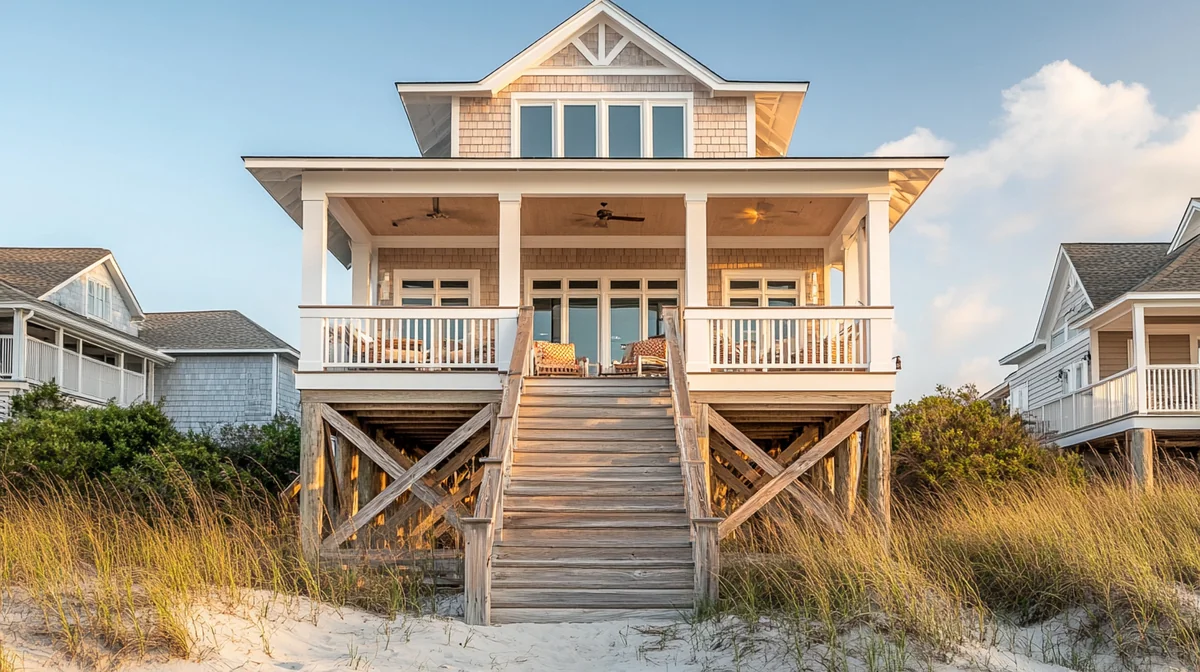
The classic winner is the big beach house that holds a whole family: six-plus bedrooms, a private pool, a game room, and either oceanfront or an honest short walk over the dune. But there's a second way to win — a well-kept soundside home in Kill Devil Hills or Nags Head with a pool takes the value-family segment that gets priced out of Duck and Corolla. Hatteras Island skews wilder and sportier, and listings there should sell the wind and the water, not the finishes.
Work with the market's rhythm instead of against it: sell whole weeks for summer with photography that leads with the pool and the walk to the beach, open next year's calendar early to catch the rebooking wave, and switch to flexible short stays for the shoulder months. A direct-booking site matters more here than almost anywhere, because OBX families famously return to the same house for years and shouldn't have to pay platform fees to do it. That's the exact stack Cavmir builds for Outer Banks hosts — photography, listing copy, direct booking and local search — and it compounds season over season.
June through August is the peak, built on Saturday-to-Saturday weekly rentals, and the best weeks sell out months before the season starts. September and October are a strong, warmer-water shoulder with festival weekends in Duck and Nags Head, and November gets a bump from marathon weekend. Deep winter is genuinely quiet.
Further ahead than almost any beach market in the country. Returning families rebook next summer's week around checkout, and prime weeks fill through the fall and winter, so your rates and calendar for next season need to be live by early fall. Shoulder and off-season bookings run short-fuse, often inside a couple of weeks.
It's a drive market: Virginia Beach, Norfolk, Richmond, Washington DC and Raleigh supply the bulk of the bridge traffic, with Pennsylvania and Ohio families making the longer haul every summer. The few who fly typically land at Norfolk and drive the last stretch down. Ads aimed at Virginia and the mid-Atlantic metros reach the people actually booking weeks.
A private pool is the single biggest filter for the family-week market, followed by a hot tub and a game room that keep three generations happy under one roof. An outdoor shower is quietly non-negotiable to beach regulars, and anglers will pick your house specifically for a fish-cleaning station. Show the pool and the beach path in your first five photos.
Run your Airbnb, Vrbo, or website through Cavmir's free grader. It checks the things that decide whether guests book on the Outer Banks — photos, listing copy, page speed, local search — and shows you where bookings leak. Takes about a minute, and there's no sales call attached.
If the report says your booking engine is the weak link, that's fixable: a direct-booking website of your own means repeat guests stop paying platform fees to come back to you. That's the work Cavmir does — see Airbnb website design on the Outer Banks.
Send us the listing and we'll tell you what we'd change. Not a pitch deck — a straight read on your photos, your title, your rates against the Outer Banks comp set, and whether a direct-booking site would pay for itself.
You'll hear back from a person, usually inside one business day. If we don't think we can move your numbers, we'll say so. Cavmir is a short-term rental marketing agency — we position and market properties, we don't manage them.
Talk to Cavmir today. We'll show you exactly what your Outer Banks property is leaving on the table — and how fast we can change that.
Book a Free Strategy CallPhotography via Wikimedia Commons (images resized and cropped): OBX Avon by Yeti Hunter at English Wikipedia (CC BY-SA 3.0).
