


Historic & Walkable
Old Town
Main Street, the Town Lift and the mining-era charm. Walk to dinner, ski home, and live in the Sundance epicenter. Draws the culture-and-scene guest. Sells the historic, car-free base — mind the HOA rules.

Expert short-term rental marketing to grow your bookings and nightly rate in Park City, Utah, USA.
Sixteen services, one team. Everything below is built in-house and scoped to your property and market. Most owners start with the 12-Step System.
Every engagement is quoted to your portfolio. These are the ready-made scopes owners pick most — our Fall Special (55% off list) is already applied. A clear proposal within 48 hours.
The work is public. Selected engagements and what changed — and reviews from the owners and managers behind them.
* Market averages. Properties marketed by Cavmir typically exceed these figures by 25–45%. Data sourced from AirDNA, STR market reports, and Cavmir internal analytics.
Park City is Utah's mountain gem — home to three world-class ski resorts (Park City Mountain, Deer Valley, and Woodward Park City), host city for Sundance Film Festival, and a summer outdoor recreation destination of increasing global reputation. Main Street's Victorian-era storefronts house celebrated restaurants and boutiques that give Park City a character and charm uncommon in purpose-built resort towns.
Park City is a two-season market with peaks in winter (ski season, December–March) and a growing summer peak driven by mountain biking, hiking, and Sundance. Deer Valley's ski-in/ski-out properties command the market's highest rates. Summer marketing to outdoor enthusiasts and festival-goers is the biggest revenue opportunity for savvy property owners.
Nearby Markets: Salt Lake City | Las Vegas
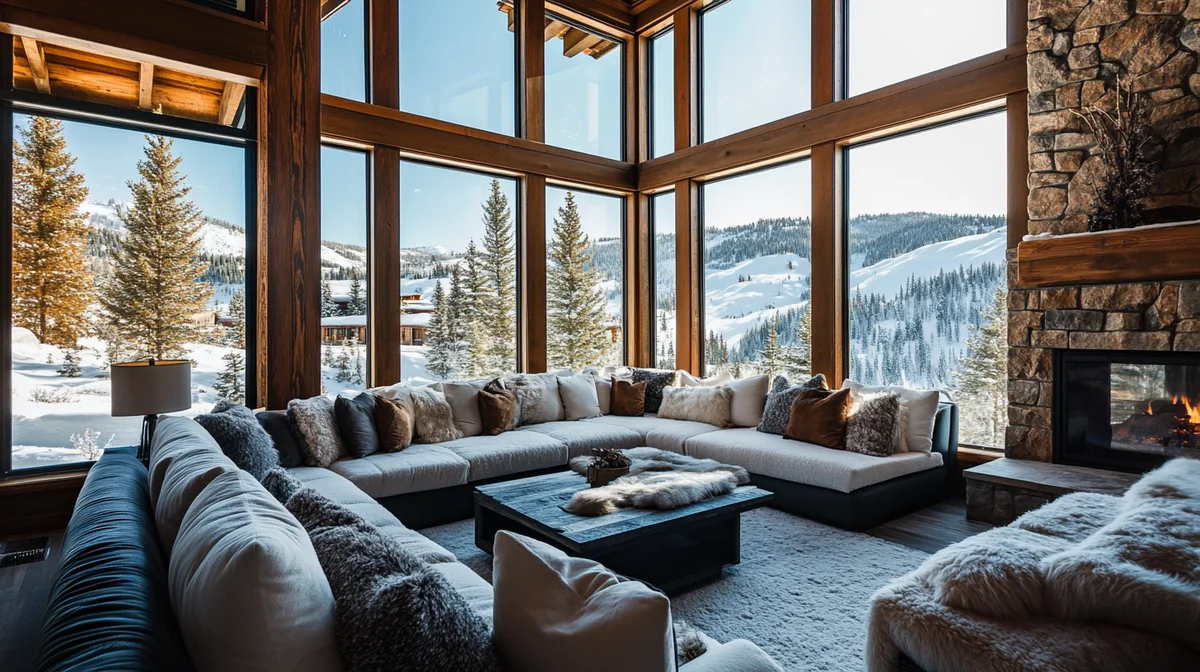
A few of the visual fingerprints we lean into when we shoot, brand and market a Park City property — courtesy of the open Wikimedia Commons archive.
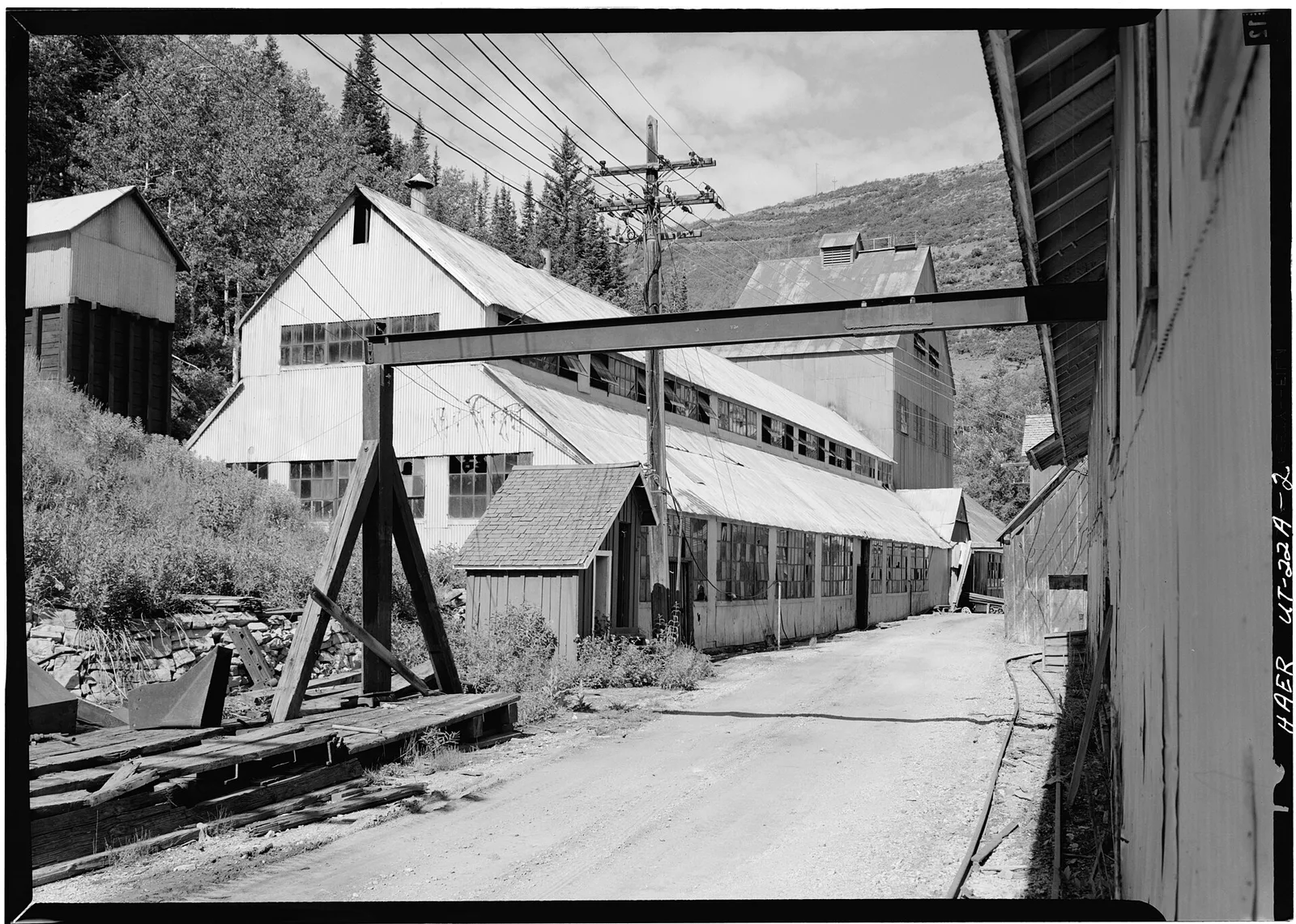
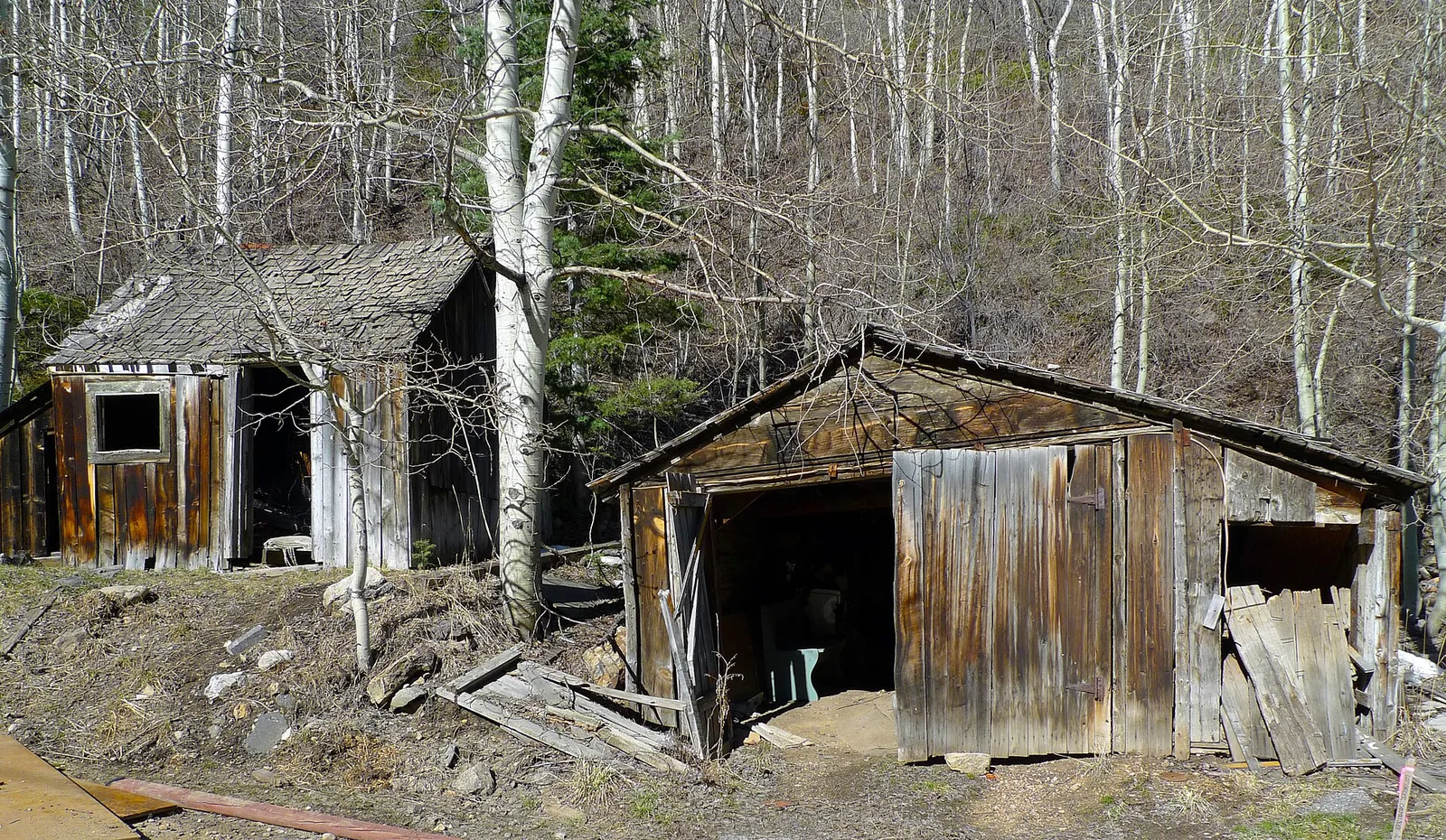
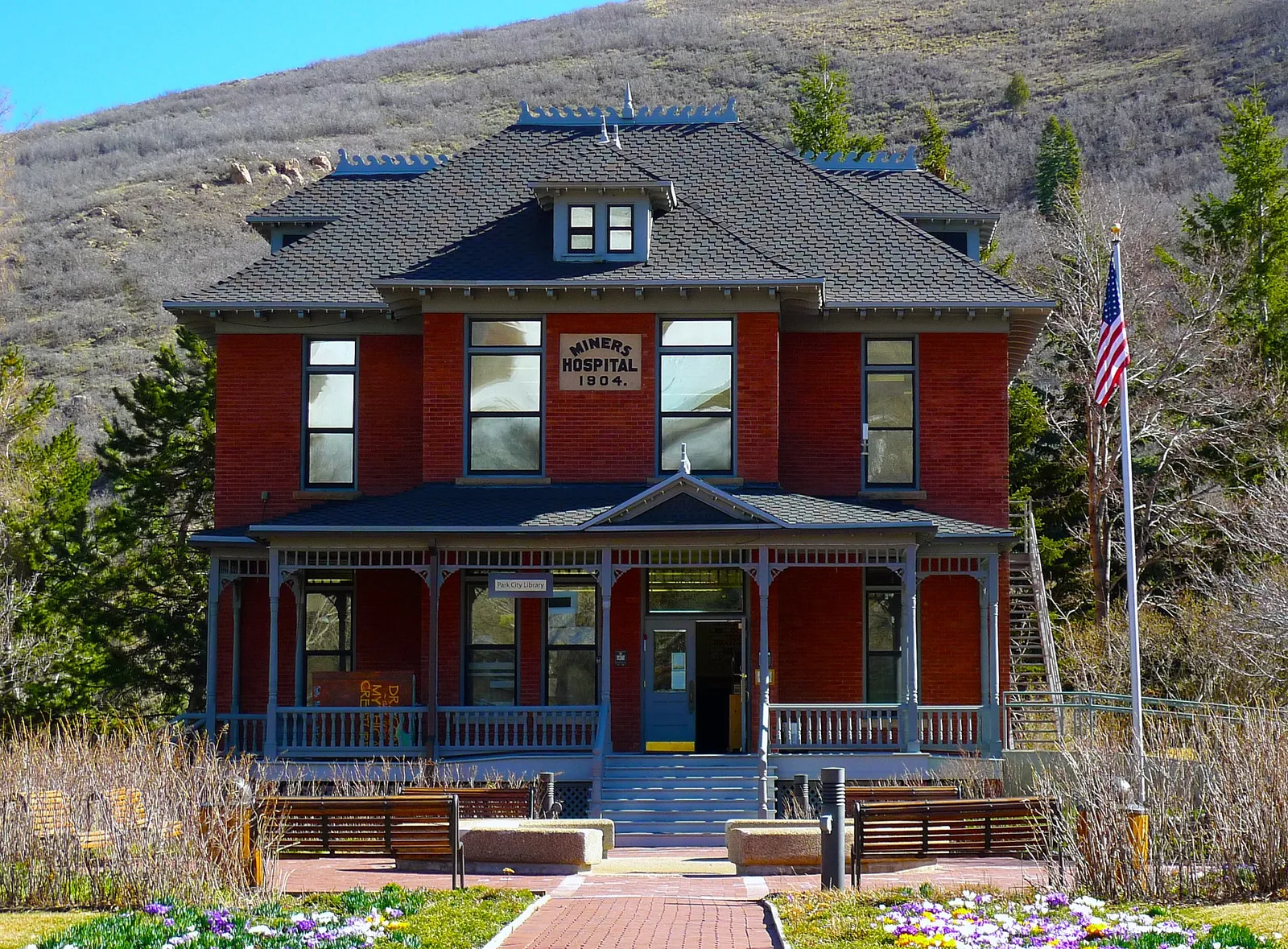
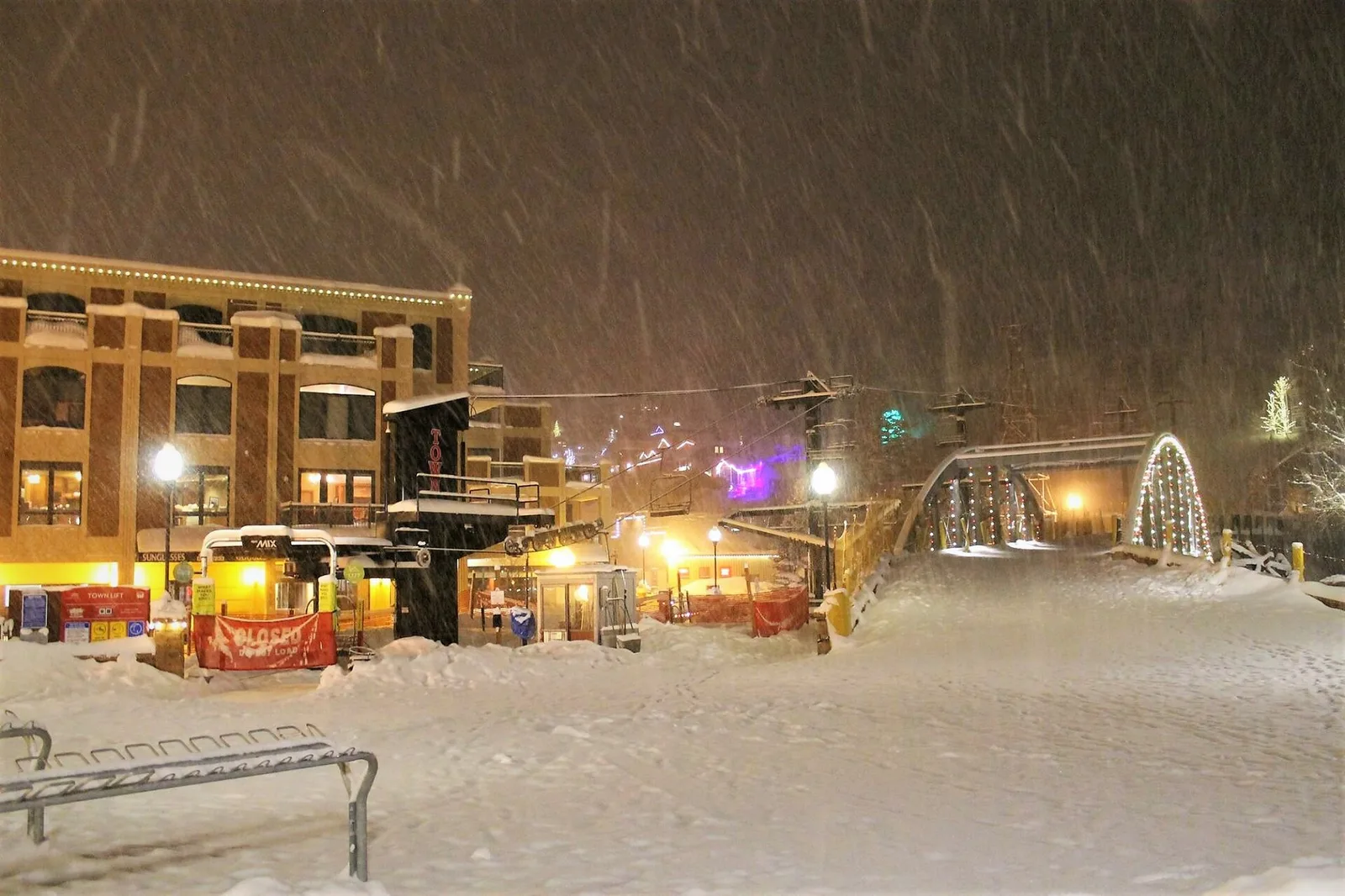
Cavmir builds Park City properties that perform in both seasons — with winter marketing that captures the ski-season premium and summer campaigns that fill the calendar when most listings go dark. Our high-altitude drone photography and editorial-quality interior shots position your property for the affluent traveler Park City attracts.
Park City was a silver and lead mining town from the 1870s through the 1940s, then nearly abandoned until the 1960s when Treasure Mountain (predecessor to Park City Mountain Resort) opened in 1963 as Utah's first real ski resort. Deer Valley, established in 1981, deliberately targeted the upscale ski traveler — no snowboarding until recently, limited lift capacity, focus on grooming quality — and its success shaped the Park City luxury hospitality template. The 2002 Winter Olympics anchored at Park City put the area on the global ski-destination map. Sundance Film Festival (founded 1978 in Salt Lake, moved to Park City in 1981) added the cultural-event dimension.
The 2034 Winter Olympics awarded to Salt Lake City will use Park City venues — Deer Valley, Park City Mountain, Soldier Hollow, and the Utah Olympic Park. This is the single most important long-term catalyst for Park City STR investment. Infrastructure investment, international media attention, and regional venue upgrades over 2026–2034 will reshape long-term values.
Park City pricing is lift-proximity-driven. Deer Valley's ski-in/ski-out properties command the market premium ($800–$3,500/night in peak weeks). Park City Mountain base-adjacent properties follow. Old Town (Historic Main Street) commands a separate cultural premium driven by Sundance and dining scene. Canyons Village, Promontory, and Jeremy Ranch trade at various mid-to-premium tiers. Christmas/New Year is the super-peak; Sundance (late January) is a cultural super-peak; Presidents Day and the rest of ski season drive baseline high demand. Summer season (late June through Labor Day) is growing rapidly but still trails winter rates by 30–50%.
Highly seasonal with two meaningful peaks. Winter peak: Christmas through mid-March. Super-peaks within winter: Christmas/New Year, MLK weekend, Sundance (late January), Presidents Day. Summer peak: late June through Labor Day. Shoulder: mud season (April–late June), fall (late September through early December). Missed revenue: mid-September through early October when weather remains good and foliage is peak, but most owners have discounted into fall.
Park City and Summit County each regulate. Park City requires a Business License and Transient Room Tax registration for all overnight rentals. Summit County (areas outside Park City limits) requires a Nightly Rental License, safety inspection, and compliance with its Development Code. Both jurisdictions apply nuisance, noise, and parking rules. Utah state law allows local regulation but preempts outright bans in most zones.
The 2026 regulatory environment is stable but tightening. Platform enforcement has strengthened. HOA-level restrictions are the most common practical limit — many Deer Valley communities and some Old Town condominiums restrict or require minimum-stay thresholds. TRT rates combine Utah state, county, and city — total guest-collected lodging tax approximately 12.5–13%. Park City's specific resort-tax levy supports transit infrastructure.
Park City's most valuable tip: the 2034 Olympics story should shape your 10-year investment thesis. Infrastructure, global attention, and pre-Olympic test events (2031–2033) will drive demand growth well before the Games themselves. Properties purchased at 2025–2026 valuations have long-term appreciation optionality beyond annual STR yield.
Second — Sundance requires dedicated marketing attention. Film industry guests book early, pay premiums, and evaluate properties on Main Street walkability, Wi-Fi quality, and quiet workspace for industry calls. A property positioned for Sundance's distinctive guest (not generic skier) captures the last-2-weeks-of-January super-peak. Third — summer pipeline is a real opportunity. Mountain biking, hiking, fly fishing, and concerts at Canyons Village now drive serious summer demand. Fourth — Deer Valley's famously ski-focused ownership culture rewards operators who respect the 'no-noise, no-party' expectations of the mountain community.
Cost structure runs at destination-resort levels; operational costs 35–45% of gross on luxury properties. Snow variability affects specific ski-season weeks. HOA restrictions on ski-in/ski-out inventory are tightening. Air-quality-season wildfire smoke (August–September) periodically affects summer experience. And seasonal staffing — cleaners, snow plow operators, on-site management — is perennially scarce.
Mountain-resort insurance with altitude, snow-load, and wildfire exposure factors. Frozen-pipe water damage is the single most common claim category. STR-specific policies through Proper, CBIZ, and local carriers. Budget $2,500–$10,000 annually depending on property size and location. Wildfire-defensible-space compliance matters for foothill properties.
Utah state income tax 4.65% flat. Utah property tax comparatively low (~0.6% effective for owner-occupied; STR-classification similar in Summit County). Combined state and local lodging tax approximately 12.5–13% guest-collected. Park City resort tax levy supports transit.
Park City financing is mature — local lenders (Zions Bank, Bank of Utah) and national DSCR products active. Ski-in/ski-out properties often appraise with strong STR-income underwriting support. Jumbo territory common in Deer Valley and high-end Canyons. 25–30% down typical.
Park City is one of the great American ski markets, but it does not let you rent just anywhere — and that single rule sorts the winners from the disappointed. Nightly rental is permitted only in the specific zoning districts that allow it; across much of the residential map, short stays are simply not allowed. So the first question about any Park City property isn't what it earns — it's whether it can legally be a nightly rental at all. Get that right and the market is generous; get it wrong and the most beautiful house is just a second home.
Park City defines a "nightly rental" as a stay under 30 days and permits it only in designated zones — largely the resort, commercial and overlay districts, not the standard neighborhoods. Where it's allowed, the city requires a Nightly Rental Business License, and the checklist is real: proof of ownership, a floor plan, a parking plan, tax registration, a building or life-safety inspection, and a local contact who can respond. This isn't a rubber stamp; it's a genuine gate, and it exists to keep nightly rentals in the parts of town built for them.
Jurisdiction splits cleanly: inside Park City limits you follow city zoning and licensing; in the unincorporated Snyderville Basin and beyond you follow Summit County's program, and parts of the wider area reach into Wasatch County — each with its own permits and enforcement, and Summit County now running a dedicated complaint line. Layered over all of it are the HOAs, especially in Deer Valley, the Canyons and Old Town, which set their own nightly-rental rules that can be stricter than the city's. And the taxes stack — state sales tax near 4.85%, a city transient room tax, and a county transient room tax on top. Confirm all three layers before you list.
For anyone shopping Park City with rental income in mind, the order of questions is what separates a good investment from an expensive lesson. Ask whether the zone permits nightly rental before you ask what the home earns, because a stunning house in a residential zone or a restrictive HOA can never legally host — and that reality is invisible in a listing photo. Two properties on the same street, or two units in the same building, can carry opposite rights depending on their zone and their association. The homes that already hold a valid Nightly Rental License in a permitted zone are, quietly, a more valuable and more liquid asset than identical-looking neighbors that don't, and pricing should reflect it. Treat the rental right as part of what you're buying, not a formality to sort out afterward.
Park City's calendar is a ski season with a film festival detonating in the middle of it and a growing summer tacked on either side. The winter is the engine, but the single richest week of the year isn't a holiday — it's Sundance, and the operators who plan the year around it price very differently from the ones who don't.
Ski season, December through April, is the core — Deer Valley and the Park City Mountain resort, the largest in the country, plus the holiday weeks that command the year's top rates. Dropped into late January is the Sundance Film Festival, which fills the entire town with the film world and produces the single most valuable stretch of nights on the calendar. Summer has become a real second season: concerts at Deer Valley, mountain biking, the arts festival, the Utah Olympic Park and a growing festival slate. Fall brings golden-aspen foliage and a quieter luxury guest, and the deep shoulder weeks between seasons are the natural lull.
There's a once-in-a-generation catalyst on the calendar now: the 2034 Winter Olympics are coming to Utah, with Park City and its resorts central to the Games. That does two things for owners. Near-term, it drives infrastructure investment, global attention and steadily rising interest in the market. Longer-term, the Games themselves will pressure-test the region's entire lodging supply and create a rate opportunity for compliant operators that few markets ever see. It's a reason to get the compliance and the guest relationships right now, so you're positioned when the spotlight arrives.
Price Sundance and the ski holidays as individual, minimum-stay events — they are the richest nights of the year and should never sit at a season average. Build the summer deliberately, because the concert-and-trail guest is affluent and still under-served. Use the shoulder weeks for maintenance and owner time rather than discounting into an empty market, and invest in direct booking now: the returning family and the loyal Sundance guest are the assets that will matter most as the Olympic decade unfolds.
In Park City the base you choose sets the guest, the price and — through the zone and HOA rules — whether you can host at all. Here is how Cavmir reads the mountain before writing a word, matching the property to the guest who pays the most to stay exactly there.
Main Street, the Town Lift and the mining-era charm. Walk to dinner, ski home, and live in the Sundance epicenter. Draws the culture-and-scene guest. Sells the historic, car-free base — mind the HOA rules.
The white-glove, ski-only resort — groomed runs, valet service and the top of the market. The luxury family and the discerning skier. Sold on service and prestige; its HOAs set their own nightly-rental terms.
The base of the largest resort in the country — ski-in, ski-out and built for groups. The multi-generational ski trip and the summer festival family. Sells slope-side ease and the sheer scale of the mountain.
The practical base — outlets, groceries, easy freeway access and a shuttle to the lifts. The value-minded family and the longer stay. Occupancy-driven, winning on price, space and everyday convenience.
Sprawling gated golf communities with big homes and big views. The luxury group and the summer golf trip. Sells the estate, the amenities and the privacy — with HOA rules that govern whether you can host.
The fast-growing reservoir side and the new Deer Valley expansion. Modern build, lake-and-mountain views and fresh inventory. The trend-forward guest — confirm the county and HOA rules on this newer ground.
Over into Wasatch County — more land, lower prices, its own rulebook. The budget-aware skier and the summer lake-and-trail guest. Sells value and space within reach of the resorts, on a separate jurisdiction.
Park City rewards owners who verify before they commit. Confirm the zone permits nightly rental, confirm which city or county program governs the parcel, and confirm the HOA allows it — because any one of the three can quietly forbid hosting no matter how perfect the property. Where it's allowed, secure the Nightly Rental Business License and set up the layered tax collection. Buyers who skip the diligence fall for a home in a residential zone or a restrictive HOA and end up with a second house they can't legally rent, which is the costliest mistake this market offers.
Park City's nightly rates are strong, but the mountain adds costs a flatland owner never sees, and the winning proforma prices all of them. High-altitude winters mean serious heating bills, snow-removal contracts and the constant, real risk of a frozen pipe if systems aren't maintained. HOA dues in the resort communities can be substantial. Insurance runs higher for a mountain, short-term-occupancy property, and the layered state, city and county taxes take their share of every booking. None of it argues against the market — Sundance, ski season and the coming Olympic decade make Park City one of the most durable rental markets in the West — but a proforma built on a holiday-week rate and none of January's heating and maintenance costs is how a promising listing quietly underperforms. Run the annual numbers, budget for the mountain, and price the whole year you'll actually operate.
Command the calendar's peaks: Sundance and the ski holidays deserve premium, minimum-stay pricing, and the growing summer deserves a real marketing effort rather than an afterthought. Position the property as the premium mountain base it is — professional photography, ski storage, a hot tub that works, concierge-grade local guidance — because the Park City guest is buying an experience. And build direct booking now, ahead of the 2034 Olympic decade, so the loyal guests and the compliance are already in place when the region's spotlight and rates rise together.
The details here are altitude, snow and expectation. High-country winters demand serious heat, snow-and-ice management and reliable systems — a cold house or a frozen pipe during a holiday week is an emergency and a one-star. Parking and shuttle logistics matter in a town where winter driving is real, so document them precisely. And the guest paying Park City rates expects Park City service, so the gap between a good listing and a great operation is entirely in the details: the pre-arrival grocery, the lift-and-trail guidance, the smooth arrival that turns a first stay into a yearly tradition.
The 2034 Olympics transforms the long-term view. Expect meaningful infrastructure investment (FrontRunner rail extension, US-40/I-80 interchange work, Olympic Park expansion) through 2033. Property values likely appreciate above Mountain West norms through the pre-Olympic cycle. Short-term rental regulation will probably tighten as the housing debate intensifies, but outright STR restrictions remain politically difficult given the tourism economy's importance. Summer-season demand growth will likely outpace winter growth, narrowing seasonal revenue gaps.
Park City is the smart-money ski market. Deer Valley's premium hasn't cracked, Park City Mountain's scale keeps it relevant, and the Sundance Film Festival remains the single largest January revenue event in American mountain STR. What we love about marketing here is the four-season maturity — the mountain-bike economy in summer is now substantial, the fall aspen-color season rewards patient marketers, and the shoulder-month quiet is increasingly booked by remote-workers who've figured out that Park City in May is one of the best value windows in American mountain country.
The marketing mistake most Park City listings commit is single-season positioning. Ski-only marketing leaves 60% of the revenue year unmarketed. A listing that tells its summer story, its fall story, and its shoulder-quiet story — with season-appropriate photography and calibrated copy — commands premium rates across the calendar. Park City guests are wealthier, more discerning, and more loyal than the market average. A property that earns that loyalty through editorial-grade marketing turns first-time bookers into annual repeat guests.
The picks Cavmir recommends for Park City welcome books — small specifics that make Sundance weeks and quiet summer weeks both memorable.
Ritual for the chocolate-bar-level pastry; Harvest for the farm-to-table breakfast at the Kimball Junction side of town.
Fifteen-minute drive up the pass for the valley view and the aspen grove that turns yellow in late September.
Walkable, dense, gallery-and-restaurant scene, silver-mining history that most guests don't know. A twenty-minute walk from any Old Town property.
Riverhorse is the Park City classic; Handle is the small-plates newer-school spot. Both book two to three weeks out during Sundance.
Real skiers pre-wax. A host who provides a pre-ski-day waxing recommendation signals operator-sophistication to an experienced guest.
Mud season has its own charm. Empty town, 50°-65° afternoons, restaurants quiet, trails opening. A pricing window that rewards hosts who market it.
Antelope Island for the bison-herd photography; Salt Lake for the surprising craft-distillery scene. Both break the ski-week monotony.
Sundance screenings require pre-planned shuttle timing. Ski days require lift-hour pre-planning. A one-page briefing on each prevents most major guest-stress points.
Representative Cavmir engagements in Park City. Client details redacted; numbers composited from internal campaign analytics and AirDNA ranges.
Ultra-premium home marketed through a single broker. Missing the direct-booking luxury-travel audience. Sundance-week pricing under-calibrated.
Built a full luxury-editorial brand. Cinematic film, architectural photography in all four seasons, direct-booking site with travel-advisor partnership program. Sundance-week pricing rebuilt around festival-screening calendar.
Sundance-week revenue up 62% year-over-year. Direct-booking advisor channel grew to 39% of annual revenue. Off-season revenue quadrupled as the summer-and-fall audiences discovered the property.
One of hundreds of near-identical base-village condos. Competing purely on price and losing to better-marketed competitors in the same building.
Differentiated through a family-ski audience focus. Photography emphasised the ski-school walkability, the drying-room infrastructure, the family-dinner space. Partnership with a ski-school alumni network drove repeat-family bookings.
Occupancy climbed from 56% to 79%. ADR up 28%. Holiday weeks now book 8+ months ahead, a pattern that materially stabilises annual revenue.
Beautiful silver-mining-era home with generic real-estate-style marketing. Missing the Sundance-week production-rental audience entirely.
Split-brand: leisure-ski listing and production-and-media-company rental. Location-scout tear sheet distributed to Sundance-adjacent production services. Copy and photography rebuilt around the home's historic character and event-ready entertaining.
Sundance-week production-rental cleared $62K in a single booking. Leisure ADR climbed 33% on the elevated brand perception. Year-round revenue up 44%.
Demand in Park City peaks around January, February and March and runs quietest around April, May and October. Here is how the year actually books — and what to do about each stretch of the calendar.
Winter is the franchise. From the December holiday weeks through March, ski demand drives some of the strongest nightly rates in the state, with Christmas through New Year's booking first and hardest. Sundance's move to Colorado retires the famous late-January spike, but the ski demand it sat on top of is still there — MLK and Presidents Day weekends fill regardless. Lock pricing, minimum stays and photography before Thanksgiving, because winter guests book the polished listing.
Summer is the quiet strength: cool mountain air, lift-served hiking and biking, Savor the Summit and the Silly Market on Main Street, and the Kimball Arts Festival in August. It books on shorter notice and gentler rates than winter, but a listing that shows green-season Park City — instead of leaving ski photos up all year — captures it. September foliage and Autumn Aloft keep weekends moving into fall.
April through May and late October through November are mud season, when the lifts close and the town exhales. Be honest with the calendar: this is the window for monthly stays from remote workers and relocation scouts who want a mountain month at a sane rate. It's also when you book your own maintenance, hot tub service and photo refresh, so you're not doing it during the December ramp.
Nothing in Utah books further ahead than Park City winter. The holiday ski weeks fill many months out, the rest of the ski season fills through the fall, and summer is the opposite — much of it books inside a few weeks. Practically, your winter pricing and photography need to be right by early autumn, while summer rewards staying flexible and event-aware.
Winter skews long: holiday and school-break bookings run close to a week, with two-to-four-night ski weekends filling the gaps. Summer runs shorter around festivals and mountain weekends, and mud season is where the week-plus and monthly stays live.
The Park City winner is a four-plus-bedroom home or large townhome with a hot tub and a real gear setup, in Old Town, Park Meadows, Canyons Village or Kimball Junction — anywhere the lift-or-bus story is simple to tell. Winter guests pay for beds plus the soak after skiing, and a bunk room earns its keep every holiday week. Smaller condos still compete when the walk-to-lift claim is honest and the photos prove it.
Start with the winter guest's real decision: how do I get to the lifts, where does the gear go, and is there a hot tub. Photography and listing copy that answer those three questions up front outperform generic mountain-lodge styling. From there, keep a second set of green-season photos so summer guests see summer, price the holiday weeks and festival weekends individually, and add a Google Business Profile plus a simple direct-booking site so the families who return every winter can skip the platform fees. That's the stack Cavmir builds for Park City hosts, and each piece feeds the others.
December through March, with Christmas through New Year's as the deepest-booked stretch and MLK and Presidents Day weekends close behind. Summer is a genuine secondary season around the Kimball Arts Festival and Main Street events, while April, May and November are mud-season quiet.
Holiday ski weeks book many months ahead — returning families often lock next year before they leave — and the broader ski season fills through the fall. Summer moves on much shorter notice, often inside a few weeks. Get winter right by early autumn and stay flexible the rest of the year.
Winter is a national fly-in market through Salt Lake City International, about forty minutes away, with New York, Texas, Southern California and the Southeast heavily represented. Year-round, the Wasatch Front drives up for weekends and events, and Front Range skiers come over on I-80 in good snow years. If you advertise, the big coastal and Texas metros are the winter targets.
The hot tub leads — it's the first filter for winter groups — followed by ski storage with boot dryers and garage parking for snowy arrivals. A bunk room quietly wins the family holiday weeks, and proof of an easy lift-or-bus connection in your photos does more than any interior upgrade.
Run your Airbnb, Vrbo, or website through Cavmir's free grader. It checks the things that decide whether guests book in Park City — photos, listing copy, page speed, local search — and shows you where bookings leak. Takes about a minute, and there's no sales call attached.
If the report says your booking engine is the weak link, that's fixable: a direct-booking website of your own means repeat guests stop paying platform fees to come back to you. That's the work Cavmir does — see Airbnb website design in Park City.
Send us the listing and we'll tell you what we'd change. Not a pitch deck — a straight read on your photos, your title, your rates against the Park City comp set, and whether a direct-booking site would pay for itself.
You'll hear back from a person, usually inside one business day. If we don't think we can move your numbers, we'll say so. Cavmir is a short-term rental marketing agency — we position and market properties, we don't manage them.
Talk to Cavmir today. We'll show you exactly what your Park City property is leaving on the table — and how fast we can change that.
Book a Free Strategy CallPhotography via Wikimedia Commons (images resized and cropped): Park City Utah Historical Wood Cabin photo D Ramey Logan by Don Ramey Logan (CC BY 4.0) · Miners Hospital Park City Utah photo D Ramey Logan by Don Ramey Logan (CC BY 4.0) · 2019 Park City, Utah 02 by Farragutful (CC BY-SA 4.0).
