$925
Avg. Nightly Rate
34%
Avg. Occupancy Rate
$9,400
Avg. Monthly Revenue
3-6%
Est. Cash-on-Cash ROI
HIGH
Seasonality
HEAVY
Regulatory Burden

* Market averages. Cavmir-managed properties typically exceed these figures by 25–45%. Data sourced from AirDNA, STR market reports, and Cavmir internal analytics.

The Market

Why The Hamptons is One of the World's Premier STR Markets

The Hamptons aren't one town. They're the premium East End of Long Island — East Hampton, Southampton, Bridgehampton, Sag Harbor, Montauk, Amagansett and Water Mill — strung along the Atlantic about a hundred miles from Manhattan. This is where New York money summers. The draw is old-money quiet and ocean light: Main Beach and Coopers Beach, the whaling village of Sag Harbor, the Montauk Point Lighthouse, hedge-lined estate lanes like Further Lane. People come for the season, pay for privacy, and judge a rental on the first photo. If you own here, you're not competing on price — you're competing on how good your listing looks and how early it gets booked.

Demand here is a fire hose for roughly fourteen weeks and a trickle the rest of the year. Memorial Day through Labor Day is the season, and August is the peak of the peak — driven almost entirely by NYC wealth escaping the city. Oceanfront in East Hampton and Southampton commands the top dollar; Sag Harbor village and walk-to-town Amagansett pull design-led couples; Montauk skews younger and surf-driven. The big traveler segments are multi-generational families taking a full month, executives booking long weekends, and event crowds — and 2026 brings the U.S. Open to Shinnecock Hills, with the town briefly loosening rules for it.

Top Attractions & Landmarks

  • Main Beach, East Hampton
  • Coopers Beach, Southampton
  • Sag Harbor village
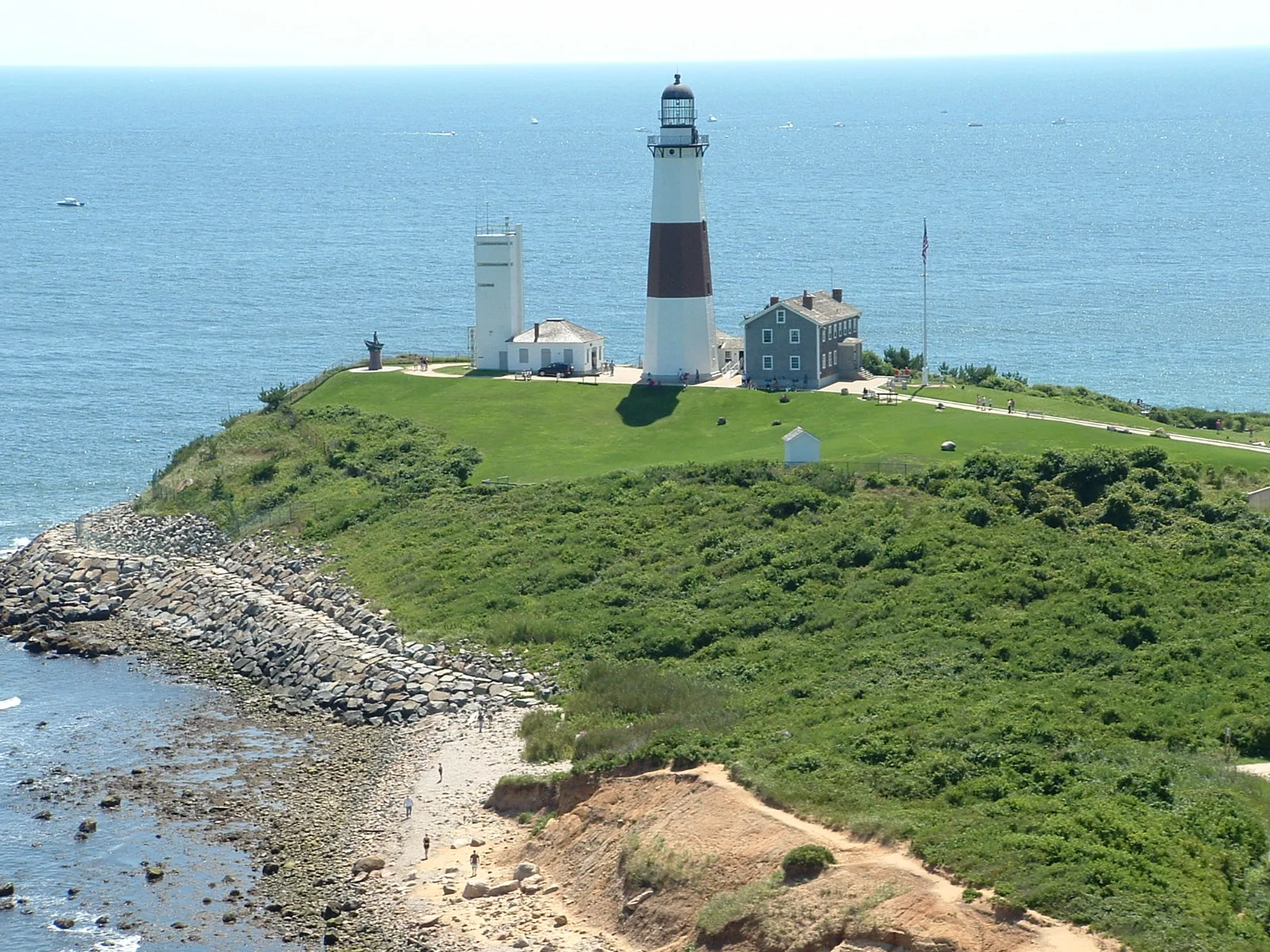
  • Montauk Point Lighthouse
  • Further Lane estate corridor
  • Shinnecock Hills Golf Club
  • Ditch Plains, Montauk

Nearby Markets: Nantucket  |  Martha's Vineyard  |  Newport

Airbnb marketing services in The Hamptons, New York, USA
Postcards

The Hamptons through the lens

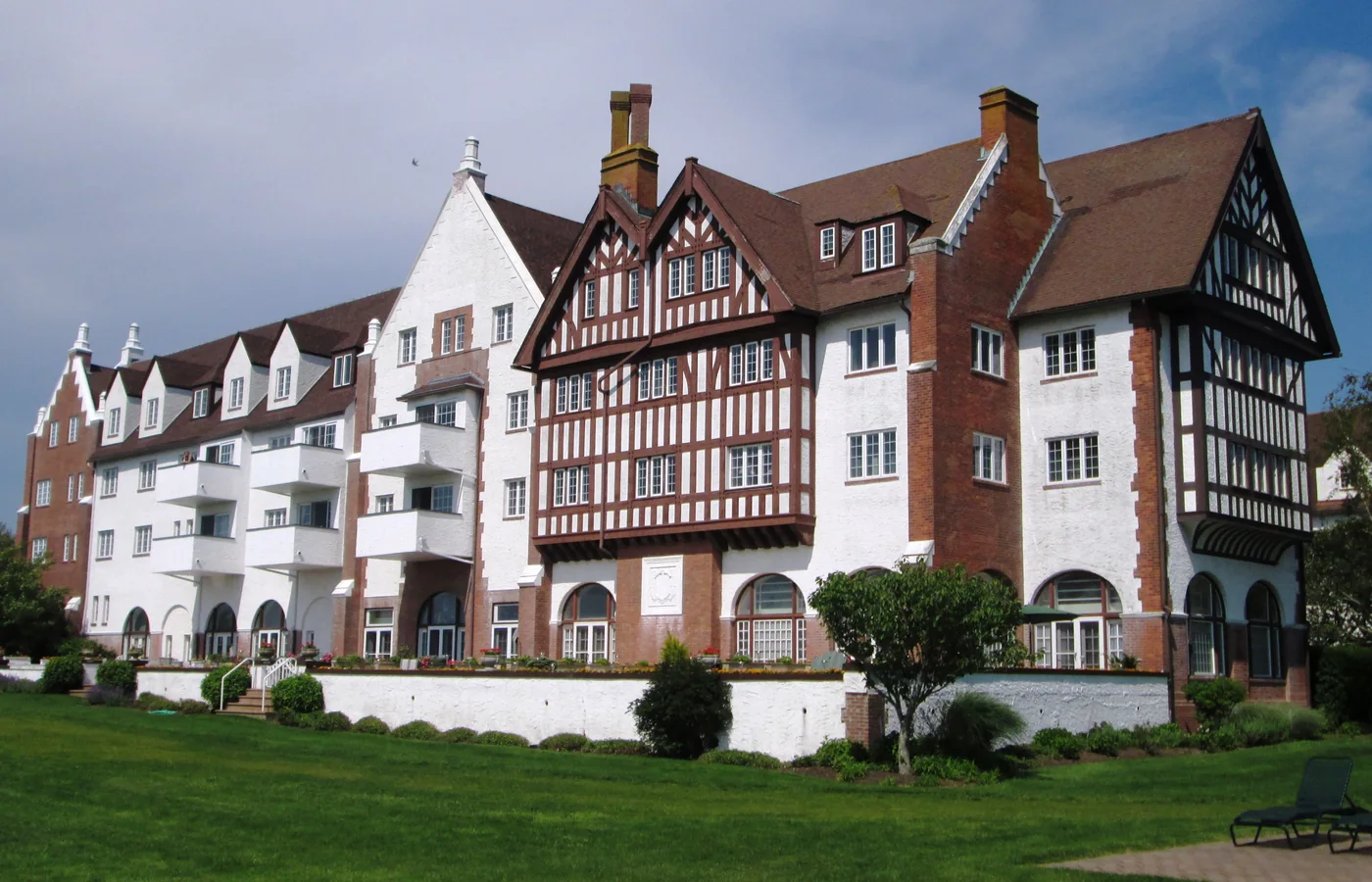
A few of the visual fingerprints we lean into when we shoot, brand and market a The Hamptons property — courtesy of the open Wikimedia Commons archive.

East Hampton, New York — The Hamptons airbnb marketing
Local Color
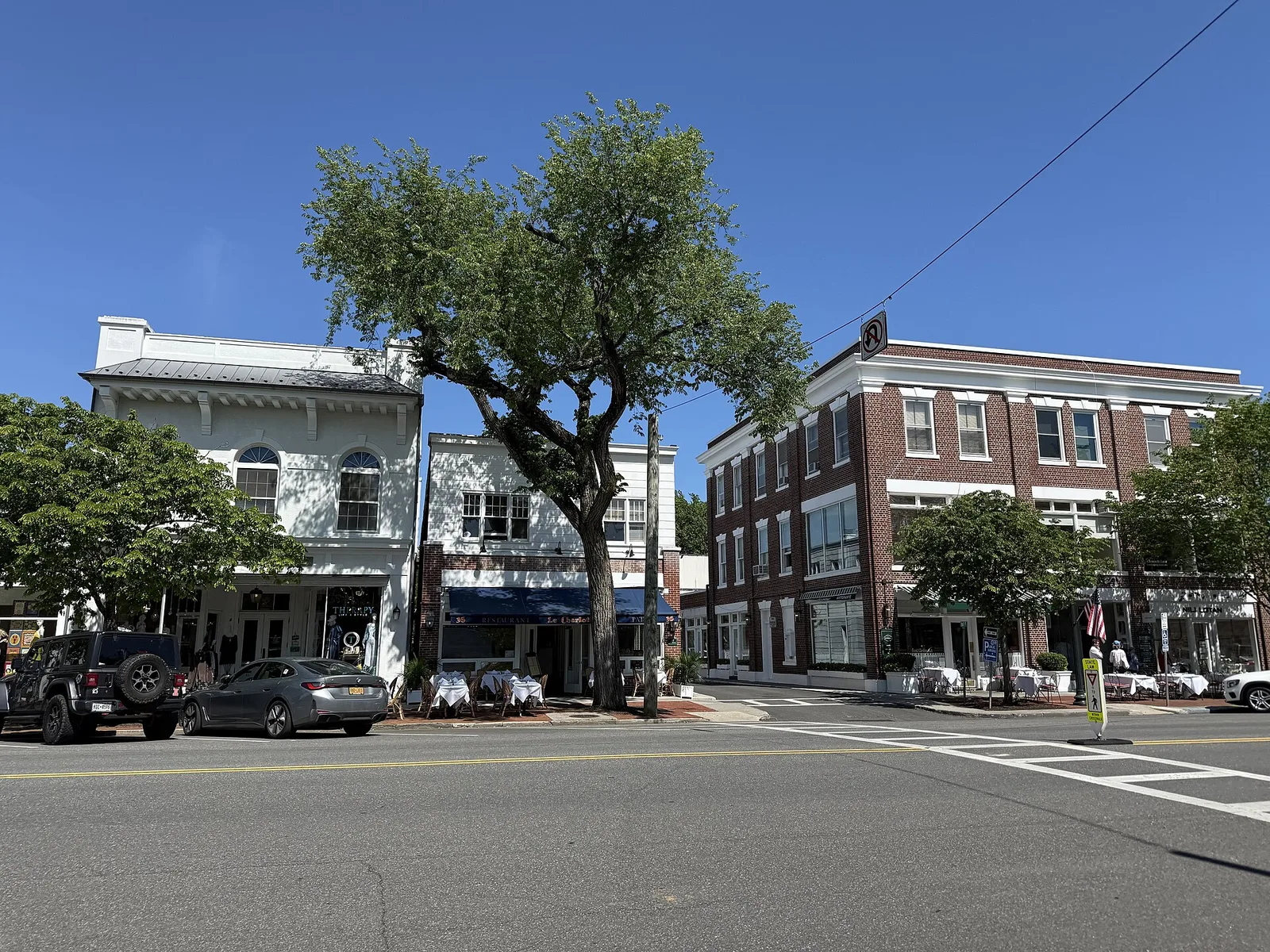
East Hampton, New York
Bridgehampton, NY — The Hamptons airbnb marketing
Local Color
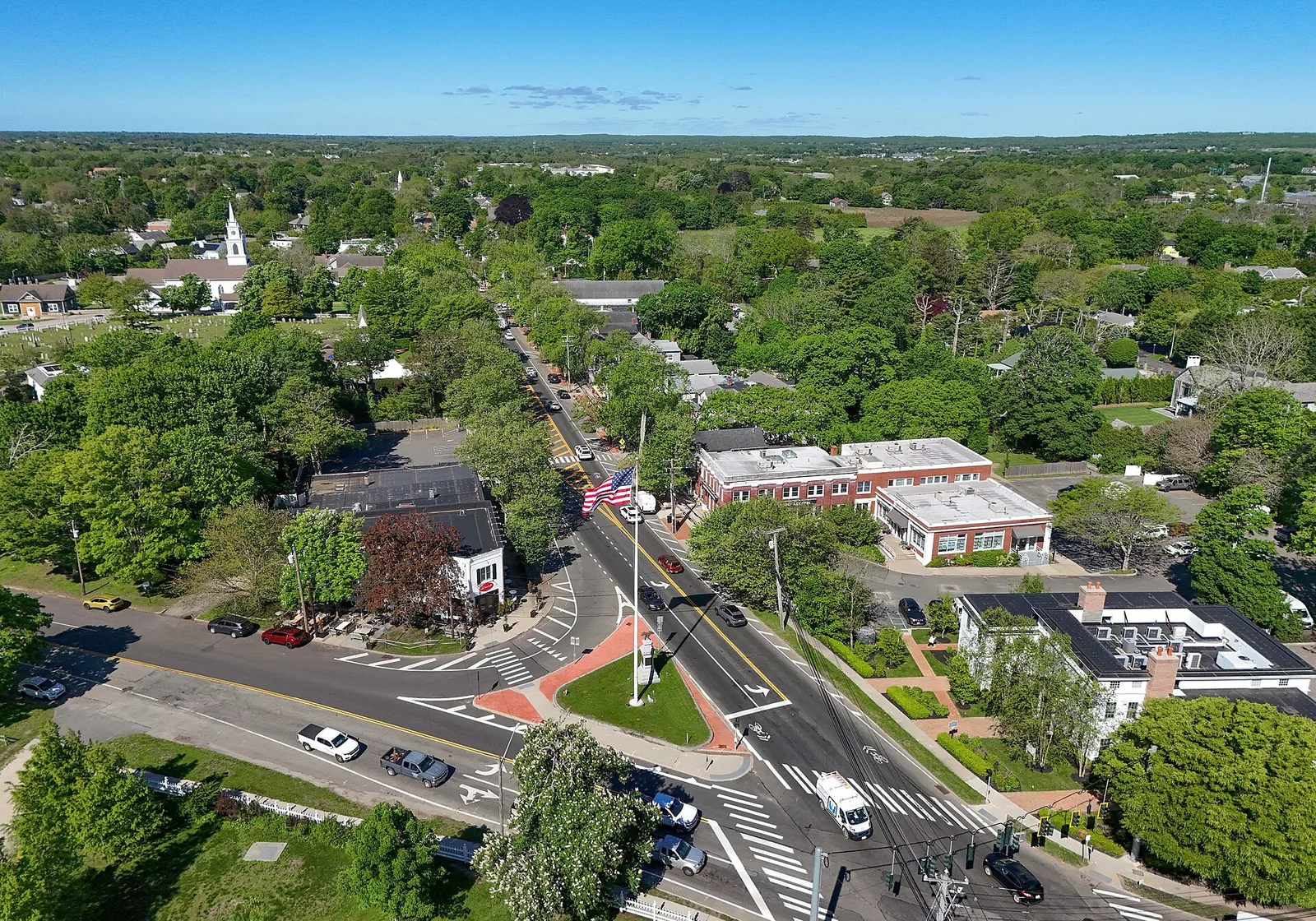
Bridgehampton, NY
Southampton , New York — The Hamptons airbnb marketing
Local Color
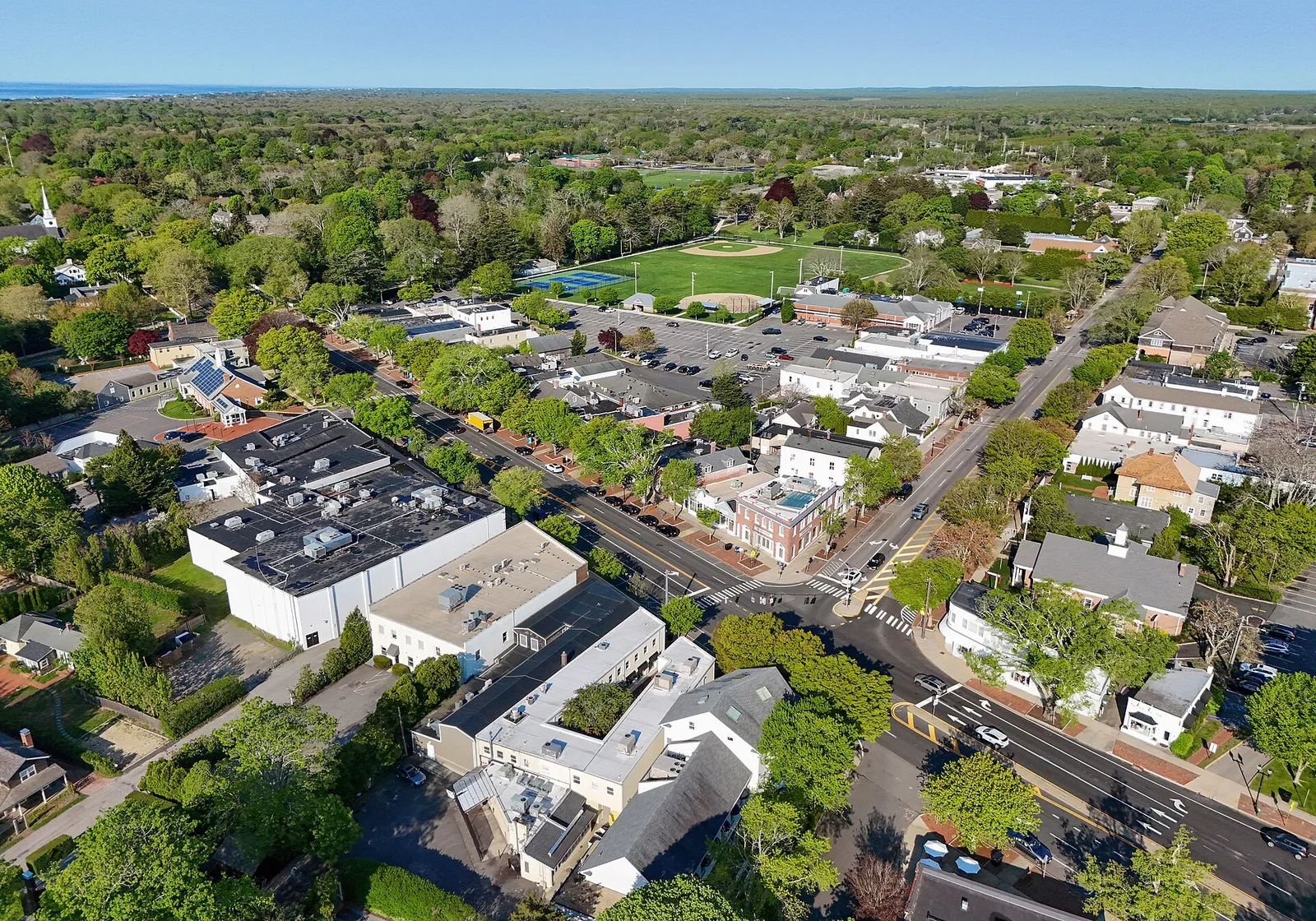
Southampton New York
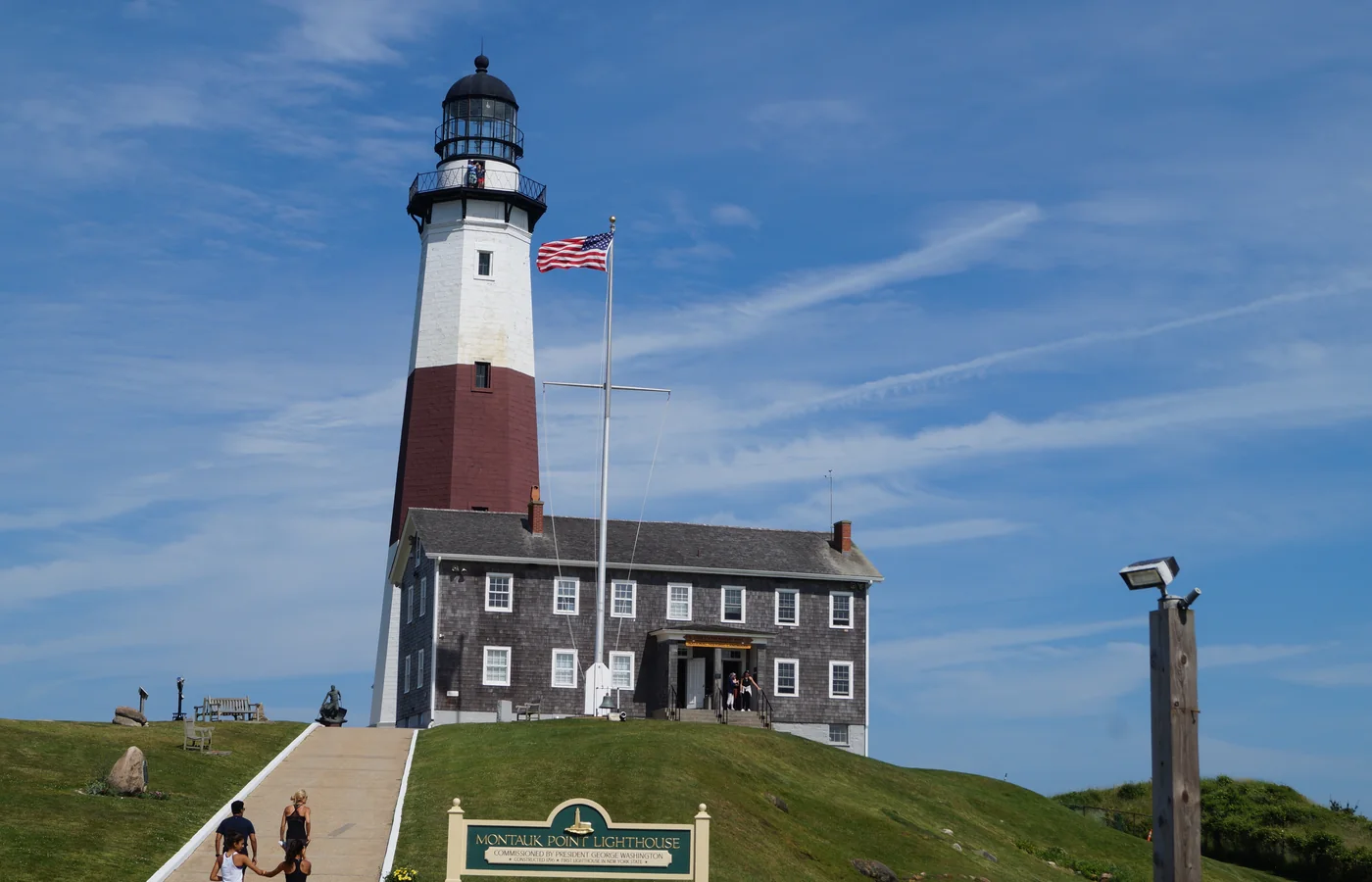
Montauk Point Lighthouse — The Hamptons airbnb marketing
Local Color
Montauk Point Lighthouse
Why Cavmir

The Cavmir Advantage
in The Hamptons

Cavmir wins here because the Hamptons reward presentation and punish guesswork. We shoot cinematic photography that sells the light and the lawn, build a brand and a direct-booking site so you keep more of every dollar, and distribute across every channel a New York traveler actually uses. Most owners leave May, September and the fall foliage weeks empty — that shoulder window is where we concentrate. We help position and market your property. We never manage it or touch your keys.

State of the Industry · History

The The Hamptons STR Market — Past & Present

The South Fork started as English farming and fishing settlements in the 1640s — East Hampton and Southampton are among the oldest English-founded towns in New York. For two centuries this was potato fields, windmills and the sea. Sag Harbor took a different path: by the early 1800s it was a whaling port that rivaled New Bedford and Salem, sending ships around the world for whale oil until the industry collapsed in the 1840s. Montauk Point Lighthouse, authorized by President Washington in 1792 and finished in 1796, was the first lighthouse in New York State and still marks the end of Long Island.

The transformation into a summer colony came with the railroad and then the artists. Painters and writers found the light in the late 1800s; the Abstract Expressionists settled around Springs and East Hampton mid-century; John Steinbeck lived and wrote in Sag Harbor from 1955 until his death in 1968. Old money built the estate lanes — Further Lane, Lily Pond Lane — and the discreet, hedge-screened wealth that still defines the place took hold. Today the rental inventory is overwhelmingly whole-home: large estates and shingle-style houses renting by the month or the season, walk-to-village cottages in Sag Harbor and Amagansett, and a younger, smaller-unit pocket in Montauk. Pure nightly short-term supply is thin and legally constrained — most of the market moves in two-week, monthly and full-season terms, which makes how you present and price the home matter more than raw nightly volume ever could. The buyers behind that inventory skew toward second-home owners and NYC investors who treat the house as both a personal summer place and an income asset, which is exactly why presentation and a credible booking record carry so much weight out here.

Pricing Strategy & Seasonality

Pricing, Seasonality & When to Capture ROI

Pricing Strategy

Oceanfront and near-ocean estates in East Hampton and Southampton are the ceiling — peak-summer estates routinely ask $75,000 to $300,000+ for the month of August, and trophy waterfronts go higher. Sag Harbor village and walk-to-town Amagansett command strong premiums for design and location without needing the ocean. Bridgehampton and Water Mill sit in the prestige middle. Montauk runs lower and younger, with more nightly and weekly product. On a blended nightly basis the market estimates land near $925, but the real money here is the full August book and the Memorial-Day-to-Labor-Day season, not the single night.

Seasonality & ROI Windows

Peak is Memorial Day through Labor Day, with August the single strongest month. The shoulder is May, September and the fall-foliage weeks into October — genuinely beautiful and badly underbooked. Winter is dead. The revenue most owners blow is September and early fall: the weather's still gorgeous, the crowds are gone, and the listing that's already marketed to long-weekend couples and remote workers prints money while the neighbors sit empty.

Regulation & Licensing · 2026

What the Law Requires in The Hamptons

The Hamptons are heavily regulated, and the rules differ by town and village — get the local one in writing before you list. Across the East End the baseline is a mandatory rental registry / rental permit, and your registry or permit number must appear in every advertisement, including Airbnb and VRBO.

In the Town of East Hampton, registration runs about $100 and is valid for two years; rentals of under two weeks are generally capped at twice within any six-month period, so true high-frequency nightly turnover isn't the model. The Village of East Hampton is stricter under its seasonal-rental code (Chapter 232): rentals generally can't be shorter than 30 days, with a narrow exception for two short-term rentals of about two weeks per calendar year, and a home rented more than 120 days a year stops qualifying as a seasonal rental.

In the Town of Southampton (Chapter 270) the standard minimum stay is 14 days — anything shorter is treated as a transient rental and isn't permitted — and rental permits run about $400, renewable every two years. The Village of Southampton has effectively banned short-term rentals and imposes a two-week minimum on home rentals. For the 2026 U.S. Open, Southampton Town is temporarily allowing transient rentals of as few as three days at permitted homes between roughly June 8 and June 24, 2026 — a one-time exception, not a new normal. Penalties for renting without a valid registry/permit are steep, running into the thousands and beyond. Confirm the exact regime with your specific town or village clerk before you advertise.

Market-Specific Tips & Challenges

Local Tips & Unique Market Challenges

Tips That Actually Move Revenue in The Hamptons

The Hamptons strategic tip: stop chasing nightly turnover and engineer the full season instead. The towns make short nightly stays hard on purpose, but they reward the operator who books August solid, then fills the shoulder. Your real product is a beautifully marketed home rented in two-week, monthly and seasonal blocks — and the win is keeping it from going dark in September.

Tactically: first, shoot it like an estate, not a rental. A New York renter scrolling on a phone decides in two seconds — cinematic photography of the lawn, the pool at golden hour, the kitchen and the walk to the beach is the single highest-return spend you'll make. Second, build a direct-booking site and your own email list. Repeat Hamptons renters come back to the same house for years; owning that relationship instead of paying platform fees every August compounds fast. Third, market the shoulder on purpose — September, the foliage weeks and even quiet October to remote workers and long-weekend couples, with messaging and rates built for them, not leftover summer pricing. Fourth, plan around the calendar's spikes: the 2026 U.S. Open at Shinnecock, the Fourth of July, Memorial and Labor Day weekends all deserve their own positioning and their own price, set months ahead. Fifth, put your registry or permit number in every ad from day one — it's required, and a clean, compliant listing also reads as trustworthy to the kind of renter who's wiring you tens of thousands of dollars sight unseen.

Unique The Hamptons Challenges

The headwinds are real: a brutally short fourteen-week season, a maze of town-and-village rules that punish short nightly stays, and registry numbers required in every ad. Carrying costs are high — property taxes, insurance and maintenance on coastal estates add up. And demand is concentrated enough that an empty August or a blown shoulder season can sink a year.

A Curious The Hamptons Fact
Before the hedge funds, the Hamptons ran on whale oil. In the early 1800s Sag Harbor was one of the busiest whaling ports in the country, sending ships around the globe and rivaling New Bedford and Salem. A century later it became a literary haven — John Steinbeck lived there from 1955 until his death in 1968 and wrote part of his later work in a tiny hut on his property. The same waterfront that once smelled of try-pots now lists among the priciest real estate on the East End.
Finance Essentials — The Hamptons
🛡️

Insurance

Standard homeowner's policies generally don't cover commercial short-term renting, and the Hamptons add coastal exposure on top. Plan on a landlord or short-term-rental policy with strong liability limits, and price in wind, flood and storm coverage for anything near the ocean or bays — flood insurance is often a separate, non-trivial line item. Talk to a broker who writes East End coastal property specifically; it's not a market for generic coverage.

🧾

Property & Income Tax

Short-term rentals in New York are now taxed much like hotels. Since March 1, 2025, New York State and local sales tax applies to short-term rental occupancy — a combined rate of about 8.75% in Suffolk County (4% state plus 4.375% county), along with a small per-unit, per-day state fee. On top of that, Suffolk County levies a hotel/motel occupancy tax of about 5.5%. Airbnb collects and remits some of this, but you remain responsible for the rest and for any direct bookings. Add property tax and income tax on the earnings. Treat these numbers as current-as-of-2026 and confirm what applies to you with your accountant.

🏦

Mortgages & Financing

Most Hamptons buyers aren't financing like primary-home owners. Expect second-home or investment loans with larger down payments and higher reserves, or DSCR loans underwritten on the property's rental income rather than your salary. At this price tier, jumbo financing and private-bank relationships are common. Whatever route you take, lenders will want a credible income picture — which is exactly where strong marketing and documented occupancy help.

Future Outlook · 2027 & Beyond

Where The Hamptons is Headed Next

The Hamptons' moat is scarcity, and it isn't going anywhere. There's almost no land left to build on, the towns keep tightening rather than loosening short-term-rental rules, and proximity to the largest concentration of wealth in the country keeps demand permanent. That combination — fixed supply, rising regulation, durable money — protects owners who are already compliant and well positioned. Expect the regulatory trend to continue toward longer minimum stays and stricter registry enforcement, which quietly favors the marketed, full-season operator over the fly-by-night nightly host. The 2026 U.S. Open at Shinnecock will pour national attention and a wave of premium demand onto Southampton, and events like it will keep recurring. The durable play into 2027 and beyond isn't squeezing more nights out of a regulated calendar — it's building a brand and a direct-booking base around a home people want to return to every summer, then extending the season into the shoulder months everyone else ignores. Get the presentation, the direct channel and the compliance right, and the scarcity does the rest.

From the Desk of Sofie Sinag

Why We Love Marketing in The Hamptons

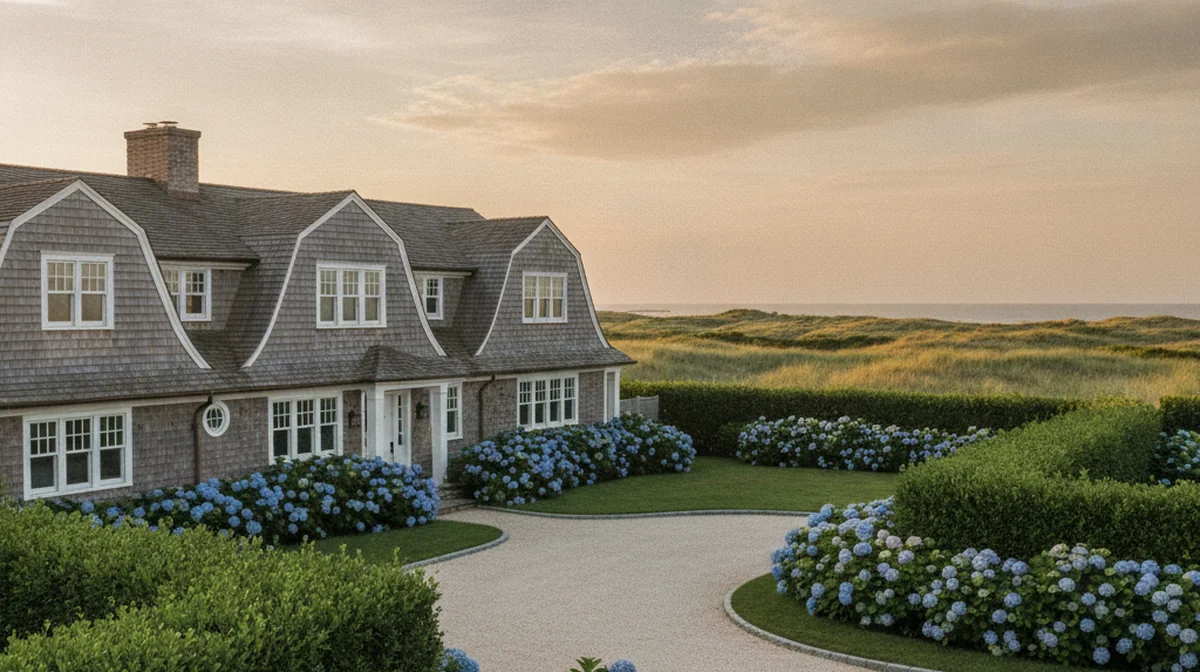
Marketing a Hamptons house is one of the most satisfying jobs in this business, because the raw material is so good and so badly used. The light out here is genuinely special — painters chased it for a reason — and most listings flatten it into the same gray midday phone snaps as everywhere else. Give us a shingle-style house with a long lawn, a pool, and a path to Main Beach, shoot it at golden hour, and the property sells itself. The Hamptons renter isn't buying a bed for the night. They're buying a summer, a version of themselves, a place to put the family for August. That's a story, and stories are what we do.

What we love most is the shoulder season, because it's where the creativity actually pays. Anyone can fill August. The art is convincing a remote-working couple that September in Amagansett — empty beaches, warm water, no traffic — is the smartest two weeks they'll book all year. Or that Sag Harbor in October, when the village exhales and the whaling-port bones show, is a long weekend worth taking. That takes real brand, real photography and real positioning, not a price cut. The Hamptons reward owners who treat their home like the premium product it is and market it that way all the way into the fall. We're in it for the owner who's tired of going dark after Labor Day.

Why It Matters

A great property in The Hamptons doesn't just want a listing — it wants a point of view, an audience, and a brand the city itself would recognise.

Cavmir's The Hamptons Cheat Sheet

The Picks We Recommend for Your Welcome Book

A few honest, insider picks for the East End — the kind of specifics that make a listing read like a local wrote it, because one did. Real places, no filler.

Morning

Main Beach, East Hampton

Get there early, before the parking fills and the crowd arrives. It's regularly rated among the best beaches in the country, and at 7 a.m. it's just you, the dunes and the surf. The walk-to-beach selling point lives or dies on mornings like this.

Golden Hour

Montauk Point Lighthouse

The eastern tip of Long Island at sunset, with the oldest lighthouse in New York State catching the last light. It's a 40-minute drive from the estate towns but worth it — and it's the shot that anchors a Montauk listing.

Neighborhood Walk

Sag Harbor village

Wander Main Street past the whaling-era captains' houses, the old movie theater and the working harbor. The whole district is on the National Register, and it photographs like a film set. Walk-to-village in Sag Harbor is a premium worth marketing hard.

Dinner That Photographs

The harbor restaurants of Sag Harbor

Book a waterfront table as the boats come in. The mix of yachts, history and golden light is the dinner image Hamptons renters screenshot and send to friends — exactly the aspiration your listing should be selling.

Local Obsession

Farmstand corn and tomatoes

August on the East End means roadside farmstands — Balsam Farms, the Amagansett stands — with corn picked that morning. It's the small, real detail that tells a renter this is a place, not a resort.

Shoulder Season Secret

Coopers Beach, Southampton, in September

Once the season ends, this nationally ranked beach goes quiet and the water's still warm. This is the exact experience to sell to long-weekend couples and remote workers in the shoulder months everyone else writes off.

Weekend Escape

Ditch Plains, Montauk

The East Coast's most famous surf break and a younger, looser scene than the estate towns. A Montauk house near Ditch markets to a completely different, surf-driven renter — and that's a feature, not a problem.

What Guests Ask For

The Hampton Jitney and the Cannonball

Most renters arrive carless from the city — the Hampton Jitney from Lexington Avenue and the LIRR's summer Cannonball express. Spell out the door-to-door logistics in your listing; for the NYC renter, easy arrival is half the sale.

Local Work · Composite Case Vignettes

What Cavmir Has Done for The Hamptons Properties

A few composite engagements drawn from how Cavmir typically works in this market. The numbers are illustrative and consistent with the East End, not pulled from a single named client.

Shingle-style estate · East Hampton
The Brief

A six-bedroom near Further Lane booked August solid but went completely dark from September on. Owner-supplied photos were flat midday phone shots that buried the ocean light and the lawn, and there was no shoulder-season strategy at all.

What We Did

Cavmir delivered cinematic photography shot at golden hour, rebuilt the listing copy around the full-season story, launched a direct-booking site, and ran a targeted shoulder-season campaign aimed at remote workers and long-weekend couples for September and October.

The Result

The home filled roughly three additional weeks in the shoulder it had been losing entirely, lifted blended ADR in the off-peak weeks, and opened a direct channel that captured repeat renters outside platform fees by the following summer.

Village cottage · Sag Harbor
The Brief

A walk-to-village two-bedroom was priced and presented like generic inventory, undercutting its own location. Occupancy outside July and August was thin, and the listing never mentioned the historic village or the harbor a block away.

What We Did

Cavmir built a clean brand around the cottage, reshot it to lead with the village and harbor, optimized the listing across multiple channels, and made sure the required rental-registry number appeared in every advertisement to read as compliant and trustworthy.

The Result

Shoulder-season weekends began booking consistently, the property held a stronger ADR against comparable cottages, and a growing share of inquiries came direct from past guests rather than through platforms.

Surf-side house · Montauk
The Brief

A four-bedroom near Ditch Plains had real nightly and weekly potential but a muddled identity — marketed like a quiet family estate when its actual renter was younger and surf-driven, leaving midweek and June dates soft.

What We Did

Cavmir repositioned the home for the Montauk audience with photography and copy built around the beach-and-surf scene, distributed across the channels that crowd uses, and layered in paid social to capture demand around the season's opening and the 2026 U.S. Open spillover.

The Result

Midweek and early-June occupancy improved, the listing attracted a better-fit guest with fewer pricing objections, and event-window dates around the U.S. Open commanded a clear premium over the home's usual summer rate.

Ready to Grow in The Hamptons?

Let's Put Your The Hamptons
Property on the Map

Talk to Cavmir today. We'll show you exactly what your The Hamptons property is leaving on the table — and how fast we can change that.

Book a Free Strategy Call