C$475
Avg. Nightly Rate
58%
Avg. Occupancy Rate
C$5,800
Avg. Monthly Revenue
3-5%
Est. Cash-on-Cash ROI
HIGH
Seasonality
HIGH
Regulatory Burden

* Market averages. Properties marketed by Cavmir typically exceed these figures by 25–45%. Data sourced from AirDNA, STR market reports, and Cavmir internal analytics.

The Market

Why Whistler is One of the World's Premier STR Markets

Whistler is the largest ski resort in North America and the rare rental market where the first question is not what your property earns but what your property is zoned to do. Whistler Blackcomb's 8,100-plus acres, two mile-high mountains and the Peak 2 Peak gondola between them anchor a resort town that hosted the 2010 Winter Olympics and now welcomes around three million visitors a year — more of them, counted across the calendar, in summer than in winter. The rules match the scale: as a resort municipality, Whistler sits outside BC's principal-residence requirement, but that is not a free pass. Nightly rental is legal only on property carrying tourist-accommodation zoning — most Village, Benchlands and Creekside condos and townhomes qualify, while the majority of residential neighbourhoods do not — and every operator needs a municipal business licence plus, since May 2025, a provincial registration number that platforms are required to check. The municipality enforces, and the fines are real. What this produces is a market with a hard supply cap in the best locations, a demand calendar that publishes itself — Christmas, February, Crankworx returning July 24 to August 2, 2026, Cornucopia November 5 to 15 — and a wide, measurable gap between the zoned-and-licensed listing that markets the whole year and the one that posts five winter photos and coasts. Whistler rewards operators who treat it like the four-season business it actually is.

Whistler runs two peak seasons and sells two different mountains. Winter is the international business: December through March, when destination ski families from the US, UK and Australia book the holidays and February half-terms months ahead, Epic Pass traffic drives up from Seattle and Vancouver on every storm cycle, and walk-to-lift addresses in the Village and Upper Village book out first at the year's top rates. Summer has quietly become the bigger visitation season: the bike park is the largest in the world, Crankworx fills ten days of late July and early August, alpine hiking, golf and lake days carry the families, and the conference centre keeps a steady corporate layer underneath. The shoulders are honest but workable — May and October to mid-November are the quiet stretch, softened by Cornucopia in November and spring skiing that runs late on Blackcomb. Blended nightly rates run around C$475 with occupancy in the high 50s across several thousand active listings, and the spread inside those averages is the story: a Phase 1 Village condo priced event-by-event books a different year than the same floor plan run flat, and a chalet with a private hot tub earns a premium in both seasons. Entry prices are among the highest in Canadian recreational real estate, which is why the operators here are professional, the guest expectations are high, and the marketing bar is worth clearing.

Top Attractions & Landmarks

  • Whistler Blackcomb and the Peak 2 Peak Gondola
  • Whistler Village Stroll
  • Whistler Mountain Bike Park
  • Scandinave Spa Whistler
  • Lost Lake Park
  • Audain Art Museum
  • Garibaldi Provincial Park

Nearby Markets: Vancouver  |  Sun Peaks  |  Victoria

Airbnb marketing services in Whistler, British Columbia, Canada
Postcards

Whistler through the lens

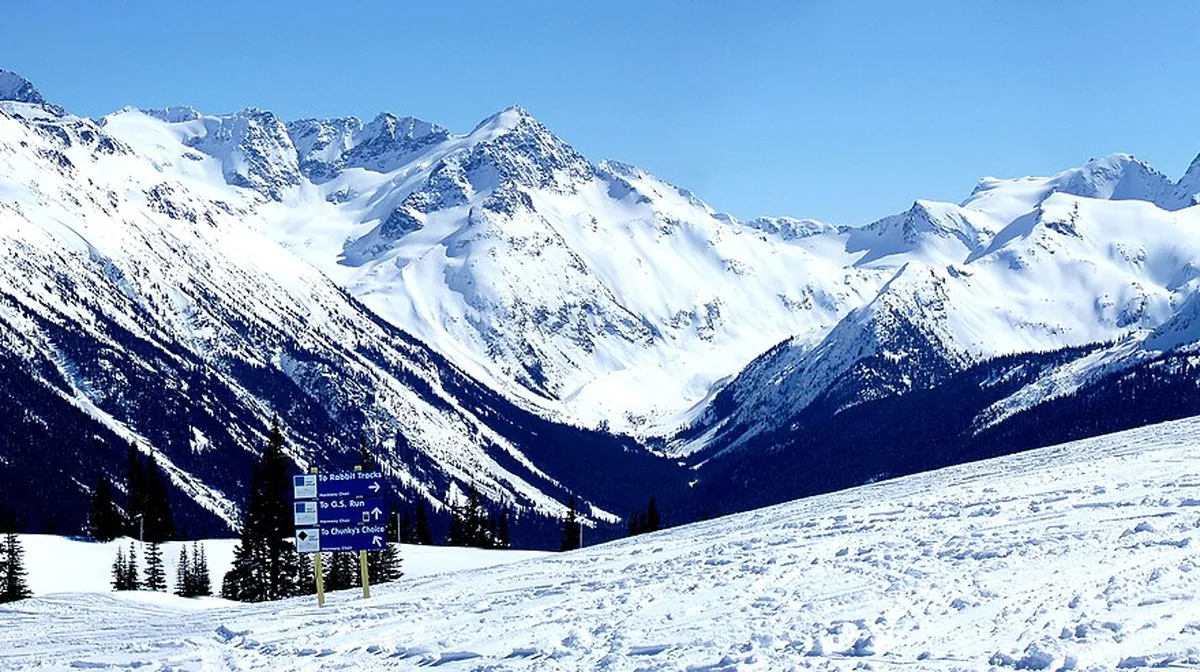
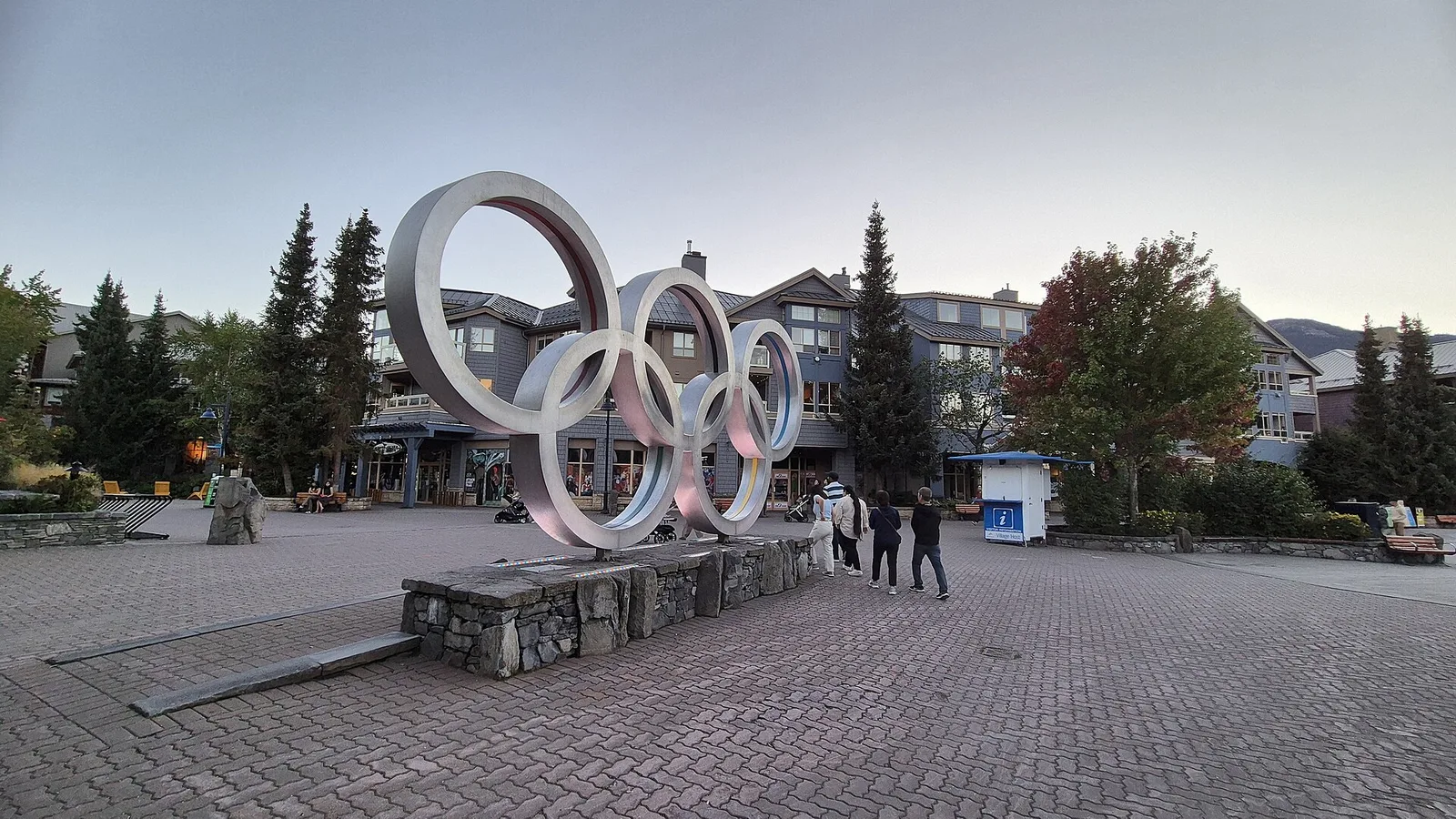
A few of the visual fingerprints we lean into when we shoot, brand and market a Whistler property — courtesy of the open Wikimedia Commons archive.

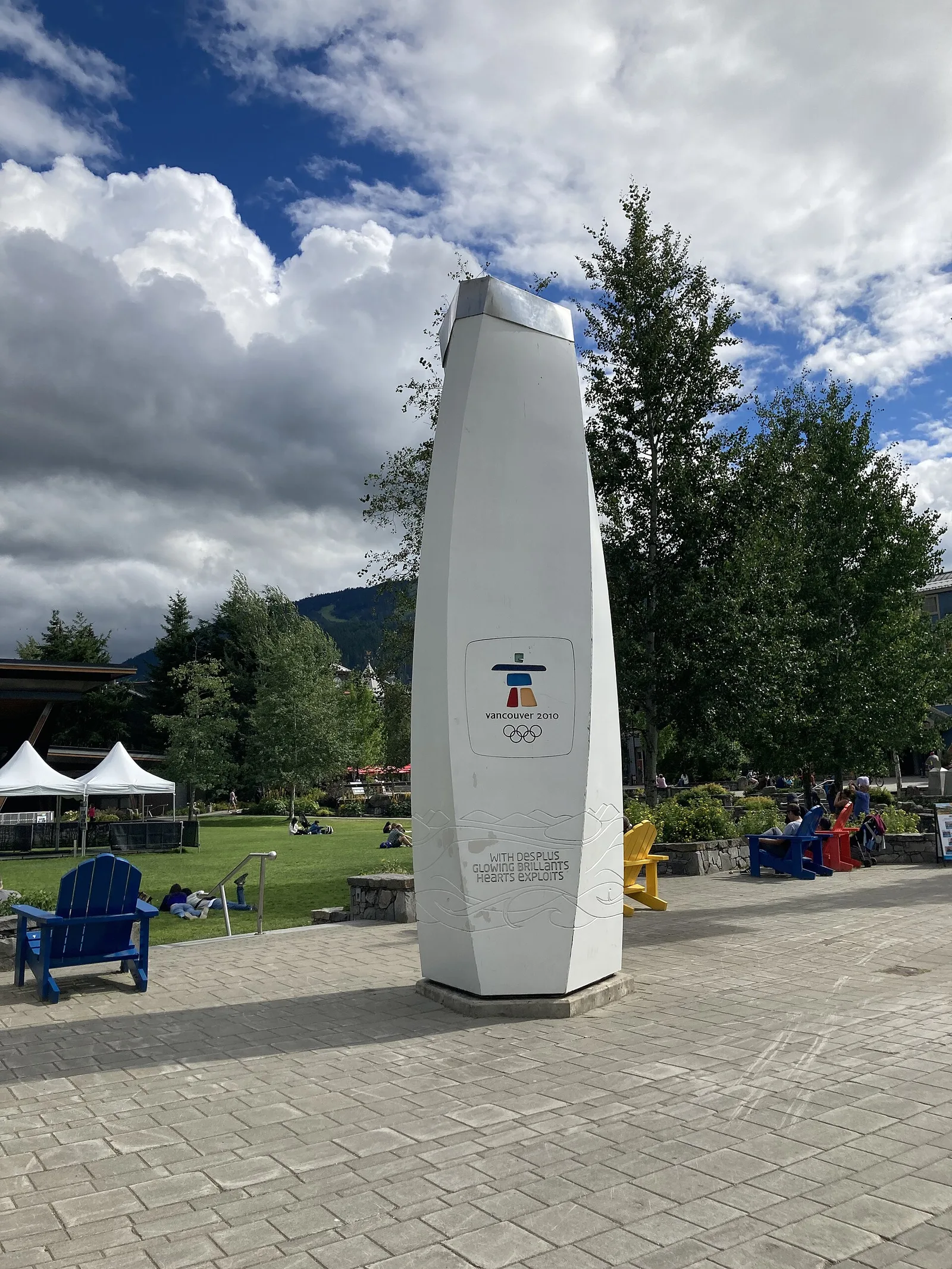
The Olympic Rings in Whistler Village — Whistler airbnb marketing
Local Color
The Olympic Rings in Whistler
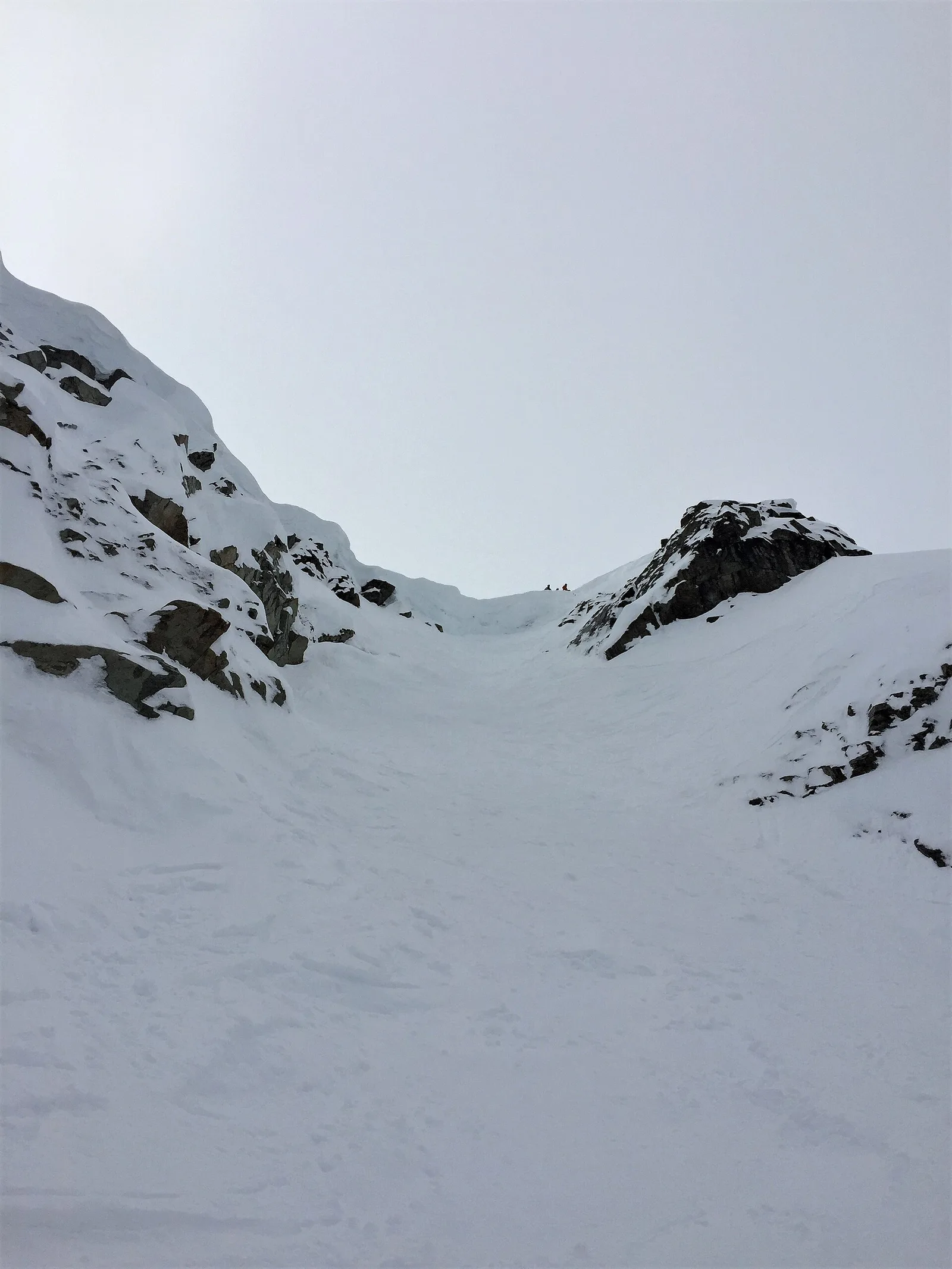
The Couloir Run on Blackcomb Mountain — Whistler airbnb marketing
Local Color
The Couloir Run on Blackcomb
Whistler Olympic Cauldron — Whistler airbnb marketing
Local Color
Whistler Olympic Cauldron
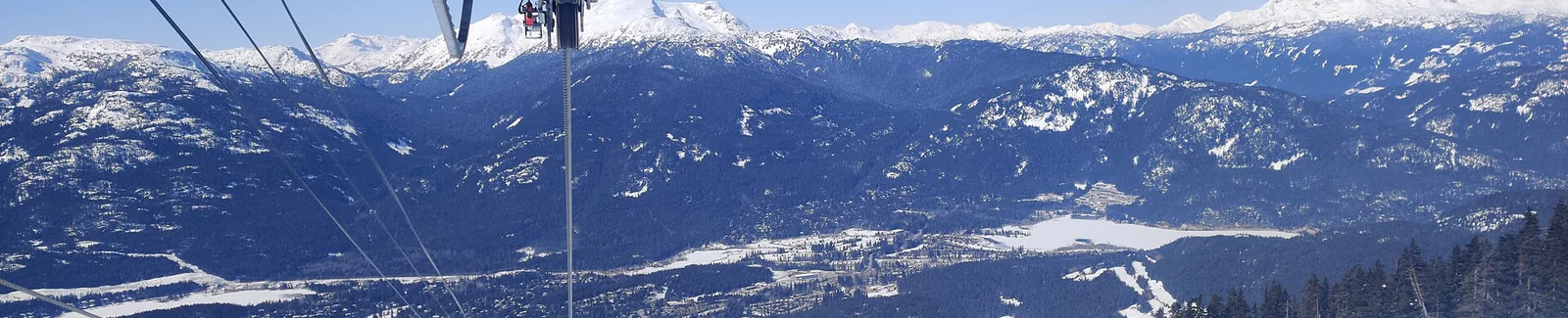
Whistler Panorama 1 — Whistler airbnb marketing
Local Color
Whistler Panorama
Why Cavmir

The Cavmir Advantage
in Whistler

Cavmir wins in Whistler because this market is a compliance question wrapped around a calendar question, and most listings answer neither. We put the zoning-and-licence story in plain sight — tourist-accommodation zoning, RMOW business licence, provincial registration number — because in a municipality that enforces, the demonstrably legal listing wins the cautious international family booking eight months out. Then we price the published year: Christmas and February at their real ceilings, Crankworx's late-July window, summer bike weeks, Cornucopia in November, and spring skiing's long Blackcomb tail. We shoot both mountains properly — village stroll at dusk under the peaks, the hot tub steaming after a storm day, summer alpine light on Rainbow Park — and we write the copy that converts here: exact walk time to the nearest lift, where skis and bikes sleep, which shuttle stop serves the door, what the fireplace does to a February evening. For Whistler's pensions, lodges and small inns — the properties that have hosted the same ski families for twenty years — we build direct-booking websites and repeat-guest programs, because a returning February guest should never pay a platform commission to come back to the same room. We help position and market your property. We never manage it or touch your keys.

State of the Industry · History

The Whistler STR Market — Past & Present

Whistler began as a fishing lodge. In 1914, Alex and Myrtle Philip opened Rainbow Lodge on Alta Lake, reachable by a two-day journey from Vancouver, and for four decades the valley's business was summer — trout, canoes and mountain air. The ski idea arrived in the 1960s, when a group of Vancouver businessmen developed Whistler Mountain with a 1968 Olympic bid explicitly in mind; the lifts opened in 1966, the bid failed, and the mountain succeeded anyway. Blackcomb opened alongside it in 1980, the two operations merged in 1997, and the Olympic ambition finally landed when Whistler co-hosted the 2010 Winter Games — the legacy visible today in the athletes' village that became Cheakamus Crossing, the sliding centre, and a resort brand that went fully global. Vail Resorts bought Whistler Blackcomb in 2016 and put it on the Epic Pass, which rewired the visitor mix toward repeat regional traffic from Seattle and Vancouver layered under the destination international business.

The rental economy grew up inside an unusual planning framework. Whistler was incorporated in 1975 as BC's first resort municipality, and from early on it separated tourist accommodation from residential housing at the zoning level — condos and townhomes near the lifts carry covenants (locals speak of Phase 1 and Phase 2) that permit or even require nightly rental, while residential neighbourhoods like Alpine Meadows and Emerald exist to house the community and largely prohibit it. That structure spared Whistler the free-for-all other resort towns saw, and it is why BC's 2024 principal-residence law exempted resort municipalities: Whistler had already built the wall. What remains for operators is the framework as it stands — tourist-accommodation zoning, a municipal business licence, the provincial registration number that became mandatory across BC in May 2025, and a municipality with a long record of enforcing against unzoned nightly rental. The market's supply is capped by the zoning map, demand is published on the event calendar, and the operators who understand both documents run one of the strongest four-season rental businesses in Canada.

Pricing Strategy & Seasonality

Pricing, Seasonality & When to Capture ROI

Pricing Strategy

The rate map is a walk-time map. Whistler Village and Village North are the premium core — pedestrian stroll, lifts, restaurants and nightlife out the lobby door — where renovated condos command the market's top nightly rates and book first for Christmas and February. The Upper Village and Benchlands at the Blackcomb base trade at nearly the same level, with ski-in ski-out addresses earning a true premium and Cornucopia-season strength from the hotel cluster's spillover. Creekside, the original 1966 base, is the quiet-value play: its own gondola, groceries and a five-minute drive to the Village, beloved by repeat ski families who want powder-day position without Village pricing. Nordic and Whistler Cay sit between the bases with a mix of zoned townhomes that earn well when marketed on their shuttle logic. Kadenwood and the estate benches run private-chalet economics — multi-family groups, private hot tubs, in some cases a private gondola — where a single Christmas week can carry a shoulder month. Blended, Whistler runs around C$475 a night at occupancy in the high 50s, and the delta between a flat-priced listing and one priced event-by-event is wider here than almost anywhere in Canada.

Seasonality & ROI Windows

Whistler's year is a two-humped animal. Winter builds from the late-November opening through the Christmas peak, holds strong through February's holiday weeks, and rides spring skiing deep into April on Blackcomb's high alpine. May is the honest gap month. Summer then builds fast — bike park, alpine hiking, lakes — and peaks from mid-July through August with Crankworx as the crescendo. September is a warm, quieter shoulder beloved by couples; October is the valley's rest; and Cornucopia's food-and-wine programming gives November a floor no other ski town's pre-season enjoys.

Regulation & Licensing · 2026

What the Law Requires in Whistler

Whistler's framework is strict, stable and navigable — the risk is not the rules changing under you, it is misreading which rules apply to your address. The foundation is zoning: nightly rental (under 28 days) is legal only on property zoned for tourist accommodation, which covers most condos and townhomes in the Village, Village North, Upper Village, Benchlands and Creekside, many carrying covenants that shape use — Phase 1 properties rent freely and allow unlimited owner use, while Phase 2 properties sit in hotel rental programs with owner use capped at set weeks. Residential zones — most of Alpine Meadows, Emerald, Whistler Cay's single-family streets and similar neighbourhoods — do not permit nightly rental, and the Resort Municipality of Whistler actively enforces with fines. Every operator needs an RMOW business licence, renewed annually. The provincial layer sits on top: BC's short-term-rental registry became mandatory for all hosts in May 2025, platforms must display the registration number and delist listings without one, and while Whistler is exempt from the principal-residence requirement as a resort municipality, the registry itself applies province-wide. Strata rules add a final layer — some buildings restrict or channel rentals through specific programs — so read the strata bylaws before the listing goes live. None of this is hostile to operators; it is the structure that protects the zoned market's value. Confirm your property's exact zoning and covenant with the municipality before you buy or list — it is a ten-minute check that decides the whole business.

Market-Specific Tips & Challenges

Local Tips & Unique Market Challenges

Tips That Actually Move Revenue in Whistler

Price the covenant, not just the calendar: if you own Phase 1, market the unlimited-use flexibility to multi-week international families the hotel programs cannot serve. Put your walk time to the nearest lift in the first line of the listing — Whistler guests filter on it — and photograph the gear logistics: the boot room with dryers running, the ski locker, the bike washdown. Sell summer like it is the bigger season, because by visitation it is: alpine-hike mornings, Lost Lake afternoons, patio evenings. Hold Crankworx's ten days at event pricing with three-night minimums and say the words secure bike storage in the title week. Give February the respect of four separate holiday-week rate blocks — Presidents' week, BC Family Day, UK half-term traffic and the shoulder between them behave differently. Keep November alive with Cornucopia packaging and a fireplace-and-spa story instead of apologizing for the off-season. And collect every past guest's email: Whistler's repeat rate is generational, and the February family you convert to direct booking this year books eight more Februaries commission-free.

Unique Whistler Challenges

Whistler's frictions are structural. The zoning map caps where you can operate, which keeps out casual supply but means buying wrong is fatal — residential-zone owners cannot rent nightly at any price. Entry costs are severe, so yields run modest and the business case leans on appreciation and personal use. Operating costs bite: strata fees on Village condos are substantial, winter utilities are real, and the labour market for cleaning and maintenance is famously tight in a valley where staff housing is scarce — build your turnover team before you need it, not during Christmas week. The Sea-to-Sky highway is the single point of failure; storm closures strand arrivals and departures a few times a season, and your cancellation policy needs language for it. And competition at the top is professional: you are not outrunning a neighbour with an iPhone, you are outrunning hotel-grade operators — which is exactly why the marketing gap, properly worked, pays here.

The Whistling Namesake
Whistler is named after a rodent. The hoary marmots that live in the boulder fields above the treeline announce danger with a piercing alpine whistle, and early visitors to what was then London Mountain knew the peak by the sound — the nickname stuck, and in 1965 the mountain was officially renamed Whistler ahead of its ski debut. The marmots are still there, still whistling at hikers on the high trails every summer, entirely unaware they named a resort that now sees three million visitors a year.
Finance Essentials — Whistler
🛡️

Insurance

Standard homeowner policies do not cover nightly rental — Whistler operators need a short-term-rental endorsement or a commercial hospitality policy, and the underwriting here has local wrinkles: wood-burning fireplaces, hot tubs, and long winter vacancies between bookings all matter to insurers. Snow-load and water-damage claims are the valley's classics — burst pipes in a February cold snap in an empty unit — so ask about occupancy-gap clauses and require your cleaning team to run the between-stay checklist insurers like to see. Phase 2 owners should confirm what the hotel program's master policy covers and where their own responsibility begins.

🧾

Property & Income Tax

Budget three layers on the nightly rate: 5% federal GST, 8% BC PST on short-term accommodation, and Whistler's Municipal & Regional District Tax on nightly stays — together they push the tax load on a Whistler booking into the mid-teens. Platforms collect and remit some layers for some operators, but registration thresholds and direct bookings change who files what, so do not assume the platform handles it all. On the income side, rental profits are taxable in Canada whether you live there or not — non-resident owners have their own withholding regime — and since 2024 the CRA denies expense deductions for short-term rentals operating offside local rules, which makes Whistler's zoning question a tax question too. Ask your accountant to map your exact stack before the first season.

🏦

Mortgages & Financing

Canadian lenders treat Whistler as a known quantity — recreational-property lending is mature here — but short-term-rental income is discounted or excluded by many A-lenders when qualifying, so buyers typically plan around 20-35% down and qualify on their broader finances. Phase 2 covenant properties often require specialty lenders familiar with hotel-program revenue. Entry prices are among Canada's highest — Village one-bedrooms trade where detached houses trade in most provinces — which is why the yield math here is a 3-5% gross story with the real return in appreciation and personal use. Model the purchase with a broker who has closed Whistler covenant product before.

Future Outlook · 2027 & Beyond

Where Whistler is Headed Next

Whistler's next chapter is capacity management, not growth-at-any-cost. The municipality's planning direction caps bed units and pushes new development toward employee housing — Cheakamus Crossing's expansion continues — which means the tourist-zoned supply that exists today is close to the supply that will exist in 2030. Demand is heading the other way: Vancouver's population keeps growing, the Sea-to-Sky corridor keeps compressing (the drive is the constraint, and regional transit studies keep circling it), and Vail's Epic Pass ecosystem keeps feeding repeat regional visits. Summer is the strategic story — the bike park expands its lead as the world's largest, alpine trail investment continues, and the valley's events calendar keeps thickening at the edges of the season, exactly where Cornucopia already proved the model. Climate is the honest variable: Whistler's altitude and Blackcomb's glacier-fed high alpine position it better than most North American resorts for variable winters, and snowmaking investment continues, but operators should expect more early-season variance and market the valley floor's non-ski November honestly. A supply-capped, two-season resort with an enforcing municipality is about the safest structural bet in Canadian short-term rentals — for the operators zoned to play.

From the Desk of Sofie Sinag

Why We Love Marketing in Whistler

We love Whistler because it is the rare resort that over-delivers in both directions. Come for the winter cliche — storm skiing on Blackcomb, fondue in the Upper Village, the stroll glittering at Christmas — and the summer blindsides you: the bike park's berms humming, paddleboards crossing Alta Lake where Rainbow Lodge once stood, alpine wildflowers at the top of the Peak 2 Peak. The village works the way planned villages almost never do, car-free and genuinely walkable, and the mountain culture underneath it is real — lifties who have done twenty seasons, pensions that greet returning families by name, a bakery line at 7am that includes both Olympians and toddlers in ski boots. For marketers, Whistler is the honest kind of luxury market: the demand publishes its own calendar, the zoning protects the professional operator, and the guest who falls for the place comes back annually for decades. Our job is simply to make sure they fall for your address — and book it direct the second time.

Why It Matters

A great property in Whistler doesn't just want a listing — it wants a point of view, an audience, and a brand the city itself would recognise.

Cavmir's Whistler Cheat Sheet

The Picks We Recommend for Your Welcome Book

The picks we send Whistler guests, tested across ski trips, bike weeks and one very good November: where the locals actually line up, splurge and thaw out.

Coffee & First Light

Purebread, Village North

The pastry case that ruins all other pastry cases — locals queue before first chair for the flourless chocolate crackle and proper coffee. Tell guests to go at 7:30am on a powder day and watch the room divide into those who ski first and those who eat first.

The Splurge Table

Araxi, Village Stroll

Whistler's flagship dining room since 1981 — Pacific Northwest seafood, a legendary wine cellar and the patio at the centre of the stroll. Book it for the trip's big night; during Cornucopia it becomes the festival's beating heart and reservations go weeks ahead.

Local Obsession

Peaked Pies, Main Street

Australian hand pies topped with mash, peas and gravy — the 'peaked' — imported by the valley's huge Aussie workforce and adopted by everyone else. The post-mountain feed that costs less than a lift-line coffee and features in half the valley's best trip reviews.

Shoulder Season Secret

Scandinave Spa in November

The outdoor hot-cold circuit in the hemlocks is at its best in the quiet weeks — steam rising into bare trees, silence enforced, crowds gone. Pair it with Cornucopia dates and you have sold a November booking most ski towns cannot offer.

Summer Ritual

Lost Lake at golden hour

A ten-minute walk from the Village to a warm swimming lake with a dock, lawn and the peaks going pink behind. It is the photo that convinces winter-only guests to book a July return — put it in every summer listing gallery.

What Guests Ask For

The walk time, the tub and the boot room

Whistler inquiries repeat five questions: exact minutes to a lift, whether the hot tub is private, where skis and bikes sleep, what the parking situation is, and whether there is AC in August. Answer all five in the listing and the booking arrives without a message.

Local Work · Composite Case Vignettes

What Cavmir Has Done for Whistler Properties

A few composite engagements drawn from how Cavmir typically works in this market. The details are illustrative and consistent with Whistler, not pulled from a single named client.

Phase 1 condo · Village North
The Brief

A two-bedroom on the stroll's edge ran one winter rate and one summer rate, five ski photos, and no mention of its Phase 1 covenant — invisible to the international families comparing it against hotel rooms, and empty through a Crankworx it never priced.

What We Did

Cavmir rebuilt the listing around the covenant's flexibility — unlimited-stay family bookings hotels cannot take — priced the year event-by-event from Christmas through Cornucopia, shot the walk-to-lift logistics and the boot room properly, and put the business licence and registry number in the compliance line.

The Result

The calendar filled from the peaks outward instead of the weekends outward, Crankworx and Cornucopia stopped being shoulder dates, and the February families the flexibility attracted began asking to rebook the same weeks before checkout — the start of a direct-booking base.

Estate chalet · Creekside benches
The Brief

A five-bedroom chalet with a private hot tub and genuine ski-run views marketed itself with daylight interior photos and a nightly rate flat across December. Group organizers could not tell how the bedrooms split or where five cars would park, so the big-money multi-family weeks went elsewhere.

What We Did

Cavmir shot the chalet at blue hour — tub steaming, fire lit, run lights behind — wrote the group-logistics answers into the listing (bedding splits, parking count, mudroom capacity, Creekside gondola minutes), set Christmas and February at chalet-market rates with seven-night minimums, and built a one-page direct site for the returning groups.

The Result

The chalet moved from competing with condos on price to competing with nothing in its lane, the holiday weeks booked at rates the flat calendar had never tested, and two of the first winter's groups rebooked the following year direct — exactly the economics a chalet of that calibre should run.

Eight-room pension · White Gold
The Brief

A family-run pension steps from the Village had two decades of returning ski guests, a dated website that did not take bookings, and OTA commissions quietly taxing the loyalty it had already earned — repeat guests were rebooking through the platform because there was nowhere else to do it.

What We Did

Cavmir built a direct-booking website with real-time availability, wrote the pension's story the way its guests tell it — breakfast table, ski lockers, owners who remember your kids' names — set up a pre-season email to the guest list with a returning-guest rate, and kept the OTAs as the front door for new discovery only.

The Result

The February regulars moved to direct within two seasons, commission spend fell while occupancy held, and the pension's owners got the thing small lodges rarely have: a guest list that belongs to them, books forward a year, and compounds — the repeat economics their hospitality had been earning for someone else.

Market Intelligence · Seasonality

Airbnb seasonality in Whistler, month by month

Demand in Whistler peaks around January, February and July and runs quietest around May and October. Here is how the year actually books — and what to do about each stretch of the calendar.

Peak demandSteadyQuiet

Peak season

Whistler runs two true peaks. Winter's is December through February — Christmas and New Year set the annual rate ceiling, then the February holiday stack (US Presidents' week, BC Family Day, UK half-term) keeps the month essentially full. Summer's is mid-July through August, when the bike park, alpine trails and lake weather make summer the valley's highest-visitation stretch and Crankworx detonates the back half of July. Well-run listings hold premium rates through both peaks without discounting, and the operators who treat summer as a second Christmas out-earn the ski-only calendars by a wide margin.

The shoulders

March and April ride spring skiing's long tail — Blackcomb's high alpine holds conditions after Eastern resorts close, and value-minded regionals keep weekends strong. June is summer's on-ramp: bike park opening, alpine still melting out, rates climbing week by week. September is the connoisseur shoulder — warm days, empty trails, couples and conference traffic — and November has a floor no other Canadian ski town enjoys because Cornucopia's food-and-wine programming (November 5-15 in 2026) fills Village addresses before the lifts even open.

The quiet stretch

May and October are the honest gaps, when the mountain transitions and the valley exhales. Lean into them rather than apologizing: May takes conference and wedding traffic, October sells storm-watching cosiness, spa packaging and locals'-season dining to Vancouver couples on short notice. Both months reward flexible minimum stays, midweek pricing and a listing rewritten around fireplaces and the Scandinave Spa rather than lifts. Use the lull for photo refreshes and maintenance before the November ramp — Whistler's winter windows open early and arrive fast.

Dates that fill first

Christmas and New Year weekslate December
The annual rate ceiling. International families book eight to twelve months out, stay a week or longer, and expect polish. Hold seven-night minimums, price to the market's top, and have the tree up for photos — this fortnight funds slow months.
February holiday stackall of February
US Presidents' week, BC Family Day and UK half-term traffic arrive in overlapping waves, so the entire month behaves like a peak. Price all four weeks individually rather than treating February as one rate — each wave books on its own schedule.
Crankworx WhistlerJuly 24 - August 2, 2026
The world's largest mountain-bike festival fills the valley for ten days. Riders and spectators book close-in addresses hard; secure bike storage and washdown access become rate-moving amenities worth naming in the listing title that week.
CornucopiaNovember 5-15, 2026
Whistler's food-and-drink festival gives November a demand floor most ski towns lack. Couples book walkable Village addresses for tasting events and winery dinners — package late checkout and spa pairings, and November stops being an off-month.
Spring skiing on BlackcombMarch into late April
The high alpine holds lift-served conditions deep into spring, drawing Epic Pass regionals and loyalists after other resorts close. Keep weekend rates honest and market sun-deck energy — spring is Whistler's best-kept revenue secret.
Market Intelligence · Guests

Who books Whistler Airbnbs — and how far ahead

Destination ski families
The international core — US, UK, Australia — booking Christmas or February many months ahead for week-plus stays. They compare against hotel suites, so kitchens, laundry, ski storage and walk-to-lift specifics win the booking; flexibility on stay length beats hotels every time.
Epic Pass regionals
Seattle and Vancouver skiers chasing storm cycles on short notice, often midweek. They book late, care about parking and powder-day position — Creekside is their spiritual home — and become repeat direct bookers faster than any other segment.
Summer bike and alpine crews
Bike-park groups and hiking families who make summer Whistler's biggest season by visits. Secure bike storage, a washdown spot and garage parking matter more than decor; Crankworx week they will pay winter-grade rates for the right logistics.
Conference and corporate groups
The Whistler Conference Centre keeps a steady business layer under the leisure calendar, especially May, June and September. Walkable Village addresses with workspaces and quality wifi capture delegates who extend into weekends.
Lodge and pension loyalists
Whistler's small inns and pensions host families who have returned for decades — the guest segment where direct booking matters most. They book by relationship, not search ranking, and a returning-guest rate on a direct site keeps that loyalty commission-free.

The booking window

Christmas and February book eight to twelve months out, led by international families locking flights; summer families plan three to six months ahead; Crankworx fills as soon as dates confirm. Regional ski traffic moves on storm forecasts inside two weeks, and shoulder months book inside a month. The calendar needs to look sharp by September for winter and by March for summer — after that you are pricing, not marketing.

Typical stays

Winter destination guests stay five to ten nights — the international families anchor the long end — while regional storm-chasers take two to three. Summer runs three to five nights for families and bike crews, longer during Crankworx. Shoulder-season stays skew short and spontaneous, which is why minimum-stay settings should breathe with the calendar rather than sit fixed all year.

Where guests drive from

VancouverSquamishSeattleBellinghamKamloops

Where guests fly from

SeattleLos AngelesSan FranciscoTorontoLondonSydney
The drive market is the Sea-to-Sky corridor and the Seattle-Vancouver megaregion — storm-reactive, repeat-heavy, direct-booking-friendly. Nearly all destination guests fly through Vancouver International. For ads, target Seattle year-round, London and Sydney in the September-November ski-planning window, and Toronto for both seasons — timed to when each market plans, not when it travels.
Market Intelligence · What Wins

The Airbnb that wins in Whistler

The Whistler winner is a tourist-zoned address with its logistics story told completely: walk time to a lift in the first line, a real boot room with dryers, a private hot tub photographed steaming at blue hour, and — increasingly — air conditioning for August. Village and Benchlands condos win on walkability; chalets win on group logistics and the tub-and-fireplace evening; Creekside wins repeat skiers on powder-day position. Compliance visible, calendar priced event-by-event, summer marketed as hard as winter.

Amenities that move bookings here

private hot tubski and boot room with dryerssecure bike storagewalk-to-lift positiongarage or covered parkingair conditioninggas fireplacefast wifi with workspace
If you do one thing in Whistler, install and photograph a private hot tub — it is the single highest-converting amenity in both seasons, and a blue-hour photo of it steaming against snow or summer dusk outperforms every interior shot in the gallery.
Straight Answers

Whistler Airbnb marketing questions, answered

How do I market my Airbnb in Whistler?

Start with what Whistler guests are actually solving for: a legal, well-located base with the gear logistics handled. That means the zoning-and-licence story stated plainly (tourist-accommodation zoning, RMOW business licence, provincial registration number), walk-to-lift time in the first line, photography that shows the boot room, the hot tub steaming and the summer lake light — and pricing built around the published calendar from Christmas through Crankworx to Cornucopia. From there, a direct-booking website captures the repeat ski families and returning bike crews who should never pay a platform commission twice. That is the stack Cavmir builds for Whistler operators, and each piece feeds the others.

When is peak season for Whistler Airbnbs?

Twice a year. Winter peaks from Christmas through February — the holiday fortnight sets the rate ceiling and the February holiday stack keeps the month full — with spring skiing carrying strength into April. Summer peaks mid-July through August, when the bike park, alpine hiking and lake days make summer the valley's highest-visitation season and Crankworx fills ten days of late July. November's Cornucopia and September's warm shoulder round out a calendar with fewer true dead weeks than any other Canadian mountain town.

Can I legally rent my Whistler property nightly?

Only if it is zoned for it. Nightly rental is legal on tourist-accommodation-zoned property — most Village, Village North, Upper Village, Benchlands and Creekside condos and townhomes, many carrying Phase 1 or Phase 2 covenants that shape how they operate — and not in most residential neighbourhoods, where the municipality enforces with fines. Every operator needs an RMOW business licence and, since May 2025, a BC registration number that platforms must display. Whistler is exempt from the province's principal-residence rule as a resort municipality, but the zoning gate is absolute: confirm your address before you buy or list.

How far in advance do guests book Whistler Airbnbs?

By segment. International ski families lock Christmas and February eight to twelve months out; summer families book three to six months ahead; Crankworx fills as soon as its dates confirm. Regional storm-chasers from Seattle and Vancouver book inside two weeks on forecasts, and shoulder-month couples book inside a month. Practically, your winter calendar and photography need to be sharp by September and your summer setup by March — the expensive mistake is opening peak dates late or flat-priced.

What amenities matter most for a Whistler Airbnb?

The private hot tub leads by a distance — it converts in both seasons and photographs like revenue. After that: a genuine ski and boot room with dryers, secure bike storage for the summer that now rivals winter, walk-to-lift position stated in minutes, parking (named plainly, because Village parking confuses first-timers), a gas fireplace for the February evenings, and air conditioning, which August guests increasingly filter on. For chalets, group logistics — bedding splits, mudroom capacity, how many cars fit — decide the big-money multi-family weeks.

Free Tools · Websites That Book

See what your listing in Whistler is leaving on the table

Run your Airbnb, Vrbo, or website through Cavmir's free grader. It checks the things that decide whether guests book in Whistler — photos, listing copy, page speed, local search — and shows you where bookings leak. Takes about a minute, and there's no sales call attached.

If the report says your booking engine is the weak link, that's fixable: a direct-booking website of your own means repeat guests stop paying platform fees to come back to you. That's the work Cavmir does — see Airbnb website design in Whistler.

What the grader measures

  • Photos and the first-impression frame
  • Listing title and copy
  • Your direct-booking website (or the lack of one)
  • Page speed and mobile experience
  • Local search and Google visibility
Grade My Listing — Free
Ready to Grow in Whistler?

Let's Put Your Whistler
Property on the Map

Talk to Cavmir today. We'll show you exactly what your Whistler property is leaving on the table — and how fast we can change that.

Book a Free Strategy Call