The Charles River Esplanade
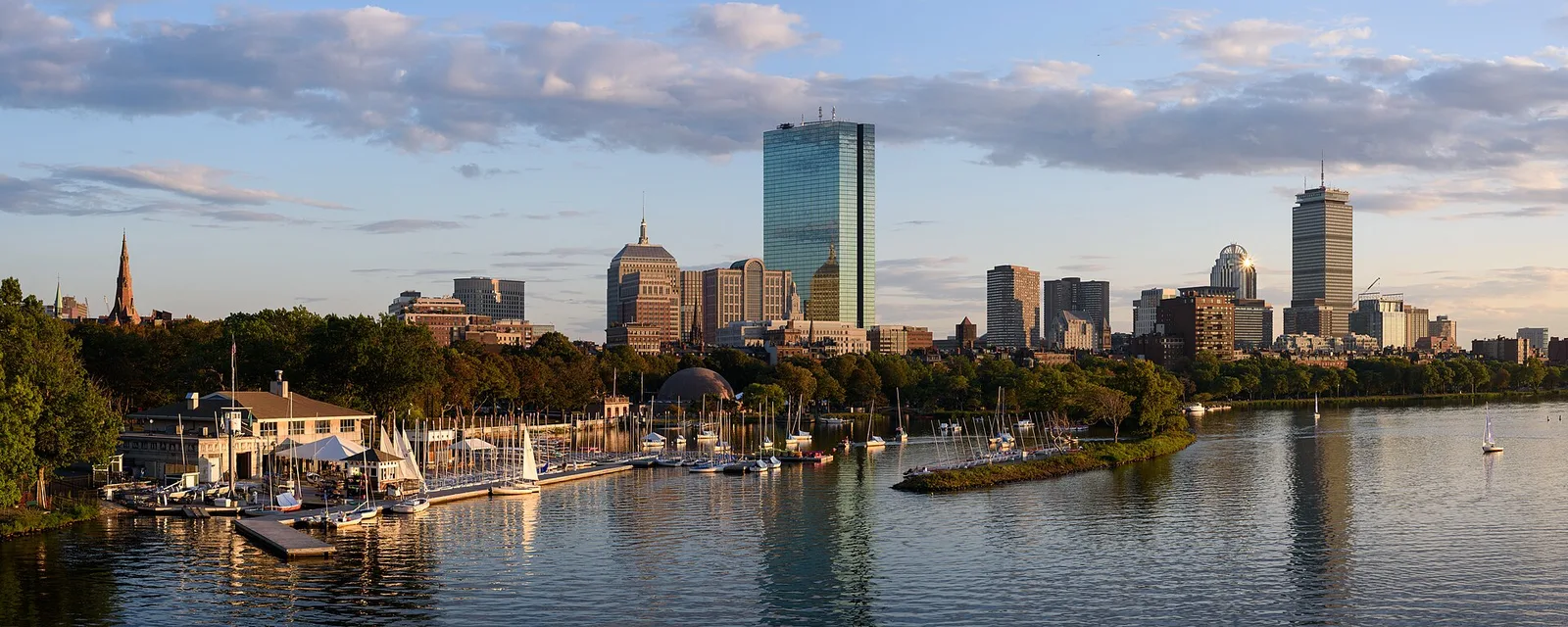
Rowers on the water, runners on the paths, the Back Bay skyline catching first light. It's the morning routine guests adopt by day two, and the image that sells any listing within a ten-minute walk of the river.
Expert short-term rental marketing to grow your bookings and nightly rate in Boston, Massachusetts, USA.
* Market averages. Cavmir-managed properties typically exceed these figures by 25–45%. Data sourced from AirDNA, STR market reports, and Cavmir internal analytics.
Boston packs four hundred years of history, thirty-five colleges and one of the country's densest hospital clusters into a city you can walk across in an afternoon. The Freedom Trail, Fenway Park, the North End, Harvard Square — visitors come year-round and pay real money in the fall. The short-term-rental rules here are strict and simple at the same time: the city only allows rentals in owner-occupied properties, which cleared out the investor inventory and left a smaller, better market for the hosts who qualify — plus a deep bench of inns, B&Bs and boutique hotels that compete on presentation and direct bookings. If you operate lodging in Boston legally, the demand side of your business is the easy part.
Boston's calendar is driven by institutions, not beaches. September and October are the peak — foliage visitors, conferences at the convention center, parents' weekends — and October is typically the single best month of the year. May brings graduation season at Harvard, MIT, BU, BC and Northeastern, when everything within reach of a campus sells out months ahead. April brings Marathon Monday. The Longwood Medical Area generates steady demand from visiting families and traveling medical professionals, and the summer of 2026 added World Cup matches out at Gillette Stadium plus the tall ships of Sail Boston. Blended nightly rates run around $285 with occupancy in the low 60s — stronger for well-located, well-photographed listings, and hotel-grade in the fall.
Nearby Markets: Cape Cod | Portland, Maine | Newport

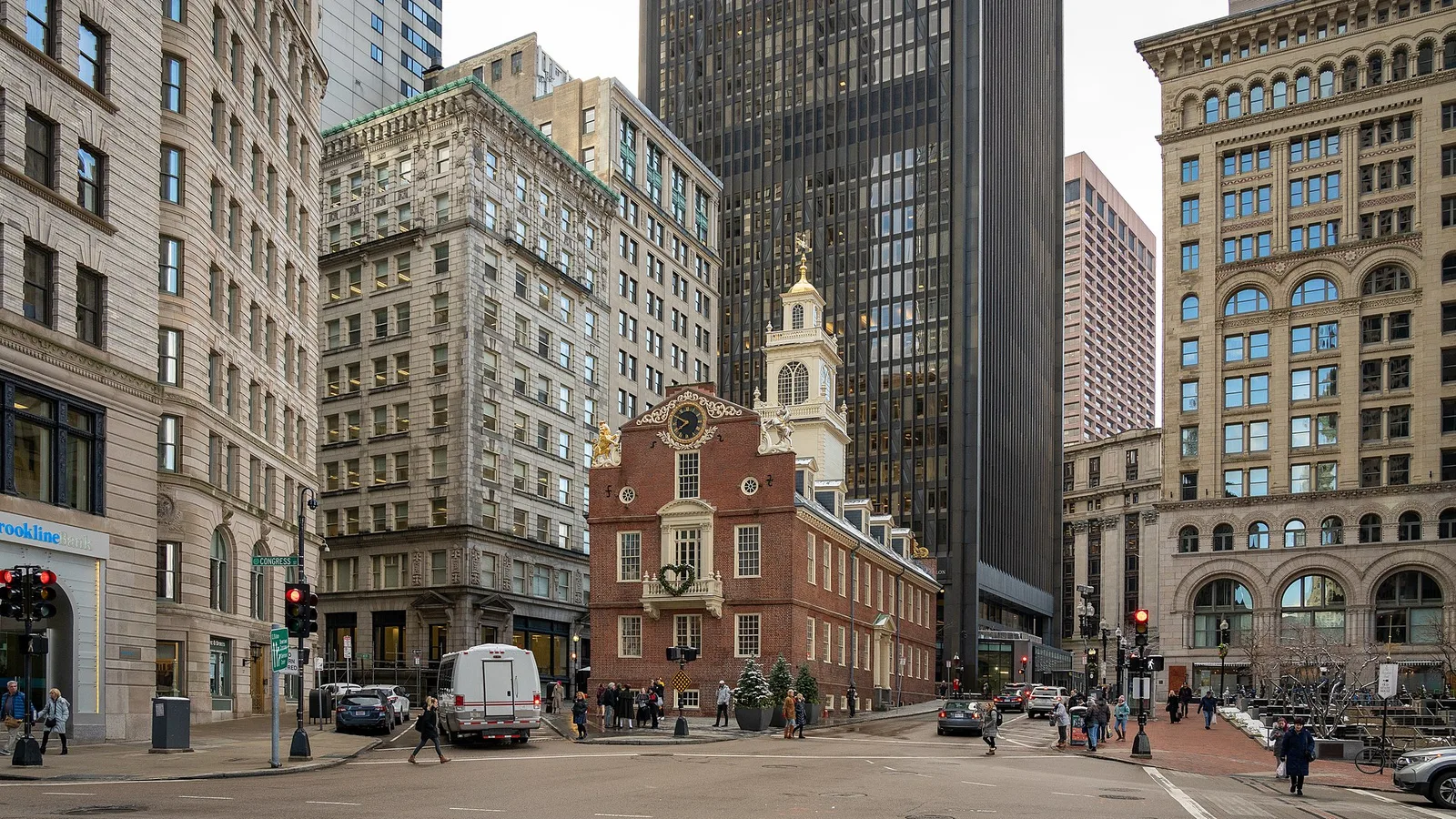
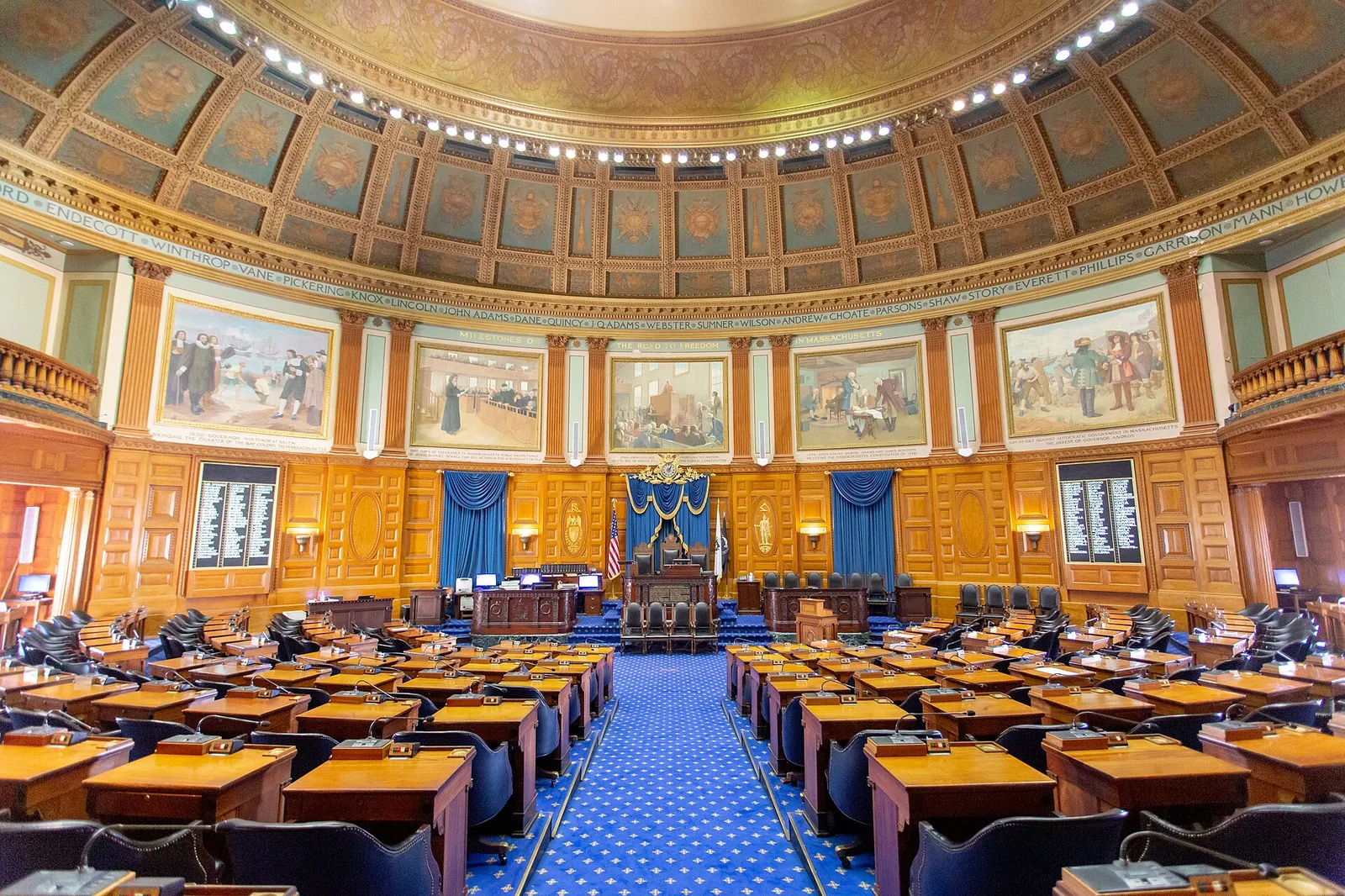
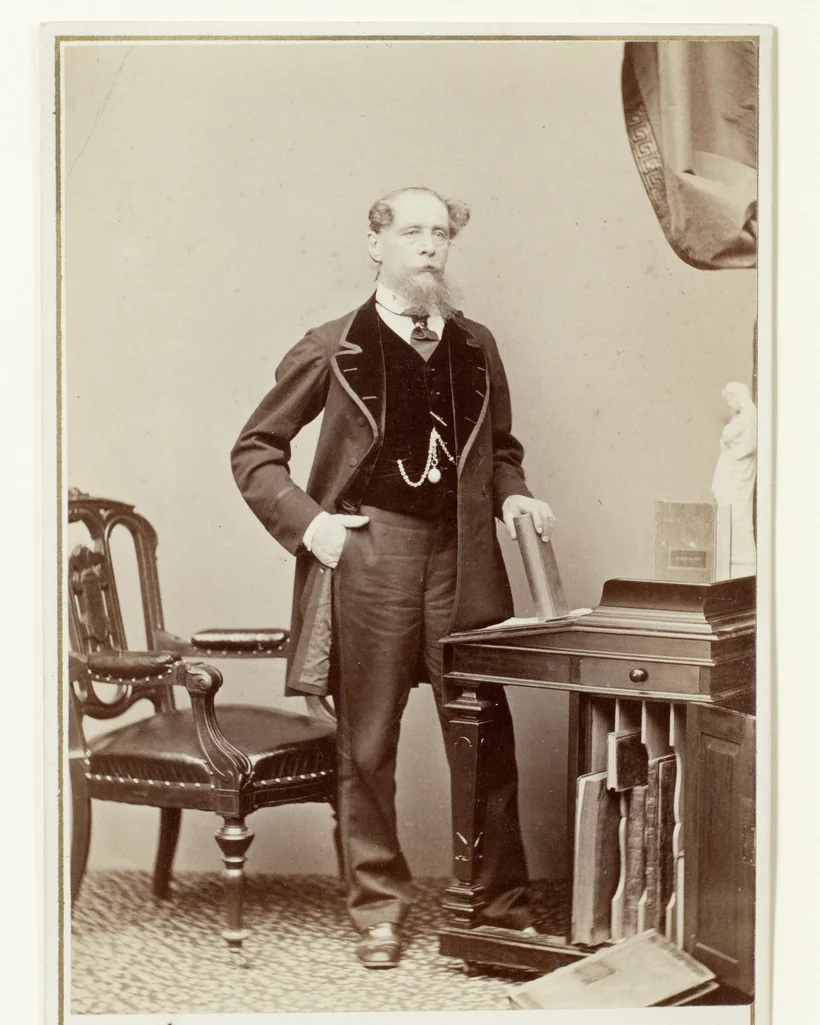
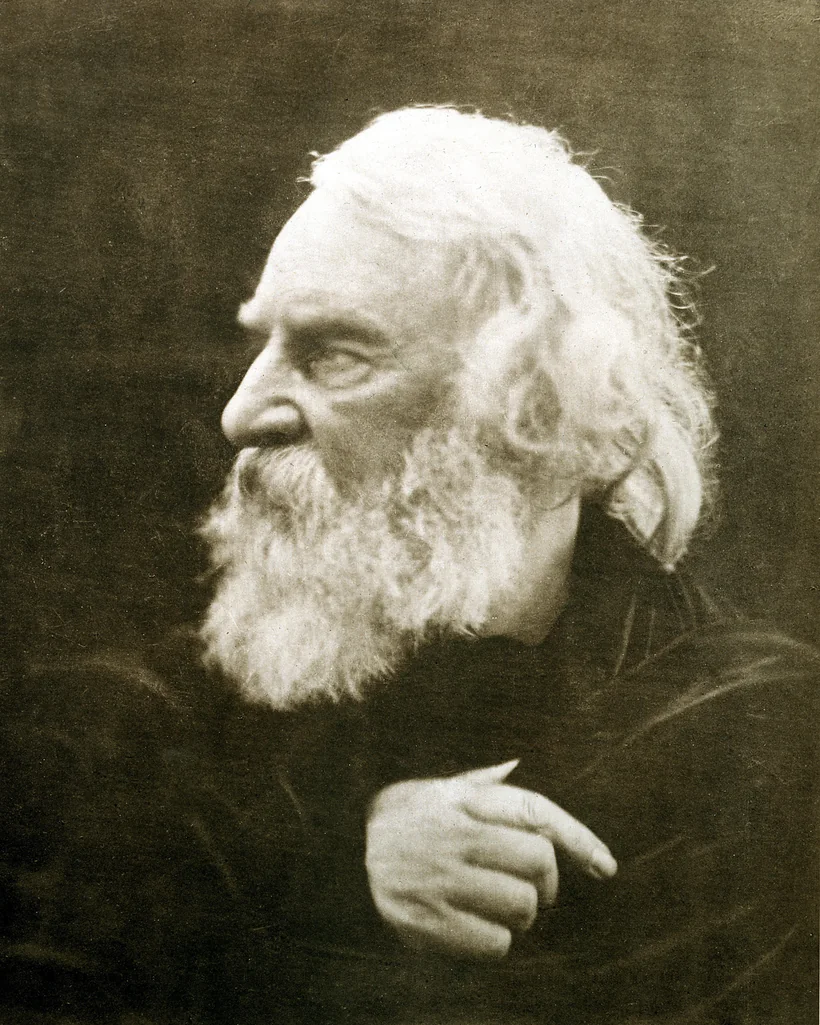
A few of the visual fingerprints we lean into when we shoot, brand and market a Boston property — courtesy of the open Wikimedia Commons archive.
Cavmir wins in Boston because the ordinance already did the market a favor: it removed most of your competition. What's left is a presentation game — owner-occupied hosts and boutique inns competing on photography, listing copy and channel strategy. We shoot the brick, the brownstones and the harbor light properly, build a direct-booking website so repeat guests and parents' weekends stop costing you platform fees, and market the fall peak and graduation calendar the way they deserve. For inns and B&Bs, we run full hotel marketing — brand, site, SEO and paid — against the big chains. We help position and market your property. We never manage it or touch your keys.
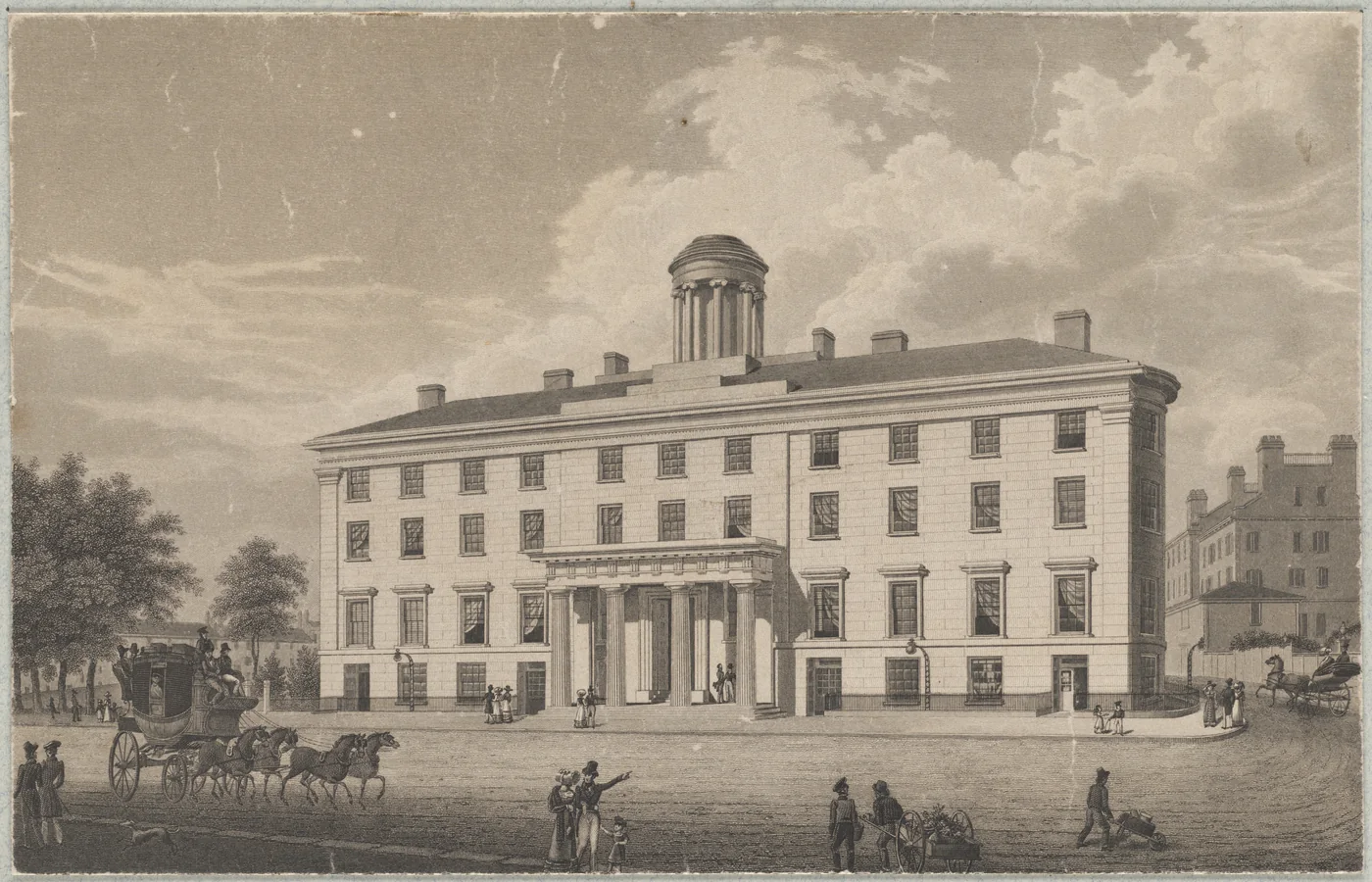
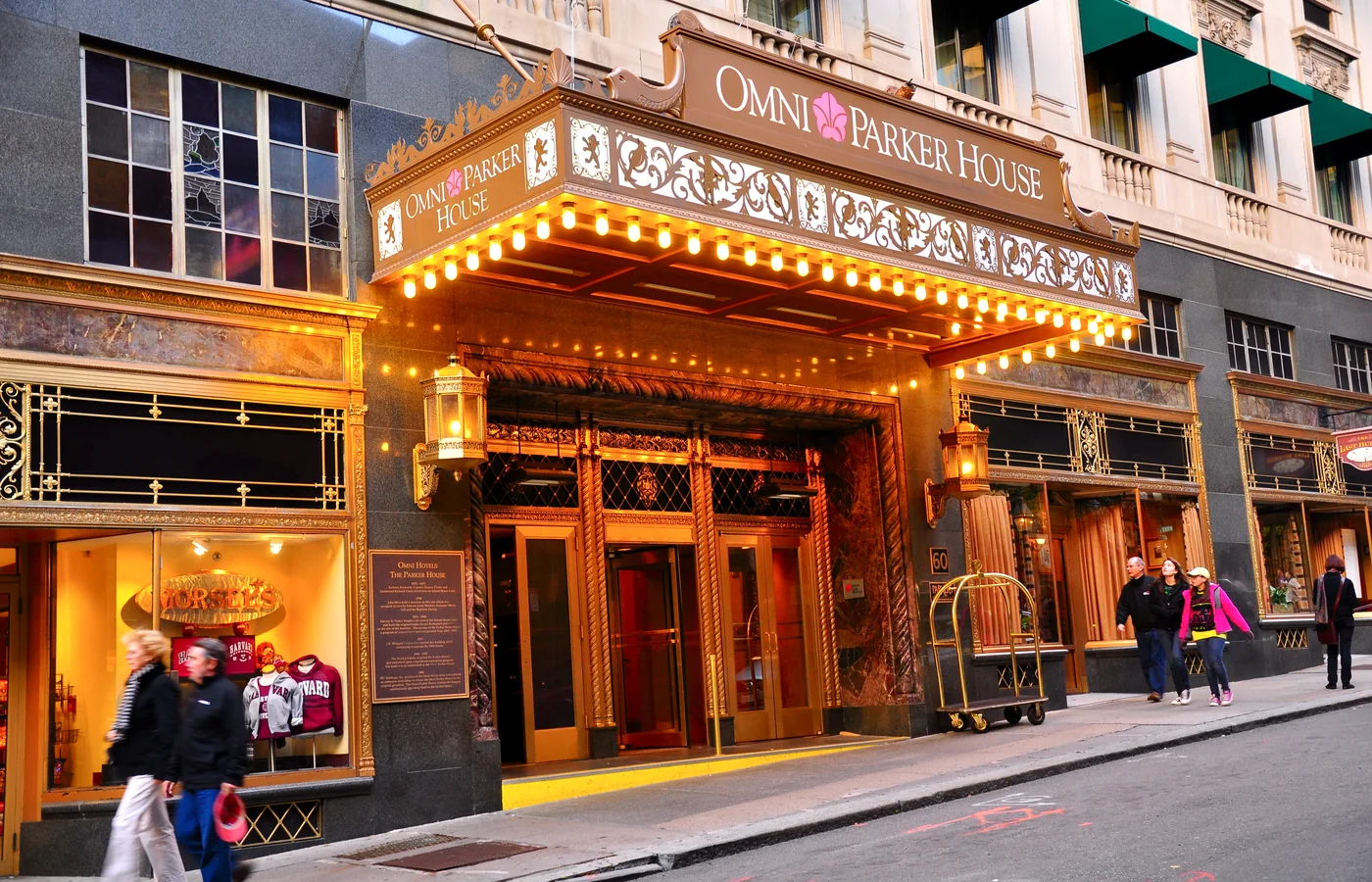
Boston has been in the hospitality business longer than the United States has existed — taverns on the Freedom Trail's route were putting up travelers in the 1600s. The Tremont House, opened in 1829, is often called America's first modern hotel: private rooms with locks, indoor plumbing, a reception desk — ideas so novel that hoteliers traveled from Europe to copy them. The Omni Parker House followed in 1855 and never stopped operating, feeding generations of politicians and writers in a dining room that invented Boston cream pie. Around the hotels grew the brownstones of Back Bay and the brick rowhouses of Beacon Hill and the South End — housing stock that would eventually become some of the most photogenic rental inventory in the country.
The short-term-rental boom hit Boston hard in the 2010s, concentrated in exactly those neighborhoods, and the city pushed back with one of the country's most restrictive ordinances. Since 2019, short-term rentals are legal only in owner-occupied properties — a private room, your own home while you're away, or a second unit in a two- or three-family building you live in and own. Investor-owned nightly rentals were regulated out, and thousands of listings disappeared. What's left is a smaller, more legitimate market: hosts who actually live there, a strong bench of inns and B&Bs from Beacon Hill to Cambridge, and boutique hotels filling the gap the ordinance created. Demand never blinked — the universities, hospitals and fall tourism keep the calendar full — so the compliant supply that remains earns more per listing than it did before the rules.
The premium map follows the postcard. Beacon Hill, Back Bay and the North End command the top rates — brick, gas lamps and walk-everywhere locations that photograph like film sets. The South End and Seaport pull strong business and convention demand; Cambridge runs its own market around Harvard and MIT, with graduation-week pricing that borders on the absurd; Dorchester, East Boston and the outer neighborhoods offer value with a T ride attached. Blended nightly rates run around $285, but October and graduation-season nights in the core neighborhoods routinely double that, and owner-adjacent units in well-located three-deckers quietly outperform their purchase prices.
September and October are the peak — foliage, conferences and parents' weekends make October the best month of the year in most years. May's graduation cluster is the second summit, April brings Marathon Monday, and summer runs warm and steady with international tourism. The trough is January through March, when smart operators court traveling medical professionals and university visitors rather than letting the calendar go dark. Snow, honestly photographed, sells Beacon Hill better than most owners expect.
Boston's ordinance is strict but unusually clear: short-term rentals are legal only in owner-occupied properties. You must live in the property at least nine months of the year, and it must be your primary residence. The city recognizes three registration types through the Inspectional Services Department: a Limited Share Unit ($25 per year) — a private room in your home with you present; a Home Share Unit ($200 per year) — your whole primary residence while you're away; and an Owner-Adjacent Unit ($200 per year) — a second unit in an owner-occupied two- or three-family building where you own the whole building. Registration renews annually, your registration number must appear in listings, and platforms remove non-compliant listings.
Investor-owned units, rent-restricted units and problem properties are ineligible — there is no legal path to running a non-owner-occupied nightly rental in the city of Boston. On top of the city rules, Massachusetts requires state registration of short-term rentals with the Department of Revenue and mandates $1 million in liability coverage per rental (unless a platform provides it), and you must keep records demonstrating primary residence and rental days. Boston has so far declined to loosen the rules even for major events. The ordinance's details and enforcement practice do get updated — confirm your category and paperwork with the city in writing before you list.
The Boston strategic tip: build your year around the institutional calendar, not the tourist one. Anyone can fill October. The operators who win here map the graduation weekends, the parents' weekends, the medical-conference calendar and the Marathon into their pricing a year ahead — those dates are known, published and criminally underpriced by hosts who treat them like normal weekends.
Tactically: first, shoot the property in fall and in snow. Beacon Hill brick under October light or February snow is the most bookable imagery in New England, and almost nobody bothers. Second, if you're an owner-adjacent host in a three-decker, present the unit like a boutique flat, not a spare apartment — the gap between those two presentations is worth real money per night in this market. Third, build a direct-booking website and a guest list: graduation families rebook the same May weekend for four straight years, and every rebooking through your own site instead of a platform is margin you keep. Fourth, inns, B&Bs and boutique hotels should be running genuine hotel marketing — SEO for the neighborhood terms, a website that books cleanly on a phone, photography that competes with the chains' budgets. Fifth, put your registration number in every ad and keep your records tight; in a city this strict, visible compliance is itself a selling point to careful guests.
The constraint is structural: if you don't live in the property, you can't legally run it nightly, and there's no workaround worth your time. Compliant hosts face annual registration, state registry, insurance minimums and record-keeping, plus winter months that demand actual marketing effort. Property prices are steep, so returns depend on buying sensibly and capturing the peak windows properly.
Massachusetts law requires $1 million in liability coverage for short-term rentals unless the platform's insurance applies — treat that as the floor, not the target. Standard homeowner's policies generally exclude commercial rental activity, so most hosts need a proper short-term-rental endorsement or landlord policy, and owner-adjacent hosts should make sure coverage spans the whole building. Old housing stock adds its own wrinkles — knob-and-tube wiring and antique heating systems affect underwriting. Use a Massachusetts broker who writes STR policies regularly.
Massachusetts treats short-term rentals like hotel rooms. The state room-occupancy excise is 5.7%, Boston adds a local excise of 6.5%, and a 2.75% convention center financing fee applies in Boston — roughly 14.95% combined before any community impact fee, which the city can add for certain operator categories. Platforms collect and remit on their bookings, but direct bookings are your responsibility, and you must be registered with the Department of Revenue either way. Rental income is taxable on top. Confirm your exact stack with an accountant who handles Massachusetts lodging.
Owner-occupancy isn't just the rental rule here — it shapes the financing. The classic Boston play is an owner-occupied two- or three-family bought with conventional or FHA financing, living in one unit and registering another as owner-adjacent; lenders know this structure well. Pure investor STR loans have little use in the city proper given the ordinance. At Boston prices much of the market is jumbo, and condo buildings may carry their own rental restrictions — read the condo documents before you fall in love. A local broker who works multifamily is worth the call.
Boston's rules have proven durable — the city has held its owner-occupancy line for years and declined to carve out exceptions even when major events came to town, so plan on the current framework being the permanent one. That stability is quietly good news for compliant operators: supply stays capped while demand compounds, driven by universities and hospitals that aren't going anywhere and a convention pipeline that keeps growing. Expect continued enforcement polish rather than new restrictions, and expect the inn and boutique-hotel segment to keep absorbing the demand the ordinance displaced — which makes hotel marketing and direct-booking capability the growth story here. The owner who buys the right three-decker, registers properly and markets the institutional calendar is holding one of the steadier lodging positions in the country.
Boston might be the most photogenic rental market in America that nobody photographs properly. Beacon Hill's gas lamps, the North End's leaning brick, the Charles at dawn — it's all sitting there, and the average listing shows a beige bedroom with the overhead light on. That gap is why we love working here: the raw material is film-set quality, the competition's presentation is decades behind, and one honest golden-hour shoot moves a listing into a different league. The ordinance helps too, oddly — with investor inventory regulated out, the hosts who remain are real people in real homes, and marketing a genuine place beats marketing an asset every time.
And the calendar — Boston's demand doesn't guess. Graduations are published years out. The Marathon is the third Monday of April forever. October foliage, Head of the Charles, parents' weekends: it's a schedule, not a hope. We love markets where preparation beats luck, and Boston is the purest one on the East Coast. The work is knowing the institutional rhythm, pricing it honestly, and making a Beacon Hill walk-up or a Cambridge inn look like what it actually is — which, in this city, is usually better than the photos have ever shown.
A great property in Boston doesn't just want a listing — it wants a point of view, an audience, and a brand the city itself would recognise.
A few honest, insider picks for Boston — the kind of specifics that make a listing read like a local wrote it, because one did. Real places, no filler.
Rowers on the water, runners on the paths, the Back Bay skyline catching first light. It's the morning routine guests adopt by day two, and the image that sells any listing within a ten-minute walk of the river.
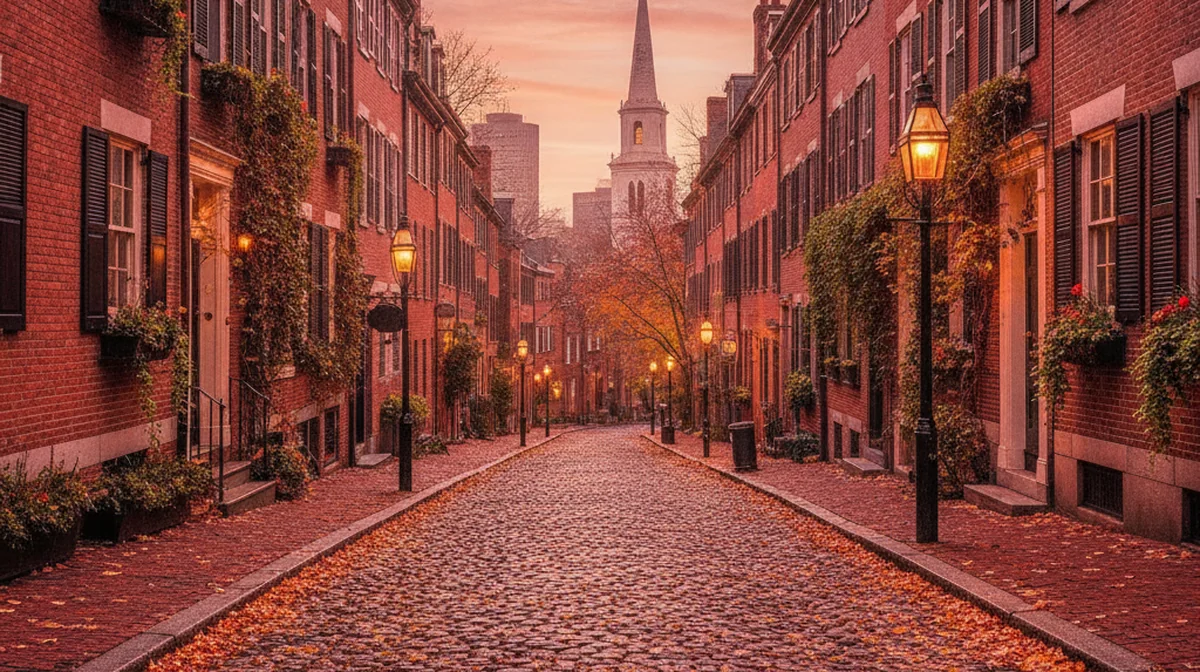
The most photographed street in America — cobblestones, gas lamps, window boxes — and it earns it at golden hour when the brick goes copper. If your listing is on the Hill, this is the closing shot.
Boston's Little Italy: espresso counters, pastry windows, old men arguing outside social clubs. Walk it to Paul Revere's house and the harbor. 'Two blocks from Hanover Street' does more work than a paragraph of adjectives.
The oldest continuously operating restaurant in the country — oysters shucked at the same semicircular bar since 1826, in a building guests photograph from across the street. Touristy, historic and genuinely good, which is a rare combination.
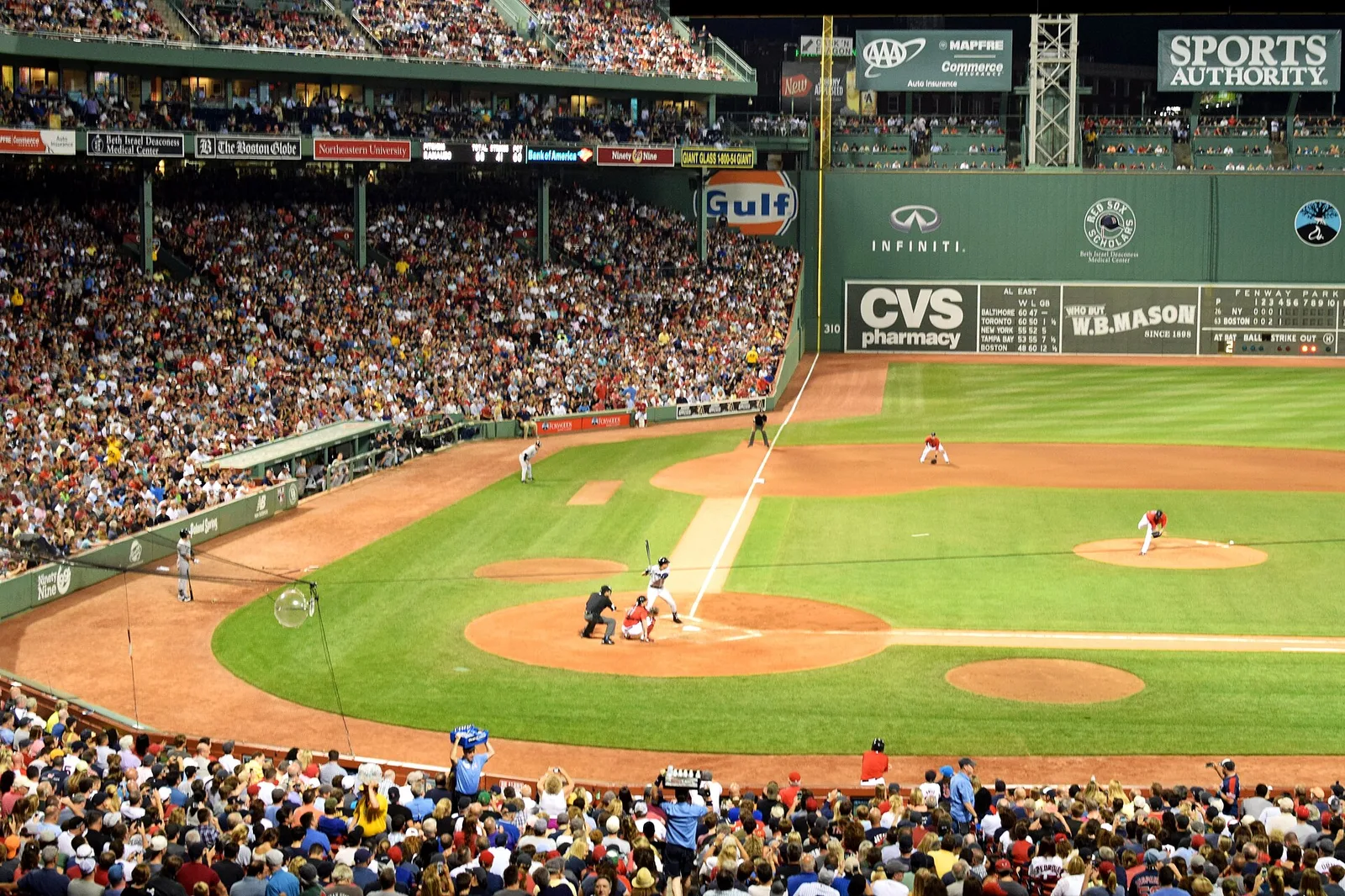
The oldest ballpark in the majors, and the whole city reorganizes around it 81 nights a year. Tell guests honestly: game nights mean noise and full trains near Fenway — and the best sports atmosphere in America if that's what they came for.
January and February are Boston's quiet months, and the city is at its most beautiful under fresh snow — gas lamps, white brick, empty streets. Shoot it once and you own the off-season imagery your competitors don't have.
A 20-minute ferry from Long Wharf to walking trails and a swimming beach with the skyline on the horizon. The Harbor Islands are the best summer half-day in the city and almost no listing mentions them.
Guests ask two things: which T stop and how far, and what to do about a car. Answer both plainly — resident-permit streets mean visitors should usually skip the car entirely — and your inquiries get easier immediately.
A few composite engagements drawn from how Cavmir typically works in this market. The details are illustrative and consistent with Boston, not pulled from a single named client.
A registered owner-adjacent unit in a classic three-decker was presented like a spare apartment — dim photos, generic copy, flat pricing that ignored the Marathon, graduations and October entirely.
Cavmir reshot the unit and the street at golden hour, rewrote the listing around walkability to the beaches and downtown, built the institutional calendar into pricing a year ahead, and set up a direct-booking page for returning guests.
Peak windows began booking months out at substantially stronger rates, graduation-week families rebooked for the following year directly, and the unit's annual calendar filled with fewer, better-paying stays.
A registered home-share on the Hill — genuinely rare inventory — was invisible among hotel results, with phone photos that flattened one of the most photogenic settings in the country and no story about the owner or the house.
Cavmir shot the house and Acorn-adjacent streetscape properly, wrote the host's own history into the listing the way guests actually want it, and positioned the property for foliage season, the Marathon and parents' weekends with event-aware pricing.
The listing became the kind guests screenshot and send to friends, occupancy concentrated into the high-rate windows the host actually wanted to work, and repeat guests began requesting the same weeks annually.
A small independent inn in a row of brownstones was losing the direct-booking war — a dated website, OTA dependence approaching total, and photography that made antique charm read as merely old.
Cavmir rebuilt the brand and the direct-booking website around the brownstone story, reshot every room and the breakfast salon, ran neighborhood SEO for Back Bay searches, and built campaigns around foliage season and the 2026 World Cup and Sail Boston summer.
Direct bookings became a meaningful and growing share of revenue, the inn held stronger rates against chain competition through the fall peak, and the owner finally had a guest list worth emailing every spring.
Talk to Cavmir today. We'll show you exactly what your Boston property is leaving on the table — and how fast we can change that.
Book a Free Strategy Call