


Morning
Pastries and coffee, then Meads Bay swim
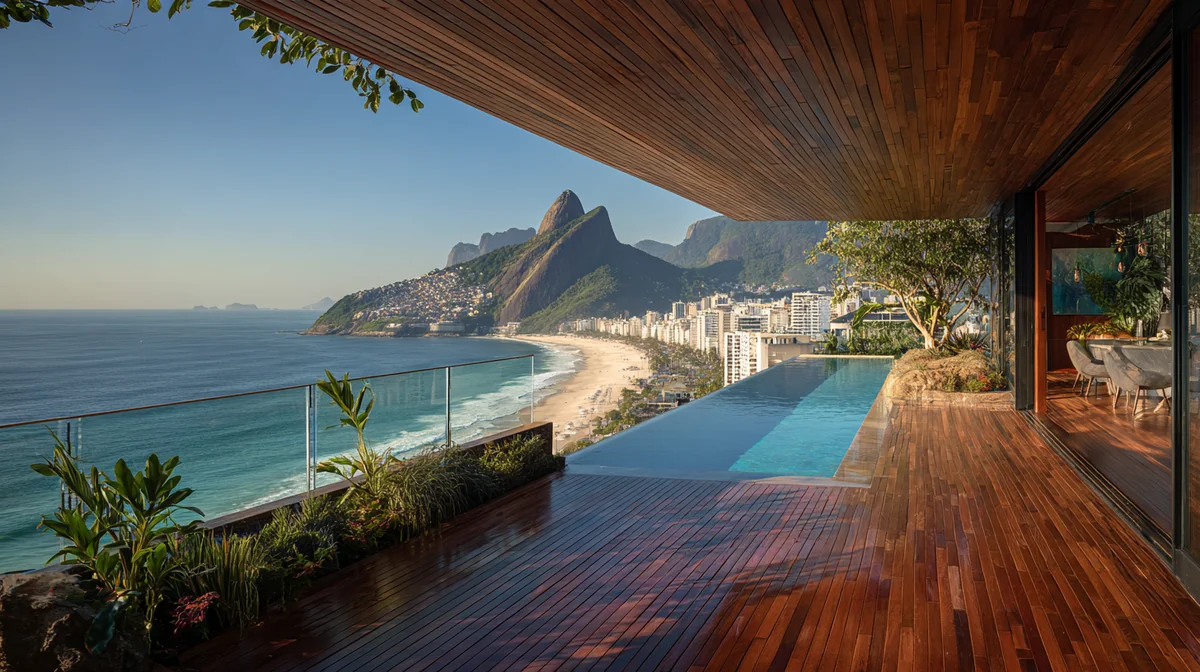
The morning walk to Meads Bay before the sun is overhead, followed by coffee at the Malliouhana terrace. The correct opening move for the first full day.

Expert short-term rental marketing to grow your bookings and nightly rate in Anguilla, Anguilla, Caribbean.
Sixteen services, one team. Everything below is built in-house and scoped to your property and market. Most owners start with the 12-Step System.
Every engagement is quoted to your portfolio. These are the ready-made scopes owners pick most — our Fall Special (55% off list or more) is already applied to the website, King Broker, Hotels and à la carte scopes. A clear proposal within 48 hours.
The work is public. Selected engagements and what changed — and reviews from the owners and managers behind them.
* Market averages from AirDNA and STR market reports. A single home's numbers depend on its size, its location and how it is marketed.
Cavmir is an Airbnb marketing agency. We build the brand, the direct-booking website and the marketing for short-term rentals in Anguilla.
Anguilla is the Caribbean island that Americans who know the Caribbean best actually return to. Thirty-three beaches ring a low, flat, sixteen-mile island with no casinos, no cruise ship port, and a culinary reputation that punches far above its size. Meads Bay anchors the western villa corridor alongside the Four Seasons and Malliouhana; Shoal Bay East is regularly named among the best beaches in the world; Rendezvous Bay offers a long, quiet southern stretch; Sandy Ground is the nightlife harbor; Little Bay is a boat-access swimming cove; Maundays Bay is home to Cap Juluca. The guest profile skews older, wealthier, and more repeat-visit-loyal than almost any island in the region.
Anguilla's STR market is built on high-end villa inventory and deeply loyal repeat guests. Peak season runs mid-December through April, with March commanding the strongest rates. Meads Bay and Maundays Bay lead the luxury villa market; Shoal Bay East and Rendezvous Bay follow closely on beachfront premium. Regulatory environment is light and owner-friendly, with no income tax on rental revenue for non-residents subject to structuring.
Nearby Markets: St. Barts | British Virgin Islands | Turks & Caicos

Cavmir's direct-booking infrastructure protects the owner relationship with Anguilla's famously loyal repeat guest — the family that has been returning to the same villa every February for a decade. Our cinematic photography captures the specific turquoise of the water off Meads Bay, and our Virtuoso travel-agent channel reaches the advisor-booked guest who still drives the top of this market.
Anguilla — a flat 35-square-mile coral island at the northern tip of the Leewards — was settled by English colonists from St. Kitts in 1650. The soil was too thin and rainfall too sparse for plantation sugar at scale, so the island developed a modest economy of salt raking, fishing, boatbuilding, and subsistence farming. For centuries it was administered as a reluctant appendage of St. Kitts. In 1967 Britain grouped Anguilla with St. Kitts-Nevis into an 'Associated State' against local wishes, which triggered the bizarre Anguillan Revolution — islanders expelled the St. Kitts police force, and in 1969 Britain sent a small paratrooper contingent and London bobbies to restore order. Anguilla formally separated in 1980, reverting to direct British Overseas Territory status, which it retains.
Tourism arrived late and deliberately upscale. Malliouhana opened in 1984 on Meads Bay, Cap Juluca on Maundays Bay in 1988, and Four Seasons (formerly Viceroy) on Barnes Bay in 2010. There are no casinos, no cruise-ship piers, and no all-inclusive mega-resorts — a policy posture the government has held consistently. STR inventory concentrates in villa developments on the west end: Meads Bay, Barnes Bay, Maundays Bay, Long Bay, Shoal Bay West, and the Rendezvous Bay corridor, with a secondary cluster at Shoal Bay East.
Meads Bay and Barnes Bay anchor the luxury tier — beachfront villas with pools clear USD $2,000–$9,000/night peak. Rendezvous Bay and Maundays Bay hold a super-peak tier on beach quality and resort adjacency. Long Bay and Shoal Bay West are mid-to-upper tier, $1,200–$3,500/night. Interior and east-end properties (Island Harbour, Sandy Hill) offer value but discount meaningfully to beachfront. Christmas/New Year drives the defining week, February and Easter sustain premium.
High seasonality. Peak: December 15–April 15. Super-peak: Christmas/New Year, Presidents week, Easter. Shoulder: late April, May, November. Low: September–October (many villas close for refurbishment). Missed revenue: early December, where weather is peak but most operators haven't activated holiday pricing for the European early arrivers.
Anguilla operates a light-touch regulatory framework structurally built around the island's status as a zero-direct-tax British Overseas Territory. STR operators generally require a business license issued through the Ministry of Finance, and employers register with the Anguilla Social Security Board for any local staff. Short stays carry the 13% General Services Tax (in force since 1 August 2025, replacing GST), charged to the guest and remitted by the 20th of the following month. Foreign ownership is permitted but non-Anguillans generally require an Alien Landholding License for property acquisition, which carries a one-time fee of roughly 12.5% of the purchase price — a structural cost to budget at acquisition.
There is no personal income tax, no capital gains tax, and no inheritance tax, though the annual Property Tax does apply: the Inland Revenue Department lists villas and short-term rentals among the properties liable for it. Work permits are required for foreign staff and the system has tightened since 2022 around villa-management operations using non-local labor. Building permits run through the Physical Planning Department and beachfront setback rules are enforced conservatively. Platform registration is loosely monitored but the 13% accommodation tax is enforced — operators who under-remit risk license non-renewal. Verify Alien Landholding License conditions and any development-specific covenants before closing.
The Anguilla strategic tip: lean into the restaurant economy as the primary demand driver. Anguilla's dining scene — Blanchards, Veya, Hibernia, Straw Hat, Da'Vida, Jacala — is disproportionately strong for an island this size and functions as the actual guest-experience engine. Villas marketed with curated restaurant reservations, private-chef partnerships with named local talent, and tasting-menu itineraries command a clear premium over generic beachfront inventory. The island does not have shopping, nightlife, or attractions at St. Barts scale — food and beach are the product.
Tactically: first, partner with a single well-regarded local villa manager rather than assembling ad-hoc vendors — the Anguillan hospitality workforce is small, tight-knit, and reputational, and relationships compound. Second, the SXM-to-Anguilla ferry and charter-boat logistics are a guest-experience chokepoint; properties that pre-arrange private boat transfers (Calypso, Funtime, GB Express Charter) book better than those that leave arrival to the guest. Third, market heavily during Anguilla Summer Festival — regional Caribbean and diaspora demand fills low-season weeks that US-focused operators miss entirely. Fourth, budget for the Alien Landholding License correctly at acquisition — underwriting that assumes no 12.5% upfront friction routinely breaks deal economics.
Hurricane exposure is significant — Irma in 2017 damaged most west-end resorts and villa inventory took 18–24 months to fully return. Air access depends on the SXM hub plus a short hop to Clayton J. Lloyd airport or the ferry from Marigot — connectivity adds friction relative to direct-service islands. Operating costs run high on imports. Workforce scale is genuinely small (~16,000 residents), so seasonal staffing is perennially tight.
Post-Irma hurricane insurance is specialty-market and expensive. Named-storm, wind, and flood coverage required; Lloyd's syndicates and regional Caribbean carriers (NAGICO, Sagicor) dominate. Budget USD $10,000–$35,000 annually for luxury villas with adequate limits (USD $3–5 million building plus liability). Per-event hurricane deductibles commonly 2–5% of insured value.
Anguilla has no personal income tax, no capital gains tax, and no inheritance tax; the annual Property Tax does apply, and the Inland Revenue Department lists villas and short-term rentals as liable. Costs are concentrated upfront: Alien Landholding License roughly 12.5% of purchase price for non-Anguillans, plus 5% transfer stamp duty on the buyer side. Guest-paid General Services Tax 13% (since 1 August 2025). US owners remain subject to US tax with foreign-tax-credit planning.
Local financing through CIBC FirstCaribbean, Scotiabank Anguilla, and National Commercial Bank Anguilla. Non-resident LTVs generally 50–65%, rates priced well above US equivalents. Cash purchases dominate the luxury tier given acquisition-cost structure and the relative cost of local debt.
Anguilla's villa trade runs on repeat families and word of mouth, so the website is where last year's guests check this winter's rate and where a friend they referred decides whether to trust a villa they've never seen. The island set a record in 2025: the Anguilla Tourist Board counted 229,734 visitors, up 11.2% on 2024, and 114,965 of them stayed overnight. Since 1 August 2025 every short stay here carries the 13% General Services Tax, and Airbnb doesn't list Anguilla among the places where it collects and remits tax for hosts, so the tax line is your job on every channel. A direct-booking website built for this island answers the two questions a villa guest brings: what the week costs, all in, and why this house on this bay.
Americans made up approximately 70% of overnight visitors in 2025, 80,598 of them, so the site's first language is American English and its first currency is the US dollar. The Eastern Caribbean dollar is the island's own money and is also written with a $ sign, so print US$ on every rate and on the booking total, or a guest who paid EC$ at a beach bar last trip will wonder which one you mean. Canada held at about 6.0% of December arrivals and Europe at 5.6%, which earns a labelled CA$ estimate beside the US$ figure and not much more. Translation can wait. A French page makes sense only if you court weekenders from French Saint-Martin across the channel, and then it goes up as its own hreflang version, never a translate button. Stay-over guests in December 2025 averaged 6.6 days, so build the rate table around weeks and keep nightly prices for the shoulder. Returning families also look for proof that nothing slipped: this year's photos, the same housekeeper and chef by name, and the dates already held for them.
The Inland Revenue Department (IRD) handles both the business licence a villa needs and the 13% General Services Tax that took over from GST after the House of Assembly passed the reform on 29 July 2025. Short-term accommodation providers must register whatever their turnover, so the EC$300,000 threshold that spares small service businesses doesn't help you, and tax collected in a month is remitted by the 20th of the next. Show the 13% as its own line on the quote and on the invoice. American guests bring a habit too: since May 12, 2025, the US fee rule has required hotels and vacation rentals to make the all-in total, mandatory fees included, the most prominent price, with taxes allowed to follow before payment. Copy that order: rate, cleaning and any staff charge as one figure, then the 13%. We found no Anguilla statute that sets cookie rules, so build consent to the strictest law your guests carry, UK GDPR and PECR for British visitors, enforced by the ICO, and the EU GDPR for Europeans, which means no analytics or ad cookies until the guest agrees. The IRD also lists villas and short-term rentals as liable for the annual Property Tax, payable whether or not a bill arrives. Confirm all of this with the IRD or an Anguilla attorney before launch.
Guests pick a bay before they pick a villa, so give each bay its own page: Meads Bay and Barnes Bay for the west-end restaurant walk, Maundays Bay and Cove Bay beside Cap Juluca, Rendezvous Bay looking across to St. Martin, Long Bay and Shoal Bay West for quiet, Shoal Bay East for reef snorkelling, and Sandy Ground and Island Harbour for the evenings. A getting-here page starts at Clayton J. Lloyd International Airport and at the Blowing Point ferry dock, where guests land by boat from St. Maarten, and gives your drive from each in minutes. Then state what guests here filter on: sand at the gate or across a road, which way the terrace faces at sunset, whether a generator and cistern carry the villa through a power or water cut, which nights a chef or butler is included, and where the nearest car-rental desk is, because driving is on the left. Photograph the walk to the water and the terrace at dinner hour; those details give your GEO pages something specific to say. One domain point: Google lists .ai among the country codes it treats as generic, so the island's own domain gives a villa site no local signal. The bay and village names in your copy do that work.
GEO (generative engine optimization) means shaping your pages and listings so ChatGPT, Gemini, Copilot, Perplexity or Google's AI answers put your villa forward when someone asks where to stay. Anguilla's high-spending guests are picking the habit up fast. Indagare, the luxury travel company, surveyed nearly 1,000 of its members, subscribers, followers and partners: almost 39% now use AI to help plan travel, up from 14% a year earlier, and another 24% are curious. The groundwork is modest, pages a crawler can read as text and schema that marks the home as a vacation rental with its address, rooms and rate. Everything after that depends on how well your pages describe Anguilla itself.
They ask for a decision, in English, with a bay or a date in the question. Meads Bay or Shoal Bay East for a week with teenagers who want to snorkel? Which villa is close enough to walk to dinner at Blanchards? Is Rendezvous Bay calm enough for a toddler in March, and can we walk to the Dune Preserve for Moonsplash? Is the AnguillAir flight from Boston running in late April, or should we book the boat from St. Maarten? Do we need a car, and how does the visitor's driving permit work? What does the 13% tax add to a week? Canadians will ask about the Saturday service from Toronto Pearson through Providenciales. Each prompt names a bay, a route or a cost, and an assistant can only answer with your villa if your pages say those things in clear sentences.
Write one fact block and use it word for word on the site, Airbnb, Vrbo, Booking.com and the sheet you send travel advisors. It gives the villa's name and bay, bedrooms, beds and how many it sleeps, the walk to the sand in minutes, the drive to the airport and to Blowing Point in minutes, the business licence held with the IRD, the 13% General Services Tax and how it's charged, the staff included, the generator and cistern, and the cancellation rule in one sentence, including what happens when a named storm is forecast. If Airbnb says “on Meads Bay” and the site says “a short stroll to Meads Bay”, an assistant holds two answers and may repeat neither. Keep every figure in text, never baked into a photo. In Cavmir's July 2026 review of 550 Google AI answers across 15 U.S. markets, 82% of citations went to independent and regional operators, and Airbnb or Vrbo showed up in 17% of answers. Anguilla wasn't in that sample, but the pattern favours owners who publish their own facts.
Answer engines borrow trust from the sources that already describe the island. The Anguilla Tourist Board publishes the arrival figures the trade press repeats, and the Villas section of its accommodations page names a single property, so a mention there is scarce and worth asking for. On-island, Anguilla Focus and The Anguillian report flights, openings and festivals, and the Anguilla Hotel and Tourism Association speaks for the trade. Events hand out credits too: the Anguilla Culinary Experience put a four-hands dinner at a private home, Villa Alegria, on its 2026 programme, the kind of named mention an assistant can find and repeat. Off-island, Caribbean Journal and TravelPulse write for American readers, while Pax News and Travelweek reach the Canadian trade. Pitch each one something only an owner can supply: a timed walking guide to the west-end restaurants, a storm-season page with your generator specs, a first-night guide for guests off the Boston flight. Keep the villa's name, bay and phone number the same on Airbnb, Booking.com, Vrbo and your own site, so every mention points at one property.
Content marketing for an Anguilla villa means publishing the guides that guests and assistants read before they choose a bay, timed to the island's calendar and its flights. AnguillAir launched on 17 December 2025 and its Boston flights were fully booked through the last one on 25 April 2026; in April the infrastructure minister, Jose Vanterpool, said next season will likely run longer. More seats mean more first-time guests who know nothing about Blowing Point or Sandy Ground. Every page below answers one question in its first two sentences, carries a “checked on” date and links to the booking page.
First, the getting-here guide, published in October: AnguillAir's Boston and Newark nonstops on Mondays and Fridays from mid-December, the Monday nonstop from Baltimore-Washington, the Thursday and Saturday flights from Tampa/St. Petersburg through Providenciales, and the Saturday service from Toronto Pearson from 19 December 2026 to 1 May 2027, plus the boat from St. Maarten into Blowing Point and your drive from each arrival point. Second, a bay chooser that compares Meads Bay, Shoal Bay East, Rendezvous Bay and Maundays Bay in walking minutes you timed yourself, with who each one suits. Third, the bill page: rate, mandatory fees, the 13% General Services Tax, deposit dates and the cancellation rule, so an assistant asked what a villa week costs can give a whole figure. Fourth, a holiday-week guide covering National Heroes and Heroines Day on 18 December, Christmas, Boxing Day on 28 December and New Year's Eve, with the restaurants to book first. Families plan that week a year ahead, so it should be live before they start.
Then follow the island's own dates. A March page on Moonsplash at the Dune Preserve on Rendezvous Bay, with the villas in walking distance, and a note on James Ronald Webster Day, a public holiday on 2 March 2026. An Easter page on Festival del Mar in Island Harbour, the fishing village's weekend of boat racing and fresh seafood. A May food guide built on the Anguilla Culinary Experience, whose fifth edition ran May 13 to 17, 2026, from opening night at Karaya on Shoal Bay West to dinners at Celeste in Malliouhana and Salt at the Four Seasons; refresh it when the 2027 programme is announced. A summer page for the Anguilla Summer Festival, which ran 10 July to 9 August 2026, with August Monday on 3 August, August Thursday on 6 August and Constitution Day on 7 August, written for the diaspora and regional guests who book those weeks. And a hurricane-season page before June that sets out your cancellation rule, generator and cistern, the questions summer and autumn bookers ask before they pay.
Open every guide with a two-sentence answer to the question in its title, then the detail. Use the names guests and assistants match on: Meads Bay, Sandy Ground, Island Harbour, Blowing Point, the Dune Preserve, Scilly Cay. Put the year beside every date, because a family planning next February needs to know the date applies to their trip. Give distances in minutes and say how you measured them. Quote prices in US$ with the 13% tax shown. End with three or four questions past guests have asked you, answered in your own words. Publish a guide every two to three weeks in the order of the list beside this section, and rewrite the event pages each autumn when organisers confirm the next year's dates.
Anguilla through 2027 and beyond: the no-direct-tax structure is politically durable across both major parties and the low-density, no-cruise, no-casino posture is near-consensus on the island. Villa inventory is growing modestly — a handful of boutique branded residences (Aurora Anguilla on Rendezvous Bay, new Cap Juluca villa additions) are reshaping the top tier — but the total rentable pool remains small and supply constraint continues to support pricing. Climate risk remains the defining operating variable and insurance cost is the real long-term margin pressure. The culinary-destination positioning is the durable differentiator; expect the market to continue compounding on that reputation rather than pivoting toward volume tourism.
Anguilla is the Caribbean answered by adults. The island has deliberately refused the cruise-ship economy, the casino build-out, and the mass-market resort footprint that defines its neighbors, and the guest profile reflects that discipline — older, quieter, more culinary, more loyal. Marketing Anguilla as a beach destination is the rookie error. The beaches are exceptional, but the beaches are table stakes. What sells the week is the restaurant argument: Blanchards versus Veya versus Straw Hat on a Friday night, the Sunday ferry lunch at Scilly Cay, the specific bartender at Dune Preserve. Listings that lead with food-and-music culture outperform listings that lead with beach by a wide margin.
What we love about marketing Anguilla is how much the market rewards taste. The repeat guest here is the guest who has done St. Barts, done Turks, and chosen Anguilla specifically for the lower-key register. They are reading the welcome book closely. They will notice whether the host knows which night Bankie Banx is playing at Dune, whether the Tasty's reservation is worth pushing for, whether the villa concierge can actually get the Scilly Cay boat. Properties that invest in editorial depth build a repeat book faster in Anguilla than in almost any other Caribbean market, and the lifetime-value math justifies the marketing spend within a single season.
The picks Cavmir recommends for Anguilla welcome books — the details that make a stay feel like resident-knowledge rather than concierge-script.
The morning walk to Meads Bay before the sun is overhead, followed by coffee at the Malliouhana terrace. The correct opening move for the first full day.
Cove Bay, feet in the sand, rum punch, live string band from five o'clock. The single most Anguilla-feeling hour on the island and the one every repeat guest protects on their calendar.
Down to the salt pond and along the Sandy Ground waterfront before dinner. Local fishing boats, the beginnings of the evening music, the island as the island sees itself.
Blanchards on Meads Bay for the legacy fine-dining night; Veya in Sandy Ground for the more ambitious tasting-menu evening. Both deserve the reservation effort.
The tiny private island reached by flag-down boat from Island Harbour. Lobster, rum punch, reggae, one long afternoon. The single recommendation that separates a host who knows the island from a host who copied a guidebook.
The shoulder weeks when Anguilla's restaurant scene is fully staffed but rates have softened thirty per cent. The windows the island's most discerning repeat guests quietly hold for themselves.
The Marigot Saturday market for the French-side food run, back on the afternoon boat with cheese and baguette. The classic Anguilla provisioning day most first-time guests don't discover.
Bankie Banx's beach bar on Rendezvous Bay is not always open. The host who checks the schedule in advance and times the visit to a music night looks like a local.
Representative Cavmir engagements in Anguilla. Property identifiers redacted; figures composited from internal analytics and market benchmarks.
Exceptional Meads Bay villa with tired photography, outdated website, and no advisor-channel presence. Competing on OTA price against newer peer properties.
Cinematic rebuild: two-season photography, property film built around the restaurant-walk narrative, editorial site with a proper welcome book. Introduced the villa to a curated list of Caribbean-focused travel advisors across North America and the UK.
Peak-season ADR up from $4,900 to $7,400. Direct and advisor bookings now 63% of annual revenue. Repeat-family share in year two reached 44% of booked nights.
Well-located villa underperforming on a beach that rates among the Caribbean's best. Generic listing treatment, no differentiation from three adjacent comparable rentals.
Built a specific Shoal Bay narrative around the quieter-than-Meads advantage and the walkable access to Uncle Ernie's. New photography, a short-film trailer, and a welcome-book rebuild with a daily-rhythm itinerary rather than a generic restaurant list.
Annual occupancy up from 58% to 81%. ADR up 28%. Review-score improvement drove a platform-ranking lift that compounded through year two.
Large estate positioned only as a leisure rental, missing the private-event and small-conference revenue the footprint supported.
Three-brand split: multi-generational family leisure, destination wedding, and boutique corporate offsite. Dedicated tear sheets distributed through wedding planners and family-office travel desks. Photography reshoot focused on event-mode configurations.
Event revenue grew from near zero to a meaningful share of annual total. One corporate offsite week cleared $135K. Leisure ADR also up 22% on the elevated brand.
Yes. Cavmir works with short-term rental owners and boutique hotels in Anguilla — property branding, listing optimization, photography direction, direct-booking websites, SEO, and paid campaigns. Properties near Meads Bay, Shoal Bay East and Rendezvous Bay are exactly the kind of stays we market.
The market snapshot on this page shows average nightly rates around $785 with occupancy near 62% for Anguilla. Treat those as directional market averages, not guarantees — the spread between a well-marketed property and a poorly marketed one in the same market is wide.
Demand in Anguilla is distinctly seasonal — a strong peak stretch carries much of the year, which makes pricing discipline and early-calendar marketing matter more, not less. The properties that win are the ones already visible before the peak begins.
Anguilla is comparatively light on short-term rental regulation today, but rules change quickly in this industry. Confirm current requirements with local authorities before you list. Cavmir handles the marketing side; we don't provide legal or permitting advice.
Give guests a way to book you without a platform in the middle: a fast direct-booking website, a complete Google Business Profile, and follow-up that brings past guests back. Cavmir builds that stack — see vacation rental SEO — so your repeat Anguilla guests stop paying platform fees to find you.
It depends on scope. Current plans and one-time project pricing are on the pricing page — most owners start with a listing overhaul or the 12-step system. A conversation about your property costs nothing: contact Cavmir.
Send us the listing and we'll tell you what we'd change. Not a pitch deck — a straight read on your photos, your title, your rates against the Anguilla comp set, and whether a direct-booking site would pay for itself.
You'll hear back from a person, usually inside one business day. If we don't think we can move your numbers, we'll say so. Cavmir is a short-term rental marketing agency — we position and market properties, we don't manage them.
Demand in Anguilla peaks around January, February and March and runs quietest around September. Here is how the year actually books — and what to do about each stretch of the calendar.
Anguilla is a quiet-luxury beach island, and the dry winter run from mid-December through April is its premium season, with the holidays, Presidents week and the February-Easter window filling the beaches. Moonsplash in March adds a music-driven draw. December closes the year strong. This is a high-end, low-density market, so price the peak weeks confidently, set them a long way out, and hold week-friendly minimum stays.
May and June are warm, calmer shoulders with superb water and thinner crowds, ideal for couples and the villa set. It's the window for mid-week angles and longer stays before summer heat and storm risk climb. Anguilla's beach and dining reputation keeps interest alive off-peak, so keep the listing polished and the pricing realistic.
September is the floor, the peak of hurricane season, with August and October soft on either side, and many restaurants and small hotels scale back. Be clear about it and use the stretch for maintenance, a refresh of tired photos and a fair long-stay rate that can catch a remote worker or returning homeowner. The island's high-end base still keeps a trickle of demand.
The winter weeks, holidays and Easter book the furthest out, often many months ahead, as the affluent repeat crowd claims the same villas and dates yearly. Honeymoons and celebrations fill early too. Shoulder and summer stays move on shorter notice, so lock the peak firm and keep the off-season flexible.
Anguilla runs on week-long villa stays from fly-in guests, with honeymooners and couples skewing to a full week and a premium standard. Group and celebration bookings take larger villas for multi-night blocks. It's a longer-stay, high-value market, and it rewards a listing built to a genuinely elevated finish rather than a budget one.
This is a villa island, so a private, well-styled villa with a pool and steps to or a short walk from one of the famous beaches, near Meads Bay, Shoal Bay or Rendezvous Bay, is the profile that wins. Guests here pay for privacy, taste and beach quality, so finishes, a real pool and honest beach access matter more than sheer size. Outdoor living and a view are close to mandatory; the evening on the terrace is the product.
Build the listing around the villa-and-beach combination that defines the island, with a private pool, an honest beach walk to Meads Bay, Shoal Bay or Rendezvous Bay, and photography that sells the terrace, the view and the styling. Price the winter dry season, the holidays and Easter deliberately, since the affluent repeat crowd claims those weeks a long way out. Add a Google Business Profile for map searches and a direct-booking site for the honeymooners and returning families who come back yearly. That elevated, repeat pattern is exactly what a marketing layer like Cavmir is built to compound.
The dry winter run from mid-December through April is peak, with the holidays, Presidents week and the February-Easter window strongest, Moonsplash adding a March draw, and December closing the year on holiday demand. May and June are warm, quieter shoulders. September, at the height of hurricane season, is the quietest month, when much of the island scales back.
The winter weeks, holidays and Easter book the furthest out, often many months ahead, because the repeat crowd claims the same villas and dates yearly. Honeymoons and celebrations fill early too. Shoulder and summer stays move on shorter notice, so lock the peak firm and keep the off-season flexible.
This is a fly-and-ferry market. Many guests route through St. Maarten and take the short boat across, while direct service into Anguilla's own airport has grown. New York, Miami, Boston, Toronto and Charlotte lead, skewing to the affluent Northeast. On-island, guests search by beach and settlement, so tailor your listing to Meads Bay, Shoal Bay or Rendezvous Bay.
A private pool and steps to or a short walk from a great beach lead here, followed by an ocean view and outdoor living space for the evenings guests come for. Above the amenity list, styling and strong photography matter more here than most places, since this is a taste-driven villa market. Reliable wifi and air conditioning round out the essentials.
Talk to Cavmir today. We'll show you exactly what your Anguilla property is leaving on the table — and how fast we can change that.
Book a Free Strategy Call