C$420
Avg. Nightly Rate
55%
Avg. Occupancy Rate
C$5,200
Avg. Monthly Revenue
4-6%
Est. Cash-on-Cash ROI
HIGH
Seasonality
HIGH
Regulatory Burden

* Market averages. Properties marketed by Cavmir typically exceed these figures by 25–45%. Data sourced from AirDNA, STR market reports, and Cavmir internal analytics.

The Market

Why Tofino is One of the World's Premier STR Markets

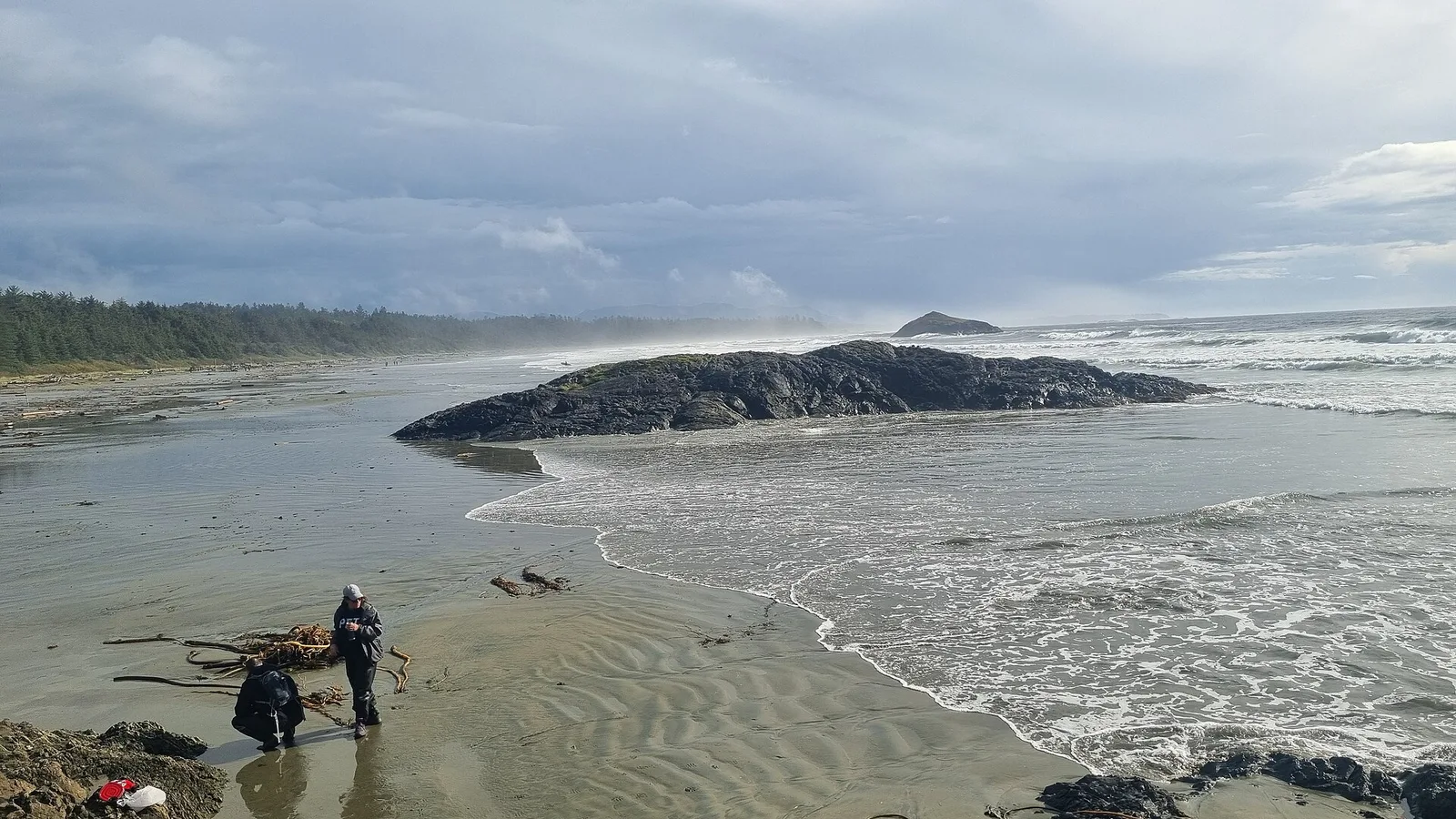
Tofino is the town that taught the world to sell bad weather. A fishing village of about 2,500 people at the end of Highway 4 on Vancouver Island's outer coast, it hosts visitors in the high hundreds of thousands every year — surfers chasing Cox Bay's breaks, families walking Long Beach's fifteen kilometres of sand in Pacific Rim National Park Reserve, and, every winter, storm-watchers who pay premium rates to watch the ocean throw its worst at the windows, an entire counter-season the town's famous waterfront inn invented in the 1990s. The rules here took their own path: Tofino opted into BC's principal-residence requirement, then reversed course in 2025 and backed out — so the provincial rule does not apply, and the District's own regime governs instead: a short-term-rental business licence, zoning compliance, and per-listing caps of six guests and three bedrooms, with the provincial registration number still mandatory because BC's registry applies everywhere. The result is a market with real rules, real enforcement and real headroom — where a licensed beach house that prices storm season like the product it is, answers the surf questions properly and photographs the fog honestly can run one of the strongest nightly-rate businesses in Western Canada. The operators still marketing Tofino as a summer-only town are leaving a third of the year on the table.

Tofino runs a two-act year with the strangest second act in Canadian tourism. Summer is the traditional peak: July and August, when the beaches fill, the national park runs at capacity, surf schools book out and nightly rates on beachfront product reach resort-Canada's top tier. The shoulders are genuinely strong — March brings the Pacific Rim Whale Festival and the grey-whale migration, May and June stack food-and-surf events, September holds warm and golden — and then winter flips the script: November through February is storm-watching season, when Pacific lows deliver the theatrical weather the town now markets as its signature, and oceanfront properties with fireplaces, soaker tubs and floor-to-ceiling glass command winter rates most Canadian markets only see in July. Blended nightly rates run around C$420 with occupancy in the mid-50s across a few hundred licensed listings — capped supply in a town with hard geographic limits — and the guest mix is younger and more international than the numbers suggest: surfers on multi-night stays, couples on storm pilgrimages, families on park weeks. Product tiers cleanly: Chesterman and Cox Bay beachfront at the top, walkable village addresses in the middle, forest-side cabins as the value play. What separates winners is not location alone — it is whether the listing answers the questions this coast generates: surf logistics, storm packages, the road, the rain gear.

Top Attractions & Landmarks

  • Long Beach, Pacific Rim National Park Reserve
  • Chesterman Beach
  • Cox Bay Lookout
  • Hot Springs Cove
  • Meares Island Big Tree Trail
  • Tofino Harbour and Clayoquot Sound
  • Rainforest Trail boardwalks

Nearby Markets: Victoria  |  Vancouver  |  Whistler

Airbnb marketing services in Tofino, British Columbia, Canada
Postcards

Tofino through the lens

A few of the visual fingerprints we lean into when we shoot, brand and market a Tofino property — courtesy of the open Wikimedia Commons archive.

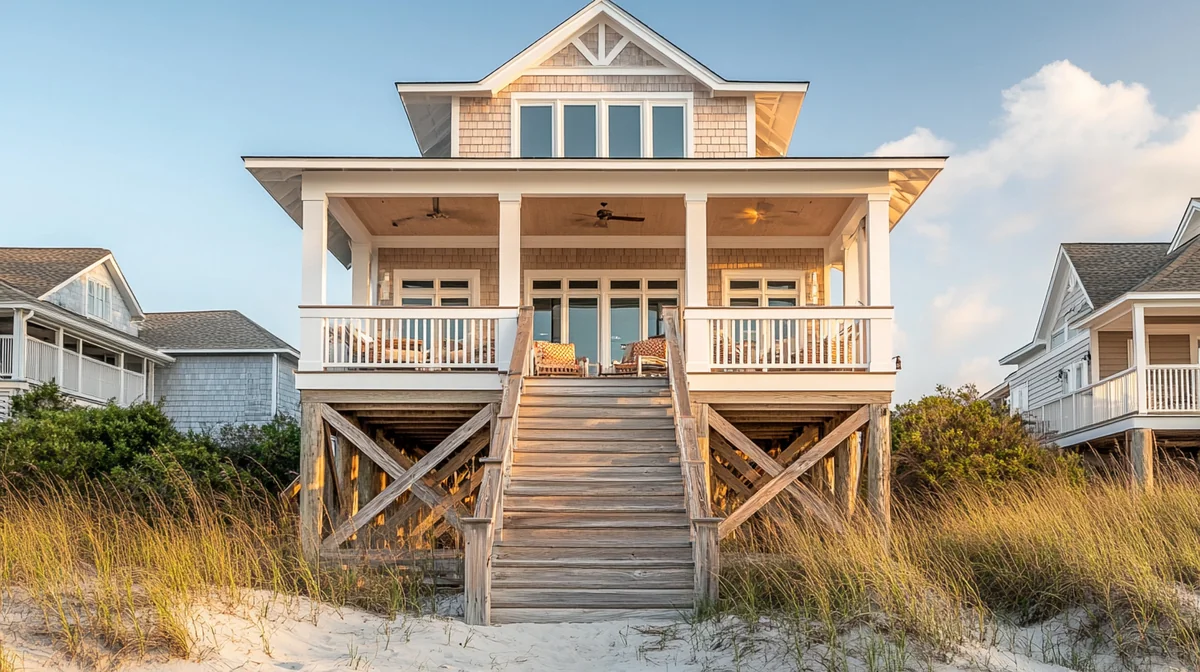
Tofino Panorama 02 — Tofino airbnb marketing
Local Color
Tofino Panorama
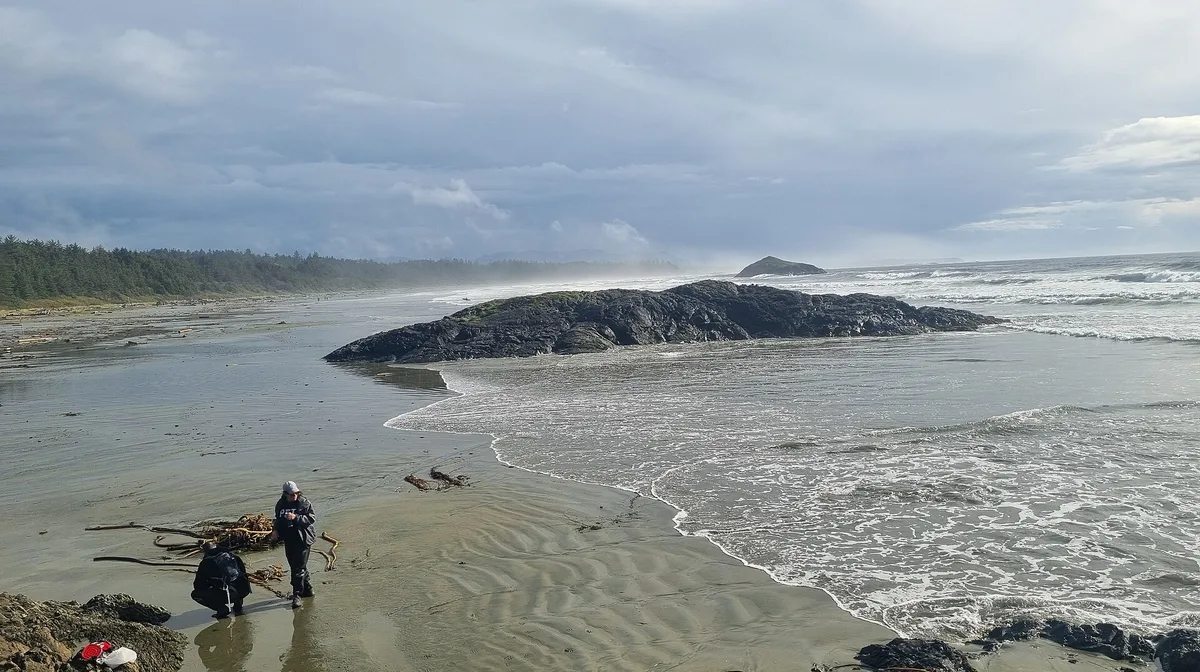
Frontedgetofinocoxbaykjfmartin — Tofino airbnb marketing
Local Color
Tofino Local Landmark
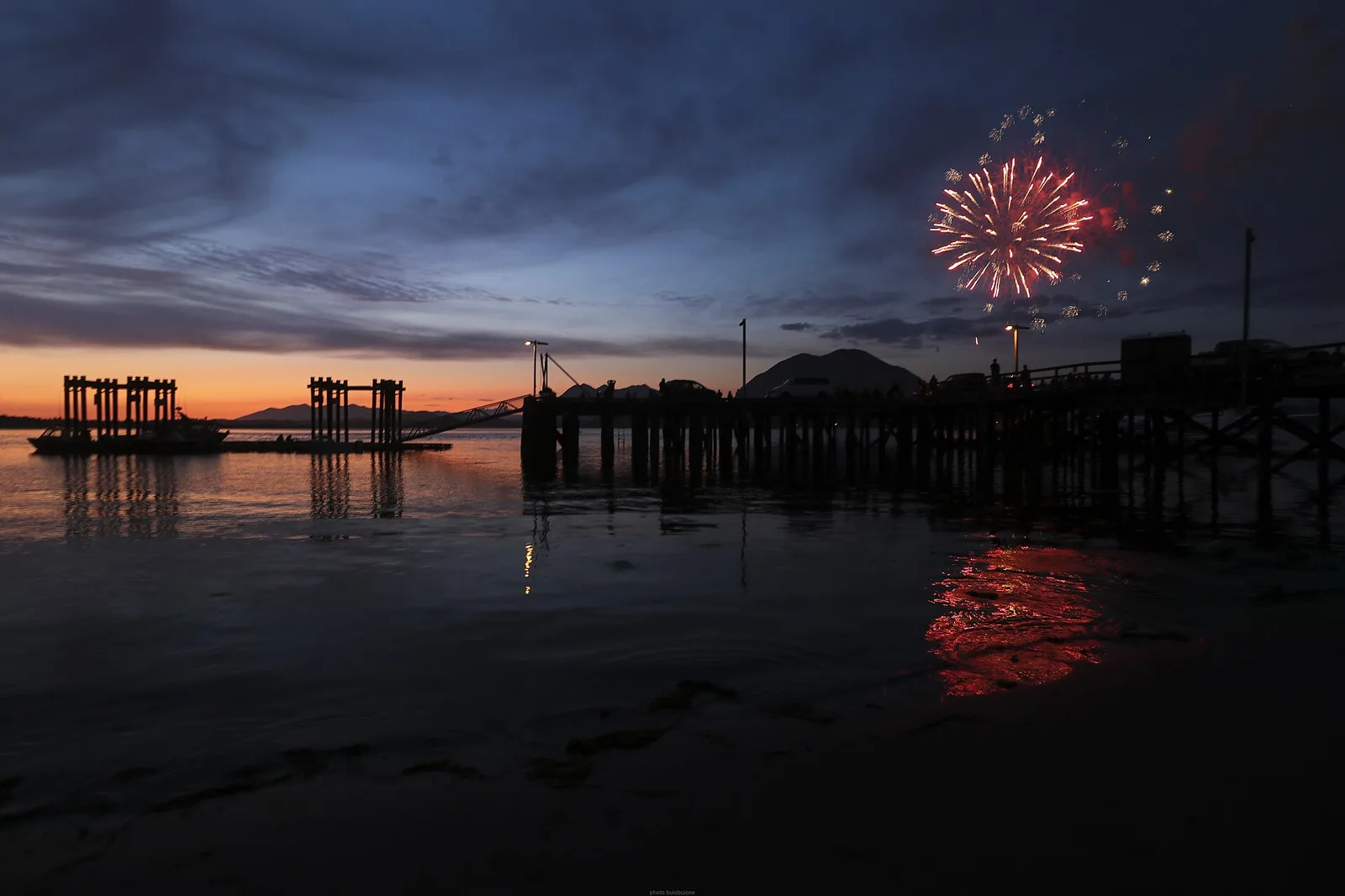
Sanddollaronbeachtofinokjfmartin — Tofino airbnb marketing
Local Color
Tofino Local Landmark
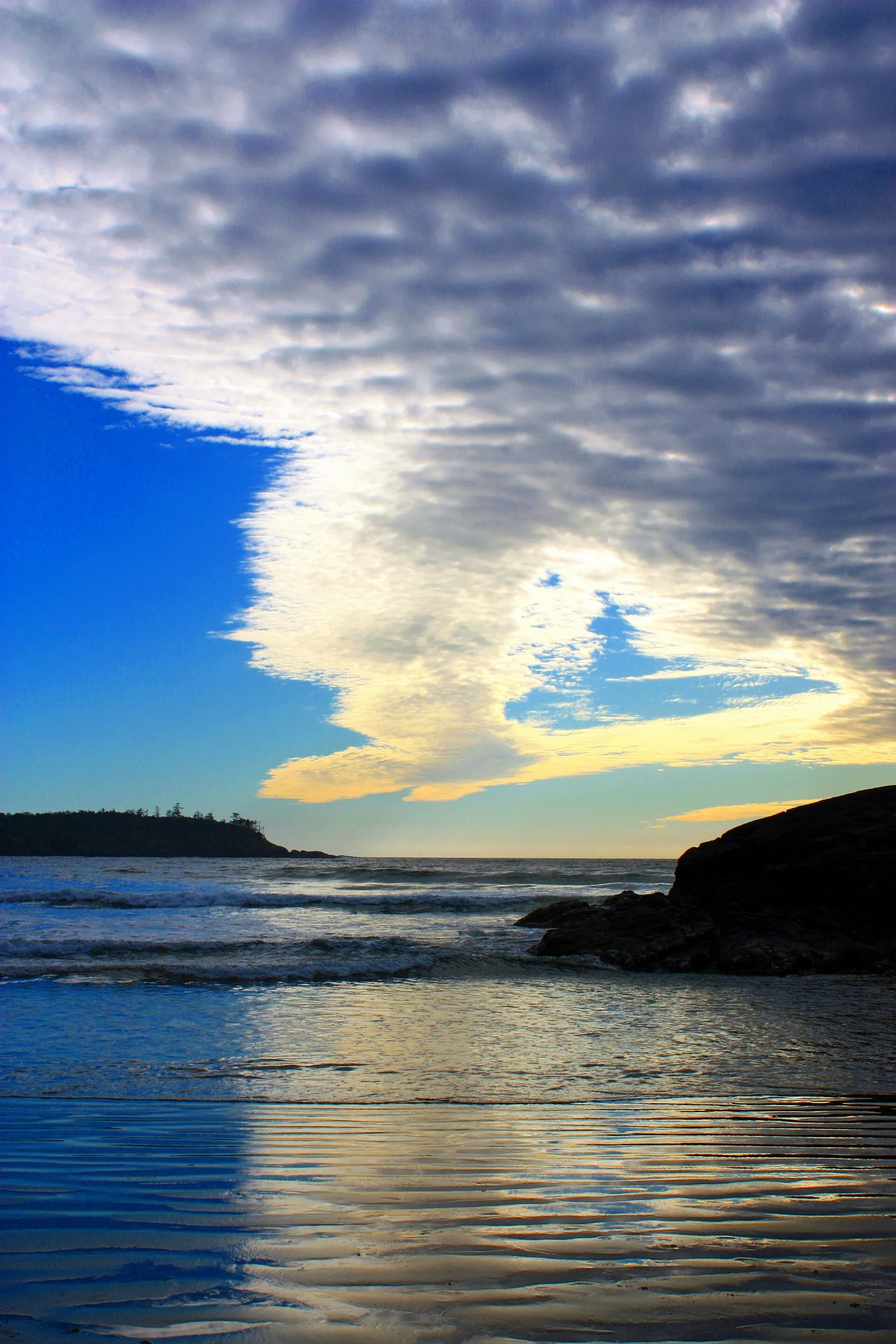
Long Beach from Incinerator Rock — Tofino airbnb marketing
Local Color
Long Beach from Incinerator Rock
Why Cavmir

The Cavmir Advantage
in Tofino

Cavmir wins in Tofino because this market's calendar is a marketing invention — storm season exists because an inn decided to sell winter — and we build listings that work the same way. We price the whole year deliberately: summer at its ceiling, whale-festival March, food-week June, and a storm season packaged properly with fireplace-and-tub photography shot in the rain, not despite it. We write the copy this coast demands: which beach at which tide, where the boards rinse and the wetsuits dry, what Highway 4 is like in a February blow, why the fog in August is part of the deal. We make the licence story visible — District licence number, provincial registration, guest caps stated plainly — because in a town that enforces its caps, compliance converts the cautious family. And for the lodges, inns and small resorts that anchor this coastline — the properties whose guests return every year for the same storm week or surf window — we build direct-booking websites and repeat-guest programs, because a guest who has watched three Novembers from the same window should never pay a platform to book the fourth. We help position and market your property. We never manage it or touch your keys.

State of the Industry · History

The Tofino STR Market — Past & Present

Tofino sits in the homelands of the Tla-o-qui-aht First Nations, whose people have lived on Clayoquot Sound for millennia and whose presence shapes the place today — Meares Island's ancient cedar trail, cultural tourism, and a 1984 anti-logging stand on that island that became one of Canada's defining environmental moments, followed a decade later by the Clayoquot Sound protests, the largest act of civil disobedience in the country's history to that point. The settler town grew from a nineteenth-century trading post into a fishing and logging village at the literal end of the road — Highway 4 reached it in 1959, pavement in 1972 — and for decades it stayed remote and working. The surfers arrived quietly in the 1960s and 70s, drawn to the only serious beach-break coast in Canada; the national park reserve was established in 1970 and put Long Beach on the national imagination; and the town's trajectory bent for good.

The modern visitor economy was then built, quite deliberately, in two strokes. Summer built itself — beaches, park, whales, and eventually a surf culture so established the town became Canada's surf capital, with a food scene wildly out of proportion to its size growing alongside. Winter was invented: in 1996 the Wickaninnish Inn opened on Chesterman Beach designed around watching Pacific storms, and the counter-season it created — premium rates for the worst weather in the hemisphere — became the template every oceanfront operator here now works. The rental rules evolved with the pressure: the District licensed and capped short-term rentals as housing tightened, opted into BC's 2024 principal-residence regime, then reversed in 2025 after weighing its tourism economy, leaving Tofino exempt from the provincial rule but firmly governed by its own — business licence, zoning, six-guest and three-bedroom caps, and the provincial registry number that applies coast to coast. A town of 2,500 that hosts 600,000 does not improvise its rules; it writes them down. Operators who read them hold licensed ground in one of the most supply-capped markets in the country.

Pricing Strategy & Seasonality

Pricing, Seasonality & When to Capture ROI

Pricing Strategy

The rate map follows the sand. Chesterman Beach is the top of the market — walkable white-sand beachfront with the town's most famous inn as the neighbourhood anchor — where oceanfront houses command Western Canada's strongest nightly rates in both July and January. Cox Bay is the surf-and-resort zone: consistent breaks, lodge and resort product, sunset frontage, with premium rates that track wave season as much as summer. The village core trades ocean frontage for walkability — harbour views, restaurants, the brewery, whale docks — and wins couples and small groups who want dinner on foot; licensed suites and cottages here run the market's steadiest occupancy. MacKenzie Beach is the family tier: calmer water, campground-adjacent cabins, mid-band rates with long summer stays. The forest side — inland cedar cabins and suites along the peninsula — is the value play, winning on hot-tub-in-the-trees atmosphere and honest pricing. Blended, Tofino runs around C$420 nightly at mid-50s occupancy, with the true spread seasonal: oceanfront that doubles its shoulder rate in storm season, and village product that barely moves. The caps — six guests, three bedrooms — flatten the big-house tier that dominates other beach markets, which pushes value into finish, frontage and story instead of bedroom count.

Seasonality & ROI Windows

Tofino's year runs summer-peak, strong shoulders, and an invented winter that outperforms most towns' springs. July and August are the ceiling — park, beaches and surf schools at capacity. March rides the whale migration and festival; May and June stack surf and food events into near-peak weekends; September and early October hold golden and warm. November through February is storm season: a real, priceable product on the oceanfront tiers, quieter for inland product, with December holidays strong everywhere. The honest gaps are late October and the January midweeks — flexible minimums and locals'-rate strategies carry them.

Regulation & Licensing · 2026

What the Law Requires in Tofino

Tofino's framework is its own — and after a provincial detour, deliberately so. The District opted into BC's principal-residence requirement when the 2024 law arrived, then reversed course and backed out in 2025, concluding a town whose economy is tourism needed its own balance. What governs now is the municipal regime: a short-term-rental business licence from the District of Tofino, renewed annually, with zoning compliance verified — not every zone permits nightly rental, and the licence process checks — and hard per-listing caps of six guests and three bedrooms that flatten the mega-house tier by design. Septic capacity, parking and fire-safety requirements attach to the licence, and the District enforces: unlicensed listings draw complaints fast in a town this small. The provincial layer still applies regardless of the principal-residence exemption — every host needs a BC short-term rental registry number (mandatory since May 2025), displayed on the listing, or platforms must delist — and the standard tax stack collects on every stay. Lodges, inns and resorts operate under their own commercial accommodation licensing, a separate and stable track. Two practical notes: water matters here — the peninsula has faced summer water restrictions in dry years, and licence conditions can reflect conservation rules — and the housing pressure behind all of this is real, so the regime should be read as settled policy, not a passing mood. Confirm zoning and current licence conditions with the District before buying or listing; in a town of 2,500, the rules are one phone call away.

Market-Specific Tips & Challenges

Local Tips & Unique Market Challenges

Tips That Actually Move Revenue in Tofino

Sell winter like the flagship it is: build a named storm package — fireplace stocked, rain gear provided, tide chart on the wall, checkout late enough to watch one more set — and photograph the property in weather, because the January booker is buying the storm, not the sun. Answer the surf questions in the listing before they are asked: nearest break, board storage, wetsuit-drying setup, outdoor shower. State the caps plainly — six guests, three bedrooms — and market to the group that fits rather than apologizing to the one that does not. Put the licence and registry numbers up top; in a town that enforces, they convert. Write the road honestly — Highway 4 in a February low is part of the trip — and offer flexible arrival guidance for storm days. Partner with whale and hot-springs operators for March and shoulder packages. And treat September as a premium month, not a discount month; the guests who book it know it is the best-kept secret on the coast and will pay accordingly.

Unique Tofino Challenges

Tofino's frictions are geographic and deliberate. Highway 4 is the only road in — closures and winter conditions strand arrivals a few times a year, and your cancellation policy needs language for it. The caps limit revenue ceilings by design: no eight-bedroom compounds, so growth comes from rate depth and season length, not scale. Operating costs run coastal-high — salt air eats finishes, storm damage is routine maintenance, cleaners and tradespeople are scarce in a town with brutal staff-housing pressure, and summer water restrictions in dry years add licence-condition wrinkles. Occupancy is honestly seasonal for non-oceanfront product; inland cabins need sharper winter marketing than beachfront glass. And the community watches its balance closely — a town of 2,500 hosting 600,000 has strong opinions about operators who cut corners, which is precisely why the licensed, visible, neighbourly operation is also the durable one.

The Town That Invented Storm Watching
Winter tourism in Tofino was invented on purpose. When the Wickaninnish Inn opened on Chesterman Beach in 1996, it was designed around a contrarian bet: that people would pay premium rates to watch the Pacific at its worst — and they did, in numbers that turned November-to-February from dead season into a signature product the whole coast now sells. The inn issues rain slickers, the tide charts hang like art, and the bigger the low-pressure system, the better the bookings. It may be the only place in Canada where the weather forecast calling for 100-kilometre winds is good news for the front desk.
Finance Essentials — Tofino
🛡️

Insurance

Oceanfront at the end of a storm-battered peninsula is its own underwriting conversation: wind and water damage, salt-air corrosion, tsunami-zone questions on the low-lying stretches, and wood stoves and hot tubs on nearly every policy. Insurers will ask about vacancy gaps between winter bookings and about who checks the property after a big blow — have answers and a local contact. Storm-watching as a product means guests present during severe weather, so liability limits and clear house rules about beach conditions matter. Lodges and inns need commercial hospitality coverage. Budget more than a city equivalent and document everything — the coast is the brand and also the risk.

🧾

Property & Income Tax

Tofino stays carry the standard BC stack — 5% GST, 8% PST on accommodation, plus the Municipal & Regional District Tax — landing in the mid-teens on the nightly rate, and at this market's rates the dollars are material. Platforms collect portions on platform bookings; direct bookings, which storm-season regulars increasingly are, put collection and filing on you. The federal threshold matters here: C$30,000 in revenue arrives within months at beachfront rates, so GST registration is effectively a launch task. Income is fully taxable, and the CRA's 2024 rule denying expense deductions for rentals operating offside local requirements makes the District licence a tax document as much as a municipal one. Ask your accountant before the first season, not after.

🏦

Mortgages & Financing

Lenders treat Tofino as recreational-coastal — a known but specialty file. Short-term income is discounted or excluded in qualification by most A-lenders, down payments of 20-35% are the working norm, and leasehold or bare-land-strata parcels on parts of the peninsula need lenders comfortable with the structure. Entry prices are severe for the beachfront tiers — Chesterman frontage trades in city-mansion territory — while village and forest-side product remains reachable, which is where most first-time operators land. The caps change the math too: with six guests maximum, revenue scales on rate and season depth, not bedroom count, so model storm-season performance explicitly. Work with a broker who has closed on this coast.

Future Outlook · 2027 & Beyond

Where Tofino is Headed Next

Tofino's future is a managed-capacity story, and the constraints are the investment case. Supply cannot meaningfully grow: the peninsula is finite, the park boundary is fixed, the caps flatten expansion, and the District's 2025 regulatory reset signalled it will keep tuning its own balance rather than outsourcing it to the province. Demand keeps deepening instead: the storm-season counter-cycle keeps converting first-timers into annual pilgrims, the surf economy keeps growing its national profile, and Indigenous cultural tourism in Clayoquot Sound — led by Tla-o-qui-aht initiatives — is adding the kind of experience travellers increasingly build trips around. Infrastructure is the watch item: Highway 4's single-corridor vulnerability is a known constraint the province keeps working, water capacity shapes what the town will licence, and both argue for the professional, licensed operator over the casual one. Climate cuts both ways — storm seasons trend theatrical, which is the product, while summer drought years test the water system, which is the licence condition. The realistic 2027-and-beyond picture: flat supply, compounding year-round demand, rising rates on the oceanfront tiers, and a market where the licence itself becomes the scarcest asset an operator holds. Owners who build direct-booking loyalty now will own the coast's best economics for a decade.

From the Desk of Sofie Sinag

Why We Love Marketing in Tofino

We love Tofino because it refuses to be background. The beaches are vast enough to swallow a summer crowd and still feel wild, the fog rolls in like a set change, and the winter — the winter is the best show in Canadian hospitality: horizontal rain on floor-to-ceiling glass, a fire going, the Pacific rearranging driftwood the size of school buses. The town outcooks cities twenty times its size, the surf culture is real and generous to beginners, and Clayoquot Sound's cedar-and-mist geography, held and shared by the Tla-o-qui-aht, gives the whole place a gravity no resort town manufactures. For marketers, Tofino is the dream brief: a supply-capped coast, a counter-season that was literally invented by good marketing, and guests who return annually with tide-chart devotion. Our job is making sure the right ones find your window — and book the next storm direct.

Why It Matters

A great property in Tofino doesn't just want a listing — it wants a point of view, an audience, and a brand the city itself would recognise.

Cavmir's Tofino Cheat Sheet

The Picks We Recommend for Your Welcome Book

The picks we send Tofino guests, tested across surf mornings, storm weekends and one very foggy August: where locals actually line up, splurge and rinse the salt off.

Coffee & First Light

Tofino Coffee Roasting Co., village core

The town's own roaster, pulling shots for surfers and fishermen from early morning — beans roasted a block from where you drink them. Send guests before a dawn-patrol surf check and they will come home with bags of it in the luggage.

The Splurge Table

Wolf in the Fog, Campbell Street

The room that put Tofino on national best-restaurant lists — seafood-forward, cedar-smoked, seaweed-laced cooking that tastes like the coast outside the window. Book the trip's big night ahead; the bar seats reward the spontaneous.

Local Obsession

Tacofino, the original orange truck

The fish-taco truck in a surf-shop parking lot that grew into a provincial empire — but the original still serves the definitive version. The line is long, the tuna ta-taco is the move, and eating it on the tailgate is the town's true dining room.

Shoulder Season Secret

Long Beach in a November gale

Fifteen kilometres of sand with the Pacific at full theatre — spindrift, log-throwing surf, and almost nobody else. Storm season is the coast's best product: sell guests the slicker-and-thermos walk, then the fireplace after. It converts sceptics into annual pilgrims.

The Classic Ritual

Cox Bay sunset after a surf lesson

Canada's most consistent beginner break by day, and at dusk the whole bay turns to hammered gold while surfers trade last waves. It is the photograph that books next summer — tell guests to stay on the sand until the light finishes.

What Guests Ask For

The break, the boards and the road

Tofino inquiries repeat five questions: which beach for beginners, where boards and wetsuits live, what Highway 4 is like in weather, whether the hot tub is private, and what to do when it rains. Answer all five in the listing and the booking arrives without a message.

Local Work · Composite Case Vignettes

What Cavmir Has Done for Tofino Properties

A few composite engagements drawn from how Cavmir typically works in this market. The details are illustrative and consistent with Tofino, not pulled from a single named client.

Beachfront house · Chesterman
The Brief

An oceanfront three-bedroom with the market's best sunset frontage ran one summer rate, closed every November, and marketed itself with blue-sky photos only — surrendering the storm season its own neighbourhood invented while competitors packaged winter at rates its summer never saw.

What We Did

Cavmir built the storm product properly: a named winter package with slickers, tide charts and firewood in the frame, photography shot in weather with the glass streaming, event-aware pricing from whale-festival March through September gold, and the licence, registry and guest caps stated plainly at the top of the listing.

The Result

Winter went from closed to the house's second-best season, the storm regulars it attracted began requesting the same January week annually, and the summer calendar held its ceiling on the strength of a listing that finally matched the address — a twelve-month business on frontage that had been running seven.

Cedar cabin · forest side
The Brief

An inland cabin with a hot tub under the hemlocks competed against beachfront listings on their terms — generic ocean language, no surf logistics, flat pricing — and lost every comparison it invited, while the privacy-and-forest atmosphere that was its actual product went unphotographed.

What We Did

Cavmir repositioned the cabin as the surf-and-soak basecamp: tub steaming under the trees at dusk, board rack and wetsuit line built and photographed, minutes-to-each-break stated, midweek surf-school packaging for the May-June window, and honest storm-season copy about rain on the cedar roof as the point, not the apology.

The Result

The cabin stopped losing a comparison it could not win and started owning one it could — surfers and couples who wanted the forest after the beach. Midweeks filled through the shoulder months, the winter trough shallowed, and its reviews began selling the exact atmosphere the old listing had hidden.

Ocean-view lodge · Cox Bay
The Brief

A twelve-room family-run lodge above the surf break had storm-season loyalists two decades deep, an OTA-dependent booking flow taking commissions on guests who returned every single year, and a website that could not take a reservation or tell the lodge's story against the big-resort neighbours.

What We Did

Cavmir built a direct-booking website with real-time availability and the lodge's actual voice — the family's decades on the bay, the storm-watching mornings, the board room and drying lines — launched a returning-guest rate to a mailing list built from years of guest books, and kept the OTAs as discovery channels pointed at new markets only.

The Result

The storm regulars moved direct within two winters, commission spend fell while the lodge's best weeks stayed full, and the family entered the next season owning its guest list and its margins — the position a generational lodge on Canada's most supply-capped coast should never have surrendered to a platform.

Market Intelligence · Seasonality

Airbnb seasonality in Tofino, month by month

Demand in Tofino peaks around July through August and runs quietest around October. Here is how the year actually books — and what to do about each stretch of the calendar.

Peak demandSteadyQuiet

Peak season

July and August are Tofino's ceiling — the national park at capacity, surf schools booked out, beach houses at Western Canada's strongest nightly rates, and minimum stays holding without resistance. The summer wave books months ahead and skews international, so photography, pricing and the surf-logistics answers need to be locked by late winter. Fog is part of high summer here; the operators who write it into the listing honestly convert better than the ones pretending every day is blue.

The shoulders

The shoulders are Tofino's quiet strength. March rides the grey-whale migration and its festival into near-peak weekends; May and June stack surf events and the town's outsized food scene into a late-spring window that prices close to summer; September holds warm, golden and knowing — the connoisseur month surfers and honeymooners book deliberately. Hold rates deep into these windows rather than discounting at the calendar's edges; the shoulder guest here chose Tofino on purpose.

The quiet stretch

Late October and the January midweeks are the honest gaps — but winter itself is not one. November through February is storm season, the counter-product this coast invented: oceanfront and view properties sell fireplace-and-glass weather theatre at rates most markets only see in July, while inland cabins lean on hot-tub-in-the-rain atmosphere and flexible minimums. Package storms deliberately — slickers, tide charts, late checkout after one more set — and use the true lulls for maintenance before the March whales arrive.

Dates that fill first

Pacific Rim Whale FestivalMarch
The grey-whale migration and its two-week festival open the season and fill the first shoulder window. Mention whale-dock proximity and tour partnerships in the listing that month — migration-timed guests book specifically around sightings.
Surf competition seasonMay - June
Competition weekends and the first warm swells stack late spring with surfers and spectators. Board storage, wetsuit-drying setups and minutes-to-break specifics become rate-moving amenities — name them in the title window.
Food-and-wine festival seasonJune
The town's culinary reputation runs its festival weeks and books the village core with couples wanting dinner on foot. Walkable addresses should price these weekends individually and put restaurant-walk minutes in the copy.
High-summer park seasonJuly - August
Long Beach and the park run at capacity and everything books. This is the window that funds the year: hold the ceiling, keep multi-night minimums, and have the fog conversation honestly in the listing.
Storm-watching seasonNovember - February
The invented winter: Pacific lows sell premium oceanfront stays to weather pilgrims. Build a named storm package — firewood, rain gear, tide chart — and photograph the property in weather; the January booker is buying the storm.
Market Intelligence · Guests

Who books Tofino Airbnbs — and how far ahead

Surfers and surf-school families
Canada's surf capital draws beginners through lifers on multi-night stays. They choose listings that answer the logistics — nearest break, board storage, wetsuit lines, outdoor shower — and they return seasonally once a property earns their gear's trust.
Storm-watching couples
The winter pilgrimage segment: couples paying summer-grade rates for fireplace-and-glass weather theatre. Oceanfront and big-view properties own them; packaging and in-weather photography convert them, and they rebook the same week annually.
National-park summer families
Long Beach weeks anchor family summers — beach days, rainforest boardwalks, whale tours. The six-guest cap fits them naturally; calm-water MacKenzie-side listings and honest rain-plan content win the booking.
Food-and-festival couples
The town's restaurant reputation drives shoulder-season trips built around tables, not tides. Village-core walkability, reservation advice in the guide, and festival-aware pricing capture a segment that books midweeks the beach crowd leaves open.
Lodge and resort loyalists
The coast's inns and lodges host guests two decades deep — storm regulars and summer families who book by relationship. A returning-guest rate on a direct site keeps that loyalty commission-free; it is the highest-margin segment on the peninsula.

The booking window

Summer books furthest out — international families and surf trips lock three to six months ahead, and prime August weeks go first. Storm season books shorter but deliberately: weather pilgrims commit four to eight weeks out, then a late surge follows each big forecast. March whale weeks fill once festival dates publish. Practically, summer needs to be priced and photographed by February, the storm product listed by September, and rates kept responsive year-round for the forecast-chasers.

Typical stays

Summer families run four to seven nights around park itineraries; surfers take three to five and stretch when swell cooperates. Storm-season couples book two to four nights around weather windows and long weekends. The shoulder events pull twos and threes. Minimum stays should breathe with the calendar — hold them firm in July, loosen them for January midweeks — and long-stay winter offers quietly capture remote workers chasing the coast.

Where guests drive from

VictoriaNanaimoPort AlberniVancouverCampbell River

Where guests fly from

VancouverCalgaryTorontoSeattleSan FranciscoLondon
Everyone funnels through Highway 4 — Island drivers from Victoria and Nanaimo, mainlanders via ferry from Vancouver — which makes the road itself part of your guest communication. Fly traffic connects through Vancouver, with a small seasonal airlift to the local strip. For ads, target Vancouver and Victoria year-round, Calgary and Toronto for summer planning in late winter, and lean into storm-season campaigns aimed at rain-romantics in the same cities every October.
Market Intelligence · What Wins

The Airbnb that wins in Tofino

The Tofino winner owns a season and says so: oceanfront glass with a fireplace for storm winters, a surf-logistics basecamp with board racks and an outdoor shower for the break crowd, or a village-walkable suite for the food-and-festival couples. Within the six-guest, three-bedroom caps, finish and story beat size — the licence and registry numbers up top, the fog written honestly, the road addressed, and photography shot in the weather the guest is actually buying.

Amenities that move bookings here

wood-burning or gas fireplaceprivate hot tubsurfboard storage and wetsuit linesoutdoor showerocean or forest view glassdrying room or mudroomprovided rain gearfast wifi for storm-week remote workers
If you do one thing in Tofino, build and photograph the wet-gear story — board rack, wetsuit line, outdoor shower, drying room. Every guest segment here comes home soaked and salted, and the listing that shows where the wet stuff goes wins the booking from the one that shows another sofa.
Straight Answers

Tofino Airbnb marketing questions, answered

How do I market my Airbnb in Tofino?

Market the whole year, because Tofino's calendar is deeper than its postcard. Lead with compliance — District licence, provincial registry number, the six-guest and three-bedroom caps stated plainly — then own a season: storm packages photographed in weather for winter, surf logistics for the break crowd, park-week family content for summer. Answer the coast's real questions in the listing: which beach, where boards dry, what Highway 4 is like in February. From there, a direct-booking website captures the storm regulars and summer families who return annually. That is the stack Cavmir builds for Tofino operators, hosts and lodges alike.

When is peak season for Tofino Airbnbs?

July and August are the ceiling — park, beaches and surf schools at capacity with beachfront rates at Western Canada's top tier. But the distinctive answer is winter: November through February is storm-watching season, the counter-product this coast invented, when oceanfront properties command near-summer rates for weather theatre. March rides the whale migration, May and June stack surf and food events, and September holds warm and golden. The only honest gaps are late October and January midweeks.

Can I legally run a short-term rental in Tofino?

Yes, with the District's licence. Tofino backed out of BC's principal-residence requirement in 2025, so the provincial rule does not apply — but the municipal regime does: an annual short-term-rental business licence, zoning compliance, and per-listing caps of six guests and three bedrooms, with septic, parking and fire-safety conditions attached. The BC provincial registry still applies coast-wide, so your registration number must appear on every listing or platforms will delist it. Lodges and inns license under a separate commercial track. Confirm your zoning with the District before buying or listing.

How far in advance do guests book Tofino Airbnbs?

Summer books furthest: international families and surf trips lock in three to six months ahead and prime August weeks disappear first. Storm-season couples commit four to eight weeks out, with a late surge behind every dramatic forecast. March whale weeks fill when festival dates publish, and shoulder events pull bookings on six-week windows. Keep summer priced and photographed by February, list the storm product by September, and stay responsive year-round — this market has a real forecast-chasing segment that books inside a week.

What amenities matter most for a Tofino Airbnb?

Wet-gear logistics first: board storage, wetsuit lines, an outdoor shower and a real drying room serve every guest segment on this coast, summer and winter alike. Then the storm-season kit — fireplace, view glass, provided rain slickers, a hot tub photographed steaming in the rain — which turns winter into your second-best season. Fast wifi quietly matters for storm-week remote workers. Within the six-guest cap, finish and atmosphere beat size: the cedar-and-glass story, told honestly with the fog included, is what Tofino guests are actually buying.

Free Tools · Websites That Book

See what your listing in Tofino is leaving on the table

Run your Airbnb, Vrbo, or website through Cavmir's free grader. It checks the things that decide whether guests book in Tofino — photos, listing copy, page speed, local search — and shows you where bookings leak. Takes about a minute, and there's no sales call attached.

If the report says your booking engine is the weak link, that's fixable: a direct-booking website of your own means repeat guests stop paying platform fees to come back to you. That's the work Cavmir does — see Airbnb website design in Tofino.

What the grader measures

  • Photos and the first-impression frame
  • Listing title and copy
  • Your direct-booking website (or the lack of one)
  • Page speed and mobile experience
  • Local search and Google visibility
Grade My Listing — Free
Ready to Grow in Tofino?

Let's Put Your Tofino
Property on the Map

Talk to Cavmir today. We'll show you exactly what your Tofino property is leaving on the table — and how fast we can change that.

Book a Free Strategy Call