


Morning
Callie's Hot Little Biscuit
Line up early on upper King for a buttermilk biscuit and pimento cheese before the city wakes. It's cash-quick, deeply Charleston, and exactly the local detail to drop in your welcome guide.

Expert short-term rental marketing to grow your bookings and nightly rate in Charleston, South Carolina, USA.
Sixteen services, one team. Everything below is built in-house and scoped to your property and market. Most owners start with the 12-Step System.
Every engagement is quoted to your portfolio. These are the ready-made scopes owners pick most — our Fall Special (55% off list) is already applied. A clear proposal within 48 hours.
The work is public. Selected engagements and what changed — and reviews from the owners and managers behind them.
* Market averages. Properties marketed by Cavmir typically exceed these figures by 25–45%. Data sourced from AirDNA, STR market reports, and Cavmir internal analytics.
Charleston is the Holy City — a 350-year-old port where pastel single houses, wrought-iron gates, and church steeples sit on a peninsula between two rivers. Your guests come for the Historic District and South of Broad, walk Rainbow Row and The Battery, shop King Street, tour Magnolia Plantation, and drive the Ravenel Bridge out to Sullivan's Island, Isle of Palms, Folly Beach, and Kiawah. They come for weddings, for Spoleto, for she-crab soup and a porch swing at golden hour. They pay a premium because Charleston feels like nowhere else in America — and because the city's strict rental rules keep legal supply genuinely scarce. That scarcity, paired with year-round demand, is exactly why a well-marketed listing here punches so far above its weight.
Demand runs on history, romance, and a packed event calendar. Spring is the engine — azaleas, garden tours, wedding season, and Spoleto Festival USA in late May fill the city; fall is a strong second peak. Peninsula addresses in the Old & Historic District and South of Broad command the top rates, with King Street and the French Quarter close behind. Beach inventory on Isle of Palms, Folly, and Kiawah peaks in summer when the city slows for heat. Travelers skew couples, wedding parties, golfers, and culture-and-food tourists who book early and pay for walkability, parking, and a porch.
Nearby Markets: Hilton Head | Savannah | Sea Island
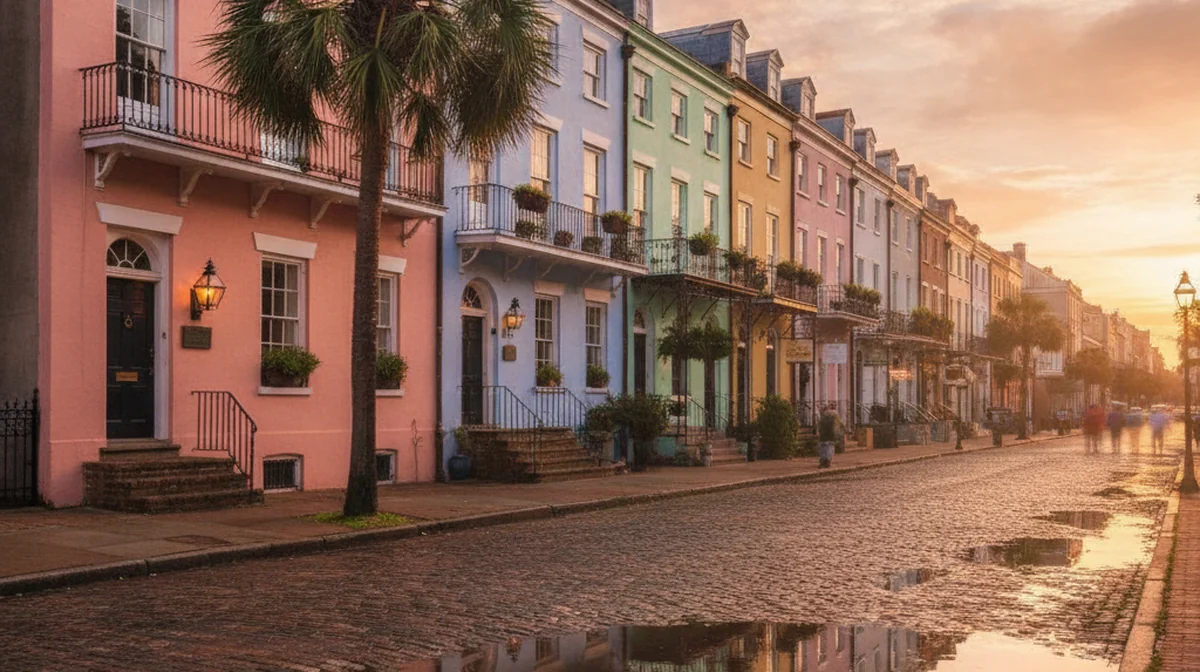
A few of the visual fingerprints we lean into when we shoot, brand and market a Charleston property — courtesy of the open Wikimedia Commons archive.
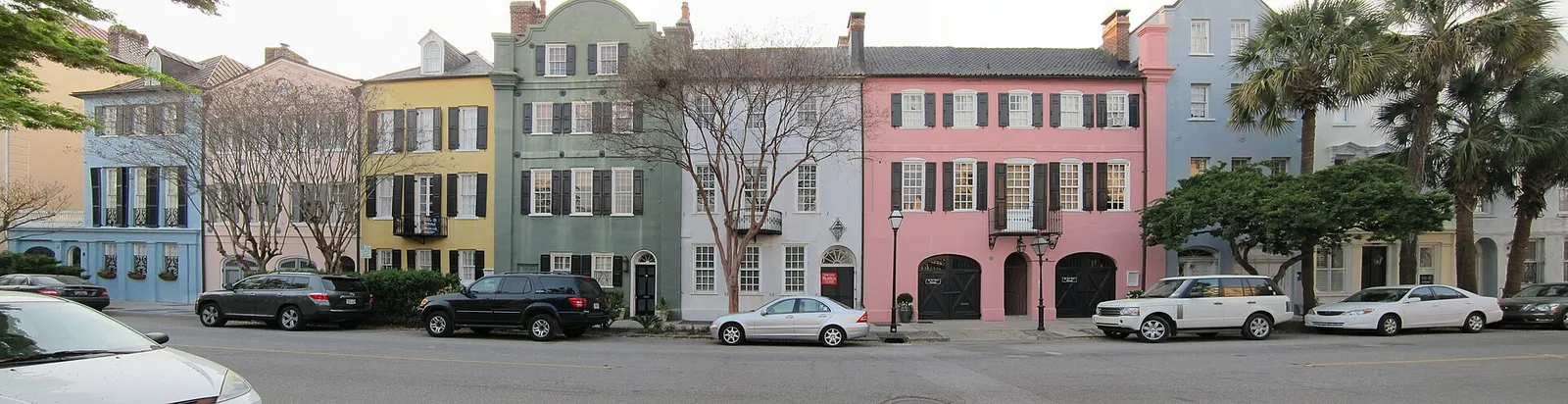
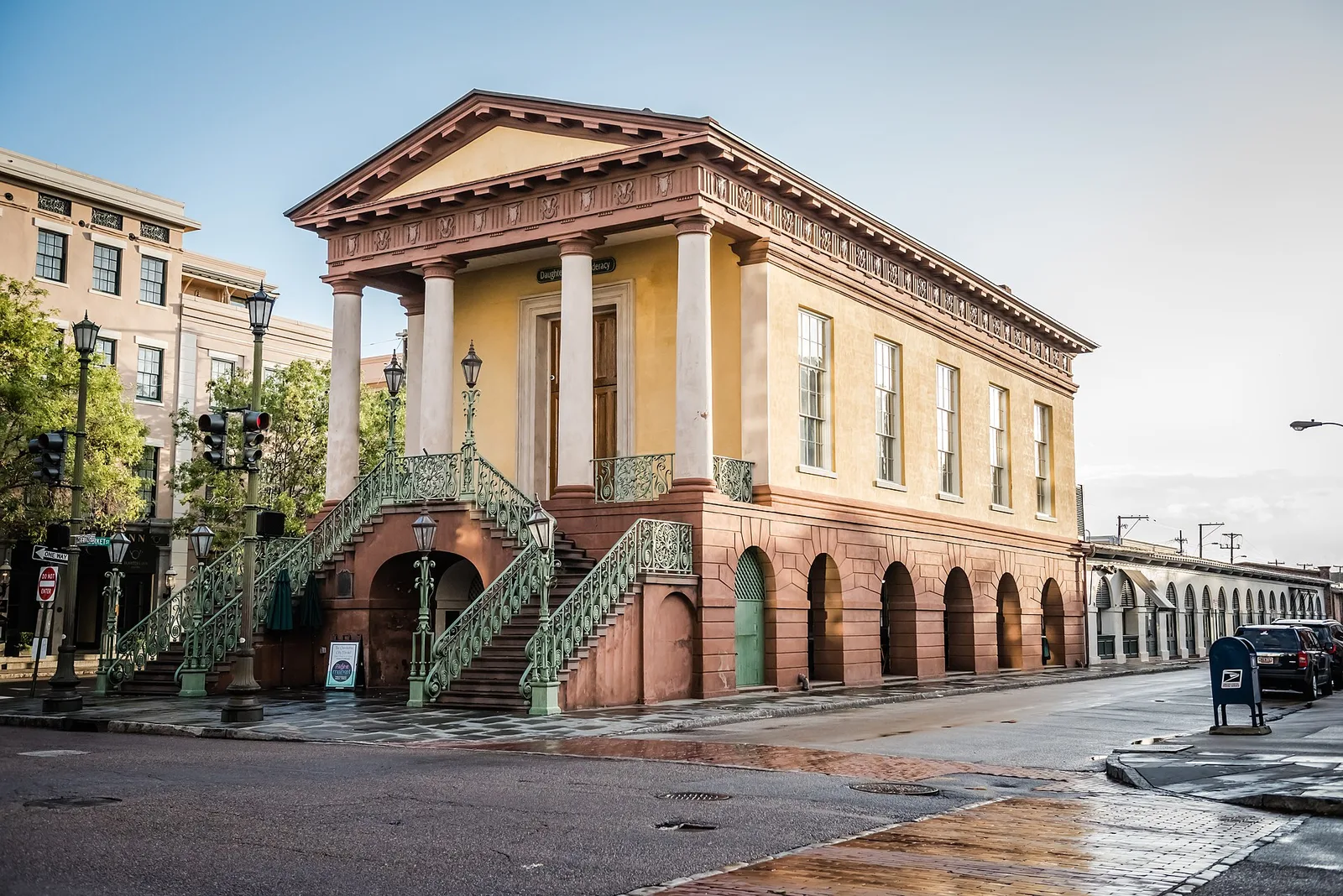
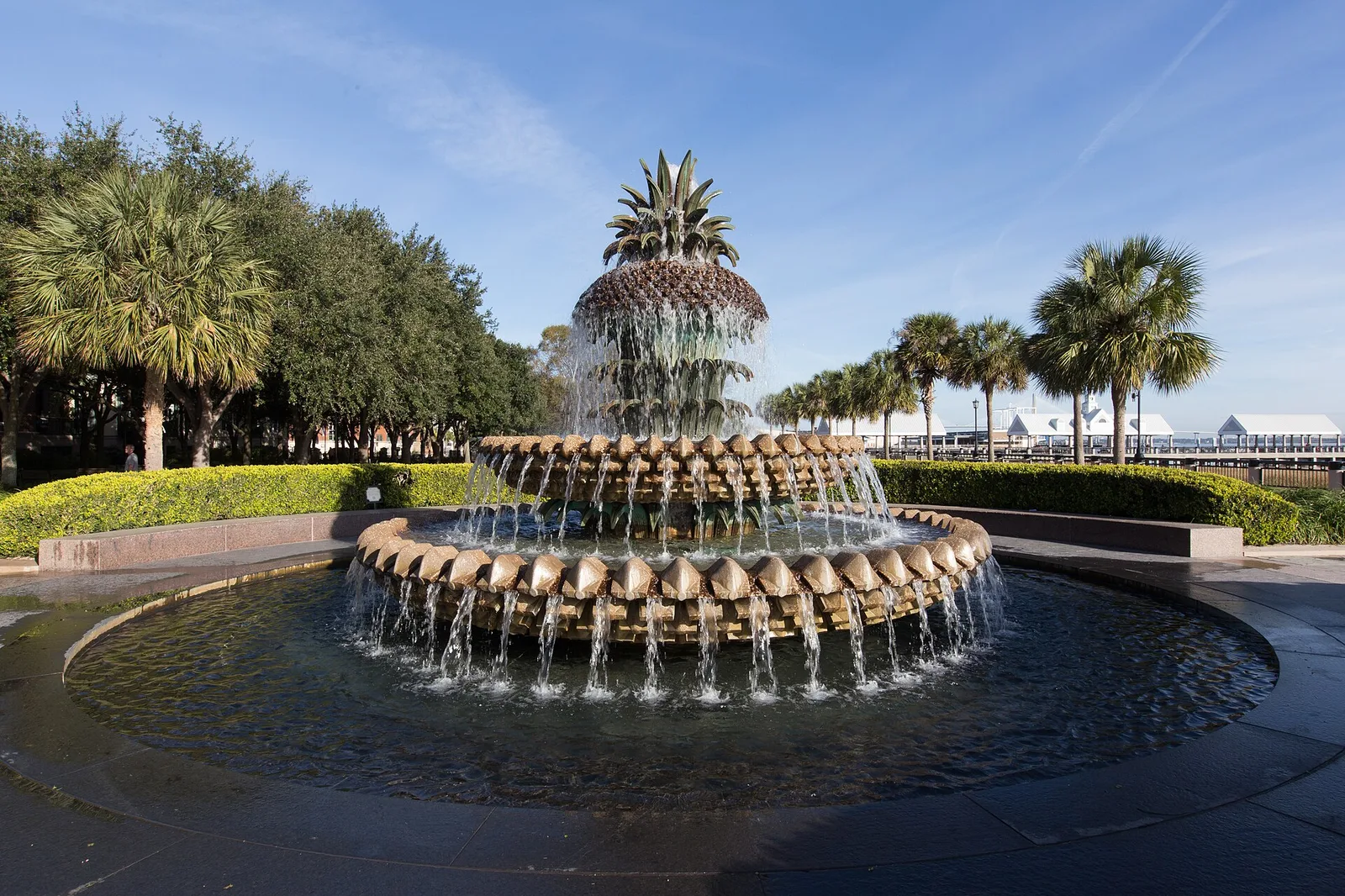
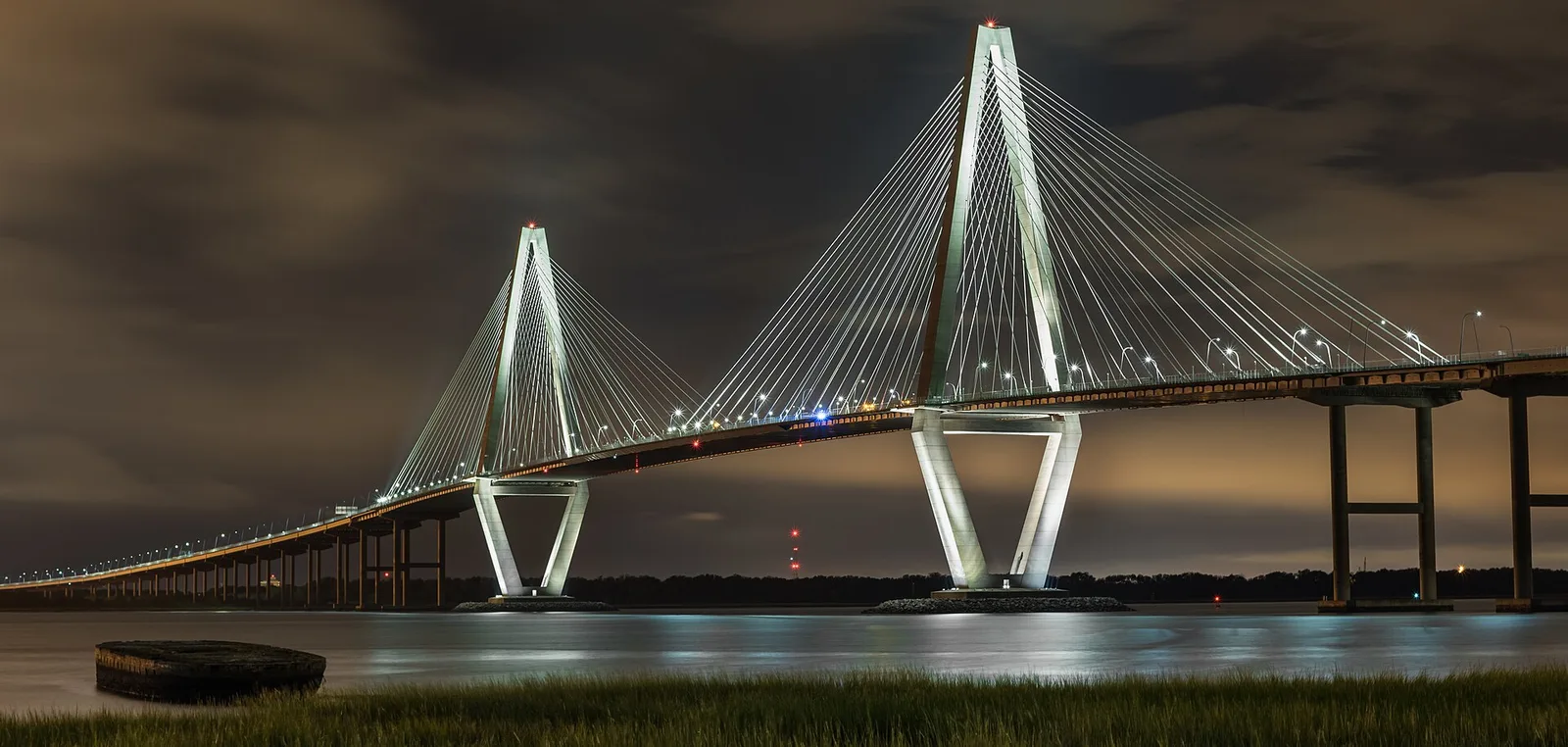
Charleston rewards taste, and taste is what Cavmir sells. Because legal supply is capped and owner-occupied, you're not fighting a flood of listings — you're fighting for the click against a few hundred genuinely good homes. Cavmir helps you win it with cinematic photography that reads the light off the harbor, a brand that feels Lowcountry instead of generic, and a direct-booking site that pulls guests off the platforms. We position the shoulder seasons so your calendar isn't just full in April.
Charleston decided in 1931 that its past would stay standing, and it has been selling that decision ever since. Cavmir writes the modern chapter.
Charleston was founded in 1670 as Charles Town, named for King Charles II, and grew into one of colonial America's wealthiest ports on the backs of rice, indigo, and the enslaved people forced to produce them — a history the city now confronts openly. The peninsula's grid of single houses, piazzas, and walled gardens survived earthquake, fire, and hurricane, and by the early 20th century Charleston became one of the first American cities to write a preservation ordinance, in 1931, protecting the Old & Historic District. That decision to freeze the skyline is the whole reason the place still looks the way it does — and the reason travelers will pay to sleep inside it. Rainbow Row's thirteen pastel houses date to around 1740; The Battery's antebellum mansions line a seawall that once held cannons aimed at the harbor.
The modern visitor economy turned all that history into a top-tier destination — Charleston routinely lands at or near the top of best-city travel lists, the airport (CHS) now moves north of six million passengers a year, the cruise and convention business adds more, and weddings alone are a massive industry that fills hotels and rentals every spring and fall weekend. Food put the city on a second map: Husk, FIG, and a generation of chefs turned Lowcountry cooking into a national draw, and people now plan whole trips around the table. The STR inventory profile reflects the rules. On the peninsula, legal short-term rentals are almost entirely owner-occupied rooms, suites, and carriage houses inside historic homes — not whole-house rentals, which the city bans there. The larger whole-home product clusters off the peninsula on James Island, Johns Island, West Ashley, and Daniel Island, and on the beach islands, where Folly Beach, Isle of Palms, Sullivan's Island, and Kiawah each carry their own separate, often stricter ordinances and caps. The result is a market that's small, scrutinized, and unusually high-value per legal unit — the opposite of a race to the bottom.
Before the platforms, the preservationists did the positioning: Frost's society saved the buildings, the 1931 ordinance and its Board of Architectural Review froze the skyline, and the Renaissance etchers put Charleston's streets on parlor walls across America. The photograph below shows Rainbow Row before the paint. The channel changed; the work is identical: presentation, positioning, and a city whose past is the product. It is the same business Cavmir is in today.
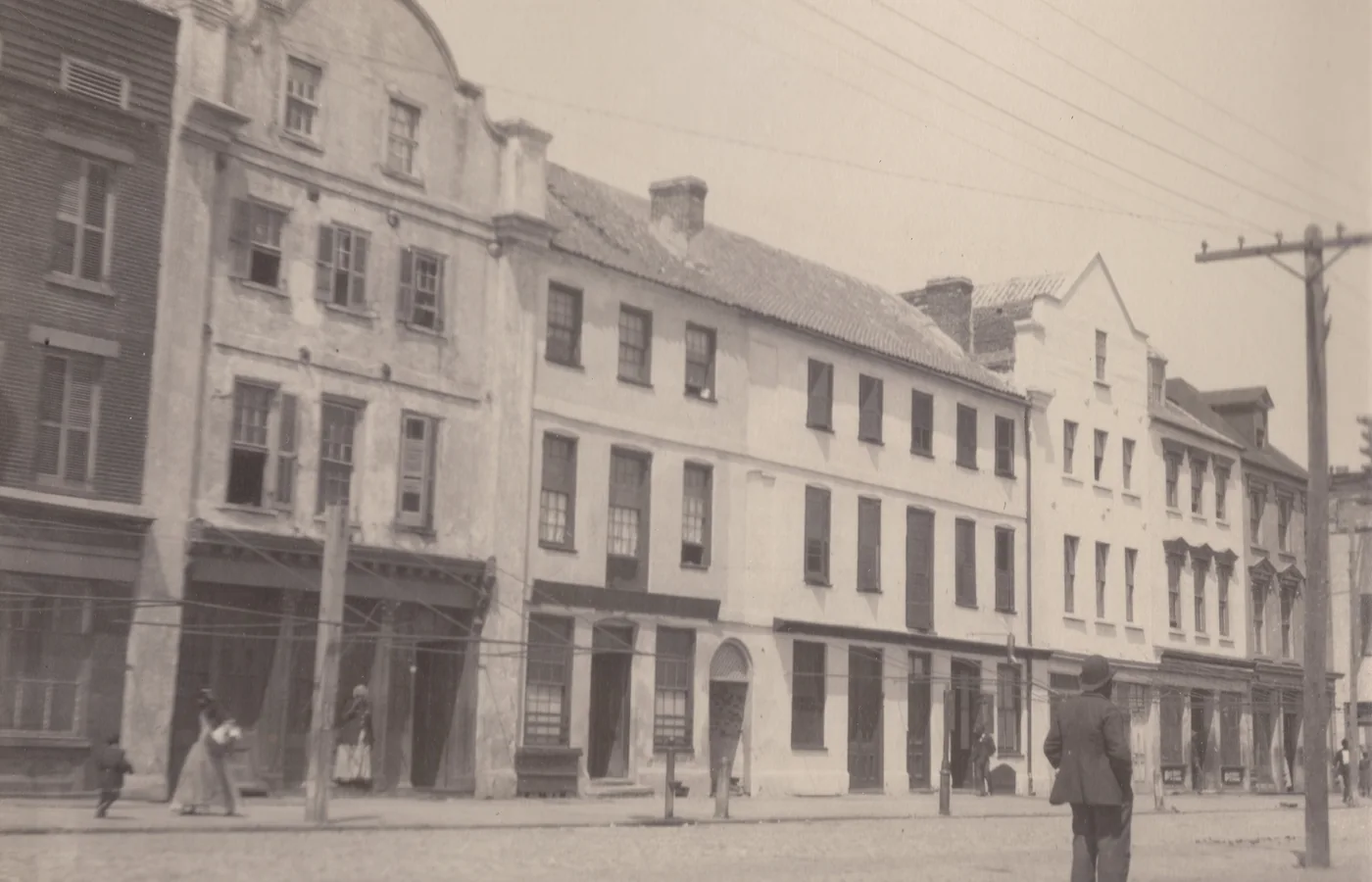

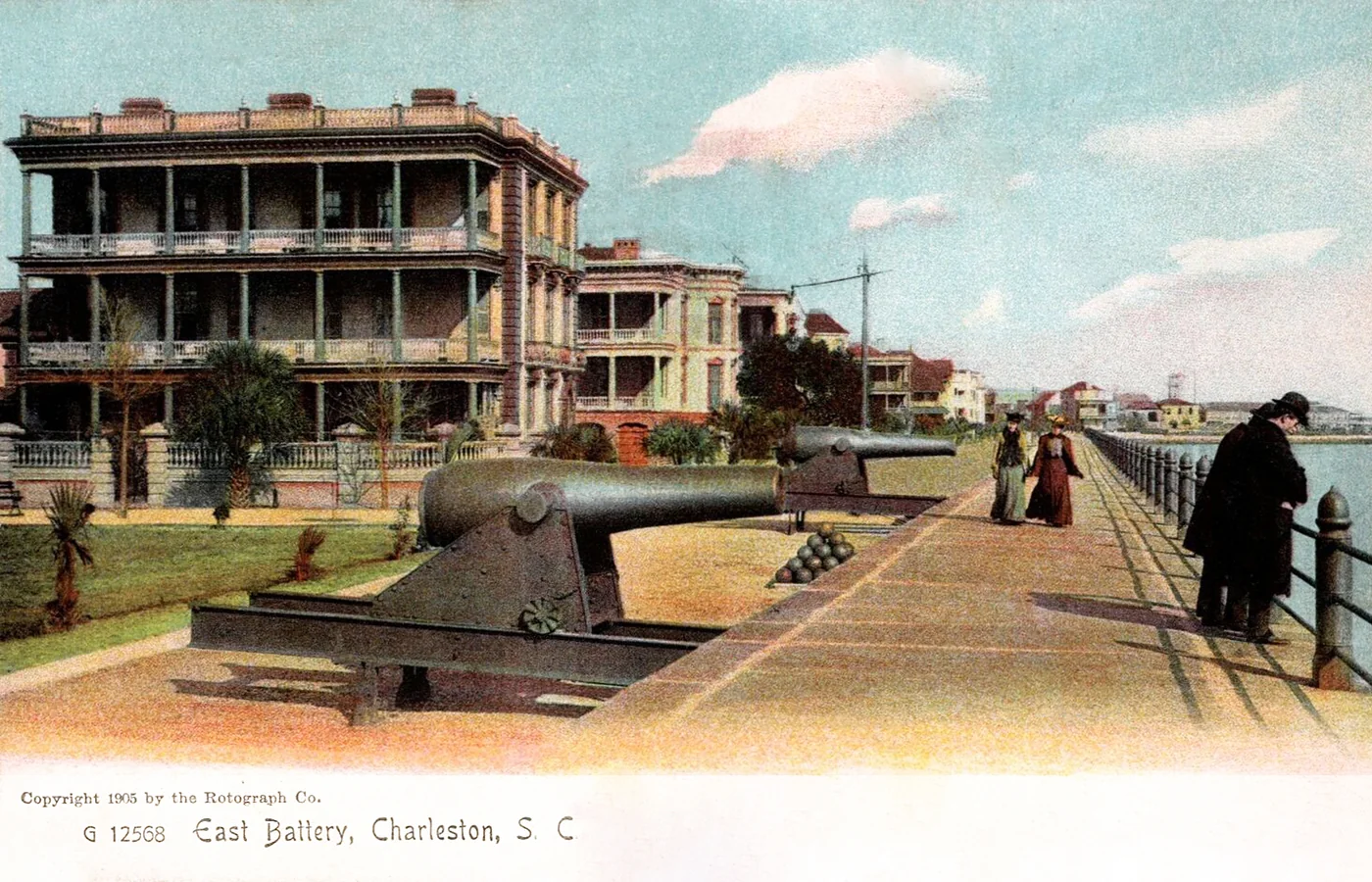
Historical images: public domain and Creative Commons via Wikimedia Commons — the Rotograph Co., Detroit Publishing Co., w_lemay, and others.
Peninsula commands the premium. Owner-occupied suites in the Old & Historic District, South of Broad, and the French Quarter routinely clear $300-$550 a night, with standout historic homes and event weekends pushing higher. Cannonborough-Elliotborough and upper King run a notch below but still strong. Off the peninsula, whole-home rentals on James Island, Johns Island, and West Ashley typically sit in the $180-$320 band depending on size and pool. Beach product swings hardest by season: Folly and Isle of Palms homes can run $250-$600+ in summer and dip in winter, while Kiawah's gated luxury sits well above that. Citywide, AirDNA-style estimates put the average nightly rate near $390-$410 and occupancy in the low-50s percent — but those blend everything, and a permitted, beautifully marketed peninsula home clears the average comfortably. Parking, walkability, and a real porch move the rate more than square footage ever will.
Spring (March-May) is peak — azaleas, weddings, garden tours, and Spoleto in late May. Fall (September-November) is the strong second peak with perfect weather. Summer is humid and hot in the city but prime for the beach islands. Winter is the low, with a holiday and Festival of Lights bump and a quieter, cheaper city that some travelers actually prefer. The window most peninsula hosts blow is the October-November fall stretch — they coast on spring demand, set fall on autopilot, and underprice the single best weather of the year. That's free money left on the table every season.
Charleston runs one of the strictest short-term-rental regimes in the country, so read this carefully and verify current rules with the city before you buy or list. On the peninsula, whole-house short-term rentals are banned — legal STRs must be owner-occupied, meaning the property is the owner's primary residence (as reflected in the 4% owner-occupied property-tax assessment) and at least one full-time resident sleeps on the property each night a guest is there. The city sorts STRs into three categories by location: Category 1 is the peninsula inside the Old & Historic District, where the unit must be in a structure individually listed on the National Register of Historic Places; Category 2 is the peninsula outside the overlay, where the building must be at least 50 years old; and Category 3 covers off-peninsula areas like James Island, Johns Island, West Ashley, and Daniel Island. Across the board, a property may contain only one STR unit, occupancy is capped at four adults regardless of bedroom count, and you must provide off-street parking. Operating legally requires both a city business license and an operational STR permit from the Department of Planning, Preservation & Sustainability, with a public-notice period during review; the business license renews annually (generally by April 30) and the STR permit renews on its own anniversary. Fees and rules change — the beach islands (Folly Beach, Isle of Palms, Sullivan's Island, Kiawah) have entirely separate, often tougher ordinances, including a voter-approved 800-permit cap on Folly Beach. Confirm the category and current ordinance for your exact address with the city or county.
The Charleston strategic move: treat the rules as your moat, not your obstacle. Because legal peninsula supply is owner-occupied and capped at four adults, the homes that win are the ones that feel impeccably curated and unmistakably Charleston — not the ones with the most beds. Lean all the way into that.
First, sell the address and the walk. Guests pay for South of Broad, the French Quarter, or upper King because they can leave the car and stroll to dinner — make the first three photos prove it, and name the landmarks (Battery, Rainbow Row, King Street) in your listing. Second, solve parking before you list it; off-street parking is a legal requirement and a guest's number-one anxiety on the peninsula, so feature it explicitly. Third, price the fall. October and November are the best weather of the year and the most consistently underpriced window in the city — set those rates like the peak they actually are. Fourth, court the wedding and Spoleto crowd directly: a clean two-night-minimum policy, a getting-ready-friendly layout, and a one-page neighborhood guide to florists, photographers, and venues turn a room into the obvious choice for a wedding block. Fifth, build a direct-booking site and capture the email — repeat-visit loyalty is high in Charleston, and a guest who came for a wedding often returns for an anniversary. Cavmir helps with all of it: the cinematic photography that reads the Lowcountry light, the brand and copy that sound local instead of generic, and the multi-channel distribution that keeps the shoulder months full.
The big one is the rule set itself — owner-occupancy, the four-adult cap, the no-whole-house peninsula ban, and active enforcement mean you can't scale like other markets, and illegal listings do get caught and fined. Add brutal summer humidity, real hurricane-season risk from June through November, sunny-day tidal flooding on low peninsula streets, tight historic-home parking, and the upkeep an old house demands, and Charleston rewards careful operators and punishes absentee ones.
Standard homeowner's policies generally won't cover commercial rental use, and Charleston adds serious coastal exposure on top — so most STR operators here carry a dedicated short-term-rental policy plus separate windstorm/hurricane and flood coverage. The flood piece often runs through the NFIP given the peninsula's flood maps, and private wind coverage on a barrier island like Folly or Isle of Palms can be the single biggest line item after the mortgage. Premiums on the coast are not cheap and have been climbing. Price insurance before you model returns, document the home's condition, and confirm the liability limits your permit and platform require with a licensed local agent.
Plan on collecting roughly 14% in combined taxes on stays of 29 nights or fewer — generally state sales tax, the 2% state accommodations tax, plus 2% Charleston County and 2% City of Charleston accommodations taxes, with local options on top. Airbnb and Vrbo remit some of this automatically, but not always all of it, so keep a SC Retail License and verify what's actually being filed. Property tax also hinges on whether the home is your 4% primary residence or a 6% second home. Treat this as a starting point and have your accountant confirm your exact obligations.
Owner-occupied peninsula STRs can often be financed as a primary residence, which is a real advantage — better rates and lower down payments than investor loans. Off-peninsula and beach whole-home product is investment property: expect second-home or DSCR terms, 20-25% down, and underwriting that may scrutinize STR income and the rental rules behind it. Lenders also watch coastal insurance and flood costs closely, since those eat into the debt-service math. Talk to a local Charleston lender who actually understands the category system before you make an offer — the financing path differs sharply by address.
Charleston's direction is clear and unlikely to reverse: the city values its historic character and resident neighborhoods over rental growth, so the owner-occupied, capped, category-based regime is the durable reality, not a phase. Enforcement has tightened, and the beach islands are moving the same way — Folly Beach's 800-permit cap survived a court challenge in 2026, and other jurisdictions are studying their own limits. That sounds like a headwind, but for a legally permitted, well-run home it's the opposite: scarcity protects your rate. Demand drivers are only strengthening — the airport keeps adding passengers, the wedding and culinary scenes keep growing, and Spoleto and the festival calendar anchor spring every year. The durable moat is simple. There will never be a flood of new legal supply on the peninsula, the destination isn't going out of style, and the homes that are permitted and beautifully marketed will keep commanding premium rates while everyone else fights over the platforms. Position now and hold the advantage.
Charleston is the rare American market where restraint sells. The city won't let you build a glass box or cram in eight beds, and honestly, thank goodness — the constraint forces every listing to compete on the thing that actually matters here, which is feeling. A heart-pine floor, a piazza catching the river breeze, an antique gate, the particular pale-gold light that hits The Battery around six o'clock. That's the product, and it's a far better product than a bigger house in a market with no rules. Marketing it well isn't about more; it's about showing the soul of the place so a guest scrolling at midnight stops on yours and thinks, yes, that one — book it.
We love it because the creative DNA is so specific you can't fake it. Lowcountry color, Gullah Geechee craft like sweetgrass baskets, the food — she-crab soup, shrimp and grits, oysters off the dock — the slow porch culture. The brands that work sound like a real Charlestonian wrote them, not a template stamped on another beach town. Get the photography, the voice, and the story right and the address does the rest, because there are only so many of these homes and the city has made sure there always will be. We've watched a single round of proper twilight photos and a real brand move a stuck listing from mid-pack to first-choice. Scarcity plus soul is the best brief in the business, and Charleston hands it to you on a sweetgrass platter.
A great property in Charleston doesn't just want a listing — it wants a point of view, an audience, and a brand the city itself would recognise.
Sofie's insider list for Charleston — the picks that make guests feel like locals and give your listing real, specific things to point at instead of the same tired highlights.
Line up early on upper King for a buttermilk biscuit and pimento cheese before the city wakes. It's cash-quick, deeply Charleston, and exactly the local detail to drop in your welcome guide.
Walk the seawall as the light goes pink over the harbor and the antebellum mansions glow. It's the most photographed hour in the city and a five-minute stroll from most South of Broad rentals.
Wander the quiet brick streets below Broad past hidden gardens and the pastel houses of East Bay. No agenda needed — the architecture is the attraction, and it's all on foot.
Sean Brock's restaurant in a restored Queen Anne mansion put new Southern food on the map, and the room is as photogenic as the plates. Book well ahead and tell guests to do the same.
Charleston's signature sherry-laced soup is everywhere from white-tablecloth rooms to corner spots. Pointing guests to your favorite version is the kind of tip that earns a five-star review.
Skip the spring crowds — the gardens, the oldest public ones in America, are gorgeous and far quieter in November, and the drive out past the Ashley River oaks is half the reward.
Cross the Ravenel Bridge for a day at the beach — Sullivan's for the quiet lighthouse end, Isle of Palms for the wide sand. Twenty minutes from downtown and a guest favorite.
On the peninsula, the first question is always parking. A clear, reserved off-street space isn't just legally required — it's the amenity guests rank above almost everything else here.
A few composite engagements that show how Cavmir works in Charleston. Numbers are illustrative of this market, not promises — but the playbook is exactly what we'd run.
A historic carriage-house unit was permitted and lovely in person, but the listing photos were dim and the copy read like every other peninsula rental. Strong spring bookings, dead from June through February.
Cavmir shot it cinematically in late-afternoon light, rebuilt the brand and listing copy around the South of Broad walk and the home's history, and launched a small direct-booking site capturing guest emails for repeat stays.
Off-season nights filled meaningfully as fall and winter rates were repositioned, ADR rose on the better photos, and a growing share of bookings came direct — smoothing the calendar well beyond the spring peak.
A four-bedroom beach home crushed it in July but sat empty much of the year and leaned entirely on platform traffic, paying full commission on every booking and invisible in the off-season.
Cavmir delivered a coastal brand and twilight photography, optimized the listing for family and wedding-guest searches, and ran targeted shoulder-season campaigns plus a direct site with a returning-guest offer.
Spring and fall occupancy climbed off the new positioning, direct bookings reduced commission drag, and repeat families booking year over year turned a summer-only home into a longer earning season.
An elegant owner-occupied suite near Gallery Row competed against dozens of similar peninsula rooms and couldn't break out on rate. Good reviews, but stuck mid-pack and discounting to stay booked.
Cavmir built a distinctive brand identity, reshot the space to highlight the art-district setting and historic details, tuned the listing for culture and Spoleto travelers, and added influencer and multi-channel distribution.
The suite moved out of the commodity tier, held higher rates through Spoleto and spring without discounting, and saw stronger direct demand from guests who found the brand rather than just the platform listing.
Demand in Charleston peaks around March, April and May and runs quietest around January. Here is how the year actually books — and what to do about each stretch of the calendar.
Charleston peaks in spring. March through May stacks perfect porch weather, the festival calendar, wedding season and garden tours on top of each other, and well-run listings sell out weekends without touching their rates. October is a second peak in its own right, when the heat breaks and fall weddings fill the calendar again. Have photography, pricing and minimum stays locked by mid-February, because the spring wave funds your whole year.
June, September and the holiday weeks are the in-between. Early June still rides Spoleto momentum, September firms up fast once the worst of the heat passes, and November and December pull steady couples and holiday visitors downtown. The play is event-aware pricing on specific dates, plus copy that sells the off-peak version of Charleston: quieter streets, easier restaurant reservations, the same walkability.
July and August are Charleston's honest soft stretch. It's hot and humid, the wedding calendar thins, and the demand that remains is beach-driven, so peninsula listings feel it most. Lean on air conditioning and pool or beach proximity in your copy, court longer family stays, and use the lull for the unglamorous work: photo refreshes, review replies and listing updates before September snaps back. January is the other quiet pocket and works the same way.
Spring weekends and October fill months ahead, and wedding-driven dates book earliest of all, sometimes the better part of a year out once invitations go out. Summer and midweek stays move on a much shorter fuse. Practically, your calendar needs to look perfect by January for the spring wave, while staying priced to catch short-window bookings the rest of the year.
The signature booking is a Thursday-to-Sunday long weekend, and the whole market skews hard toward weekends. Summer beach stays run longer, often a week, while wedding traffic clusters on two-and-three-night blocks around specific Saturdays. There's a quiet midweek base of business travelers that rewards listings set up for work.
The Charleston winner is a historic single house, carriage house or renovated Cannonborough-Elliotborough flat within walking distance of King Street, styled with the porch, shutters and layered interiors guests came for. On the islands, the winner flips: a Folly or Isle of Palms house with easy beach access and room for a family beats charm every time. Generic new-build apartments compete on price; character properties compete on feel, and feel wins better guests.
Start with what Charleston guests actually shop on: photography that captures porch light and neighborhood character, listing copy built around walkability and the specific streets you're near, and pricing that moves with the festival and wedding calendar instead of sitting flat. Then add the compounding layers: a Google Business Profile so you surface in map searches, and a simple direct-booking site so wedding blocks and returning Spoleto guests can skip platform fees. That's the stack Cavmir builds for Charleston hosts, and it works because every piece feeds the others.
Spring is the clear peak. March through May combines the best weather of the year with Charleston Wine + Food, the Bridge Run, the Charleston Open and Spoleto's opening stretch, and October behaves like a second spring. July and August are the soft months, when heat pushes demand out to the beaches, and January is the other quiet pocket.
Spring and October weekends fill months out, and wedding-driven dates book earliest of all, often the better part of a year ahead. Summer beach stays and midweek business trips book on a much shorter window, frequently inside a few weeks. The takeaway: be polished and priced by January, but never assume the calendar is finished.
The drive market runs deep through the Southeast: Charlotte, Atlanta, Columbia, Savannah and Raleigh supply the weekend and wedding crowds. Fly-in guests come heavily from the Northeast, with New York and Washington DC treating Charleston as the default long-weekend escape. If you run ads, Charlotte, Atlanta and New York are usually the efficient targets.
Off-street parking is the big one downtown, where a guaranteed spot removes a real anxiety for the drive-in majority. After that: a porch or courtyard, since outdoor space is half of why people come, fast wifi for the midweek business base, and beach gear if you're on the islands. Early check-in flexibility earns outsized goodwill from wedding parties on tight timelines.
Run your Airbnb, Vrbo, or website through Cavmir's free grader. It checks the things that decide whether guests book in Charleston — photos, listing copy, page speed, local search — and shows you where bookings leak. Takes about a minute, and there's no sales call attached.
If the report says your booking engine is the weak link, that's fixable: a direct-booking website of your own means repeat guests stop paying platform fees to come back to you. That's the work Cavmir does — see Airbnb website design in Charleston.
Send us the listing and we'll tell you what we'd change. Not a pitch deck — a straight read on your photos, your title, your rates against the Charleston comp set, and whether a direct-booking site would pay for itself.
You'll hear back from a person, usually inside one business day. If we don't think we can move your numbers, we'll say so. Cavmir is a short-term rental marketing agency — we position and market properties, we don't manage them.
Talk to Cavmir today. We'll show you exactly what your Charleston property is leaving on the table — and how fast we can change that.
Book a Free Strategy CallPhotography via Wikimedia Commons (images resized and cropped): Rainbow Row Panorama by Something Original (CC BY-SA 3.0) · The City Market by Richard Hedrick (CC BY-SA 4.0) · Waterfront Park - panoramio (1) by Bohao Zhao (CC BY 3.0) · Ravenel Bridge at night from Mt Pleasant (cropped) by Juliancolton (CC BY-SA 4.0) · Rainbow Row, East Bay Street, South of Broad, Charleston, SC by w_lemay (CC BY-SA 2.0).
