$245
Avg. Nightly Rate
50%
Avg. Occupancy Rate
$3,700
Avg. Monthly Revenue
6-9%
Est. Cash-on-Cash ROI
HIGH
Seasonality
LIGHT
Regulatory Burden

* Market averages. Properties marketed by Cavmir typically exceed these figures by 25–45%. Data sourced from AirDNA, STR market reports, and Cavmir internal analytics.

The Market

Why Rincón is One of the World's Premier STR Markets

Rincón sits on the western tip of Puerto Rico, two and a half hours from San Juan and about twenty minutes from the Aguadilla airport that most of its guests actually use. It has been a surf town since the 1968 World Surfing Championship put it on the map, and the winter swell is still the reason a large share of the calendar fills. From roughly October through April, North Atlantic storms send groundswell into Domes, María's, Sandy Beach and Tres Palmas every few days, and the town fills with surfers, snowbirds and people who came for a week in February and started looking at real estate on day four. Then there are the whales. Humpbacks pass through from January into March and you can watch them from the cliff at the Punta Higüero lighthouse without paying anyone. The rental stock is a mix of hillside houses with ocean views, small beach cottages, condo units in older complexes and a growing set of design-forward new builds. It is a real, established market with well over a thousand active listings and it is also a market where most owners are doing very little marketing beyond posting to a platform and hoping.

The thing that defines Rincón economically is that its best season is the mainland's worst weather, and its worst season is when everybody else is on vacation. Winter is strong and priced accordingly. Summer is warm, calm, excellent for swimming and snorkeling, and badly under-booked, because almost nobody in town is marketing the summer product to anybody. That is the single largest opportunity in this market and it does not require a new building or a renovation, only a different story told to a different audience at a different time of year. The regulatory environment is comparatively light. Island-wide obligations still apply in full — Tourism Company innkeeper registration, the seven percent room tax remitted monthly, Hacienda merchant registration — but Rincón has not layered on the kind of municipal registration regime that San Juan and Culebra now run. Confirm current municipal requirements before you list, because that can change. What has not changed is the competitive picture: a large listing count, uneven photography, thin copy, and very few owners running a website, an email list or any paid advertising. The market is mature enough to have real demand and immature enough that ordinary professional marketing stands out immediately.

Top Attractions & Landmarks

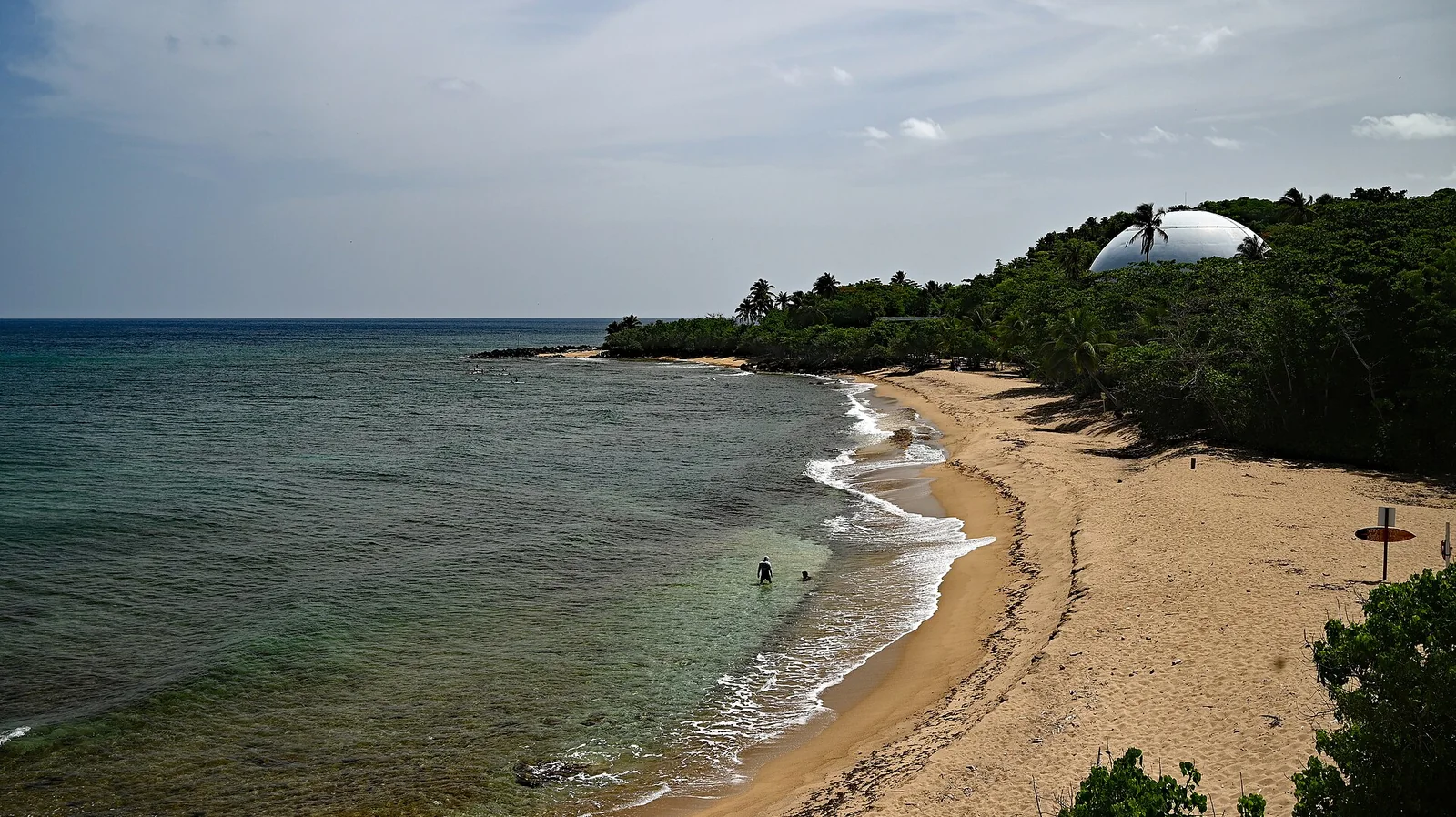
  • Domes Beach and the surf break below the old nuclear site
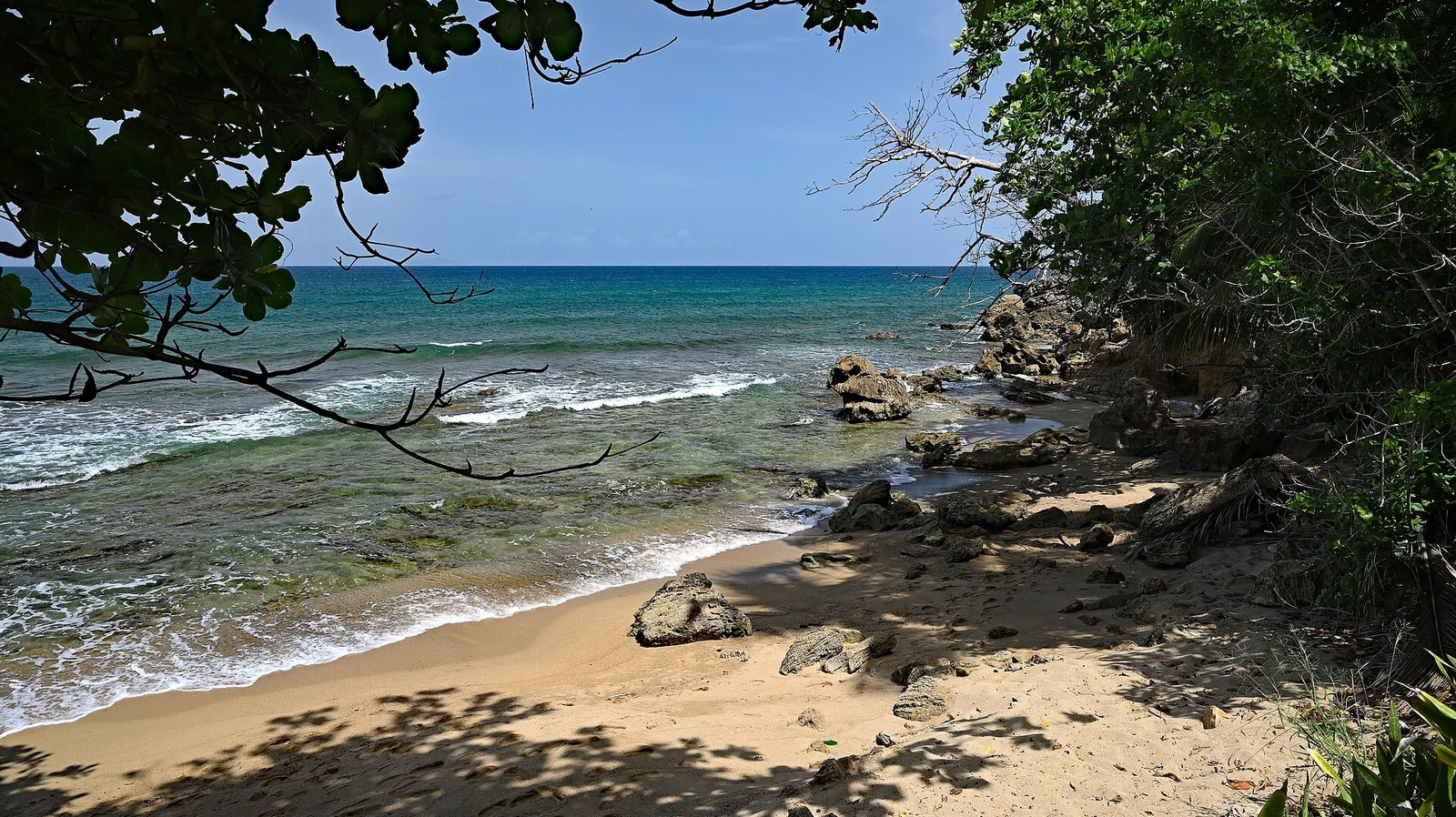
  • Tres Palmas Marine Reserve and Steps Beach
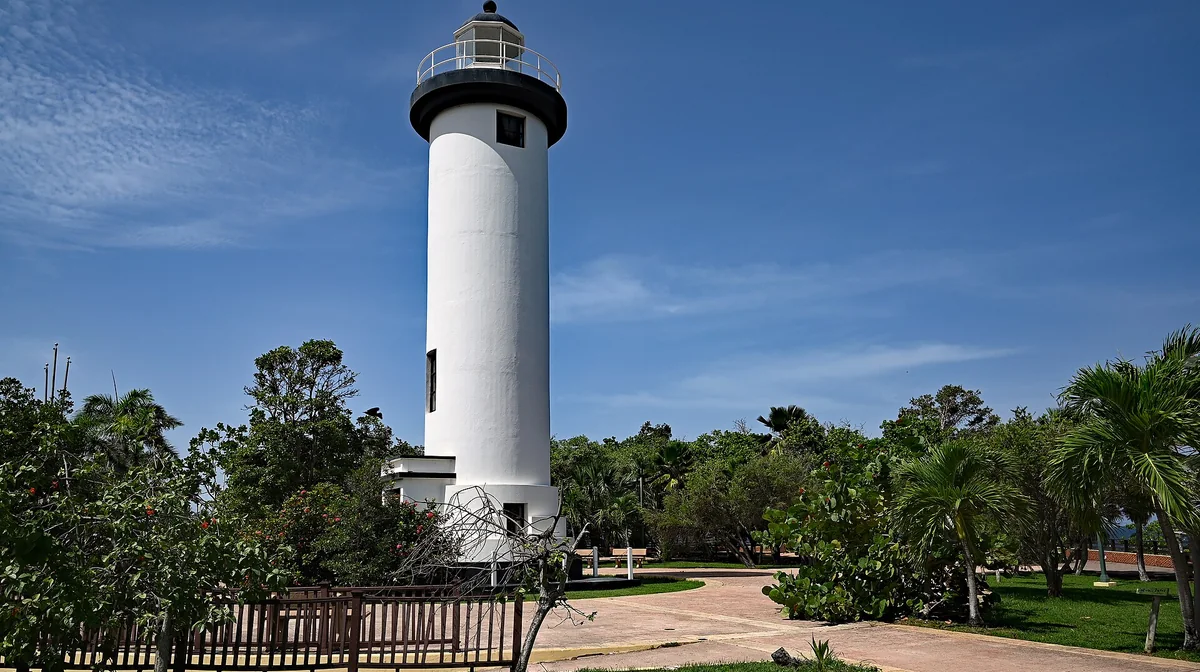
  • Faro de Punta Higüero, the Rincón lighthouse and whale-watching point
  • María's Beach and the Sandy Beach break
  • Playa Córcega for calm-water swimming
  • The Rincón Beer Company and the town plaza
  • Desecheo Island snorkel and dive trips offshore

Nearby Markets: Puerto Rico  |  San Juan  |  Dorado

Airbnb marketing services in Rincón, Puerto Rico, USA
Postcards

Rincón through the lens

A few of the visual fingerprints we lean into when we shoot, brand and market a Rincón property — courtesy of the open Wikimedia Commons archive.

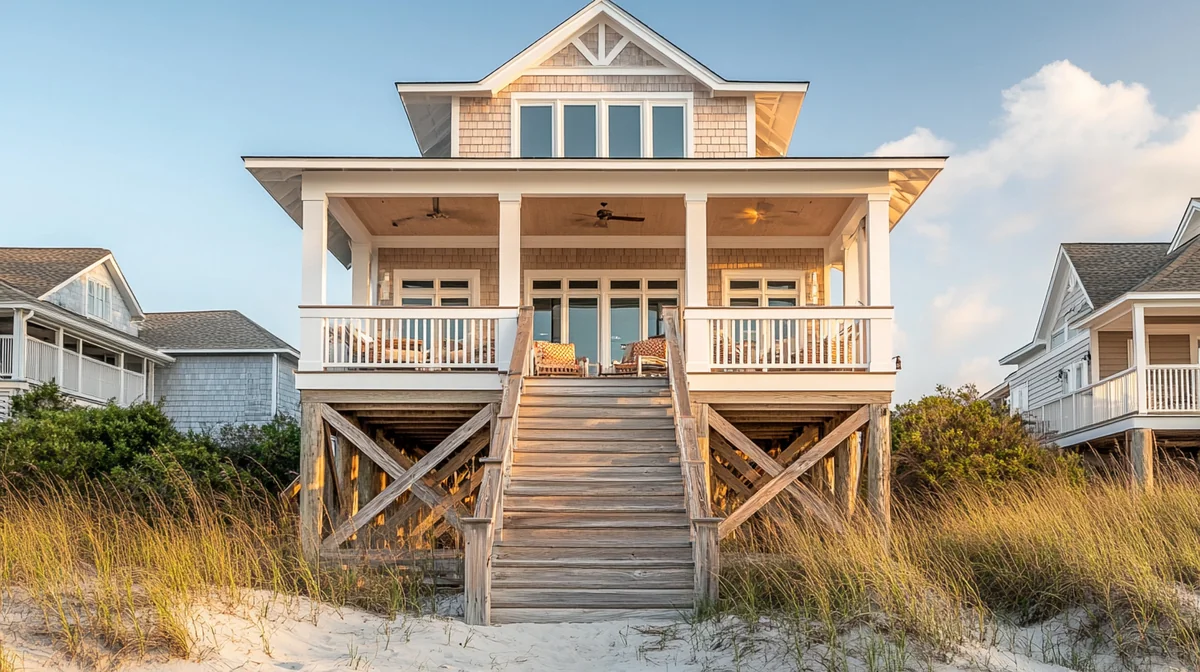
Casa Isleña Inn, Rincón, Puerto Rico — Rincón airbnb marketing
Local Color
Casa Isleña Inn, Rincón, Puerto
Mar Azul Surf Shop, Rincón, Puerto Rico — Rincón airbnb marketing
Local Color
Azul Surf Shop, Rincón, Puerto
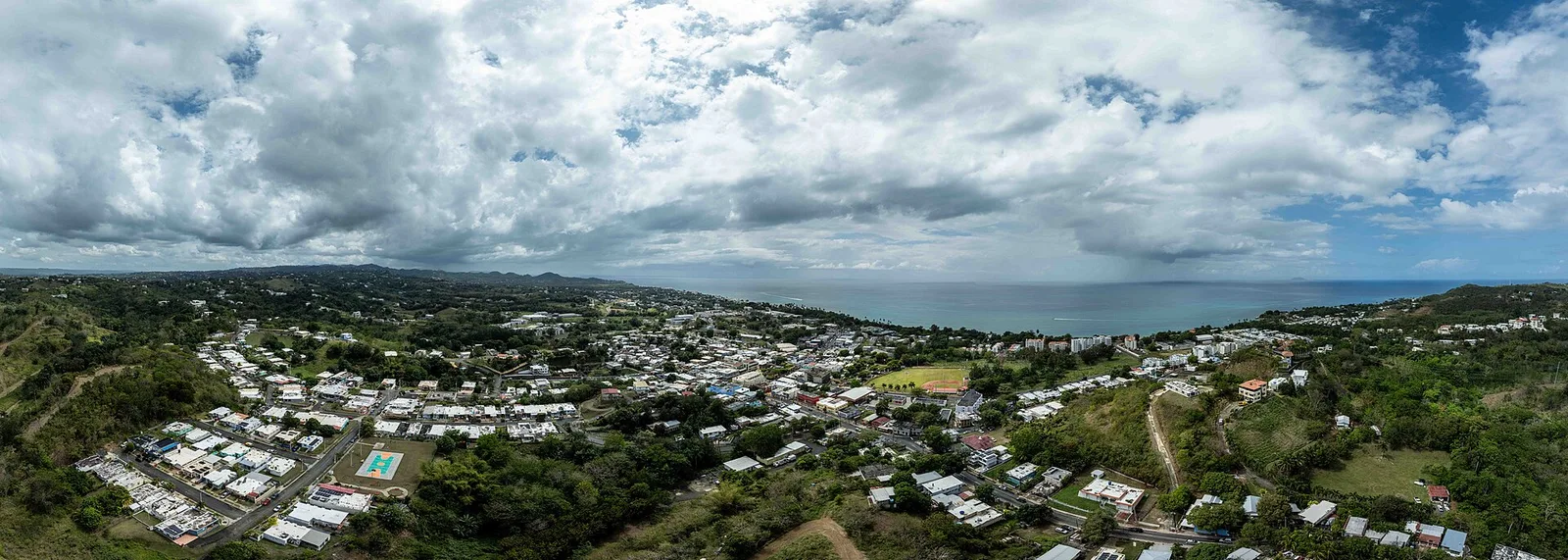
Rincon Aerial Panorama — Rincón airbnb marketing
Local Color
Rincon Aerial Panorama
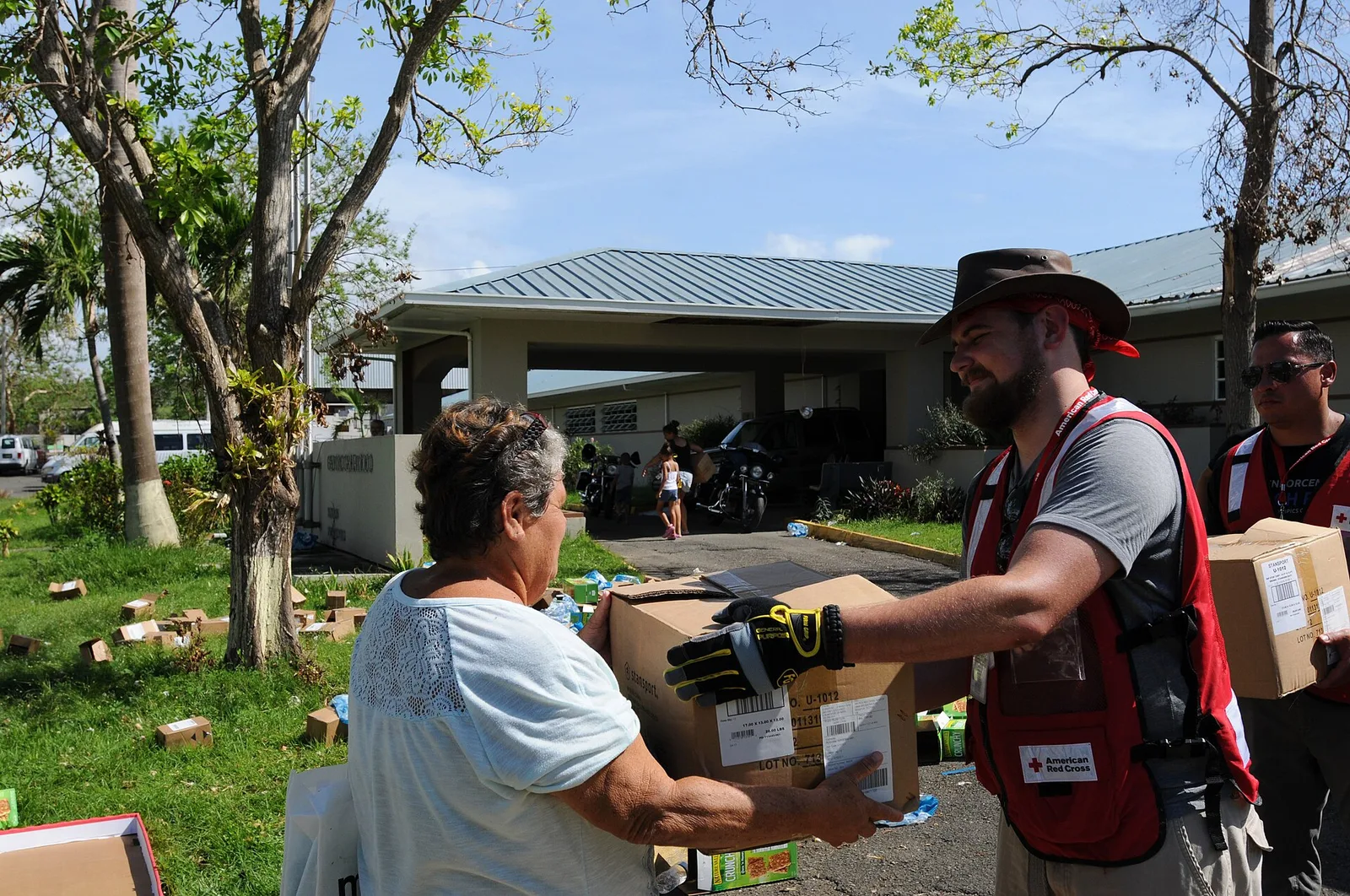
171016 A SK411 021 — Rincón airbnb marketing
Local Color
Rincón Local Landmark
Why Cavmir

The Cavmir Advantage
in Rincón

Cavmir markets Rincón as a twelve-month property rather than a winter property with a long dead spell attached. We shoot the house properly, in the season that sells it, and we build a second set of images and copy for the summer product, because a July guest and a February guest are not the same person and should not be sold the same listing. We build your direct-booking site, get it ranking for the surf, whale-season and west-coast searches that bring people here, and set up the email flow that converts a returning winter guest into a direct booking instead of a fresh platform search. We run local SEO and paid campaigns against the mainland cities with direct flights into Aguadilla and San Juan. We are honest about what the shoulder months can and cannot do, and we will tell you when a week is not winnable rather than sell you a campaign for it. We help position and market your property. We never manage it or touch your keys.

State of the Industry · History

The Rincón STR Market — Past & Present

Rincón was established as a municipality in 1770 on the western corner of the island, farming and fishing country for most of its existence. Two things turned it into a destination. The first was the lighthouse. El Faro de Punta Higüero went up in 1892 under Spanish administration, was wrecked by the earthquake and tsunami that struck western Puerto Rico in 1918, and was rebuilt in the early 1920s. The point it sits on is now the best free whale-watching platform in the territory and the town's most photographed spot.

The second was surfing. In 1968 Rincón hosted the World Surfing Championship, and the international coverage of that event introduced the North Atlantic winter swell breaking on this coast to a global audience. Surfers started arriving and a number of them never left. The town has carried that identity for more than half a century, and it shaped everything about how the local economy developed — small guesthouses rather than resorts, cottages rather than towers, a service economy built around people who stay for weeks rather than nights.

There is a stranger chapter in between. In the 1960s the US Atomic Energy Commission built an experimental reactor at Punta Higüero called BONUS, the Boiling Nuclear Superheater Power Station. It ran from 1964 to 1968, was shut down and eventually entombed, and the containment dome still stands above the beach. Surfers named the break below it Domes, and that is why the most famous wave in Puerto Rico is named after a decommissioned nuclear reactor. The building now houses a museum. The Tres Palmas Marine Reserve was established in 2004 to protect the elkhorn coral offshore, which is both an environmental milestone and the reason the snorkeling at Steps is what it is.

Pricing Strategy & Seasonality

Pricing, Seasonality & When to Capture ROI

Pricing Strategy

Rincón prices like a winter market because that is what most owners believe it is, and that belief is the single biggest revenue leak in this town. Peak runs from roughly December through March, driven by swell, whale season and mainland winter, and rates in that window can carry a property a long way. November and April are strong shoulders. The problem is what happens after that. Summer here is genuinely lovely — the water goes flat and clear, the snorkeling at Steps and Tres Palmas is at its best, the sunsets from the lighthouse do not care what month it is — and yet a large share of the market simply drops rate and waits. A better structure is to price summer as a different product rather than a discounted version of the same one, with its own photography, its own copy and its own audience. Four tiers works: winter peak, shoulder, summer, and the September-October soft window that overlaps hurricane season. Weekly rates matter more here than in most markets because the surf audience and the snowbird audience both stay long. Build a real weekly and monthly discount structure rather than letting a platform improvise one, and set winter minimums early — this is a market where the best weeks are booked months out by people who came last year.

Seasonality & ROI Windows

Winter is peak: swell arrives from North Atlantic storms roughly October through April, the strongest and most consistent months being December through February, and humpback whales pass through from January into March with February the best month to see them. That stretch also coincides with mainland winter, so surf demand and escape demand stack. Spring holds through April. Summer is calm, hot and clear — excellent for swimming, snorkeling and diving off Desecheo, and substantially under-booked. September and October are the softest weeks of the year and sit in the most active part of hurricane season. The honest summary is a very strong five months, a decent shoulder either side, and a genuine opportunity in summer that most of the town is not competing for.

Regulation & Licensing · 2026

What the Law Requires in Rincón

Rincón is the lightest-regulated market of the five Puerto Rico locations Cavmir works in, but light does not mean absent, and the island-wide obligations apply here in full. The Puerto Rico Tourism Company requires anyone renting for stays of ninety days or less to register as an innkeeper, a hostelero, through the Tourism Company's portal or its tax division office. That registration produces a hotel registration number that platforms will ask for. You then collect a seven percent room occupancy tax from your guests and remit it monthly. Separately, you register as a merchant with Hacienda, the Treasury Department, which formalizes the rental as a business. Booking platforms may collect and remit the room tax on reservations they process, but the legal responsibility remains with the owner and does not transfer, and it certainly does not cover direct bookings.

What Rincón has not done, as of this writing, is layer on the kind of municipal registration and annual licensing regime that San Juan and Culebra now operate. That makes it comparatively straightforward to start a compliant rental here. It also makes it a market where you should check rather than assume, because municipal rules across Puerto Rico have been moving quickly and a Senate bill has been filed to build a more uniform island-wide framework with a municipal registry. Call the municipality before you list and get the current position in writing. Beyond the public rules, pay close attention to private ones. Condominium bylaws and homeowners' association covenants in the older complexes along this coast can prohibit short-term rental entirely, and that restriction binds regardless of what the town permits. Coastal setbacks and maritime-terrestrial zone rules also matter on a shoreline this exposed — if you are buying something close to the water, have a local attorney confirm what is permitted on the parcel before you plan a renovation around it.

Market-Specific Tips & Challenges

Local Tips & Unique Market Challenges

Tips That Actually Move Revenue in Rincón

Shoot the property twice. The winter listing and the summer listing are selling different holidays to different people, and using one set of images for both is why so many Rincón calendars die in June. Winter is swell, long sleeves at dawn, whales off the point. Summer is flat turquoise water, snorkel gear, sunset from the deck. Second, name the break. Surfers do not search for beach access, they search for Domes, María's, Sandy Beach, Tres Palmas — and they want to know the walk in minutes and whether they can see the conditions from your property. If you can see the water from the deck, lead with that image and say what you can see. Third, take board storage seriously. An outdoor rinse, a rack, somewhere for wetsuits to dry, room to wax up. It is cheap to build, it photographs well and it signals to the exact audience you want that you understand them. Fourth, market the airport. A great many guests fly into Aguadilla rather than San Juan and never realize it is twenty minutes away — say so, with the drive time, because it removes the biggest objection to a west-coast trip. Fifth, sell the summer product to a different person entirely: families, divers, snorkelers, remote workers looking for a warm month. Sixth, be straight about the road and the car. Some hillside properties involve a steep or rough approach, and a guest who was not told writes about it.

Unique Rincón Challenges

The seasonal shape is the central problem — a strong winter and a soft summer that most owners accept rather than fight. Supply is substantial, with well over a thousand active listings in a small town, so an unmarketed property is genuinely invisible. Hurricane season affects both the calendar and insurance cost. The drive from San Juan is two and a half hours, which loses you the guest who wanted a short transfer and did not know about Aguadilla. And infrastructure on the west coast can be uneven, so power and water reliability are worth addressing honestly in your listing rather than leaving a guest to discover them.

The best wave in Puerto Rico is named after a nuclear reactor
The break called Domes, just below the lighthouse at Punta Higüero, takes its name from the containment dome of BONUS — the Boiling Nuclear Superheater Power Station, an experimental reactor built by the US Atomic Energy Commission and operated from 1964 to 1968. It was shut down after four years, defuelled and eventually entombed, and the dome has stood over the beach ever since. It now houses a museum. Surfers paddling out beneath it named the wave for the thing they could see from the water, and the name stuck so thoroughly that most people who use it have no idea what it refers to. It is a good detail for a guest guide, and it explains a piece of local landscape visitors always ask about.
Finance Essentials — Rincón
🛡️

Insurance

Expect the windstorm conversation to dominate, and expect Caribbean pricing. Plan on a dedicated short-term rental or commercial-use policy rather than a standard homeowner's form. Named-storm deductibles in Puerto Rico are commonly calculated as a percentage of insured value rather than a flat dollar figure, which produces numbers mainland owners find startling — model that before you buy, not after. Wind and flood are separate exposures and you need to know which applies where on your particular parcel, especially close to the shore. If you are in a condominium, establish exactly where the master policy ends and your own coverage begins. Ask your agent to spell out guest injury, guest property damage, loss of rental income and how business interruption behaves after a named storm. Properties with pools, hot tubs, direct beach access or steep drives should be disclosed specifically. Ask what the carrier expects of you in shutters, impact glass and roof condition, because those conditions affect both premium and whether a claim is honoured.

🧾

Property & Income Tax

The core obligation is the seven percent room occupancy tax on stays of ninety days or less, collected from the guest and remitted monthly to the Puerto Rico Tourism Company. Merchant registration with Hacienda establishes the rental as a business and brings its own filing obligations. Property tax is administered through the municipal revenue collection system and is assessed on the property rather than the rental activity, though how a property is classified can change with commercial use — worth asking about before you assume. Booking platforms may handle the room tax on the reservations they process; they do not handle your direct bookings, and direct bookings are exactly what good marketing produces, so get your filing set up before you turn that channel on. Keep platform and direct revenue separated from the very first booking rather than trying to reconcile them a year later. How Puerto Rico income tax applies to your rental income, and whether the Act 60 incentive framework is relevant to your situation as a bona fide resident, is specialist territory — ask a Puerto Rico tax professional rather than importing mainland assumptions.

🏦

Mortgages & Financing

Financing on the west coast follows the same pattern as the rest of Puerto Rico with a few local wrinkles. Many mainland lenders will not originate here at all, so your practical options are local institutions, the smaller set of stateside banks operating on the island, and portfolio or debt-service-coverage lenders who specialize in this market. Underwriting takes longer than a mainland equivalent and non-owner-occupied terms are typically less favourable. Title deserves real attention: records run through the Registro de la Propiedad and research can be slower and messier than buyers expect, particularly on older rural parcels and on land that has passed through family hands without formal subdivision. Use a local attorney who does this daily and build genuine time into the closing schedule. Hillside properties can raise access, drainage and slope-stability questions at appraisal, and anything close to the shoreline may involve maritime-terrestrial zone considerations that affect what can be built or rebuilt. Have your accountant model insurance at real Caribbean pricing and a seasonal occupancy curve rather than a flat annual average before you commit.

Future Outlook · 2027 & Beyond

Where Rincón is Headed Next

Three things are worth watching from an owner's seat. The first is regulation. A Senate bill has been filed to amend the Room Occupancy Tax Act, Act 272-2003, to create a municipal registry and a more uniform licensing framework across Puerto Rico. If that advances, Rincón's currently light municipal environment could tighten, and owners who are already properly registered with the Tourism Company and Hacienda will be in a considerably better position than those who are not. The second is air service. Direct mainland flights into Aguadilla have grown the west coast's addressable market substantially, and route changes at that airport move this town's demand more than almost anything else. Watch them. The third is the composition of the market itself. New, design-forward stock has been arriving on this coast, which raises the presentation bar for everybody and makes an unphotographed, thinly written listing harder to sell each year. None of these are threats to a well-marketed property. All of them argue for owning your guest relationship directly rather than renting it from a platform.

From the Desk of Sofie Sinag

Why We Love Marketing in Rincón

Rincón is a surf town that never got polished, and that is the whole appeal. There is no resort strip. The best thing in town is free and it happens every evening, which is the sun going into the water off the point at Punta Higüero with fifty people standing around watching it and nobody selling them anything. In February you can stand at that same lighthouse and watch humpback whales without a boat, a ticket or a guide. The rest of the day is a series of small, specific pleasures: the walk down the steps at Tres Palmas into water clear enough to see the elkhorn coral, a plate of fried fish at a roadside place with plastic chairs, the strange grey dome above Domes that turns out to be a dead nuclear reactor. What we like about it commercially is that the demand is deeply loyal. This is a repeat market. People come for a week in January, they come back the next January, and eventually a few of them buy a house on the hill. That kind of guest is worth an enormous amount to an owner who has an email list and almost nothing to an owner who does not. The market's other feature is more useful still: the summer, which is beautiful and warm and clear and largely ignored, sits there every year waiting for somebody to market it properly. Very few people do. That is a rare thing to find in an established destination.

Why It Matters

A great property in Rincón doesn't just want a listing — it wants a point of view, an audience, and a brand the city itself would recognise.

Cavmir's Rincón Cheat Sheet

The Picks We Recommend for Your Welcome Book

Eight answers to put in your guest guide. These are the questions guests ask anyway, and getting them right in advance is the cheapest review insurance there is.

Coffee & First Light

The lighthouse park at dawn

El Faro de Punta Higüero opens to a quiet park before the day heats up. In whale season, January through March, this is where you stand with a coffee and watch for spouts without paying for a boat.

The Table Worth Booking

Sunset dinner on the water

Rincón's restaurant count is small and the good tables at sunset go early in winter. Tell guests to reserve the same week they book, and to check opening days — plenty of places close midweek in the off season.

Local Obsession

Reading the swell

From October to April, groundswell arrives every few days and the whole town watches the forecast. Domes, María's and Sandy Beach all break differently on the same swell. If your property has a water view, say what the guest can see from the deck.

Rainy Day

The BONUS museum at Punta Higüero

The old experimental reactor below the lighthouse now houses a museum. It is odd, genuinely interesting, and indoors — a good answer for the afternoon a squall parks over the coast.

Shoulder Season Secret

May and early June

The winter crowd has gone, the water has turned flat and clear, the snorkeling is at its best and rates are soft. It is the most under-sold window in western Puerto Rico.

Weekend Escape

Desecheo Island

A dive and snorkel trip out to the uninhabited island offshore. Boats run from Rincón in calm conditions, which mostly means the summer months. Guests should book ahead and be flexible on the day.

The View

Steps Beach and the Tres Palmas reserve

Marine-protected water with elkhorn coral close in. Bring your own gear, there is no rental stand. Best on a calm morning before the wind picks up.

What Guests Ask For

Which airport, and do they need a jeep

Aguadilla is about twenty minutes away and takes direct mainland flights; San Juan is two and a half hours. On the car, be honest about your own road — a steep or rough approach is fine if you say so first.

Local Work · Composite Case Vignettes

What Cavmir Has Done for Rincón Properties

A few composite engagements, drawn from how Cavmir typically works with owners in a seasonal surf-and-escape market like this one. Illustrative rather than any single client's file.

Two-bedroom hillside house · ocean view, winter-dependent
The Brief

A strong December-to-March calendar and an almost empty May-to-September, with one set of winter photographs doing all the work for all twelve months.

What We Did

Built a second visual and written identity for the summer product — flat water, snorkeling, long-stay and remote-work framing — shot in season, and ran it as a separate campaign to a different audience rather than discounting the winter listing.

The Result

Summer occupancy began building from a very low base, with longer average stays than the winter guest, and the owner stopped treating half the year as a write-off.

Beach cottage · walking distance to a named break
The Brief

Marketed as a generic beach cottage in a town where the audience searches by surf break, so it was invisible to the exact guests it suited best.

What We Did

Repositioned around the break by name with real walking times, photographed the outdoor rinse, board rack and drying space as features, and built direct-booking content targeting surf-season searches and the Aguadilla flight market.

The Result

Enquiries shifted toward the surf audience the cottage was actually built for, with longer bookings, more midweek nights and a rising share of guests returning the following winter.

Owner with a condo and a house · same town, same copy
The Brief

Two very different properties sharing one description and no connection between them, so a guest who could not get the dates they wanted simply left.

What We Did

Separated the positioning — the condo as the easy walk-to-everything winter base, the house as the family and long-stay property — with distinct photography and copy, joined by one owner-branded site with cross-referral and a single email list.

The Result

Fewer lost enquiries, because unavailable dates routed to the other property, and a direct-booking share that grew year over year instead of resetting each season.

Market Intelligence · Seasonality

Airbnb seasonality in Rincón, month by month

Demand in Rincón peaks around January, February and December and runs quietest around June, August and September. Here is how the year actually books — and what to do about each stretch of the calendar.

Peak demandSteadyQuiet

Peak season

December through March is the peak and it is driven by two things at once: the winter surf swell on this coast and the humpback whales that pass offshore between January and March. February is the strongest single month. These are known, repeating, calendar-fixed drivers and they should be priced against a year in advance rather than discovered by a pricing tool in November.

The shoulders

April, May and November are warm, quiet and consistently under-booked. The water is good, the town is calm and the rates come off, which suits couples, longer stays and remote workers. Almost nobody markets these weeks as their own product, and they respond well to a weekly rate and to email sent to last winter's guests.

The quiet stretch

August through October is the quiet stretch and the most active part of hurricane season. Put a longer-stay rate in the market, be calm and specific about cancellation terms, and use the window for maintenance and a pre-season reshoot.

Dates that fill first

Winter surf seasonOctober through April
The north-west swell is the town's entire winter economy and peaks between December and February.
Humpback whale seasonJanuary through March
Whales pass close to this coast and February is the best month; a listing with a sea view should say so explicitly.
Holy WeekMarch or April
A hard local peak with longer stays and a family guest profile quite unlike the surf crowd.
Christmas and New Yearlate December
The longest holiday season in the United States runs here and fills the town.
Summer festival weekendsJune through August
Local and island traffic fills weekends that would otherwise be soft.
Market Intelligence · Guests

Who books Rincón Airbnbs — and how far ahead

Winter surfers
Longer stays from December to March, often returning to the same house yearly. Board storage, an outdoor rinse and a short walk to a break decide the booking.
Whale-season couples
January to March travelers choosing on the sea view and the terrace more than on the bedroom count.
Snowbirds and remote workers
Multi-week and multi-month winter stays. Reliable power, internet and a workspace are the entire decision.
Island weekenders
San Juan residents taking two and three-night stays through the summer, filling weeks the mainland market does not.

The booking window

Winter surf and whale-season weeks book earliest, often several months out, and the Christmas stretch goes first of all. Shoulder months and summer weekends are a much shorter window and reward visibility over early pricing. Long-stay winter enquiries frequently arrive in late summer, which is when a weekly and monthly rate needs to be live.

Typical stays

Longer than the island average. Surfers and snowbirds book weeks and months through the winter, whale-season couples take four to seven nights, and the summer island market is a two and three-night weekend business.

Where guests drive from

San JuanAguadillaIsabelaMayagüezPonce

Where guests fly from

New YorkOrlandoBostonPhiladelphiaNewark
Two distinct engines. Mainland winter traffic arrives by air, much of it through the Aguadilla airport rather than San Juan, which is a genuinely useful thing to explain in your listing. Island weekend traffic drives across from the San Juan metro and fills the summer.
Market Intelligence · What Wins

The Airbnb that wins in Rincón

A sea view is worth more here than an extra bedroom, and a short walk to a named break is worth more than either. Houses with outdoor living space, an outdoor shower and somewhere to store boards outperform interior apartments at the same size. Backup power and a real internet connection have become the deciding factors for the long-stay winter market that carries this town.

Amenities that move bookings here

ocean view or terracebackup powerreliable high-speed internetoutdoor showerboard and gear storageoutdoor kitchen or grillparking
Photograph the sunset from the property. This is the west coast of the island, the light is the single best thing about it, and most listings here are shot at midday.
Straight Answers

Rincón Airbnb marketing questions, answered

How do I market my Airbnb in Rincón?

Start with photography that shows what a guest actually gets here, then write the listing around a real itinerary rather than a feature list. Build a direct-booking site so returning guests can come back without going through a platform, and keep an email list segmented by season so you can reach last year's visitors before the calendar opens. Local search matters more than people expect in a market this size, because guests search the destination and the attraction rather than the word rental. A marketing agency layer handles the photography, the listing copy, the direct-booking site and the local SEO as one system instead of four disconnected jobs.

When is peak season for Rincón Airbnbs?

December through March, with February the strongest month. Two things drive it: the winter surf swell that this coast is known for, and the humpback whales that pass close offshore from January to March. Summer is quiet on the mainland side but holds up on island weekend traffic from San Juan. August to October is the genuine off-season and the busiest part of hurricane season.

How far in advance do guests book Rincón Airbnbs?

Winter surf and whale-season weeks book earliest, often several months out, and the Christmas and New Year stretch goes first. Long-stay winter enquiries frequently arrive in late summer, so a weekly and monthly rate should be live by then. Shoulder months and summer weekends are close to a last-minute market.

Where do most Rincón Airbnb guests come from?

Two separate flows. Mainland guests fly in for the winter, largely from the north-east corridor and Florida, and a good number of them use the Aguadilla airport rather than San Juan because it is far closer. The summer and weekend business drives across from the San Juan metro.

What amenities matter most for a Rincón Airbnb?

An ocean view and outdoor living space carry the booking here more than bedroom count does. Board storage and an outdoor shower matter enormously to the winter surf guests who take the longest stays. Backup power and genuinely reliable internet decide the snowbird and remote-work market. Say all of it plainly rather than implying it.

Free Tools · Websites That Book

See what your listing in Rincón is leaving on the table

Run your Airbnb, Vrbo, or website through Cavmir's free grader. It checks the things that decide whether guests book in Rincón — photos, listing copy, page speed, local search — and shows you where bookings leak. Takes about a minute, and there's no sales call attached.

If the report says your booking engine is the weak link, that's fixable: a direct-booking website of your own means repeat guests stop paying platform fees to come back to you. That's the work Cavmir does — see Airbnb website design in Rincón.

What the grader measures

  • Photos and the first-impression frame
  • Listing title and copy
  • Your direct-booking website (or the lack of one)
  • Page speed and mobile experience
  • Local search and Google visibility
Grade My Listing — Free
Ready to Grow in Rincón?

Let's Put Your Rincón
Property on the Map

Talk to Cavmir today. We'll show you exactly what your Rincón property is leaving on the table — and how fast we can change that.

Book a Free Strategy Call