

Morning
White Rock Lake
The 9-mile loop around the lake is where East Dallas actually starts its day — rowers on the water, the skyline floating beyond the trees. If your property is anywhere near it, lead with the morning-run shot.

Expert short-term rental marketing to grow your bookings and nightly rate in Dallas, Texas, USA.
Sixteen services, one team. Everything below is built in-house and scoped to your property and market. Most owners start with the 12-Step System.
Every engagement is quoted to your portfolio. These are the ready-made scopes owners pick most — our Fall Special (55% off list) is already applied. A clear proposal within 48 hours.
The work is public. Selected engagements and what changed — and reviews from the owners and managers behind them.
* Market averages. Properties marketed by Cavmir typically exceed these figures by 25–45%. Data sourced from AirDNA, STR market reports, and Cavmir internal analytics.
Dallas is a business city that quietly runs on visitors. Conventions at the Kay Bailey Hutchison Convention Center, Cowboys weekends, the State Fair of Texas, medical stays, corporate relocations — and in the summer of 2026, nine FIFA World Cup matches at AT&T Stadium in nearby Arlington, more than any other host city. The neighborhoods guests actually want are specific: Bishop Arts, Deep Ellum, Lower Greenville, Uptown, Oak Lawn. If you run a short-term rental or a boutique hotel here, you're not selling a destination — you're selling location, walkability and a listing that looks better than the four hundred others a guest scrolls past. That's a marketing problem, and it's solvable.
Dallas is a year-round market with event spikes rather than one long season. Blended numbers land around a $190 average nightly rate and low-50s occupancy, with monthly revenue near $2,400 for a well-run whole home — but averages hide the spread. Walkable-neighborhood houses near Bishop Arts and Lower Greenville outperform suburban stock badly. Demand comes from convention travelers, families in for Cowboys and Rangers games, medical stays around the hospital districts, and group trips built around concerts at American Airlines Center. The 2026 World Cup window in June and July is the single biggest rate event this market has ever seen, and the hosts who priced it months early will be the ones who win it.
Nearby Markets: Austin | Houston | Broken Bow
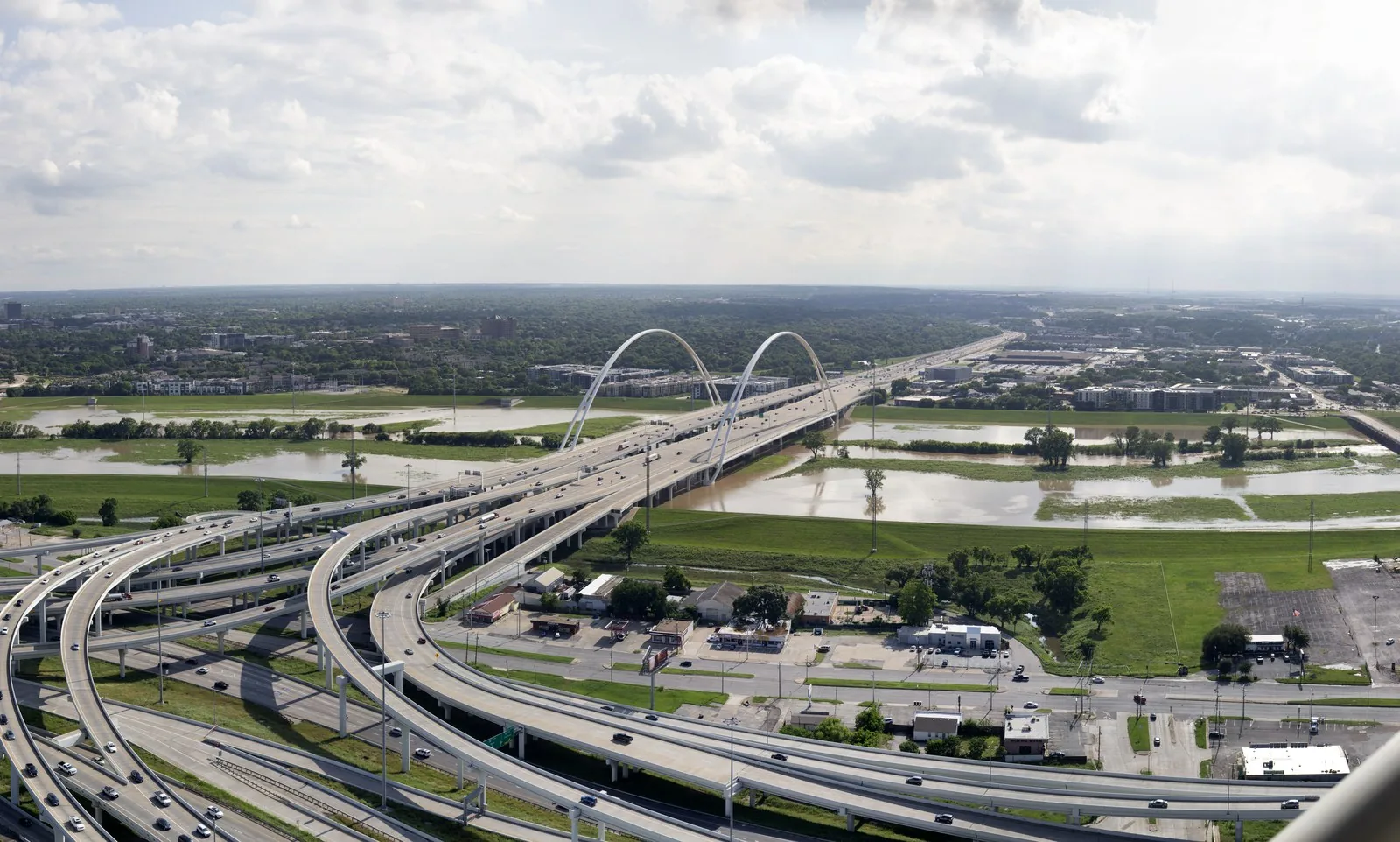
A few of the visual fingerprints we lean into when we shoot, brand and market a Dallas property — courtesy of the open Wikimedia Commons archive.
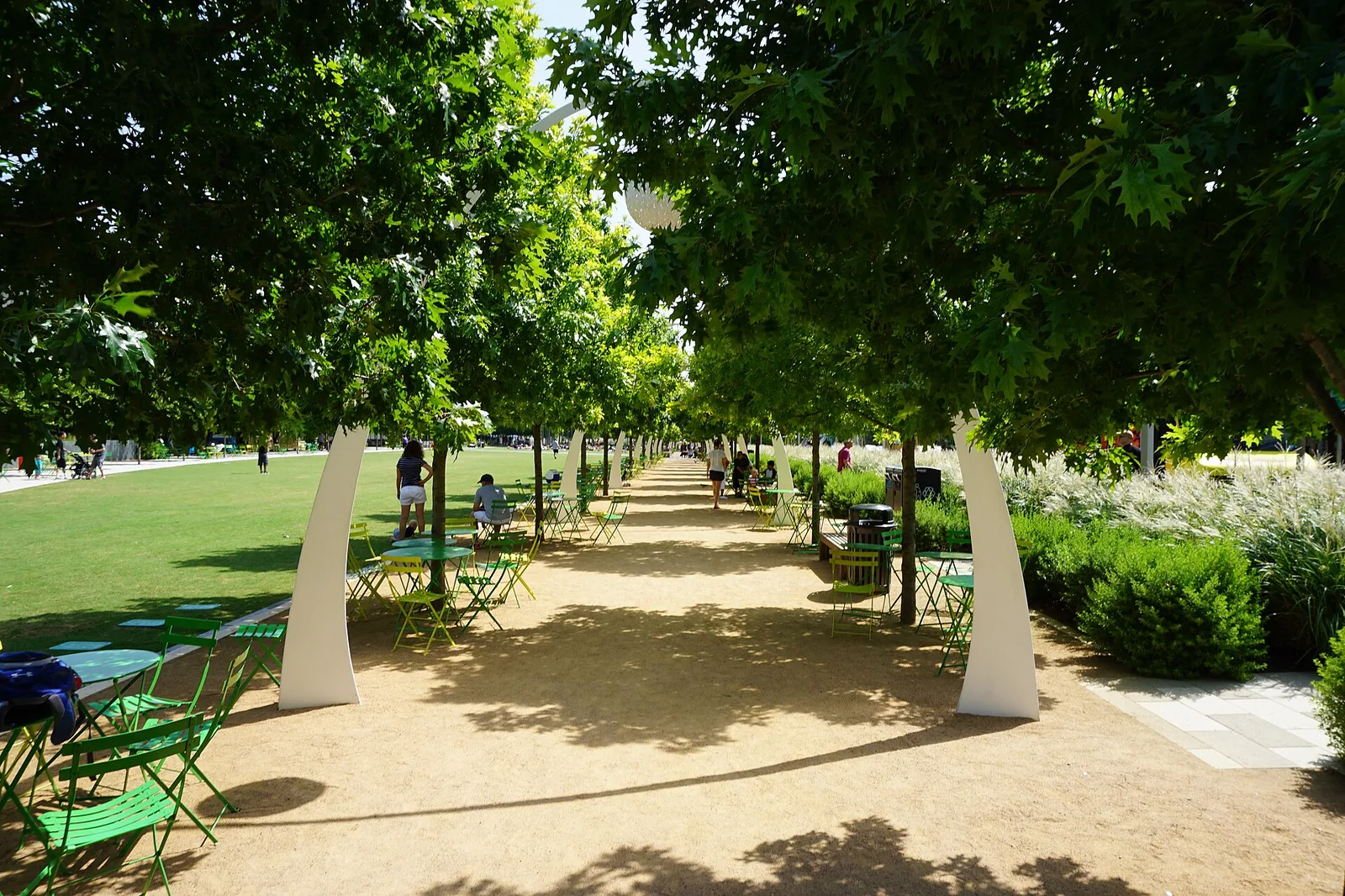
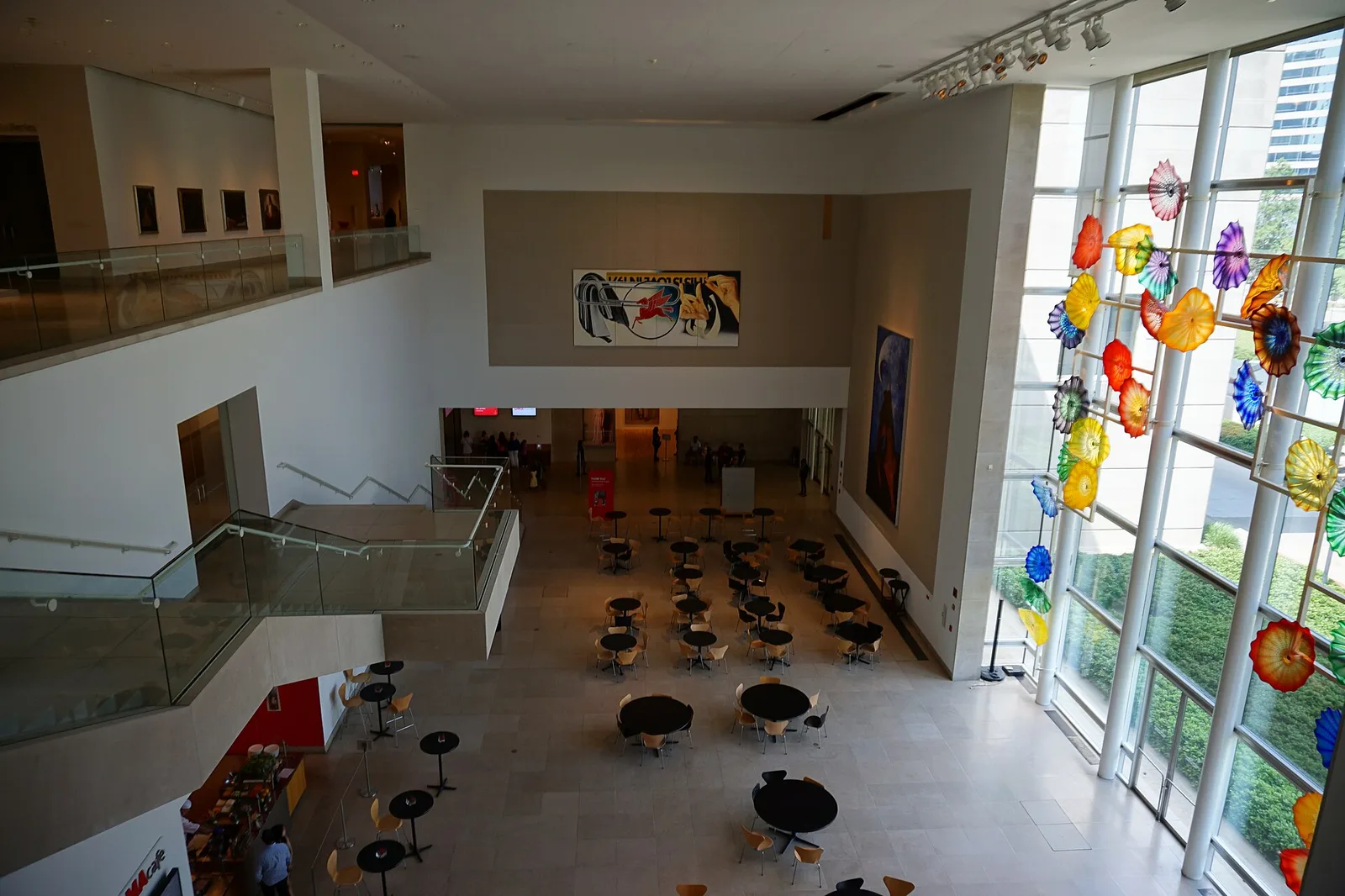
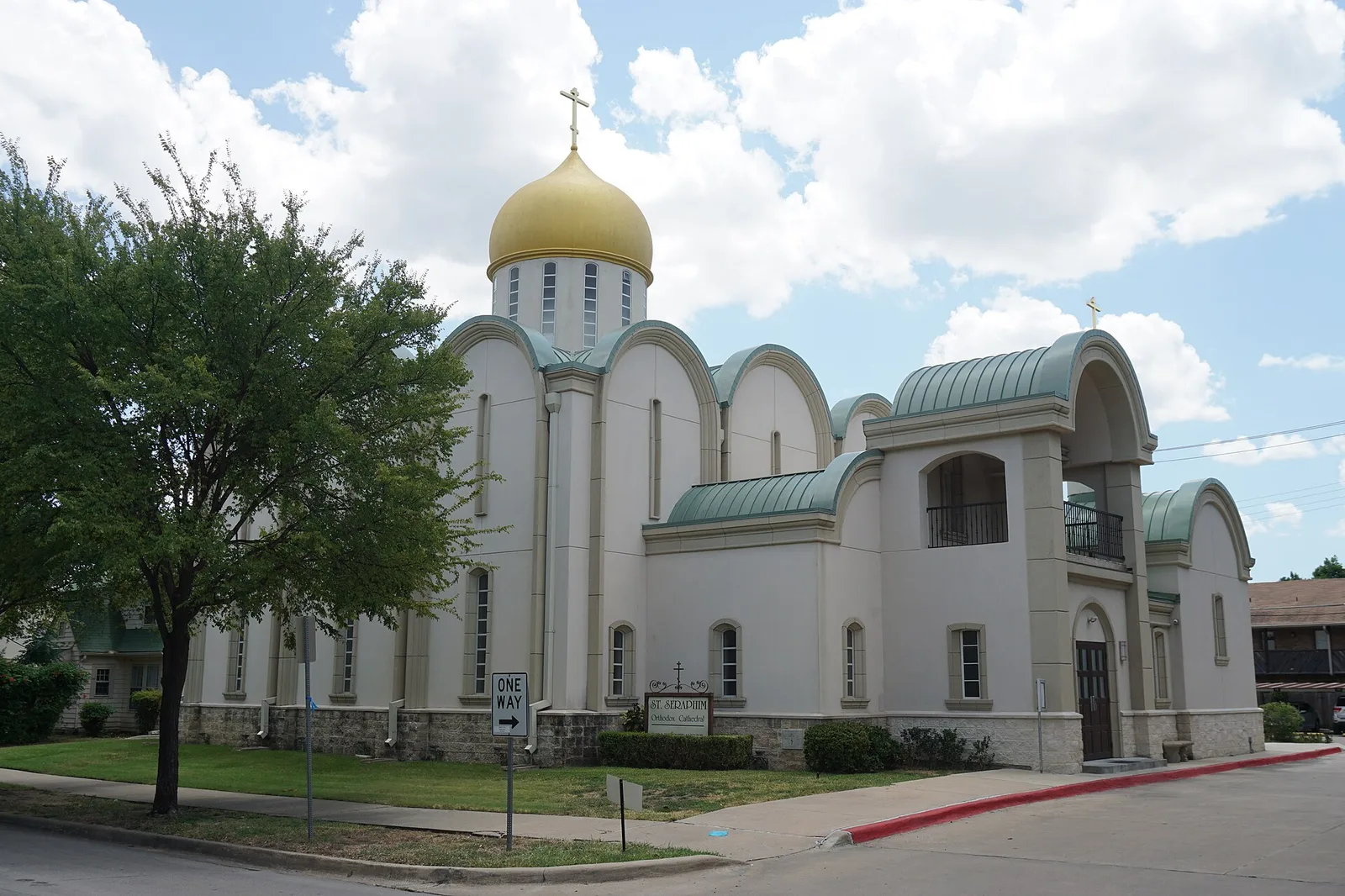
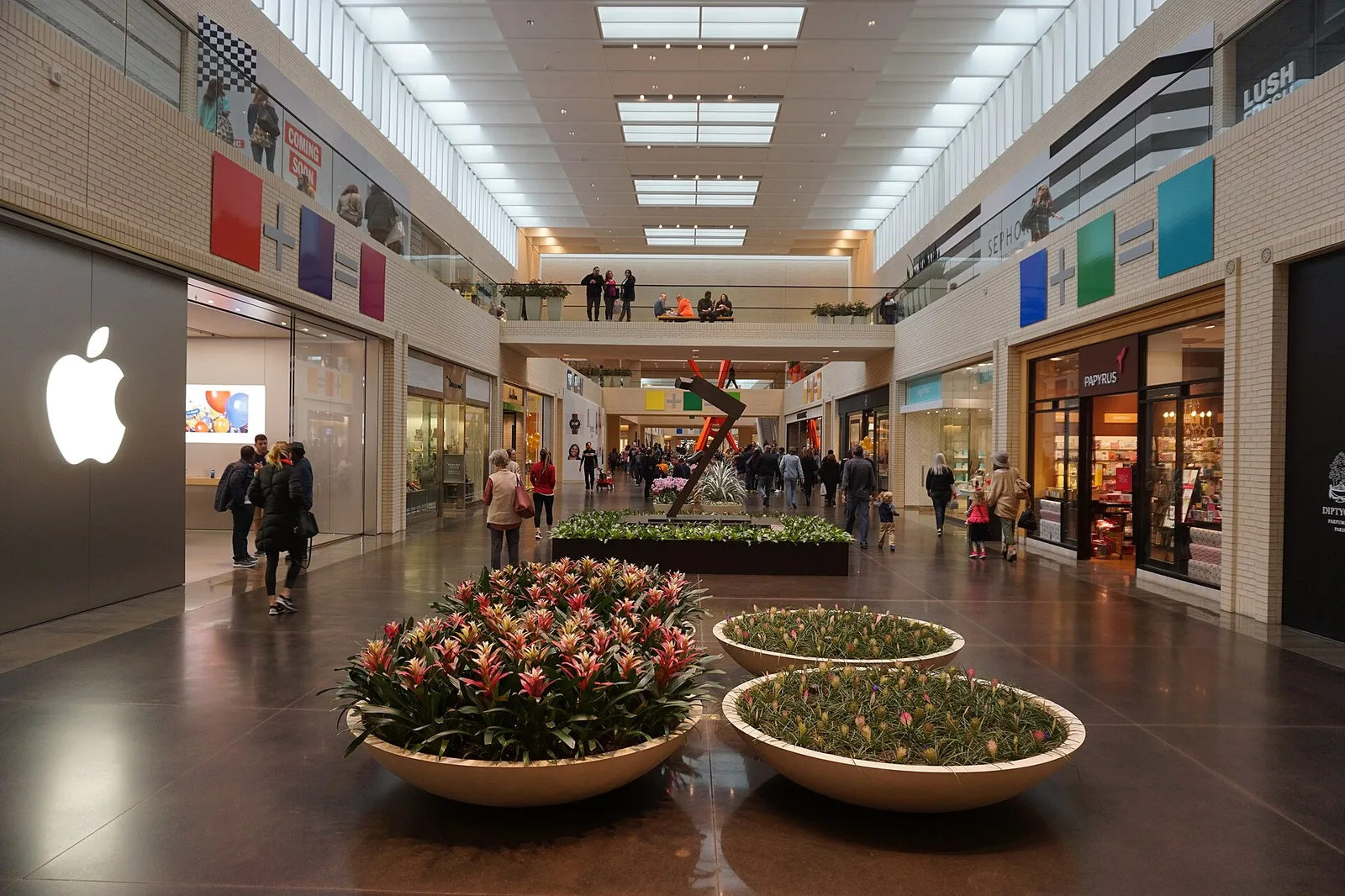
Cavmir works Dallas because it rewards presentation in a way most owners ignore. We shoot photography that sells the skyline and the neighborhood, not just the bedrooms; we build direct-booking websites so repeat corporate and event guests skip the platform fees; and we run the same playbook for boutique hotels, where a dated website is quietly costing rooms every night. With the city's STR ordinances tied up in court, we also keep your listing positioned so a rule change doesn't catch you flat. We help position and market your property. We never manage it or touch your keys.
Dallas was founded in 1841 by John Neely Bryan as a trading post on the Trinity River, and it grew the unglamorous way — railroads in the 1870s, cotton, then banking and insurance. Oil money ran through it in the twentieth century, but Dallas was never an oil field; it was where the deals were done. That white-collar DNA still defines the city: it's a headquarters town, home to more than twenty Fortune 500 companies across the metro, and its visitor economy runs on commerce — conventions, corporate travel, relocations — layered with sports and culture.
The neighborhoods guests want today tell the newer story. Deep Ellum grew up in the early 1900s as a Black commercial and music district where blues legends like Blind Lemon Jefferson played, and it's once again the city's live-music spine. Bishop Arts in north Oak Cliff went from a faded streetcar-era shopping strip to the city's most walkable restaurant district. The Arts District downtown is the largest contiguous urban arts district in the country. On the rental side, Dallas is a city of single-family neighborhoods, and that's exactly where its short-term-rental fight lives: in 2023 the City Council passed ordinances effectively banning STRs from single-family zoning, a court enjoined them that December, an appeals court upheld the injunction in 2025, and the matter now sits with the Texas Supreme Court — all while the 2026 World Cup pours demand into the metro. Operating here means marketing well and staying nimble on compliance.
Walkability sets the price. Houses and condos in Bishop Arts, Lower Greenville, Deep Ellum and Uptown pull the strongest nightly rates because guests can reach restaurants and nightlife on foot — rare in Dallas. Oak Lawn and the Design District do well with event and medical travelers. Larger homes in East Dallas near White Rock Lake win family groups, while far-suburban listings compete mostly on price. Blended, the market lands near $190 a night, but event pricing is where Dallas pays: Cowboys weekends, big concerts at AT&T Stadium and American Airlines Center, the State Fair — and the June–July 2026 World Cup window, where well-positioned homes are asking multiples of their normal rate.
Dallas doesn't have a beach season; it has a calendar of spikes on a steady base. Spring and fall are the strongest stretches — conference season, pleasant weather, the State Fair of Texas from late September through October. Summer is hotter but holds up on family travel and, in 2026, explodes for the World Cup. Winter is the soft patch outside of holidays and the Cotton Bowl window. The money most owners miss is midweek corporate demand: a listing positioned for the business traveler earns Tuesday nights the vacation-styled listing never sees.
Dallas is the rare major market where the rules are genuinely in flux. In June 2023 the City Council passed two ordinances: a zoning amendment effectively banning short-term rentals from single-family residential districts, and a registration ordinance (Chapter 42B) imposing annual registration, occupancy limits and operating standards elsewhere. Before they took effect, STR owners sued, and in December 2023 a district court issued a temporary injunction blocking enforcement of both.
In July 2025 the Fifth District Court of Appeals largely affirmed that injunction, and the city has since taken the fight to the Texas Supreme Court, arguing among other things that it needs enforcement clarity before the 2026 World Cup. As of mid-2026 the ordinances remain unenforced and the case remains pending — which means STRs continue to operate across the city, including in single-family neighborhoods, but under a cloud that could shift with a single ruling.
What is unambiguous: Dallas levies a 7% city hotel occupancy tax on stays under 30 days, on top of the 6% Texas state hotel occupancy tax, and operators are responsible for registering, collecting and remitting. Given the litigation, treat any summary — including this one — as a snapshot: confirm the current status with the city in writing before you buy, list or expand here.
The Dallas strategic tip: build for the corporate and event guest, then let leisure fill the gaps. Dallas is a business city — the listings that win here read clean, professional and specific: fast Wi-Fi speeds stated in numbers, a real desk, garage parking, exact drive times to the convention center, the hospital districts and AT&T Stadium. Vacation-cottage styling wastes this market.
Tactically: first, price the calendar, not the season — Cowboys weekends, the State Fair, big concerts and the 2026 World Cup window each deserve their own rates set months out. Second, shoot the neighborhood, not just the house; a Bishop Arts bungalow sells on the street it sits on, so show the coffee shop and the taco line. Third, build a direct-booking website — corporate travelers and relocation families rebook the same property, and every repeat stay through your own site is platform fees saved. Fourth, with the ordinances in litigation, keep your paperwork clean: HOT registration current, taxes filed, records tidy, so whichever way the Texas Supreme Court rules you're positioned to keep operating or to adapt fast. Fifth, don't ignore boutique hotels' playbook — if you run one here, direct-booking design and photography matter even more, because OTA commissions on a 20-room property are a full-time employee's salary.
The honest headwinds: regulatory uncertainty hangs over everything until the Texas Supreme Court rules — a listing legal today could face a ban that survives review. Supply is deep, so mediocre listings drown. Summer heat suppresses some leisure demand, the metro sprawls so location quality varies block by block, and HOAs quietly prohibit rentals in many neighborhoods regardless of city code.
A standard homeowner's policy generally won't cover commercial short-term renting. Plan on a landlord or STR-specific policy with strong liability coverage, and in North Texas price in hail and wind — the region sees some of the most frequent hailstorms in the country, and roof claims are a fact of life. If you host events-window guests at premium rates, make sure occupancy and use match what your policy says. Talk to an agent who writes Texas STR policies specifically.
Texas has no state income tax, which flatters the net. On the lodging side, stays under 30 days owe the 6% state hotel occupancy tax plus the 7% City of Dallas hotel occupancy tax. Airbnb collects the state portion on its bookings; city HOT and anything on direct bookings are typically your responsibility to register, collect and remit. Property taxes in Dallas County are meaningful and reassessments can bite after a purchase. Treat this as a 2026 snapshot and confirm your exact obligations with your accountant.
Most Dallas STR buyers finance as investment property — expect 15–25% down and rates above primary-home pricing. DSCR loans underwritten on the property's rental income are common here, and the metro's deep sales comps make appraisals straightforward. Conventional investment loans work well at Dallas price points. Whatever the route, lenders want a credible income story, and documented occupancy plus a real marketing operation reads far better than a hopeful projection. Run the numbers with a lender who knows Texas investment lending.
Dallas is the rare big Texas market where the STR rules are written but not in force. On June 14, 2023 the City Council passed two ordinances: a zoning amendment to Chapters 51 and 51A creating a “short-term rental lodging” use that would bar STRs from single-family districts, and a companion registration ordinance. Operators sued, and on December 6, 2023 a district court enjoined enforcement of both. On February 7, 2025 the Texas Fifth District Court of Appeals, in Dallas, affirmed that injunction, finding the owners likely to prevail on their vested-property-rights claim. After more sparring in the appellate court, the city petitioned the Texas Supreme Court in October 2025 to lift the block before the 2026 World Cup. So as this is written the ordinances are on hold, the case — City of Dallas v. Dallas Short-Term Rental Alliance — is pending, and rentals keep operating citywide, single-family neighborhoods included.
Here's what the frozen rules would require, so you're ready if they thaw. The registration ordinance — codified in Chapter 42B and administered by Code Compliance Services — would mean annual registration (the fee was last set near $248), a life-safety inspection, a designated local responsible party who answers around the clock, and posted occupancy limits. The zoning side would confine STRs to multifamily, mixed-use and certain nonresidential districts and shut them out of single-family, duplex and townhome zoning. One quirk trips people up: the city's own planning and code pages still describe registration as required, because the ordinance exists on the books — it's a separate court order that stops enforcement. Don't guess which way that reads on any given week. Confirm the current status in writing with the city before you buy, list or expand, and keep your paperwork ready to file.
The lawsuit is about land use, not lodging tax — the tax bill stands either way. Texas levies a 6% state hotel occupancy tax on stays under 30 days (rooms at $15 a night or more), filed with the Comptroller on Form AP-102. Dallas adds its own: a 7% municipal hotel tax plus a 2% venue-project tax added in January 2023 for the convention center and Fair Park — 9% to the city, roughly 15% all in. Airbnb and Vrbo collect and remit the 6% state tax for you, but marketplace collection doesn't move the legal liability off you, and the local pieces can work differently. Sort out exactly which taxes your platform remits and which you file yourself, and check the current figures with the city and your accountant.
Dallas doesn't fill on a beach season; it fills on commerce. The demand is corporate travel, relocations, conventions, medical stays and big-ticket sports, and it lands in specific corners of the metro rather than spreading evenly. The Kay Bailey Hutchison Convention Center downtown — in the middle of a major expansion — drives midweek nights; the Dallas Market Center runs wholesale trade markets that pull buyers in for concentrated weeks; UT Southwestern and the Medical District bring a steady stream of patients and traveling staff. Layer on AT&T Stadium in Arlington (nine 2026 World Cup matches, plus Cowboys weekends), the American Airlines Center at Victory Park, and the State Fair of Texas at Fair Park each fall, and you get a calendar of overlapping spikes. Knowing which engine sends your guest is how you position the listing.
Each demand engine has a neighborhood that serves it best. Uptown and Victory Park suit corporate travelers and anyone headed to the American Airlines Center — walkable, close to downtown. The Design District and Medical District win medical stays and Market Center buyers. Downtown and the Arts District are convention territory. Out west, Las Colinas and the wider Irving corridor hold corporate campuses and sit near AT&T Stadium, so they catch business and event demand the urban core doesn't. For leisure guests who want to walk to dinner — rare in this city — Bishop Arts, Deep Ellum and Lower Greenville are the draw. A house marketed to a Market Center buyer reads completely differently from one marketed to a World Cup group, and Cavmir helps hosts tune each listing to the guest the location actually sends.
There's a second reason location matters here, and it's the lawsuit. If the 2023 zoning ordinance ever takes effect, STRs would be legal only in multifamily, mixed-use and certain nonresidential districts — and barred from single-family, duplex and townhome zoning. Right now, under the injunction, short-term rentals operate everywhere, single-family included. But that means a condo in Uptown or a unit in a mixed-use district sits on steadier long-term footing than a detached house in Lakewood or the M-Streets if the ban is ever enforced. It's worth knowing which side of that line your parcel falls on before you count on single-family income for years. Look up your property's zoning classification with the city, and treat any purchase in a single-family zone as carrying that open legal question.
The hard part of hosting in Dallas right now isn't demand — it's uncertainty. You're operating a legal business under an injunction that the Texas Supreme Court could lift, uphold or narrow, so the smart posture is to stay ready for either outcome instead of betting the property on one. Keep your registration paperwork prepared so you can file the day the city can require it. If you own in a single-family zone, keep a longer-stay fallback within reach — a thirty-day-plus or mid-term corporate model — so a zoning ban wouldn't take your income to zero overnight. And keep an eye on the docket; the ruling that matters will land quietly, on a schedule that has nothing to do with your booking calendar.
Lean into the demand that's least fragile. Corporate travelers, relocations, insurance and temporary housing, and event groups all book Dallas, and they reward a listing built for them: fast, business-grade Wi-Fi, a real workspace, flexible check-in, and a direct-booking website so repeat corporate and relocation guests skip the platform fees the second time around. That direct channel also cushions you against platform policy swings. Position for midweek business nights, not just weekend leisure — the Tuesday a well-run corporate listing books is a night the vacation-styled place never sees. Cavmir helps hosts optimize the listing and build that direct channel; we market and position the property, we never manage it or touch your keys.
Then build for the actual conditions. Dallas summers are long and brutal, so strong air conditioning, shade and a pool read as necessities, not extras, from June into September. Spring brings hail and hard storms — a sound roof, covered parking and a stated plan for weather cancellations save you real money and reviews. And price to the calendar: AT&T Stadium weekends, the State Fair run, major concerts and the 2026 World Cup window all pull rates well above a normal Tuesday, but only if your listing is positioned and photographed to win the booking before someone else's does. Presentation that sells the neighborhood and the skyline — not just the bedrooms — is what turns a demand spike into a booked night.
Two forces will shape Dallas STRs through 2027: the courts and the calendar. The Texas Supreme Court's ruling on the 2023 ordinances will either cement the current open market or push single-family STRs toward wind-down — and either outcome favors operators with clean records, paid taxes and professional presentation over casual hosts. Meanwhile the demand side keeps compounding: the metro adds people and headquarters every year, the convention center is undergoing a multi-billion-dollar expansion, and the 2026 World Cup will put the region in front of a global audience whose return visits land in 2027 and beyond. There's also a hedge available that most markets don't offer: Dallas's boutique-hotel and furnished-corporate segment plays by hotel rules, not STR rules, and owners thinking long-term are already building brands and direct channels that work in either regime. Presentation and a direct-booking base are the assets no ruling can take away.
Dallas is a marketer's city, and we mean that as a compliment. It's a place that has always understood presentation — the skyline lit green at night, the State Fair's sixty-year pageantry, a football stadium so ambitious people tour it on non-game days. And yet the average Dallas rental listing looks like a furniture catalog shot on a cloudy Tuesday. The gap between how this city sells itself and how its hosts sell their properties is the widest we've seen in Texas, and gaps like that are where marketing earns its keep.
What we love most is the specificity of the demand. Dallas guests aren't 'travelers' — they're a family flying in for a Cowboys game, a nurse practitioner on a thirteen-week contract, four friends with Reunion-lawn concert tickets, a couple house-hunting before a corporate relocation. Each one books differently, and a listing written for somebody outperforms a listing written for everybody. Add the 2026 World Cup — nine matches, the eyes of the world, demand this market has never priced before — and Dallas right now is the most interesting marketing assignment in Texas. The owners who treat it that way are going to remember this stretch fondly.
A great property in Dallas doesn't just want a listing — it wants a point of view, an audience, and a brand the city itself would recognise.
Honest picks from people who've walked the neighborhoods — the specifics that make a Dallas listing read like a local wrote it. Real places, no filler.
The 9-mile loop around the lake is where East Dallas actually starts its day — rowers on the water, the skyline floating beyond the trees. If your property is anywhere near it, lead with the morning-run shot.
Santiago Calatrava's white arch over the Trinity River is the city's best sunset photograph, especially from the Ronald Kirk pedestrian bridge beside it. It's the establishing shot a Dallas listing gallery should open with.
A few walkable blocks of restaurants, bookstores and murals in north Oak Cliff — the closest thing Dallas has to a village. Listings within walking distance should say the minutes out loud; it's rare enough here to be a headline.
Neon, murals and a hundred years of music history make Deep Ellum the dinner-and-a-show district. The barbecue line at Pecan Lodge and the venues on Elm Street are what guests screenshot and send to the group chat.
Fletcher's corny dogs at the State Fair are a sixty-plus-year ritual, and high school football is a genuine religion. Guests in September and October should be told about both — the Fair alone fills three weekends.
Half a million spring bulbs on the shore of White Rock Lake while the rest of the country is still gray. It quietly fills hotels with garden-club travelers before summer pricing kicks in — a real angle for a soft-season listing.
Thirty-five minutes west: the twice-daily cattle drive, honky-tonks and the rodeo at Cowtown Coliseum. It's the day trip Dallas guests didn't plan and won't stop talking about — put it in your guidebook.
Dallas is a driving city, so a garage or dedicated spot is worth stating twice. And every event guest asks the same question: how do I get to AT&T Stadium? (It's in Arlington, there's no train, rideshare surge is real — a listing that explains this earns its review.)
A few composite engagements drawn from how Cavmir typically works in this market. The situations are illustrative and consistent with Dallas, not pulled from a single named client.
A two-bedroom three blocks from the Bishop Arts strip was earning like a suburban listing — dim interior photos, no mention of walkability, and a calendar priced flat through Cowboys weekends and the State Fair.
Cavmir reshot the property at golden hour leading with the porch and the neighborhood, rewrote the listing around walk-to-dinner specifics, built an event-aware pricing calendar for fair season and stadium weekends, and launched a direct-booking site.
The listing began winning the guests it was built for — couples and small groups choosing the neighborhood on purpose — event weekends booked earlier at meaningfully higher rates, and repeat guests started returning through the direct channel.
A 22-room independent hotel had great bones and a dated website that funneled nearly every reservation through OTAs, giving up commission on rooms its own name was earning.
Cavmir rebuilt the brand and photography, designed a fast direct-booking website with real rate parity, and set up email capture from past guests so corporate and event travelers could rebook without a platform in between.
Direct bookings became a growing share of the mix within two seasons, the commission savings funded the marketing several times over, and the property entered the 2026 World Cup window with its own channel instead of renting one.
A four-bedroom near White Rock Lake sat half-empty on weekdays. The owners had styled and listed it as a vacation cottage in a city where the steady midweek money is corporate, medical and relocation stays.
Cavmir repositioned the listing for the working traveler — stated Wi-Fi speeds, a real desk setup, hospital and downtown drive times — while keeping weekend copy aimed at families, and tuned pricing to the two audiences.
Midweek occupancy climbed as contract-stay inquiries arrived, weekends held their family demand, and the calendar smoothed out enough that the owners stopped discounting Tuesdays to fill them.
Demand in Dallas peaks around October and runs quietest around January, February and June. Here is how the year actually books — and what to do about each stretch of the calendar.
October is the clearest peak, when the State Fair of Texas runs for weeks at Fair Park and the Texas-OU game packs the Cotton Bowl in the middle of it. Spring is the broader strong season, with conference travel, wedding weekends and pleasant weather keeping both midweek and weekends busy. Have your calendar priced date by date through the fair's run rather than as one block, because the big fair weekends behave like separate holidays.
Dallas doesn't really swing between feast and famine; business and event demand give it one of the steadier floors in Texas. September and November ride Cowboys home dates and holiday-season shopping trips, and late winter picks up as conference season restarts. The play is precision on event dates layered over dependable midweek pricing, plus a listing that reads instantly as work-trip-friendly.
Midsummer is the soft spot, when the heat pushes leisure travel elsewhere and conventions thin out, and the dead week between Christmas and New Year's runs quiet outside the bowl-game dates. Lean on monthly stays for corporate relocations, traveling medical staff and project workers, which Dallas supplies year-round. Use the heat months for maintenance and a photo refresh before the fair.
Texas-OU weekend and the big fair dates fill months ahead, and Cowboys home dates firm up once the schedule drops. Most everything else books close in: business travel inside a couple of weeks, family visits a few weeks out. Keep the calendar sharp year-round, because Dallas demand arrives on a short fuse more than a long one.
Midweek business stays of a night or two sit alongside two-to-three-night event weekends, and beneath both runs a real long-stay market from relocations, medical travel and project work. Listings set up to toggle between those modes keep the steadiest calendars in the city.
The Dallas winner is a two-or-three-bedroom house or townhome in Bishop Arts, Lower Greenville, Knox-Henderson, Deep Ellum's edges or East Dallas near the fairgrounds, clean-lined and hotel-crisp rather than themed. It has to photograph as both a work base and a weekend spot, because your calendar will be both. Generic apartment units drown in supply here; a house with character, parking and a yard stands out immediately.
Dallas rewards fundamentals over flash: photography that shows a crisp, work-ready home, listing copy that names your neighborhood and drive times to the convention center, the Medical District and the stadium, and pricing that treats the State Fair and Texas-OU weekend as the holidays they are. Because so much Dallas demand starts as a map search, a Google Business Profile and a simple direct-booking site do outsized work capturing repeat business travelers. That's the stack Cavmir builds for Dallas hosts, and it compounds because each piece feeds the others.
October is the high point, when the State Fair of Texas runs for weeks and the Texas-OU game lands in the middle of it, with spring close behind on conference and wedding traffic. Fall Cowboys weekends firm up specific dates through January. The soft stretches are midsummer heat and the week between Christmas and New Year's.
The marquee dates book long: Texas-OU weekend and the big fair weekends fill months out, and Cowboys home dates move once the schedule drops. The everyday base books much closer in, with business stays often inside two weeks. Keep pricing sharp year-round rather than banking on a long booking window.
Drive-in guests come from across Texas and southern Oklahoma, with Houston, Austin, Oklahoma City and Shreveport all common origins, and the Red River game pulls both states at once every October. Two major airports bring a national fly-in mix weighted toward business travel from Los Angeles, New York, Chicago and Atlanta. Leisure ads work best aimed at Houston and Oklahoma City; the business market finds you through search.
Work-trip essentials lead: fast stated wifi, a dedicated desk, self check-in and secure parking, because midweek business demand is the market's backbone. A washer-dryer and full kitchen win the week-plus medical and relocation stays, and pet-friendliness widens the net for both. Event groups add one more filter: enough real beds, listed plainly.
Run your Airbnb, Vrbo, or website through Cavmir's free grader. It checks the things that decide whether guests book in Dallas — photos, listing copy, page speed, local search — and shows you where bookings leak. Takes about a minute, and there's no sales call attached.
If the report says your booking engine is the weak link, that's fixable: a direct-booking website of your own means repeat guests stop paying platform fees to come back to you. That's the work Cavmir does — see Airbnb website design in Dallas.
Send us the listing and we'll tell you what we'd change. Not a pitch deck — a straight read on your photos, your title, your rates against the Dallas comp set, and whether a direct-booking site would pay for itself.
You'll hear back from a person, usually inside one business day. If we don't think we can move your numbers, we'll say so. Cavmir is a short-term rental marketing agency — we position and market properties, we don't manage them.
Talk to Cavmir today. We'll show you exactly what your Dallas property is leaving on the table — and how fast we can change that.
Book a Free Strategy CallPhotography via Wikimedia Commons (images resized and cropped): Dallas July 2015 11 (Klyde Warren Park) by Michael Barera (CC BY-SA 4.0) · Dallas Museum of Art July 2015 02 by Michael Barera (CC BY-SA 4.0) · Highland Park July 2016 22 (St. Seraphim Orthodox Cathedral) by Michael Barera (CC BY-SA 4.0) · NorthPark Center March 2017 4 by Michael Barera (CC BY-SA 4.0).
