

Tourist Core
River North & Streeterville
Walk to the Mag Mile, the river and the museums. The first-time-visitor and event guest lives here — but so do many prohibited-list buildings, so eligibility is the first check, not the last.

Expert short-term rental marketing to grow your bookings and nightly rate in Chicago, Illinois, USA.
Sixteen services, one team. Everything below is built in-house and scoped to your property and market. Most owners start with the 12-Step System.
Every engagement is quoted to your portfolio. These are the ready-made scopes owners pick most — our Fall Special (55% off list or more) is already applied to the website, King Broker, Hotels and à la carte scopes. A clear proposal within 48 hours.
The work is public. Selected engagements and what changed — and reviews from the owners and managers behind them.
* Market averages from AirDNA and STR market reports. A single home's numbers depend on its size, its location and how it is marketed.
Cavmir is an Airbnb marketing agency. We build the brand, the direct-booking website and the marketing for short-term rentals in Chicago.
Chicago is a world-class city with an architectural heritage, culinary scene, and cultural depth that rivals any global metropolis. The Magnificent Mile, Millennium Park's Cloud Gate, Frank Lloyd Wright's Prairie-style masterpieces, the blues clubs of Wicker Park, and the elevated energy of River North all draw visitors year-round. Chicago's lakefront — 18 miles of public beach — gives properties near the water a year-round identity that goes far beyond the typical urban rental.
Chicago's STR market peaks in summer (June–September) during outdoor festivals, Cubs and Sox home games, and lakefront activity. Business travel supports strong midweek occupancy year-round. Lakeview, Lincoln Park, River North, and the Gold Coast are the highest-performing neighborhoods.
Nearby Markets: Milwaukee
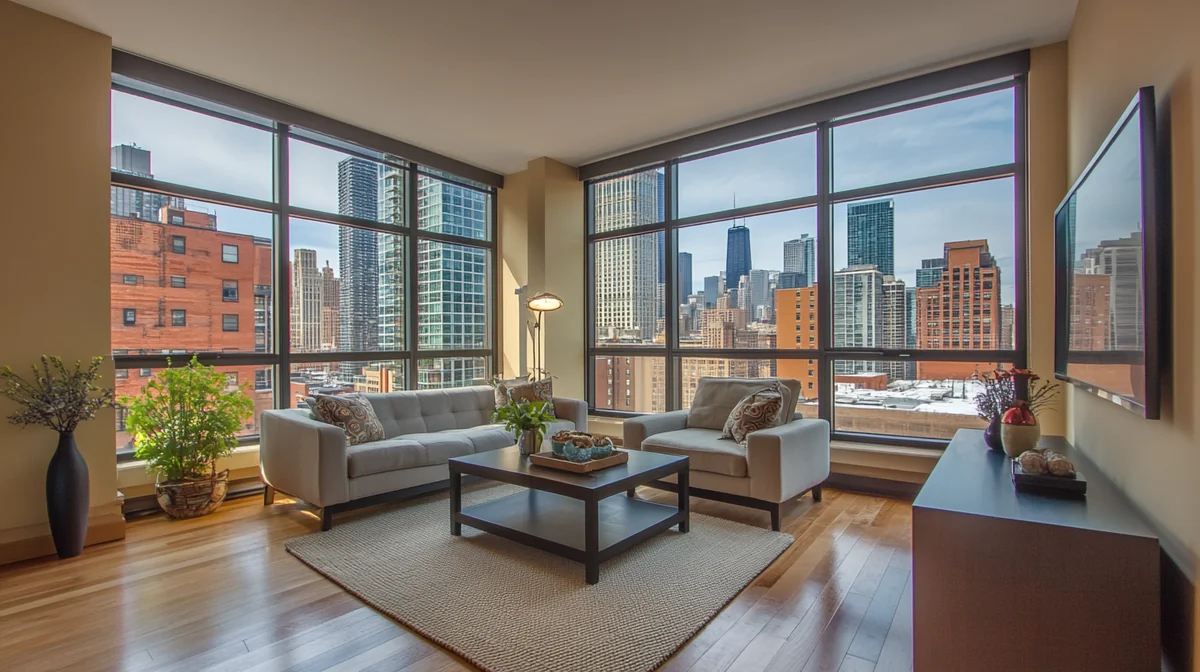
A few of the visual fingerprints we lean into when we shoot, brand and market a Chicago property — courtesy of the open Wikimedia Commons archive.
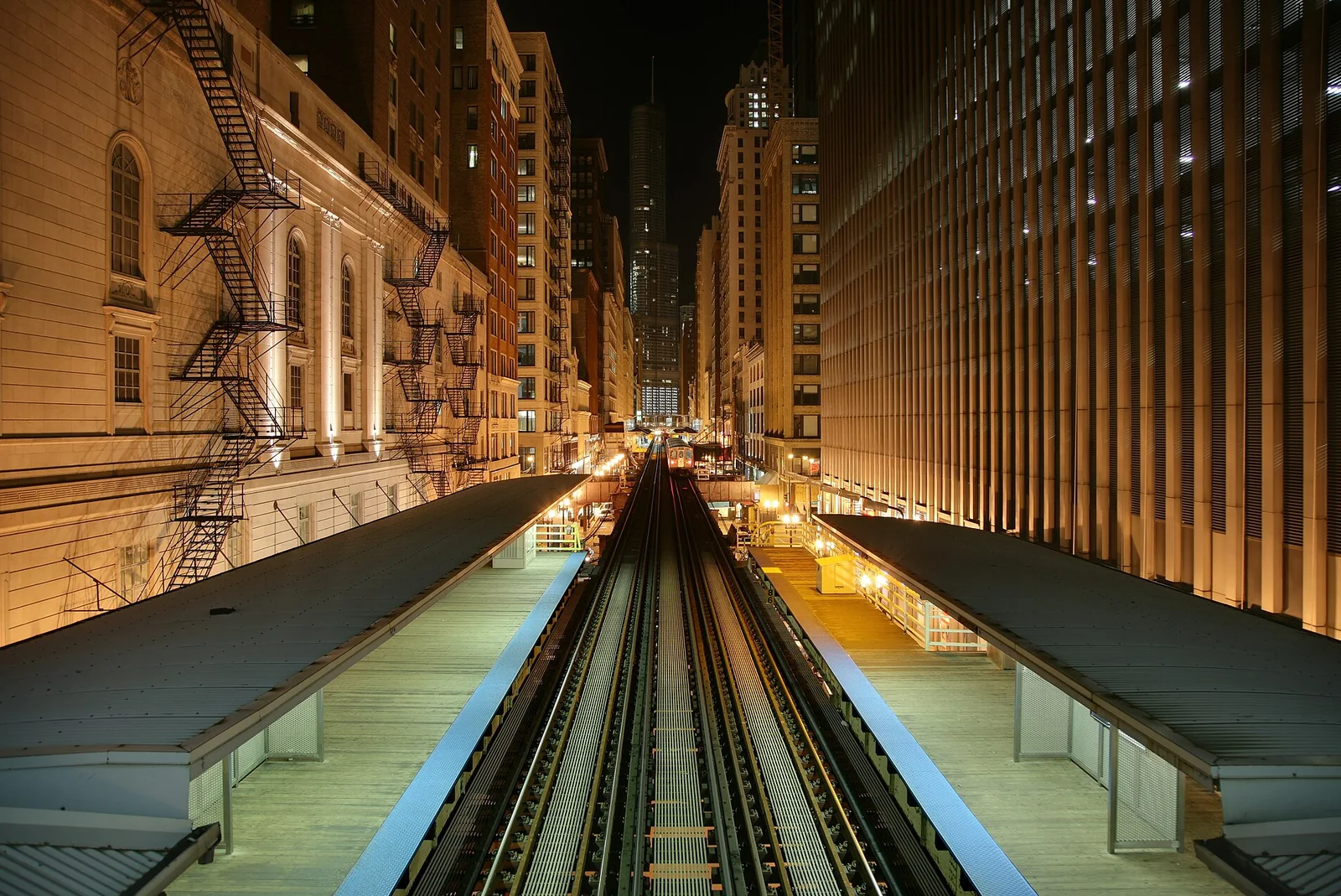
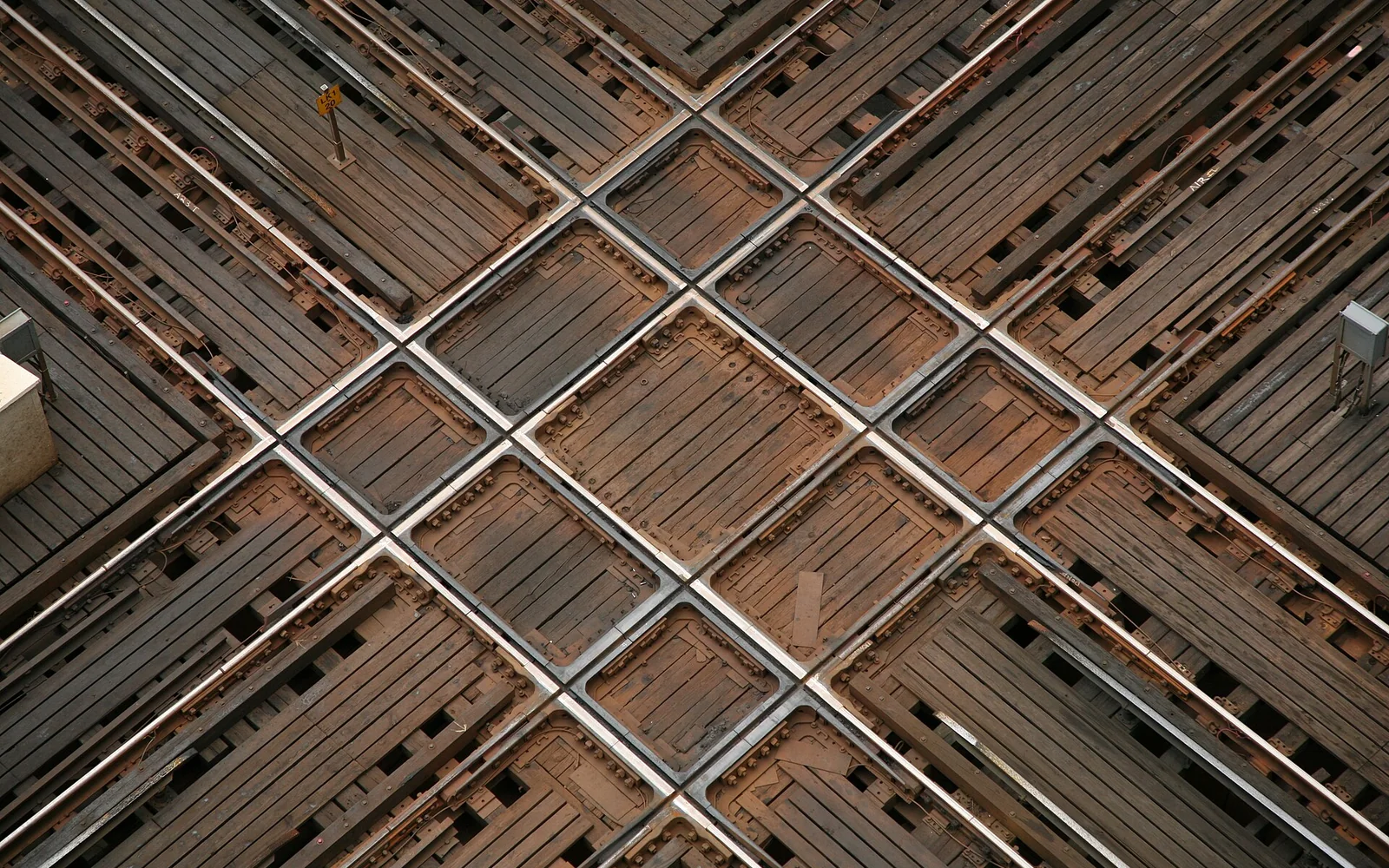
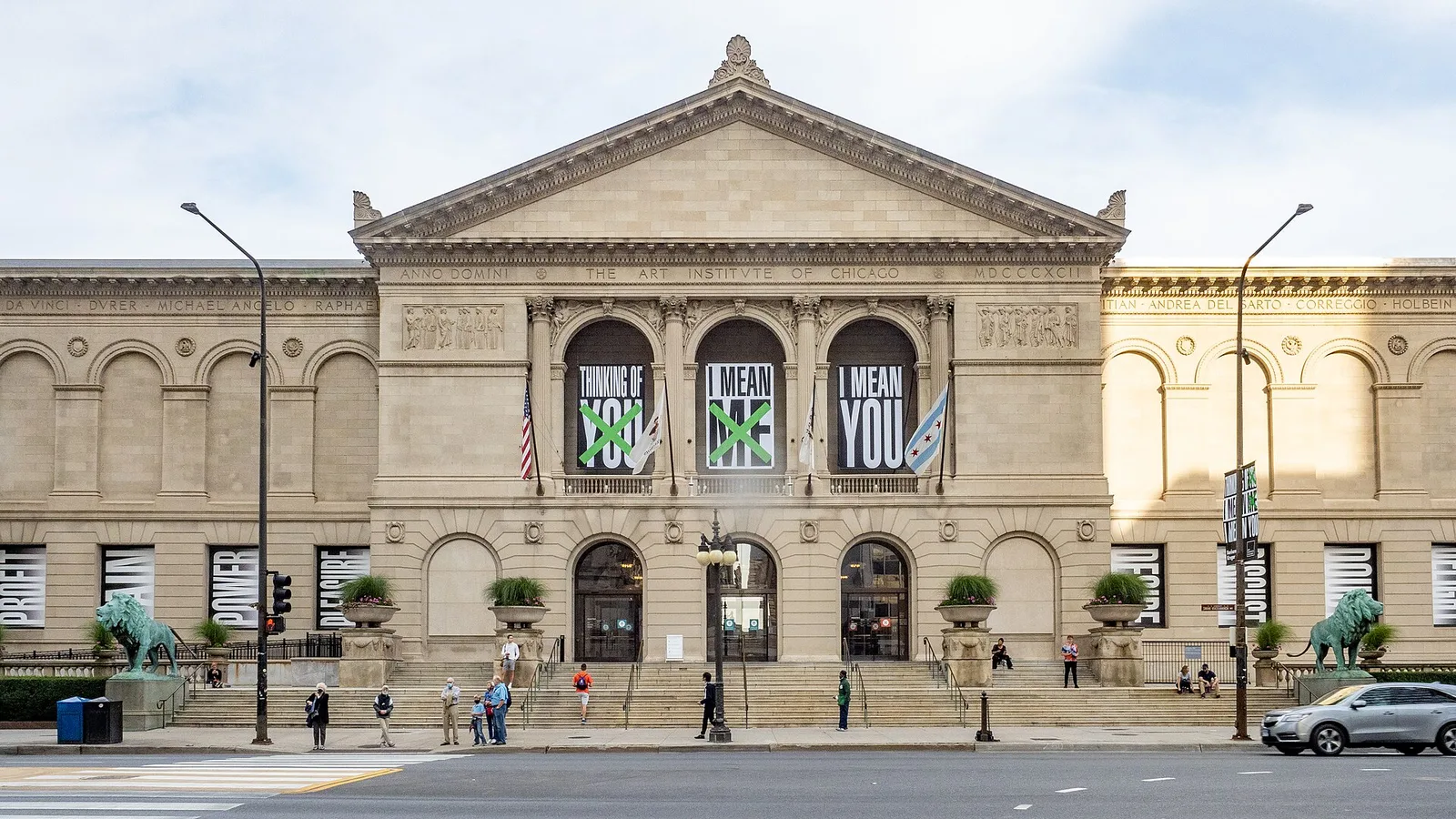
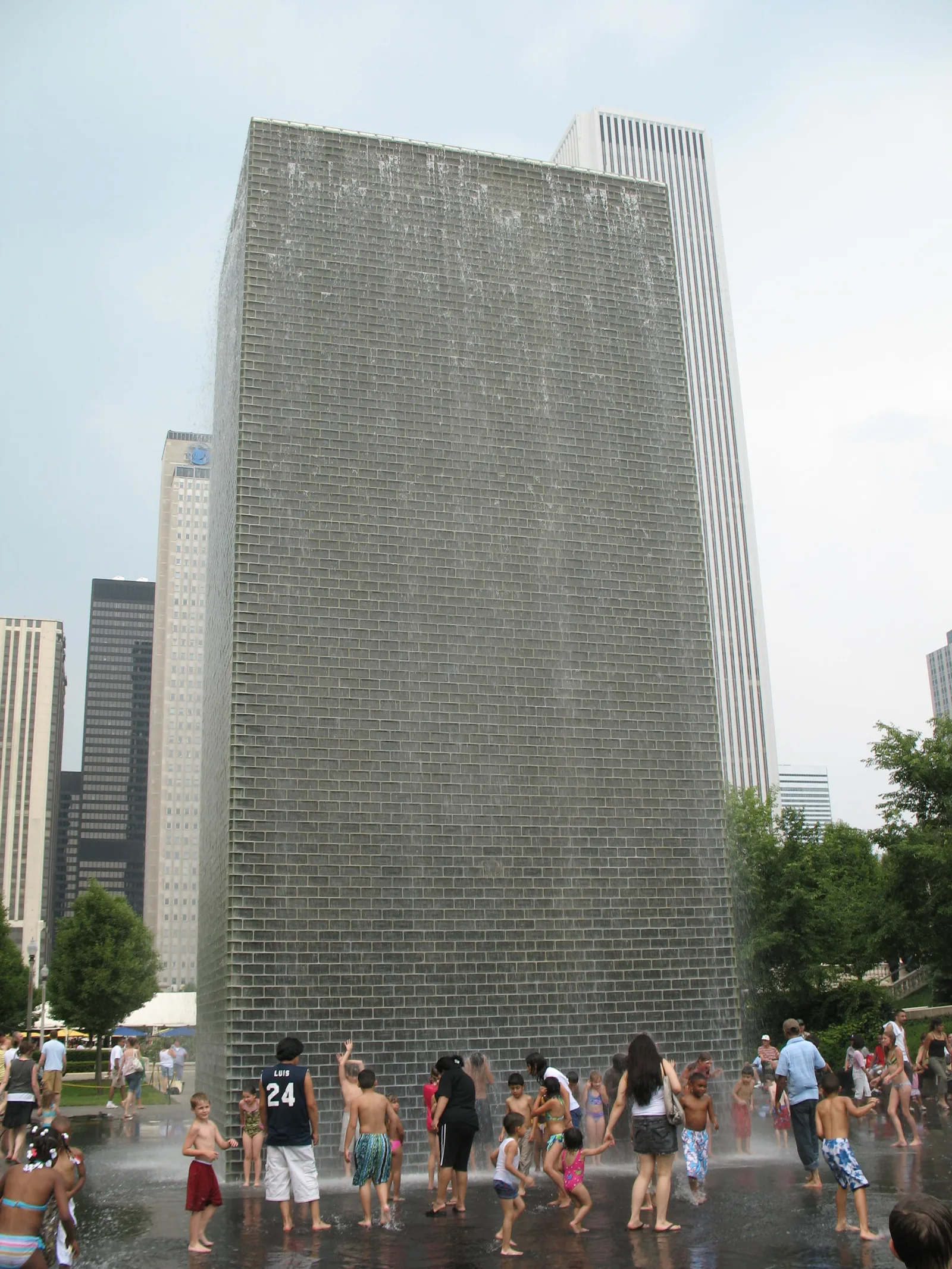
Cavmir positions Chicago properties for the guest who values authenticity and character — not just a convenient downtown location. We build listings that showcase neighborhood personality, architectural details, and the kind of guest experience that earns five-star reviews and repeat bookings.
Chicago's hospitality tradition begins with the 1871 Great Fire and the extraordinary rebuilding that followed. Architects Daniel Burnham and Louis Sullivan built the first generation of skyscrapers here, and the 1893 World's Columbian Exposition put Chicago on the world stage. Chicago has hosted two World's Fairs, and its position as America's rail and air crossroads made it a hospitality capital throughout the 20th century — the Palmer House (originally 1871) is America's longest continuously operating hotel. Short-term furnished housing in Chicago is nearly as old as the neighborhoods: the 1893 Fair drove the first wave of private-home guest hosting.
The platform-era Chicago STR market grew through the 2010s. Lincoln Park, Wicker Park, River North, and the Gold Coast emerged as the dominant STR neighborhoods. The 2016 Shared Housing Ordinance (amended multiple times since) created the current regulatory framework. Chicago's STR market is smaller per capita than New York's or LA's, partly by regulation and partly because the city's dense hotel inventory competes effectively.
Chicago STR pricing concentrates in the North Side lakefront corridor. The Gold Coast, Streeterville, River North, Lincoln Park, and Lakeview command the top tier. Wicker Park and Logan Square anchor the character-driven creative-traveler market. West Loop and Fulton Market serve the restaurant-tourism and corporate-travel segments. Summer (June–September) is strongly peak — lakefront access, rooftop culture, festivals. Winter is brutal and prices reflect it. The highest-value Chicago pricing move is capitalizing on convention and event weekends — Riot Fest, Lollapalooza, the Chicago Marathon, and summer home stands at Wrigley and Guaranteed Rate Field are major rate spikes.
Medium-to-high seasonality. Peak: June through early October. Super-peak: Lollapalooza weekend (early August), Chicago Marathon (October), and summer home-stand weeks at Wrigley Field. Winter: January through early March is genuinely weak. Convention center traffic provides year-round corporate-travel baseline. Thanksgiving and Christmas spike family-visit demand. The biggest missed revenue window is late October — mild fall weather, Cubs/White Sox post-season years, and under-priced by most owners.
Chicago operates under the Shared Housing Ordinance (first passed 2016, updated multiple times since). Registration with the city is mandatory. Single-Family Homes and many multi-unit buildings require a Shared Housing license; condominium units in buildings with 5+ units are subject to building-level regulation (many buildings are on the city's 'prohibited buildings list' where STRs are banned). Vacation rental licenses (a separate, stricter category for non-primary-residence whole-home rentals) have historical caps and are hard to obtain new.
Chicago's registration fee structure, 4.5% hotel-motel tax, and 6.25% Illinois state tax plus municipal/county lodging surcharges push total guest-collected taxes above 17% — among the highest in the US. The city's 'one-per-building' rule for condominiums (when an HOA hasn't pre-approved STRs) eliminates most condo STR inventory in desirable buildings. 2026 enforcement has intensified on unregistered listings, driven by platform data-sharing.
Chicago's most critical tip: verify the building before you verify anything else. Chicago's Prohibited Buildings List is public. Purchasing a Gold Coast or River North condo intending STR use, only to discover the building is on the list or the HOA banned STRs in 2022, is a common and expensive error.
Second — winter is not a lost season if marketed correctly. Chicago's theater, Michelin-starred restaurants, and museum scene are year-round. Listings that deeply feature indoor culture (specific restaurant recommendations, theater itineraries, architecture-tour routing) can hold rates in February when generic tourism-focused listings collapse. Third — invest in architectural photography. Chicago's architectural heritage is one of the city's biggest draws; listings that photograph buildings, views, and neighborhoods as actual subjects (not just interiors) differentiate in search. Fourth — sports-schedule pricing should be automated. Cubs and White Sox home stands, Bears, Bulls, and Blackhawks schedules should drive dynamic pricing automatically.
Chicago's challenges: building-level regulation complexity, Illinois's difficult state fiscal environment (property tax burden among the highest nationally), winter weather suppressing a third of the calendar, and competitive hotel inventory. Enforcement of the Shared Housing Ordinance is active, and a single complaint can trigger compliance review. Condo associations frequently litigate STR use even where buildings aren't formally prohibited.
Chicago STR insurance is comparatively affordable. Water damage (frozen pipes, roof leaks from heavy snow) is the dominant risk driver. STR-specific liability through standard national carriers. Budget $1,500–$4,500 annually for condos, $3,000–$7,000 for single-family. Loss-of-rental coverage important given winter risk of extended weather-related vacancies.
Illinois property tax is among the highest in the US — Cook County effective rates around 2.1–2.5% of market value. Illinois state income tax is 4.95% flat. Chicago hotel-motel tax 4.5% on stays under 30 days. Illinois state sales tax 6.25%. Cook County and local transit/tourism taxes add layers; total guest-collected lodging tax often exceeds 17%.
Conventional financing widely available. Chicago condo financing often depends on building occupancy ratios and reserves; declining-ratio concerns in some Downtown towers can affect condo mortgages. DSCR loans active for investment purposes. 20–25% down typical. High property taxes affect affordability calculations materially.
Chicago's short-term rental law has a quirk no other big city shares: before the city looks at you, it looks at your building. Under the Shared Housing Ordinance, an entire building can be placed on a Prohibited Buildings List that makes short-term renting illegal at that address no matter how compliant the individual host is — and by mid-2026 that list had grown past 2,400 buildings. So the first question in Chicago isn't "can I get a license," it's "is my building even eligible." Get that wrong and the permit, the photos and the pricing strategy are all moot.
Every legal short-term rental — any stay of 31 days or fewer — needs an approved Registration Number from the city, carried in the listing, with a fee around $250 a year on the 2026 schedule. Buildings with five or more units can request to be added to the prohibited list, and individual precincts have historically been able to vote their blocks off-limits too, which means eligibility can change around you. Owners must keep records for inspection and verify their zoning, because a residential-looking address can still sit in a zone or a building where the activity simply isn't allowed.
Chicago also stacks one of the heaviest lodging-tax loads in the country onto short stays — the base hotel accommodations tax plus a dedicated shared-housing surcharge on top, before county and state layers — so build the full effective rate into your pricing rather than discovering it at tax time, and confirm the current figure with the city. The enforcement mood has hardened, too: the city has taken booking platforms to court over compliance, and platform-data cooperation keeps tightening. In this market, a clean registration and an eligible building aren't box-checking — they're the difference between a durable listing and one that gets pulled.
The owners who get burned here almost always come from somewhere else. They buy a classic Chicago two-flat or a downtown condo on the assumption that any residential address can host — the way it works in a lighter-touch market — and only afterward discover the building is on the Prohibited List, the condo declaration forbids it, or the zoning doesn't allow it. By then the money is spent. The fix is unglamorous and non-negotiable: run the eligibility check as a purchase contingency, not a post-closing surprise. Pull the building's status from the city's data portal, read the condo or homeowner declaration line by line, and confirm the zoning before you remove contingencies. In Chicago the right to short-term rent travels with the building and the block far more than with the owner, so the diligence has to happen before the keys change hands — not after the furniture arrives.
Chicago runs on a compressed calendar. The winter is real and it's long, which means the warm months carry the year — and the operators who understand just how front-loaded that demand is price very differently from the ones who spread a flat rate across twelve months and wonder why summer felt cheap and February felt empty.
Lollapalooza in early August is the single loudest week of the year — Grant Park fills, downtown and the near-north neighborhoods sell out, and the properties that book it are listed and priced months ahead. Around it sits a dense summer-festival season, plus McCormick Place, the largest convention center on the continent, feeding a steady midweek corporate base from spring through fall. Sports never stop: Cubs and White Sox baseball from spring into October, then Bears, Bulls and Blackhawks through the cold months. The Chicago Marathon in October and the NASCAR street race add their own sharp spikes, and even St. Patrick's Day — when the river turns green — pulls a genuine travel weekend in March.
The quiet money in Chicago sits in the shoulders — the back half of May and the stretch from mid-September into late October. The weather is genuinely good, the lakefront and the parks are at their best, the crowds have thinned, and yet most hosts leave summer's rate up too long on one side and drop to winter pricing too early on the other. Those weeks carry real, nameable demand: the Chicago Marathon and its enormous out-of-town field, peak convention season at McCormick, football Sundays, and the fall-color leaf-and-architecture tourism the city quietly excels at. An operator who prices the shoulders on purpose — holding firm through the marathon, riding the September convention wave — captures a month of near-peak revenue that the flat-rate crowd gives away every single year.
Treat the summer festival and convention dates as individually priced events, not season averages — Lollapalooza and a big McCormick show should never share a rate with an ordinary July midweek. Use the long winter deliberately: it's the natural window for the mid-length corporate and medical-relocation stay (Chicago's hospital systems and universities run year-round), for direct-booking campaigns to repeat guests, and for the maintenance and refresh that keeps you ready for the compressed high season. The city rewards operators who accept the shape of its year instead of fighting it.
Chicago is a city of famously distinct neighborhoods, and each one draws a different traveler at a different price. "Downtown Chicago" on a listing wastes the single strongest thing you have to sell. Here is how Cavmir reads the map before writing a word — because in Chicago the neighborhood is the pitch, and the building eligibility is the gate.
Walk to the Mag Mile, the river and the museums. The first-time-visitor and event guest lives here — but so do many prohibited-list buildings, so eligibility is the first check, not the last.
Convention and corporate demand, walkable to McCormick shuttles and the theaters. Prices on the midweek business calendar. Sells access and the skyline view over neighborhood character.
The hip, walkable Chicago — music venues, boutiques and the six-corner energy. Younger independent travelers who want the real city. Editorial copy and neighborhood detail win here.
Restaurant Row and the design-forward converted-warehouse aesthetic. Draws the food-tourism and corporate-visit guest. Sells the address and the walk to the city's best tables.
Leafy, upscale and family-friendly — the zoo, the lakefront and the brownstone charm. Longer, calmer stays and repeat visitors. Space and quiet outsell nightlife proximity.
The top of the market — historic mansions, lakefront and quiet money. The luxury and anniversary guest, sold on address and discretion. Photography and restraint do the selling.
The University of Chicago, the Obama Presidential Center and museum draws. Academic visitors, parents and the culture traveler. A steadier, less event-driven base on the South Side.
Cubs game days, the lakefront and a lively young-professional scene. A baseball-calendar rate machine April through October. Sells the ballpark walk most owners forget to price.
Chicago rewards operators who do the eligibility work first and the interior-design work second. Before you commit, confirm the building isn't on the Prohibited List, confirm the zoning allows the activity, and confirm no precinct or condo restriction quietly forbids it — then register for your number and set up tax collection. Owners who reverse that order furnish a beautiful unit only to learn the address can never legally host, which is the most expensive lesson this market hands out and one it hands out often.
Because winter is long and summer is loud, Chicago pays operators who run two playbooks. In the warm months, price the festivals, conventions and ballgames as individual events and hold firm — demand is there. In the cold months, pivot the same unit to the mid-length corporate, medical and academic stay, where the hospitals and universities supply steady 30-plus-night bookings that carry the calendar. Build direct booking through it all, because in a market where a building's eligibility can change, a repeat-guest relationship is the most durable inventory you own.
The details that cost you here are seasonal and structural. Winter means heat that works, snow-and-ice liability on walks and steps, and listing photos that don't promise a lakefront summer in January. The tax load is high enough to erase a thin margin if you forget to price it in. Parking is scarce and often paid, so document it precisely. And condo boards and the prohibited-list mechanism mean your right to host can be voted away — stay in good standing with the building, because in Chicago the neighbors are part of your license.
Chicago's margins are thinner than the nightly rate suggests, and the operators who thrive here price the whole cost stack from day one. The lodging-tax load is among the heaviest in the country, so every quoted rate has to carry it before profit. Condo buildings add special assessments that can arrive without warning, winter means a heating bill and a snow-removal contract that a Sun Belt owner never budgets for, and insurance runs higher for a cold-climate, short-term-occupancy property. None of it is a reason to avoid the market — Chicago's peak demand is genuinely strong — but a proforma built on July's rate and none of December's costs is how a promising listing quietly loses money. Run the annual math, not the summer math, and price the year you'll actually operate.
Chicago through 2027 and beyond sees continued regulatory tightening but stable demand fundamentals. The Prohibited Buildings List is expected to grow. Illinois property-tax reform remains a political uncertainty. 2026 federal investments in EV manufacturing and tech corridors support corporate travel. NFL Draft 2027 (Chicago hosted 2024) and speculation around a new Bears stadium will create punctuated rate opportunities. Expect the city to tighten on unregistered listings and potentially expand building-level opt-out provisions.
Chicago is the most architecturally literate American city, and the marketing opportunity is enormous for listings that treat the architecture as a feature rather than a background. The skyline is a brand asset; the neighborhoods are genuinely distinct; the light changes with the season in ways that reward seasonal photography. Wicker Park, Logan Square, Lincoln Park, West Loop, River North, Hyde Park — each one has a specific guest profile and a specific visual language. A listing that names its neighborhood and photographs its block is already miles ahead of the generic "downtown Chicago" framing most competitors default to.
What we love about marketing here is the paradox of the seasonal market. Summer is obvious — festivals, lakefront, patios, the tourist inflow. Winter is where the marketing work actually pays. The Chicago host who can make January feel inviting — interior warmth, Christkindlmarket, museum itineraries, theater-district proximity — captures a booking window every competitor ignores. The best Chicago marketing we do is four-season editorial that treats weather as a brand asset, not a liability.
The picks Cavmir recommends for Chicago welcome books — a mix of local-only institutions and the obvious landmarks, framed with insider timing.
Sawada in West Town for the quiet morning; Intelligentsia Millennium Park for the downtown walk. Lost Larson in Andersonville for Scandinavian pastry worth the detour.
The skyline-reflected-in-the-lake shot. Best one hour before sunset. Walkable from museum campus. The photograph most Chicago guests believe they invented.
The 606 elevated trail connects two of Chicago's best neighborhoods. Bars, bookshops, record stores, a working-city authenticity.
Au Cheval for the cheeseburger with the 90-minute wait that's still worth it; Giant in Logan Square for neighborhood new-American; Kumiko for omakase-level cocktails.
Chicago's signature sandwich argument. A host with a preferred spot sounds local. Recent pop-culture attention made both newly relevant to out-of-town guests.
Best Chicago weeks of the year. Lakefront still warm, marathon weekend, Oktoberfest, the architectural-boat-tour season ends. A window most hosts underprice.
One hour by South Shore train. A different landscape entirely. A Chicago trip that includes the Dunes reviews better than a Chicago trip that doesn't.
The CTA is the answer to most Chicago transit questions. A printed one-page guide and a loaner-umbrella-bin by the door wins reviews.
Representative Cavmir engagements in Chicago. Property identifiers removed; numbers composited from internal analytics and AirDNA benchmarks.
Premium condo in a building with 30+ listings. ADR tracking $50 below comparable West Loop inventory. Photography was competent but failed to differentiate.
Rebuilt around the West Loop food-and-design identity. Photography included the Fulton Market restaurant-row walk, the rooftop patio at blue hour with the Willis Tower in frame, the interior re-styled with design-publication-quality production. Distribution added food-tourism partnerships with two restaurant concierge services.
ADR climbed 29%. Occupancy moved from 68% to 84%. Food-tourism bookings — weekend stays explicitly built around restaurants — grew to a measurable revenue segment.
Historic architectural property whose marketing flattened its character. Competing against generic new-build listings and losing on photography alone.
Full architectural-editorial rebuild. Historical-research produced a welcome-book booklet on the greystone era. Photography emphasised the original woodwork, the garden, the specific Logan Square boulevard. Pitched to a Chicago design publication and landed a feature.
ADR climbed 36%. Guest profile shifted to longer-stay design-tourism visitors. Peak-month revenue grew 51% year-over-year.
Standard downtown loft marketed for weekend tourists. Midweek occupancy under 50%. Competing on price in a market where price competition is a losing strategy.
Segmented into distinct weekday (corporate-traveller) and weekend (city-explorer) listings with calibrated photography, copy, and pricing for each. Corporate partnership with three Chicago-based consulting firms for regular-traveller direct bookings.
Midweek occupancy moved to 79%. Corporate-direct share reached 42% of weekday revenue. Weekend ADR held while midweek ADR climbed 38%.
Demand in Chicago peaks around June through October and runs quietest around January through February. Here is how the year actually books — and what to do about each stretch of the calendar.
Chicago's peak runs June through October — summer festivals, lakefront weekends and ballpark dates roll straight into September and October's convention and marathon season without a real dip. Rates hold when the listing looks sharp and the pricing moves with the event calendar. Be fully dialed by May: photography, minimum stays and event-aware rates set before Memorial Day carry you for five months.
April, May, November and early December are the workable in-between. Spring warms up with baseball and graduation weekends, while the holidays bring Christkindlmarket visitors and family travel around Thanksgiving. Midweek business and medical stays keep these months moving if your listing speaks to them — a workspace, self check-in and honest transit directions.
January and February are genuinely quiet, and pretending otherwise burns money. Chase longer stays — traveling professionals, medical stays, relocation scouts — with long-stay-friendly pricing, and use the freeze for photo refreshes and copy updates. One exception worth watching: big winter conventions can light up specific midweek dates, so don't flatten your pricing entirely.
Marathon weekend and Lollapalooza fill months ahead, the moment registrations and lineups land. Summer weekends book one to two months out, while business, sports and winter stays move inside a few weeks. Practically: be polished and priced by early spring, and never assume a quiet-looking calendar is done — Chicago's short-window demand is constant.
The core is a two-to-four-night city stay, with midweek business bookings running shorter and festival weekends booking as tight three-night blocks. There's a real long-stay segment — medical, corporate and relocation — that rewards listings priced and equipped for a week or more, especially in winter.
The Chicago winner is a two-or-three-bedroom condo or greystone flat in a walkable neighborhood near an L stop — West Loop, Wicker Park, Lincoln Park, Lakeview, Logan Square — that photographs with character: brick, light, a decent porch or deck. Downtown high-rises compete on price against hotels; neighborhood character is something a listing can own. A clear parking answer, even honest street-parking guidance, removes the biggest hesitation for drive-market guests.
Market the neighborhood, not just the unit: guests shop Chicago by area, so name yours in the title, lead with what it feels like to stay there, and give honest transit and parking answers up front. Price with the event calendar — marathon weekend, Lollapalooza, big Cubs series — instead of flat seasonal rates. Then add the compounding layer: a Google Business Profile for map searches and a direct-booking site for repeat business and group traffic. That's the stack a marketing agency like Cavmir builds, and in a market this competitive the fundamentals are the edge.
June through October is one long peak: summer festivals and lakefront tourism hand off to September and October's conventions and the marathon. December keeps a pulse thanks to holiday travel and the Christkindlmarket. January and February are the quiet months, best served by longer stays.
Marathon runners and Lollapalooza groups book months out, as soon as their plans lock. Ordinary summer weekends fill one to two months ahead, and business, sports and winter stays move inside a few weeks. Keep the listing polished early and the pricing responsive late — both windows matter here.
The drive market is the whole Midwest — Milwaukee, Indianapolis, St. Louis, Detroit, Minneapolis and Madison all feed weekends and event dates. Fly-in guests arrive from every major metro through O'Hare and Midway, with the coasts and Texas well represented in summer. Ads pointed at the Midwest around events tend to be the efficient spend.
Fast wifi, a real workspace and self check-in carry the midweek business base that keeps calendars moving outside summer. In-unit laundry and air conditioning are expected by the family and festival crowd, and a clear parking answer — a spot or genuinely useful street guidance — decides drive-market bookings. Pet-friendliness widens the net in a city where much of the competition still says no.
Run your Airbnb, Vrbo, or website through Cavmir's free grader. It checks the things that decide whether guests book in Chicago — photos, listing copy, page speed, local search — and shows you where bookings leak. Takes about a minute, and there's no sales call attached.
If the report says your booking engine is the weak link, that's fixable: a direct-booking website of your own means repeat guests stop paying platform fees to come back to you. That's the work Cavmir does — see Airbnb website design in Chicago.
Send us the listing and we'll tell you what we'd change. Not a pitch deck — a straight read on your photos, your title, your rates against the Chicago comp set, and whether a direct-booking site would pay for itself.
You'll hear back from a person, usually inside one business day. If we don't think we can move your numbers, we'll say so. Cavmir is a short-term rental marketing agency — we position and market properties, we don't manage them.
Talk to Cavmir today. We'll show you exactly what your Chicago property is leaving on the table — and how fast we can change that.
Book a Free Strategy CallPhotography via Wikimedia Commons (images resized and cropped): CTA Night by Daniel Schwen (CC BY-SA 4.0) · CTA Loop Junction Detail by Daniel Schwen (CC BY-SA 4.0) · Art Institute of Chicago, Illinois, Estados Unidos, 2012-10-20, DD 01 by Diego Delso (CC BY-SA 3.0) · Skyline de Chicago desde el centro, Illinois, Estados Unidos, 2012-10-20, DD 06 by Diego Delso (CC BY-SA 3.0).
