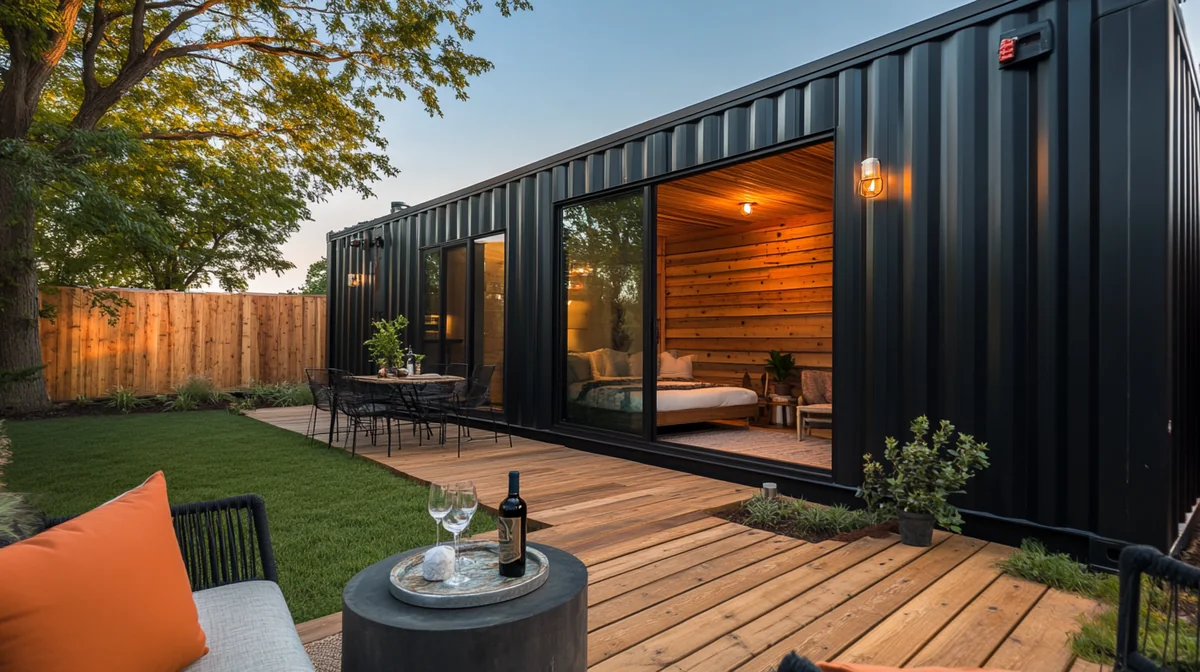
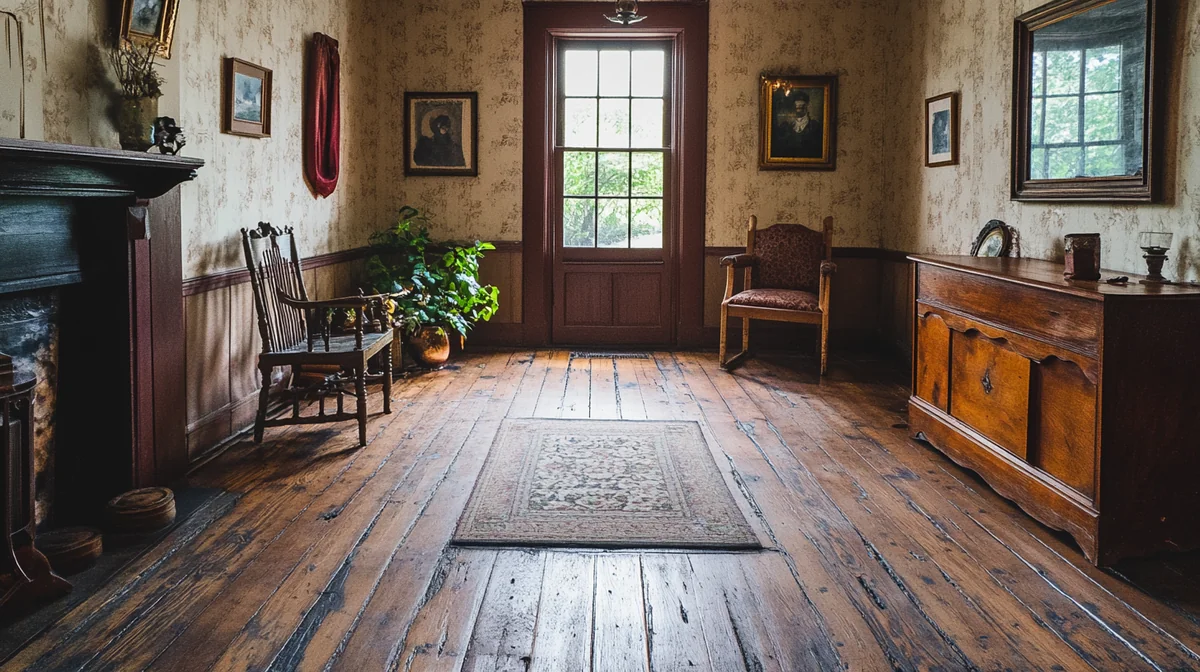
Themed and designer properties — mid-century modern time capsules, Art Deco apartments, disco-themed villas, architect-designed statement homes — represent the highest-rate, highest-occupancy segment of STR hospitality. When the theme is executed well, these properties generate their own marketing: guests photograph, share, and recommend them at rates unknown in other categories. The challenge is executing well enough to earn the organic marketing.
Cavmir works with themed properties from Palm Springs mid-century homes to Lisbon Art Deco apartments to Austin futurist statement builds. The pattern is consistent: properties that commit fully to a specific aesthetic and design era significantly outperform properties trying to appeal to everyone. Theme fidelity is the product.
How Themed Property Marketing Is Different
Themed property marketing operates on a fundamentally different principle than generic STR marketing: the property becomes the marketing. When a property is genuinely distinctive, guests create content that markets it. The marketing challenge isn't generating attention — it's channeling the attention into bookings.
Practically, this means themed property marketing in 2026 focuses on three things. First, a named, branded identity with a specific design point-of-view. 'The Flamingo House,' 'Casa Futurista,' 'The Dwell' — naming the property reinforces brand memorability and shareability. Second, Instagram-first distribution with an active account that shares guest-generated content alongside brand content. Third, a direct-booking site designed like the theme itself — the website experience should feel like the property's design, creating immediate brand resonance.
The marketing also has to resist dilution. Themed properties are tempted to add generic amenities or neutral decor to 'broaden appeal' — this always backfires. A mid-century modern property should lean deeper into mid-century modern, not add a beige sofa to appeal to more travelers. Theme fidelity attracts the right guests; theme dilution attracts bargain hunters.
Best Marketing ROI for Themed Properties in 2026
The highest-ROI investment for themed properties is high-production editorial and video content showcasing the theme. Not wide-angle real estate photos, but design-editorial coverage that treats the property like a Dwell or Architectural Digest feature. Budget $3,000-$7,000 for the initial shoot; the content becomes the brand asset driving bookings for 3-5 years.
After content, Instagram and TikTok organic content drive outsized returns. Themed properties are inherently social-media native — posts featuring specific design moments (the conversation pit, the curved staircase, the period wallpaper, the designer lamp) routinely go viral in design communities. A consistent 4-6 posts per week cadence on Instagram plus Reels can build a 50,000+ follower brand within 24 months, generating direct-booking inquiries at negligible marginal cost.
Editorial press in design publications (Dwell, AD, ELLE Decor, Wallpaper*, Domino) drives outsized returns for distinctive themed properties. Inclusion in 'best themed Airbnb' roundups or individual features drives bookings for 12-24 months. Target specific publications with thoughtful media kits — editor relationships matter more than mass pitching in this category.
Who Books Themed Properties in 2026
Themed property guests are self-selecting around the specific aesthetic, creating ideal guest-property fit.
Design-enthusiast couples and groups (28-55 age range) book themed properties for the visual experience and social content opportunity. They pay significantly above market rate for specific aesthetics, stay 2-5 nights, and generate social content that markets the property. This is the core segment and the one the marketing should target primarily.
Photography-driven group bookings (28-40 age range, groups of 4-10) book themed properties as photoshoot locations and group experiences. Bachelorette parties, friend reunions, and creative retreats all favor themed properties over generic rentals. They book the whole property for 2-3 nights at premium rates.
Industry professionals (designers, brand creators, creative directors, 30-50) book themed properties both for leisure and professional inspiration. They're valuable because they're influential and articulate — their reviews, social posts, and professional recommendations drive meaningful booking flow from their networks.
Themed Property Seasonality
Themed properties have unusually low seasonality because the appeal is weather-independent. A great mid-century home in Palm Springs is interesting in every season — the pool in summer, the fireplace in winter, the sunsets year-round. Themed properties often achieve 65-80% annual occupancy vs. 45-60% for generic rentals in the same markets.
The marketing advantage translates to less shoulder-season stress. Rather than cutting rates or scrambling for off-peak demand, themed properties typically maintain rates year-round with minor seasonal adjustments. Palm Springs mid-century homes, for example, barely discount during July-August heat despite neighboring generic rentals cutting 30%+.
The opportunity for themed properties in shoulder season is event-specific marketing. Palm Springs Modernism Week, Miami Art Week, Austin Design Week, Lisbon Design Biennale — each of these drives major spike demand for themed properties in those markets. Marketing aggressively during these events (at significantly elevated rates) fills calendar periods that wouldn't otherwise peak.
Themed Property Economics
Themed property economics are unusually strong due to the combination of premium rates and above-average occupancy. Net margins in the 30-50% range are typical for well-marketed themed properties in 2026 — among the highest in STR.
Capital investment is the critical variable. Themed properties require significant upfront design investment (period-appropriate furnishings, custom elements, distinctive art) that generic rentals don't. A proper mid-century modern build-out might require $40,000-$120,000 in furnishings and design elements beyond the property cost. This investment pays back quickly through rate premiums but requires patience for early cash flow.
Maintenance costs can be higher for themed properties because distinctive elements (custom furnishings, period-specific fixtures, unique finishes) are harder and more expensive to replace. Budget 8-12% of annual revenue for capital maintenance — higher than generic rentals but justified by the rate premium earned.
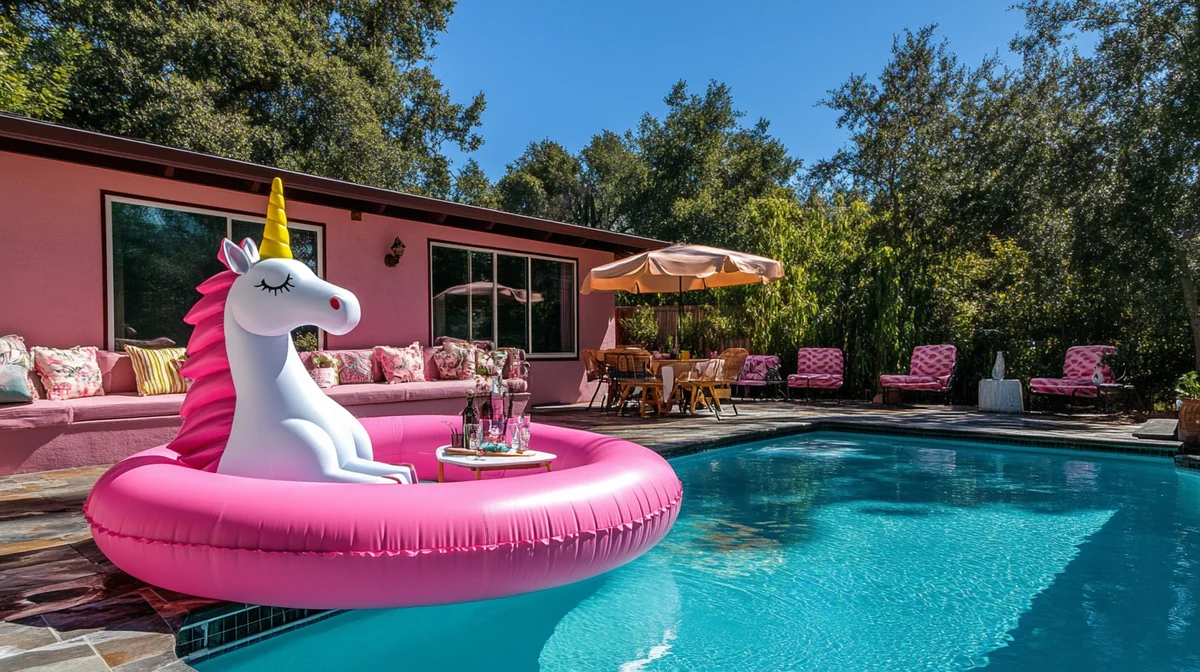
Top Global Markets for Themed & Designer Properties
Themed property markets cluster in design-conscious cities with strong creative communities and appreciation for distinctive architecture. Palm Springs leads globally for mid-century modern; emerging markets like Copenhagen and Lisbon offer design-forward opportunities with less competition.
- Palm Springs, California
- Joshua Tree, California
- Austin, Texas
- Los Angeles, California
- Lisbon, Portugal
- Copenhagen, Denmark
- Tokyo, Japan
How Cavmir Works With Themed & Designer Properties
Cavmir markets themed properties by treating them as design brands. Our 12-step system for this category emphasizes: editorial-quality photography and video, a named property identity with distinct voice, Instagram and TikTok-first distribution with design-community engagement, design press strategy, direct-booking site designed as extension of the theme, and event-specific marketing during design weeks and industry events.
Themed property clients typically see the most dramatic results in the Cavmir portfolio — 40-70% rate increases and substantial booking growth as the brand builds social presence. Many themed properties shift to 50%+ direct bookings within 18 months as their Instagram and direct-booking site mature.
What It Takes to Hit 4.9+ Ratings on Themed & Designer Properties
Themed property ratings reward theme execution and punish inconsistency. What drives 4.9+ ratings:
- Theme fidelity throughout — no jarring modern elements breaking the aesthetic. Every visible element should fit the theme. A mid-century modern home with a contemporary IKEA dining set cuts ratings substantially. Commit fully or don't commit.
- Hidden modern functionality. WiFi, modern kitchen appliances, reliable climate control, modern bathroom fixtures — these must function at contemporary standards while staying visually consistent with the theme. This is a design challenge but non-negotiable.
- Thoughtful welcome materials that explain the property's design. A printed guide explaining the architectural era, the designer (if applicable), and specific design elements deepens guest appreciation. Guests who understand the design write more enthusiastic reviews.
- Outdoor space that extends the theme. Pool area, patio, garden — each should continue the design language. A mid-century modern home with a generic backyard breaks immersion. Budget for theme-consistent outdoor design.
- Curated lifestyle amenities that match the theme. Period-appropriate cocktail glasses, era-specific coffee table books, thematic music playlists, signature welcome touches. These small investments drive outsized review language about 'thoughtfulness' and 'attention to detail.'
Frequently Asked Questions
What owners, operators, and prospective buyers ask us about this property type — answered with 2026 data.
What makes a themed property work in 2026?
Theme fidelity and quality execution. Generic 'themed' properties with superficial touches underperform. Properties that fully commit to a specific era, designer, or aesthetic — with period-appropriate architecture, furnishings, art, and ambient details — command premium rates and generate strong organic marketing. Half-commitments don't work in this category.
What are the best-performing property themes in 2026?
Mid-century modern remains the top-performing theme globally due to broad design-aesthetic appeal. Other strong themes: Scandinavian minimalist, Art Deco, Japanese wabi-sabi, brutalist modernism, 1970s maximalist, and period restoration (Victorian, colonial, etc.). Niche themes (disco, space-age, specific designer homage) work when executed at high quality.
How much should I invest in theming a property?
15-30% of property purchase price for comprehensive theming — furnishings, art, period-appropriate fixtures, architectural details if retrofitting. Under-investment produces diluted theming that doesn't justify premium rates. The investment pays back through rate premiums within 18-36 months for well-marketed themed properties.
Can I theme an existing property or do I need to build new?
Existing properties work well, often better than new builds. A restored 1950s home is more authentic than a new-build mid-century-style home. Look for properties with good architectural bones in the target era that need furnishings and decor updates rather than structural changes. Pre-themed architecturally-appropriate properties are the best investment opportunities.
What's the biggest risk of themed property investment?
Theme dating. Some themes have durable appeal (mid-century modern, classical); others are tied to specific design moments that may feel dated in 5-10 years (ultra-contemporary trendy minimalism, specific 2020s aesthetics). Choose themes with historical precedent and durable appeal to protect against trend risk.
How important is social media for themed property marketing?
More important than for any other STR category. Themed properties are inherently Instagram-native, and a dedicated property Instagram account routinely generates 30-60% of direct bookings. Invest in consistent social content from launch — themed properties without social presence significantly underperform their potential.
What's the right location for a themed property?
Design-conscious markets with existing themed-property culture: Palm Springs for mid-century, Austin for eclectic, Lisbon for European character, Tokyo for Japanese design. Markets with active design communities and design-tourism infrastructure support themed property investment best. Remote or design-indifferent markets struggle to support premium rates.
Do themed properties need professional interior designers?
For serious themes, yes. A specialized designer with expertise in the specific era or aesthetic produces substantially better results than generic hospitality design. Budget $8,000-$30,000 for a complete interior design engagement; the rate premium earned pays back the investment within 12-24 months.
How do themed properties handle maintenance and refresh?
More carefully than generic rentals. Period-appropriate items can be harder to source or repair, and damage to distinctive elements matters more visually. Budget for higher maintenance costs (8-12% of revenue vs. 5-8% for generic), source key items through specialty vintage dealers, and maintain relationships with restoration specialists in your region.
What's the biggest mistake themed property owners make in 2026?
Under-committing to the theme to 'broaden appeal.' Properties that dilute their theme with beige furnishings or generic amenities confuse the marketing and attract wrong-fit guests who leave disappointed reviews. The themed property playbook is to go deeper into the theme, not broader — extreme commitment to a specific aesthetic outperforms balanced generic appeal every time.