

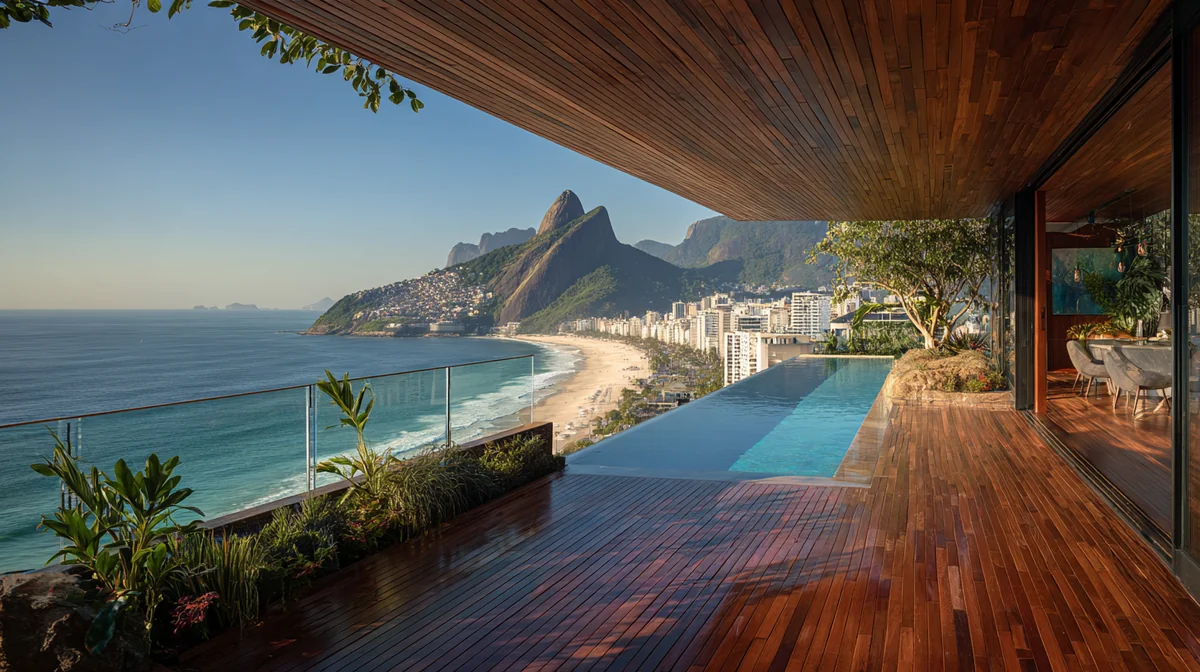

Estate Prestige
Old Las Palmas
The city's grandest address — walled estates and Hollywood history. The luxury and celebration guest who wants pedigree and privacy. Sold on the name and the architecture, priced at the top of the market.

Expert short-term rental marketing to grow your bookings and nightly rate in Palm Springs, California, USA.
Sixteen services, one team. Everything below is built in-house and scoped to your property and market. Most owners start with the 12-Step System.
Every engagement is quoted to your portfolio. These are the ready-made scopes owners pick most — our Fall Special (55% off list or more) is already applied to the website, King Broker, Hotels and à la carte scopes. A clear proposal within 48 hours.
The work is public. Selected engagements and what changed — and reviews from the owners and managers behind them.
* Market averages from AirDNA and STR market reports. A single home's numbers depend on its size, its location and how it is marketed.
Cavmir is an Airbnb marketing agency. We build the brand, the direct-booking website and the marketing for short-term rentals in Palm Springs.
Palm Springs is the desert design capital of America. Mid-century modern architecture, celebrity heritage, year-round sunshine, and a vibrant arts and culture scene have made it one of the most photographed destinations in California. The Coachella Valley's signature aesthetic — clean lines, private pools, mountain views, and golden desert light — is endlessly aspirational to the design-conscious traveler.
Palm Springs STR market peaks in the cooler months (October–May) and during Coachella and Stagecoach music festivals. Summer rates drop but occupancy holds for properties with strong pools and privacy. Mid-century and architecturally distinctive properties command significant premiums over generic listings.
Nearby Markets: Los Angeles | San Diego
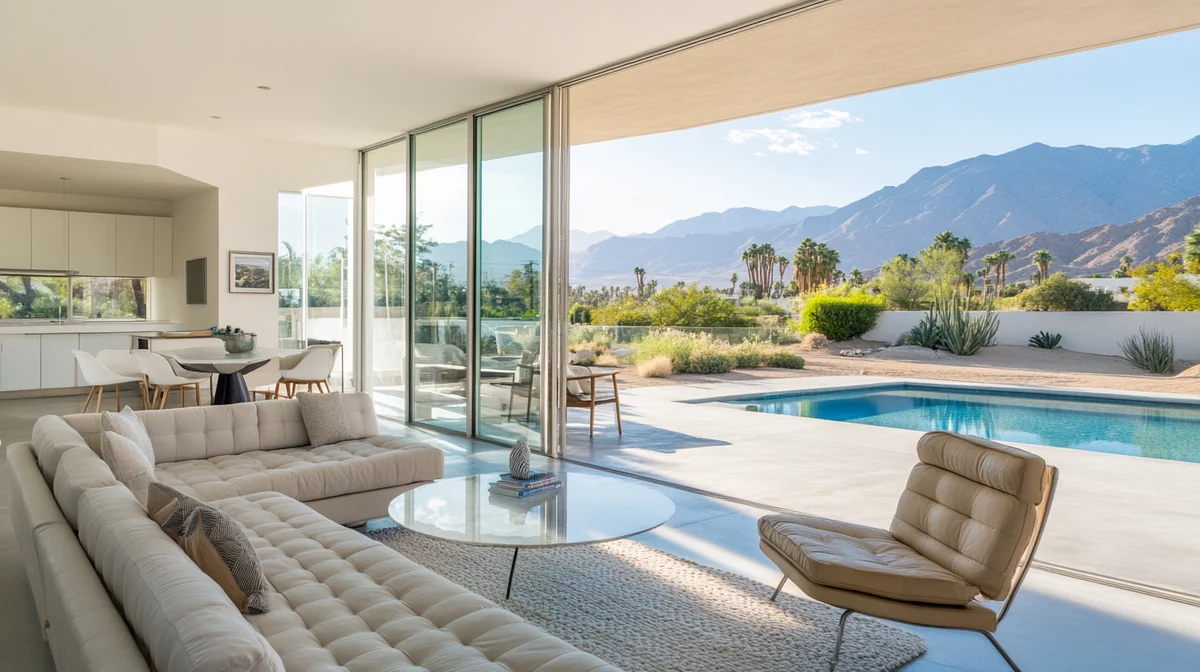
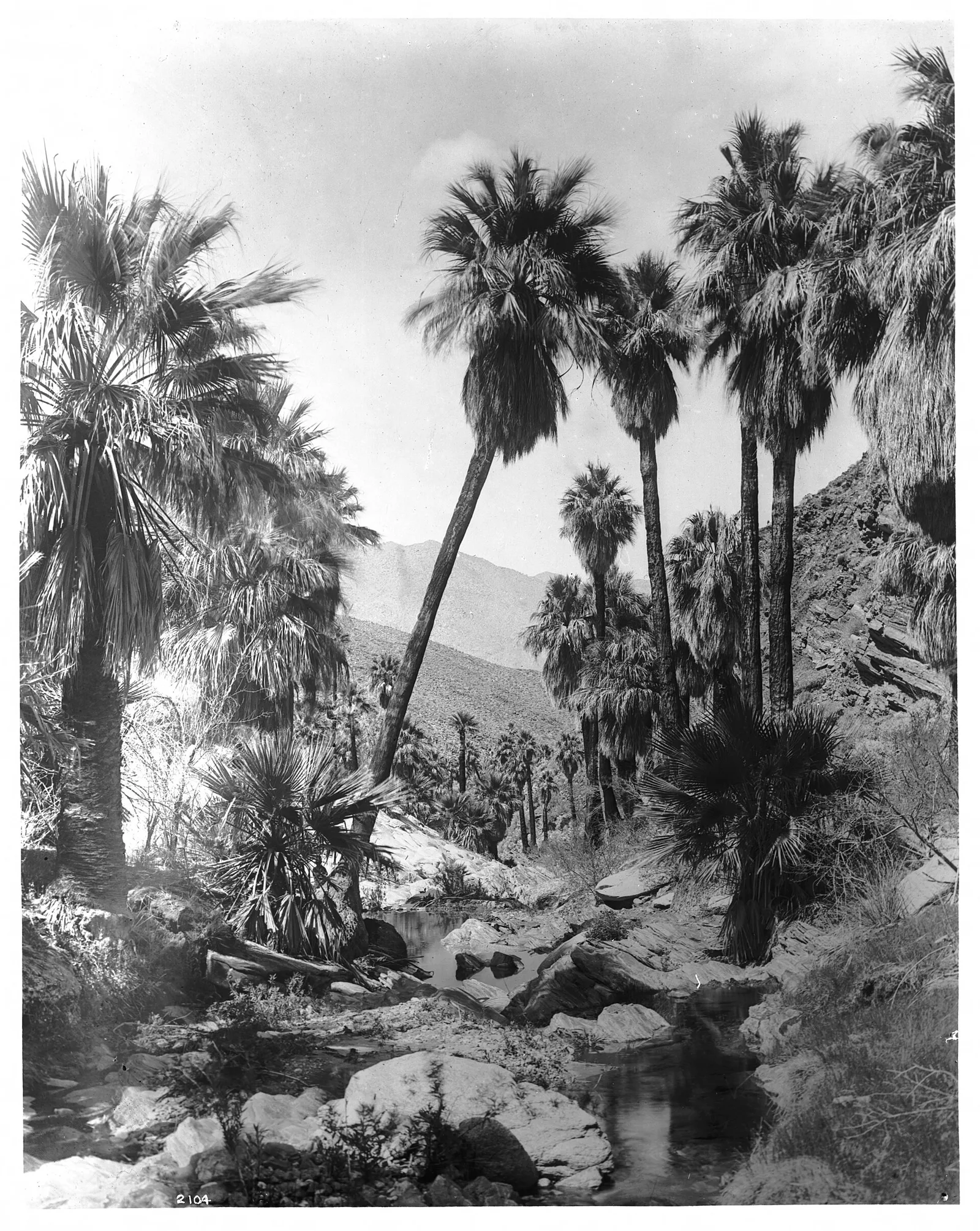
A few of the visual fingerprints we lean into when we shoot, brand and market a Palm Springs property — courtesy of the open Wikimedia Commons archive.
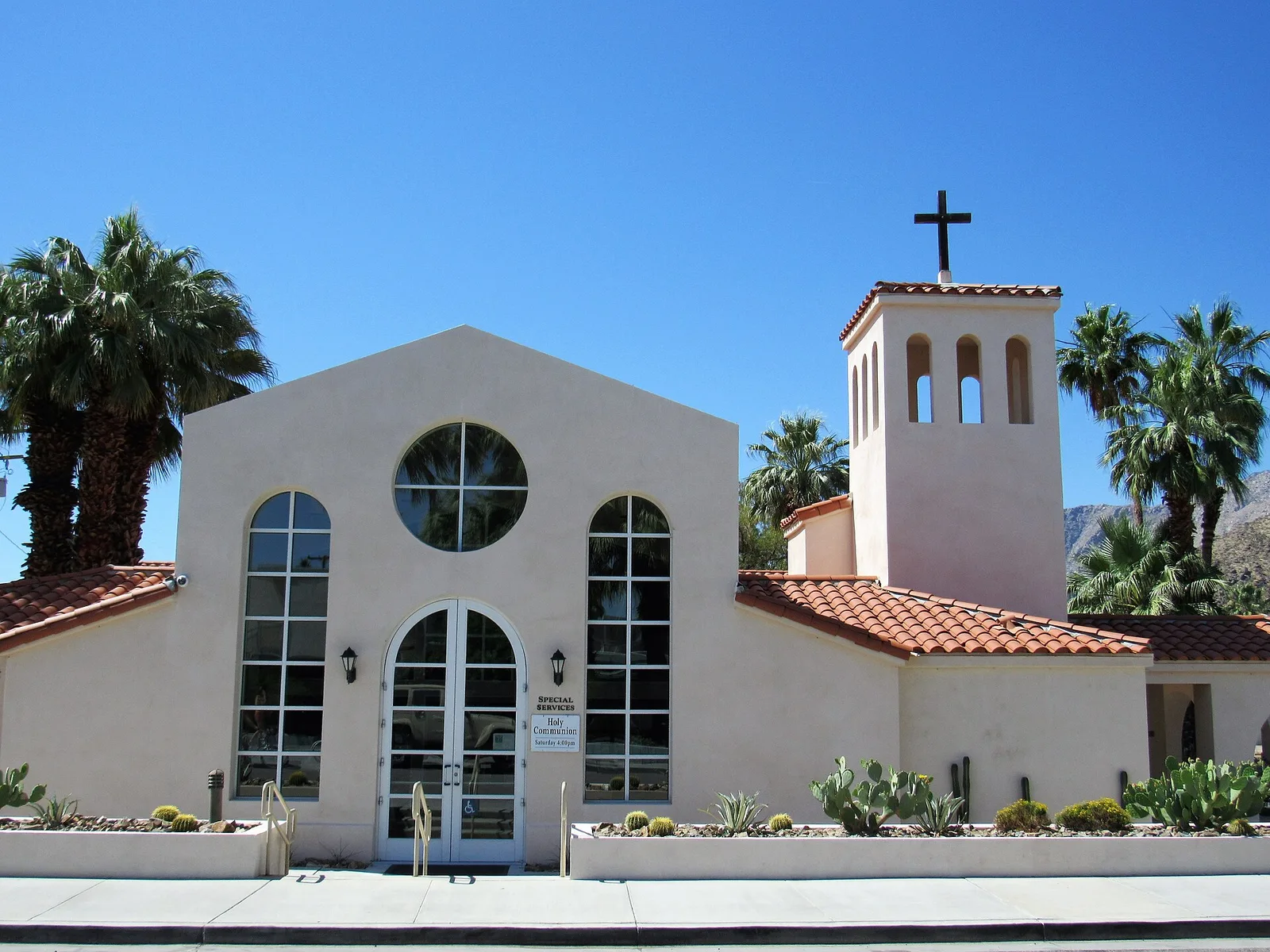
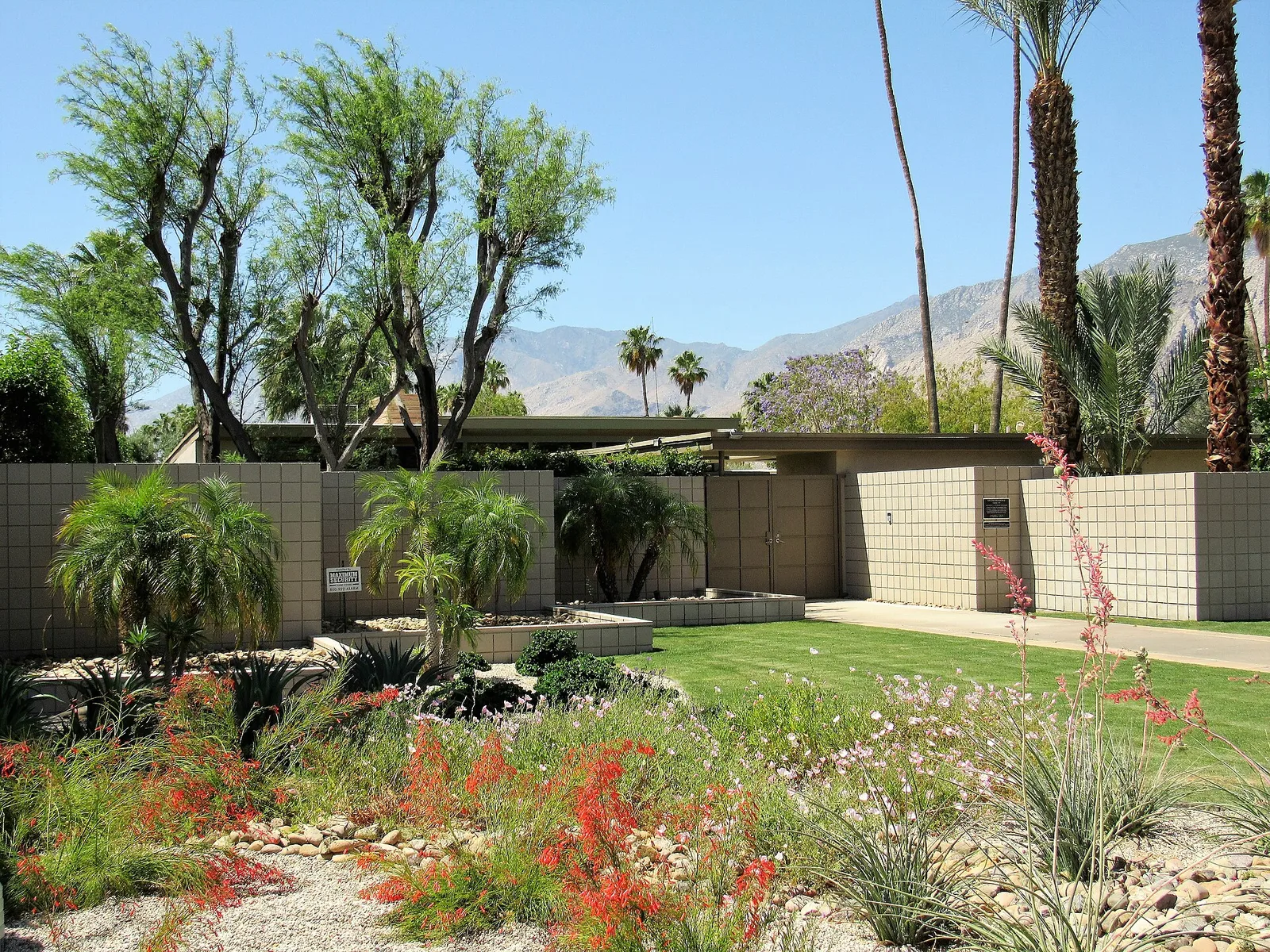
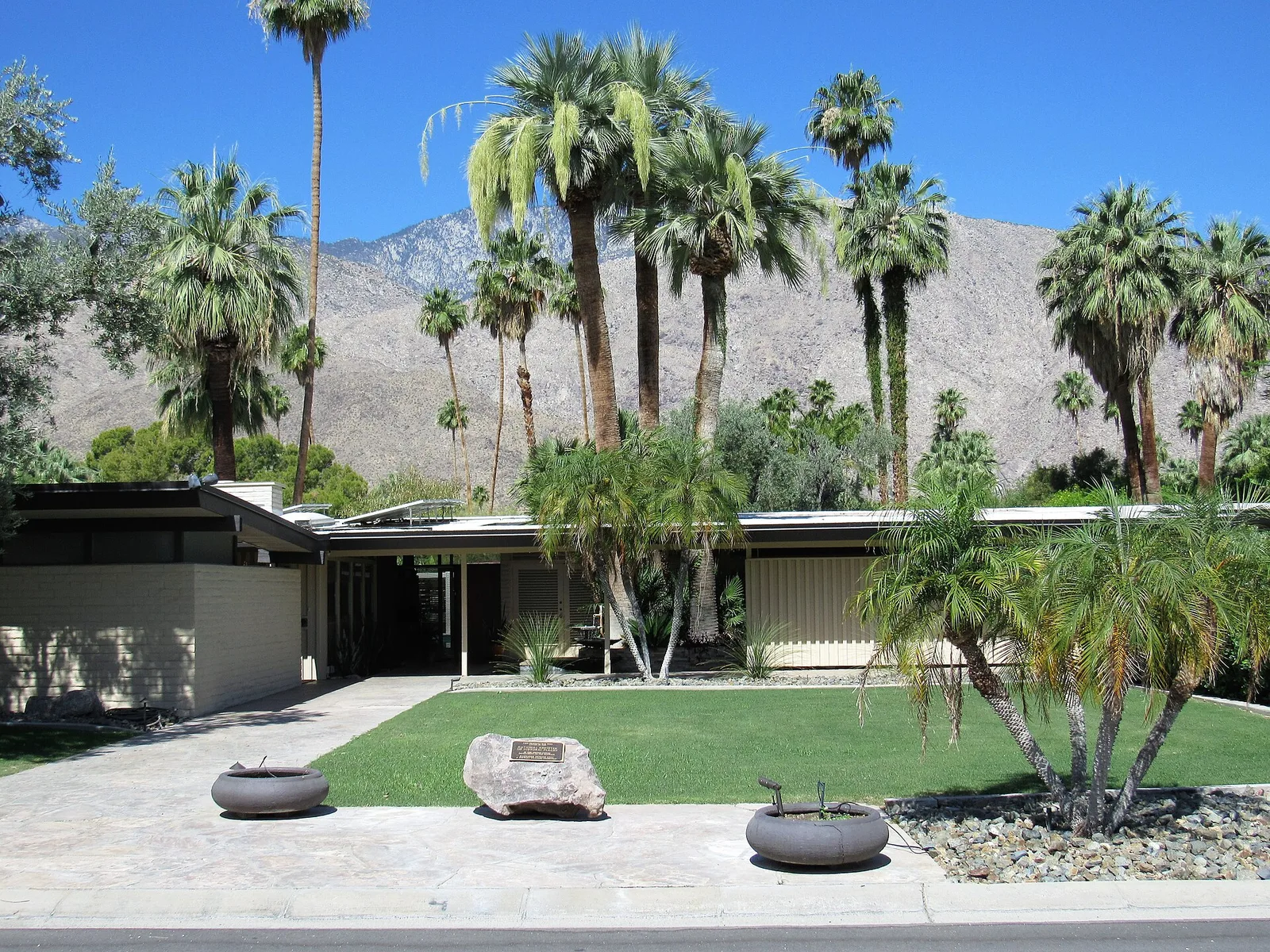
Cavmir's cinematic photography approach was built for properties like Palm Springs pool homes — where the interplay of light, architecture, and landscape creates images that stop the scroll and drive bookings. We pair that with influencer campaigns that tap into the design and lifestyle communities your property was made for.
Palm Springs has sold the same desert for over a century — dry air and open sky to health-seekers, then glamour and a pool to movie stars, then clean lines to design travelers. Cavmir just writes the newest chapter of that pitch.
Palm Springs was a cultivated mid-century Hollywood hideaway before it was an STR destination. The '2-hour rule' — studio contracts that required actors to stay within 2 hours of Los Angeles — made Palm Springs the preferred off-duty escape for Sinatra, Elvis, the Rat Pack, and later Bob Hope and Frank Sinatra's clan. That Hollywood-weekender heritage shaped Palm Springs architecture: purpose-built single-story modernist homes with pools, lanais, and indoor-outdoor flow, by architects like Richard Neutra, Albert Frey, and William Krisel. The market rediscovered these mid-century homes in the 1990s and 2000s, driving prices from mid-market to luxury.
The Palm Springs STR market emerged in the 2000s and scaled through the 2010s as the mid-century-modern aesthetic became globally fashionable via Instagram and Dwell magazine. The city's 2017 Short-Term Vacation Rental ordinance and its 2021 tightening (responding to resident complaints) created the current permit-cap regime. Palm Springs is unusually permissive compared to many California markets — non-owner-occupied investment STRs are legal — but permits are capped and contested.
Before the platforms, the hoteliers did the marketing. Nellie Coffman opened the Desert Inn in 1909 and spent decades selling the desert's dry air and open sky, first to health-seekers and soon to movie stars. Pearl McCallum McManus built the Oasis Hotel downtown and developed the streets around it. By the 1930s Hollywood had made the town its weekend resort, and after the war a generation of architects gave it the desert-modern look design travelers still come for. Every one of those moves was presentation and positioning — the promise of the Palm Springs in a visitor's imagination. It's the same business Cavmir is in today.
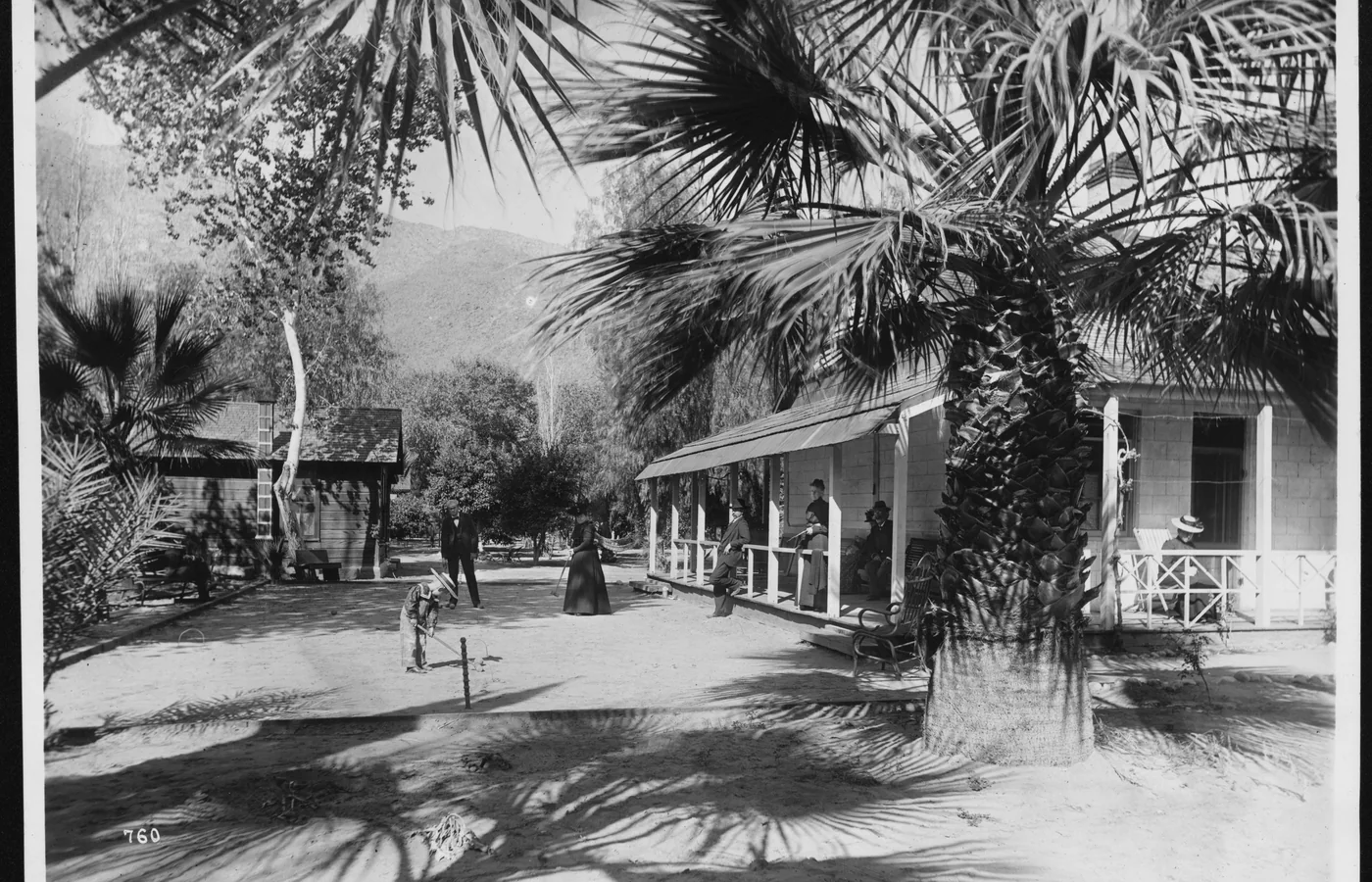
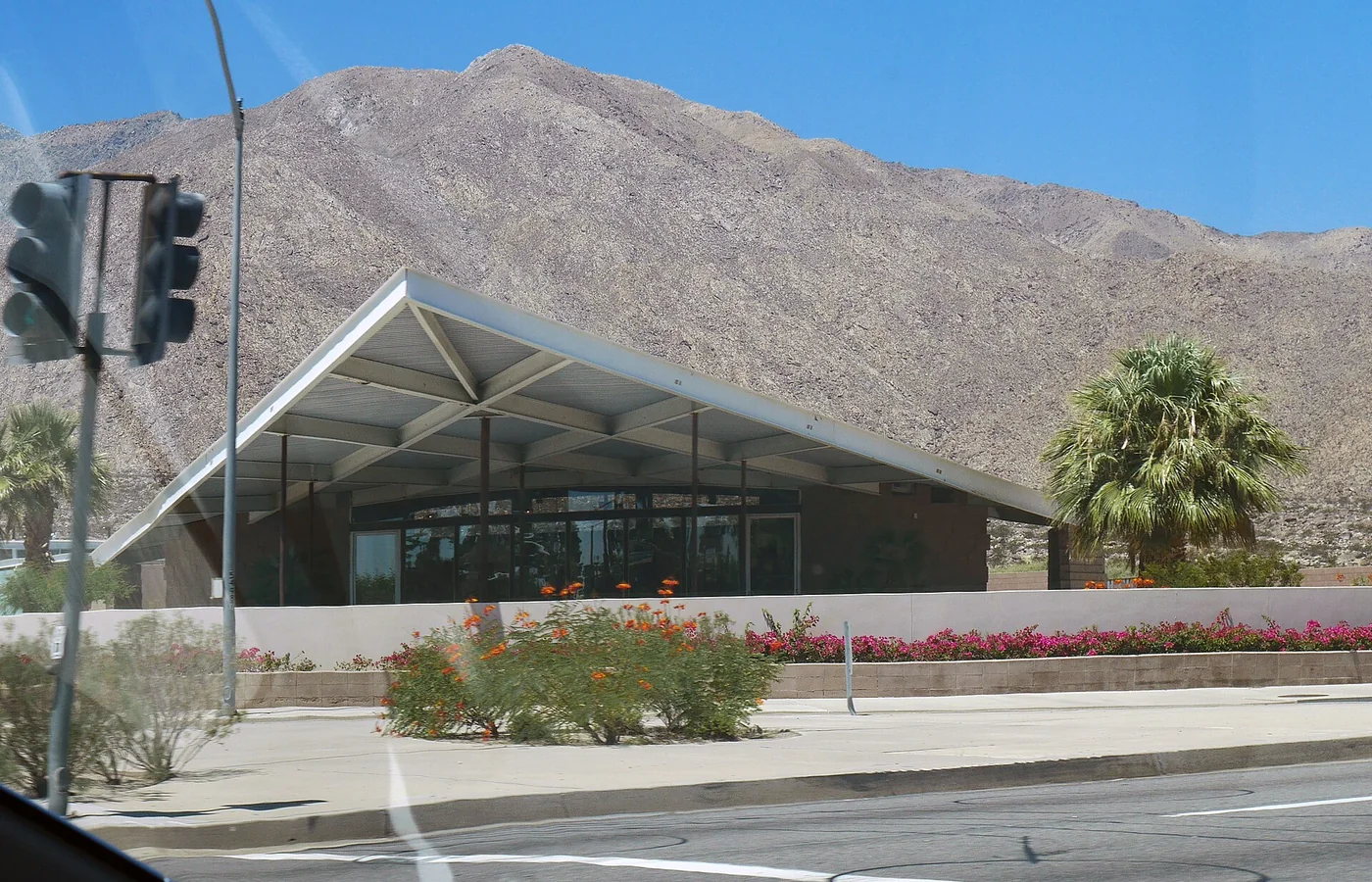
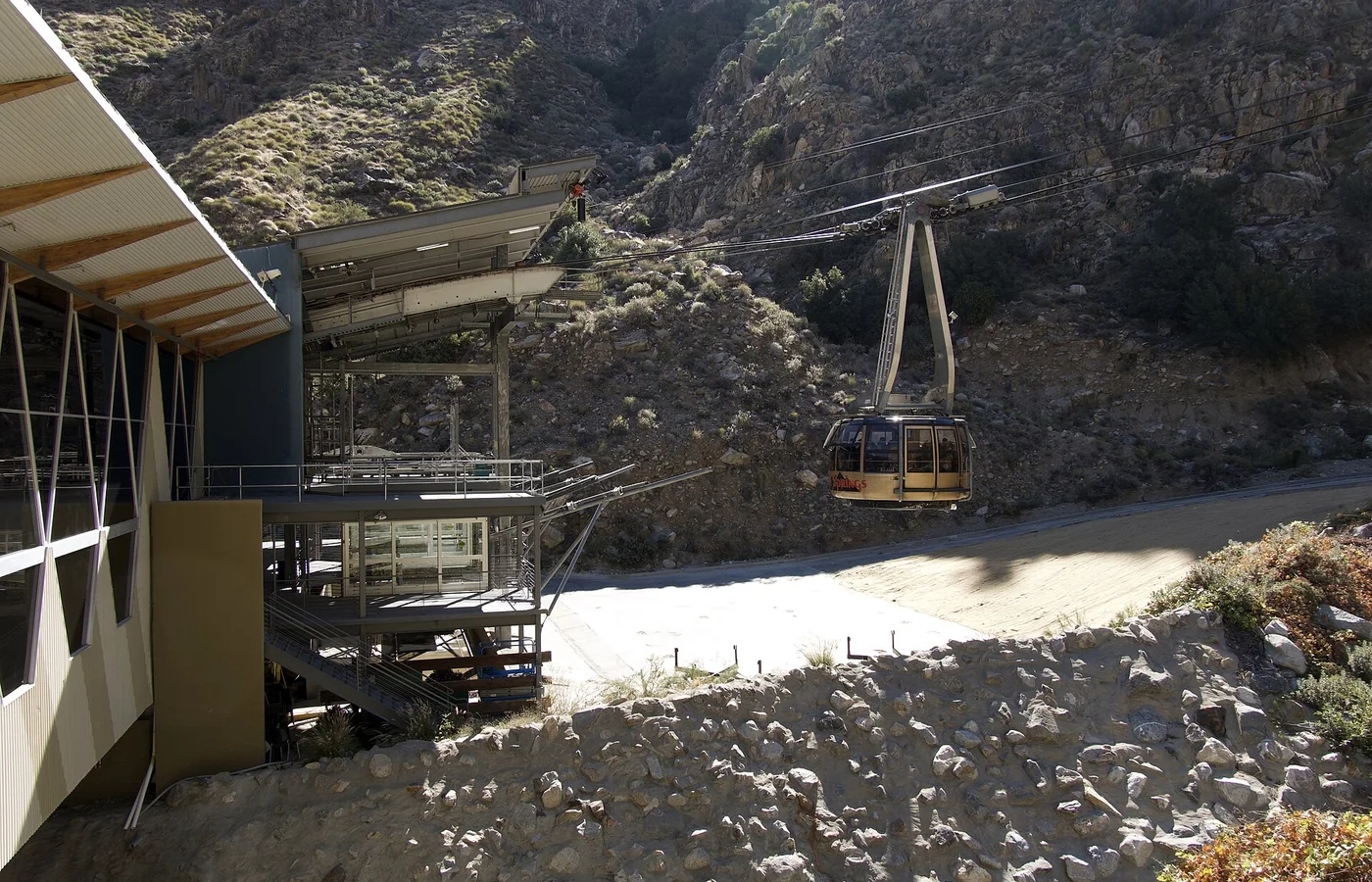
Historical images: public domain and Creative Commons via Wikimedia Commons — Desert Modernism (ikkoskinen, CC BY 2.0); The Aerial Tramway (Don Graham, CC BY-SA 2.0); others public domain.
Palm Springs pricing is dominated by three variables: pool (non-pool properties trade at 40–60% discount), mid-century architecture (authenticated Alexander, Krisel, or period-appropriate designs carry 20–40% premium), and mountain-view orientation. Hilton's 'House of Tomorrow' (Elvis's honeymoon house) is the extreme case — it rents at a premium for its cultural story alone. The coldest months (January–March) are peak due to snowbird inflows. Summer pricing is a specialty game — extreme heat cuts rates 40–60%, but pool-equipped properties marketed to LA short-escape travelers and price-value vacationers can still clear good yields.
Medium seasonality with distinctive profile: peak runs October through May (especially January–March), summer June–September sees the deepest discount but continued pool-oriented demand from budget travelers. Coachella and Stagecoach festival weekends (mid/late April) are super-peaks — rates 3–5x baseline for well-located properties. Modernism Week (mid-February) adds a cultural super-peak.
Palm Springs operates under a capped vacation rental permit system. Total permits are limited (roughly 2,100 Vacation Rental Certificates plus owner-occupied Home-Sharing permits). New non-owner-occupied permits are subject to the cap; when someone drops out, someone can enter. Permits require compliance with noise ordinances, trash regulations, occupancy limits, responsible party contact rules, and bi-annual safety inspections.
The city's two-strikes rule is strictly enforced: two verified noise violations within a 12-month period can result in permit revocation. Pool-party-specific restrictions (no amplified music outdoors after 10pm) are among the strictest in the country. Occupancy is tightly controlled — 2 people per bedroom plus 2 additional. TOT is 13.5%. Neighboring cities (Palm Desert, Rancho Mirage, Indian Wells, La Quinta) each have their own distinct frameworks; Palm Springs city rules do not apply across the Coachella Valley.
The Palm Springs-specific tip: mid-century architecture is not a style, it is a marketing asset class. Properties authentically representing the Alexander Construction homes, Krisel tract homes, or post-and-beam designs should be photographed and described through that lens. The Palm Springs Modern Committee and Modernism Week publications are a research resource worth consulting. Authenticity matters to the guest who pays the premium.
Second — pool and patio photography is the single highest-ROI creative investment. Golden-hour pool shots, architectural details, and mountain-silhouette backdrops sell more bookings than interior images. Third — respect the two-strikes rule. Invest in clear guest communication about noise, pool hours, and occupancy from the moment of booking. One party-house incident can end a $50,000-a-year asset.
The permit cap defines the market: existing permit holders have structural advantage, while new investors face a binary outcome (acquire an existing permitted property or wait for a scarce new allocation). Summer demand is genuinely weak — 4–6 months of 100°F+ weather tests any pricing strategy. Noise complaints from year-round residents are the single biggest operational risk. And HOAs across the Coachella Valley have increasingly restricted STRs in their governing documents, shrinking available inventory independent of city rules.
Desert Southwest insurance is generally affordable compared to California coastal markets. Wildfire risk is limited to foothill-adjacent properties. Pool liability is the primary rider to ensure. Budget $1,800–$4,500 annually for typical single-family pool homes. STR liability essential.
California Prop 13 applies; state income tax top rate 13.3%. Palm Springs TOT 13.5% guest-collected. Mills Act historic-property tax reduction available for qualifying mid-century homes — a significant advantage for authenticated Alexander or Krisel properties. Coachella Valley Water District fees notable in budgeting.
Conventional financing through conforming limits in most cases; luxury estates into jumbo territory. DSCR loans widely available given Palm Springs STR permit structure. Permitted-property status affects appraisal — confirm permit transferability with the city before closing. 20–25% down typical.
Palm Springs runs one of the most sophisticated vacation-rental systems in the country, and the single number that decides your options is how saturated your specific neighborhood already is. The city doesn't cap rentals citywide — it caps them street by street, and the certificate you can obtain depends entirely on which side of that line your property falls. Before you fall in love with a mid-century dream house, find out whether its neighborhood can even issue you a permit.
In the city's Organized Neighborhoods, vacation-rental certificates are capped at 20% of the residential units. Once a neighborhood hits that ceiling, the city stops issuing new standard certificates and runs a waitlist until the ratio falls back below the cap. That means two nearly identical homes a few streets apart can have completely different rental rights — one freely permittable, the other frozen out with a queue ahead of it. The cap is public information, so checking a neighborhood's current saturation is the first and most important piece of due diligence in this market.
Palm Springs left a door open in the saturated neighborhoods: a Junior Vacation Rental Certificate allows up to six rental contracts a year at a lower fee and is not subject to the 20% cap — a genuine entry path for owners who want part-time income without a full certificate. Standard permits, meanwhile, are limited to 26 contracts per calendar year, which quietly favors longer stays over rapid turnover. The transient occupancy tax runs 11.5% plus a 1% tourism assessment, and the ordinance is actively maintained, so the exact terms move — confirm the current rules before you plan.
Everything above is Palm Springs proper. Cross into the rest of the Coachella Valley — Palm Desert, La Quinta, Rancho Mirage, Cathedral City, Desert Hot Springs, Indian Wells — and each city writes its own rulebook, some far looser and some far stricter than Palm Springs. A strategy built for one city can be illegal one town over, so the jurisdiction check is non-negotiable across the valley.
Palm Springs runs the opposite calendar from most of the country: its high season is the winter, its lull is the summer, and its single most lucrative stretch is a run of spring festivals that fills every bed in the valley. Get that inversion right and the year prices itself; get it wrong — treating July like peak and February like shoulder — and you fight the desert all year.
The spring festival run is the mountain: Coachella and Stagecoach in April turn the entire valley into the lodging base for Indio, and Palm Springs rates multiply for those weekends. Modernism Week in February draws design pilgrims to the mid-century architecture the city is famous for, the Palm Springs International Film Festival opens January, and the BNP Paribas Open tennis at Indian Wells anchors March. Underneath the events sits the real engine: the November-through-April snowbird season, when the desert is perfect and cold-weather refugees book by the month, plus golf, Pride and the White Party. Then summer arrives, temperatures pass 110, and the market goes quiet.
Price the festival weekends as individual events with minimum stays — Coachella and Modernism Week should never share a rate with an ordinary spring night. Build the winter around the monthly snowbird stay, which fills the calendar at strong rates with minimal turnover and fits neatly inside the 26-contract ceiling. And reprice summer as a value and mid-length product rather than fighting the heat — a pool helps, but July in the desert is not July at the beach, and the operators who accept that outperform the ones who don't.
In Palm Springs the neighborhood decides two things at once: whether you can get a certificate, and which guest you'll win if you do. Here is how Cavmir reads the valley before writing a word, matching the design story to the guest and the rental rights to the block.
The city's grandest address — walled estates and Hollywood history. The luxury and celebration guest who wants pedigree and privacy. Sold on the name and the architecture, priced at the top of the market.
The Rat Pack modernism postcard — butterfly rooflines and mountain backdrops. The design-tourism and Modernism Week guest. Editorial architectural photography is the entire marketing plan here.
Where the stars wintered — intimate, storied and walkable to downtown. Couples and design pilgrims chasing the classic Palm Springs myth. Sells the history and the walk to Palm Canyon Drive.
The boutique-resort and LGBTQ heart of the city — social, central and lively. Draws the group getaway and the event-weekend crowd. Sells proximity, the pool scene and the walk to everything.
Larger lots, hillside views and a quieter luxury. The family and long-stay snowbird who wants space and calm. Sells the private pool, the view and the room to settle in for a month.
Championship golf, El Paseo shopping and resort-community living — under their own rules. The golf group and the winter-long resident. Sells the fairway, the amenity and the down-valley calm.
Gated, manicured and discreet — the valley's quiet money. The privacy-first luxury guest and the wellness retreat. Its own rulebook again. Sells serenity, space and the polished resort aesthetic.
The value end of the valley — mineral springs, bigger homes and lower entry prices, under their own ordinances. Occupancy-driven, winning groups and budget-aware travelers on space and price.
The winning move in Palm Springs is to solve the certificate before you solve anything else. Check the target neighborhood's saturation against the 20% cap, confirm whether a standard certificate is available or whether the junior certificate is your only path, and understand the 26-contract ceiling before you build a revenue model on it. Buyers who reverse that order fall for a house in a maxed-out neighborhood and end up on a waitlist with no income — the most common and avoidable mistake in this market.
Palm Springs rewards two things: design and duration. Lean into the mid-century architecture and the desert-modern aesthetic with editorial photography, because in this city the design is the product and the Modernism Week guest is real. Then build around the monthly snowbird stay, which fills the winter at strong rates, minimizes turnover and fits comfortably inside the contract cap. Price the spring festivals aggressively, and use direct booking to keep your best winter guests coming back to the same house year after year.
The details that cost you here are heat and neighbors. Summer utility bills for air conditioning and pool equipment are substantial and must be priced into the annual proforma, not just the winter rate. Palm Springs enforces its rules seriously — a hotline, real fines and a low tolerance for party rentals — so a strict, well-documented noise-and-occupancy policy protects your certificate, which is the asset the whole business depends on. And remember the contract ceiling: run the numbers on longer stays, because 26 contracts of thirty nights is a very different business than 26 weekends.
Palm Springs through 2027 is permit-cap dependent. The permit count is unlikely to expand meaningfully, which supports the structural scarcity of licensed inventory. Expect continued regulatory fine-tuning around noise and occupancy, likely modest TOT increases, and ongoing HOA-level restriction expansion. Climate-adaptation spending on water and electrical grid resilience will shape desert-development economics through the 2030s. Mid-century-modern architectural tourism should continue to drive rate premium on authenticated properties.
If Palm Springs permits are out of reach, alternative desert markets include Scottsdale and Phoenix (lighter regulation, similar climate), Las Vegas metro (outside the most restrictive Clark County zones), and the Coachella Valley cities surrounding Palm Springs (Palm Desert, La Quinta, Indian Wells — each with separate, sometimes more permissive frameworks).
Palm Springs is the most photogenic desert market in America, and the visual vocabulary is so strong it practically writes the brief for you. Mid-century architecture, Kaufmann-era pool shapes, the tram to Mount San Jacinto, the pink-and-aqua palette of the 1960s, Coachella two weekends a year, Modernism Week in February. The marketing opportunity is enormous — and the marketing failure most Palm Springs listings commit is showing a home without its context. A mid-century pool house without its specific architectural period cited in the copy is worth 30% less than the same property marketed correctly.
We love Palm Springs because the guest is buying a mood. The city runs on design tourism, weekenders from LA, design-week pilgrims, and increasingly European guests who treat it as a California bucket-list. A listing here that earns its place in design-tourism conversation can charge a material premium over an otherwise-identical property whose marketing defaults to generic pool-house language. This is a market where editorial pays.
The picks Cavmir recommends for Palm Springs welcome books — the details that turn a weekend visit into the guest's future design-tourism trip.
Koffi for the desert-modern vibe, Ernest in the Old Movie Colony for the historic Bing Crosby-era setting. Two entirely different mornings.
The tram at sunrise pulls the mountain into the frame at the best light. The Ace for classic Palm Springs pool-deck sunset.
Two neighborhood walks that showcase the mid-century architectural heritage. A printed map from the Palm Springs Modern Committee is a welcome-book upgrade.
Workshop for the brutalist-concrete design-feature; Mr. Lyons for the supper-club atmosphere. Both reliable for a guest's photographed meal.
A desert classic on the way in from LA. A host who mentions the date shake has absorbed Palm Springs culture.
Post-summer, pre-season. Mornings are 65°, afternoons are 85°. Pool water is warmest of the year. Pricing is soft, occupancy is climbing.
Forty minutes north. The photograph most guests already know they want. A pre-mapped sunset spot adds half a day to the trip.
Winter pool heating runs $50/day. A clear thermostat brief and heating schedule prevents the #1 Palm Springs complaint.
Representative Cavmir engagements in Palm Springs. Client details redacted; numbers composited from internal analytics and AirDNA ranges.
Architecturally important home buried by undistinguished photography and generic "desert retreat" copy. Missing the Modernism Week and design-tourism audience entirely.
Complete architectural-editorial rebuild. Photographer sourced from design-publication work. Copy rewritten naming the period, the architect influences, the documented provenance where it existed. Partnered with a design-tourism publication for feature coverage. Direct-booking site positioned at the design-week audience.
ADR climbed from $680 to $1,150. Modernism Week weeks (February) now book eight months in advance. Design-editorial shoots now account for a meaningful revenue stream.
Generic condo in a building with 20+ near-identical listings. Competing purely on price. Weekday occupancy in summer collapsing.
Repositioned for the LA-weekender audience with midweek-price incentives and a specific "quiet Palm Springs" brand. Photography emphasised the pool lighting at golden hour, the cooking space for longer stays, the bike route to the design district.
Midweek occupancy climbed 28 points. ADR held while stay length increased — a combination that outperformed price-cutting competitors on net revenue.
Family-scale vacation home whose marketing defaulted to amenity-list copy. Losing to better-branded competitors with smaller square footage.
Built a family-specific brand narrative — the game-room design, the pool-safety infrastructure, the walking proximity to family-friendly restaurants. Created a welcome-book PDF with itineraries for families with school-aged kids. Pitched to a family-travel publication and landed a feature.
Occupancy climbed from 61% to 79%. Spring-break-week pricing moved to a 3.2× multiplier over baseline. Repeat-guest share climbed to 29%, unusually high for a vacation-home market.
Demand in Palm Springs peaks around January through April and runs quietest around July through August. Here is how the year actually books — and what to do about each stretch of the calendar.
The season runs January through April, when desert weather is the product and the calendar stacks the Film Festival, Modernism Week, tennis at Indian Wells and then the April festival surge back to back. Snowbirds and design tourists fill the base while event dates spike on top of it. Be fully dialed — photography, pricing rules, minimum stays — by early December, because these four months carry the entire year.
May, October, November and December are the ramps. Fall is genuinely good here: the weather turns perfect, Pride anchors November, and the winter crowd starts trickling back — market it hard to LA weekenders before high-season rates return. May rides the festival afterglow with warm-but-livable pool weather, and December's holiday weeks behave like a mini-peak of their own.
June through September is the honest desert summer, and pretending otherwise burns reviews. The play is transparent summer positioning: real discounts, strong AC, blackout-dark bedrooms, shaded outdoor living, and copy built around early mornings and late-night swims. Splash House drops two genuine demand weekends into August, and LA deal-hunters plus valley staycationers will fill discounted weekends if the pool photos earn it.
Festival April books furthest ahead and accelerates hard the moment lineups drop in January. Snowbirds commit to winter months far in advance, often rebooking before they leave town in spring. Regular-season weekends fill a few weeks out, and summer is almost entirely last-minute.
Most of the year runs on two-and-three-night weekends, but winter adds a heavy long-stay layer measured in weeks and months rather than nights. April festival stays cluster at three and four nights around the weekends, and summer bookings are short, late and price-driven.
The Palm Springs winner is a three-bedroom midcentury with a private walled backyard, a heated pool and an unobstructed San Jacinto view, in neighborhoods like Vista Las Palmas, Movie Colony, Deepwell or Racquet Club Estates. Privacy is half the product — guests are buying their own small resort for the weekend. And interior authenticity matters more here than almost anywhere: commit to the era or compete on price.
Lead with the one photo that sells this market — your pool with the San Jacinto mountains behind it — then back it with copy that names your neighborhood, your privacy and whether the pool is heated in winter, because that's what guests here search and filter for. Price the calendar like a local: festival April, Modernism Week and tennis weeks each carry their own rates and minimums, and summer gets honest discounts instead of silence. From there, a Google Business Profile and a direct-booking site compound, since snowbirds and festival groups return annually and shouldn't have to re-find you on a platform. That's the stack a marketing agency like Cavmir builds for desert hosts.
January through April is the peak, opening with the Film Festival, running through Modernism Week and the BNP Paribas Open, and topping out with Coachella and Stagecoach in April. November and December form a strong ramp with Pride and the holidays. July and August are the deep quiet, apart from Splash House's two August weekends.
April festival dates book furthest out, surging the moment lineups drop in January, and snowbirds often lock in their winter months before the prior season ends. Ordinary high-season weekends fill a few weeks ahead, while summer stays book close to arrival and hunt on price. Have winter fully dialed by early December and festival pricing set months before April.
Los Angeles and Orange County dominate the weekend market, with San Diego, Phoenix and Las Vegas filling out the drive traffic. Winter brings the fly-in crowd from Seattle, San Francisco, Chicago, Minneapolis and a large Canadian snowbird contingent out of Vancouver and Toronto. That's the split to market to: SoCal for weekends, the cold north for month-long stays.
A heated pool is the non-negotiable — winter is the season, and guests filter for pool heat before anything else. After that: a hot tub, real outdoor living with shade and misters for the warm months, a mountain view if you have one, and cruiser bikes for the ride to the design district. An EV charger earns its keep with the LA drive market.
Run your Airbnb, Vrbo, or website through Cavmir's free grader. It checks the things that decide whether guests book in Palm Springs — photos, listing copy, page speed, local search — and shows you where bookings leak. Takes about a minute, and there's no sales call attached.
If the report says your booking engine is the weak link, that's fixable: a direct-booking website of your own means repeat guests stop paying platform fees to come back to you. That's the work Cavmir does — see Airbnb website design in Palm Springs.
Send us the listing and we'll tell you what we'd change. Not a pitch deck — a straight read on your photos, your title, your rates against the Palm Springs comp set, and whether a direct-booking site would pay for itself.
You'll hear back from a person, usually inside one business day. If we don't think we can move your numbers, we'll say so. Cavmir is a short-term rental marketing agency — we position and market properties, we don't manage them.
Talk to Cavmir today. We'll show you exactly what your Palm Springs property is leaving on the table — and how fast we can change that.
Book a Free Strategy CallPhotography via Wikimedia Commons (images resized and cropped): Museum Trail Plaque by Visitor7 (CC BY-SA 3.0) · Church of St. Paul in the Desert - Palm Springs, California by Farragutful (CC BY-SA 4.0) · Frank Sinatra House - Palm Springs 02 by Farragutful (CC BY-SA 4.0) · Koerner House 01 by Farragutful (CC BY-SA 4.0) · Palm Springs - Tramway Gas Station - 20150728120333 by LucynaPrz (CC BY-SA 4.0) · Aerial Tramway Car 7 by Gillfoto (CC BY-SA 4.0).
