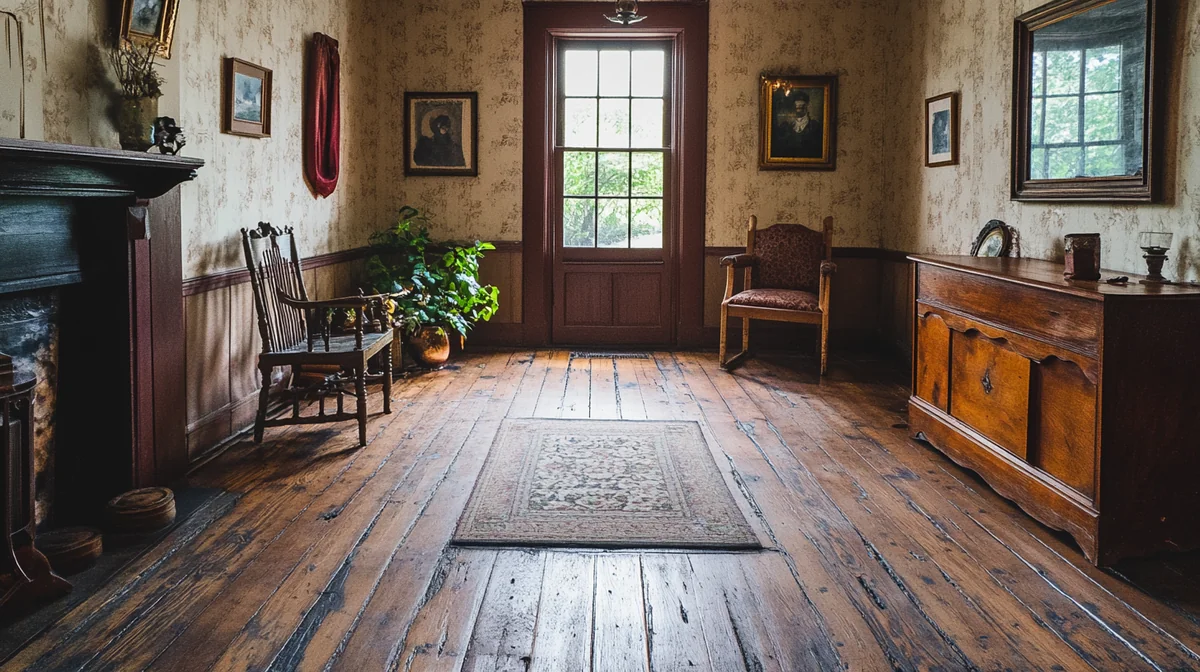
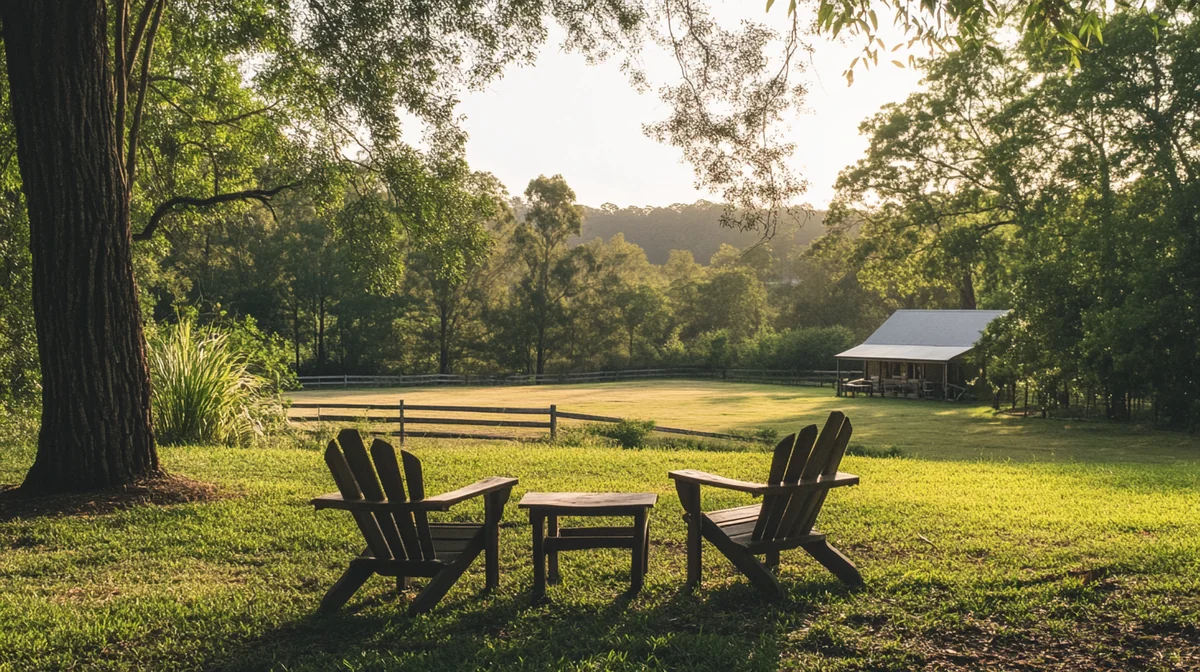
The B&B category has shrunk significantly since Airbnb's rise — many small B&Bs converted to whole-house rentals or closed entirely. The ones that remain in 2026 are the ones that understood their category advantage: the host. Guests who choose B&Bs are choosing human connection, local expertise, and morning conversation — things neither Airbnb nor boutique hotels reliably deliver.
Cavmir works with B&Bs from restored Victorians in Cape May to wine-country properties in Mendoza. The marketing is markedly different from generic hospitality: personality-first, story-first, and relationship-first. The host is the product as much as the property. Done right, this is one of the highest-loyalty categories in all of hospitality.
How B&B Marketing Is Different
A B&B markets what makes it fundamentally different from every other accommodation type: the host. Guests at an Airbnb rarely meet the owner; guests at a chain hotel meet staff, not owners; guests at a B&B have breakfast with the proprietor. That relationship is the category's entire value proposition in 2026, and the marketing has to lead with it.
Practically, B&B marketing in 2026 centers on three elements. The host's story and expertise — photos of the host, bio copy that tells their background, their local knowledge — drives bookings more than photos of the rooms. The breakfast experience — what's served, where, with what atmosphere — is what guests remember and review. And the local insider-knowledge positioning — curated recommendations, hosted local experiences, introductions to local artisans — is the durable advantage that keeps guests loyal.
B&Bs also benefit from honest niche positioning more than most categories. A "literary B&B" with a writing desk in every room, a "food-lovers B&B" with a serious breakfast program, or a "history B&B" in a restored heritage property each out-market the generic "charming B&B in the countryside." Pick a niche and own it.
Best Marketing ROI for B&Bs in 2026
The single highest-ROI marketing investment for a B&B in 2026 is a genuinely warm, well-shot host video on the property website and listing. A 60–90 second video of the host walking through the property, talking about why they love it and what guests can expect, costs $800–$2,000 to produce and typically lifts direct-booking conversion 40–80%. This is the single biggest marketing gap between B&Bs that thrive and ones that struggle.
After host video, a blog or stories section on the website drives SEO traffic and guest loyalty. Monthly posts from the host — "Five New Restaurants I Love This Month," "What We're Baking for Breakfast This Season," "A Conversation With a Local Wine-Maker" — build both search authority and a sense of relationship. Guests who've read the blog book longer stays and return more often.
Email marketing to past guests is the highest-retention investment a B&B can make. A simple monthly email sharing local happenings, a seasonal recipe from breakfast, and news from the property converts at 5–15% for repeat bookings — far higher than any acquisition channel. Build the email list from day one.
Who Books B&Bs in 2026
B&B guests skew older and more experience-focused than general STR guests, with three clear segments driving most bookings.
Empty-nest couples (55–75) are the largest segment, making up 40–55% of B&B bookings in most markets. They value personal interaction, regional character, and a proper breakfast. They book 4–10 weeks out, stay 2–4 nights, and return to the same B&Bs repeatedly when treated well. They're the foundation of B&B economics.
Anniversary and romantic getaway couples (35–60) book B&Bs specifically for the intimate, non-chain experience. They care about design details, breakfast quality, and the host's ability to recommend the right dinner reservation. They pay the premium rates and often book the best rooms in the property. This segment responds strongly to personal touches — a welcome card, a bottle of local wine, acknowledgment of the occasion.
Return guests are the segment most B&Bs under-develop. A well-run B&B should see 30%+ repeat-guest rates by year 3. Returning guests cost nothing to acquire, book at full rates, and generate word-of-mouth referrals. The systems to cultivate them — CRM notes on each guest, personalized email outreach, recognition at return — are worth building early.
B&B Seasonality
B&B seasonality varies dramatically by location. Wine-country B&Bs peak during harvest season (September-November). Coastal B&Bs peak in summer. Heritage-town B&Bs often peak in shoulder seasons (May, October) when travelers prefer cooler weather for walking tours and cultural activity. Ski-market B&Bs mirror cabin patterns.
B&Bs have a structural advantage in shoulder-season demand because their guest base is older and more flexible on dates. Empty-nest couples don't have school-year constraints, and they often actively prefer shoulder-season quieter travel. Targeting this segment during shoulder months with midweek packages, extended-stay rates, and hosted experiences (wine pairings, cooking classes, garden tours) fills calendars that beach houses or cabins leave empty.
The 2026 shoulder-season play for B&Bs: host-led experiences. A "Fall Recipe Weekend" with cooking classes, a "Wine Harvest Package" with vineyard visits, a "Winter Reading Retreat" with book discussions — each of these commands premium pricing and fills midweek nights traditional marketing won't touch.
B&B Profit Margins in 2026
B&B margins look different from other accommodation categories because the host is typically the primary labor — which either compresses or expands margins depending on how you account for owner-operator time. Honest accounting for owner time places net margins at 15–25% for well-run small B&Bs (2–4 rooms). Larger B&Bs (6–10 rooms) with dedicated staff can approach 20–30% margins but require professional operations.
The biggest margin pressures in 2026: food costs for breakfast program (15–25% of room revenue in serious breakfast B&Bs), housekeeping labor (harder to find and more expensive since 2022), and OTA commissions (15–20% of rooms revenue from OTAs). Shifting to direct booking has outsized impact for B&Bs — every 10% shift from OTA to direct improves margin by 1.5–2%.
The best financial model for a B&B in 2026: treat the B&B as a lifestyle business with professional financial discipline. Accept that owner-time is a real cost, invest in marketing and systems to maximize rates, and plan for 5–10 year holds rather than quick-flip returns.
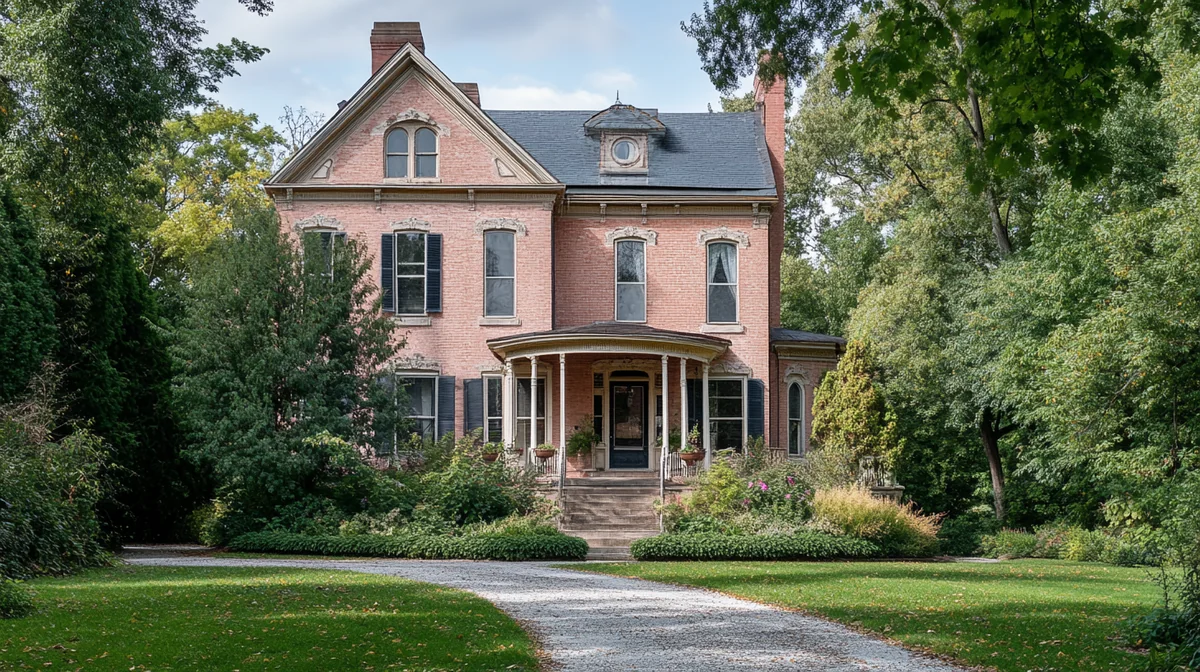
Top Global Markets for Bed & Breakfasts
The strongest B&B markets in 2026 share patterns: wine regions, heritage towns, and areas where guests specifically travel for cultural immersion rather than beach or ski. B&Bs perform best where guests are actively seeking local expertise and slower-paced travel.
- Napa Valley, California, USA
- Chesapeake Bay region, USA
- Charleston, South Carolina
- Cotswolds, UK
- Bavaria, Germany
- Mendoza, Argentina
- New England (Cape Cod, Vermont)
How Cavmir Works With Bed & Breakfasts
Cavmir markets B&Bs by putting the host front-and-center. Our 12-step process for B&Bs emphasizes: a host video on every major marketing surface, a content-rich website with blog/stories, a dedicated breakfast-program photo shoot, Google Business Profile optimization (critical for local search), email marketing infrastructure, and a clear niche positioning (literary, food, wellness, history).
B&B clients typically see 20–40% rate increases within 12 months, meaningful growth in direct booking (typically from 5–10% baseline to 30%+), and 25–35% repeat-guest rates by year 2. The compounding nature of B&B marketing — loyal guests plus strong SEO plus email list — means year 3+ often operates with minimal ongoing marketing spend.
What It Takes to Hit 4.9+ Ratings on Bed & Breakfasts
B&B ratings hinge on the host experience more than the rooms. What drives 4.9+ ratings:
- The breakfast is actually good. Not "free continental with sad pastries" — a real breakfast, made with care, with options that accommodate dietary needs, served at a table the guests can linger at. This is the single biggest differentiator in B&B reviews.
- The host is present but not intrusive. Genuine interest in guests, recommendations tailored to their interests, and the judgment to know when guests want conversation vs. privacy. This is a learned skill; train any staff carefully.
- Rooms are immaculately clean and thoughtfully appointed. B&Bs that rely on 'charming old house' as an excuse for dated rooms get punished. Modern bedding, good lighting, reliable WiFi, quality bath amenities — non-negotiable in 2026.
- Local recommendations that outperform Google. The host's recommendations should be better than what a guest could find on their own — a favorite restaurant, a hidden trail, a specific wine-maker who'll give a private tasting if you mention the B&B. This is where the category earns its premium.
- Responsive service even for small issues. The bar for B&B service is higher than for hotels because guests expect personal attention. A broken faucet fixed within hours, a missing amenity replaced immediately, a special dietary need anticipated — these matter more at a B&B than a Marriott.
Frequently Asked Questions
What owners, operators, and prospective buyers ask us about this property type — answered with 2026 data.
Is a B&B still a viable business model in 2026?
Yes, for operators who embrace what makes the category distinctive. The 'cheap alternative to hotels' positioning died with Airbnb; B&Bs that reposition as premium personal-hospitality experiences thrive. Expect year-one to be difficult (brand-building takes time), but year 3+ with a strong repeat-guest base and direct-booking economics often delivers better lifestyle returns than any other small hospitality business.
How many rooms should a B&B have in 2026?
The sweet spot is 4-6 rooms. Fewer than 4 struggles to cover fixed costs (insurance, marketing, PMS fees). More than 6 requires staff, shifting the economics toward small boutique hotel. Owner-operated B&Bs in the 4-6 room range typically offer the best balance of personal attention and financial viability.
Do I need to serve breakfast in 2026?
Yes, and it should be excellent. Skipping breakfast defeats the 'B&B' category positioning and turns your property into a small inn. Guests who book a B&B specifically want breakfast. The cost is typically 12-18% of room revenue but drives both ratings and repeat guests. Skipping to save money is almost always a mistake.
How do B&Bs compete with Airbnbs in 2026?
On the host experience, not on price. Airbnbs deliver space and privacy at scale; B&Bs deliver relationship, breakfast, and local expertise. Positioning is everything — market the host's knowledge, the breakfast quality, and the conversations, not 'nicer than a hotel for less.' The B&Bs competing on price against Airbnb always lose.
What's the best way to get guests to book direct instead of through OTAs in 2026?
Build a website that tells the host's story (video helps), collect emails from every OTA booking (within platform rules), offer a return-guest direct-booking discount (10-15%), and send a monthly email newsletter. B&Bs investing in these four things typically shift from 10% direct to 40%+ direct over 24 months — meaningfully improving margins.
Should my B&B allow children in 2026?
Depends on your niche. Adult-only B&Bs can command premium rates and simpler operations. Family-friendly B&Bs access a larger booking pool but accept higher damage risk and different guest dynamics. Many successful B&Bs pick 'over-10 only' as a middle path. The decision should match your property layout, host preference, and breakfast style — not a universal rule.
What's the right PMS and tech for a small B&B?
Little Hotelier, Cloudbeds, or Mews (for larger B&Bs) handle reservations, channel management, direct-booking engine, and guest communication. Budget $150-$400/month for the stack. Manual calendar management across multiple OTAs leads to double-bookings and stress; the PMS investment pays for itself in the first double-booking avoided.
How much should I spend on marketing for a new B&B?
In year 1: 15-25% of gross revenue on marketing (photography, website, paid ads, content). By year 3: 5-10% as organic traffic, email list, and repeat guests build. Front-load the investment — new B&Bs that under-spend on marketing in year 1 typically struggle to achieve occupancy targets and find themselves behind the curve.
Can a B&B still generate good reviews in 2026?
Yes — and B&Bs arguably have the easiest path to consistent 4.9+ ratings because the personal attention built into the category naturally drives strong reviews. The B&Bs that slip below 4.8 are almost always ones where the host disengaged, breakfast quality slipped, or room maintenance fell behind. Consistent care drives consistent ratings.
What's the biggest mistake new B&B owners make in 2026?
Underestimating labor. B&Bs are hosted, not self-run. Cleaning, breakfast, guest communication, maintenance, reservations, and marketing all require time — typically 40-60 hours per week for a 4-room property. New owners who treat it as a passive investment burn out fast. Either plan for the time commitment or budget for professional staff from day one.