Aspen Core & the West End
The heart of town — walk to the gondola, the restaurants and the galleries. The luxury guest who wants to park the car and never move it. Sells ski-in convenience and the in-town scene at the top price.
Expert short-term rental marketing to grow your bookings and nightly rate in Aspen, Colorado, USA.
Sixteen services, one team. Everything below is built in-house and scoped to your property and market. Most owners start with the 12-Step System.
Every engagement is quoted to your portfolio. These are the ready-made scopes owners pick most — our Fall Special (55% off list) is already applied. A clear proposal within 48 hours.
The work is public. Selected engagements and what changed — and reviews from the owners and managers behind them.
* Market averages. Properties marketed by Cavmir typically exceed these figures by 25–45%. Data sourced from AirDNA, STR market reports, and Cavmir internal analytics.
Aspen is the pinnacle of American mountain luxury. Home to four world-class ski mountains — Aspen Mountain, Aspen Highlands, Buttermilk, and Snowmass — the city draws celebrities, executives, and discerning travelers who have exceptionally high expectations. But Aspen isn't only a winter destination. The Aspen Music Festival, Food & Wine Classic, and summer hiking and cycling keep demand high year-round.
Aspen's ultra-premium market rewards properties that tell a compelling story. Guests at this price point book based on trust, aesthetics, and brand — not simply price. The shoulder seasons (spring and fall) are the greatest revenue opportunity for well-marketed properties, as most underperformers see occupancy collapse outside of ski season.
Nearby Markets: Jackson Hole | Park City

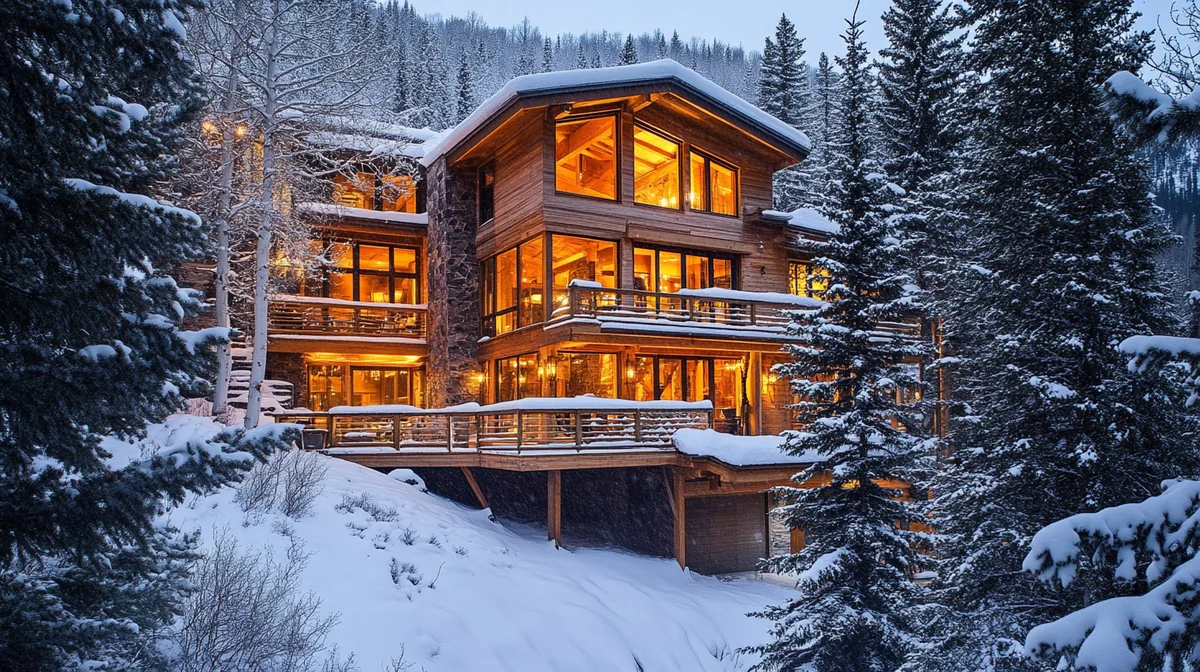
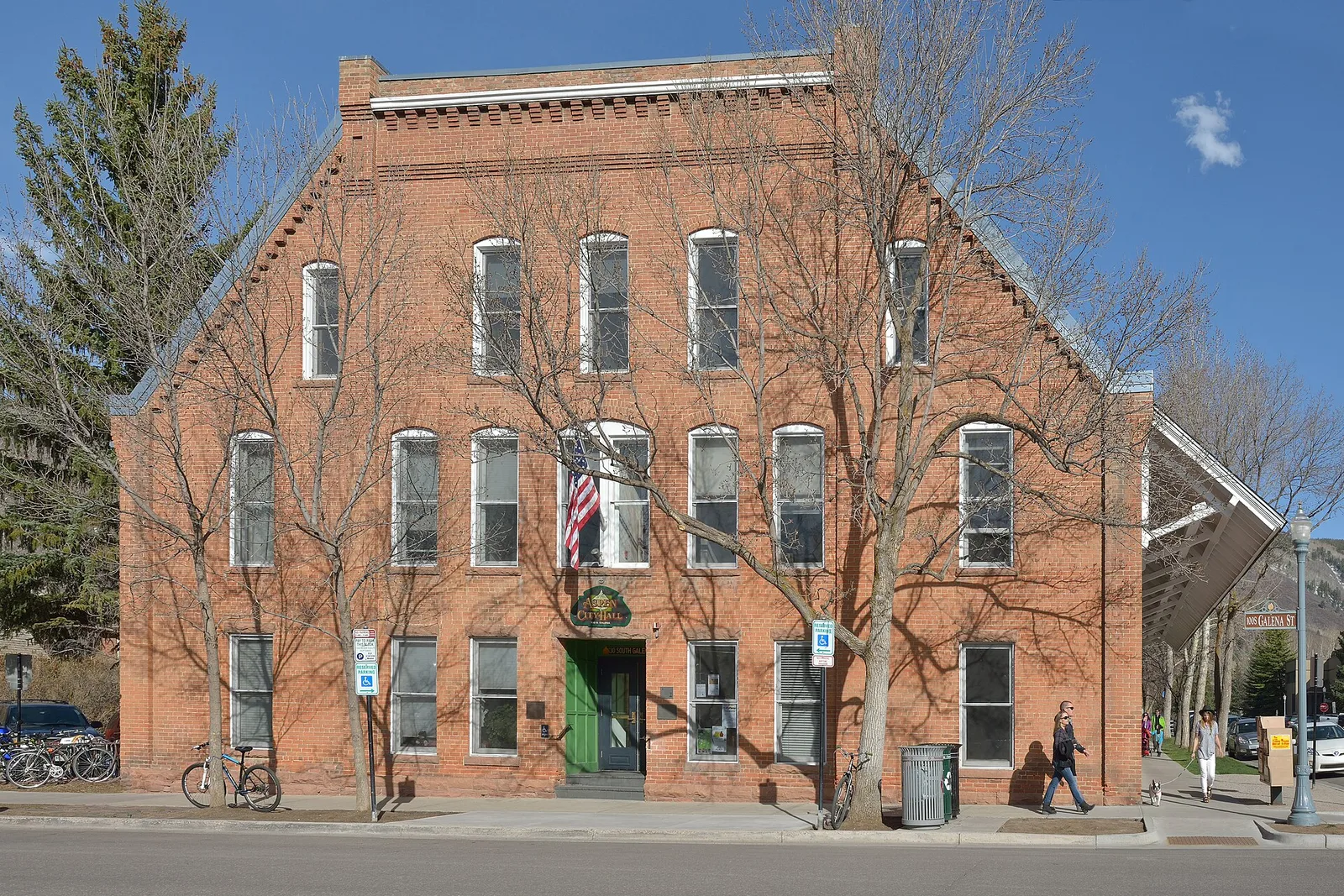
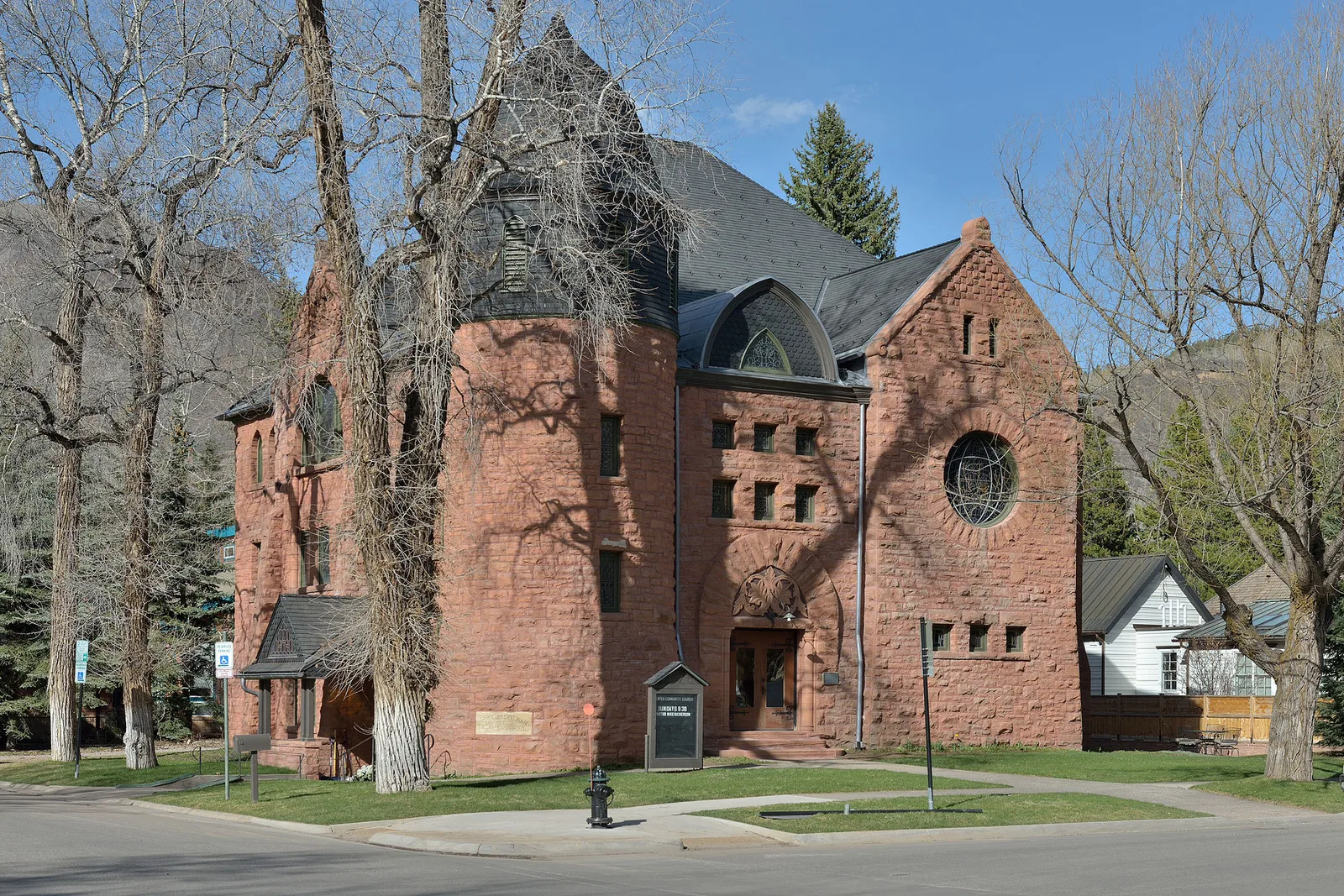
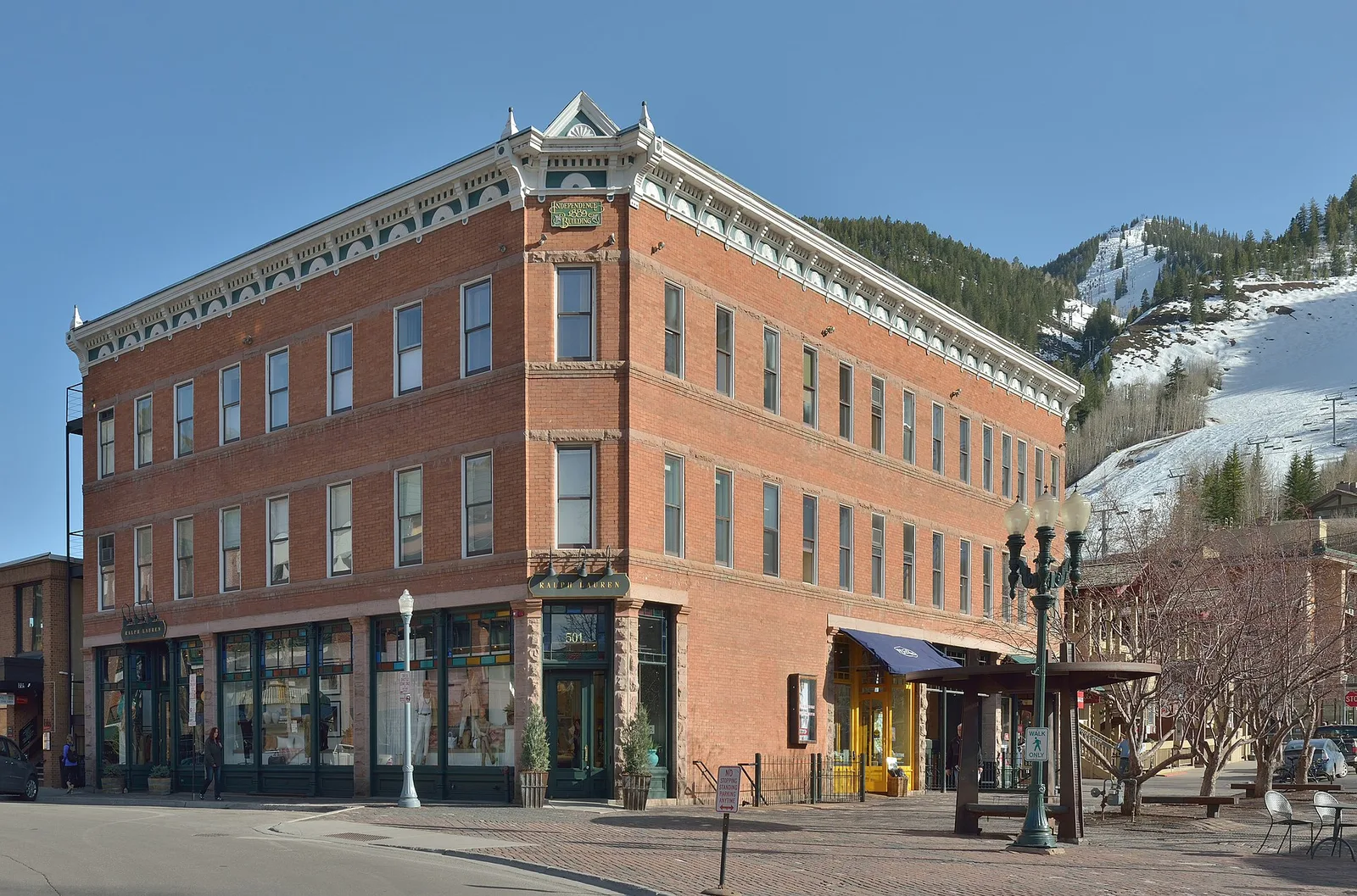
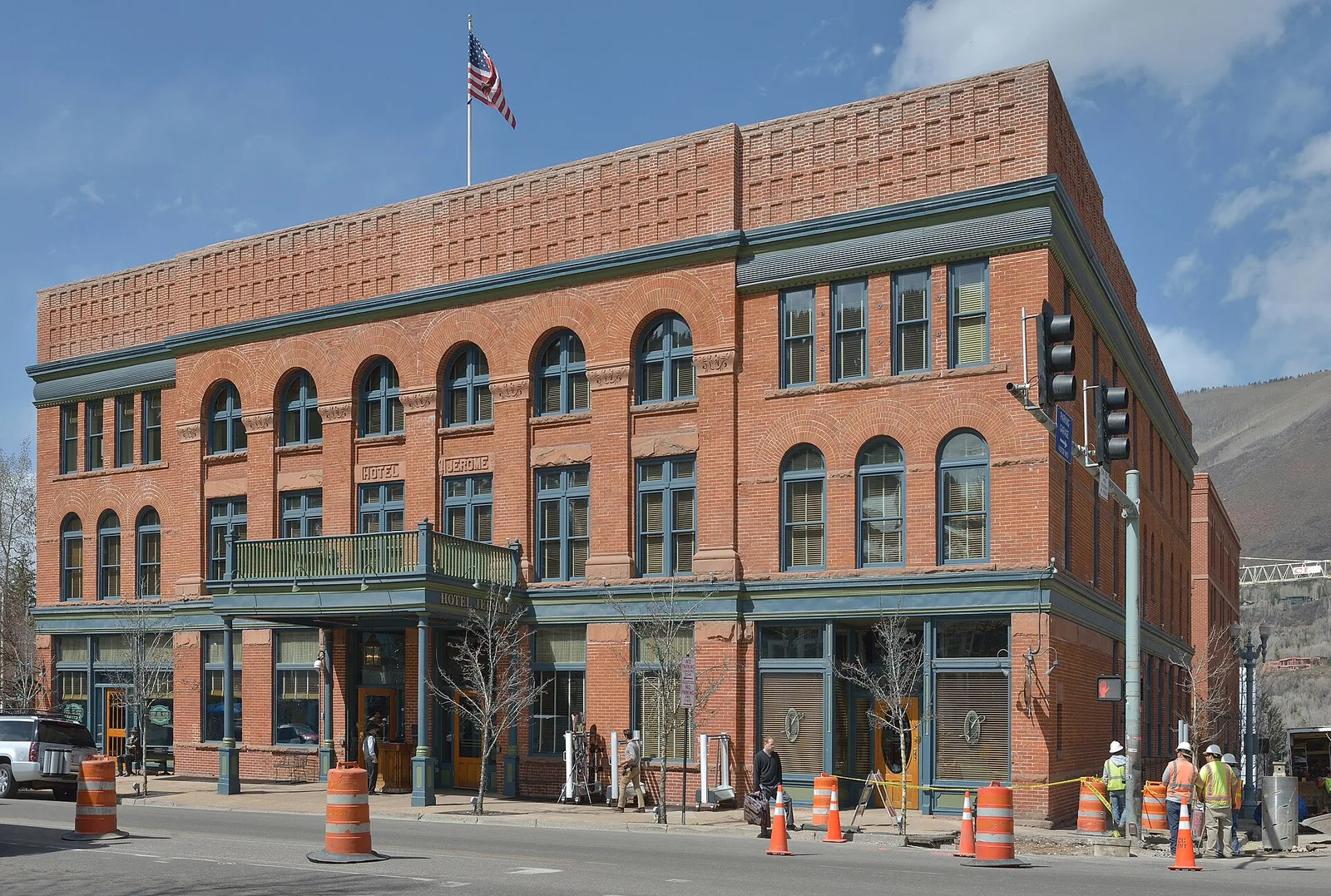
A few of the visual fingerprints we lean into when we shoot, brand and market a Aspen property — courtesy of the open Wikimedia Commons archive.
Cavmir specializes in positioning luxury properties for the high-net-worth traveler. In Aspen, that means flawless photography, a brand narrative worthy of the setting, and influencer marketing through talent who connect with your target demographic. We fill your shoulder season calendar while protecting your premium ski-season rates.
Aspen's story begins as a silver-mining boomtown in the 1880s. When the Silver Panic of 1893 collapsed the market, population fell from over 11,000 to a few hundred within a decade, and Aspen sat largely forgotten until after World War II. The transformation began in 1946 when industrialist Walter Paepcke founded the Aspen Skiing Company and the Aspen Institute, deliberately building Aspen as a 'mind, body, spirit' destination rather than just a ski town. That philosophy — culture plus recreation plus landscape — is the reason Aspen commands premium rates today when purely ski-focused mountains can't.
Short-term visitor lodging in Aspen has been continuous since the 1950s, first in lodges and inns, then condominiums beginning in the 1960s, and private-home rentals from the 1980s onward. The Pitkin County STR market is one of the oldest in the American Mountain West, which means both a mature operating culture (professional property managers, a developed wedding-venue business, established fractional-ownership models) and a regulatory framework that has evolved through multiple iterations rather than being invented reactively.
Aspen pricing is driven by three dimensions: ski-mountain proximity (ski-in/ski-out at Aspen Highlands or Snowmass commands 2–3x identical properties a short shuttle away), season (Christmas/New Year at 3–4x summer baseline), and property distinctiveness (architect-designed homes with mountain views outperform cookie-cutter condos by 40–60% at equivalent size). The peak pricing mistake is under-charging for Christmas/New Year weeks — demand in late December is inelastic to price, and top properties routinely clear $15,000–$50,000 per week.
Summer pricing (late June through August) rewards properties that market to the Aspen Music Festival audience, the Food and Wine Classic (late June), and the outdoor-recreation traveler. Shoulder seasons (spring and fall) are where most owners lose money by defaulting to deep discounts instead of marketing specifically to the 'closed mountain' wellness traveler willing to pay modest premiums for off-peak privacy.
Aspen is highly seasonal with two peaks (winter ski, summer festival). Christmas week through Presidents Day is the super-peak. Summer peak runs late June through Labor Day. Mud season — mid-April through Memorial Day — and fall (late September through Thanksgiving) are the quiet windows. The biggest missed-ROI window is the second half of September, when aspen foliage peaks but most STR owners have already dropped rates dramatically; the sophisticated wedding and retreat market will pay full summer rates for foliage-week privacy.
Aspen and Pitkin County both regulate STRs. The City of Aspen operates under Ordinance No. 9 (2022 and subsequent amendments), which created three license types: Owner-Occupied, Classic (permanent), and Lodge-Exempt (resort-zoned buildings). Classic permits carry a cap — they are not unlimited, new ones are scarce, and waiting lists have existed. Owner-occupied permits require the owner to live in the property for at least a portion of the year. Fees range from $150 for owner-occupied to $400+ for Classic permits, with per-bedroom surcharges.
Pitkin County (unincorporated areas including Snowmass Village and surrounding zones) has its own framework — a vacation rental permit with registration, safety inspection, and TOT remittance requirements. Colorado state law preempts municipalities on some STR matters but leaves most regulation to local control. Expect the city to tighten enforcement through 2026–2027 rather than relax rules.
The Aspen-specific tip that most under-estimate: Christmas/New Year is booked 12+ months out. Listings that go live with those weeks still available six months out are usually under-priced or under-marketed. Professional photographers book out for Aspen winter photography by October, so plan shoots for October–November with interior and exterior light plus early-season snow for the best listing assets.
Second — wedding and corporate-retreat revenue is where many Aspen owners leave the most on the table. A single summer wedding can book out a property for 5–7 days at rates 2–3x nightly averages. Listings presented specifically with event-capacity framing (outdoor ceremony space, catering kitchen, guest parking) attract planners who book early and pay premiums. Third — lean into Aspen's cultural identity. The Aspen Institute, Anderson Ranch Arts Center, and the Aspen Art Museum attract a specific guest demographic that rewards properties positioning themselves as 'culture-adjacent' rather than 'ski-only.'
Aspen's three chronic challenges are cost structure, staffing, and shoulder-season dead weeks. Property management, cleaning, snow removal, and repair trades are priced at destination-resort scarcity levels — operational costs typically run 30–45% of gross revenue before owner returns. Staffing is seasonal and unreliable; many vendors have 4–8-week backlogs during peak. And mud-season vacancy can drag annual yields if owners have not planned pricing or property-use flexibility around it.
Mountain-resort insurance is its own category. Snow-load, wildfire, and frozen-pipe water-damage risks drive premiums. STR-specific policies through Proper or CBIZ are typical. Budget $3,500–$12,000 annually depending on property size and altitude. Wildfire-defensible-space compliance affects insurability — Pitkin County publishes guidance.
Colorado property tax is comparatively low as a percentage of market value (~0.55% effective rate), but Pitkin County and Aspen's high assessed values make absolute tax bills substantial. Colorado state income tax is 4.4% flat. Lodging taxes combine state (2.9%), county, and city — expect ~11–13% total collected from guests.
Aspen prices routinely exceed conforming loan limits, placing most purchases in jumbo territory. Local banks (Alpine Bank, ANB Bank) and private lenders are often the best route for STR-purpose purchases. DSCR loans are available but underwrite conservatively given the ski-season revenue concentration. Expect 25–30% down minimum; many luxury properties require 30–40%.
Aspen and Pitkin County have decided, deliberately, that there will be fewer short-term rentals over time, not more — and that policy choice is the defining fact of this market. Permits are capped, categorized and getting harder to obtain, which makes an existing, compliant license a genuinely appreciating asset and a naive assumption that you can buy and rent freely a fast way to lose money. Before anything else, you have to know which jurisdiction governs the property and whether a permit is even available for it.
The line is clean: a property inside Aspen city limits is permitted by the City of Aspen, and a property outside is permitted by Pitkin County. You need only the one that applies, but the two run different programs. The permit categories turn on how you use the home — owner-occupied rentals, and a "Classic" (STR-C) permit for non-owner-occupied properties or owners who want to rent more than 120 nights a year. Pitkin County's rules cap occupancy on some permits at 120 nights annually and carry substantial fees. Confirm the category your plan requires before you assume the numbers work.
The city's Ordinance No. 9 caps the number of Classic permits in certain residential zones — pegged to a share of the permits that already existed — while leaving the designated lodging zone exempt from those caps. In practice that means the where matters enormously: a home in the lodging zone or the resort base has a far clearer path than one in a capped residential zone, where the queue may effectively be closed. Between the two jurisdictions only around nine hundred licensed rentals now operate, and the trend is downward, so treat permit availability as the first line of your proforma, not a formality. Aspen also carries a high lodging-tax load — confirm the current rate.
Aspen used to be a one-season town. It isn't anymore. Winter still rules, but summer has become a genuine second peak, and the shoulder weeks between them behave in ways that reward operators who know the calendar cold. Pricing Aspen like a pure ski resort leaves a whole second season of revenue unclaimed.
Ski season, roughly December through March, is the headline — four mountains, holiday weeks that price at a premium, and a peak within the peak at the X Games in late January, when Aspen fills for the world's biggest action-sports event. Then summer arrives with its own marquee run: the Food & Wine Classic in June, the Aspen Ideas Festival and the Aspen Music Festival across the warm months, and hiking, biking and festival crowds that now rival winter for some properties. Fall brings the golden-aspen foliage weeks — short, spectacular and increasingly booked — while the deep shoulder weeks of spring and late fall are the quiet, discount stretches.
Price the holiday weeks and X Games as individual, minimum-stay events — they are the richest nights of the year and should never sit at a season average. Market the summer deliberately, because the Food & Wine and festival guest is affluent and under-served by owners still thinking only about snow. Use the shoulder weeks for owner use, maintenance and direct-booking outreach, and build the repeat-guest relationship hard: in a capped market where you may never add a second property, the family that returns every Presidents' Week is your most valuable asset.
In the Aspen area the address decides the guest, the price and — because of the caps — whether you can rent at all. Here is how Cavmir reads the valley before writing a word, matching the property to the guest who pays the most to be exactly there.
The heart of town — walk to the gondola, the restaurants and the galleries. The luxury guest who wants to park the car and never move it. Sells ski-in convenience and the in-town scene at the top price.
The family mountain — ski-in, ski-out convenience and space for groups. The multi-generational ski trip and the summer festival family. Sells the slope-side ease and the room to gather the whole clan.
The estates above town with the postcard views back across to Aspen Mountain. Ultra-premium, discretion-first, sold on privacy and the panorama. The very top of the market, marketed on address alone.
The expert's mountain and the quieter base village. The serious-skier group who wants the terrain and the calm. Sells the ski-in access and a less-crowded, more local Aspen experience.
The gentle, family-and-beginner mountain — and the X Games host. Draws the learning family in winter and the event crowd in January. Sells approachability and the ski-school-at-the-door convenience.
Outside city limits, under Pitkin County rules — more land, more character, a different permit path. The guest who wants space and the local, unhurried valley. Sells authenticity over resort-village polish.
Farther from the lifts, easier on price, and its own jurisdictions again. The budget-aware skier and the summer river-and-trail guest. Occupancy-driven, winning on value and the drive-in access to it all.
In a market shrinking on purpose, the permit is the whole deal. Before you buy, confirm which jurisdiction governs the parcel, which permit category your plan requires, and whether that permit is actually available given the zone caps — a home in a capped residential zone may have no path at all, while one in the lodging zone is clear. Where a valid permit already exists, treat it as a meaningful part of the property's value, because the city and county have made clear that new ones will be harder to come by, not easier.
Aspen rewards operators who sell two seasons and price the peaks with nerve. Command the holiday and X Games weeks with minimum stays and premium rates, then work the summer festival calendar that too many owners still ignore. Position the property as the luxury product it is — professional photography, a real sense of place, concierge-grade guest service — because the Aspen guest is buying an experience and will pay for one done right. And lean on direct booking with your returning families, the most durable revenue in a capped market.
The details that matter here are altitude, weather and expectation. Mountain weather closes roads and passes, so build honest travel guidance and flexible arrival plans into every booking. High-country properties need real winterization, snow management and reliable heat — a cold house at 8,000 feet in January is a genuine emergency. And the guest paying Aspen prices expects Aspen service, so the gap between a good listing and a great operation is entirely in the details: the ski storage, the pre-arrival grocery, the local guidance that turns a first stay into a standing reservation.
Aspen in 2027 and beyond will almost certainly face tighter STR permit caps, not looser ones. The political pressure for long-term-housing conversion is real but less acute than in Maui because Aspen's housing supply is constrained primarily by environmental and zoning limits, not STR competition. Expect the Classic permit waiting list to grow, per-unit permit scarcity to lift compliant-property values, and continued emphasis on tourism quality over volume. The 2034 Winter Olympics awarded to Salt Lake City will drive regional attention to Colorado skiing; Aspen is a beneficiary.
Aspen is one of the few American markets where the brand of the town itself drives the price of the bed. A Gstaad guest, a Telluride guest, and an Aspen guest are three different audiences, and a listing that fails to understand which one it's talking to is leaving substantial revenue on the table. We love Aspen because it's a narrative market — nobody flies private to Sardy Field to sleep in a generic condo. The property has to be part of the story: the fireplace, the ski-in ski-out choreography, the après-ski aesthetic, the summer pivot to Food & Wine and the Aspen Music Festival.
What makes marketing here meaningful is the four-season reality that most owners underuse. Winter is Aspen's signature, but summer revenue is increasingly the ROI story — the Maroon Bells hike, the Rio Grande trail, the Music Festival tent, the Food & Wine Classic in June, the fall aspen colour window. The owners who win in Aspen are the ones whose marketing treats the property as a four-act play, not a single ski-season pitch. Editorial photography, a brand narrative that survives off-season, and a guest list that includes summer repeat visitors, not just February skiers.
The picks Cavmir recommends for Aspen welcome books — the details that signal a property operated by someone who actually lives the town.
Main Street pastry case that every Aspen local visits at some point in the week. Walking the Rio Grande after is the unannounced ritual.
The most-photographed view in Colorado. The shuttle reservation system is a trap for guests who didn't know. A host who pre-books earns the review.
Two twenty-minute loops that together show the architectural range of town. Better walked than driven.
Matsuhisa Aspen is the Nobu alumnus; Element 47 is the hotel dining room that draws a quieter, older money. Both photograph well and both take reservations weeks out.
The quieter morning scene. Writers, locals, ski-patrol. Guests sense when they've walked into a real place.
Empty town, 60-degree afternoons, hiking at Smuggler with no crowds. The one week a year Aspen rental rates drop 60% and the town is at its best.
Independence Pass opens Memorial Day weekend and is a summer-only experience. Redstone is 45 minutes and feels like a different century.
A private chef network is a luxury expectation in Aspen. A pre-stock grocery partnership is the minimum; a chef referral is the premium.
Representative Cavmir engagements in Aspen. Client details removed; numbers are composites drawn from internal analytics and market benchmarks.
High-end home competing against hotel suites at $3,500–$5,000 per night during peak weeks. Owner had historically booked through a single broker and was missing the digital high-net-worth audience entirely.
Full brand rebuild at a luxury-editorial tier. Cinematic property film, architectural photography in four seasons, a single-property direct-booking micro-site with editorial copy. Distribution included Virtuoso travel advisor network, a placement in a ski-lifestyle publication, and a co-branded partnership with a local ski concierge service that handled arrival white-glove logistics.
Peak-week ADR moved from $4,100 to $6,250. Booking lead time extended to 5+ months. Off-season (April, May, Oct) revenue grew 4.2× year-over-year as the summer-festival audience discovered the property.
Generic condo in a building with 60+ units. Listing indistinguishable from its competitors and priced purely on square footage.
Repositioned around the family-ski audience rather than the Aspen luxury segment. New photography emphasised the base-village convenience, the ski school proximity, and a redesigned interior that photographed brighter. Built a content library for kids-ski-week marketing and pre-booked the holiday calendar through a partnership with a children's ski-school alumni network.
Occupancy moved from 58% to 76%. Holiday weeks now book 7 months ahead at a 40% rate premium over prior years. Cleaning and damage costs dropped substantially as guest-profile shifted.
Beautiful historic property whose marketing treated it like a condo. No differentiation for the Music-Festival or Food-&-Wine audiences. Summer occupancy under 40% against a comparable-property median of 68%.
We built out a summer-specific brand: a festival-week content campaign, partnership with a local chef for in-home dining, curation around the Aspen Ideas Festival audience. Photography emphasised the mature garden, the front-porch aspen-tree canopy, and walkability to the Music Tent.
Summer occupancy more than doubled to 83%. Festival-week ADR $1,950, a 60% premium over prior summer pricing. Guests now represent a measurably different demographic — older, longer stays, higher review scores.
Demand in Aspen peaks around January, February and March and runs quietest around April, May and October. Here is how the year actually books — and what to do about each stretch of the calendar.
Winter is the main event. Mid-December through March stacks the Christmas and New Year holiday weeks, X Games weekend, Presidents Day and the rolling spring-break calendar on top of ordinary powder demand. Holiday weeks deserve long minimum stays and firm rates because destination guests commit to them many months out. Have the listing dialed by early fall — the families booking Christmas in Aspen are shopping in September.
Summer is Aspen's true second season, not a consolation prize. The Food & Wine Classic sells the town out in June, the Ideas Festival and the Music Festival's eight-week season carry July and August, and Maroon Bells hiking fills the gaps between them, with September riding fall color and wedding season. Culture-season guests stay longer and book earlier than typical summer travelers, so treat July like a second January.
Mud season is real: mid-April through May and mid-October through November, the town exhales between seasons. Be honest with the calendar — this is the maintenance and photography window, and the time to court longer stays from remote workers and off-season travelers at friendlier rates. Trying to force peak pricing here just earns you empty nights and stale reviews.
Christmas and New Year book the furthest out of any dates in the market, often close to a year, and X Games and Food & Wine sell the town out well ahead of their dates. Ordinary winter and summer weeks fill a few months out, while mud season barely books at all. The practical rule: your marquee weeks should be priced and locked two seasons early.
Winter runs to week-long stays around the holiday and school-break calendar, with shorter powder-chasing trips filling between them. Summer mixes long weekends with festival-length stays, and the culture crowd routinely books a full week or more.
Walk-to-gondola condos in the core and character homes in the West End are the workhorses; Red Mountain and ski-in/ski-out Snowmass trade on privacy and views. What separates winners here is finish level — guests are choosing between your listing and a five-star hotel, so hotel-grade linens, a serious kitchen and considered design earn their keep. Air conditioning is rare in Aspen and a genuine differentiator for the summer festival crowd.
Aspen guests are cross-shopping five-star hotels, so the marketing bar is presentation: photography that does justice to the view and the finish level, listing copy that names your exact location — walk to the gondola, West End, Red Mountain — and pricing built around the holiday, X Games and festival calendar rather than a flat nightly rate. A direct-booking site matters more here than in most markets because affluent repeat guests and retreat planners prefer booking off-platform, and a Google Business Profile catches the map searches. That's the stack Cavmir builds for Aspen hosts, and in a market this competitive the polish is the point.
Mid-December through March is the peak, anchored by the Christmas and New Year weeks, X Games in January and the spring-break run. Summer is a genuine second peak, with the Food & Wine Classic, the Ideas Festival and the Music Festival's eight-week season carrying June through August. Mud season — mid-April through May and mid-October through November — is the honest quiet stretch.
The marquee winter weeks book close to a year out, and event dates like X Games and Food & Wine sell the town out well before they arrive. Ordinary winter and summer weeks fill a few months ahead, with powder-chasing and shoulder trips deciding later. Price and lock your holiday weeks two seasons early, then manage the rest of the calendar actively.
Aspen flies in: Dallas, Houston, Chicago and Los Angeles have nonstop service to Aspen-Pitkin, and New York and Miami arrive in force through Denver or by private aviation. The Front Range — Denver, Boulder, Colorado Springs — drives up for weekends and shoulder dates. Ads pointed at Texas and the coasts win the destination weeks; Denver wins the gaps.
A hot tub and proper ski storage with boot dryers are the winter essentials, and gondola logistics — walkable or on the shuttle — sit right behind them. A fireplace and a high-end kitchen carry the five-star comparison, and air conditioning, rare in town, quietly wins summer festival bookings.
Run your Airbnb, Vrbo, or website through Cavmir's free grader. It checks the things that decide whether guests book in Aspen — photos, listing copy, page speed, local search — and shows you where bookings leak. Takes about a minute, and there's no sales call attached.
If the report says your booking engine is the weak link, that's fixable: a direct-booking website of your own means repeat guests stop paying platform fees to come back to you. That's the work Cavmir does — see Airbnb website design in Aspen.
Counted from City of Aspen — existing STR permits, deduplicated by permit number — real registry data, not an estimate. See the full Colorado permit data →
As of July 2026, City of Aspen — existing STR permits shows 747 license records on file in Aspen. A license is not always one listing — some licenses cover multiple units — so treat this as a verified floor for the size of the legal market.
Aspen ranks number 2 of Colorado's tracked markets by records on file, holding about 22% of the 3,325 records we compiled for Colorado. Every one of those operators shows up in the same searches your guests use — which is why presentation, photography, and a direct-booking path decide who gets seen.
The number above comes from City of Aspen — existing STR permits, an official public source, pulled and deduplicated in July 2026. Rules and requirements change — always confirm current licensing requirements with the program directly before you buy or list.
Send us the listing and we'll tell you what we'd change. Not a pitch deck — a straight read on your photos, your title, your rates against the Aspen comp set, and whether a direct-booking site would pay for itself.
You'll hear back from a person, usually inside one business day. If we don't think we can move your numbers, we'll say so. Cavmir is a short-term rental marketing agency — we position and market properties, we don't manage them.
Talk to Cavmir today. We'll show you exactly what your Aspen property is leaving on the table — and how fast we can change that.
Book a Free Strategy CallPhotography via Wikimedia Commons (images resized and cropped): Aspen Armory Hall or Fraternal Hall by Wolfgang Moroder (CC BY-SA 3.0) · Aspen Community church south facade by Wolfgang Moroder (CC BY-SA 3.0) · Aspen Independence building by Wolfgang Moroder (CC BY-SA 3.0) · Aspen Hotel Jerome by Wolfgang Moroder (CC BY-SA 3.0).