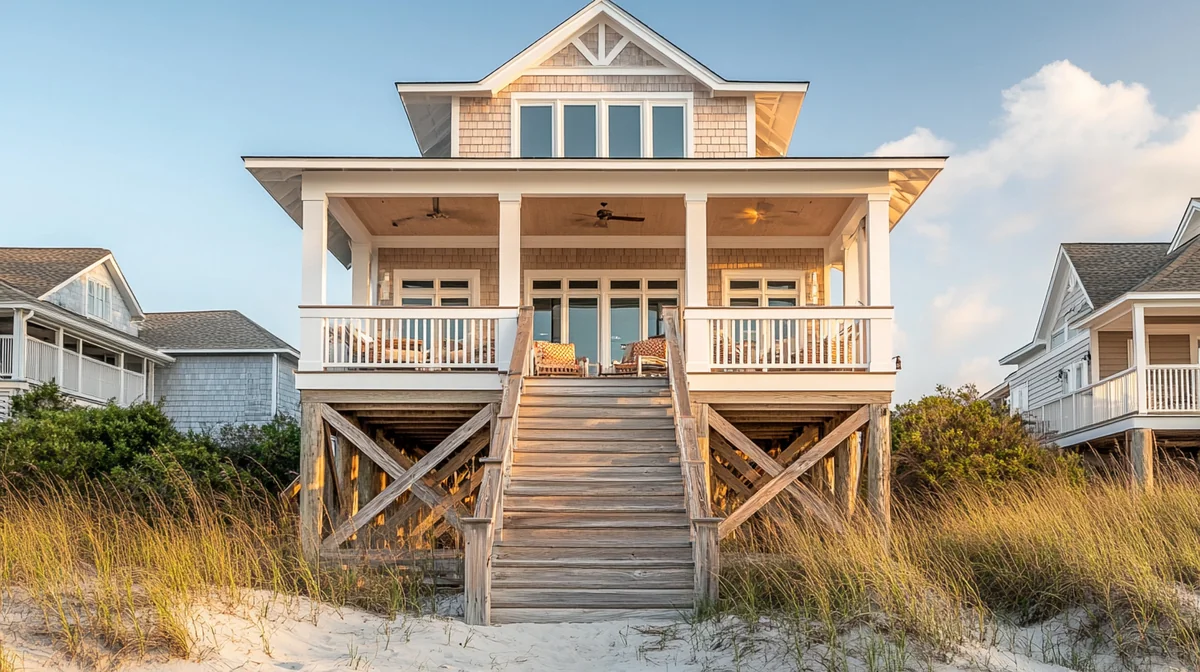



Morning (Gulf coast)
Breakfast at Skillets or The Turtle Club
Naples and the Gulf-coast classic breakfasts that distinguish a Gulf-coast trip from an Atlantic-coast one. Host knowledge of the distinction signals expertise.

Expert short-term rental marketing to grow your bookings and nightly rate in Florida, Florida, USA.
Sixteen services, one team. Everything below is built in-house and scoped to your property and market. Most owners start with the 12-Step System.
Every engagement is quoted to your portfolio. These are the ready-made scopes owners pick most — our Fall Special (55% off list or more) is already applied to the website, King Broker, Hotels and à la carte scopes. A clear proposal within 48 hours.
The work is public. Selected engagements and what changed — and reviews from the owners and managers behind them.
* Market averages from AirDNA and STR market reports. A single home's numbers depend on its size, its location and how it is marketed.
Cavmir is an Airbnb marketing agency. We build the brand, the direct-booking website and the marketing for short-term rentals in Florida.
Florida is the United States' premier leisure destination — a state of extraordinary diversity, from the coral ecosystem of the Florida Keys to the panhandle's emerald Gulf waters, from the Space Coast's technological heritage to the cultural richness of South Florida. Year-round sunshine, no state income tax, and world-class beaches continue to fuel explosive population growth and a short-term rental market of unmatched scale and variety.
Florida's STR market benefits from international visitor flows from Brazil, UK, Canada, and across Latin America — all drawn to Florida's combination of warm weather, theme parks, beaches, and business opportunity. Properly positioned properties across every Florida market outperform the average by 30–60%.
Nearby Markets: Miami | Orlando | Florida Keys
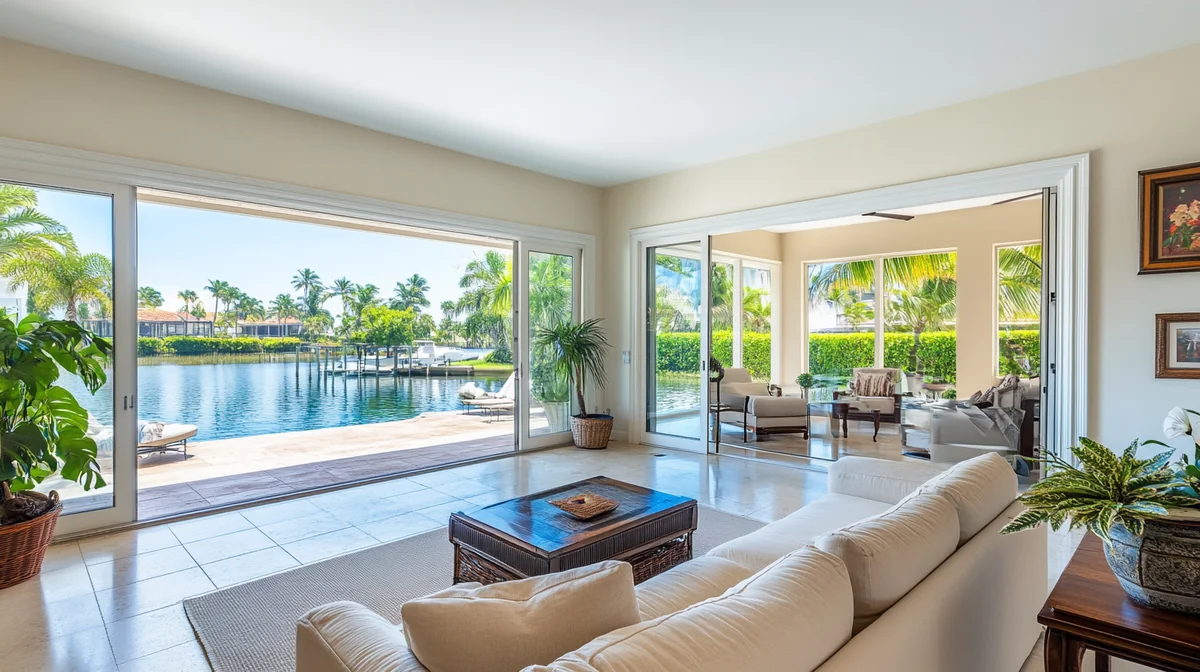
A few of the visual fingerprints we lean into when we shoot, brand and market a Florida property — courtesy of the open Wikimedia Commons archive.
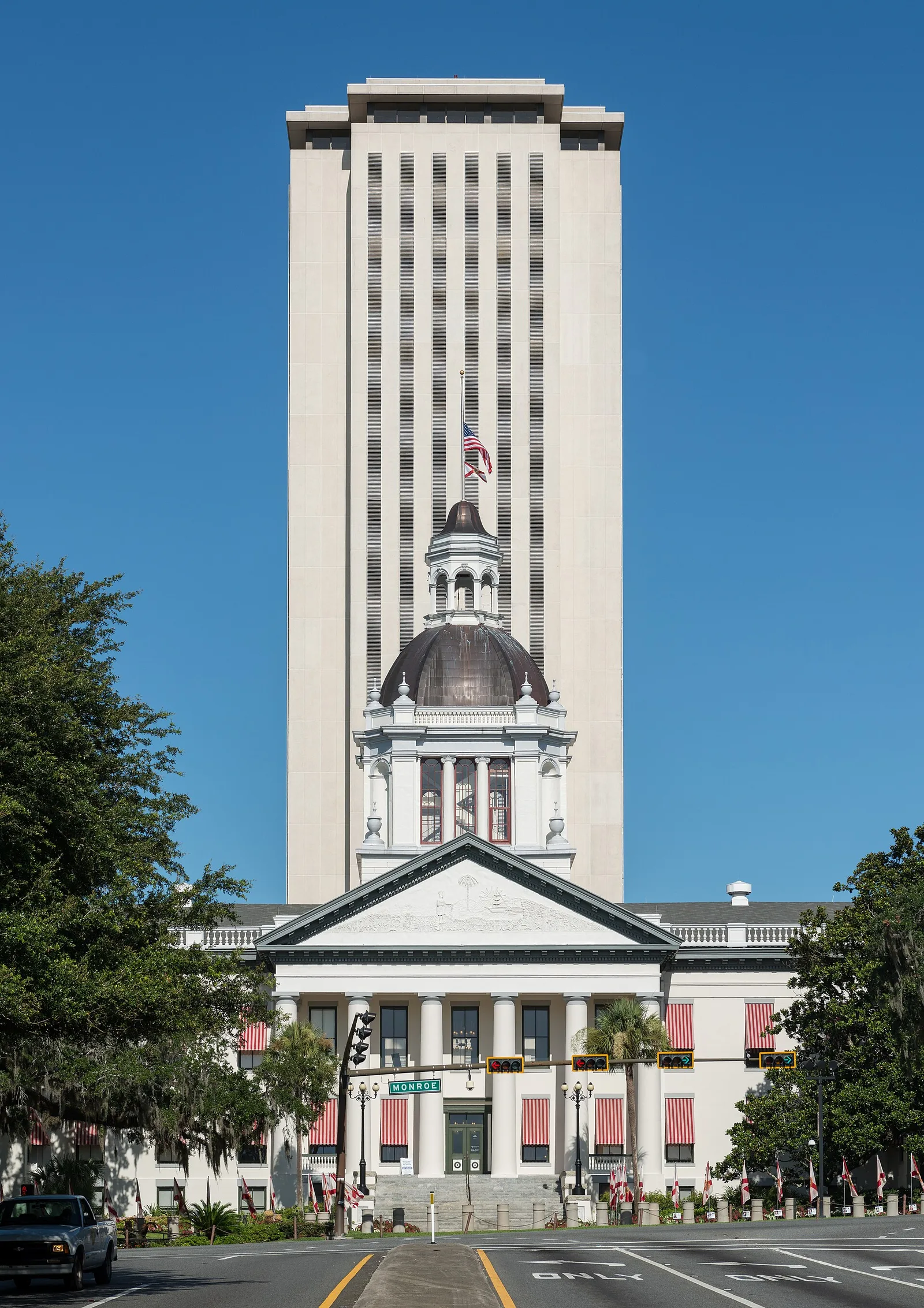
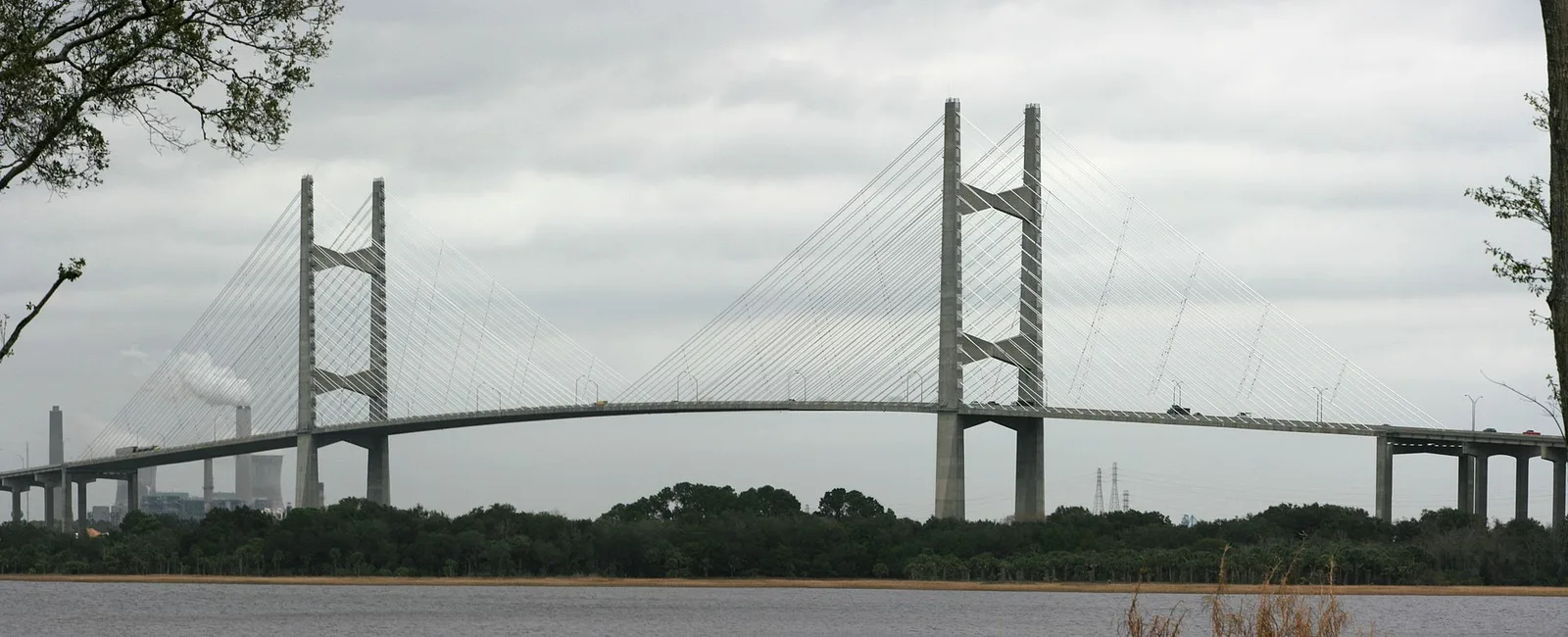
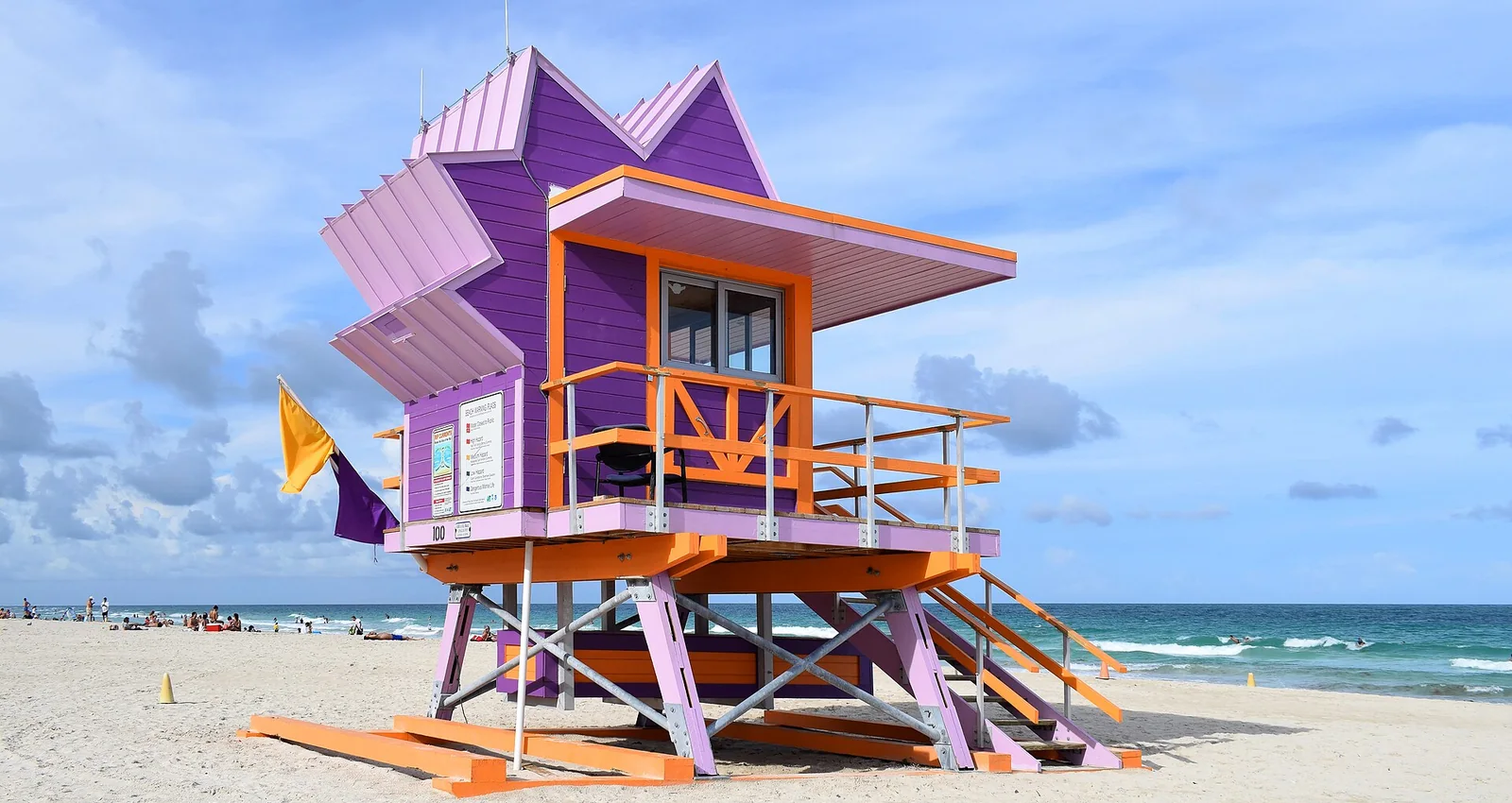
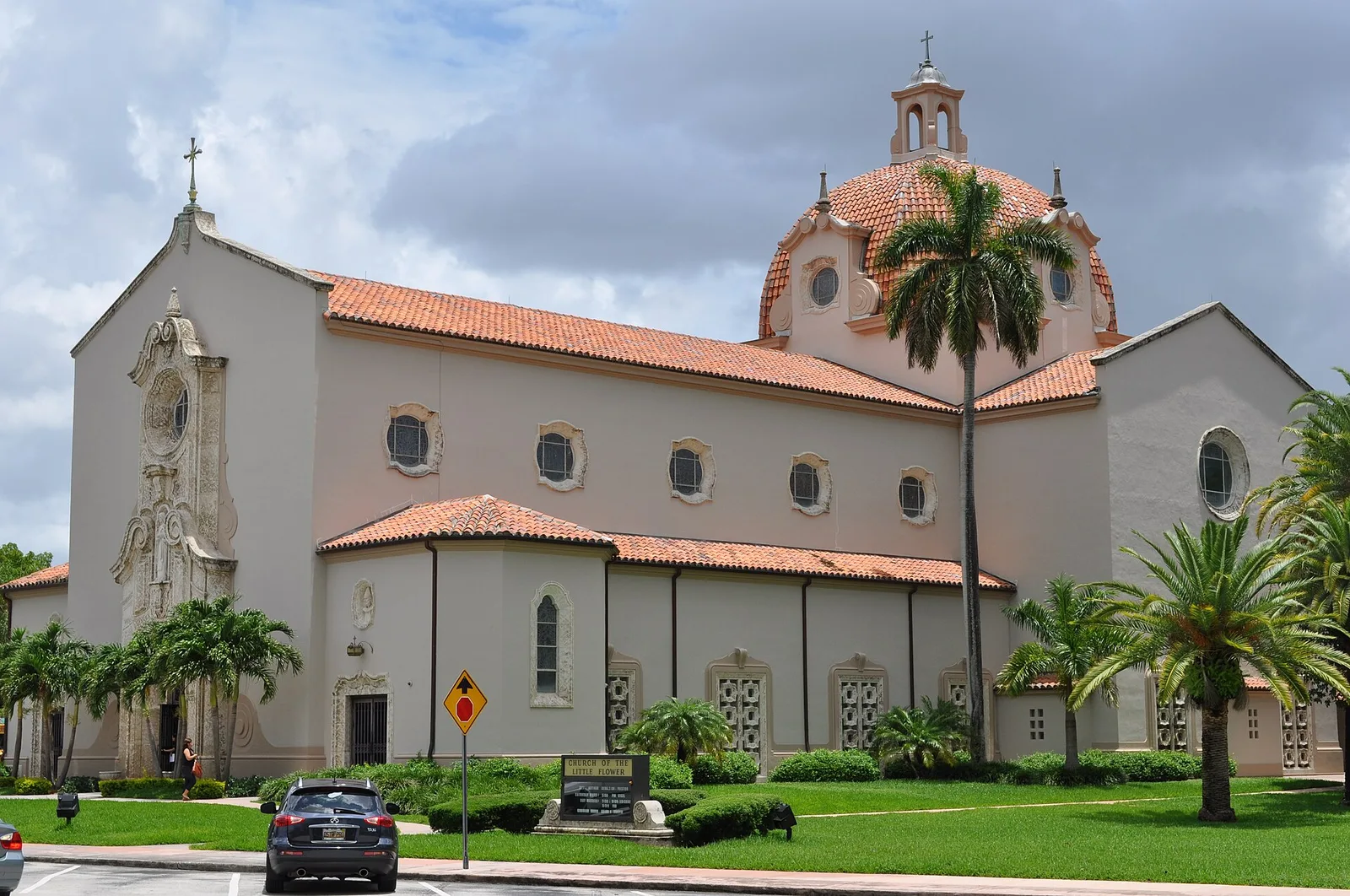
Cavmir has deep Florida market experience across Miami, the Keys, Orlando, the Panhandle, and emerging markets like Sarasota and Naples. We know every guest segment, every seasonal pattern, and every distribution channel that drives bookings in the Sunshine State.
Florida did not discover short-term rental in 2010. The state has been in the business of hosting the world — and marketing itself to it — for more than a century. Cavmir simply writes the modern chapter.


Florida's visitor economy is older than the state itself. St. Augustine — founded in 1565, the oldest continuously-occupied European settlement in the continental United States — has hosted travelers for more than 460 years, nearly three centuries before Florida became a state in 1845. But the modern template was set by one man's railroad. Henry Flagler ran his Florida East Coast Railway down the Atlantic shore, opening grand hotels as he went — the Hotel Ponce de León in St. Augustine in 1888, the Royal Poinciana at Palm Beach, and the line into Miami in 1896 — premium destinations connected by rail and supported, from the very start, by state-level marketing.
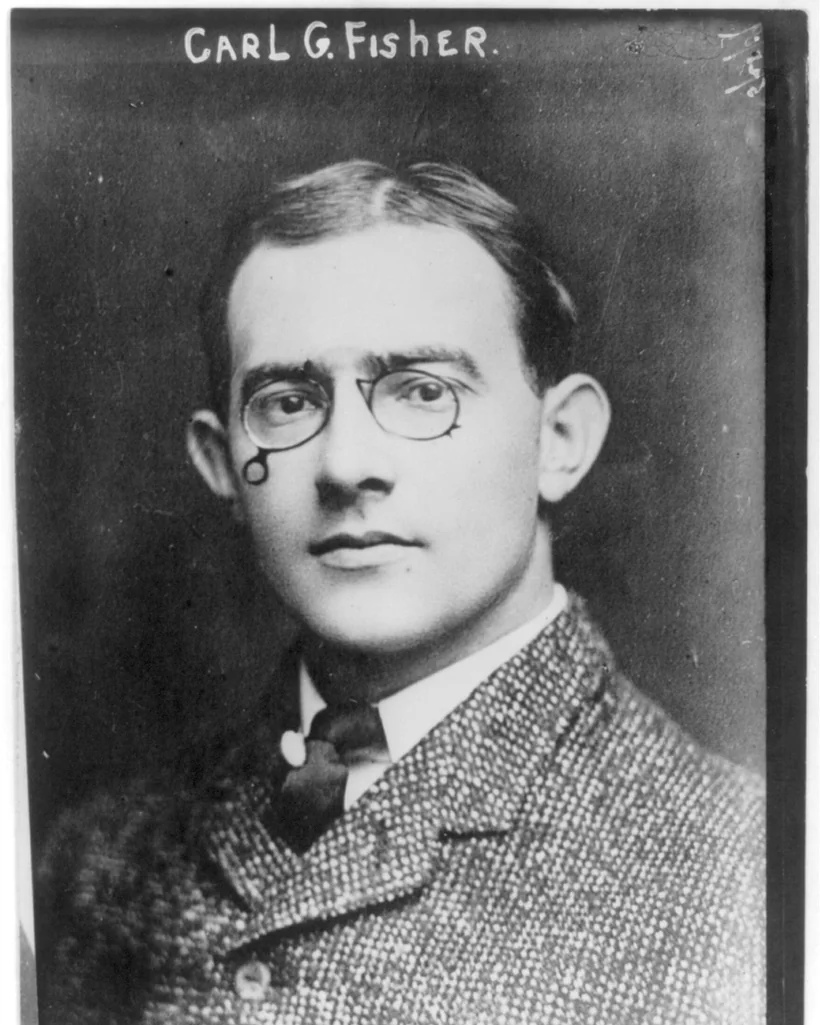
He did not build it alone, and he did not build it unprompted. Julia Tuttle — remembered as the "Mother of Miami" — owned the land at the mouth of the Miami River and persuaded Flagler to bring his railway south, platting the city his trains created. On the sandbar across Biscayne Bay, Carl Fisher dredged Miami Beach into existence in the 1910s and then did the thing Florida has always done best: he marketed it, relentlessly, to the entire country — billboards, publicity stunts, and the Flamingo Hotel in 1921. On the Gulf coast, Henry Plant's railroad and his 1891 Tampa Bay Hotel did the same work in mirror image. By the mid-1920s the land boom had the whole nation buying Florida lots off painted beachfront signs.
The twentieth century layered destination on destination. Miami Beach's Art Deco district was renewed through the 1980s and '90s; the Space Coast launched a nation's imagination; the Panhandle's emerald coast — 30A, Destin, Panama City Beach — grew into a sugar-sand vacation market of its own; and Naples and Sarasota built a Gulf-coast retirement-and-second-home economy. Above all, Walt Disney World opened near Orlando in 1971 and made central Florida the theme-park capital of the world. Today Florida hosts more visitors a year than all but a handful of entire countries — a genuinely global visitor economy.
The platform-era short-term-rental market that grew on top of all this is the largest in the United States by listing count, and every sub-market — Miami, Orlando, the Keys, the Panhandle, Naples, Sarasota, Tampa, the Space Coast — runs on its own distinct dynamics. Its single most important structural feature is legal: Florida's 2011 law (SB 872) bars local governments from banning short-term rentals outright, though they can still regulate through zoning, taxation and life-safety codes. That state-level protection is why Florida has stayed the country's most STR-friendly market — and why the gap between an average listing and a well-marketed one is worth more here than almost anywhere else. That gap is the chapter Cavmir writes.
Before the platforms, before the listings, the railroad hotels and the beachfront developers sold this state to the country — on painted billboards like the 1922 Miami sign below, on promotional postcards, and on the strength of how the place simply looked in the middle of a northern winter. The channel changed; the work is identical: presentation, positioning, and the promise of the Florida sun. It is the same business Cavmir is in today.
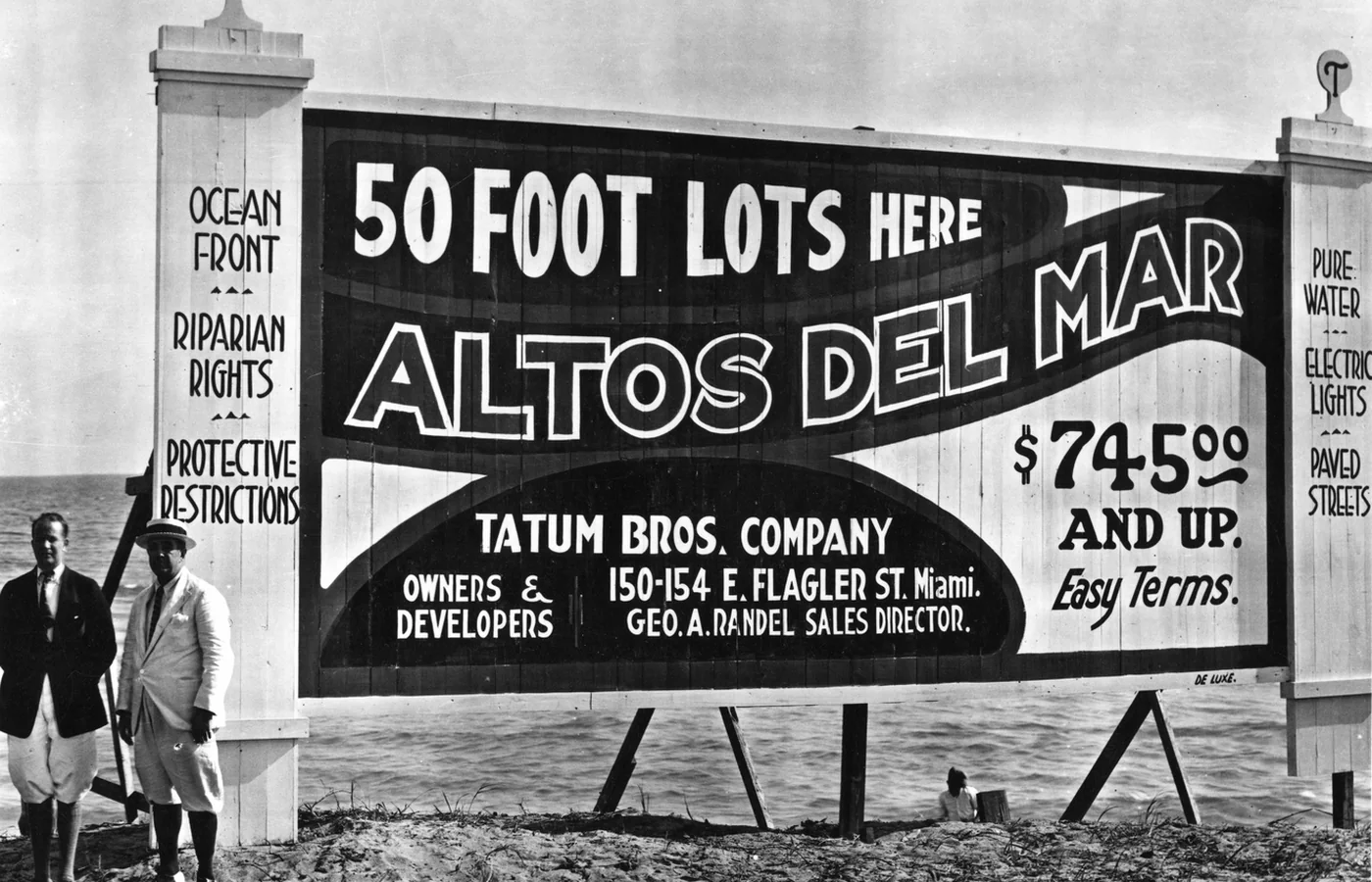
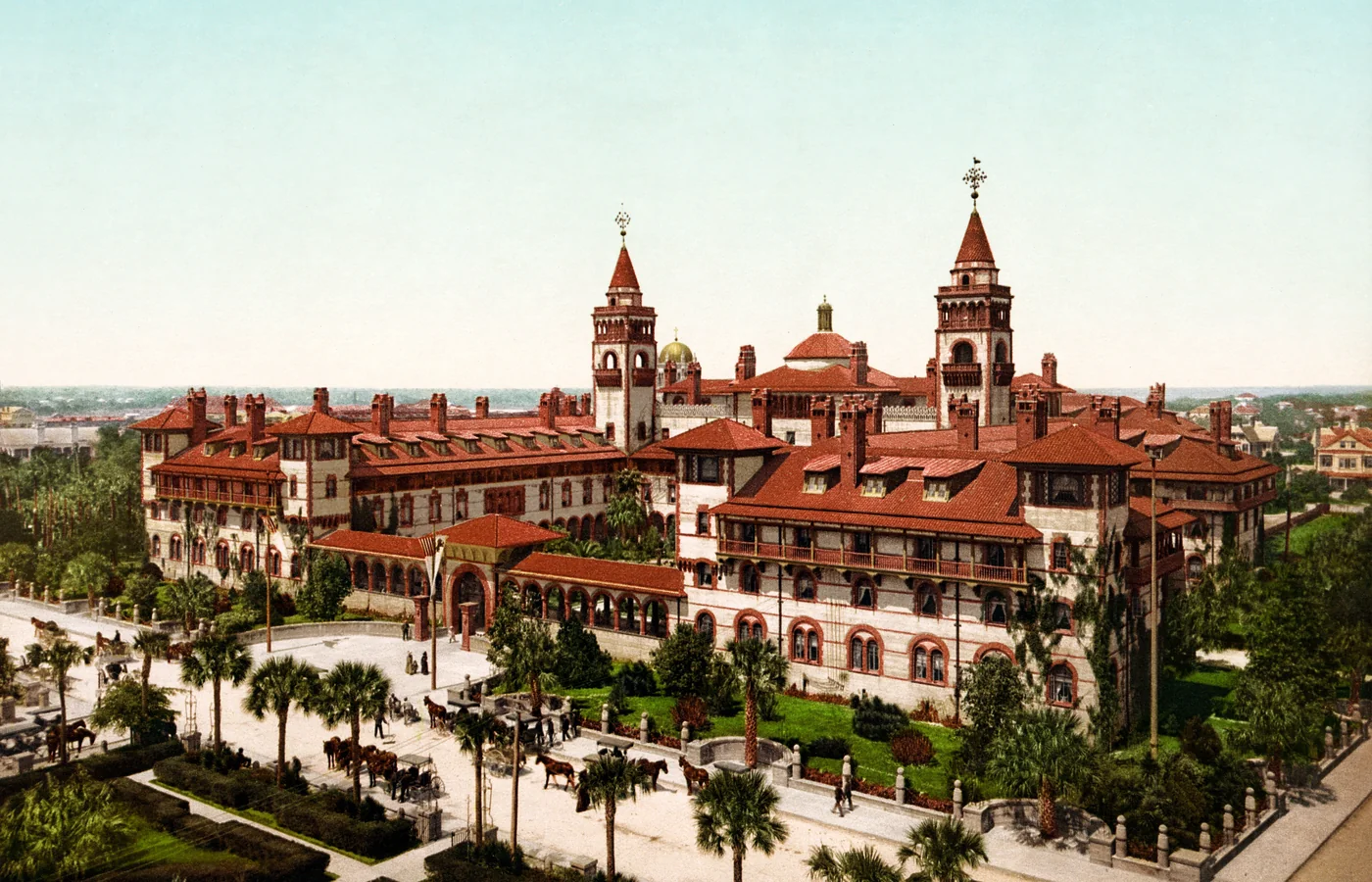
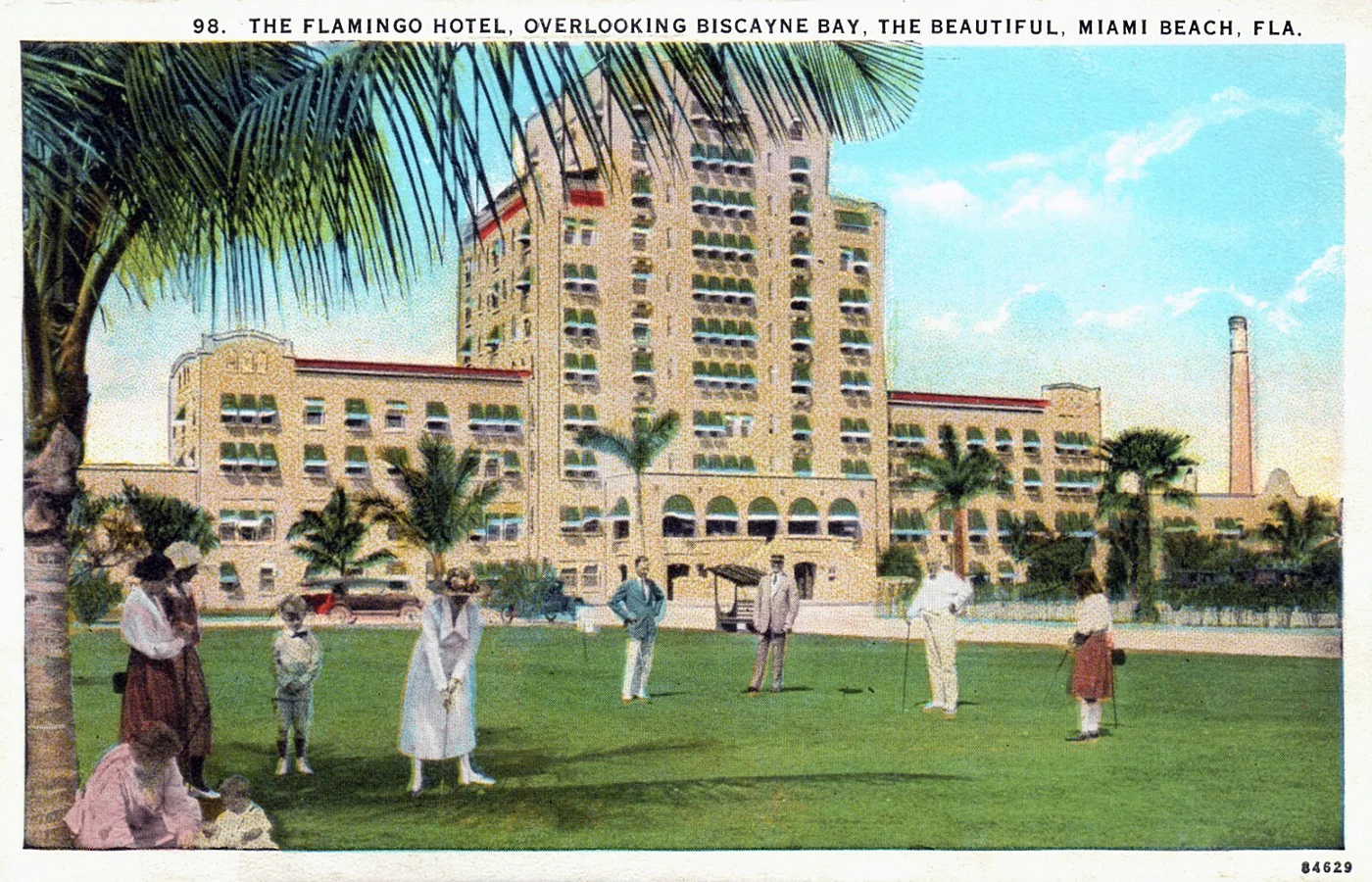
Historical images: public domain and Creative Commons (CC BY / CC BY 2.0) via Wikimedia Commons — Detroit Publishing Co., Curt Teich & Co., and the George Grantham Bain Collection.
Florida is not one market — it's a dozen. Miami Beach oceanfront commands $400–$2,500+/night depending on building and season. The Keys premium small-property market runs $300–$1,500. Disney-adjacent Orlando pool homes anchor the mid-market ($200–$600). Panhandle 30A luxury beachfront can match Caribbean rates in peak weeks. Naples and Marco Island trade as premium family retreats. St. Augustine historic and Amelia Island serve the heritage-travel market. Sarasota and the Gulf barrier islands (Siesta Key, Anna Maria) offer family-friendly beach inventory at relative value.
Florida's seasonality is inverted from most of the country. Peak: December through April (snowbird escape). Secondary peak: summer (family vacations, particularly at Disney-adjacent and beach properties). Weakest: September–October (hurricane season, humid, post-summer lull). Year-round international visitor flows (Brazil, UK, Latin America, Canada) smooth some seasonality. Missed revenue windows vary by sub-market but early November and late April are consistent opportunities statewide.
Florida state law via Florida Statute 509 requires every vacation rental to hold a license from the Department of Business and Professional Regulation (DBPR). The 2011 state preemption law prevents local governments from banning vacation rentals but allows local regulation of registration, inspection, noise, parking, and occupancy through otherwise-lawful zoning powers. The 2024 SB 280 and follow-on legislation attempted further standardization of local rules; political negotiation continues.
State sales tax is 6%, plus county discretionary surtax (0.5–1.5%), plus county-level Tourist Development Tax (varies widely — 5–6% typical; Miami-Dade 6%; Orange County 6%; Monroe County 5%). Combined guest-collected lodging tax typically 12–14%. Each Florida county and many cities have specific registration and inspection requirements. HOA and condo rules are the most common practical restriction — Florida's 2022 Condominium Act revisions strengthened HOA enforcement rights over owner-level STR decisions.
The statewide Florida tip: sub-market expertise matters more than state-level strategy. Miami Beach's Art Deco corridor, the Keys' fishing-diving economy, Orlando's theme-park-family segment, 30A's luxury-beach culture, Sarasota's retirement-plus-culture market — each has distinct guest demographics, pricing dynamics, and operational requirements. The same marketing strategy won't work across all of these.
Second — international-language marketing is underused statewide. Portuguese (Brazilian market), Spanish (Latin America), UK-English, and French-Canadian listings significantly outperform English-only in markets with strong international visitation. Third — hurricane-season content is essential. Guests fear it; transparent cancellation policies, evacuation protocols, and property-resilience documentation improve booking conversion June through November. Fourth — verify condo bylaws and HOA rules meticulously. Florida's Condominium Act gives HOAs strong tools to restrict STR use, and many Florida condo associations have tightened since 2020.
Florida's challenges are state-wide and sub-market-specific. State-wide: hurricane exposure, flood-zone insurance costs, rising property insurance premiums (Florida is the most challenging US property-insurance market), occasional political volatility around tourism and STR legislation. Sub-market: each major Florida STR sub-market has its own regulatory and operational specifics. Competition is intense across almost every sub-market; undifferentiated inventory compresses on rate.
Florida insurance is a specialty market. Citizens Property Insurance (state-run), Florida surplus-lines carriers, and private market options vary by zone. Wind-pool coverage required in most areas. Flood insurance (NFIP or private) required in FEMA zones. STR-specific liability essential. Costs have risen 40–100% in many sub-markets since 2020. Budget $3,000–$20,000+ annually depending on location and construction.
Florida has no state income tax — a significant structural advantage that drives both retirement and investment migration. Property tax varies by county (0.8–1.2% effective typical). 10% annual-growth cap on non-homestead assessed values. Combined 12–14% guest-collected lodging tax.
Florida is one of the most lender-friendly US STR markets. Conventional, DSCR, and portfolio products widely available across sub-markets. Insurance availability increasingly affects underwriting — some lenders require insurance quotes before closing. Conforming limits cover most inventory; jumbo for luxury coastal. 20–25% down typical.
Florida runs short-term rentals on two levels, and you need both. At the state level, Chapter 509 requires a Vacation Rental Dwelling license from the Department of Business and Professional Regulation's Division of Hotels and Restaurants for any home rented to guests more than three times a year for stays under 30 days, or advertised as a regular rental. You can license a single house, or run several under a group or collective license where one licensed agent carries the compliance — and, importantly, owns the violations. The state license covers safety and sanitation basics: balcony and railing checks, smoke detectors, fire extinguishers. It does not, on its own, make you legal in your town. That's the second level, and it's where Florida gets complicated.
For years the open question was whether the state would strip cities of the power to regulate rentals. In 2024 the Legislature passed SB 280, which would have centralized much of that control; Governor DeSantis vetoed it in late June 2024, writing that vacation-rental markets vary too much across Florida for one statewide rule. The bill's sponsor said he wouldn't carry it again, and it wasn't revived in the 2025 session. So the 2011 preemption still governs: local governments can't outright ban rentals or cap how often they rent unless their ordinance predates June 2011, but they can — and do — require registration, inspection, parking, noise, and occupancy rules. The practical result is sixty-seven counties and hundreds of cities each writing their own playbook.
Every Florida rental collects the 6% state sales tax plus the county's discretionary sales surtax, which the Department of Revenue administers. On top sits the county Tourist Development Tax — the "bed tax" — and it varies widely, from a couple of percent in quiet counties to 6% in the big tourism ones, with the Keys adding a Tourist Impact Tax that's theirs alone. Some counties let the state and the platforms collect the bed tax; many self-administer it and expect you to register and remit directly, monthly, whether or not Airbnb collected anything. Getting that map right for your specific county is the single most common thing out-of-state owners get wrong. Treat this as orientation, not tax advice, and confirm current rates with the county tax collector and a Florida accountant.
Florida isn't one rental market, it's a half-dozen, and the rules and the guest change with the region. Central Florida — Orlando and especially Osceola County, Kissimmee, Davenport and the Four Corners — is the theme-park engine and the most rental-normalized part of the state. Osceola actually zones for it, with short-term-rental overlay and planned-development districts and purpose-built vacation-home communities like ChampionsGate and Reunion, where a licensed rental is the expected use, not a fight with the neighbors. You still need a state license, a county short-term-rental license, and confirmation that your address sits in an approved zone. This is the region where a big pool home full of themed bedrooms competes head-on with hotels for a whole traveling family.
Head to the southeast and the mood flips. Miami Beach is the cautionary tale: short-term rentals are banned outright in its single-family neighborhoods, allowed only in specific higher-density and commercial zones, and operating without the right registration draws fines that start at $20,000 for a first offense. Across South Florida the binding restriction is often private — the condo or HOA rules, not the city code. The Gulf beaches, from Clearwater and St. Pete down through Sarasota, Naples and Fort Myers, sit in the friendlier middle: whole-home and condo rentals are common, snowbirds book by the month, and county bed-tax registration is the main hoop. Each of these is a different listing, a different guest, and a different checklist — assuming "Florida rules" travel with you is exactly how owners get burned.
Three more Floridas round it out. The Keys are the tightest market in the state — a 28-day floor in many districts, capped licenses, and the Rate of Growth Ordinance throttling new supply; we cover that in depth on the Florida Keys page. The Panhandle is the drive-in summer coast: 30A and Walton County, Panama City Beach, Destin, and the quiet Forgotten Coast around Cape San Blas, all built on Saturday-to-Saturday family weeks and generally welcoming to whole-home rentals. The northeast First Coast — St. Augustine and St. Johns County, Amelia Island — runs registration programs with annual renewals and week-minimum floors in some residential zones. Same state, six rulebooks. Know which one you're operating under before you write a single line of your listing.
If you own in more than one Florida market, your hardest job isn't marketing — it's not tripping over a rule that changes at the county line. Start with the license structure. A single DBPR license fits one house; once you're running several, a group or collective license can put them under one agent, but read that carefully, because the licensed agent carries the violations for every unit on the file. Then map registration separately for each jurisdiction: renewal dates, inspection requirements, and occupancy caps don't line up between, say, Osceola County and the City of St. Augustine. A calendar that tracks every local renewal date is worth more than any dashboard, because a lapsed local registration can shut a listing down even when your state license is perfect.
Tax is where multi-market owners quietly lose money. The 6% state sales tax and the surtax are uniform and mostly collected for you, but the county bed tax is a patchwork. Some counties ride along with the state and the booking platforms; many self-administer, which means you register with that county and remit directly, on their schedule, whether or not Airbnb or Vrbo collected a cent. A few collect nothing through the platforms at all — Gulf County, on the Forgotten Coast, makes every owner remit its 5% themselves. Run five properties across five counties and you may have five different remittance routines. Build the process once, per county, keep the confirmations, and reconcile monthly; confirm every rate and rule with each county tax collector and your accountant.
Two more statewide realities deserve a permanent spot on your watch list. First, insurance: Florida's property-insurance market has been under real strain, wind and flood coverage is expensive and sometimes hard to place, and a portfolio spread along the coast concentrates hurricane risk rather than spreading it — price that in fully on every house. Second, the private rules. Condo and HOA restrictions, strengthened by Florida's 2022 condominium-law changes, are frequently the binding limit on whether and how you can rent, and they never show up in a city ordinance search. Read the covenants before you buy. Cavmir markets rentals across all of these Floridas and helps owners position each house for its own market; the licensing, tax, and insurance decisions stay with you and your professionals. When in doubt, ask the county and your attorney first.
Florida through 2027 and beyond: continued population and visitor growth, expected regulatory stability at state level (preemption likely to hold), insurance cost as the defining operational variable, and climate-adaptation spending driving specific coastal-sub-market changes. The FIFA World Cup 2026 Miami matches create international attention. Orlando theme park expansion (Epic Universe opened 2025) drives demand. Keys and Panhandle climate exposure requires long-term underwriting. Florida's STR market will remain the largest and most diverse in the United States.
Florida as a whole — beyond the marquee cities — is the most under-monetised regional STR opportunity in America. Fort Lauderdale's Intracoastal neighborhoods, Naples's Gulf-coast quiet, St. Augustine's historic-district charm, Sarasota's arts-scene credibility, the Tampa Bay creative-class inflow, the 30A corridor's design-tourism weight, Amelia Island's shrimping-village identity, the Space Coast's launch-event calendar. Each of these submarkets deserves specific marketing — and almost none of them get it. Generic "Florida vacation rental" copy leaves the real audience unclaimed.
What we love about marketing Florida writ large is the breadth of guest audience. Retirees, snowbirds, European inbound, Latin American inbound, digital nomads, golf travellers, beach families, bachelorette groups, space-launch photographers, hurricane-season value-seekers, design-tourism visitors. A listing that identifies its specific submarket, specific season strengths, and specific audience segment — and markets to them with editorial intention — outperforms the generic-Florida listing by meaningful multiples. The opportunity here is specificity.
The picks Cavmir recommends for Florida welcome books — because "Florida" is not a single place and the best hosts know exactly which Florida their property lives in.
Naples and the Gulf-coast classic breakfasts that distinguish a Gulf-coast trip from an Atlantic-coast one. Host knowledge of the distinction signals expertise.
Atlantic-coast Florida is a sunrise coast, not a sunset coast. A pier shot at 6:45am is the signature photograph most guests don't think to plan for.
St. Augustine's historic district, Fernandina Beach's Centre Street, Mount Dora's antique-shop loop, Seaside's New Urbanist grid. Pick the one nearest the property and document it.
Every Florida town has one. Finding it and pre-booking a sunset table is the single most-valuable welcome-book move a host can make.
Stone crab in the Keys; grouper sandwich on the Gulf; Minorcan chowder in St. Augustine. Naming the specific regional dish demonstrates host literacy.
Massive price inversions. Weather historically benign in many submarkets. The knowledgeable guest books this window specifically. Hosts who market it win.
Everglades from Gulf coast; Ocala springs from Central; Blue Spring manatees from Space Coast; Dry Tortugas from the Keys. Every region has one; name yours.
Honest hurricane briefings build trust. What the cancellation policy actually is, what the storm-shutters look like, what the evacuation-zone status means. Transparency converts.
Representative Cavmir engagements across Florida submarkets. Property identifiers removed; numbers composited from internal analytics and AirDNA ranges.
Premium 30A property whose marketing defaulted to generic Florida language. Missing the design-tourism audience that had made 30A a distinctive market.
Rebuilt around 30A's New Urbanist design heritage and the specific town's identity (Seaside, Alys Beach, Rosemary Beach, WaterColor — each has its own brand). Photography included the architectural detail that distinguished the property within its specific 30A town.
ADR climbed 38%. Peak-season booking lead time extended to 10+ months. Design-tourism bookings grew to a measurable revenue stream.
Commodity condo in a building with 25+ similar listings. Generic marketing, weak photography, pure price competition.
Repositioned around the Intracoastal-boat-culture identity that distinguished Fort Lauderdale from Miami. Photography emphasised the water access, the boat-tour partnerships, the walking-to-Las-Olas restaurants. Copy rewrote for the returning-snowbird and European-inbound audiences.
Occupancy moved from 64% to 83%. ADR up 27%. Repeat-snowbird bookings grew substantially, smoothing the revenue curve.
Beautiful historic home in the country's oldest continuously-occupied European city, marketed as a generic beach rental. Completely missing its actual heritage-tourism audience.
Full heritage-editorial rebuild. Welcome-book PDF built around the home's documented provenance and the neighborhood's 1500s history. Photography at architectural-magazine quality. Pitched to a Florida-heritage publication for feature coverage.
ADR climbed 44%. Guest profile shifted to longer-stay heritage-tourism travellers. Off-season revenue doubled as the educational-travel and academic-conference audiences discovered the property.
Florida is not one rental market; it's a dozen, and the single most important marketing decision is knowing which guest you're writing for. A Panhandle Gulf-front house sells to drive-in Southern families booking a summer week. An Orlando-area home sells to theme-park families comparing you against hotels and each other. A South Florida condo sells to winter snowbirds and European inbound guests who lock dates months ahead. The Keys sell to anglers, divers and couples; Naples and Sarasota sell to a quieter, longer-staying, second-home-adjacent guest. A listing tuned to its actual guest — the family that needs a heated pool and a screened lanai, the snowbird who needs a month and a washer-dryer, the design traveler who came for 30A's architecture — captures the calendar that an averaged, everyone's-welcome listing leaves on the table.
Access is Florida's other quiet advantage, and the nearest gateway belongs on the first screen of any listing. The state runs on a ring of major airports — Miami (MIA), Fort Lauderdale (FLL) and Palm Beach (PBI) for the southeast; Orlando (MCO) for the central corridor; Tampa (TPA) and Southwest Florida / Fort Myers (RSW) for the Gulf; Panama City (ECP), Destin–Fort Walton (VPS) and Pensacola (PNS) for the Panhandle; and Key West (EYW) for the islands — most within an hour's drive of the homes around them. Layered on top is a huge drive-in market: a summer family from Atlanta, Nashville or Charlotte reaches the Panhandle or the Gulf in a day. Naming the nearest airport, the realistic drive time and whether a car is essential answers the first question every guest asks — and quietly signals a host who has run the property before.
Demand in Florida peaks around March and runs quietest around September. Here is how the year actually books — and what to do about each stretch of the calendar.
Florida runs on two peaks at once. From January through April the southern half of the state fills with snowbirds and winter escapees from the Northeast and Midwest, while June and July belong to family beach weeks on the Panhandle and the theme-park corridor around Orlando. March is the one month the whole state fires together, when spring break, race season and festival season overlap. Know which peak your market rides and have the listing dialed a full season ahead of it.
April, May, October and November are the connective tissue. The south ramps up through late fall as winter residents trickle back, the Gulf coast stays warm enough for value-minded beach trips, and event weekends — boat shows, football, festivals — spike specific dates worth pricing individually. Shoulder season in Florida rewards precision over blanket discounts.
September is the honest statewide low: school is back, the heat is heaviest and it's the core of hurricane season. Treat it as the maintenance and refresh window, court in-state weekenders with flexible pricing, and lean on longer stays from remote workers and relocation scouts. The listings that use September well show up polished for the winter wave.
Snowbirds book the earliest, often arranging winter months before the summer ends. Family beach and park weeks fill through late winter and spring. Event dates firm up as soon as the calendar is announced, while in-state and last-minute demand runs inside a few weeks all year.
Stay patterns split by region: month-plus winter stays in the south, full-week summer beach and park trips, and two-to-four-night event and city stays year-round. The statewide constant is that Florida rewards listings set up for longer stays better than almost anywhere.
Florida's common thread is outdoor living: a pool, a screened lanai and shaded space to sit outside sell in every region of the state. Beyond that, the winner is regional — a walkable cottage near the water on the coasts, a big pool home near the parks, a condo with a real view in the cities. Whatever the property, the version that photographs like a place to be outside beats the version that photographs like a place to sleep.
Start by knowing which Florida you're in: a Panhandle beach house, an Orlando-area park home and a South Florida winter rental have different guests, different peaks and different feeder cities. From there the fundamentals hold statewide — photography built around outdoor living, listing copy that answers the questions your specific guest asks, pricing that moves with your region's season, and a Google Business Profile plus a direct-booking site to capture repeat guests. That's the stack Cavmir builds for Florida hosts, tuned to each market's actual demand curve rather than a statewide average.
It depends on the half of the state. South Florida peaks January through April with winter escapees and snowbirds; the Panhandle and the Orlando corridor peak in summer with family trips. March is the one month everything fires at once, and September is the reliable statewide low.
Winter-long snowbird stays book furthest out, often locked in by early fall. Summer family weeks fill through late winter and spring, and event weekends firm up the moment dates are announced. There's also a genuine last-minute layer of in-state travelers, so a responsive calendar earns bookings all year.
Two big rivers: the Southeast drives in from Atlanta, Nashville, Charlotte, Birmingham and New Orleans, mostly in summer, and the Northeast and Midwest fly in from New York, Chicago, Boston, Philadelphia, Detroit and Minneapolis, mostly in winter. In-state travel is the quiet third river that keeps the off months moving.
A pool — heated, and clearly advertised as heated — matters more here than in any other state, followed by a screened lanai or shaded outdoor space that makes the climate a feature instead of a fight. Fast wifi and self check-in are table stakes, laundry matters for the long stays Florida attracts, and gear to lend, beach or pool, tells families you've thought about their week.
Run your Airbnb, Vrbo, or website through Cavmir's free grader. It checks the things that decide whether guests book in Florida — photos, listing copy, page speed, local search — and shows you where bookings leak. Takes about a minute, and there's no sales call attached.
If the report says your booking engine is the weak link, that's fixable: a direct-booking website of your own means repeat guests stop paying platform fees to come back to you. That's the work Cavmir does — see Airbnb website design in Florida.
Send us the listing and we'll tell you what we'd change. Not a pitch deck — a straight read on your photos, your title, your rates against the Florida comp set, and whether a direct-booking site would pay for itself.
You'll hear back from a person, usually inside one business day. If we don't think we can move your numbers, we'll say so. Cavmir is a short-term rental marketing agency — we position and market properties, we don't manage them.
Counted from the Florida DBPR vacation rental license file, deduplicated by permit number — real registry data, not an estimate. See the full Florida permit data →
As of July 2026, the Florida DBPR vacation rental license file we compiled holds 50,295 records across 278 cities and towns. A license is not always one listing — some licenses cover multiple units — so treat this as a verified floor for the size of the legal market.
The five biggest markets by records on file are Kissimmee (4,137), Panama City Beach (3,605), Davenport (2,476), Miami Beach (1,702), Miami (1,666). Between them they hold about 27% of every record in the state — the rest spreads across beach towns, island communities and the Orlando-area resort corridor.
The number above comes from the Florida DBPR vacation rental license file, an official public source, pulled and deduplicated in July 2026. Rules and requirements change — always confirm current licensing requirements with the program directly before you buy or list.
Talk to Cavmir today. We'll show you exactly what your Florida property is leaving on the table — and how fast we can change that.
Book a Free Strategy CallPhotography via Wikimedia Commons (images resized and cropped): Tampa Florida November 2013-2b by Alvesgaspar (CC BY-SA 3.0) · Dames Point Bridge, Jacksonville FL Pano 2 by “Jonathan Zander (Digon3)” (CC BY-SA 3.0) · Lifeguard stand, Miami Beach by Radomianin (CC BY-SA 4.0).
