




Morning
Breakfast at Se7en Bites or The Strand
Two non-theme-park brunch spots that show guests Orlando has a legitimate local food scene. Se7en Bites for southern comfort, The Strand for vegetable-forward modern.

North America · Airbnb Marketing
Expert short-term rental marketing to grow your bookings and nightly rate in Orlando, Florida, USA.
Sixteen services, one team. Everything below is built in-house and scoped to your property and market. Most owners start with the 12-Step System.
Every engagement is quoted to your portfolio. These are the ready-made scopes owners pick most — our Fall Special (55% off list or more) is already applied to the website, King Broker, Hotels and à la carte scopes. A clear proposal within 48 hours.
The work is public. Selected engagements and what changed — and reviews from the owners and managers behind them.
* Market averages from AirDNA and STR market reports. A single home's numbers depend on its size, its location and how it is marketed.
Cavmir is an Airbnb marketing agency. We build the brand, the direct-booking website and the marketing for short-term rentals in Orlando.
Orlando is the world's most visited theme park destination — and the short-term rental market that surrounds it is one of the most dynamic in the United States. Walt Disney World, Universal Orlando Resort, SeaWorld, and ICON Park draw tens of millions of visitors annually. But Orlando's appeal is expanding beyond theme parks: a growing food scene, boutique neighborhoods like Thornton Park and College Park, and a booming tech and healthcare sector are diversifying the traveler mix.
Orlando's STR market is defined by its proximity to attractions. Properties within 10 miles of Disney command premium rates and consistent occupancy year-round. International travelers — particularly from Brazil, UK, and Latin America — are a significant and growing segment that responds strongly to professionally marketed properties.
Nearby Markets: Miami | Florida Keys
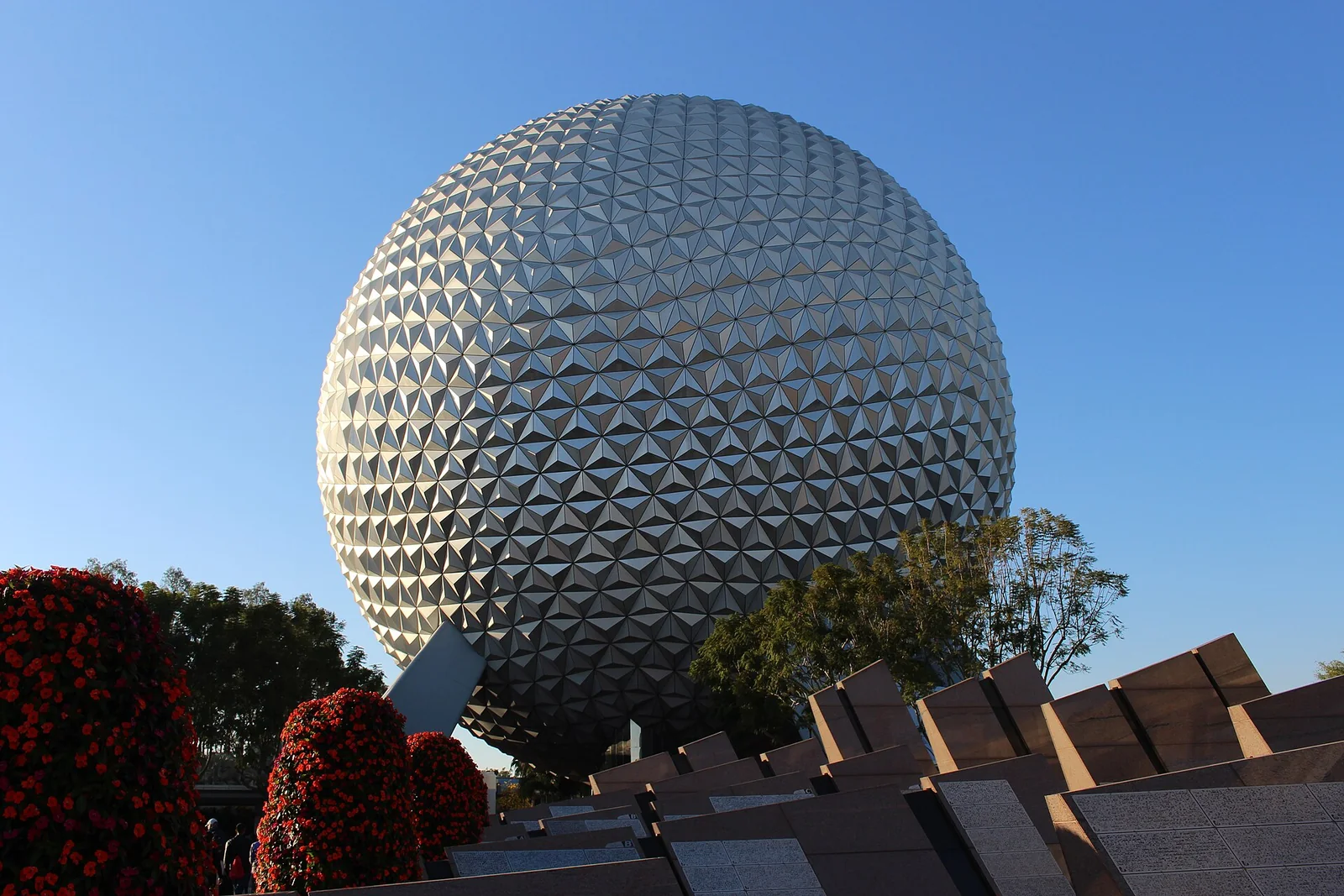
A few of the visual fingerprints we lean into when we shoot, brand and market a Orlando property — courtesy of the open Wikimedia Commons archive.
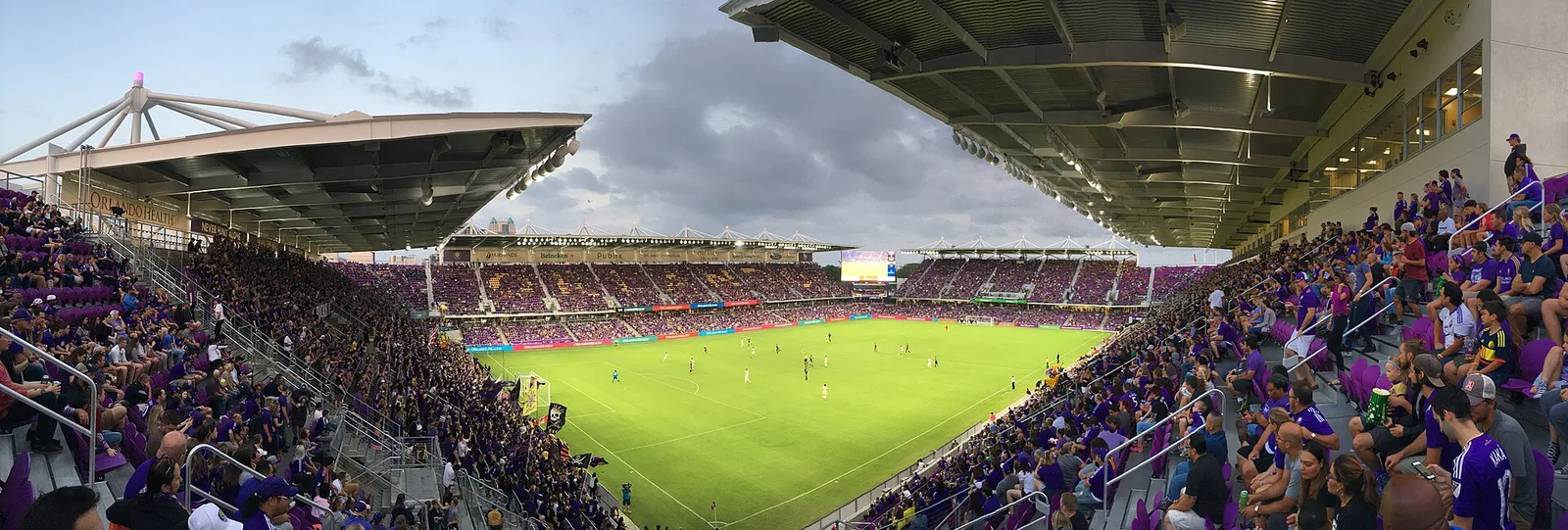
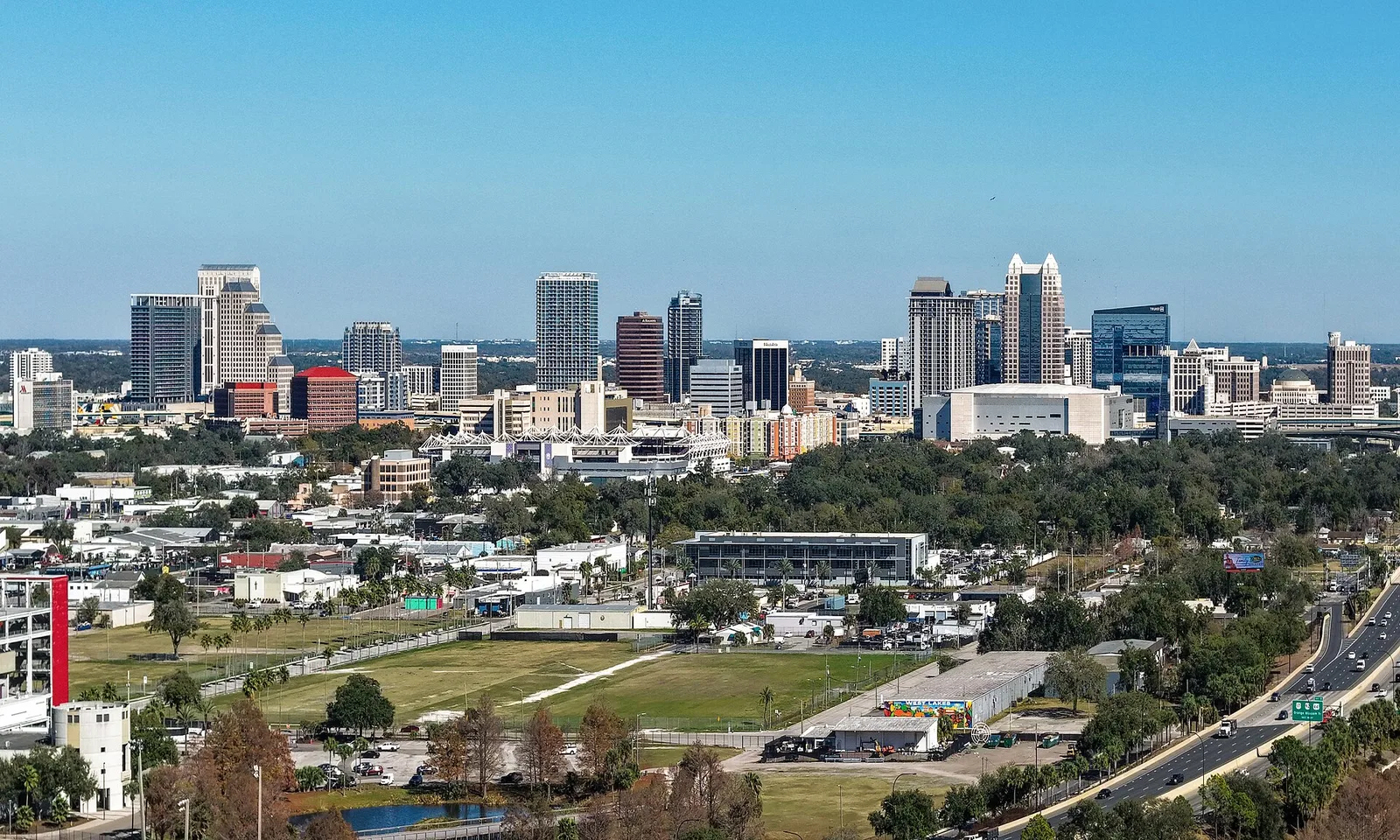
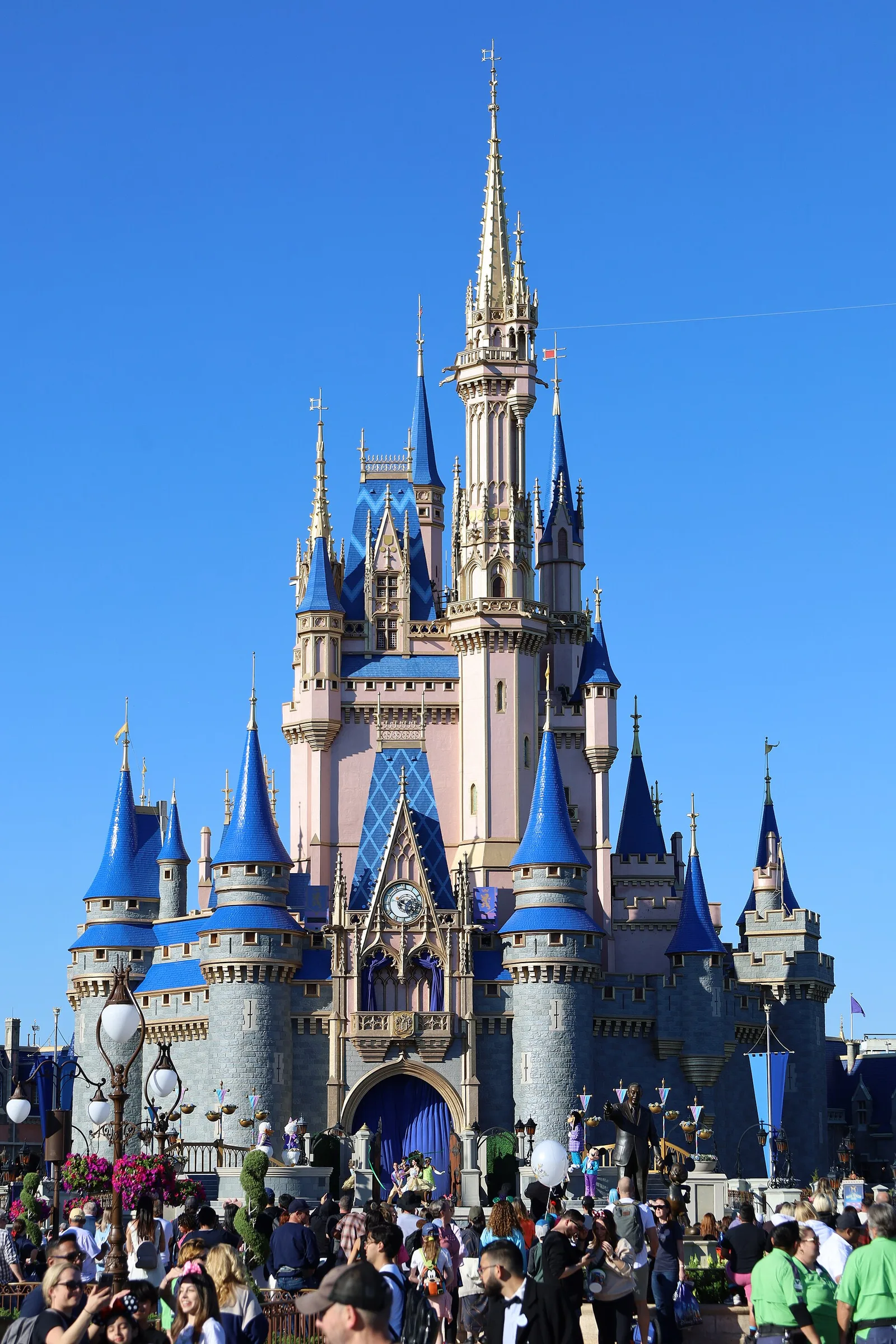
Cavmir's expertise in multi-language marketing and international platform distribution makes us uniquely positioned to serve Orlando property owners. We capture the Brazilian family visiting Disney, the European couple exploring Florida, and the domestic traveler seeking a home base for theme park immersion — all in a single, optimized strategy.
Orlando was a citrus and cattle town that a theme park turned into the most-visited city in America — and the vacation-home market grew right along with it. Cavmir simply writes the modern chapter.
Orlando's transformation from central-Florida citrus town to the world's most-visited theme park destination began with Walt Disney's 1965 land-acquisition announcement and the 1971 opening of Walt Disney World. The vacation rental market followed: the Disney-area pool-home corridor (Kissimmee, Davenport, Champions Gate, Reunion, Windsor Hills) developed from the 1990s specifically as an STR alternative to hotels. Universal Orlando (1990, massively expanded through the 2000s) created a second STR gravitational center. Orlando's STR market is one of the largest and most mature in the United States — the 'pool home for the family theme-park week' is effectively an established asset class.
What distinguishes Orlando from most US STR markets is the heavy international visitor layer — particularly from Brazil, the UK, Canada, Latin America, and increasingly the Middle East. International visitors stay longer (often 7–14 days), book further in advance, and respond strongly to professional marketing in their native languages. This international demand has been a structural feature since the 1980s.
Before the platforms, a railroad and the citrus groves built this town — and then a theme park remade it into the most-visited city in America. The vacation-rental market is the newest layer, and it runs on the same thing the parks do: presentation. It is the same business Cavmir is in today.
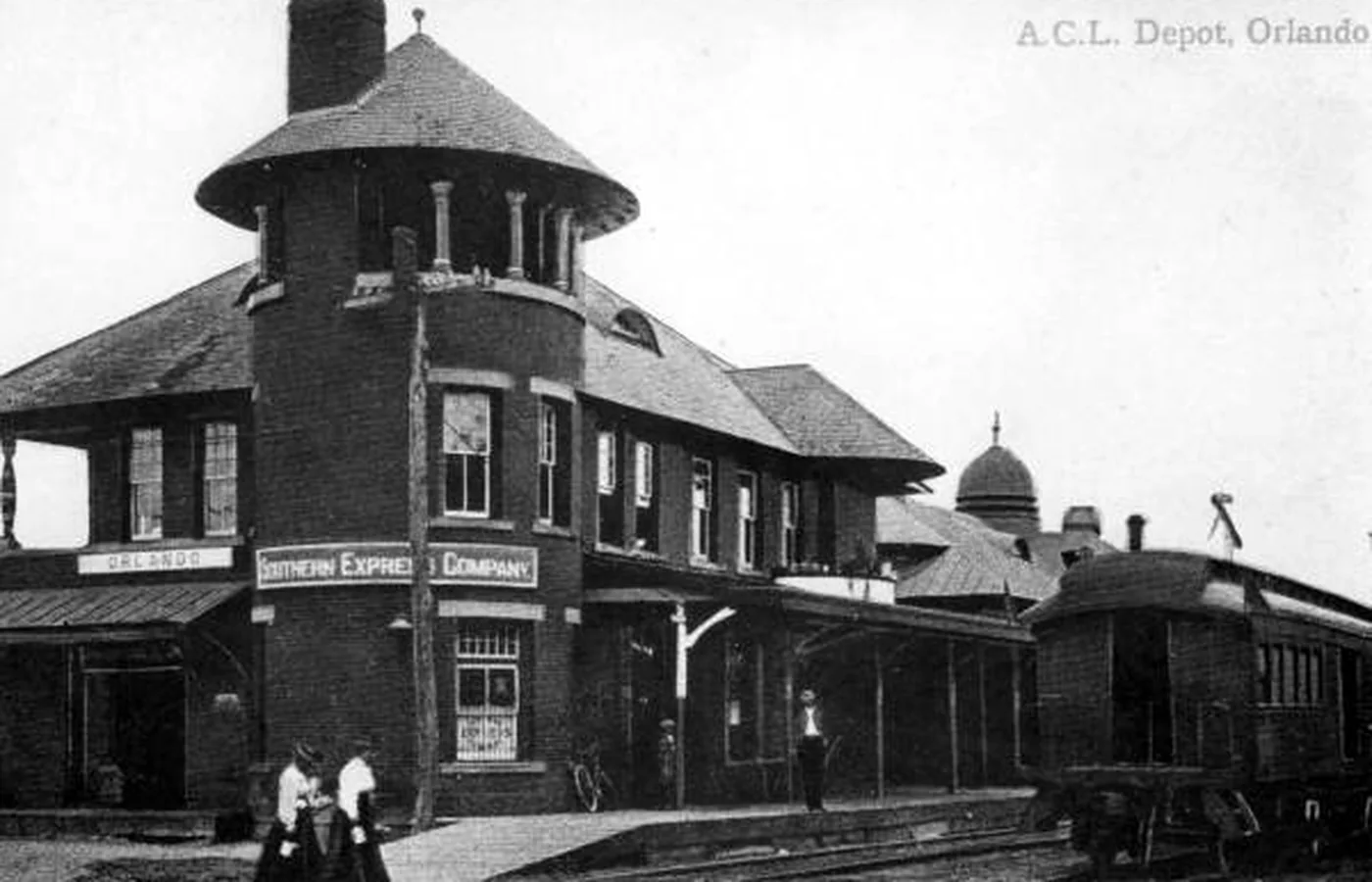
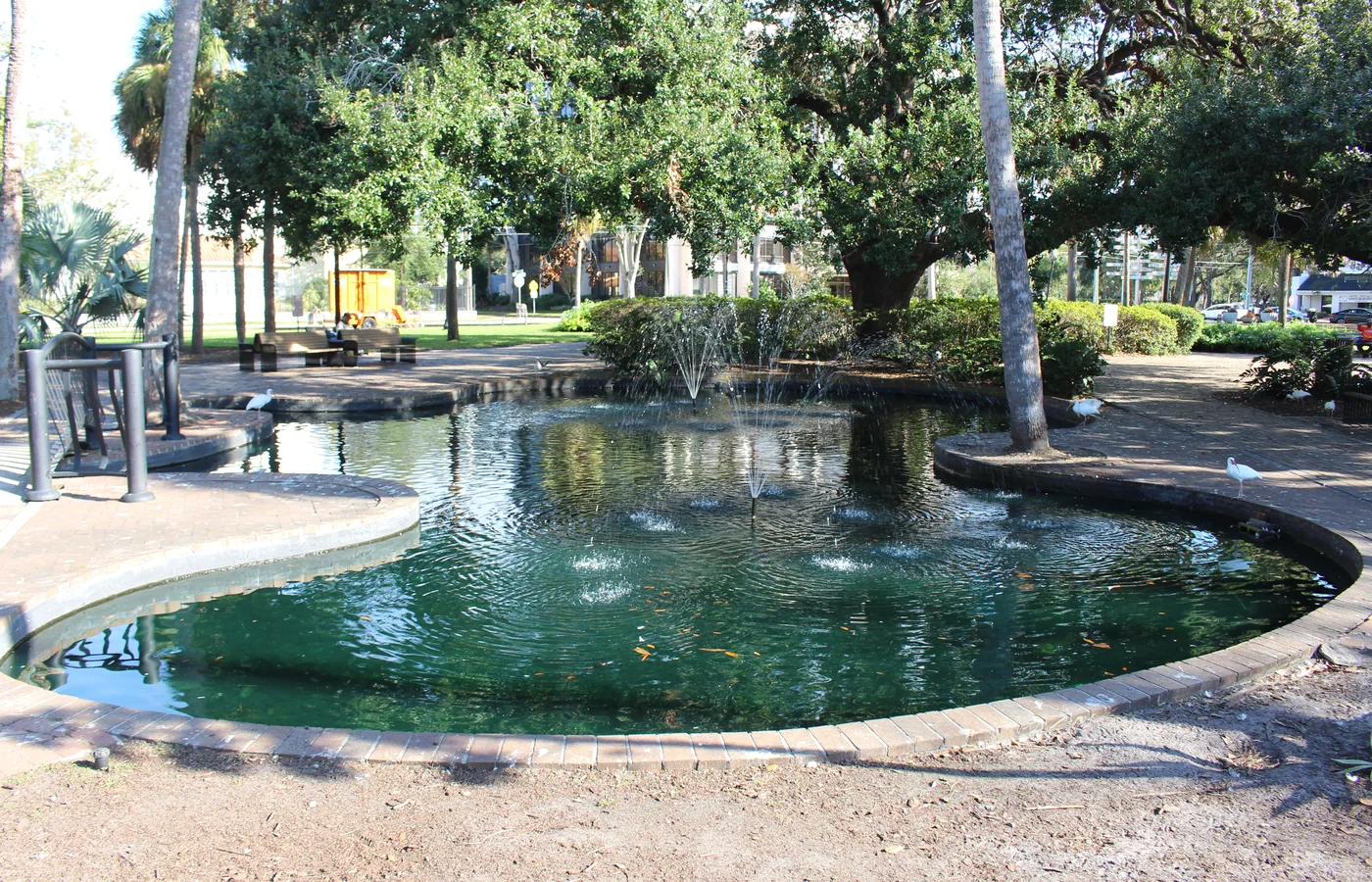
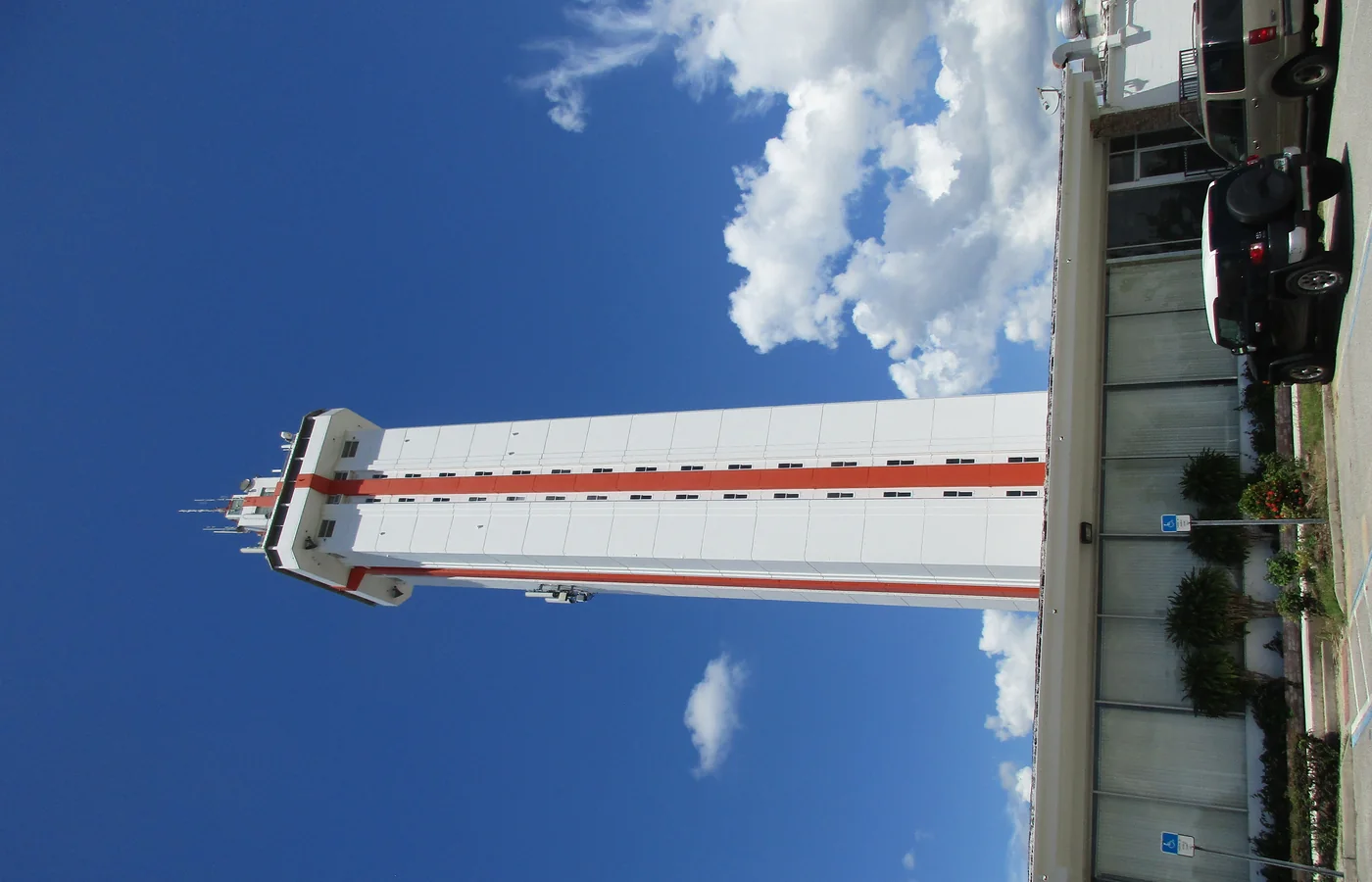
Historical images: public domain and Creative Commons via Wikimedia Commons — the State Library and Archives of Florida and others.
Orlando STR pricing is tightly correlated with distance from theme park gates. Properties within 10–15 minutes of Disney command premium; Reunion and Champions Gate resort communities trade at 20–40% premium over comparable homes in further-out areas. Pool is essentially mandatory — a non-pool home earns 30–50% less in the theme-park market. Seasonality is event-driven: runDisney weekends, spring break, holiday weeks, and Universal's Halloween Horror Nights each create rate spikes. Summer is strong family demand. The mistake most Orlando owners make is over-discounting during 'quiet' weeks — Orlando almost never has truly quiet weeks if marketed to the right international segment.
Low-to-medium seasonality. Theme parks drive year-round demand. Peak: Christmas/New Year, spring break (March), summer (June–July), Halloween Horror Nights (late September through October), Thanksgiving. Weakest: mid-January through mid-February and early May through early June. Mid-January weeks can be surprisingly strong with UK-market targeting (half-term and spring break in Britain don't align with US schedules).
Orlando STR regulation is jurisdictionally complex. The City of Orlando has relatively restrictive rules — whole-home STRs face limitations depending on zoning. But most Disney-area STR inventory sits in Osceola County or Polk County — significantly more permissive jurisdictions where purpose-built STR subdivisions (Reunion, Champions Gate, Windsor Hills, Encore) operate with clear regulatory approval. Florida state-level rules (DBPR vacation rental license, 6% state sales tax, 1% surtax) apply everywhere; county-level Tourist Development Taxes vary (Orange, Osceola, and Polk each set their own).
HOA rules are the unseen third regulator. Many purpose-built STR communities have HOA rules specifically designed to support STR operations (brief-stay allowances, designated management companies, shared amenity structures). Residential-only HOAs across the Orlando metro often prohibit STR use. Verify bylaws before purchase — this is the single most common Orlando investment error.
The most valuable Orlando tip: operate multilingually. Portuguese (Brazil), Spanish (Latin America), and Portuguese-European listings on international Airbnb domains convert at different rates than English. WhatsApp-ready communication is essentially mandatory for the Brazilian and Argentine markets. A bilingual welcome guide with theme-park tips in the guest's home language is a low-effort, high-conversion asset.
Second — pool heat is not a luxury, it is a theme-park booking requirement from October through April. Listings without pool heat lose 20–40% of winter-season demand. Third — theme-park insider content sells. Guests will pay premium for the property with the curated Disney/Universal guide, the Genie+/Lightning Lane strategy document, and the 'which restaurants require how many months advance booking' list. Fourth — respect the HOA rules meticulously. Purpose-built STR communities enforce rules to protect their collective STR status; a single major violation can trigger broader scrutiny.
Competition is the signature challenge — Orlando has tens of thousands of STR pool homes, and undifferentiated listings get buried in search. Theme park price increases affect demand elasticity (Disney's Genie+ and pricing structure changes periodically suppress bookings). Hurricane season is meaningful (September–October). Mandatory HOA fees in purpose-built STR communities can run $300–$800/month. And mid-summer heat is intense enough that guests specifically evaluate AC and pool-shade amenities.
Florida hurricane/windstorm exposure is real but Orlando's inland position mitigates it relative to coastal Florida. Standard homeowners plus STR rider and windstorm coverage typical. Citizens Property Insurance or Florida surplus-lines carriers common. Budget $2,500–$7,000 annually for a typical pool home. Pool liability coverage essential. Flood insurance required in FEMA-designated zones.
Florida no state income tax. Property tax varies by county — Orange 0.9–1.1%, Osceola 0.95–1.15%, Polk 0.85–1.0% effective. Non-homestead 10% annual-growth cap. Combined state sales tax (6%) plus county surtax (0.5%) plus county TDT (5–6% varies) = 12–13% total guest-collected lodging tax.
Orlando is one of the most lender-friendly STR markets in America — conventional, DSCR, and investment-purpose loans widely available. Purpose-built STR community status often a positive underwriting factor. 20–25% down typical; some investor loan products work at 15%. HOA-fee disclosure is critical to underwriting.
Start with the fact that trips up most new Orlando buyers: the City of Orlando and the counties around it don't play by the same rulebook. Inside city limits, a short stay means under 30 days, and the city only allows it as owner-occupied home sharing — you live in the home and rent a room or the property while you're staying there. A whole-home rental that nobody lives in isn't permitted in the city's standard residential zones. That's why almost none of the “Orlando villas” you see online actually sit in Orlando. The whole-home vacation market lives southwest of the parks, in the purpose-built resort communities of Osceola and Polk counties, where the zoning was written to welcome short stays. Before you fall for a listing address, confirm which jurisdiction the home is really in and what that jurisdiction allows.
Wherever the home sits, Florida wants it licensed. The state Department of Business and Professional Regulation issues a Vacation Rental Dwelling license for houses and small multi-unit properties, and a separate license for condos. You need one once you rent for under 30 days more than three times a year — the threshold set under Chapter 509 of the Florida Statutes — and the license carries inspection and renewal obligations. The state license is the floor, not the finish line. On top of it, the City of Orlando expects its own home-sharing registration, and the county resort communities have their own permitting on top of that. Sort the DBPR license first, then add the local approval that matches your address. A licensing service or your attorney can confirm the current forms and fees, which change more often than owners expect.
Three lodging taxes ride on every Orlando booking, and they don't all land in the same place. Florida charges 6% state sales tax on stays under six months, plus Orange County's 0.5% discretionary sales surtax — both remitted to the Florida Department of Revenue. Then Orange County adds its 6% Tourist Development Tax, the “bed tax,” paid to the Orange County Comptroller. Osceola and Polk set their own bed-tax rates, so a home in the county corridor follows that county's number, not Orange's. Confirm the current combined rate with your accountant before you set pricing, because these figures move. One thing worth watching: Florida keeps trying to write a single statewide rulebook — the 2024 preemption bill passed the legislature and was vetoed — so for now the local patchwork is what governs you.
Orlando's calendar has something almost no other rental market can claim: a floor. The theme parks pull visitors every single week of the year, so you're never staring at a dead month the way a ski town or a beach town does. That floor got higher in May 2025, when Universal opened Epic Universe — a brand-new park with five worlds, from Super Nintendo World to a Ministry of Magic — and drew a fresh wave of demand toward the Universal and International Drive side of town. Homes that had been positioned only around Disney suddenly had a second gate worth marketing to. The takeaway for a host is plain: name the parks your home is close to, in drive-time minutes, and keep that message current as the map of where demand lands keeps shifting.
The second engine runs on business, not vacations. The Orange County Convention Center on International Drive is the second-largest in the country, with more than two million square feet of exhibit space, and it books the weeks that leisure travel doesn't. The PGA Merchandise Show takes over every January; the IAAPA Expo, the big attractions-industry show, lands each November. Conventions fill Sunday-through-Thursday nights and the shoulder weeks between the family peaks, and that guest wants different things — a fast, reliable connection, a real desk, an easy drive to the halls, a quiet room to work in. If your home is within reach of the center, market to that traveler on purpose instead of leaving those midweek nights empty and blaming the season.
The leisure peaks are the ones you'd guess — Christmas and New Year's, spring break in March, the full run of summer, and Thanksgiving week — plus a few Orlando-specific spikes. Walt Disney World Marathon Weekend fills early January, with the 2026 races running January 7 to 11, and Universal's Halloween Horror Nights drives premium weekends from late September through October. The soft stretch is the one nobody advertises: hurricane season runs June 1 through November 30, and the statistical peak from mid-August into October is when you'll see weather-driven cancellations and cautious booking windows. Write a clear, flexible cancellation and refund policy for those weeks, and lean on the convention and international demand that doesn't track the U.S. school calendar to backfill the nights.
Orlando rewards space more than almost any other market. The trips that come here are big — two or three families sharing a house, a reunion, a wedding party, a youth-sports team — and they book the home that sleeps everyone under one roof with a pool out back. That's why five-, six-, and eight-bedroom pool homes are the workhorses of the corridor, and why homes with several ensuite “master” bedrooms out-earn a same-size home with only one: two families can split the house and each keep their own privacy. State your real sleeping capacity in the listing — sofa beds and a crib aren't the same as bedrooms — because a group that arrives to fewer real beds than it planned for writes the review that follows you around for a year.
In a market with this many near-identical pool homes, the extras decide who gets booked. Themed bedrooms are an Orlando signature — a bunk room painted for the kids, a suite built around a movie or a castle — and families search them out on purpose. A screened-in pool cage keeps the bugs off and extends the evening; a converted-garage game room gives teenagers somewhere to be; a stocked kitchen near a Publix saves a family from eating out every night. None of this is required, but in a sea of beige rentals the home with a reason to be remembered wins the click. Photograph those features properly — this positioning and imagery work is exactly what Cavmir markets homes on, and it's where an ordinary listing becomes a first choice rather than a fallback.
Two operational details quietly make or break Orlando stays. First, pool heat: a Florida pool is genuinely too cold to swim from about October through April, so heat is a real selling point — but decide whether it's included or a paid add-on and say so plainly in the listing. A surprise heating fee sprung at check-in is one of the fastest ways to earn a bad review. Second, the resort communities that make whole-home rental legal also run tight: designated-management requirements, parking and trash rules, quiet hours, gated amenity access at places like Windsor Hills, Storey Lake, and Encore. Follow them to the letter. Those rules protect the community's collective right to host short stays, and one careless operator can put everyone's standing under a microscope.
Orlando through 2027 and beyond is projected to remain a top-3 US STR market by volume. Theme park capital expansion continues (Epic Universe at Universal opened 2025; Disney's ongoing multi-year expansion plans). International tourism from Brazil, Latin America, and the UK expected to grow. Regulatory risk is lower than most US STR markets — the purpose-built STR community model has political support. Climate resilience (hurricane intensity, flood-risk mapping) and HOA fee inflation are the primary operational-cost watch items.
Orlando is a market that rewards marketers who refuse to reduce the city to theme parks. That's the lazy positioning every listing defaults to — "close to Disney," "minutes from Universal" — and it produces a commodity market where the only competitive variable is price. The Orlando opportunity most hosts miss is the shoulder-month and experiential traveller: the off-peak Disney visitor, the golf traveller, the conference attendee, the multi-week family, the European inbound visitor combining Florida and the Caribbean. Those audiences pay more, stay longer, and review better than the one-time Disney blitz guest.
What we love about marketing Orlando is the sheer volume. The city attracts 74 million visitors a year — any brand that can punch through even 1% of that attention outperforms every metric of a smaller market. The properties that win in Orlando are the ones whose marketing segments cleanly — specific audiences, specific value propositions, specific review-positioning strategy. Generic Orlando loses on price; segmented Orlando wins on brand.
The picks Cavmir recommends for Orlando welcome books — details that make the city feel real rather than synthetic.
Two non-theme-park brunch spots that show guests Orlando has a legitimate local food scene. Se7en Bites for southern comfort, The Strand for vegetable-forward modern.
The downtown lake that locals run, paddleboat, and photograph. A half-hour walk that resets the guest's mental image of Orlando.
Twenty-minute drive from most Orlando STRs, a complete shift in register. Boutique shopping, the Morse Museum, a scenic boat tour on the chain of lakes.
Ravenous Pig for the new-southern gastropub aesthetic; Soseki for omakase at a scale Orlando rarely markets.
Orlando's Cuban food scene is deeper than most visitors realise. Black Bean Deli's Cuban is a legitimate Florida-classic version of the sandwich.
Post-holiday, pre-Valentine's. Theme parks at lowest crowd levels of the year. Pricing is soft but quality-of-experience is peak.
Mount Dora for the antique-shop weekend; the Ocala springs for freshwater tubing and swimming. Both escape theme-park density entirely.
Single-park vs park-hopper vs express-pass logic is confusing. A printed decision matrix and a pre-booked rideshare or shuttle arrangement is the small detail that lifts the review.
Representative Cavmir engagements in Orlando. Client details redacted; numbers composited from internal campaign analytics and market benchmarks.
One of 200+ near-identical resort-community homes. Competing purely on price. Occupancy tracking 6 points below community average.
Segmented the listing into two distinct brand products: a family-reunion-positioned variant with large-group photography and itinerary PDFs, and a golf-traveller variant with proximity-to-course emphasis and a partner-discount program with three area courses. Direct-booking infrastructure reduced dependence on platform fees.
Occupancy climbed 14 points to 79%. ADR up 22%. Direct-booking share grew to 31% of revenue, materially improving net margin per booking.
Commodity listing in the theme-park shadow. Review score stuck at 4.3 — below the platform-ranking threshold that drives organic search placement.
Treated the review-score lift as the primary campaign metric. Identified repeated complaint patterns in existing reviews, rebuilt the property-operations brief around them (arrival logistics, pool heating clarity, cleaning-schedule communication). Welcome-book rewrite addressed the top 8 pre-arrival questions explicitly.
Review score climbed to 4.84 within two quarters. Platform ranking improved measurably. Occupancy moved from 63% to 78%. Revenue up 31% without any ADR adjustment.
Non-theme-park urban listing whose marketing defaulted to theme-park positioning. Wrong audience, wrong pricing, wrong guest expectations.
Pivoted entirely away from theme-park framing. Repositioned as a downtown business-travel and weekend-city-stay product. Photography emphasised the skyline view, the walkable restaurant scene, the Amway Center proximity. Partnered with two downtown conference services for corporate-direct bookings.
Weekday occupancy climbed from 47% to 78%. ADR held at its previous level but with a cleaner guest profile and a higher review score. Corporate-direct bookings stabilised the shoulder-month revenue floor.
Type “Orlando villa” into any booking site and most of what comes back sits outside the city limits. Our compiled Florida DBPR license file makes the point plainly: the City of Orlando shows 392 vacation rental records, while Kissimmee holds 4,137 and Davenport 2,476 — together more than sixteen times the licensed inventory of the city whose name sells them. Add Clermont (416), Champions Gate (57) and Reunion (34) and the map draws itself: Central Florida's vacation rental economy lives along US-192 and the I-4 corridor southwest of the parks, inside the purpose-built resort communities — Windsor Hills, Champions Gate, Encore, Reunion — where HOA rules and county regulation are designed around short stays. The city's own zoning keeps whole-home rentals scarce inside Orlando proper, which is exactly why the corridor exists.
If your property is in the corridor, state the real geography and still win the search: lead with the community name guests recognize, give the drive time to each park gate in minutes, and use “Orlando area” positioning without pretending a downtown address — guests who feel misled about location say so in reviews, and location complaints are among the hardest review damage to repair. Our Kissimmee page covers the corridor's biggest market in full. If your property actually is inside the city, sell what the corridor cannot: Winter Park's avenues, downtown dining, and the convention economy — the Orange County Convention Center on International Drive is one of the largest in the country and drives midweek demand that theme-park traffic doesn't. And watch the Universal side of town: Epic Universe opened in 2025, Universal's third Orlando gate, and it is pulling stay-demand toward the I-Drive corridor that older listings were never positioned for.
Demand in Orlando peaks around March, June and July and runs quietest around January and September. Here is how the year actually books — and what to do about each stretch of the calendar.
Orlando doesn't have one peak, it has a rhythm set by school calendars: summer, spring break, and the winter holidays are the big waves, with Christmas through New Year's the single strongest stretch. Families plan these trips far ahead, so your listing needs to be polished and priced months before each wave, not weeks. Hold rates confidently in these windows, because the parks are the draw and your dates are their dates.
The genius of this market is that the shoulders barely sag. Epcot's festival calendar, runDisney race weekends, Halloween Horror Nights and year-round convention traffic keep January, February, September and the non-holiday fall moving. The play is event-aware pricing: know which weekends carry a race, a festival or a big convention, and price those dates individually instead of letting a flat calendar give them away.
True quiet is scarce, but early September after school resumes, and the gaps between waves in late January and early December, are the softest ground. Use them for shorter minimums, last-minute pricing, and the locals-and-Floridians weekend crowd doing a quick parks run. It's also the window for deep cleans, theming refreshes and new photography before the next family wave hits.
Families plan Orlando like a major purchase, with school-holiday weeks booking many months ahead and international guests even earlier. runDisney weekends fill when registration opens, while convention and locals' trips move inside a few weeks. Your calendar for summer needs to look right by winter, and holiday pricing should be set before fall.
Stays run longer here than in almost any American city market: the standard family trip is five to seven nights, and international guests routinely book two weeks. Race and convention stays run shorter, but the market rewards homes configured for a week of real living, with full kitchens, laundry and space to spread out.
The Orlando winner is a four-to-six-bedroom vacation home with a private screened pool in the resort corridor southwest of the parks: Kissimmee, Davenport, ChampionsGate, Reunion, Windsor Hills. In a market with thousands of near-identical floor plans, theming is the separator, with kids' rooms and a game room done well enough that children pick your house from the photos and parents book it. Closer in, a sharp condo near Universal or the convention center plays a different, shorter-stay game on location and price.
Stand out or drown: Orlando has one of the largest vacation-rental inventories on earth, so generic listings sink. Lead with photography that shows theming, the pool and the space families actually use, write copy around drive time to the parks and the week-long stay, and price event weekends like Marathon Weekend and Horror Nights individually. Then add a Google Business Profile and a direct-booking site, because Orlando's repeat guests, especially UK and Brazilian families, will happily rebook direct year after year. That's the stack Cavmir builds for hosts here.
Summer, spring break and the winter holidays are the big waves, with Christmas through New Year's the strongest stretch of all. The rest of the year holds up unusually well thanks to Epcot's festival calendar, runDisney weekends, Halloween Horror Nights and convention traffic. Early September is the closest thing to a true lull.
Families book school-holiday weeks many months out, and international visitors plan even further ahead, so summer needs to be priced by winter and the holidays by early fall. runDisney guests book the moment race registration opens. Convention travelers and Florida locals fill gaps on short notice, so leave room for the late surge too.
Everywhere, which is the point: Tampa, Miami, Jacksonville and Atlanta drive in, every major Northeastern and Midwestern metro flies in, and the UK and Brazil supply famously loyal two-week visitors. No single feeder dominates the way it does in other markets. In-state and Atlanta drivers are the practical ad target for shoulder-season weekends.
The private screened pool is the baseline expectation in the vacation-home corridor, and themed kids' rooms plus a game room are what actually win the booking. Beyond that, families live in the house for a week, so the full kitchen, laundry and cribs matter more than in weekend markets. Fast wifi covers both the convention crowd and the parent who works one day mid-trip.
Run your Airbnb, Vrbo, or website through Cavmir's free grader. It checks the things that decide whether guests book in Orlando — photos, listing copy, page speed, local search — and shows you where bookings leak. Takes about a minute, and there's no sales call attached.
If the report says your booking engine is the weak link, that's fixable: a direct-booking website of your own means repeat guests stop paying platform fees to come back to you. That's the work Cavmir does — see Airbnb website design in Orlando.
Counted from the Florida DBPR vacation rental license file, deduplicated by permit number — real registry data, not an estimate. See the full Florida permit data →
As of July 2026, the Florida DBPR vacation rental license file shows 392 current licenses on file in Orlando. A license is not always one listing — some licenses cover multiple units — so treat this as a verified floor for the size of the legal market.
Orlando ranks number 29 of Florida's tracked markets by records on file, holding about 1% of the 50,295 records we compiled for Florida. Every one of those operators shows up in the same searches your guests use — which is why presentation, photography, and a direct-booking path decide who gets seen.
The number above comes from the Florida DBPR vacation rental license file, an official public source, pulled and deduplicated in July 2026. Rules and requirements change — always confirm current licensing requirements with the program directly before you buy or list.
Send us the listing and we'll tell you what we'd change. Not a pitch deck — a straight read on your photos, your title, your rates against the Orlando comp set, and whether a direct-booking site would pay for itself.
You'll hear back from a person, usually inside one business day. If we don't think we can move your numbers, we'll say so. Cavmir is a short-term rental marketing agency — we position and market properties, we don't manage them.
Talk to Cavmir today. We'll show you exactly what your Orlando property is leaving on the table — and how fast we can change that.
Book a Free Strategy CallPhotography via Wikimedia Commons (images resized and cropped): Orlando City Stadium (04-21-18) 1 by Porsche997SBS (CC BY-SA 4.0) · Orlando, Florida (cropped) by Quintin Soloviev (CC BY 4.0) · Cinderella Castle, Magic Kingdom Walt Disney World (2024) by Jedi94 (CC BY-SA 4.0) · Fountain and pond at Lake Eola park by Michael Rivera (CC BY-SA 4.0).
