Preempted, Then Partly Un-Preempted
The Valley's Two-Layer Rulebook
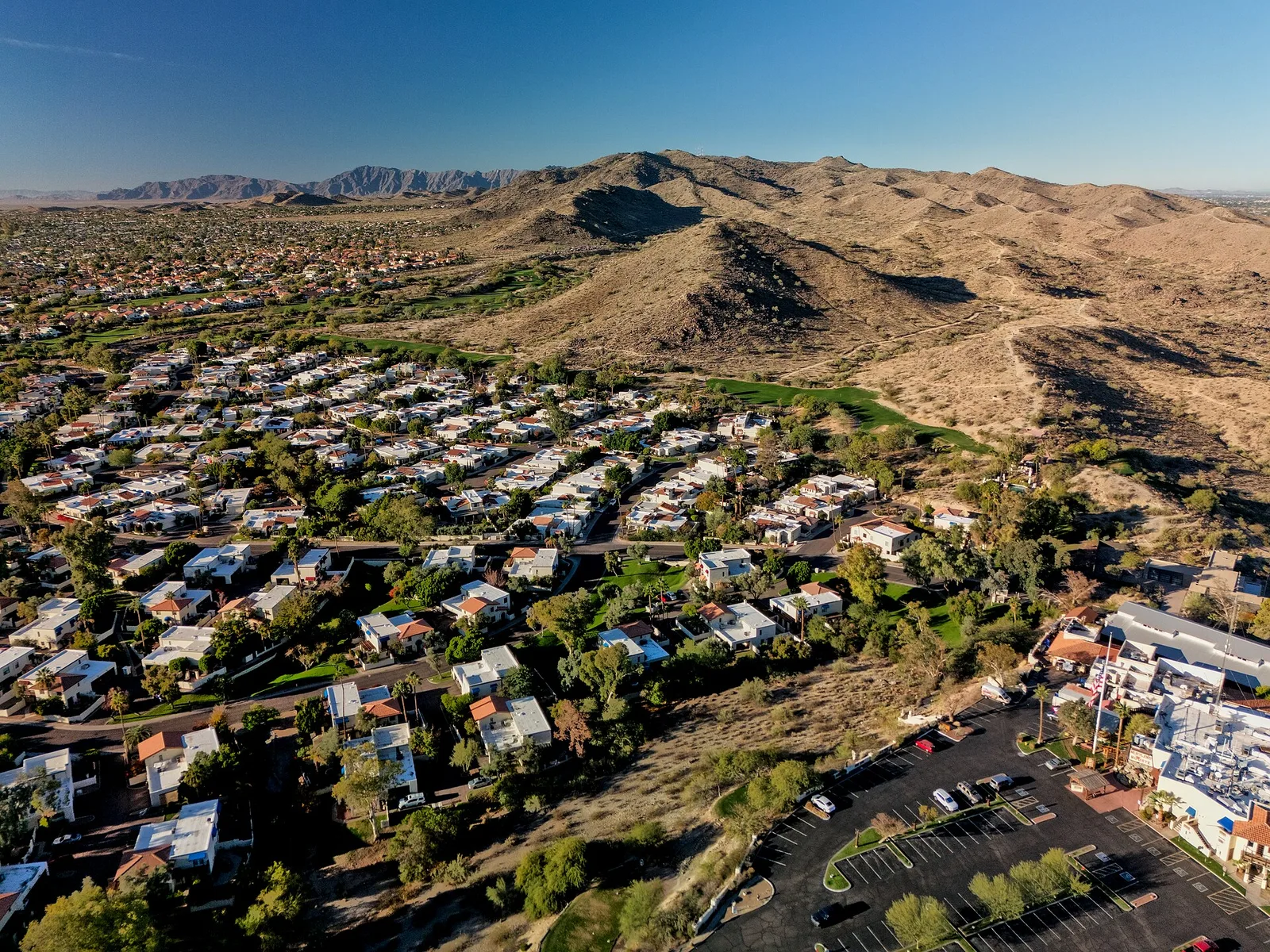
Arizona is one of the friendliest short-term-rental states in the country, but the story has two chapters, and which city you're in decides how the second one lands. The state took the power to ban rentals away from cities in 2017, then handed some of it back in 2022 — and cities like Scottsdale used every inch of the returned authority while others stayed light. In the Phoenix metro, "Arizona is easy" is only half true; the other half is written city by city, and getting it wrong is expensive.
The State Preemption Story
In 2017, SB 1350 barred Arizona cities from banning or use-restricting short-term rentals — they could only regulate for genuine health and safety. That opened the floodgates, especially in Scottsdale. So in 2022, SB 1168 gave municipalities regulatory tools back: they can require licensing and permits, deny a permit to certain offenders, mandate liability insurance and a reachable emergency contact, and notify neighbors. The net effect is a state that guarantees you can operate somewhere, paired with cities that can make operating conditional. Pending legislation keeps adjusting the balance, so the current session's rules matter.
Scottsdale vs. Phoenix vs. Paradise Valley
Scottsdale went furthest: a city license for every property, an Arizona TPT license, $500,000 in liability insurance, a 24/7 emergency contact, neighbor notification, an annual fee around $250 and steep penalties for operating unlicensed — plus a specific ordinance targeting "event center" party rentals. Phoenix is lighter, requiring registration and the basics. Paradise Valley, the luxury-resort enclave, runs its own stricter regime again, and Tempe, Mesa, Chandler and the rest each set their own terms. Everywhere, the state's transaction privilege tax applies, collected at the combined state, county and city rate — confirm your city's exact requirements before you list.
Where Enforcement Actually Bites
The gap between the friendly-state headline and the on-the-ground reality is enforcement, and it's widest in Scottsdale. The city built its rules specifically to end the party-house problem that SB 1350 unleashed, and it backs them with real teeth — unlicensed operation draws monthly penalties, and the "event center" ordinance gives inspectors a clear standard to shut down wedding-and-blowout rentals. Neighbors are organized and quick to report. Meanwhile the state legislature keeps revisiting the balance, with measures that would let cities set occupancy standards and keep verified violations on record longer. The practical read: don't operate on last year's understanding of the rules, and never assume a light-touch reputation means no enforcement — in the strictest cities, a single unpermitted season can cost more than the permit ever would have.