Start here Work with Cavmir in Anchorage
Get a Proposal (786) 751-3426
$205
Avg. Nightly Rate
58%
Avg. Occupancy Rate
$3,400
Avg. Monthly Revenue
5-7%
Est. Cash-on-Cash ROI
HIGH
Seasonality
MEDIUM
Regulatory Burden

* Market averages. Properties marketed by Cavmir typically exceed these figures by 25–45%. Data sourced from AirDNA, STR market reports, and Cavmir internal analytics.

The Market

Why Anchorage is One of the World's Premier STR Markets

Anchorage is the only market we cover where the marketing calendar begins with a dog race and ends with the midnight sun. Alaska's largest city holds about forty percent of the state's population, sits between the Chugach Mountains and Cook Inlet, and functions as the front door for nearly every visitor the state receives: the cruise-and-tour season runs May through September, and almost all of it routes through Anchorage on the way to Denali, the Kenai and the glaciers. The winter has its own engine — Fur Rendezvous, the city's winter festival since the 1930s, runs late February into March and hands off directly to the Iditarod's ceremonial start through downtown on the first Saturday of March. The rules recently grew up alongside the demand: short-term stays under 30 days have long paid the same 12% room tax as hotels, and in December 2025 the Anchorage Assembly added a mandatory (and free) short-term-rental registration, with the city's portal opening in May 2026 and existing operators required to register by July 30, 2026. No caps, no bans, no state sales tax — a workable framework in a city where summer demand is ferocious, winter demand is real, and most listings still market like it's the off-season all year.

Anchorage demand is summer-loaded and daylight-shaped. June through August, the city runs on cruise passengers bookending land tours, independent road-trippers, fishing parties and family reunions under nineteen hours of daylight — occupancy peaks in July, the good inventory books out by late spring, and rates hit their annual high. May and September are strong shoulders as the tour season stretches; then winter carries more than outsiders expect: Fur Rendezvous and the Iditarod fill late February and early March, aurora seekers book clear cold weeks, ski traffic moves through toward Girdwood, and the city's role as Alaska's business and medical hub keeps midweek monthly demand alive. Blended nightly rates run around $205 with occupancy in the high 50s across roughly two thousand listings — modest-looking numbers that conceal a steep curve, because a well-marketed summer calendar here books solid at rates far above the blend, and November is the honest trough. Entry prices are ordinary-city prices, not resort prices, which is why the yield math draws serious operators.

Top Attractions & Landmarks

  • Tony Knowles Coastal Trail
  • Anchorage Museum
  • Alaska Native Heritage Center
  • Flattop Mountain, Chugach State Park
  • Lake Hood Seaplane Base
  • Alaska Wildlife Conservation Center
  • Alaska Railroad Historic Depot

Nearby Markets: Seattle  |  Whitefish  |  Coeur d'Alene

Airbnb marketing services in Anchorage, Alaska, USA
Postcards

Anchorage through the lens

A few of the visual fingerprints we lean into when we shoot, brand and market a Anchorage property — courtesy of the open Wikimedia Commons archive.

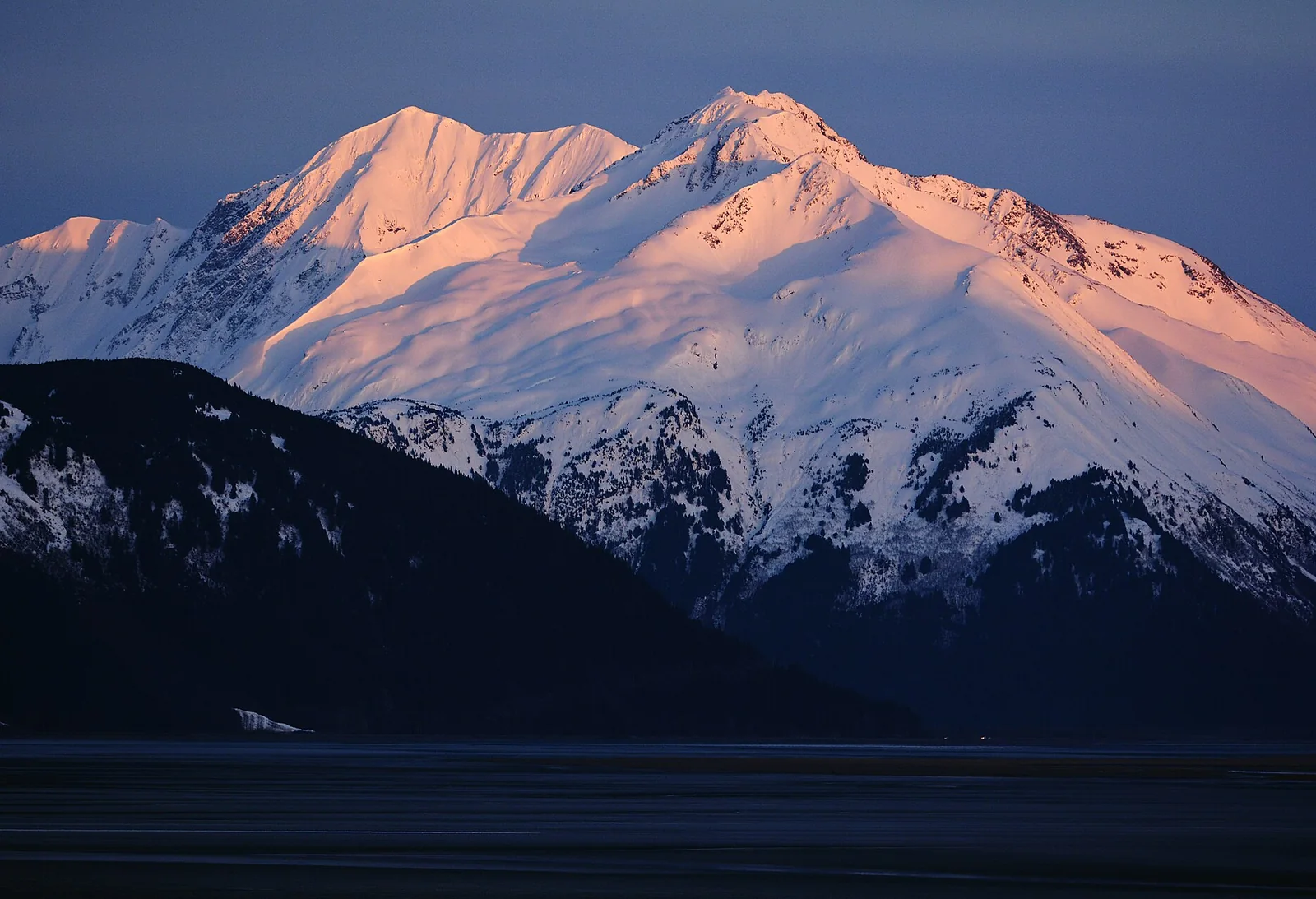
Tony Knowles Coastal Trail — Anchorage airbnb marketing
Local Color
Tony Knowles Coastal Trail
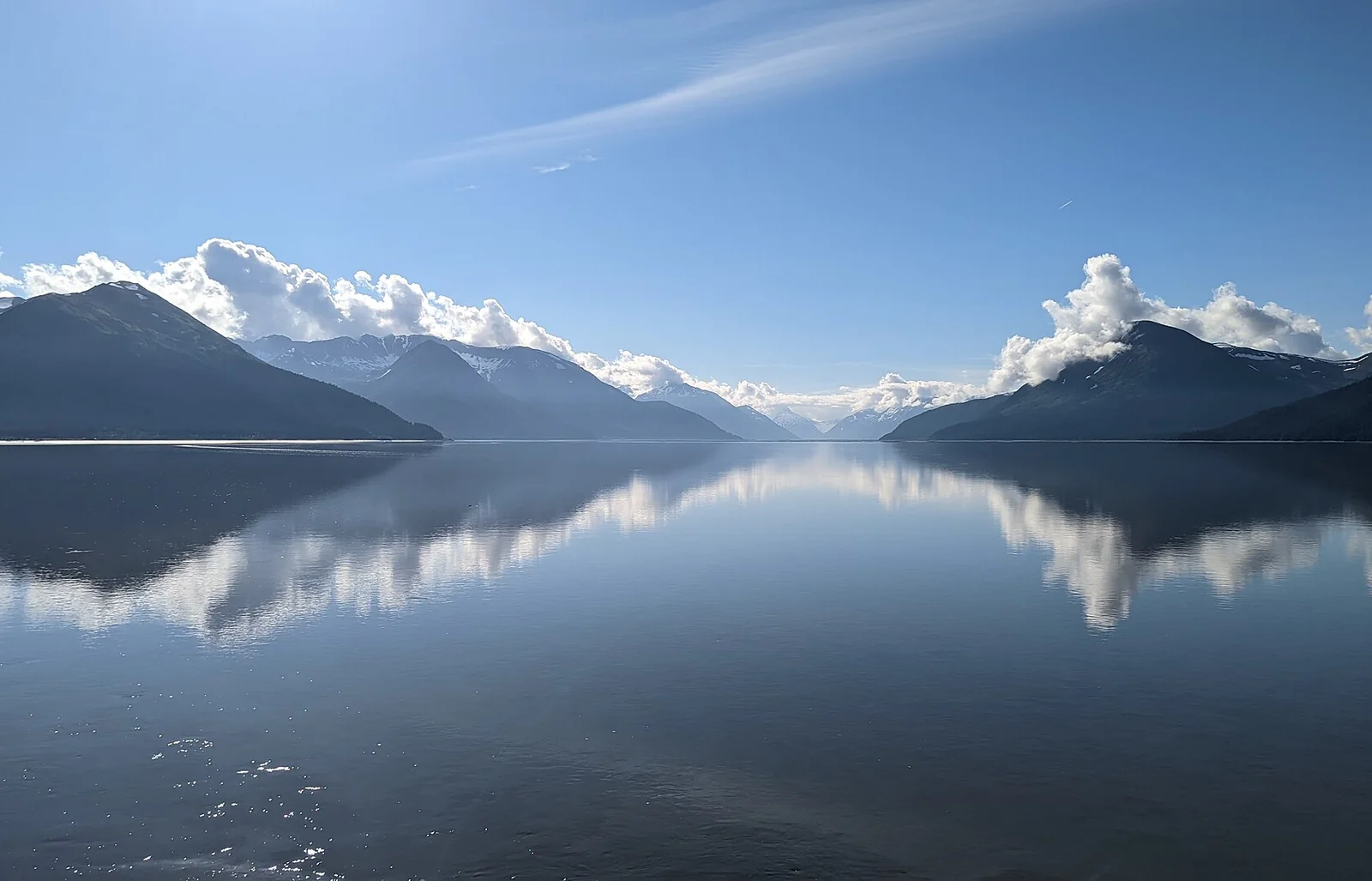
Turnagain Arm mudflats — Anchorage airbnb marketing
Local Color
Turnagain Arm mudflats
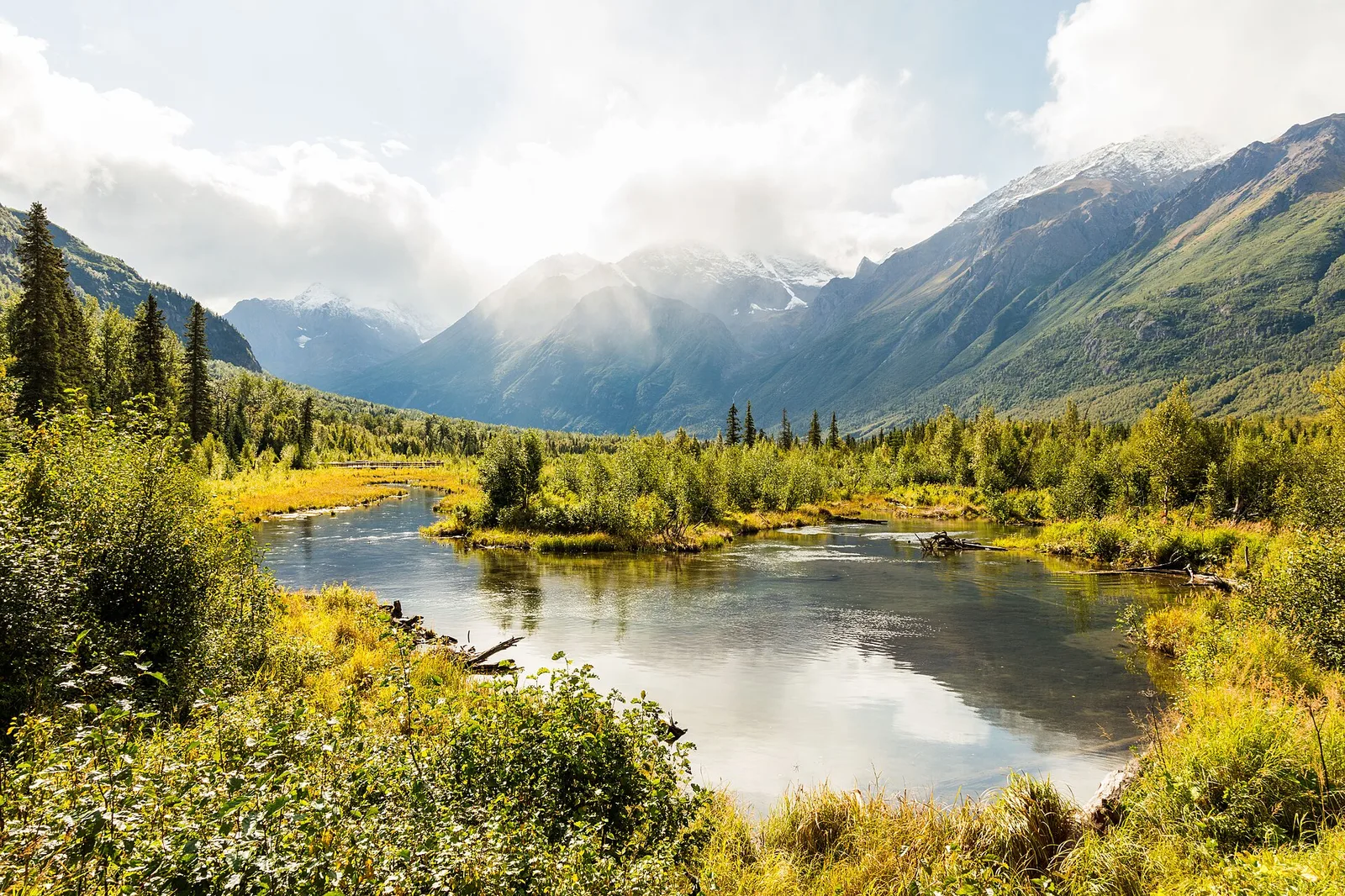
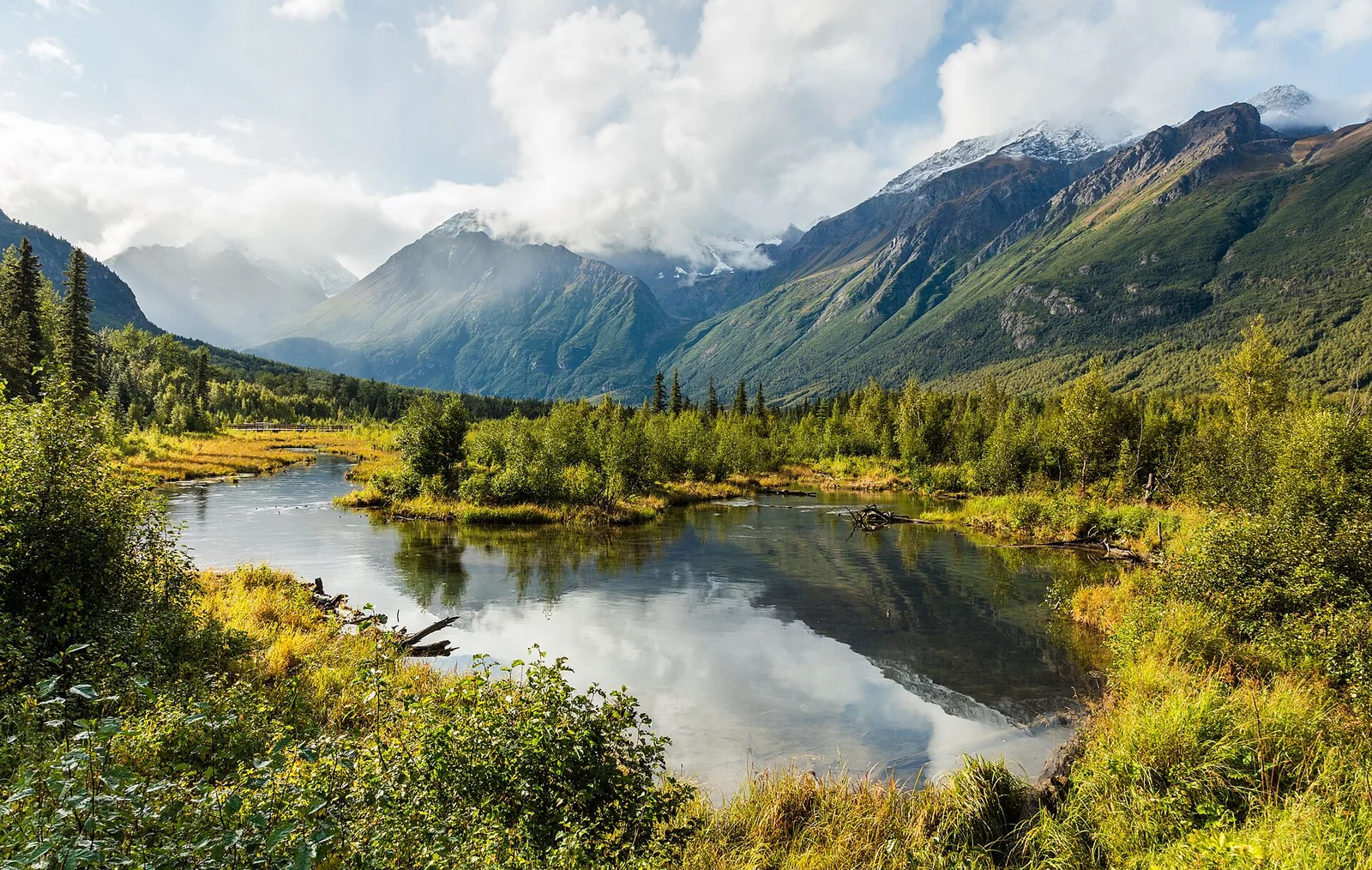
Parque Eagle River, Anchorage, Alaska, Estados Unidos, 2017 09 01, DD 33 — Anchorage airbnb marketing
Local Color
Parque Eagle River, Anchorage, Alaska,
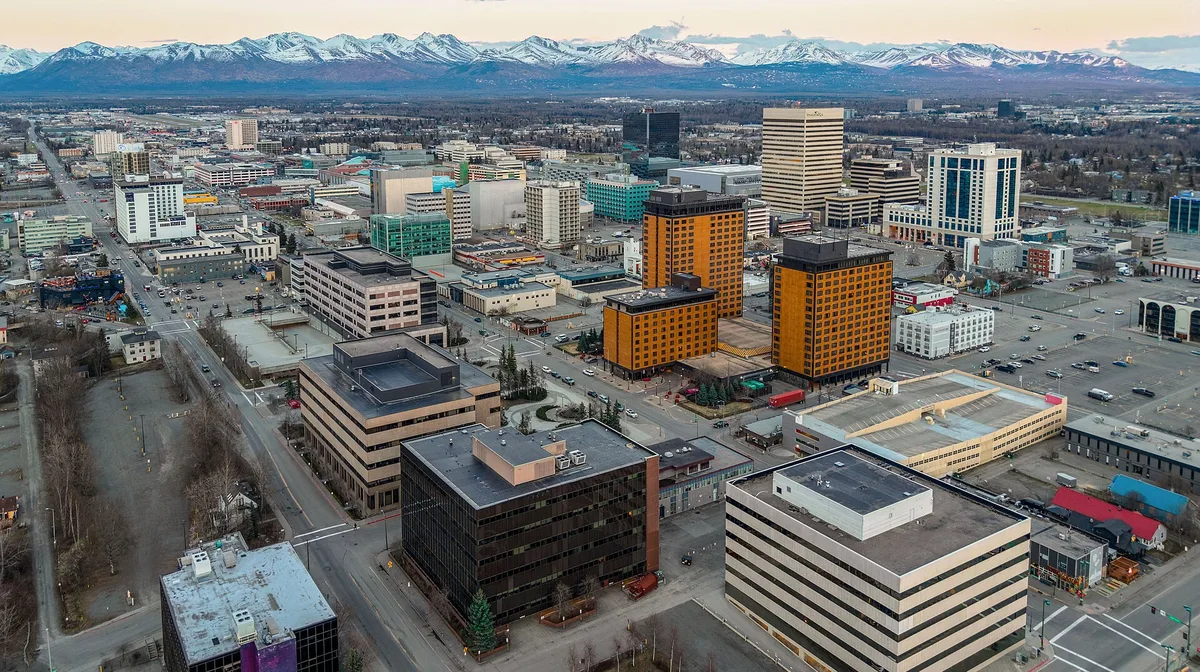
Anchorage on an April evening — Anchorage airbnb marketing
Local Color
AK Anchorage NW
Why Cavmir

The Cavmir Advantage
in Anchorage

Cavmir wins in Anchorage because this market's demand arrives on a published schedule that most listings ignore. The cruise lines publish their seasons, the Iditarod starts the first Saturday of March, Fur Rondy's dates are set, and the solstice sells itself — yet the typical Anchorage listing runs one rate and one set of photos through a year that contains two entirely different cities. We build the calendar around the real one: summer priced like the peak it is and opened early for the tour-planning window, February-March priced for the festival stack, aurora winter marketed to the guests actually searching for it. We shoot Alaska properly — the Chugach front range at golden hour, floatplanes on Lake Hood, moose-in-the-yard honesty — and we write copy that answers the questions Alaska guests genuinely ask: drive times to Denali and Seward, where the rental car sleeps, what the daylight does in each month. And for the inns and lodges that anchor the city's tourism, we build direct-booking websites so the guests who return every summer stop paying a commission to come back. We help position and market your property. We never manage it or touch your keys.

State of the Industry · History

The Anchorage STR Market — Past & Present

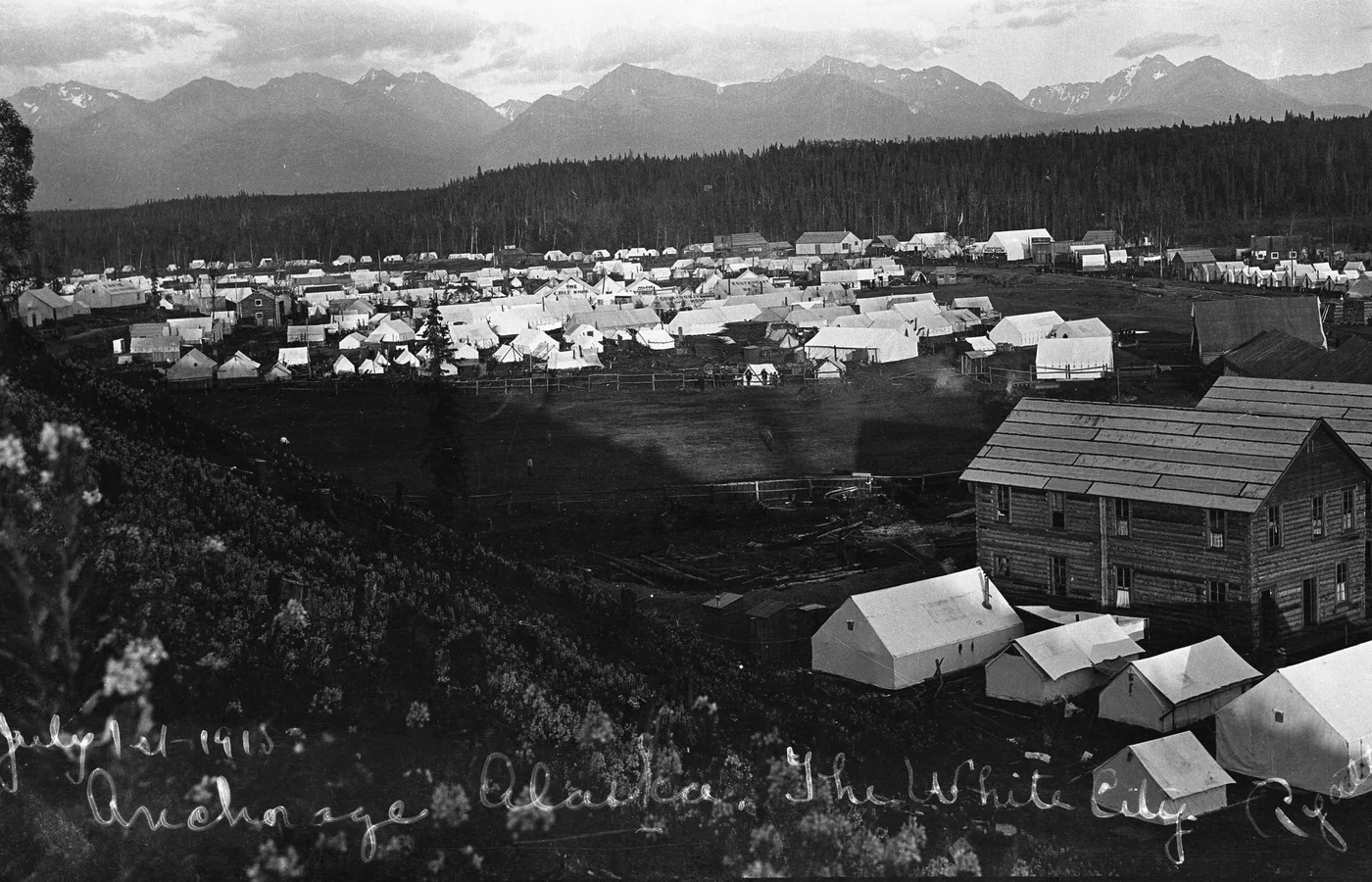
Anchorage began as a government land auction — more than 600 townsite lots sold off a tent city in 1915 — and it has been selling its position between continents ever since. Cavmir writes the modern chapter.

Who sold a railroad town to the world
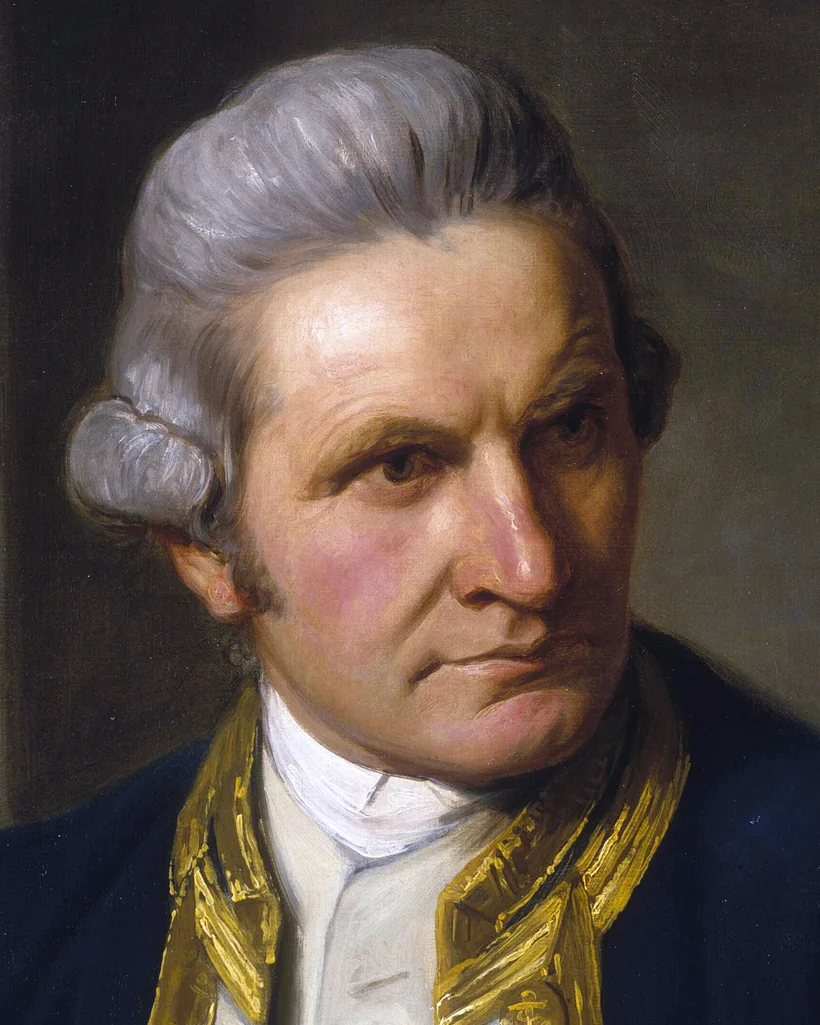
Portrait of Captain James Cook, the navigator who charted Cook Inlet in 1778 and gave Anchorage's visitor economy its founding story
Captain James Cook Charted Cook Inlet on his third voyage in 1778 and named Turnagain Arm. The city's flagship hotel carries his name — the oldest story in town still sells rooms.
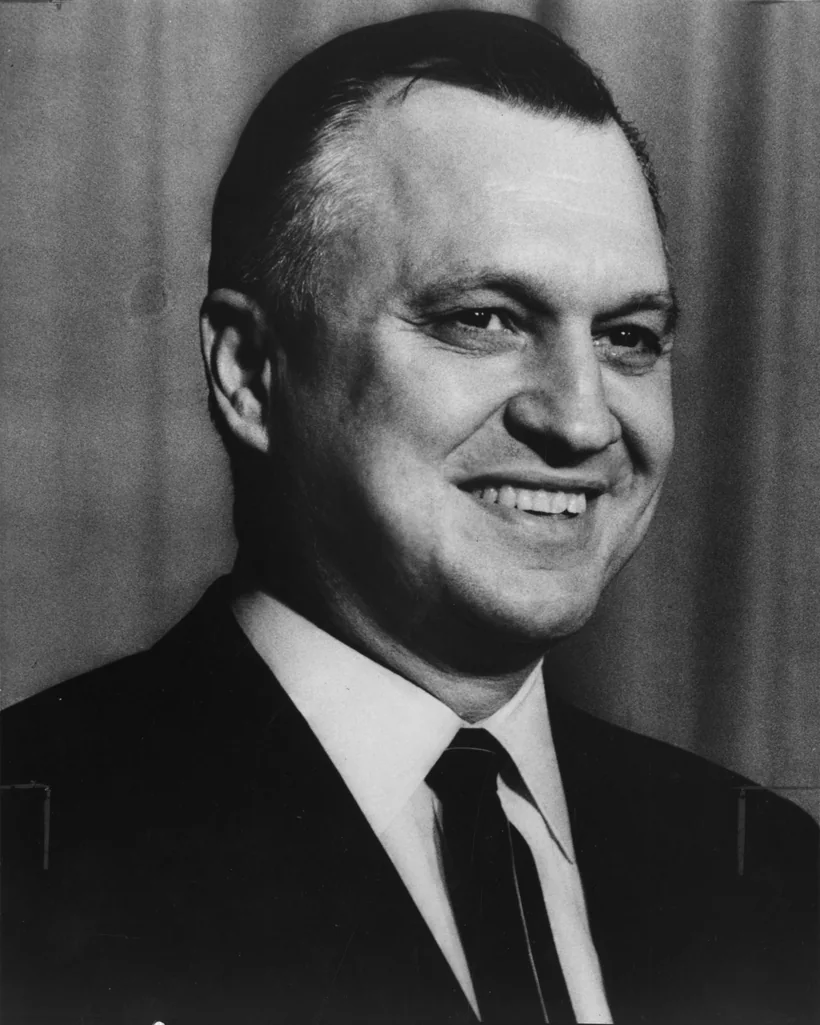
Portrait of Walter J. Hickel, the hotelier who opened Anchorage's Hotel Captain Cook in 1965 and twice served as governor of Alaska
Walter J. Hickel Arrived in Alaska in 1940 with 37 cents, built the Hotel Captain Cook a year after the 1964 earthquake, and later served twice as governor. The hotel was a bet that Anchorage could sell confidence to the world.

Anchorage began as a tent city. In 1915 the federal government chose the mouth of Ship Creek as a construction headquarters for the Alaska Railroad, thousands of workers pitched canvas on the mudflats, and the townsite auctioned that summer became the city — a railroad company town that spent its first decades as exactly that. The twentieth century kept re-founding it: military buildups in the 1940s built the bases that still anchor the economy, the 1964 Good Friday earthquake — magnitude 9.2, the most powerful ever recorded in North America — dropped whole neighborhoods and forced the city to rebuild, and the oil age that followed the Prudhoe Bay discovery and the trans-Alaska pipeline turned Anchorage into the corporate and logistical capital of the state. Today it holds roughly 290,000 people, about forty percent of Alaska, spread between Cook Inlet and half a million acres of Chugach State Park that begins, literally, at the ends of residential streets.

The visitor economy grew on the city's role as the state's hinge. Nearly everyone bound for Denali, the Kenai Peninsula or the glacier day-cruises stages through Anchorage; the summer season runs May through September on cruise-and-tour traffic, independent road-trippers and fishing parties; and the winter built its own institutions — Fur Rendezvous, the winter festival that started in the 1930s as a fur traders' gathering and now fills late February with sled-dog racing, snow sculptures and the Running of the Reindeer, handing off to the Iditarod's ceremonial start through downtown each first Saturday of March. The rental rules arrived late and lightly: short stays have long paid the municipality's 12% room tax like any hotel, and in December 2025 the Assembly — after declining to send a proposed extra 5% rental tax to voters — approved a mandatory, free registration for short-term rentals, with the city portal opening May 1, 2026, and existing operators required to register by July 30, 2026. A market this seasonal, this scenic and this lightly restricted is rare, and it rewards the owners who market both of Anchorage's cities: the one under the midnight sun and the one under the aurora.

The Same Business, a Century On

Anchorage has sold its location since the 1915 land auction

The federal government held Anchorage's first marketing event on July 10, 1915 — an auction that sold more than 600 lots of raw townsite to a crowd camped in tents beside Ship Creek. Everything since has been the same exercise in selling position: the railroad that justified the town, the polar-route decades when Anchorage styled itself the Air Crossroads of the World and every Europe-Asia flight stopped to refuel, the hotel Wally Hickel raised a year after the 1964 earthquake and named for the explorer who charted the inlet. The channel changed; the work is identical — presentation, positioning, and a promise about what this location is worth. It is the same business Cavmir is in today.

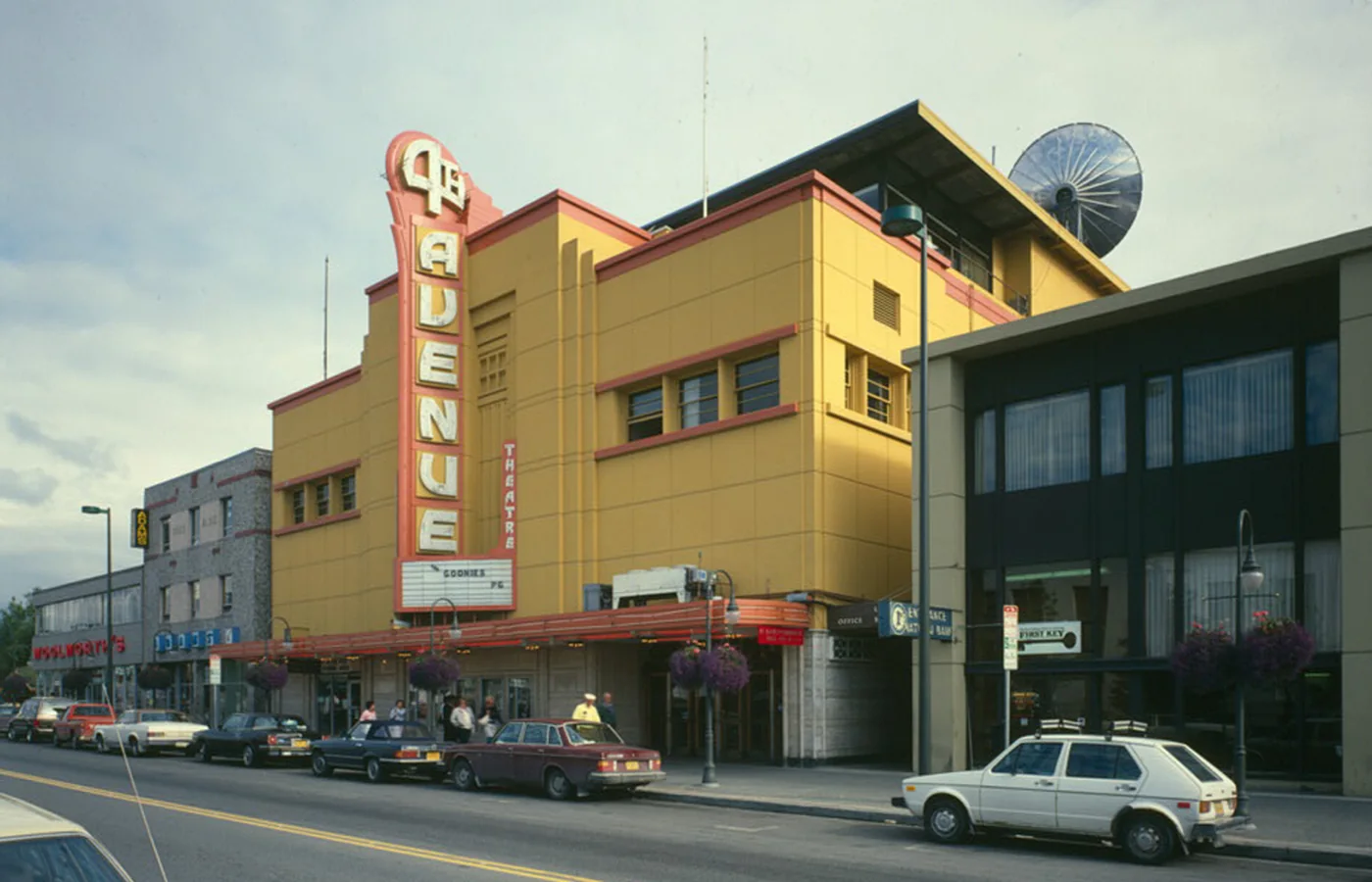
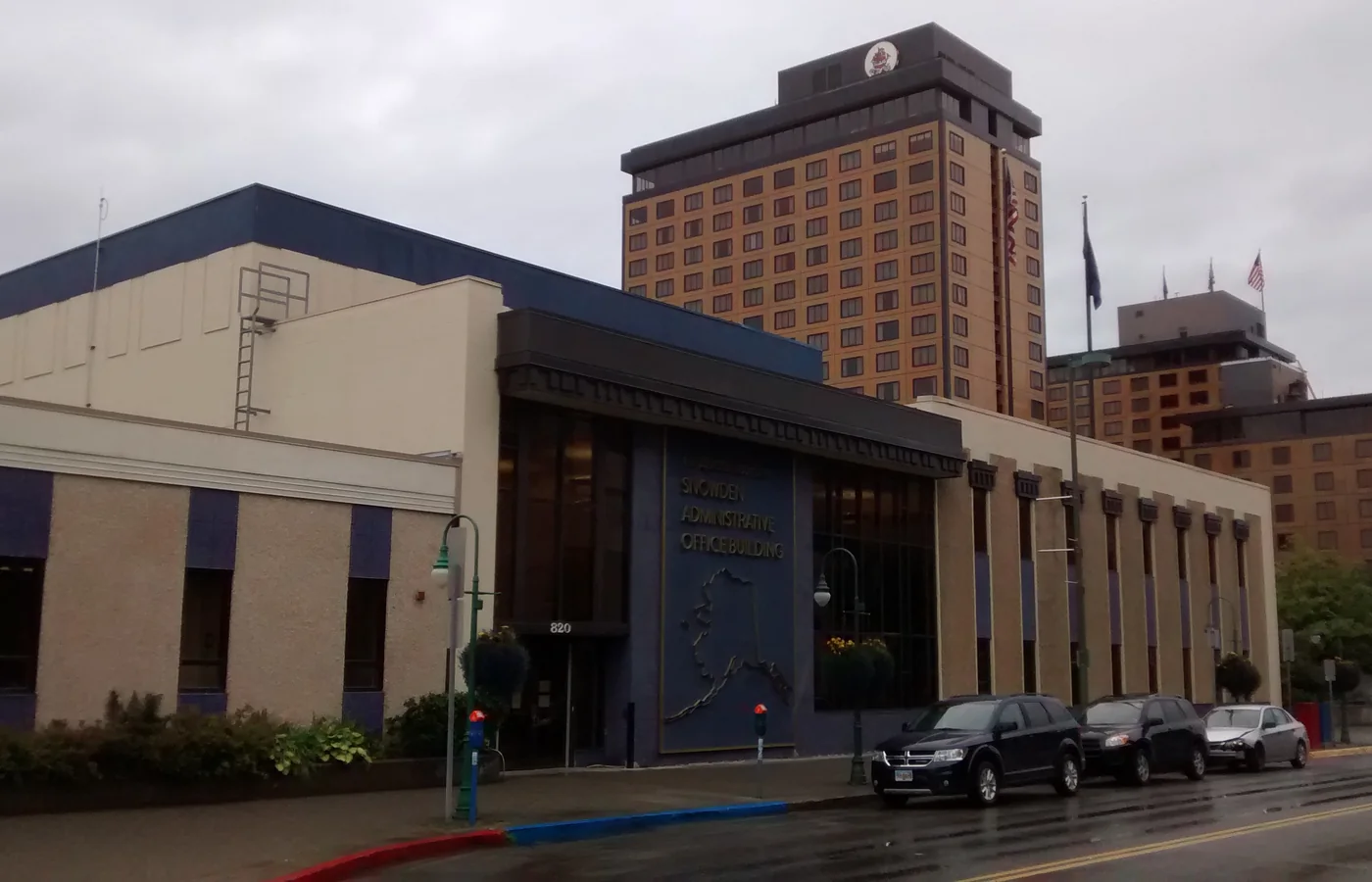
Historical images: public domain and Creative Commons via Wikimedia Commons — Anchorage townsite panorama, July 1915 (Alberta Pyatt); James Cook portrait after Nathaniel Dance-Holland; Walter J. Hickel (Smithsonian Libraries and Archives); the 4th Avenue Theatre (Jet Lowe, HABS); Hotel Captain Cook skyline (Will Buckner, CC BY).

Pricing Strategy & Seasonality

Pricing, Seasonality & When to Capture ROI

Pricing Strategy

The rate map follows the mountains and the airport. Downtown and South Addition are the premium pocket — walkable to the rail depot, the museum, the Coastal Trail and the summer market blocks, and first choice for cruise passengers bookending land tours. Spenard and Midtown trade polish for position: minutes from the airport and Lake Hood's floatplane docks, strong with anglers, tour crews and early-flight logistics, and full of the city's most characterful housing stock. The Hillside and South Anchorage sell the view — Chugach front-range panoramas, moose in the yard, trailheads up the street — and earn the top nightly rates among houses; Eagle River and Chugiak run the value play up the Glenn Highway; and Girdwood, the ski town inside the municipality forty minutes south, operates as its own alpine market around Alyeska. Blended, Anchorage runs around $205 a night at occupancy in the high 50s across roughly two thousand listings — with the real story in the spread, because a well-marketed summer calendar books near-solid at rates well above the blend while November asks for patience and monthly strategies.

Seasonality & ROI Windows

Anchorage is two markets sharing one housing stock. Summer — June through August, with May and September as genuine shoulders — is the annual math: cruise-and-tour season, nineteen-hour days, salmon in the creeks, occupancy peaking in July. Winter is the second market: Fur Rondy and the Iditarod stack late February into March, aurora seekers book the cold clear stretches, and ski traffic moves through toward Girdwood and Hatcher Pass. November is the honest trough, and smart operators aim monthly stays — traveling professionals, medical, military families in transition — at the gap.

Regulation & Licensing · 2026

What the Law Requires in Anchorage

Anchorage's framework is tax-plus-registration, and as of 2026 it is refreshingly free of bans and caps — but it is new machinery, so confirm the current state with the municipality and your attorney before you list. The established layer is the room tax: 12% on stays of under 30 days, the same rate hotels pay, registered and remitted to the Municipality of Anchorage — operators obtain a room-tax certificate and file on the municipal schedule, and platforms collect on some bookings while the registration and any uncollected remittance stay with the owner. The new layer is registration: in December 2025 the Anchorage Assembly approved a mandatory registration program for short-term rentals — while voting down a proposal to send an additional 5% vacation-rental tax to the ballot — and the program went live in 2026: registration is free, runs through the city's online portal (opened May 1, 2026), and existing operators were required to register by July 30, 2026. The filing asks for the owner's name and address, the unit type, whether the owner lives on site, and when the unit rents short-term.

Above the city, the state stays out of the way: Alaska has no state sales tax and no state income tax, and no statewide short-term-rental law — operators need the standard Alaska business license and whatever their insurance and HOA documents require, and condominium associations in the downtown and Midtown buildings do restrict rentals unit by unit, so read the documents before buying. Two forward-looking cautions: the Assembly's interest in a rental-specific tax did not vanish with the December 2025 vote — the registration data now being collected is exactly what a future tax debate would run on — and Girdwood and other areas within the municipality carry their own community sentiment worth respecting. As of 2026 this is one of the friendlier regimes in the country for a market of its size: register, collect the 12%, keep the paperwork clean, and the city asks little else.

Market-Specific Tips & Challenges

Local Tips & Unique Market Challenges

Tips That Actually Move Revenue in Anchorage

The Anchorage strategic tip: market two cities, because you own property in both. The summer city sells itself badly by accident — listings compete on price in the one season demand outruns supply — and the winter city barely gets marketed at all, even though Fur Rondy, the Iditarod start and the aurora bring guests who book with intent and tip into repeat loyalty. Build one calendar with two stories: summer opened early at real rates for the tour-planning window, and a winter listing that actually says the words aurora, Iditarod and Rondy with photos to match.

Tactically: first, open the summer calendar by January — cruise passengers and Denali-bound planners book their Anchorage nights when they book the rest of the trip, and the listing that's priced and live in winter collects them. Second, answer the Alaska questions in the listing itself: drive times to Seward, Whittier, Talkeetna and Denali, what month the daylight does what, where the rental car and the fish cooler live — specificity converts this guest. Third, shoot the setting, not just the rooms: the Chugach at golden hour, the Coastal Trail, a floatplane lifting off Lake Hood — and one honest moose photo, because nothing says Anchorage faster. Fourth, price the festival stack: the Rondy-to-Iditarod fortnight is the winter's peak and it is published years ahead. Fifth, build the direct channel around the return trip — Alaska guests plan for years, come back with more people, and the family that stayed with you en route to Denali is the cheapest booking you'll ever re-acquire if your website and email list exist.

Unique Anchorage Challenges

The honest frictions: the season is compressed and November is quiet, winter operations are real work — snow, ice, heating, frozen-pipe risk in vacant stretches — and earthquake exposure belongs in every insurance conversation. The registration regime is new enough that guidance is still settling, a future rental-tax debate is plausible, and condo documents restrict more units than the city does. This market pays the operator who runs it professionally through all four seasons.

A Curious Anchorage Fact
Anchorage operates the busiest seaplane base on Earth. Lake Hood, beside the international airport, handles on the order of two hundred flights a day in summer — nearly eight hundred aircraft call it home, and when the lake freezes, the ice becomes a runway for planes on skis. It is the city's commuter rail to the roadless nine-tenths of Alaska, and it shares the town with an estimated fifteen hundred moose that wander backyards, bike trails and the occasional hospital parking lot. Nowhere else does a market's hero photography include floatplanes at the dock and a bull moose at the bird feeder — both shot within four miles of downtown.
Finance Essentials — Anchorage
🛡️

Insurance

Anchorage underwriting starts with the ground: earthquake coverage is a separate policy or endorsement, priced by soil and construction, and the 1964 quake is why every serious owner has the conversation. Winter is the second file — freeze and pipe-burst risk in units that sit empty between stays, roof snow loads, and heating systems (including fuel oil in older stock) that carriers ask about. Short-term-rental operations need proper STR or landlord coverage rather than homeowner's policies, with liability limits that respect hot tubs, wildlife-adjacent yards and guests driving unfamiliar winter roads. Premiums are moderate by national standards; use an Alaska broker who writes rental property and ask the earthquake question first.

🧾

Property & Income Tax

Short stays of under 30 days owe the Municipality of Anchorage's 12% room tax, registered and remitted to the city on its filing schedule — platforms collect it on some bookings, and the certificate, filings and anything uncollected (especially direct bookings) remain the operator's responsibility. Above that, the stack is unusually clean: Alaska has no state sales tax and no state income tax, so rental income faces federal tax and the room tax and little else. Stays of 30 days or more fall outside the room tax, which is the quiet advantage of the winter monthly trade. The Assembly shelved an additional 5% rental tax in December 2025; treat these as planning figures and confirm the current rates and filing mechanics with your accountant.

🏦

Mortgages & Financing

Anchorage finances like a normal city with unusual underwriting questions. Entry prices are metropolitan, not resort-inflated — most of the rental-relevant stock sits comfortably in conforming territory — and conventional investment loans and DSCR products both work, with DSCR underwriters crediting documented summer-heavy income once they understand the curve. The frictions are local: earthquake and heating questions in the appraisal file, condo buildings whose rental restrictions or reserves complicate lending, and seasonal income statements that a Lower-48 desk may misread as weakness rather than pattern. Alaska lenders and credit unions handle these files routinely and price competitively. The strategic note: the yield math here rests on running the full calendar — underwrite the winter honestly and let the summer surprise you, not the reverse.

Future Outlook · 2027 & Beyond

Where Anchorage is Headed Next

Anchorage's trajectory is steady demand meeting new bookkeeping. The tourism side compounds: Alaska's cruise volumes have run at record levels, Denali and the Kenai are not getting less famous, aurora tourism is a growing global category, and Anchorage remains the hinge for all of it. The regulatory side is the watch item — the 2026 registration gives the city its first real census of the market, and future Assembly debates over a rental-specific tax will start from that data; operators with clean registrations and tax histories will be the constituency taken seriously. Housing-pressure politics exist here as everywhere, but the current framework taxes and counts rather than caps. The durable play into 2027 and beyond is a registered, properly insured property marketed as two seasons — the midnight-sun summer opened early at real rates, the Rondy-Iditarod-aurora winter told like the product it is — with a direct channel collecting the guests who return to Alaska the way people return to a life list. In the state's front-door city, the owners who market the whole year hold the best position in the North.

From the Desk of Sofie Sinag

Why We Love Marketing in Anchorage

Anchorage is the rare city where the marketing material walks through the yard. Moose in the driveway, the Chugach filling the kitchen window, floatplanes crossing the sunset on their way to somewhere roadless — the raw material here is so strong that honest photography outperforms professional staging in any other market we cover, and we love working where the product photographs itself if you know what hour to stand outside. We also love the guest: nobody arrives in Anchorage by accident. These are planners — people who mapped a route to Denali two years ago, anglers with a river schedule, aurora chasers watching solar forecasts — and marketing to planners is the best work in this business, because specificity converts them and loyalty follows. Answer their questions completely and they book; treat them well and they return with more people.

We also love the shape of the year. Anchorage is two markets in one housing stock — the midnight-sun city and the aurora city — and almost every listing markets only the first, which means the winter is a competitive frontier sitting in plain sight. Fur Rondy and the Iditarod give late winter a festival stack most towns would kill for; the aurora gives clear cold nights a global audience; and the operators who build a real winter story are running twelve-month businesses against competitors running five. Add a regulatory regime that counts and taxes instead of capping, and Anchorage offers something increasingly rare: a major-market opportunity that rewards craft over incumbency.

Why It Matters

A great property in Anchorage doesn't just want a listing — it wants a point of view, an audience, and a brand the city itself would recognise.

Cavmir's Anchorage Cheat Sheet

The Picks We Recommend for Your Welcome Book

A few honest, insider picks for Anchorage — the kind of specifics that make a listing read like a local wrote it, because one did. Real places, no filler.

Morning

The Coastal Trail from Elderberry Park

Eleven miles of paved trail along Cook Inlet, and the first hour of the day belongs to locals — Sleeping Lady across the water, salmon in Ship Creek in season, and a real chance of meeting a moose with the mountains going pink. A listing that names the nearest trail access is speaking Anchorage's native language.

Golden Hour

Point Woronzof at sunset

The bluff west of the airport where the sun drops over the inlet, Denali stands on the horizon on clear evenings, and jets climb out overhead close enough to read. It's the city's classic evening drive and the closing shot of any Anchorage gallery.

Neighborhood Walk

Spenard

The city's most characterful mile — floatplanes bobbing on Lake Hood, thrift shops and coffee roasters, a Saturday vibe entirely its own. Guests who thought Anchorage was a layover discover the city here, ten minutes from the airport.

Dinner That Photographs

49th State Brewing's rooftop

The downtown rooftop deck points straight at Cook Inlet and the Alaska Range, and on a June evening dinner runs to eleven p.m. in full daylight. Send guests up for the solstice light; the photo does the rest.

Local Obsession

Moose's Tooth Pub & Pizzeria

Routinely named among the best pizzerias in the country, and the line out the door is a civic institution — locals debate toppings like sports teams. Telling guests to order ahead and what to order is the cheapest five-star-review generator in the city.

Shoulder Season Secret

September

The tour crowds thin, the birches turn gold, termination dust hits the peaks and the aurora returns to the night sky — the locals' favorite month, at rates a full tier off peak. Sell it to couples and photographers as the month Alaska exhales, because it is.

Weekend Escape

The Seward Highway to Girdwood

Forty minutes along Turnagain Arm — Dall sheep on the cliffs, beluga watching at Beluga Point, the bore tide if the chart cooperates — to Girdwood's hand-built ski town and the wildlife center at Portage. Many call it the most scenic hour of road in America; the listing that maps it becomes the itinerary.

What Guests Ask For

Daylight, drive times and the moose question

Anchorage inquiries run on three things: what the daylight does in their month, how far Denali, Seward and Whittier really are, and whether they'll see a moose (answer: probably, and here's how to behave). Put all three in the listing and inquiries turn into bookings.

Local Work · Composite Case Vignettes

What Cavmir Has Done for Anchorage Properties

A few composite engagements drawn from how Cavmir typically works in this market. The details are illustrative and consistent with Anchorage, not pulled from a single named client.

Hillside view home · South Anchorage
The Brief

A house with a full Chugach panorama and regular moose visits was marketed with interior phone photos, one year-round rate, and a calendar that treated February like November — no festival story, no aurora story, no winter at all.

What We Did

Cavmir reshot the property around the setting — the range at golden hour, the yard's honest wildlife, winter dusk with the lights on — rebuilt pricing around the summer peak and the Rondy-Iditarod fortnight, wrote the aurora and daylight answers into the copy, and added a direct-booking page.

The Result

Summer booked out months earlier at meaningfully higher rates, the winter calendar produced revenue where there had been vacancy, and the first season's guests — planners, all of them — began rebooking their next Alaska trip direct.

Downtown condo · near the rail depot
The Brief

A walkable condo ideally placed for cruise passengers bookending land tours sat invisible in the shoulder of the market — generic city copy, a calendar that opened in April after the cruise-planning window had passed, and no mention of the depot two blocks away.

What We Did

Cavmir repositioned it as the pre-and-post-cruise base: copy built around the rail depot, one-night and two-night logistics, luggage and early-flight realities, the calendar opened and priced in January when Alaska trips are planned, and photography that led with the walk to the water.

The Result

May-through-September filled with exactly the guest the location was built for, the one-night gaps that had pocked the summer disappeared into a coherent calendar, and the condo moved from the market's middle to its walkable premium tier.

Small lodge · Spenard
The Brief

A family-run lodge minutes from Lake Hood — beloved by returning anglers and pilots for decades — was paying OTA commissions on its own regulars, with a dated website and no presence in the searches that fill Anchorage's summer.

What We Did

Cavmir rebuilt the brand and direct-booking website around the lodge's aviation-and-fishing character, reshot the property with floatplanes in the frame, ran search marketing for Anchorage stay terms, and organized decades of guest records into an email program keyed to booking season.

The Result

Direct bookings became a durable share of revenue, the June regulars booked the next June before leaving, and the lodge's character — its actual competitive advantage — finally showed up where guests were searching.

Market Intelligence · Seasonality

Airbnb seasonality in Anchorage, month by month

Demand in Anchorage peaks around June through August and runs quietest around November. Here is how the year actually books — and what to do about each stretch of the calendar.

Peak demandSteadyQuiet

Peak season

June through August is everything in Anchorage. The cruise calendar, Denali and Kenai road-trippers, fishing trips and near-endless daylight stack the same three months, and well-run listings stay essentially full without discounting. Have photography, pricing and minimum stays locked by late April, because the summer wave funds the whole year and guests start locking plans long before the snow melts.

The shoulders

May and September are the cruise-season bookends, when early and late sailings out of Whittier and Seward still push pre- and post-cruise nights through Anchorage. Late August adds RunFest weekend and the start of the state fair in nearby Palmer. The play is to hold real rates deeper into September than instinct suggests, and to write your listing for the traveler passing through as much as the one staying put.

The quiet stretch

October through April is honest winter, softened by real bright spots: Fur Rondy and Iditarod week light up late February and early March, and aurora-hunting guests trickle in all winter. Lean on longer stays from traveling professionals, medical visitors and workers rotating through the state's hub city, keep midweek rates flexible, and use the dark months for photo refreshes and listing updates before the spring ramp.

Dates that fill first

Fur Rendezvous (Fur Rondy)late February into early March
Alaska's biggest winter festival takes over downtown for ten-plus days with sled dog races, the Running of the Reindeer and a carnival, filling calendars in what would otherwise be a flat stretch. Price the whole run, not just the weekends.
Iditarod ceremonial startearly March
The race launches from downtown Anchorage on a Saturday morning and the crowds book close-in listings hard for that weekend. Flag walkability to Fourth Avenue and price the dates individually.
Cruise seasonMay through September
Sailings in and out of Whittier and Seward route a steady stream of pre- and post-cruise guests through Anchorage all summer. Easy luggage handling, flexible check-in and airport logistics win these bookings.
Anchorage RunFestAugust
Marathon weekend brings runners and their families into town for two or three nights. Mention quiet bedrooms and an easy morning route to the start.
Alaska State Fairlate August through Labor Day
The fair in nearby Palmer pulls visitors from across the state and keeps regional demand warm right at the end of cruise season. It is a reason to hold rates through the first week of September.
Market Intelligence · Guests

Who books Anchorage Airbnbs — and how far ahead

Cruise bookend travelers
One or two nights on either side of a Whittier or Seward sailing. They care about smooth self check-in, luggage storage and a painless ride to the port shuttle or airport far more than luxury finishes.
Summer adventure road-trippers
Anchorage is the staging point for Denali, the Kenai Peninsula and everything in between. They want parking for a rental SUV, gear space, early check-in flexibility and honest local recommendations.
Fishing and outdoors groups
Friends chasing salmon and halibut runs book multi-bedroom places with gear storage, a washer and dryer, and somewhere to put a cooler. A chest freezer for fish is a genuine differentiator here.
Winter event and aurora guests
Fur Rondy, Iditarod week and northern-lights trips bring a smaller but real winter stream. Warm parking, a proper entryway for boots and coats, and dark-sky viewing advice all help.
Traveling professionals and medical visitors
As the state's hub city, Anchorage sees steady week-plus stays from travel nurses, project workers and families in town for appointments. A real workspace and monthly-stay pricing win them.

The booking window

Cruise-linked guests plan Alaska trips far ahead, so summer dates start filling in winter and spring, and prime July weekends go earliest. Fur Rondy and Iditarod weekends book weeks to months out. Outside those windows, winter demand moves on a short fuse, so keep pricing responsive rather than parking the calendar.

Typical stays

Summer skews short, one to three nights, because so many guests are passing through on the way to a cruise or a park. Fishing groups and winter event guests stay longer, and there is a meaningful long-stay segment of traveling professionals that rewards listings set up for a week or more.

Where guests drive from

FairbanksWasillaPalmerSoldotnaSeward

Where guests fly from

SeattleMinneapolisChicagoDenverDallasPhoenix
The drive market is in-state Alaskans coming to the hub city for events, appointments and shopping weekends, while nearly every visitor from outside arrives by air, with Seattle the overwhelming gateway. If you run ads, Seattle and the Midwest hubs are the efficient targets, timed to the winter months when people plan summer Alaska trips.
Market Intelligence · What Wins

The Airbnb that wins in Anchorage

The Anchorage winner is a clean, well-equipped house or ground-level suite in Spenard, South Addition, Midtown or near downtown, with a garage or covered parking and real gear space. Guests are staging an expedition, not lounging, so function beats glamour: a mudroom-style entry, a big fridge and space to sort duffels matter more than designer furniture. Character helps, but logistics close the booking.

Amenities that move bookings here

blackout curtainsgarage or covered parkinggear and luggage storagefast wifiwasher and dryerself check-inchest freezer for fishdedicated workspace
If you do one thing in this market, install genuinely effective blackout curtains in every bedroom and say so in your listing. Midnight-sun daylight is the number one sleep complaint from summer guests, and most competing listings still ignore it.
Straight Answers

Anchorage Airbnb marketing questions, answered

How do I market my Airbnb in Anchorage?

Lead with what Anchorage guests are actually solving for: a comfortable staging base between the airport, the ports and the road north. That means photography that shows the parking, the gear space and the blackout-darkened bedrooms, listing copy written around cruise bookends and park road trips, and pricing that tracks the cruise calendar instead of sitting flat. From there, a Google Business Profile gets you into map searches and a simple direct-booking site captures the repeat fishing groups and returning workers. That's the stack Cavmir builds for Anchorage hosts, and each piece feeds the others.

When is peak season for Anchorage Airbnbs?

June through August is the clear peak, when cruise traffic, park road-trippers and fishing season all overlap under near-endless daylight. May and September are strong cruise-season bookends, and late February into early March gets a genuine winter spike from Fur Rondy and the Iditarod ceremonial start. Deep fall and early winter are the quietest stretch.

How far in advance do guests book Anchorage Airbnbs?

Summer fills earliest because Alaska trips are planned trips: cruise-linked guests often lock dates in winter and spring, and prime July weekends go first. Fur Rondy and Iditarod weekends also book well ahead. The rest of winter moves on a short fuse, so your calendar needs to look sharp by early spring while staying priced to catch late bookings year-round.

Where do most Anchorage Airbnb guests come from?

Almost everyone from outside Alaska arrives by air, with Seattle the dominant gateway and steady traffic from Minneapolis, Chicago, Denver and the other hub cities. The drive market is in-state: Fairbanks, the Mat-Su Valley and the Kenai Peninsula coming to Anchorage for events, appointments and city weekends. For ads, Seattle plus the Midwest hubs in trip-planning season is usually the efficient play.

What amenities matter most for an Anchorage Airbnb?

Blackout curtains are the big one, because summer guests are trying to sleep through daylight at midnight. After that: a garage or covered parking, real gear and luggage space for expedition-style trips, a washer and dryer, and self check-in for guests landing on late flights. For fishing groups, a chest freezer is the amenity that gets your listing shared around.

Free Tools · Websites That Book

See what your listing in Anchorage is leaving on the table

Run your Airbnb, Vrbo, or website through Cavmir's free grader. It checks the things that decide whether guests book in Anchorage — photos, listing copy, page speed, local search — and shows you where bookings leak. Takes about a minute, and there's no sales call attached.

If the report says your booking engine is the weak link, that's fixable: a direct-booking website of your own means repeat guests stop paying platform fees to come back to you. That's the work Cavmir does — see Airbnb website design in Anchorage.

What the grader measures

  • Photos and the first-impression frame
  • Listing title and copy
  • Your direct-booking website (or the lack of one)
  • Page speed and mobile experience
  • Local search and Google visibility
Grade My Listing — Free
Free Property Review

What is your Anchorage property actually worth per night?

Send us the listing and we'll tell you what we'd change. Not a pitch deck — a straight read on your photos, your title, your rates against the Anchorage comp set, and whether a direct-booking site would pay for itself.

You'll hear back from a person, usually inside one business day. If we don't think we can move your numbers, we'll say so. Cavmir is a short-term rental marketing agency — we position and market properties, we don't manage them.

  • No obligation, and no automated call sequence
  • We market and position — we never manage your property or hold keys
  • Works whether you're on Airbnb, Vrbo, or direct

By The Numbers · July 2026
2,100+
Short-term rentals registered with the Municipal Clerk
1,100+
Owners behind those registrations
2026
The year registration became mandatory citywide

Counted from the Municipality of Anchorage's short-term rental registration program, run by the Municipal Clerk's Office — real registry data, not an estimate. See the official program →

Straight Answers

The Anchorage market, counted

How many short-term rentals are registered in Anchorage?

More than 2,100 units, held by more than 1,100 owners, had registered with the Municipal Clerk's Office as the July 30, 2026 deadline approached. The program only opened its portal on May 1, 2026, and no post-deadline total has been published yet — so treat this as a verified floor for the size of the legal market, and expect the final count to run higher.

What does Anchorage require of short-term rental operators?

Free annual registration under ordinance AO 2025-115(S-2), passed in December 2025. Since July 31, 2026 every listing or advertisement must display its municipal registration number, and the rule covers any dwelling rented for under 30 consecutive days anywhere in the municipality, Girdwood included. Every one of those registered operators shows up in the same searches your guests use — which is why presentation, photography, and a direct-booking path decide who gets seen.

Who tracks short-term rental registration in Anchorage?

The Anchorage Municipal Clerk's Office administers the registry, and the count above comes from its own figures as reported in July 2026. Rules and requirements change — always confirm current registration requirements with the Clerk's Office directly before you buy or list.

Ready to Grow in Anchorage?

Let's Put Your Anchorage
Property on the Map

Talk to Cavmir today. We'll show you exactly what your Anchorage property is leaving on the table — and how fast we can change that.

Book a Free Strategy Call

Photography via Wikimedia Commons (images resized and cropped): Anchorage, Alaska skyline by Quintin Soloviev (CC BY 4.0) · Tony Knowles Coastal Trail by James Brooks (CC BY 2.0) · Turnagain Arm mudflats by Frank K. (CC BY 2.0) · Parque Eagle River, Anchorage, Alaska, Estados Unidos, 2017-09-01, DD 33 by Diego Delso (CC BY-SA 4.0) · Anchorage on an April evening by Frank K. (CC BY 2.0).