C$310
Avg. Nightly Rate
55%
Avg. Occupancy Rate
C$4,200
Avg. Monthly Revenue
4-6%
Est. Cash-on-Cash ROI
HIGH
Seasonality
MEDIUM
Regulatory Burden

* Market averages. Properties marketed by Cavmir typically exceed these figures by 25–45%. Data sourced from AirDNA, STR market reports, and Cavmir internal analytics.

The Market

Why Kelowna is One of the World's Premier STR Markets

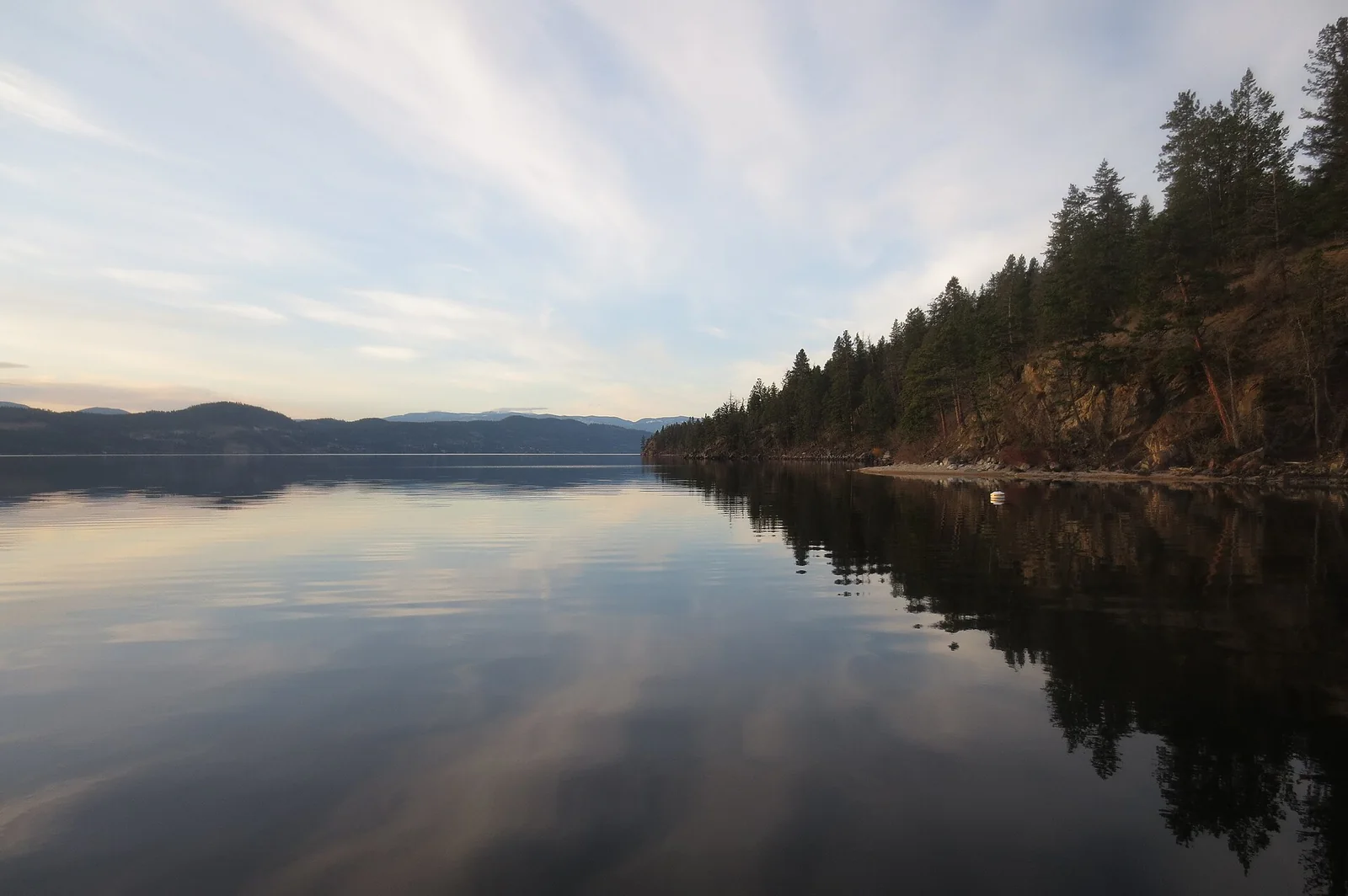
Kelowna just became the most interesting short-term rental market in Canada, and the date is specific: June 1, 2026. That is when BC's principal-residence requirement stopped applying here — Kelowna was the only municipality in the province granted an opt-out this cycle, requested by a city whose rental vacancy had climbed past six percent and accelerated by a special provincial regulation so the change would land before the summer season. The Okanagan's capital earned the demand that made the case: a city of around 150,000 on a 135-kilometre lake, ringed by more than forty wineries on the slopes above it, with a summer that fills every waterfront bed from June to September, a wine-festival calendar that stretches the shoulders, and Big White's ski season underwriting winter. The opt-out does not mean anything goes — the city's own regime governs, with a short-term-rental business licence, zoning that defines where whole-unit rentals may operate, and the provincial registration number still mandatory on every listing — but it does mean investor-owned rentals returned to legality in a market that spent two years constricted. Supply is rebuilding, guest demand never left, and the operators who move first with licensed, professionally marketed product are setting the rate expectations everyone else will inherit. Windows like this open rarely, and they do not stay open long.

Kelowna runs a lake summer with a wine-country frame and a ski winter underneath. July and August are the peak — Okanagan Lake at full temperature, boats out, beaches full, and waterfront or pool-equipped rentals commanding their annual ceiling while families book week-long stays. The wine calendar does the strategic work: spring and fall festival programming pulls couples into what would otherwise be shoulder months, harvest turns September and October gold, and more than forty cellar doors within a half-hour drive give midweek itineraries a spine all season. Winter belongs to Big White — under an hour up the hill — whose ski families favour houses in the city when resort beds run out, plus a steady business-and-medical layer from the region's role as the interior's hub city. Blended nightly rates run around C$310 with occupancy in the mid-50s, numbers currently in motion as post-opt-out supply returns; the premium tiers are clear and durable — true lakefront, anything walkable to the downtown cultural district and brewery row, and pool homes in the Lower Mission — while the Rutland and Glenmore value tiers win on wine-route logistics and parking. The guest mix is Vancouver and Calgary drive traffic first, Prairie flyers behind it, and a growing international wine-tourism stream that books like Napa's — further ahead, at better rates, around named festivals.

Top Attractions & Landmarks

  • Okanagan Lake and City Park beach
  • The wine routes of East and West Kelowna
  • Knox Mountain Park
  • Myra Canyon trestles, Kettle Valley Rail Trail
  • Downtown cultural district and brewery row
  • Big White Ski Resort
  • Bear Creek Provincial Park

Nearby Markets: Penticton  |  Sun Peaks  |  Revelstoke

Airbnb marketing services in Kelowna, British Columbia, Canada
Postcards

Kelowna through the lens

A few of the visual fingerprints we lean into when we shoot, brand and market a Kelowna property — courtesy of the open Wikimedia Commons archive.

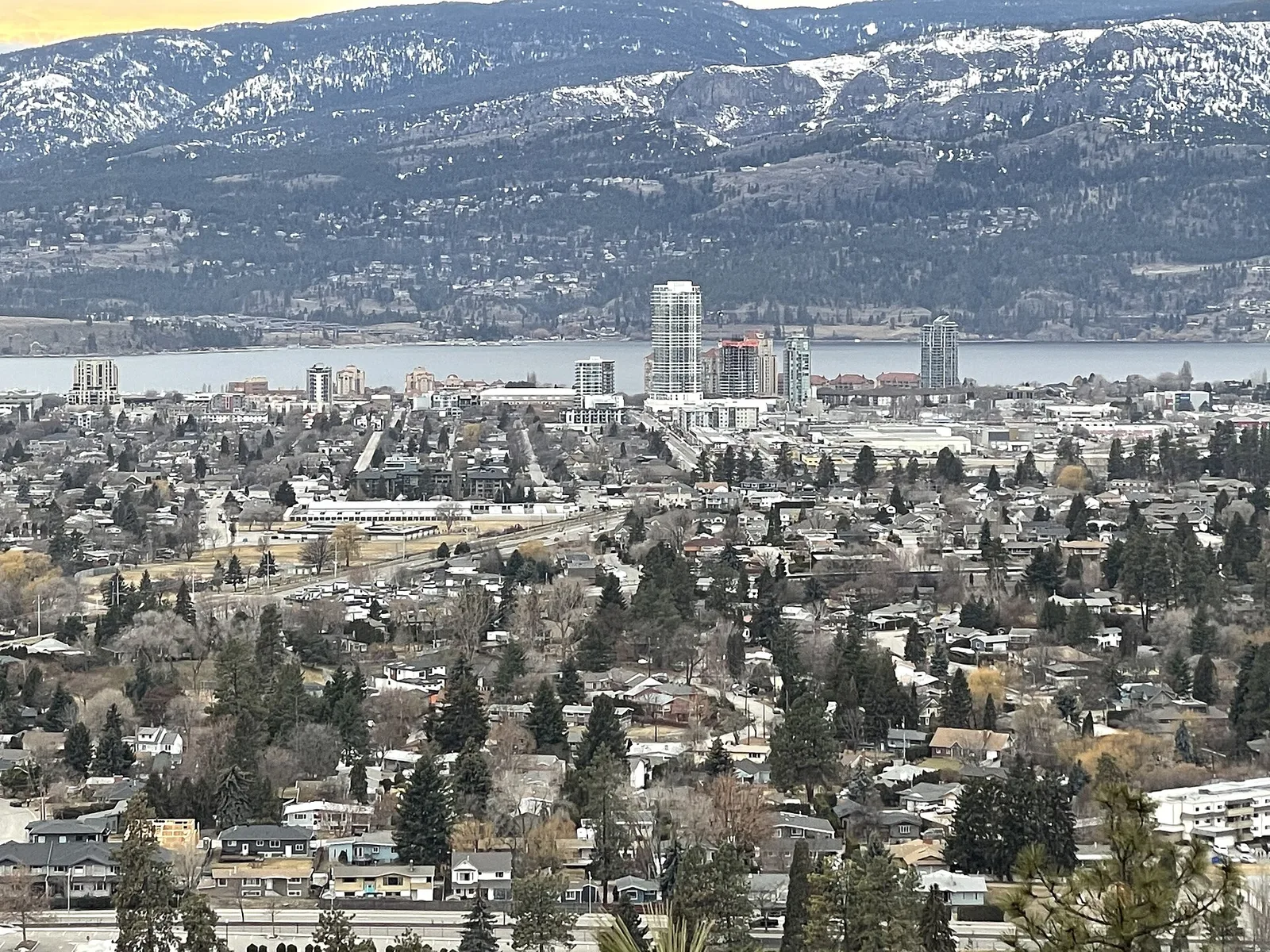
Kelowna Skyline in Feb, — Kelowna airbnb marketing
Local Color
Kelowna Skyline in Feb,
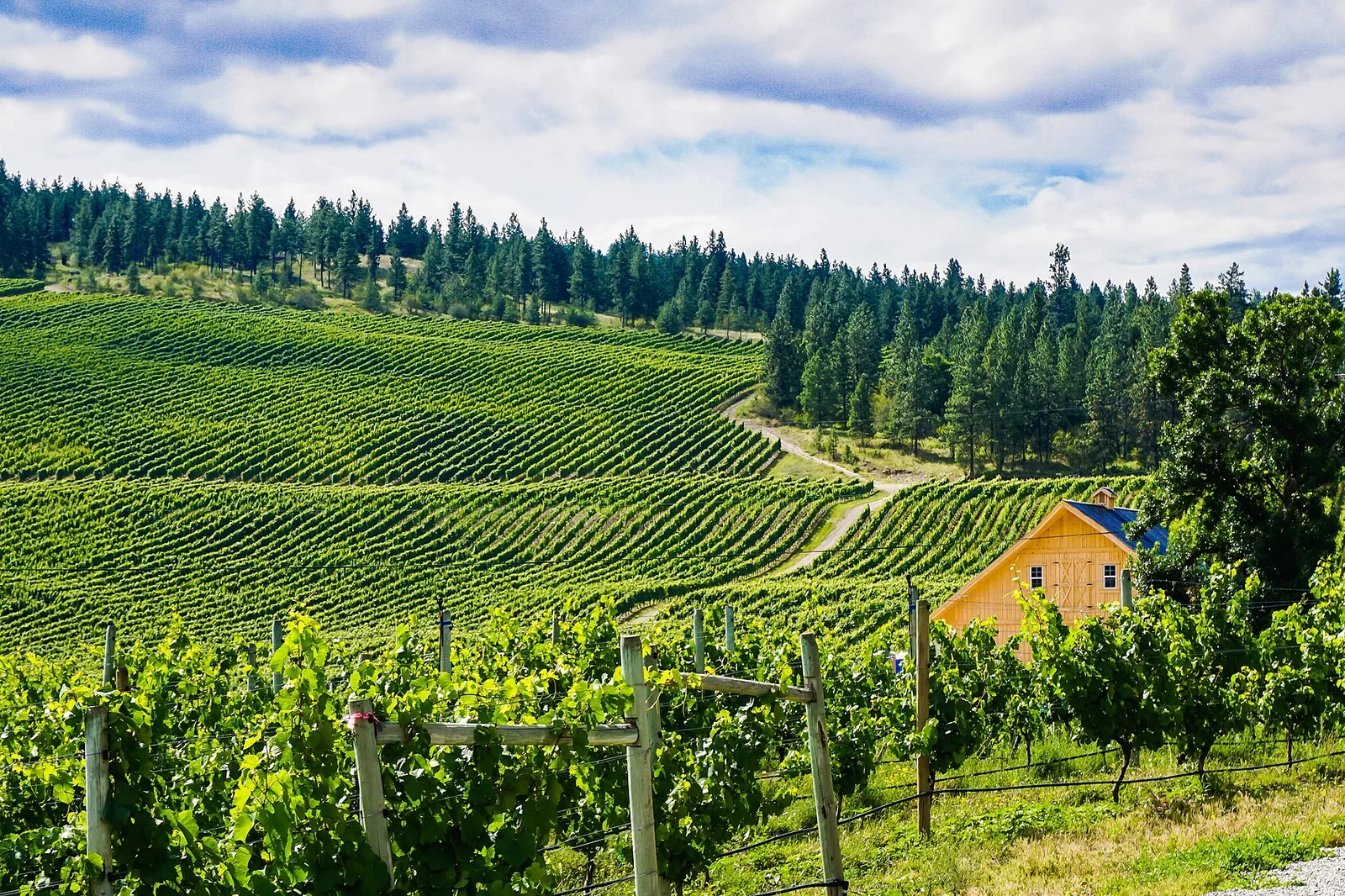
Vineyards of Covert Farms 02 — Kelowna airbnb marketing
Local Color
Vineyards of Covert Farms
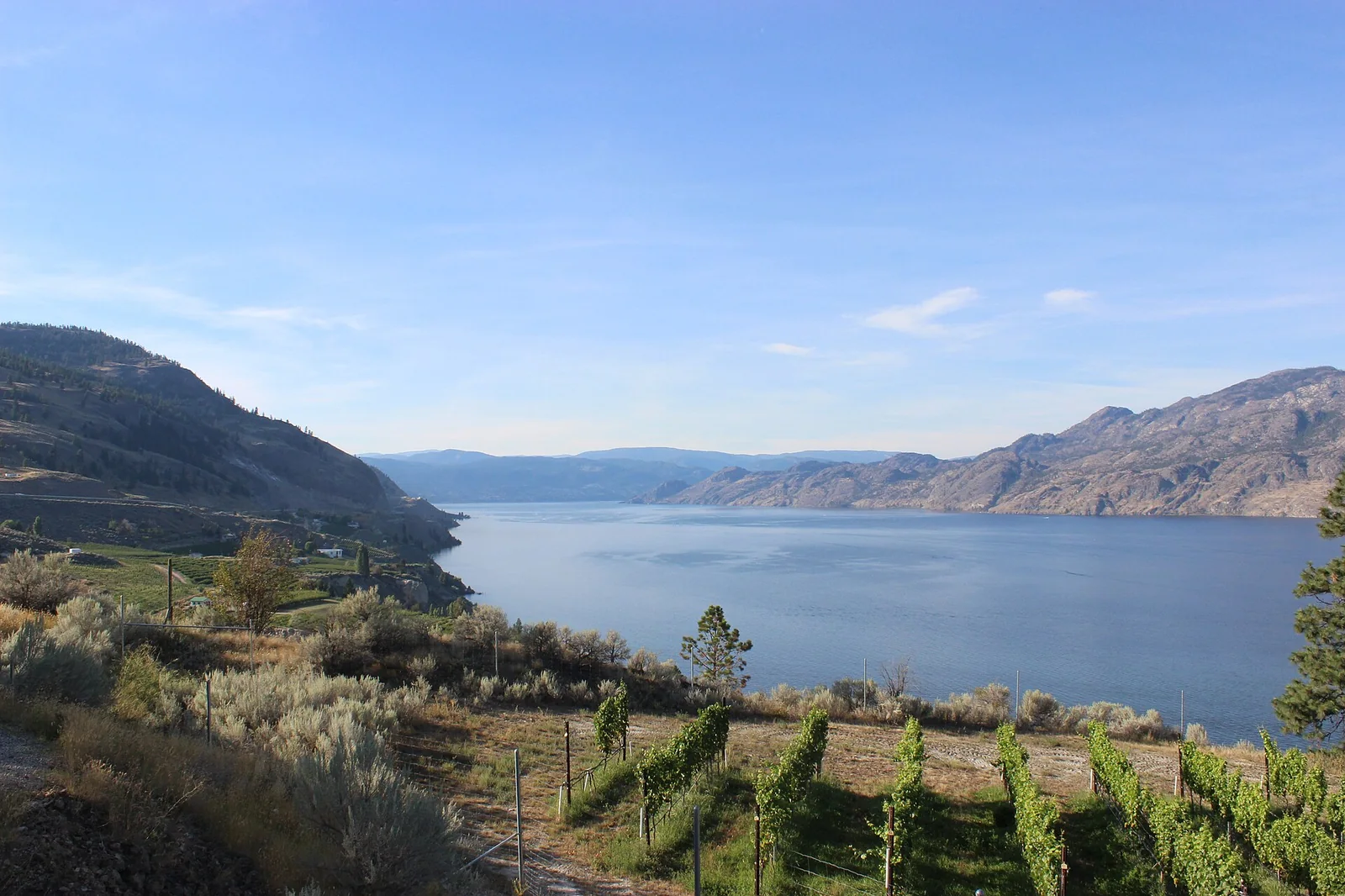
Kelowna from Knox Mountain, December — Kelowna airbnb marketing
Local Color
Kelowna from Knox Mountain, December
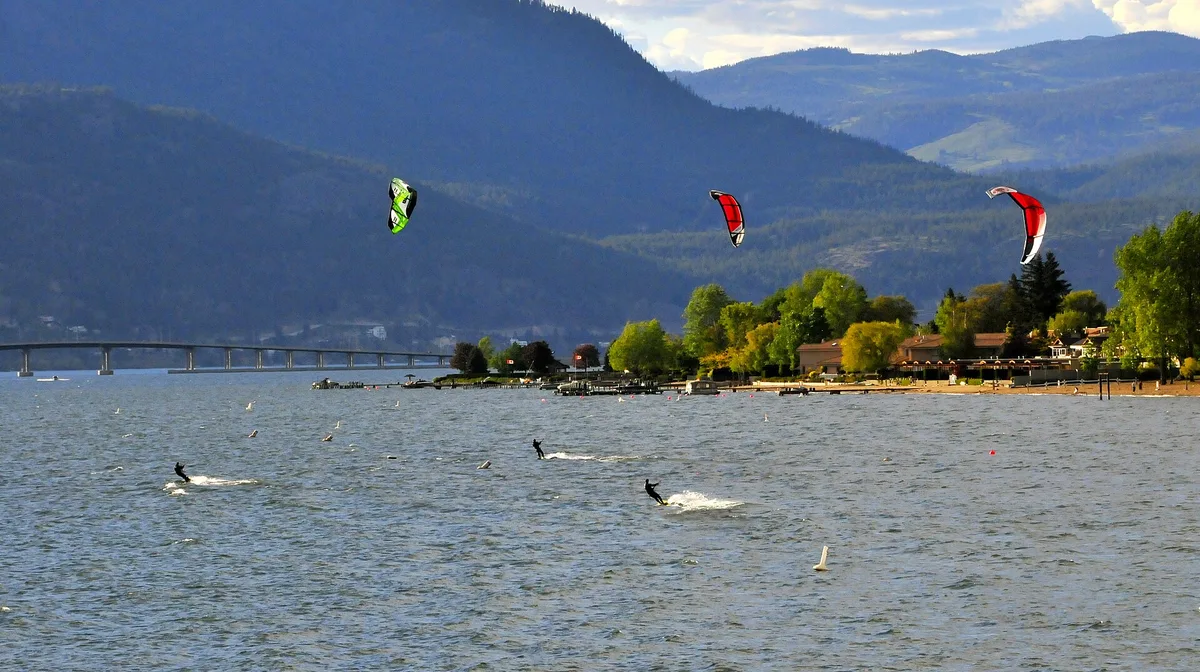
William R. Bennett Bridge — Kelowna airbnb marketing
Local Color
William R. Bennett Bridge
Why Cavmir

The Cavmir Advantage
in Kelowna

Cavmir wins in Kelowna because timing plus positioning is the whole game right now, and we do both deliberately. The opt-out reset the field on June 1, 2026: returning investor operators need listings built from scratch that lead with the new legal clarity — city licence, zoning compliance, provincial registration — because guests and neighbours both remember the constricted years, and visible legitimacy converts. We price the Okanagan's real calendar: lake-season weeks at their ceiling, wine-festival shoulders at near-peak, harvest weekends, Big White winter packages for the families who prefer a city house to resort beds. We shoot what actually sells here — the lake at golden hour from your dock or deck, the vineyard rows above the neighbourhood, the pool at dusk — and we write copy that answers Okanagan questions: which beach is walkable, how the wine-route logistics work without a designated driver argument, where the boat parks. And for the region's boutique inns and vineyard guesthouses — the properties wine tourism was built around — we build direct-booking websites and repeat-guest programs, because harvest regulars and festival returners should never pay a platform to come back to the valley. We help position and market your property. We never manage it or touch your keys.

State of the Industry · History

The Kelowna STR Market — Past & Present

Kelowna grew from mission and orchard. The Oblate fathers planted the valley's first vines at their 1859 mission — sacramental wine, decades before anyone imagined an industry — and the town that incorporated in 1905 built itself on fruit: sternwheelers carried Okanagan apples down the lake to the railheads, packinghouses lined the shore, and for half a century the city's brand was the orchard box label. The modern turn came in stages: the floating bridge across the lake in 1958 ended the ferry era and opened the valley to road-trip tourism, the orchards began converting to vineyards in earnest after 1988 when free trade forced the industry to replant for quality, and the wineries that followed — more than forty now within reach of the city — rebuilt Kelowna's identity around terroir, patios and harvest. The lake never needed rebranding; it had been the point all along.

The rental era arrived with the wine boom and collided with a housing squeeze. Through the 2010s Kelowna became one of Canada's fastest-growing cities and one of its tightest rental markets; the city licensed short-term rentals and restricted them by zone, and when BC's 2024 principal-residence law arrived, Kelowna fell under it in full — two years in which investor-owned rentals wound down and the licensed field shrank. Then the data moved: rental vacancy climbed past six percent, the city made the province's first successful case that the housing emergency had eased, and a special regulation brought Kelowna's opt-out into effect June 1, 2026 — accelerated specifically so the recovery could catch the summer. What governs now is the city's own framework: business licensing, zoning that defines where whole-unit rentals operate, density controls, and the provincial registry number on every listing. The market that reopened is not the market that closed — it is more professional, more scrutinized and more valuable to the operators who build it right, which is precisely the moment to build it right.

Pricing Strategy & Seasonality

Pricing, Seasonality & When to Capture ROI

Pricing Strategy

The rate map follows the water, then the wine. True lakefront — Lakeshore Road, Poplar Point, the West Kelowna shores — is the ceiling: dock-and-deck product that books week-long summer stays at rates competitive with any lake market in the country. Downtown and the cultural district run the urban premium: walk-to-restaurants, brewery row, the beach at City Park, strong with couples and festival traffic year-round. The Lower Mission is the family engine — pool homes, beach access, the Pandosy village strip — where summer weeks book longest and Big White families land in winter. East Kelowna and the vineyard benches sell the wine-country postcard: guesthouses and suites among the rows, premium shoulder-season performance around festivals and harvest. Glenmore and Rutland are the value tiers, winning on parking, space and wine-route logistics for groups who day-trip the valley. Blended, Kelowna runs around C$310 nightly at mid-50s occupancy — figures actively resetting as post-opt-out supply returns — and the near-term dynamic favours early movers: rates are being set now, by the listings that look most professional while the field rebuilds.

Seasonality & ROI Windows

Kelowna's year peaks hard and shoulders well. June through August is the lake season — the annual ceiling, booked in weeks — with September close behind as harvest turns the valley gold and wine traffic replaces beach traffic. Spring builds through festival programming and blossom season into May's first patio weekends. Winter is quieter but structurally sound: Big White ski families, hub-city business and medical travel, and wine-tour weekends that never fully stop. The honest gaps are November and the post-holiday stretch of January — flexible minimums and locals'-getaway packaging carry them.

Regulation & Licensing · 2026

What the Law Requires in Kelowna

Kelowna's framework changed on a specific date, and understanding both halves of it is the market's entry exam. As of June 1, 2026, BC's principal-residence requirement no longer applies here — Kelowna requested the opt-out after its rental vacancy sustained above the province's threshold, was the only municipality granted one this cycle, and had the effective date accelerated by special regulation to catch the summer. That means investor-owned, non-principal-residence rentals are provincially legal again. What it does not mean is deregulation: the City of Kelowna's own regime governs fully, and it has teeth. Operators need a city short-term-rental business licence, renewed annually, and eligibility runs through zoning — the city defines where whole-unit short-term rentals may operate, with density and property-type rules that make some addresses eligible and others not, so the zoning check is step one of any purchase or launch. The provincial registry survives the opt-out: every listing in BC still requires a registration number displayed, and platforms must delist without it. Strata buildings layer their own bylaws on top, and several of Kelowna's rental-heavy buildings have specific short-term-rental provisions worth reading before an offer. The standard tax stack applies — GST, PST, MRDT — and the CRA's compliance-linked deduction rules make the city licence a tax document as well. Two practical notes: the city watched the constricted years closely and neighbour tolerance is part of the social licence, so guest-behaviour standards belong in your operating plan; and the opt-out's logic runs on vacancy data, so the durable operator treats today's flexibility as earned, not permanent. Confirm zoning and licence class with the city before listing.

Market-Specific Tips & Challenges

Local Tips & Unique Market Challenges

Tips That Actually Move Revenue in Kelowna

Launch licence-forward: the city licence, zoning compliance and registry number in the listing's first lines converts guests and reassures neighbours in a market that remembers the constricted years. Price the wine calendar, not just the lake: festival weekends, harvest Saturdays and blossom-season openings deserve individual rates, and vineyard-adjacent addresses should name their nearest cellar doors. Photograph water at golden hour — lake from the dock, pool at dusk — and put the beach-walk minutes in the first line. Build a Big White winter product instead of hibernating: hot tub, gear storage, hill-drive notes, and family pricing win a season most lake listings forfeit. Answer the boat question explicitly — moorage, launch distance, trailer parking — because the July family asks it first. Keep August air-quality answers honest and ready. And collect every guest email from day one: the valley's festival returners and harvest regulars are direct-booking candidates from their first checkout.

Unique Kelowna Challenges

Kelowna's frictions are real and mostly seasonal. The summer concentration is severe — the annual number lives in roughly fourteen weeks, so a smoky August or a cool July moves the year. Wildfire seasons are the operational wild card: smoke days generate cancellation pressure and hard guest questions, and your policies need language before the first fire, not during it. The post-opt-out field is repricing — returning supply will compress the casual middle of the market even as the professional top firms up, so undercapitalized listings will feel squeezed from both ends. City zoning still gates eligibility and the licence regime is actively enforced; the opt-out is provincial, not municipal permission. Neighbour tolerance is part of the social licence in a city that debated rentals for a decade. And the lake itself adds operating load — docks, watercraft liability, pool maintenance — that first-time operators consistently underestimate.

The Lake Monster on the Label
Okanagan Lake comes with a resident legend: Ogopogo, the serpent said to live in its depths, rooted in the syilx people's n'x̌ax̌aitkʷ — the sacred spirit of the lake — and reported by settlers since the 1800s. Kelowna leaned in generations ago: a statue guards the waterfront, the name appears on labels and jerseys across the valley, and in 1926 a ferry was reportedly outfitted with monster-repelling gear as a promotional flourish. Guests will ask; the correct answer is to hand them binoculars on the deck at dusk, pour something local, and let the lake do its work.
Finance Essentials — Kelowna
🛡️

Insurance

Kelowna underwriting has an Okanagan accent: wildfire is the headline factor — the valley's fire seasons are real, insurers price for them, and some carriers pause new bindings during active regional fires, which matters for mid-summer purchases — followed by water exposure for lakefront product (docks, boats, guest watercraft) and pool liability for the Mission's family homes. Short-term-rental endorsements or commercial policies are the baseline; investor-owned whole units returning post-opt-out need full commercial framing, not homeowner add-ons. Document smoke-mitigation features — sealed intakes, air purifiers — because August air-quality questions now appear in guest messages, and insurers appreciate the same answers. Confirm vacancy-gap clauses for shoulder months.

🧾

Property & Income Tax

Kelowna stays carry BC's standard stack — 5% GST, 8% PST on short-term accommodation, plus the Municipal & Regional District Tax — landing in the mid-teens on the nightly rate. Platforms collect portions for platform bookings; direct bookings shift collection and filing to you. The federal GST threshold of C$30,000 arrives within a single good summer at lake rates. Income is fully taxable, and the CRA's 2024 rule denying expense deductions for rentals operating offside local requirements makes the city licence and zoning compliance tax matters as much as municipal ones — post-opt-out Kelowna will see exactly that scrutiny. Returning investor-owners should also revisit BC speculation-and-vacancy tax positions with professional advice. Ask your accountant before the first season.

🏦

Mortgages & Financing

Lenders know Kelowna as a major recreational-and-primary hybrid market, and the June 2026 opt-out is repricing the investor file in real time: whole-unit rental eligibility restored provincial legality, but lenders still discount or exclude short-term income in qualification, so buyers plan around 20-35% down and qualify on broader finances. Lakefront trades at metropolitan-luxury figures; the value tiers remain genuinely accessible by BC standards, which is why Alberta money keeps arriving. Strata product needs bylaw review as part of financing diligence. Model the summer-weighted revenue curve honestly — the annual number lives in fourteen weeks — and have your broker current on post-opt-out lending appetite, which is improving quarter by quarter.

Future Outlook · 2027 & Beyond

Where Kelowna is Headed Next

Kelowna's future runs on two compounding curves and one policy hinge. The demand curves are steady: the city keeps growing as the interior's hub — airport expansion continuing, tech and health-care employment deepening the year-round base — and Okanagan wine keeps climbing the international ladder, pulling a Napa-style visitation pattern of longer stays, better rates and named-festival planning. The policy hinge is the opt-out itself: it exists because vacancy data supported it, the province retains the framework, and the operators who treat the restored flexibility as a licence to professionalize — rather than a return to the casual era — are the ones who keep it durable. Expect the rebuilt supply to bifurcate fast: polished, licence-forward, event-priced listings setting the market's ceiling, and an undercapitalized tail rediscovering why the constricted years happened. Wildfire seasons remain the operational wild card, argue for smoke-aware amenities and flexible policies, and reward the professional communicator. The realistic 2027-and-beyond picture: growing shoulder seasons engineered by the wine calendar, a deeper winter as Big White and hub-city demand compound, rates firming as the reset completes, and a market that rewards exactly the operators who moved first and moved properly.

From the Desk of Sofie Sinag

Why We Love Marketing in Kelowna

We love Kelowna because it is Canada's most complete summer market wearing a wine region as a backdrop. The lake is genuinely warm — a fact that still surprises first-time visitors expecting mountain-cold water — the beaches roll for kilometres, and twenty minutes in any uphill direction the vineyard rows begin, patios hanging over the valley like theatre balconies. September might be the best month in Canadian tourism: crush in the air, the hills gold, the water still swimmable and the crowds gone home. The city itself has grown into its role — brewery row humming, the cultural district earning its name, the airport landing direct flights from everywhere that matters — and Big White keeps winter honest. For marketers, Kelowna right now is the rarest thing in this business: a proven-demand market rebuilding its supply side on a known date, where craft and timing compound. We know exactly what to do with that, and so do the operators who call us first.

Why It Matters

A great property in Kelowna doesn't just want a listing — it wants a point of view, an audience, and a brand the city itself would recognise.

Cavmir's Kelowna Cheat Sheet

The Picks We Recommend for Your Welcome Book

The picks we send Kelowna guests, tested across lake weeks, harvest weekends and one spectacular September: where the valley actually eats, pours and cools off.

Coffee & First Light

Bean Scene, downtown original

The local roaster that anchored Kelowna mornings before the boom — the downtown room fills with paddleboarders and winery staff by eight. Send guests before a Knox Mountain sunrise hike and they will restock beans for the drive home.

The Splurge Table

Home Block at CedarCreek, Lakeshore wine route

A winery dining room above the rows with the lake going amber below — farm-and-vineyard cooking that makes the valley's case in one long dinner. Book the sunset seating well ahead in summer; it is the proposal-and-anniversary room of the Okanagan.

Local Obsession

The BC Tree Fruits stand run

Cherries in July, peaches in August, apples from September — the orchard-stand circuit is the valley's true souvenir economy and locals plan routes around favourites. Put a stand map in your guest guide; the cooler-bag guests fill is your five-star review forming.

Shoulder Season Secret

Harvest season on the east bench

Late September through October the valley does its best work: crush bins steaming, vineyards gold, tasting rooms unhurried and the light long. Sell it to couples as the connoisseur window — near-peak beauty, shoulder pricing, and the year's best restaurant reservations.

The Classic Ritual

Myra Canyon trestles by bike

Eighteen trestle bridges on a rail grade carved through canyon walls, rideable by any fitness level, with the valley unrolling below. It is the half-day that turns a beach trip into an Okanagan trip — tell guests to book rentals at the trailhead and go early.

What Guests Ask For

The beach, the boat and the wine route

Kelowna inquiries repeat five questions: which beach is walkable, where the boat launches and parks, how to do the wine route without a driver debate, whether there is AC and shade for August, and what the smoke situation means. Answer all five in the listing and the booking closes itself.

Local Work · Composite Case Vignettes

What Cavmir Has Done for Kelowna Properties

A few composite engagements drawn from how Cavmir typically works in this market. The details are illustrative and consistent with Kelowna, not pulled from a single named client.

Returning investor unit · Lower Mission
The Brief

An owner whose pool home exited the market during the principal-residence years relaunched the week the June 2026 opt-out landed — with the old 2023 listing, dated photos, no licence visible and flat pricing, competing against a rebuilt field while carrying none of the legitimacy signals the reset market now rewards.

What We Did

Cavmir rebuilt the launch from zero: city licence, zoning compliance and registry number in the first lines, the pool and outdoor kitchen reshot at dusk, week-long family pricing for the lake season with Canada Day and August priced individually, and a Big White winter product added so the calendar no longer ended in September.

The Result

The relaunch caught the season it was accelerated for — July and August booked at rates the 2023 listing never reached, the licence-forward framing drew the cautious families the reset market is full of, and the winter product turned a nine-week business into a year-round one on the same asset.

Vineyard guesthouse · East Kelowna bench
The Brief

A two-suite guesthouse among the rows marketed itself as generic accommodation — no festival awareness, no harvest story, no winery partnerships — and sat half-empty through the exact shoulder weekends when the valley's wine calendar was filling every inn around it at near-peak rates.

What We Did

Cavmir rebuilt the positioning around the bench itself: named the neighbouring cellar doors and walk times, priced spring festival and harvest weekends as the mini-peaks they are, shot the suites at crush with the bins steaming below, and built partnerships with two wineries for guest tastings that became the listing's signature line.

The Result

Shoulder occupancy caught up to summer within a season — festival couples and harvest regulars booking the exact weekends that once went empty — and the guesthouse's September now outearns its July, with returning-guest emails booking next year's crush before this year's fermentation finished.

Boutique inn · downtown cultural district
The Brief

A twelve-room inn two blocks off the waterfront had two decades of festival regulars, full OTA dependence taking commissions on all of them, and a website that could not take bookings — while the post-opt-out supply wave threatened to bury a legacy property under a hundred polished new listings.

What We Did

Cavmir built a direct-booking website with real-time availability and the inn's actual story — the heritage bones, the courtyard breakfasts, the walk-everywhere address — launched a returning-guest rate to a mailing list assembled from years of registrations, and repositioned the OTA presence as pure discovery pointed at the direct site.

The Result

The festival regulars moved to direct within two seasons, commission spend fell while occupancy held through the supply wave, and the inn entered the rebuilt market owning its guest list and its margins — a legacy property competing on relationship in a field that suddenly had to compete on ads.

Market Intelligence · Seasonality

Airbnb seasonality in Kelowna, month by month

Demand in Kelowna peaks around June through August and runs quietest around January, February and November. Here is how the year actually books — and what to do about each stretch of the calendar.

Peak demandSteadyQuiet

Peak season

June through August is the lake season and the annual ceiling: Okanagan Lake warm enough to swim by mid-June, beaches and boats at capacity, and waterfront or pool-equipped rentals booking week-long family stays at their top rates. Canada Day week and all of August are the fiercest windows. The wine calendar keeps couples flowing beneath the family wave all season. Well-run listings hold week-long minimums on premium product through the core and price event weekends individually — the flat summer rate is the market's most common and most expensive mistake.

The shoulders

September and October are the connoisseur shoulder — harvest turns the benches gold, crush fills the air, tasting rooms unhurry, and couples book near-peak weekends after the families leave; for wine-adjacent addresses September can outearn July. Spring mirrors it: festival programming and blossom season build April and May into genuine revenue months, with patio weather arriving early in the valley's dry climate. Hold rates with confidence through both shoulders — the wine traveller who books them is the market's least price-sensitive guest.

The quiet stretch

November and the post-holiday stretch of January are the honest gaps. Big White's ski season keeps a family stream landing in city houses — hot tubs, gear storage and hill-drive notes win them — and Kelowna's hub-city role sustains business and medical stays midweek all winter. Package locals'-getaway weekends around restaurants and winter tastings, keep minimums flexible, and use the lull for maintenance and the photo refresh before spring festival marketing begins in February.

Dates that fill first

Lake season coreJuly - August
The annual ceiling: week-long family bookings on waterfront and pool product at top rates. Hold minimums, price Canada Day and the August long weekend individually, and have the boat-and-beach logistics answered in the listing before July asks.
Okanagan spring wine festival windowApril - May
Festival weekends and blossom season open the year early for vineyard-adjacent and downtown addresses. Price them as mini-peaks and name your nearest cellar doors — the spring wine couple books deliberately and pays accordingly.
Harvest and fall wine seasonSeptember - October
Crush season is the valley's best-kept revenue window: gold benches, unhurried tastings, near-peak weekend rates after the families go home. Market it explicitly to couples; September can outearn July for wine-positioned properties.
Canada Day weekearly July
The lakefront's biggest single week outside August — fireworks over the water and every dock full. Price the week individually with multi-night minimums; it books early and holds whatever rate a polished listing asks.
Big White ski seasonDecember - March
Under an hour up the hill, Big White overflows resort beds into city houses all winter. A ski product — hot tub, gear storage, hill-drive notes, family pricing — wins a season most lake listings simply forfeit.
Market Intelligence · Guests

Who books Kelowna Airbnbs — and how far ahead

Lake-week families
The summer core: Vancouver, Calgary and Prairie families booking week-long stays around beaches, boats and pools. They shortlist on water logistics — walkable beach, moorage, shade and AC — and they rebook the same week annually when a property delivers.
Wine-route couples
The shoulder-season engine: couples building trips around festivals, harvest and tasting itineraries, booking further ahead and at better rates than beach traffic. Named cellar-door proximity and tour logistics in the listing convert them.
Big White ski families
Winter's quiet segment: ski families preferring a city house to resort beds for space and price. Hot tubs, gear storage and honest hill-drive notes win them; most lake-focused listings never even address the season.
Hub-city business and medical travellers
Kelowna's interior-capital role sustains midweek stays year-round — professionals, patients and families near the hospital, project crews. Workspaces, parking and monthly winter pricing capture a floor leisure demand never provides.
Inn and guesthouse regulars
The valley's boutique inns and vineyard guesthouses host festival returners and harvest regulars who book by relationship. A returning-guest rate on a direct-booking site keeps that loyalty commission-free — the market's highest-margin traffic.

The booking window

Lake-season weeks book three to six months out, with returning families locking their week as early as January; Canada Day and August long weekend go first. Wine-festival and harvest weekends fill four to eight weeks ahead once programming publishes. Winter ski and business stays move inside a month. Practically: summer pricing and photography locked by February, the harvest product marketed from July, and the ski listing live by October — each season sells during the previous one.

Typical stays

Summer families anchor the long end at five to seven nights, often the same week annually. Wine couples book two to four around festival and harvest weekends. Big White families take three to five in winter, and the business-medical layer runs midweek twos year-round with a real monthly segment in the off-season. Minimums should hold firm through the lake core and breathe everywhere else.

Where guests drive from

VancouverCalgaryKamloopsPentictonVernon

Where guests fly from

VancouverCalgaryEdmontonTorontoSeattleWinnipeg
The drive market is the Coquihalla in both directions — Vancouver four hours west, Calgary seven east — with Alberta money a structural presence in both guests and buyers. Kelowna's airport lands direct flights from every major Canadian city plus Seattle, feeding the wine-tourism stream. For ads, target Vancouver and Calgary for summer from January, wine-interest audiences in the same cities for shoulder seasons, and Toronto direct-flight travellers for harvest.
Market Intelligence · What Wins

The Airbnb that wins in Kelowna

The Kelowna winner owns water or wine and says so immediately: a lakefront or pool home with beach minutes, moorage and shade answered in the first lines, or a vineyard-adjacent suite naming its cellar doors and harvest calendar. Post-opt-out, the licence-forward listing wins — city licence, zoning compliance and registry number visible — because the reset market rewards legitimacy. Event-by-event pricing across the lake core, festival shoulders and Big White winter separates the professional calendar from the flat one.

Amenities that move bookings here

private pool or lake accessair conditioningshaded outdoor living spaceboat moorage or trailer parkinghot tub for ski seasonoutdoor kitchen or barbecuewine fridge and tasting glasswarefast wifi with workspace
If you do one thing in Kelowna, answer the water question completely — walkable beach in minutes, moorage or launch logistics, pool hours and shade — because the July family filters on it before price. The listing that resolves the boat conversation in print wins the week-long booking without a single message.
Straight Answers

Kelowna Airbnb marketing questions, answered

How do I market my Airbnb in Kelowna?

Lead with the new legitimacy, then the water. Kelowna's June 2026 opt-out reset the field, so the city licence, zoning compliance and provincial registry number belong in your first lines — the rebuilt market rewards visible compliance. Then answer what Okanagan guests actually ask: beach minutes, boat logistics, AC and shade, the wine route without a driver debate. Price the real calendar — lake weeks at the ceiling, festival and harvest weekends individually, a Big White winter product — and photograph water at golden hour. That is the stack Cavmir builds for Kelowna operators, with a direct-booking site converting festival returners into commission-free regulars.

When is peak season for Kelowna Airbnbs?

June through August is the ceiling — warm-lake family season, with Canada Day week and August the fiercest windows. The strategic answer is the shoulders: harvest season in September and October books couples at near-peak rates and can outearn July for wine-positioned properties, while spring festival weekends open the year in April. Winter runs quieter but real, carried by Big White ski families and hub-city business travel. The honest gaps are November and post-holiday January.

Can I legally run a short-term rental in Kelowna now?

Yes — and the date matters. BC's principal-residence requirement stopped applying in Kelowna on June 1, 2026, when the city became the only municipality granted an opt-out after its rental vacancy sustained above six percent. Investor-owned whole-unit rentals are provincially legal again, but the city's own regime fully governs: an annual STR business licence, zoning that defines where whole-unit rentals may operate, and the provincial registry number still displayed on every listing. Strata bylaws add a final layer. Confirm your address's zoning eligibility with the city before buying or listing.

How far in advance do guests book Kelowna Airbnbs?

Lake-season weeks book three to six months out — returning families lock their week as early as January, and Canada Day plus the August long weekend disappear first. Wine-festival and harvest weekends fill four to eight weeks ahead once programming publishes. Winter ski and business stays book inside a month. The operational rhythm: summer priced and photographed by February, harvest marketed from July, and the ski product live by October. In the post-opt-out reset, early-launched polished listings are also setting the rates everyone else inherits.

What amenities matter most for a Kelowna Airbnb?

Water and heat management first: pool or lake access, genuine air conditioning, and shaded outdoor living decide summer bookings before decor enters the conversation. Boat moorage or trailer parking wins a family segment most listings ignore. For the wine shoulder, a wine fridge, proper glassware and named cellar-door proximity convert couples; for winter, a hot tub and gear storage capture Big White families. And August's honest extras — blackout bedrooms, air purifiers for smoke days — increasingly appear in guest filters and reviews alike.

Free Tools · Websites That Book

See what your listing in Kelowna is leaving on the table

Run your Airbnb, Vrbo, or website through Cavmir's free grader. It checks the things that decide whether guests book in Kelowna — photos, listing copy, page speed, local search — and shows you where bookings leak. Takes about a minute, and there's no sales call attached.

If the report says your booking engine is the weak link, that's fixable: a direct-booking website of your own means repeat guests stop paying platform fees to come back to you. That's the work Cavmir does — see Airbnb website design in Kelowna.

What the grader measures

  • Photos and the first-impression frame
  • Listing title and copy
  • Your direct-booking website (or the lack of one)
  • Page speed and mobile experience
  • Local search and Google visibility
Grade My Listing — Free
Ready to Grow in Kelowna?

Let's Put Your Kelowna
Property on the Map

Talk to Cavmir today. We'll show you exactly what your Kelowna property is leaving on the table — and how fast we can change that.

Book a Free Strategy Call