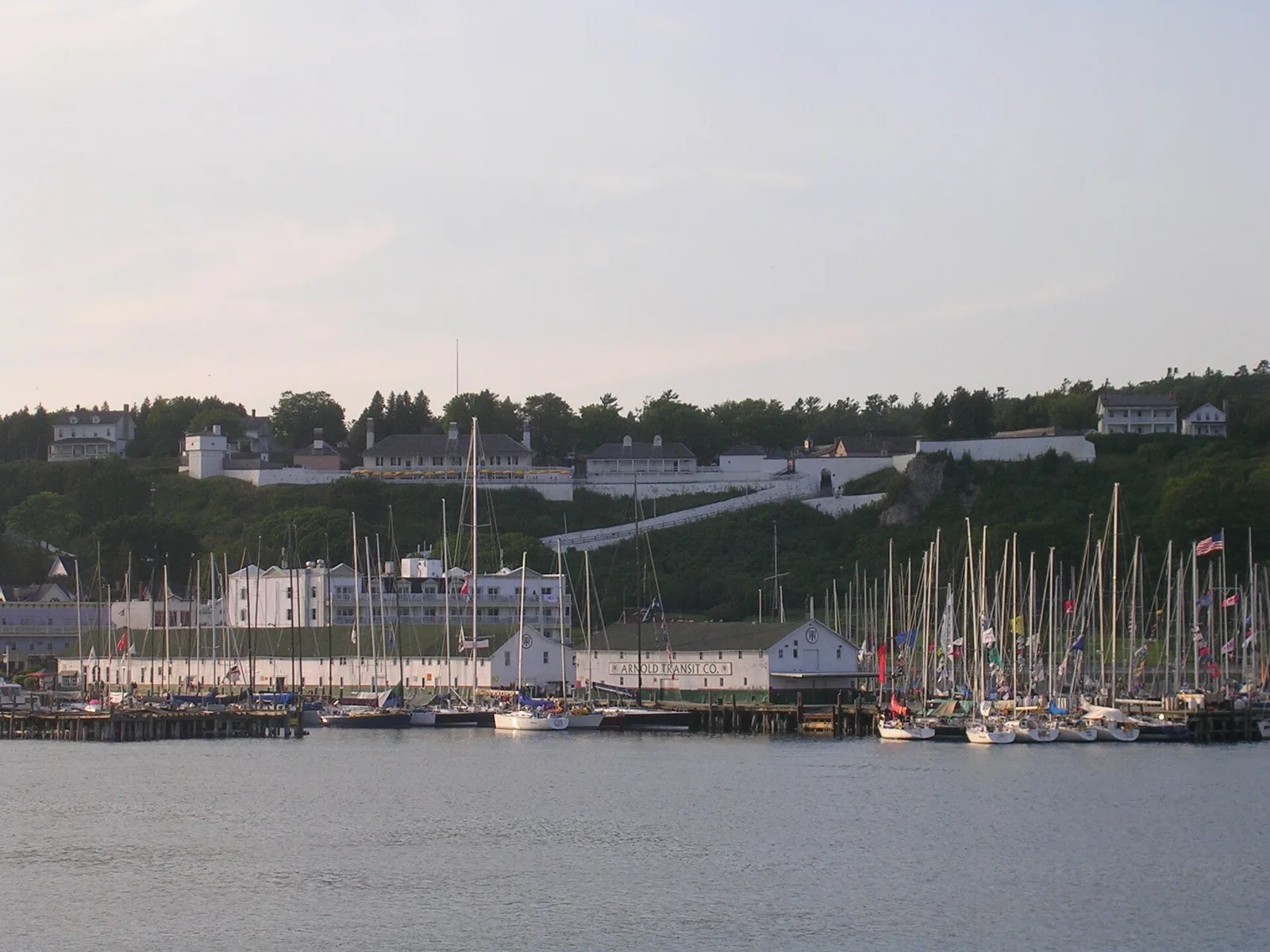
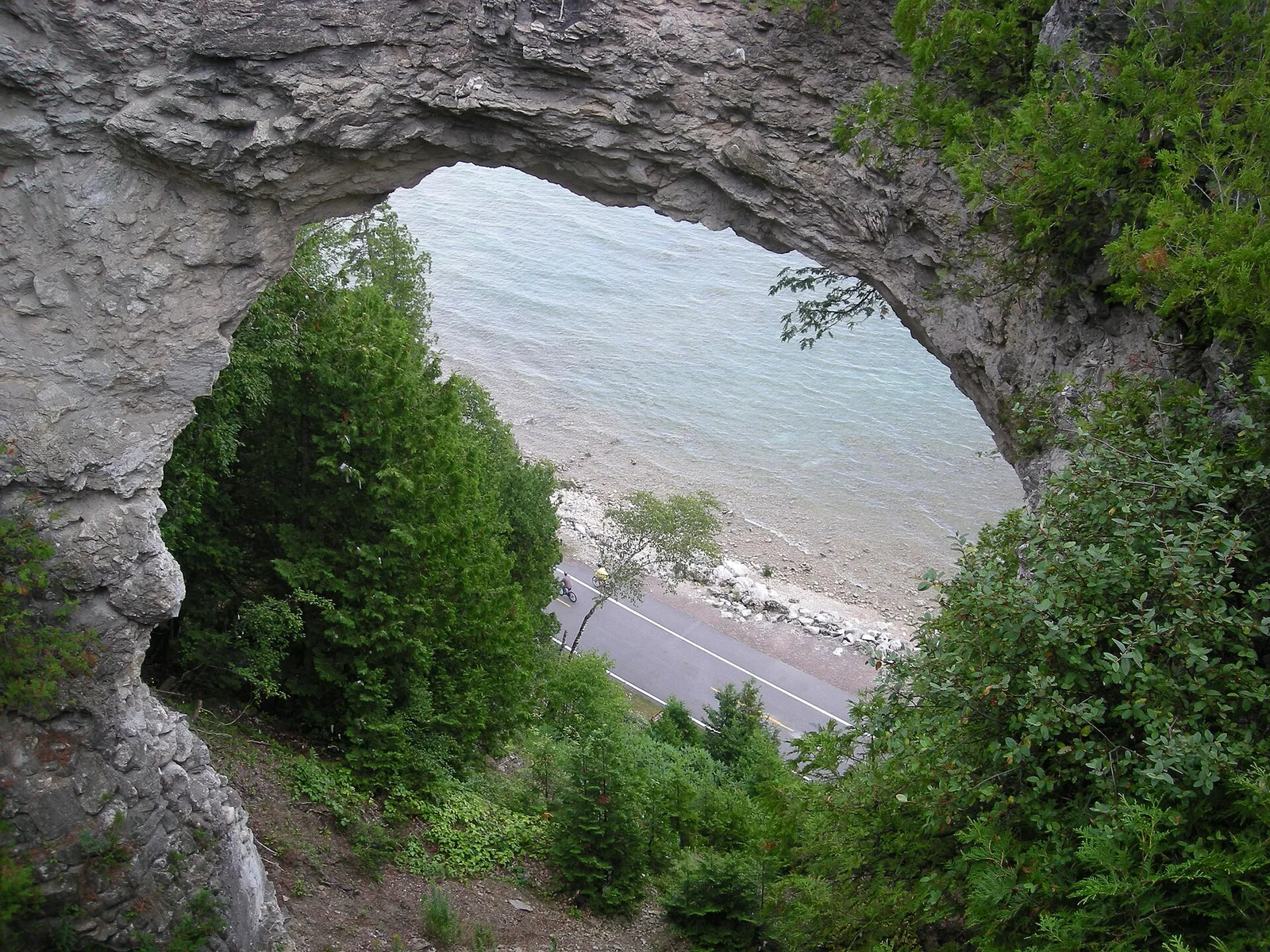
Long before it was a resort, this island was a center of the Great Lakes fur trade and a place the Anishinaabek held sacred, the home of Gitche Manitou in Ojibwe tradition, with a shape early visitors read as a great turtle, Michilimackinac. The British moved Fort Mackinac to the island's heights during the Revolution, and it changed hands twice in the War of 1812 before settling back into American control. When the fur trade faded, fishing and then tourism took over. After the Civil War, steamships and railroads started carrying summer visitors north to the cool straits air, and in 1875 the federal government made the island the country's second national park. In 1895 it was handed to Michigan and became the state's first state park, which is why roughly 80% of the island is protected to this day.
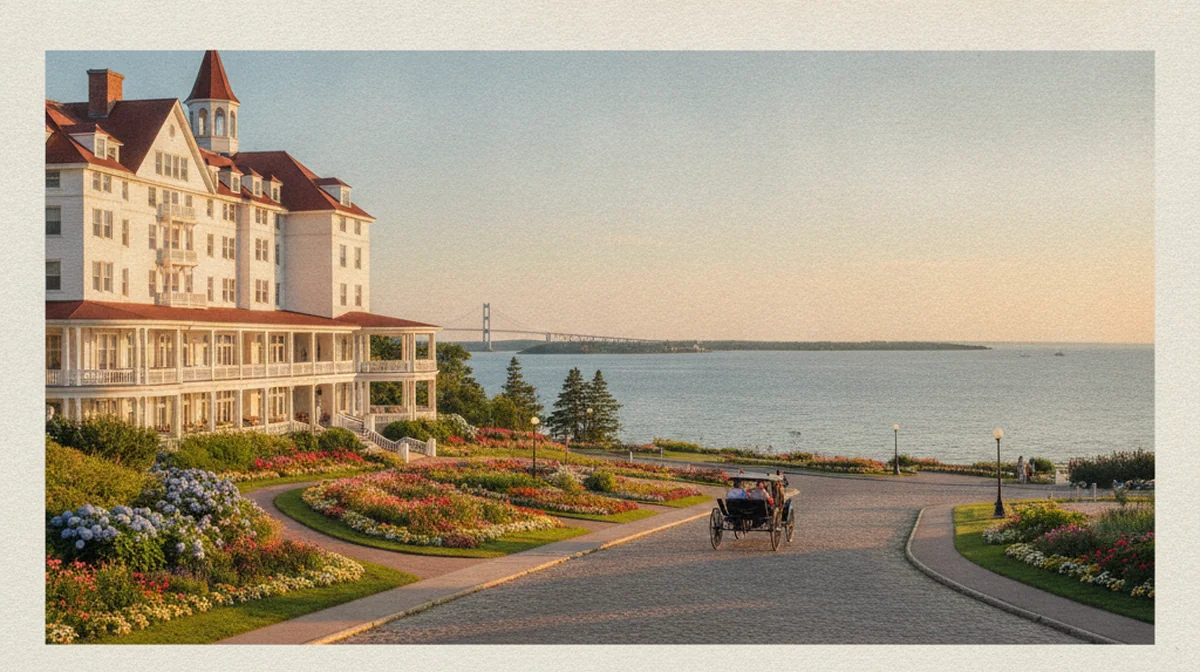
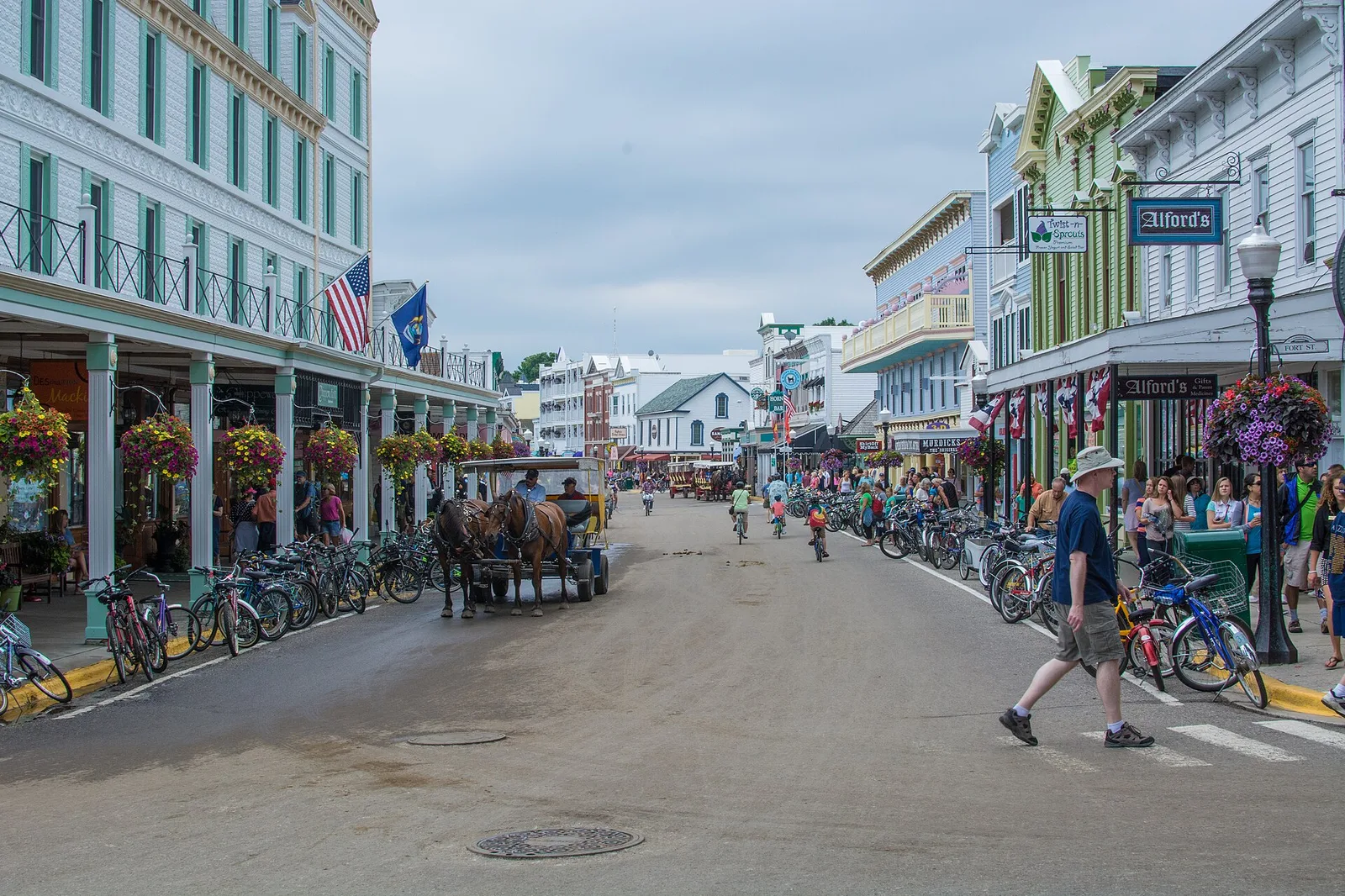
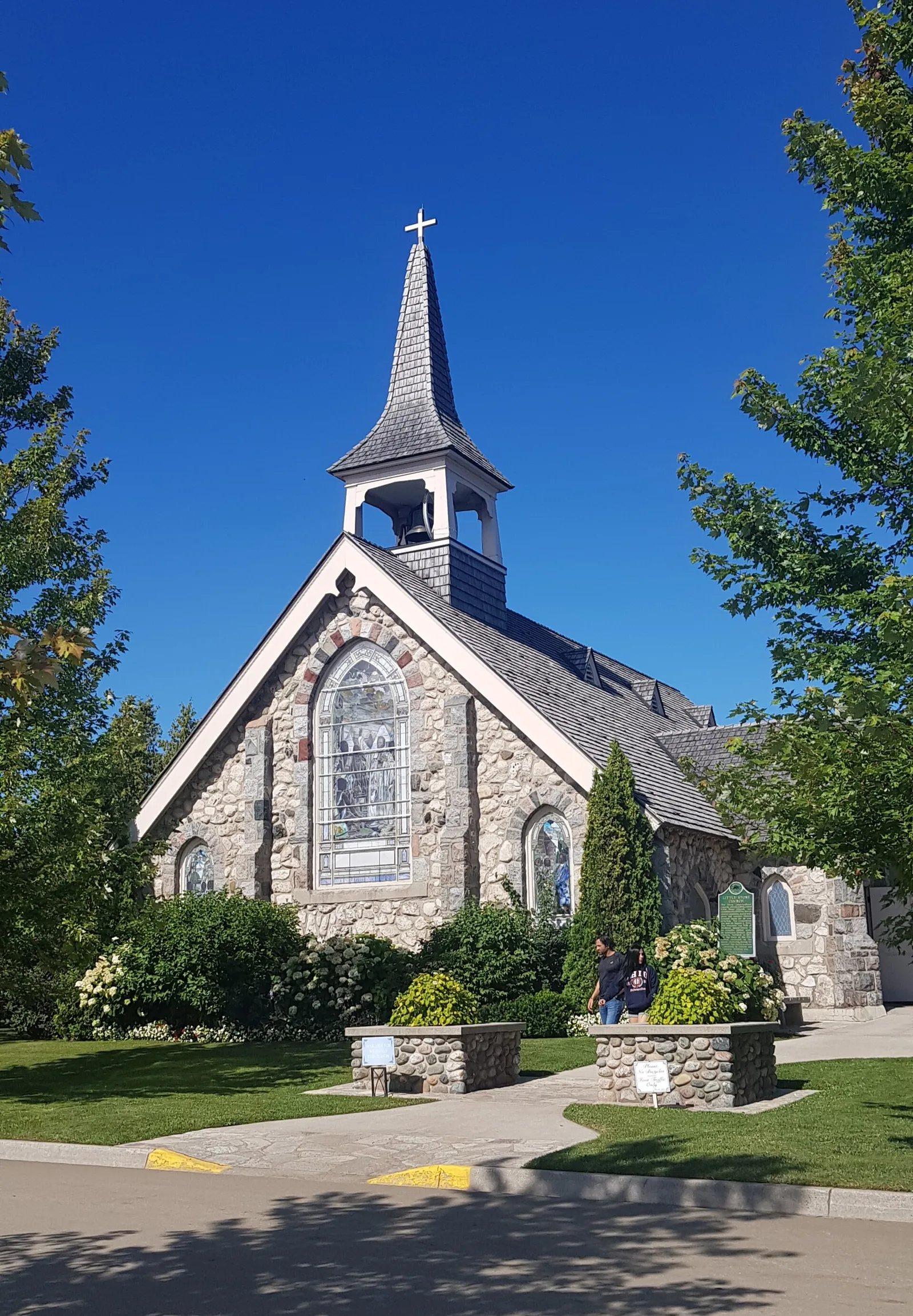
The Grand Hotel opened in 1887 and stretched a 660-foot front porch, still billed as the world's longest, toward the water. Wealthy families from Detroit, Chicago and beyond built the Victorian cottages that still line the East and West Bluffs, many of them now worth several million dollars. The 1898 ban on motor vehicles, passed after a car spooked the carriage horses, froze the island in a horse-and-bicycle world it has guarded ever since. Today the lodging stock is unusual: more than 1,600 rooms across historic hotels, inns, B&Bs, condos and cottages, much of it heritage-licensed lodging rather than the scattered single-family Airbnbs you'd find on the mainland. True whole-home short-term rentals are a smaller, tightly held slice of that inventory, constrained by island zoning and the simple fact that nobody's building much new on a state-park island. That scarcity is exactly why a well-marketed cottage holds its rate season after season while the dim, badly shot listings get scrolled past.