


Coffee & First Light
The bay before the tour boats leave
Walk down to the harbour early with a coffee. Grand Island sits across the water and the bay is usually still. The first cruise goes out shortly after and the town gets busy fast.

Expert short-term rental marketing to grow your bookings and nightly rate in Munising, Michigan, USA.
Sixteen services, one team. Everything below is built in-house and scoped to your property and market. Most owners start with the 12-Step System.
Every engagement is quoted to your portfolio. These are the ready-made scopes owners pick most — our Fall Special (55% off list or more) is already applied to the website, King Broker, Hotels and à la carte scopes. A clear proposal within 48 hours.
The work is public. Selected engagements and what changed — and reviews from the owners and managers behind them.
* Market averages from AirDNA and STR market reports. A single home's numbers depend on its size, its location and how it is marketed.
Cavmir is an Airbnb marketing agency. We build the brand, the direct-booking website and the marketing for short-term rentals in Munising.
Munising sits on a protected bay on the south shore of Lake Superior in Michigan's Upper Peninsula, and it is the gateway to Pictured Rocks — forty miles of sandstone cliffs stained in mineral colours, sea caves, arches and beaches that became the first national lakeshore in the country in 1966. Grand Island sits across the bay with a wooden lighthouse on its channel and a ferry running over in summer. Alger County has something over a hundred waterfalls, several of them within a few minutes of town. In winter the same cliffs grow ice formations that draw climbers from across the country to an ice festival every February. It is a small town of a couple of thousand people carrying a very large volume of visitors for four months a year, and the rental stock — cabins, cottages, lake houses and town properties — is mostly owner-held, lightly regulated and, in marketing terms, wide open.
Pictured Rocks visitation has grown substantially over the last decade and the town has not grown with it, which is the core dynamic here. Summer, from late June through Labor Day, is close to full, and the boat cruises, the kayak tours and the trail parking are all at capacity on a good July day. Autumn is genuinely strong through mid-October when the hardwoods turn, and it is the best time to be here. Then the season stops. November is dead, and the winter that follows is long and snowy — but not empty, because snowmobiling on the Upper Peninsula trail network and the February ice-climbing festival both bring real, committed visitors who book ahead and who almost nobody markets to. Spring is the hardest stretch: the snow is going, the trails are mud, and there is genuinely little to sell until late May. The opportunity in this market is straightforward. Summer sells itself and most owners collect it. The owners who build a winter product for snowmobilers and ice climbers, and a proper late-September and October push, run a substantially better year than the ones who treat the town as a four-month business.
Nearby Markets: Traverse City | Mackinac Island | Duluth
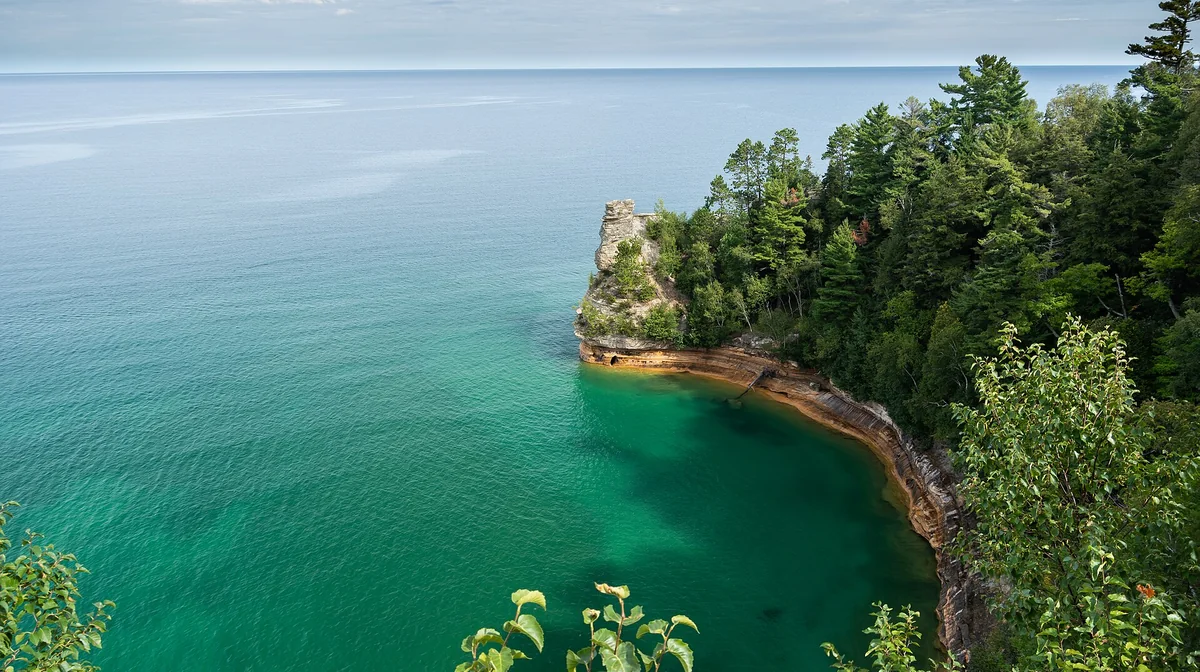
A few of the visual fingerprints we lean into when we shoot, brand and market a Munising property — courtesy of the open Wikimedia Commons archive.
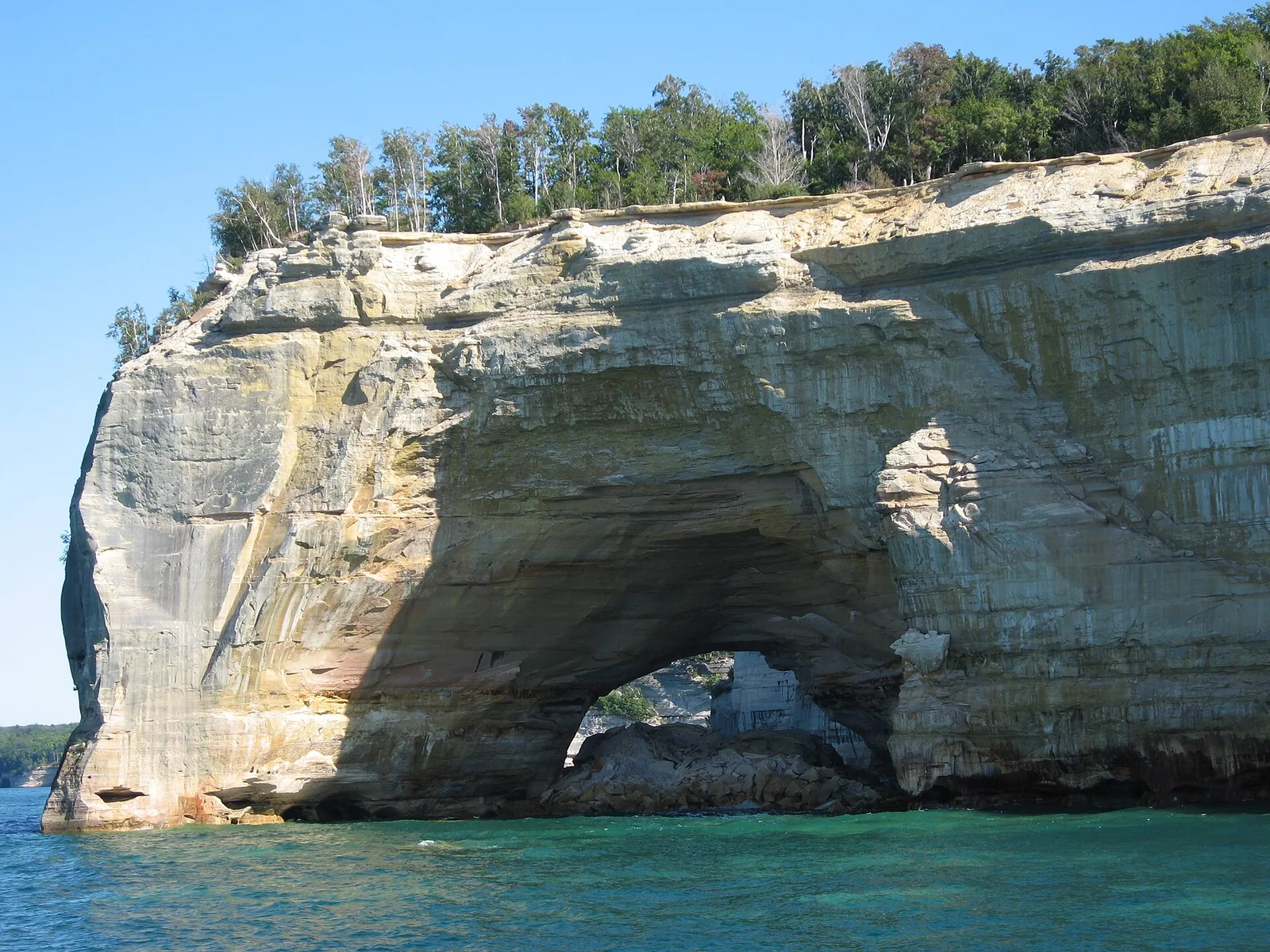
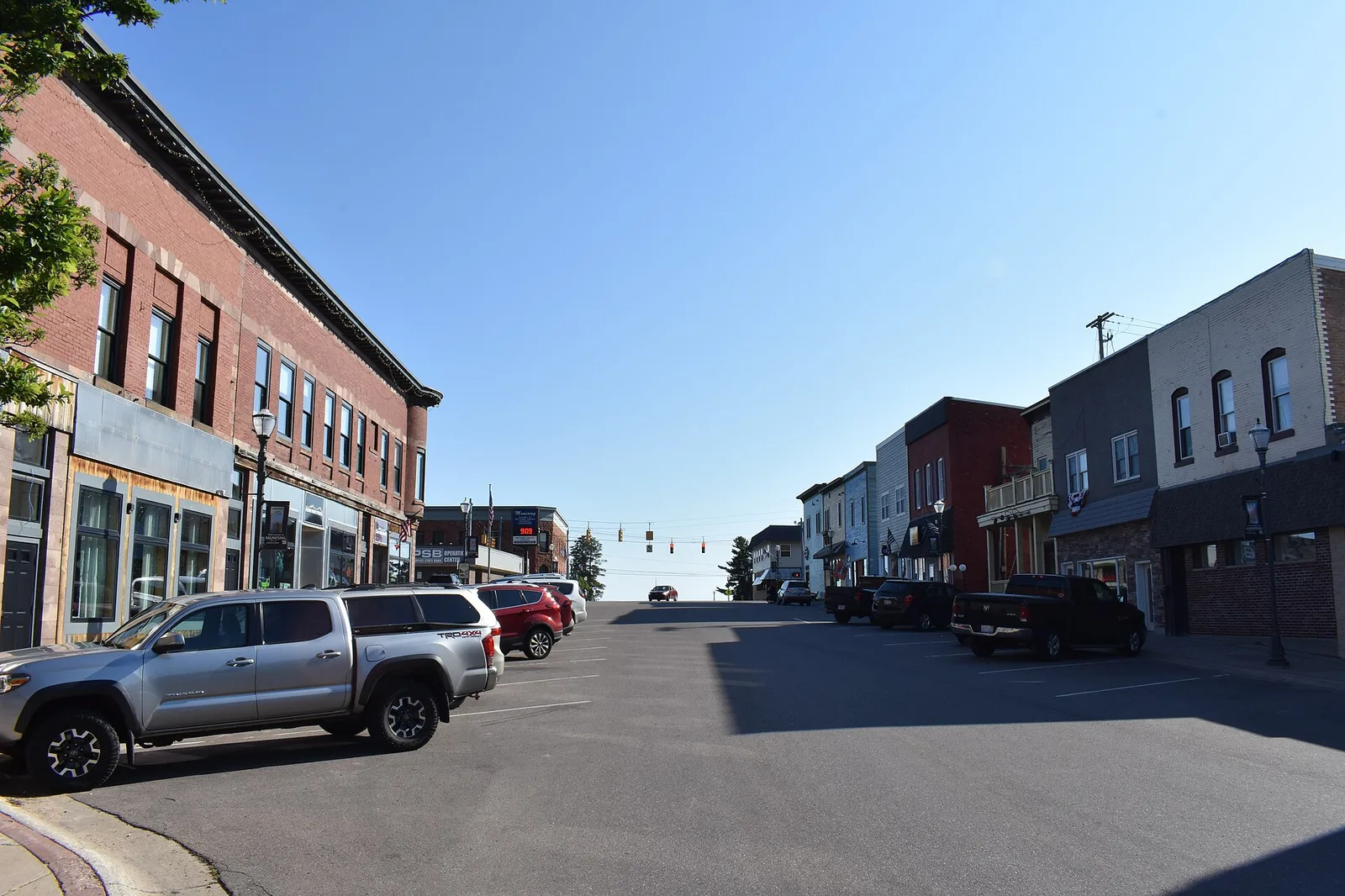
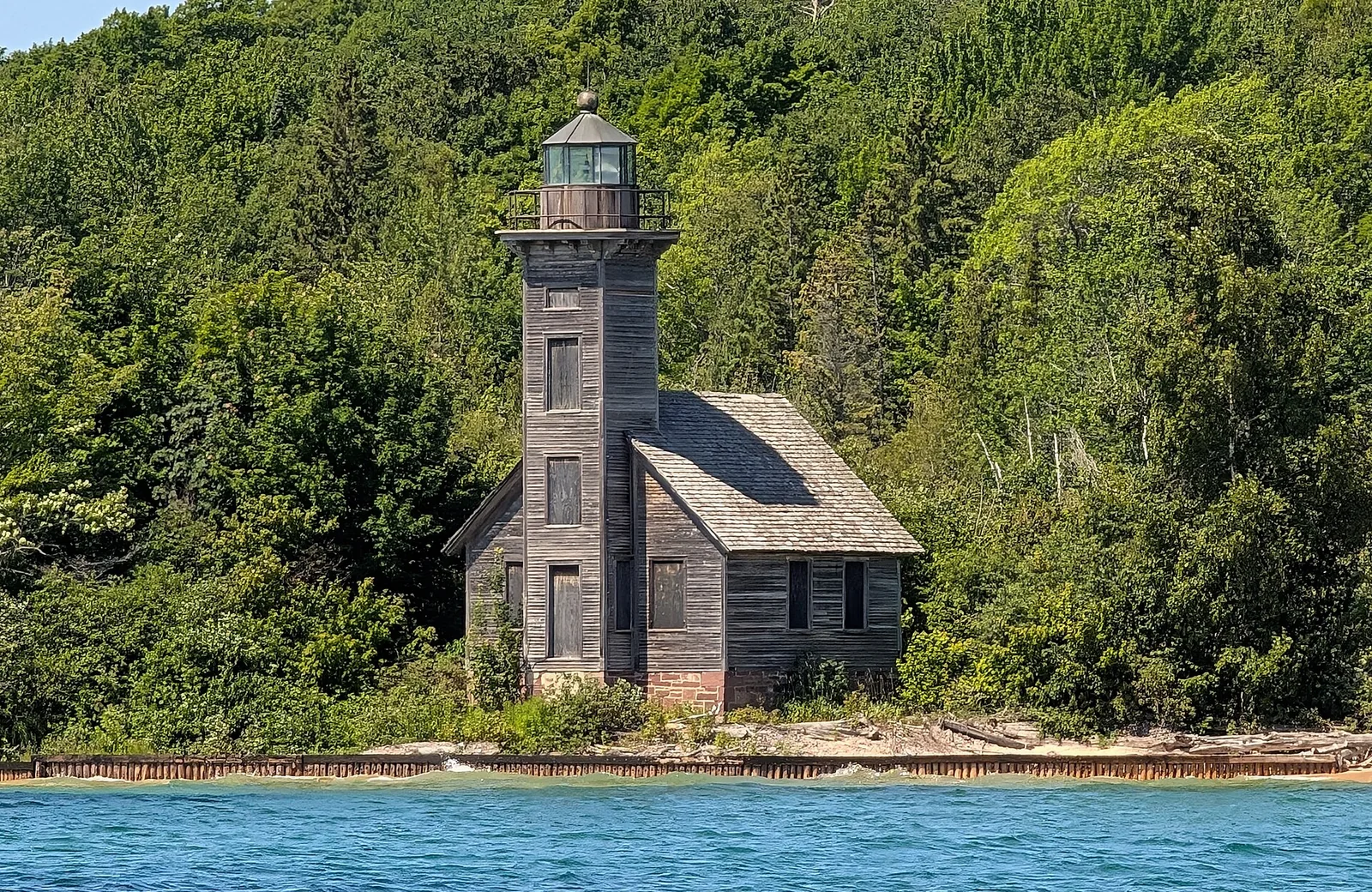
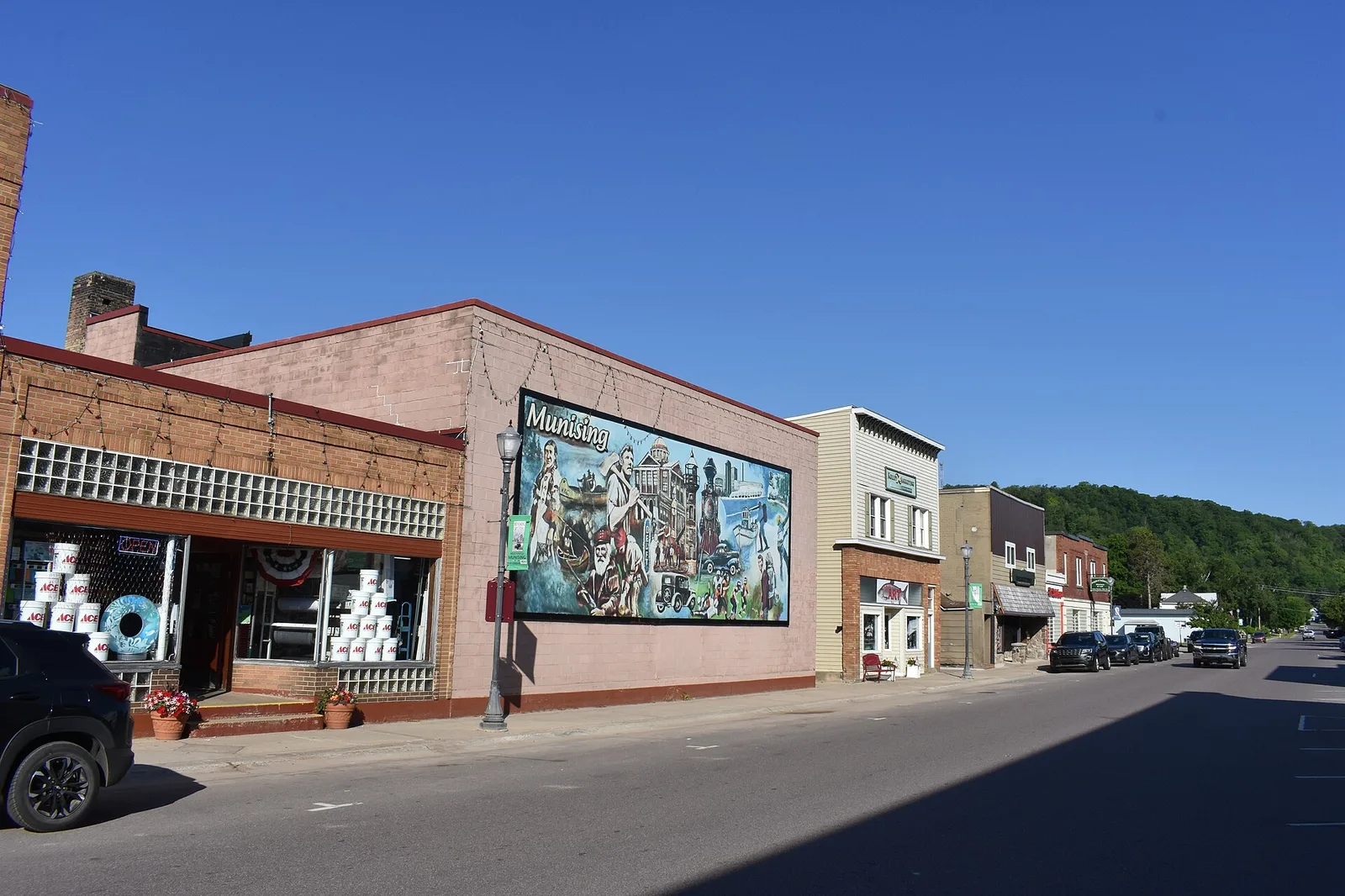
Cavmir markets Munising properties as a four-season basecamp rather than a summer cabin. We photograph the property properly and we shoot the season your guests are actually booking — the cliffs in autumn, the snow in February, the bay in July. We write copy with real distances to the trailheads, the cruise dock, the ferry and the falls, because a visitor planning a Pictured Rocks trip is building a schedule and the listing that helps them build it wins. We construct the direct-booking site, get it visible for the Pictured Rocks and Upper Peninsula searches that already have serious volume, and set up the email list that brings a July kayaking family back for October colour. We go after the snowmobile and ice-climbing audiences deliberately, because they are real, they book ahead and nobody else in this market is talking to them. And we make sure your listing meets the city's advertising requirements. We help position and market your property. We never manage it or touch your keys.
The cliffs came first and everything else here is a footnote to them. Forty miles of layered sandstone run east from Munising along the Lake Superior shore, streaked with copper, iron and manganese leaching out of the rock and staining the faces in greens, oranges and rust — which is where the name Pictured Rocks comes from. Ojibwe people knew the shore for centuries and travelled it by canoe. French voyageurs came through in the seventeenth century, and later shipping used the sheltered bay behind Grand Island as one of the few safe harbours on a coast with very few.
The town itself is an iron and timber story. Furnaces operated in the area from the mid-nineteenth century, the hardwood came out by rail and by boat, and a paper mill ran here for over a century. Grand Island, across the bay, was privately owned for decades by a timber company that also ran a hotel and a game park on it before it became a national recreation area in 1990. The wooden East Channel lighthouse on the island's shore, built in 1868 and now leaning quietly into the trees, is the photograph everyone takes from the ferry.
The federal designation was the turning point. Pictured Rocks became the first national lakeshore in the United States in 1966, which put the cliffs, the beaches, the dunes and the waterfalls under permanent protection and gave a small Upper Peninsula town a permanent reason for visitors to come. Growth was slow for decades and then accelerated sharply through the 2010s, driven substantially by photographs of the cliffs and the winter ice formations circulating online. A town of a couple of thousand people now handles a very large summer, and a short-term rental market grew up quickly to absorb what the motels could not. Michigan has no statewide short-term rental preemption, so the rules here are local and comparatively light.
Munising's shape is a full summer, a strong autumn and a long winter that most owners waste. From late June through Labor Day the town runs close to capacity and rates can be held firm — the cruise boats, the kayak outfitters and the trail parking are all at their limits on a good July day, and discounting into that is simply giving money away. Late September through mid-October is the second peak, with hardwood colour along the cliffs and cooler, clearer air; it is genuinely excellent and routinely underpriced. November is the deadest month of the year. Then December through March is the interesting part: the Upper Peninsula snowmobile trail network runs directly through this county, the ice formations along the cliffs draw climbers, and the February ice festival brings a committed, planning-ahead audience. Those guests exist in real numbers and they are almost entirely unmarketed to by rental owners here. A four-tier calendar with summer firm, autumn raised, November discounted hard and a deliberate winter product priced for multi-night snowmobile and climbing trips is a materially better business than the summer-only default.
A strong summer, a good autumn and a real winter that goes unsold. Late June through Labor Day is the peak and close to full. September and the first half of October are excellent, with colour along the shore and far fewer people. Late October and November are the softest weeks of the year. Winter, from January through early March, is snowy and cold and carries genuine demand from snowmobilers and ice climbers who book ahead and stay several nights. Spring is difficult — the snow goes, the trails turn to mud, and the lake keeps the air cold well into May. The two levers here are autumn pricing and a winter position, in that order.
Michigan is a local-control state for short-term rentals. There is no statewide registration requirement and no statewide preemption of the kind Florida or Arizona have; the rules that apply to you are set by the municipality your property sits in, and they differ meaningfully between the City of Munising, Munising Township and the surrounding townships in Alger County. That means the first question is always which jurisdiction you are actually in, and the answer is not obvious from a mailing address in this part of the Upper Peninsula.
The City of Munising operates a short-term rental ordinance with requirements owners need to follow precisely. Two of them are worth flagging because they are easy to miss and easy to breach. The first is an annual re-affirmation notice due to the city by the end of January each year — an administrative step that keeps your registration current and that owners who set up in summer routinely forget by the following winter. The second is an advertising requirement: your listing must include the property's street address or fire number. That directly affects how your listing is written, and it is unusual enough that owners coming from other states are often unaware of it. Read the current ordinance in full rather than relying on a summary, and confirm with the city clerk what applies to your specific parcel.
On tax, Michigan levies a use tax on rentals of accommodation for periods of one month or less, collected and remitted through the Michigan Department of Treasury. Alger County has not historically imposed a county-level accommodations tax on short-term rentals, which keeps the total guest-facing tax burden here lower than in most comparable markets — a genuine competitive advantage worth knowing but not worth assuming forever. Confirm the current position with the county and with your accountant before your first filing.
Shoot the cliffs, but shoot your property too. A lot of listings here lead with a stock-looking photograph of Pictured Rocks and then show three dim interior shots. The cliffs are why the guest is coming; your house is what they are choosing between. Give both proper attention. Second, build the trip for them. Guests planning a Pictured Rocks visit are assembling a schedule — which cruise, which kayak tour, which waterfalls, which day for Grand Island — and the listing and guide that lay it out with real drive times win against the ones that say close to everything. Third, sell autumn from midsummer. The colour along the shore in late September is spectacular and the rates are soft. Email your departing July guests about it. Fourth, take winter seriously. Snowmobile groups and ice climbers book multiple nights, travel in parties, plan ahead and are almost entirely ignored by rental owners here. A property with a place to dry gear, park a trailer and warm up after a day out is a genuinely differentiated product. Fifth, comply with the address-in-advertising rule from the first listing rather than discovering it later. Sixth, be clear about the drive and the cell coverage; guests underestimate both, and the ones who were told plainly do not complain.
Distance and season are the structural issues. This is a long drive from Chicago, Milwaukee or Detroit and there is no significant airport nearby, which limits short-notice bookings. Summer is close to full but only lasts ten weeks, and November and spring are genuinely difficult. Capacity at the attractions is a growing problem — cruise seats, kayak spots and trailhead parking all fill in peak season, and guests who could not get onto a boat blame the trip rather than the operator. Winters are severe and an unheated or poorly insulated property becomes a liability rather than an asset. And the local rules, while light, contain specific requirements like the advertising and re-affirmation obligations that carry real consequences if missed.
Get a dedicated short-term rental policy; a homeowner's policy will not respond once you take paying guests. Then work through the Upper Peninsula specifics with your agent. Winter is the dominant risk. Snow load on a roof, ice damming and frozen pipes in an empty house are the routine claims here, and carriers will want to know how heat is maintained and monitored when the property is vacant. Wood stoves are common and change underwriting; document your chimney maintenance. If guests will access the lake, a river or trails from your property, ask specifically how injury on your land is handled — this is a market where guests go out into genuine wilderness from your driveway. If you allow snowmobiles or accept trailers, confirm what that does to your coverage. Properties on well and septic need their capacity understood relative to the guest count you advertise. Ask for guest injury, guest property damage and loss of rental income after a covered event to be confirmed in the policy language rather than described on a call.
Michigan levies a use tax on the rental of accommodation for periods of one month or less, registered and remitted through the Michigan Department of Treasury. That is the primary obligation. Alger County has not historically layered a county accommodations tax on short-term rentals, which means the total tax a guest sees on a Munising booking has been lower than in most comparable destinations — a real competitive advantage, though not one to assume is permanent, since county-level lodging taxes are a common way for tourism-dependent counties to fund marketing. Booking platforms collect and remit some of this on the reservations they process; direct bookings are your responsibility. Because a marketing programme grows direct bookings deliberately, register and set your filing calendar before you turn it on. Keep platform and direct revenue in separate ledgers. Confirm current rates with the Department of Treasury and with your accountant before your first return rather than working from a general guide.
Upper Peninsula financing has its own quirks. The market is small, comparable sales are limited, and appraisals on unusual properties — cabins, seasonal camps, converted structures, large acreage — can be slow or come in unpredictably. Seasonal properties without year-round heat, water or maintained road access may fall outside standard conventional lending and need a portfolio product. Well and septic inspections should be scheduled early because the local inspector pool is small. Lakefront and river properties bring setback, shoreline and occasionally flood questions. Second-home financing is available and cheaper than investment lending, and the intended-use question matters. Debt-service-coverage loans exist for buyers scaling past one property, but an underwriter working from an annual average will misread a market that earns most of its money in ten summer weeks — bring the monthly numbers. Model heating costs honestly; a poorly insulated house in this climate can carry a winter utility bill that changes the whole return picture.
The short version most guides give you — register with the city, keep the address in your advertising — is true but badly out of date on the thing that matters most right now. Since 2024 Munising has been in a different posture entirely. A real housing shortage, the kind where year-round residents can’t find a place to live because homes have moved into nightly rental, pushed the city to stop issuing new short-term rental permits while it rewrites its master plan. So in 2026 the first question isn’t how you register — it’s whether the city is issuing a new permit for your address at all, and in parts of town the answer is no. Which government you’re under — the City of Munising, Munising Township, or one of the surrounding townships — still decides everything, and it isn’t obvious from a mailing address up here.
The city adopted a short-term rental moratorium in August 2024, meant to run up to two years while officials studied the market and updated the master plan, and it was set to lapse in August 2026. It didn’t simply end. In late July 2026 the commission voted to extend the pause for up to another ninety days and set a special meeting in early August to review data and take public comment before deciding what replaces it. The stated reason is straightforward: the city wants a housing needs assessment and the relevant parts of the master plan finished before it reopens the door, so it isn’t locking in rules it’s about to rewrite. For a buyer, the practical takeaway is that the new-permit window has been closed and then repeatedly extended, so confirm exactly where it stands with the city clerk before you count on operating.
Even setting the freeze aside, the ordinance was never a blanket yes. In the Downtown District a short-term rental is a conditional use that needs a permit, and it’s only contemplated for upstairs or downstairs dwelling units in buildings where at least half the ground floor is built or used as commercial space — a rule aimed at keeping storefronts as storefronts. The other live debate is the transitional district, where the planning commission has floated removing short-term rentals as a permitted new use while leaving the roughly ten existing, grandfathered rentals in place. Read together, the map of where a brand-new permit is even conceivable has been narrowing, not widening. Don’t assume a residential purchase comes with rental rights; confirm the district and the current standing of that transitional-district proposal with city planning.
Because existing operators are generally grandfathered — the planning commission has, for instance, formally grandfathered a long-running rental that predated the rules — the realistic way into the city market during a freeze is to buy a property that already holds a valid permit, not a blank house you hope to license later. That makes the permit part of what you’re purchasing, so verify it’s current and confirm in writing whether it legally transfers to you, rather than assuming it follows the deed. Outside the city, Munising Township runs its own vacation-rental permit — a modest fee reported around fifty dollars, a site plan, and occupancy and parking standards to meet — on entirely separate terms. The surrounding Alger County townships differ again. Establish which jurisdiction your parcel actually sits in first, because up here the line between city and township isn’t where an out-of-town buyer expects it.
On tax, Munising is genuinely simpler and cheaper than most destinations, which is worth knowing and worth not overstating. Michigan charges its six percent use tax on lodging rented for less than a month, registered and paid through the state Treasury, and that’s the main obligation. Alger County has not historically added a county accommodations tax on short-term rentals, so the total a guest sees on a Munising booking has run lower than in comparable markets — a real edge in a place people already drive a long way to reach. Treat it as today’s position rather than a permanent one, since tourism-heavy counties reach for lodging taxes when they need marketing money. Airbnb collects and remits the state tax on its own bookings; your direct bookings are yours to file, so set your filing calendar before you grow them. Confirm current rates with Treasury and your accountant.
The main thing to watch is capacity management at the lakeshore. Visitation to Pictured Rocks has grown substantially and the park has been working through the ordinary consequences — parking limits, trail pressure, permit systems for backcountry use, congestion at the popular overlooks. If timed entry or expanded permitting arrives, it changes how guests plan a trip and therefore what your guest guide needs to say. Second, the winter product is the largest untapped opportunity in this market and it is also the most climate-exposed: a warm winter shortens the snowmobile season and softens the ice formations that draw climbers. Owners building a winter business should build it around several draws rather than one. Third, the tax and regulatory position is currently light for Michigan, and light regimes in tourism-dependent counties tend to get heavier as visitor numbers grow. None of that is a reason to stay out. It is a reason to get compliant now, build a direct relationship with your guests, and sell more of the year than the ten weeks everyone else is fighting over.
Munising is a working town at the edge of something spectacular. The town itself is unpretentious — a bay, a few streets, a couple of good places to eat, a harbour with a ferry and some tour boats. Then you drive fifteen minutes east and the shoreline turns into forty miles of sandstone cliffs streaked orange and green from the minerals leaching out of the rock, with arches, caves and beaches at the bottom of them. Grand Island sits across the bay with an 1868 wooden lighthouse leaning into the trees on its channel. There are more than a hundred waterfalls in this county and four or five of them are a few minutes from the middle of town. In winter the whole thing freezes: the seeps that stain the cliffs turn into curtains of ice fifty feet high and climbers come from across the country for them. What we like about marketing here is the scale of the untapped calendar. Summer is full and there is no more of it to sell. But the colour along that shore in the last week of September is as good as anything in the eastern United States and it is priced as a shoulder week, and the winter audience — snowmobilers on the trail network, climbers at the ice festival — is real, committed and almost completely unaddressed by rental listings. That is a lot of available business sitting in plain sight.
A great property in Munising doesn't just want a listing — it wants a point of view, an audience, and a brand the city itself would recognise.
Eight things for the guest guide. Real names, real drive times — visitors here are building a schedule and you can help them build it.
Walk down to the harbour early with a coffee. Grand Island sits across the water and the bay is usually still. The first cruise goes out shortly after and the town gets busy fast.
There are not many kitchens here and summer fills them. Tell guests to eat early or reserve, and give them one option out toward Au Train as a fallback.
You cannot really see Pictured Rocks properly from land. Take the cruise or the kayak tour. Book it for early in the stay so weather has a chance to give you a second try.
Munising Falls, Wagner Falls and Alger Falls are all short walks and all better in rain. Alger County has more than a hundred waterfalls and half a dozen are within fifteen minutes.
Hardwood colour along the cliffs, cool clear air, no crowds and cruise boats still running. It is the best week of the year here and the rates have not caught up to that.
Across the bay for the day — beaches, cliffs, an 1868 wooden lighthouse and a gravel loop you can bike. Take everything you need, because there is nothing over there.
The most accessible viewpoint on the lakeshore and the best late-afternoon light on the cliffs. Fifteen minutes from town and worth timing properly.
The cruise if the group is mixed or the weather is uncertain, the kayak if they are able and the lake is calm. Say honestly that both cancel for wind, and tell them to keep a spare day.
Guests who find a Munising rental on Airbnb search its name afterwards, and the page they should land on is the owner’s own site. Cavmir builds vacation rental websites of 40 to 125 pages in the owner’s brand. For a home that only lists on Airbnb, that is a website for your Airbnb: your name and domain, your photos, your area guides and your reviews, with a button that sends guests to the listing. For homes on Hostaway, Guesty or Hospitable it is a direct booking website: live availability and prices from the PMS, the whole stay priced before checkout, and the booking completed in the PMS. Both start from the same vacation rental website design, run the TrollBuster™ compliance scan before launch, and are yours at launch: domain, code, content and photos.
The guide pages of a Munising site can start with the picks on this page: The bay before the tour boats leave, Dinner in town in July and The cliffs from the water. Each one is a search a guest makes before choosing a home, and each becomes a page that leads to the booking button.
Packages start at $1,475 for the Starter Website (40 pages, two to three weeks) and run to $3,732 for Full with Direct Booking (125 pages, booking synced with your PMS); the current prices are on the pricing page.
A few composite engagements, drawn from how Cavmir typically works with owners in a national-park gateway town with a long winter. Illustrative rather than a specific client's file.
A full July, an empty February, and no marketing at all aimed at the snowmobile and ice-climbing audience passing through every winter weekend.
Built a distinct winter position with photographs of the property in snow, a gear-drying and trailer-parking story, and copy aimed at multi-night trail and climbing trips, supported by a direct-booking site and a seasonal email list.
Winter weekends began producing bookings from a guest the owner had never previously marketed to, without any change to the summer business.
Autumn priced as a shoulder season despite late September being the best conditions of the year along the cliffs.
Reshot in late-September colour, moved autumn into its own rate tier, and began marketing it in July directly to departing summer guests through an email list built for the purpose.
Late September and early October filled at rates approaching summer, converting what had been a discounted tail into a genuine second peak.
Uncertainty about which municipal rules applied to each property, including the city's advertising and annual re-affirmation requirements, with listings written without them.
Established the jurisdiction and compliance position for each property, rebuilt the listings to meet the city's advertising requirement, and set a calendar reminder structure around the January filing.
Both properties moved to a clean compliance footing and marketing could proceed on claims the owner could stand behind.
Demand in Munising peaks around July through September and runs quietest around March, April and November. Here is how the year actually books — and what to do about each stretch of the calendar.
Late June through Labor Day runs close to full and rates should be held firm — the cruises, the kayak tours and the trailhead parking are all at their limits on a good July day. Late September into mid-October is the second peak with hardwood colour along the cliffs and is routinely under-priced. Have both photographed and set by early summer.
Early June and late October are workable but thin. The real shoulder opportunity here is winter: the snowmobile trail network runs through this county and the February ice-climbing festival brings a committed, planning-ahead audience that almost no rental owner markets to. Build a separate winter product rather than discounting.
November and the spring thaw from April into May are the genuinely dead stretches. Discount honestly, take longer stays, and use the window for maintenance, heating checks and a summer reshoot.
Summer weeks book from late winter onward. Autumn colour runs on a four to eight week window and is filling earlier each year. Winter groups book months ahead around the festival and the trail season. November and spring are last minute.
Three to five nights in summer, longer for families combining the lakeshore with the wider Upper Peninsula. Winter groups take multi-night stays. Two-night weekends are less common here than in markets closer to a metro.
Cabins and houses sleeping six to ten within fifteen minutes of the lakeshore entrances are the core summer product. For winter, a well-heated property with trailer parking, a drying space and trail access is a genuinely differentiated offer that barely exists here. Lakefront and bay-view properties carry a premium if the water is in the photographs.
Start with photography that shows what a guest actually gets here, then write the listing around a real itinerary rather than a feature list. Build a direct-booking site so returning guests can come back without going through a platform, and keep an email list segmented by season so you can reach last year's visitors before the calendar opens. Local search matters more than people expect in a market this size, because guests search the destination and the attraction rather than the word rental. A marketing agency layer handles the photography, the listing copy, the direct-booking site and the local SEO as one system instead of four disconnected jobs.
Late June through Labor Day is the core and runs close to full. Late September into mid-October is the second peak, with hardwood colour along the cliffs and much better light. Winter is a genuine third season on snowmobiling and ice climbing that almost nobody markets. November and the spring thaw are the quiet stretches.
Summer weeks book from late winter onward, and autumn colour is filling earlier each year on a four to eight week window. Winter groups book months ahead around the trail season and the February ice festival. November and spring are largely last minute.
Chicago, Milwaukee, Green Bay, Detroit and the Twin Cities supply most of it, with Marquette handling the small fly-in share. Every one of those is a long drive, which means trips here are planned well ahead rather than decided on a Friday. That favours owners with an email list and a direct-booking site over those relying purely on last-minute platform search.
For summer, space for a group, laundry and short drives to the lakeshore entrances. For winter — the season nobody here is competing for — trailer and truck parking, a proper drying space for wet gear and heating that genuinely works at Upper Peninsula temperatures. A fire pit and dog-friendly policies help across the year, and reliable wifi matters because cell coverage is patchy.
Run your Airbnb, Vrbo, or website through Cavmir's free grader. It checks the things that decide whether guests book in Munising — photos, listing copy, page speed, local search — and shows you where bookings leak. Takes about a minute, and there's no sales call attached.
If the report says your booking engine is the weak link, that's fixable: a direct-booking website of your own means repeat guests stop paying platform fees to come back to you. That's the work Cavmir does — see Airbnb website design in Munising.
Send us the listing and we'll tell you what we'd change. Not a pitch deck — a straight read on your photos, your title, your rates against the Munising comp set, and whether a direct-booking site would pay for itself.
You'll hear back from a person, usually inside one business day. If we don't think we can move your numbers, we'll say so. Cavmir is a short-term rental marketing agency — we position and market properties, we don't manage them.
Talk to Cavmir today. We'll show you exactly what your Munising property is leaving on the table — and how fast we can change that.
Book a Free Strategy CallPhotography via Wikimedia Commons (images resized and cropped): Pictured Rocks - Grand portal by Nakor (CC BY-SA 3.0) · Elm Avenue Munising, MI by TCP04 (CC BY 4.0) · Grand Island East Channel Lighthouse, Michigan by MSwierenga (CC BY-SA 4.0) · Superior St Munising, MI by TCP04 (CC BY 4.0).
