Compliance · 2026
How Saugatuck’s rental cap works now
Saugatuck already had one of Michigan’s most complete short-term rental rulebooks; what’s changed since is the fine print, and the fine print is now the whole game. The 2024 licensing ordinance set the structure — an annual city license, a fire inspection, occupancy tied to bedrooms, a local agent within twenty-five miles — and then the August 2024 caps closed most residential streets to new licenses. The 2025 amendment did something quieter and just as important: it rewrote how a license is owned and transferred, so it can’t be passed around the cap through a change of paperwork. In the capped districts a license is now effectively an asset attached to a specific owner, which makes buy-side diligence, not the pro forma, the thing that decides whether you have a business. And the resort spans three separate governments, so step one is knowing which one your parcel sits in.
What the 2025 amendment actually tightened
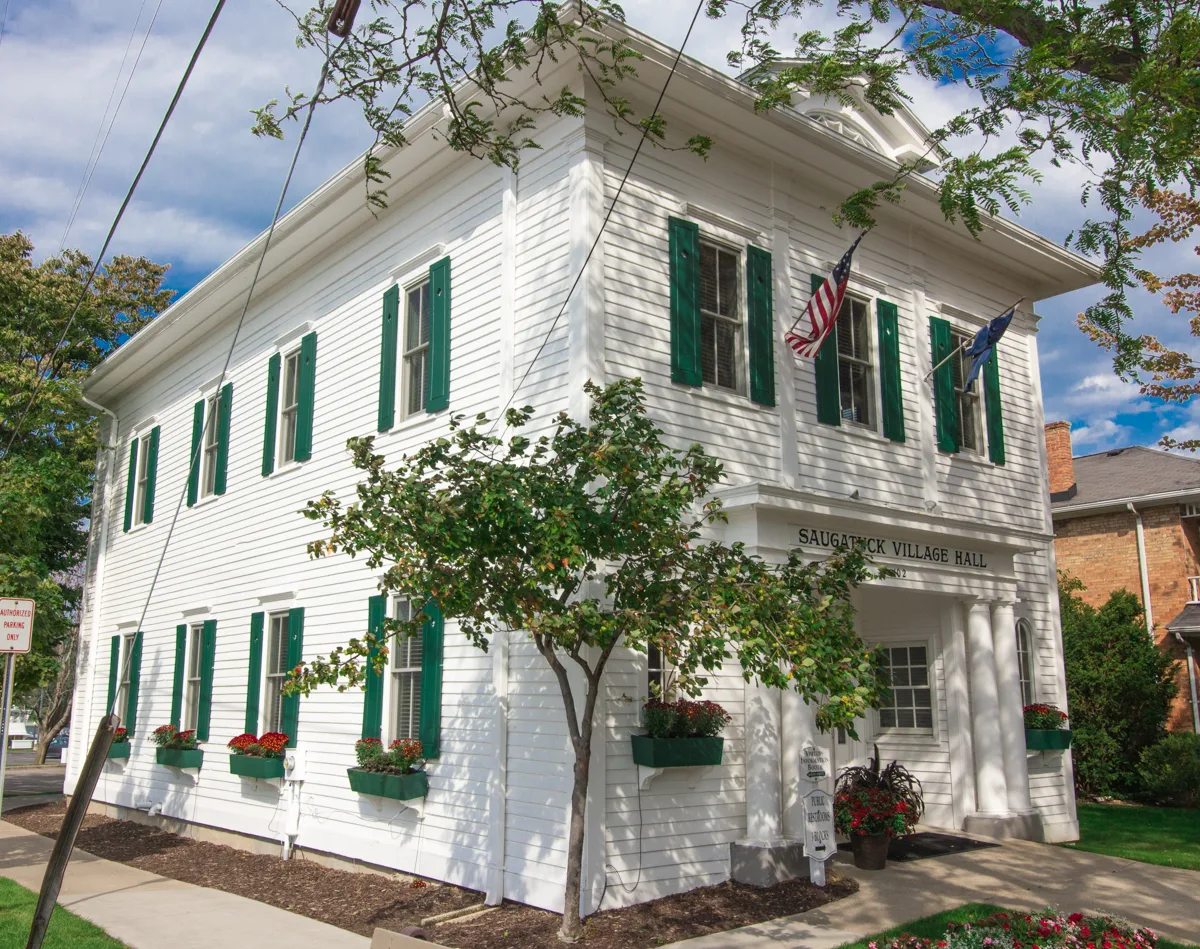
The April 2025 amendment reads like a list of loopholes being closed. It added a mechanism to process late applications; it grandfathered certificates and licenses that would otherwise have gone void because of a transfer of interest; it began requiring an annual submission proving who owns the corporate entity or trust behind a license; and it allowed transfer of ownership only in limited circumstances, permitting the reshuffling of ownership interests only where no new person or entity is added. Put plainly, the city is now watching who controls each license, year to year, precisely so a license can’t quietly be bought and sold as a way around the district caps. If you’re acquiring a company that holds a Saugatuck license, expect to document ownership annually and to find your ability to transfer it narrow. Confirm the current rules with City Hall, because the council has kept tuning this one.
The cap, and buying into a closed district
The August 2024 caps limit licenses in the city’s six R-1 residential districts to roughly a fifth of each district’s housing units. The catch is that several of the core districts were already above that share when the cap passed, so they’re effectively closed — existing operators are grandfathered, and a newcomer waits for one to drop before a license frees up. For a buyer, that turns the usual order of operations upside down: in those districts a house without a live license can’t simply become a rental, so the license status of the specific property, and whether it survives the sale under the 2025 transfer rules, is the first thing to verify, not the last. A place marketed as a proven rental is only that if the license actually comes with it and legally transfers to you. Get that confirmed in writing before you remove a contingency.
Three governments, one resort
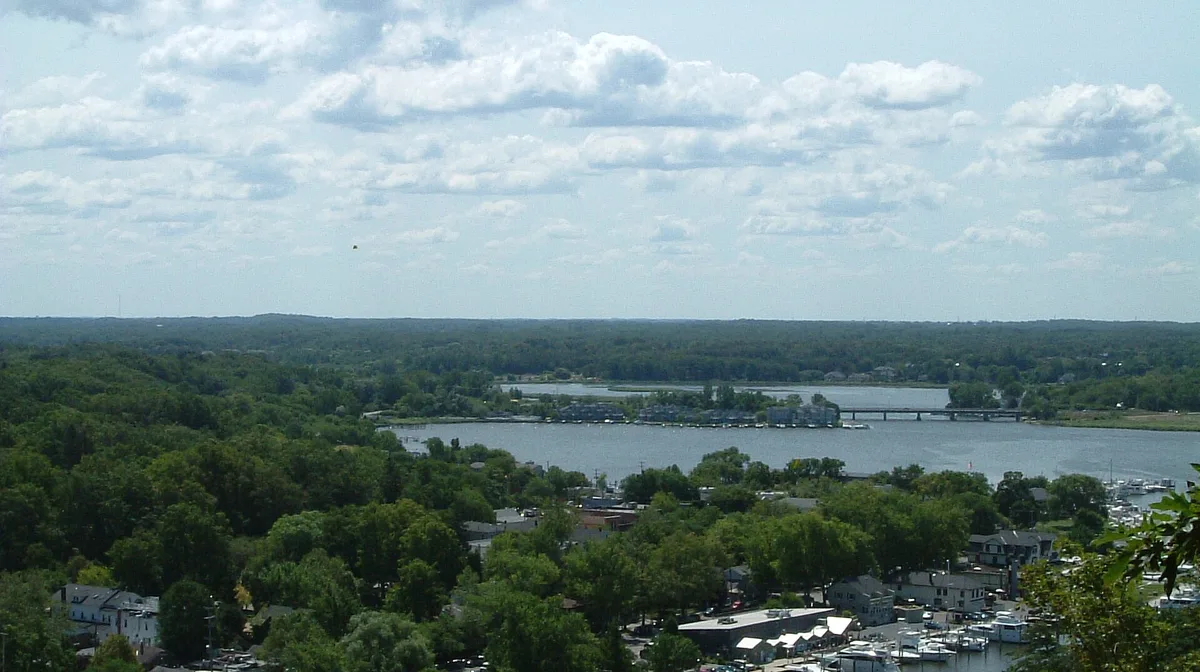
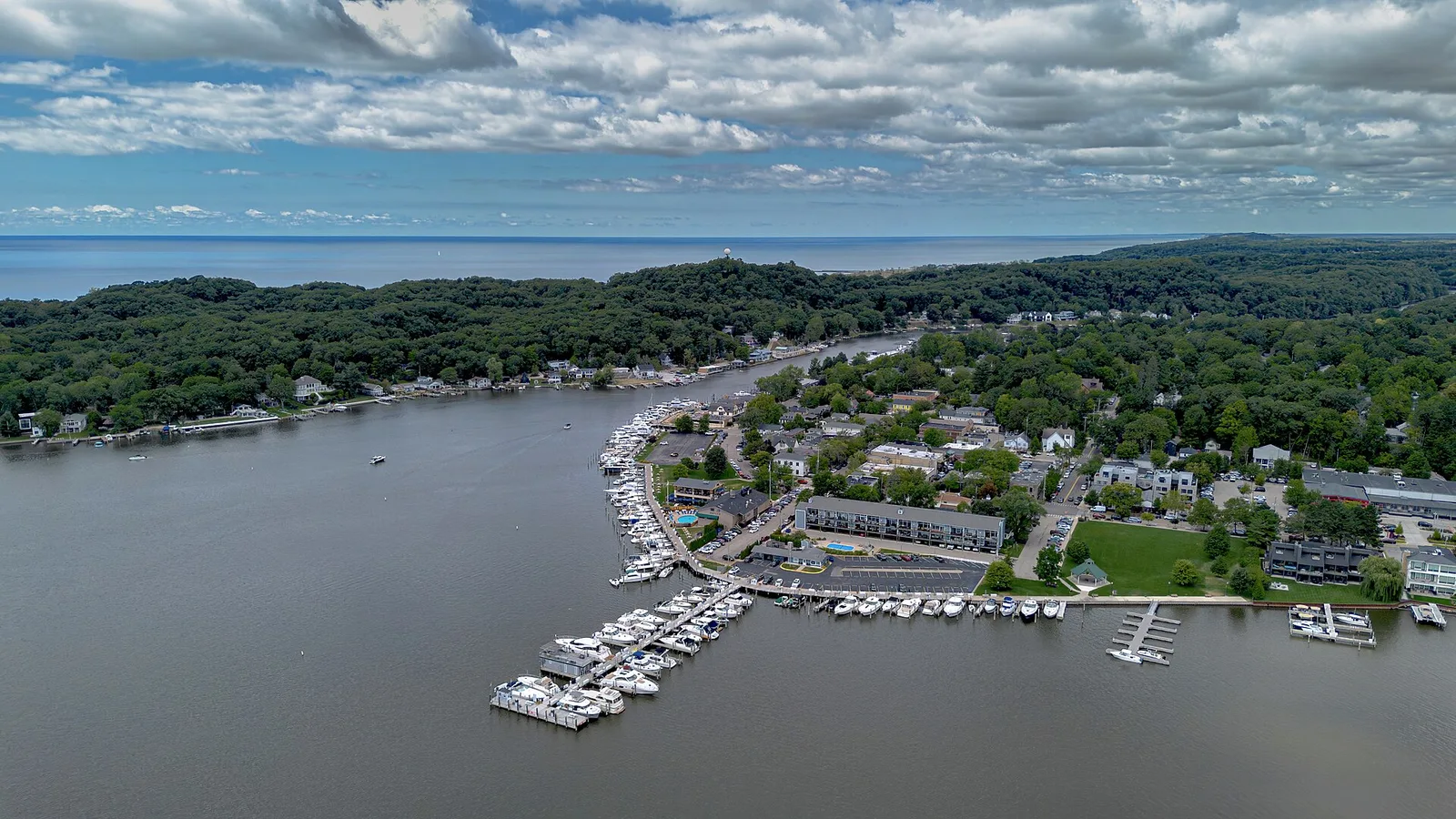
The City of Saugatuck is only part of the map, and its rules stop at its line. Right across the water, the City of the Village of Douglas runs its own short-term rental program — a registration good for about three years, a fire-department inspection before the certificate issues, and its own fee, reported in the range of roughly three hundred fifty to three hundred seventy-five dollars, which you should confirm as current. Saugatuck Township, wrapping around both, runs a separate rental registration and inspection program again under its own standards. Which of the three your parcel actually sits in decides the license, the fee, the inspection and the caps that apply to you, and the boundaries run right through the middle of the area visitors think of as one place. Before you buy or list, confirm the jurisdiction with the clerk of that specific government rather than assuming the Saugatuck rules travel.
The tax side, and where it may go
The tax picture is the easy part, for now. Michigan’s six percent use tax applies to stays under a month, the platforms collect it on the bookings they process, and your direct bookings are yours to remit. There’s no city lodging excise on top, and Allegan County — where Saugatuck, Douglas and the township all sit — doesn’t levy a county accommodations tax, so a guest here sees just the six percent. It’s worth knowing that just across the county line on the Holland side, Ottawa County does add a county accommodations tax of its own, so the same region isn’t taxed the same everywhere. Lansing has floated bills that would let resort towns levy their own lodging tax, and Saugatuck’s leadership has been open to the idea, so treat “just the six percent” as the current answer and not a permanent one. Confirm the rate, and who remits it, with your accountant.