





Coffee & First Light
Flamenco before the ferry lands
The morning boat brings the day crowd. Get there before it and the beach is effectively private. This is the single best piece of advice you can give a guest staying on the island.

Expert short-term rental marketing to grow your bookings and nightly rate in Culebra, Puerto Rico, USA.
Sixteen services, one team. Everything below is built in-house and scoped to your property and market. Most owners start with the 12-Step System.
Every engagement is quoted to your portfolio. These are the ready-made scopes owners pick most — our Fall Special (55% off list or more) is already applied to the website, King Broker, Hotels and à la carte scopes. A clear proposal within 48 hours.
The work is public. Selected engagements and what changed — and reviews from the owners and managers behind them.
* Market averages from AirDNA and STR market reports. A single home's numbers depend on its size, its location and how it is marketed.
Cavmir is an Airbnb marketing agency. We build the brand, the direct-booking website and the marketing for short-term rentals in Culebra.
Culebra is small in a way that changes how you market a rental on it. About seventeen hundred people live here year-round on an island seven miles long, reached by an hour-and-a-half ferry from Ceiba or a ten-minute flight in a plane that seats nine. There is one real town, Dewey. There is no traffic light. And there is Flamenco Beach, a crescent of white sand with two rusting Sherman tanks left over from the Navy's bombing range, which turns up on more best-beach-in-the-world lists than any other beach in the territory. That single asset drives most of the demand. Zoni Beach on the far side is emptier and better for anyone who wants the reef to themselves, and the snorkeling off Melones and Tamarindo is the reason repeat guests come back. Rental inventory runs to hillside houses with water views, small guesthouses, and apartments in and around Dewey. Nightly rates sit at the higher end for Puerto Rico because there is very little of it and getting here takes real effort, which filters the guest list to people who came on purpose.
Culebra has the highest short-term rental density in Puerto Rico and it has become a live local political issue, which any owner buying or listing here should understand rather than ignore. The municipality has adopted an ordinance requiring short-term rental owners to register and hold an annual licence, and the stated reasoning is service strain and quality of life — this is a town of seventeen hundred people absorbing a large visitor load on limited water, power and waste infrastructure. Census figures showing roughly two thirds of the island's housing units vacant have made the housing conversation sharper. None of this makes Culebra a bad market. It makes it a market where being properly licensed, visibly responsible and genuinely good for the island is both the right thing and a competitive advantage, because the operators who cut corners here are the ones the rules will eventually reach. Commercially, the picture is straightforward: constrained supply, strong and specific demand, high rates, and a listing set that is mostly amateur. Very few owners run a website or an email list. Almost none explain the ferry properly. The gap between what this island can charge and what most listings present is wide.
Nearby Markets: Vieques | San Juan | Puerto Rico
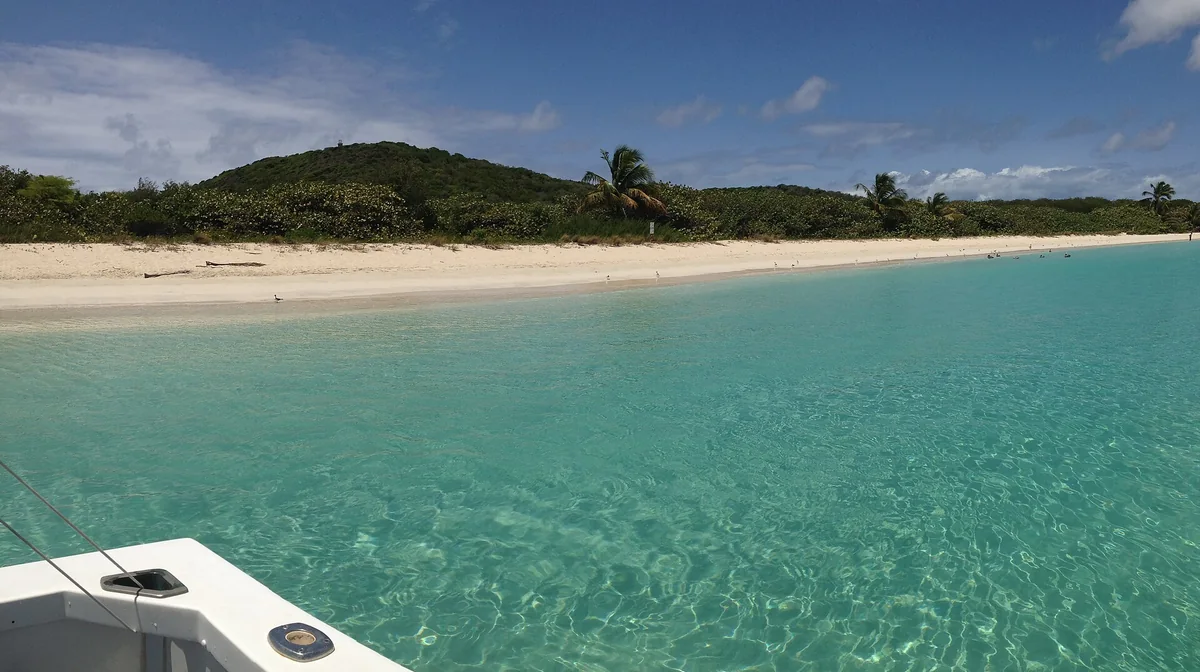
A few of the visual fingerprints we lean into when we shoot, brand and market a Culebra property — courtesy of the open Wikimedia Commons archive.
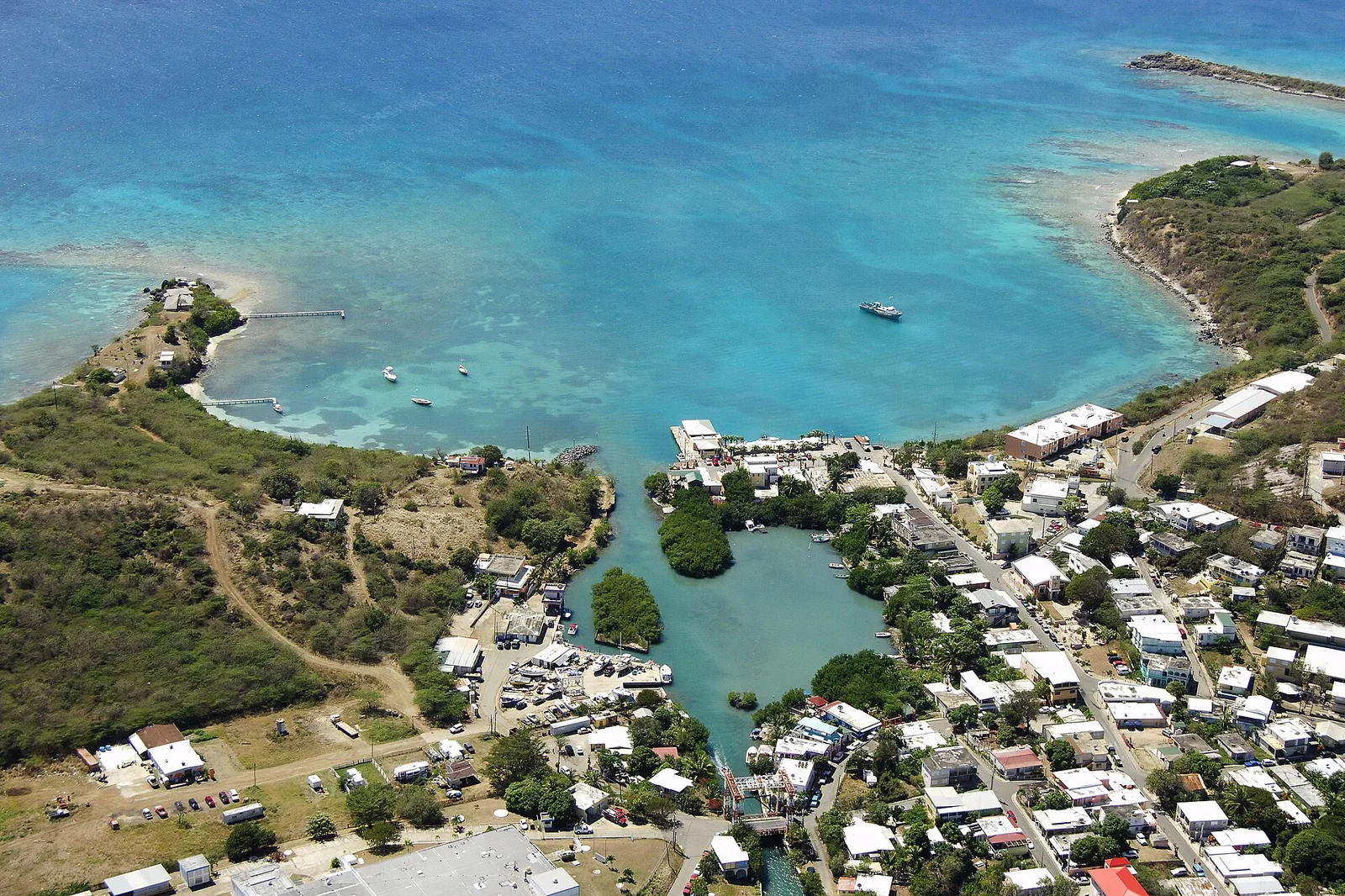
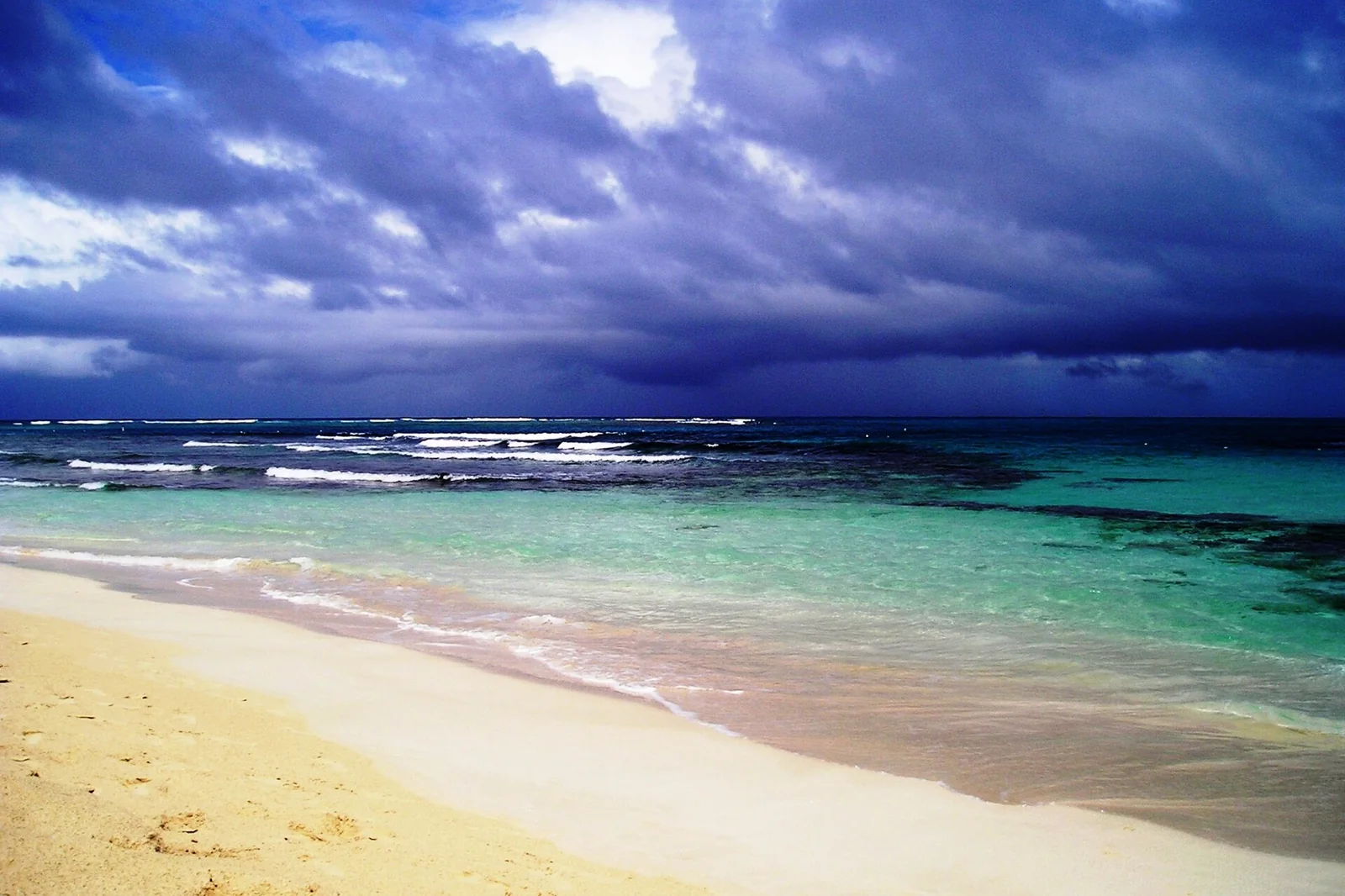
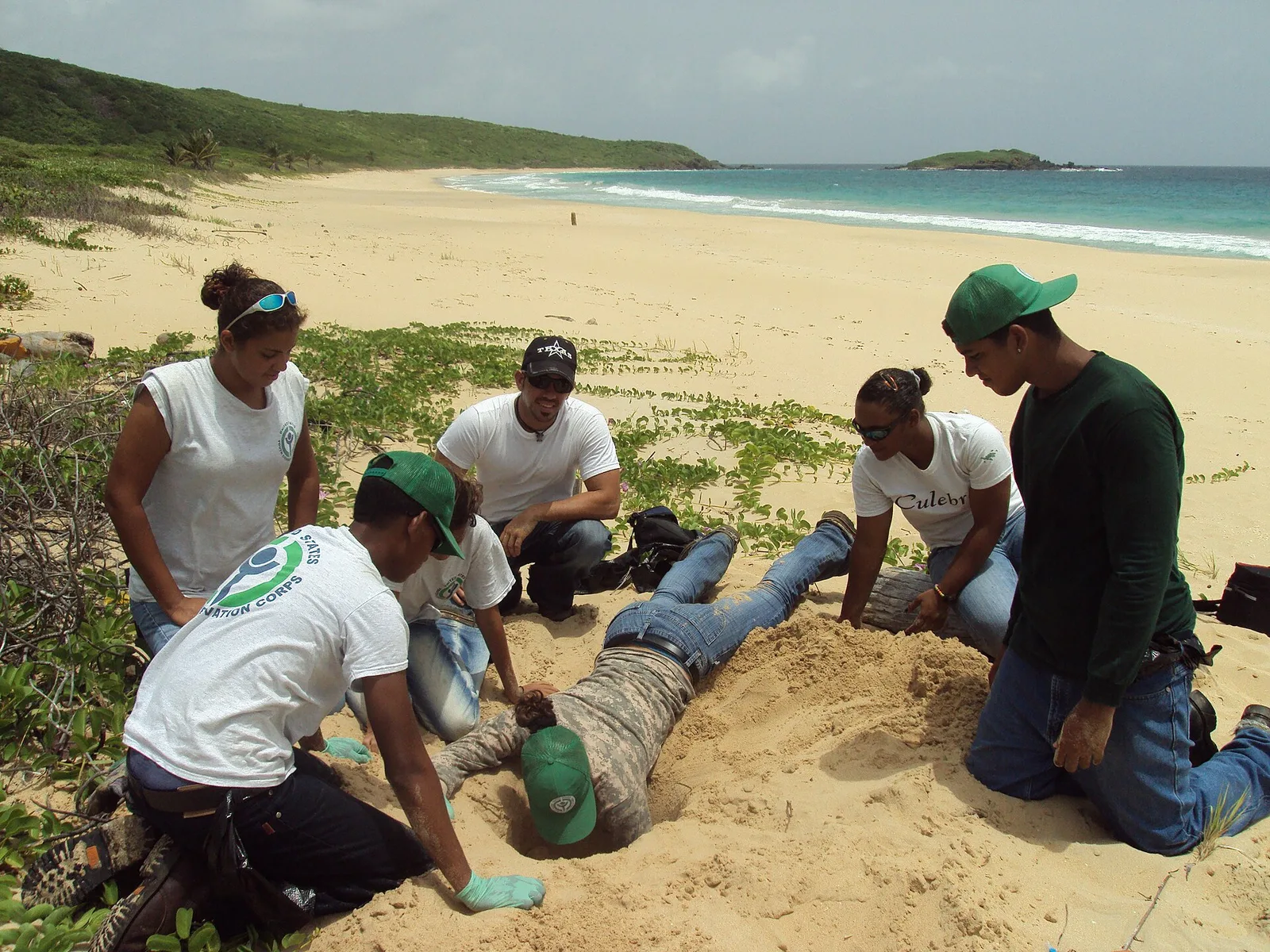

Cavmir markets Culebra rentals around the two things that actually decide a booking here: the water and the logistics. We photograph the property so a guest can see the view, the breeze and the walk to the car honestly, and we write the listing and the guide around a real plan — Flamenco early, Zoni on the windy day, Tamarindo for the turtles, how to reserve the ferry, why you want the jeep and not the sedan, what to buy in Ceiba before you board. We build your direct-booking site, rank it for Flamenco and Culebra searches, and set up the email list that a repeat-heavy island rewards more than almost any market we work in. We run paid campaigns into the mainland cities that feed San Juan. We will also make sure your licensing and compliance are stated plainly in your marketing, because on an island this small that reads as respect rather than red tape. We help position and market your property. We never manage it or touch your keys.
Culebra was formally settled late — Spain established the town of San Ildefonso de la Culebra in 1880, centuries after the rest of the territory, because the island had almost no fresh water and no obvious economic use. What it did have was position, and that turned out to matter. In 1909 President Theodore Roosevelt set aside land here as a bird reservation, making the Culebra National Wildlife Refuge one of the oldest units in the entire United States refuge system. Seabirds still nest on the cays offshore in numbers that draw researchers.
The US Navy arrived not long after and used Culebra as a gunnery and bombing range for most of the twentieth century. Ships shelled the island's beaches and cays in training exercises, and by the 1970s local opposition had become organized and sustained. The Navy ceased operations on Culebra in 1975 and shifted its training to Vieques, which is why the two islands' modern histories diverge so sharply. What the Navy left behind on Flamenco Beach was a pair of Sherman tanks, used as targets, now rusted into the sand and covered in decades of painted graffiti. They are among the most photographed objects in Puerto Rico and they sit on a beach that regularly appears on best-in-the-world lists.
The town is called Dewey on maps, after Admiral George Dewey, though residents generally just call it Pueblo. Culebrita, the small island off the eastern end, carries a Spanish lighthouse completed in the 1880s and a set of tide pools locals call the jacuzzis. Modern Culebra is a municipality of roughly seventeen hundred people, no traffic light, water and power delivered by submarine line from the main island, and a visitor economy that has grown faster than any of that infrastructure was designed for.
Culebra carries the highest nightly rates of the Puerto Rico markets Cavmir works in outside the Dorado luxury corridor, and the reason is simple arithmetic: very little inventory, genuinely famous beaches and an arrival that filters out casual travelers. Peak runs mid-December through April with the holidays and Semana Santa at the top. Summer is warm, calm and busier than people assume because families and main-island visitors travel then. September and October are soft and fall in the most active part of hurricane season. Two structural points shape pricing here more than seasonality does. First, minimum stays. Nobody sensibly comes to Culebra for one night, so a three or four night floor in season protects your calendar and costs you almost nothing. Second, the day-trip effect. A large share of Flamenco Beach visitors arrive on the morning ferry and leave in the afternoon without staying anywhere, which means your competition for a booking is not the day-tripper market at all — it is the small number of properties suited to someone who wants to be here at seven in the morning and nine at night when the day boats have gone. Price and market to that difference. Weekly rates deserve a real structure because a meaningful share of guests stay a week or longer.
Peak is mid-December through April, anchored by the holidays, the deep-winter escape window and Semana Santa. May and June are quieter, warm and good value, and almost nobody markets them deliberately. Summer works better than it does in many Caribbean markets because of family travel from the mainland and the main island, and because the water is at its calmest for snorkeling. Late August through October is the genuine soft season and overlaps the most active part of hurricane season, when cancellation terms become the first question a guest asks. November recovers into the holidays. The island's small scale means demand swings feel sharper here than they would in a larger market — a full ferry weekend and an empty one look very different on a seventeen-hundred-person island.
Culebra now sits in the middle of the regulatory range in Puerto Rico, and the direction of travel is toward more rules rather than fewer. Start with the island-wide layer, which applies here in full. The Puerto Rico Tourism Company requires anyone renting for stays of ninety days or less to register as an innkeeper, a hostelero, producing a hotel registration number that platforms will request. You collect a seven percent room occupancy tax from guests and remit it monthly. You also register as a merchant with Hacienda, the Treasury Department, which formalizes the rental as a business. Platforms may collect and remit the room tax on bookings they process, but the legal responsibility stays with you and does not cover direct reservations.
On top of that, the municipality has adopted an ordinance requiring short-term rental owners to register their properties and obtain an annual licence. The reasoning the municipality has put on the record is service strain and quality of life, and in a town of about seventeen hundred people with water and power arriving by submarine line from the main island, that is not a rhetorical concern. Census figures indicating roughly two thirds of the island's housing units are vacant — a category that includes both short-term rentals and second homes owned from off-island — have sharpened the housing conversation considerably.
The practical advice for an owner is straightforward. Get licensed, keep the licence current, and confirm the specifics with the municipality directly rather than relying on secondhand summaries, because the ordinance is recent and the details matter. Treat the local politics as a real thing rather than an inconvenience: the operators most exposed to future tightening are the ones running unregistered units, and being visibly compliant is both the right position and a durable competitive one. Watch the island-wide picture too — a Senate bill has been filed to create a municipal registry and a uniform licensing framework across Puerto Rico, which would layer over all of this.
Sell the hours the day-trippers miss. Flamenco fills with people off the morning ferry and empties in the afternoon, and the single strongest argument for staying on Culebra rather than visiting it is that the beach at seven in the morning and five in the evening belongs to almost nobody. Say that plainly, and photograph it at those hours rather than at noon. Second, solve the arrival. Ceiba ferry, about an hour and a half, sells out on weekends and holidays; the ten-minute flight is the fallback. Write the steps out, name the terminal, tell guests what to do if the boat is full. Third, be direct about the vehicle. Island roads and beach access reward a jeep, rental supply is small and books out in season, and a guest who was not warned arrives frustrated. Fourth, handle groceries honestly. Shops are limited and restaurants do not all open every night. Tell people to provision in Ceiba or on arrival day and give them a realistic list of what opens when. Fifth, name the beaches and match them to conditions — Flamenco for the classic, Zoni when you want space, Melones and Tamarindo for snorkeling and turtles, Carlos Rosario for the reef. Sixth, put your licence status in your marketing. On an island where short-term rental density is a live local issue, being visibly registered reads as respect rather than paperwork, and guests notice. Seventh, address water and power plainly — a cistern, a generator or solar with batteries is a genuine selling point here, so photograph it and say what it covers.
Infrastructure is the honest constraint: water and power arrive by submarine line and reliability is not what a mainland guest assumes. Grocery, dining and medical services are limited. Rental vehicles are scarce and expensive in season. The ferry constrains how many people can arrive on any given day and sells out predictably. Short-term rental density is a live local political issue, and the regulatory environment is tightening rather than relaxing. Hurricane season compresses part of the calendar and drives insurance cost. A well-run property still does well here — but a listing that ignores any of the above will be corrected by a guest in writing.
Plan for Caribbean pricing and expect windstorm to lead the discussion. A dedicated short-term rental or commercial-use policy is the baseline, not a homeowner's form. Named-storm deductibles in Puerto Rico are commonly calculated as a percentage of insured value rather than a flat figure, which produces numbers mainland owners find startling — model it before you buy rather than after. Wind and flood are separate exposures and you need to know which applies to your parcel. Culebra adds island-specific weight to the loss-of-income and business-interruption terms: getting materials and trades onto a small island takes longer and costs more, so a repair timeline that would be six weeks on the mainland can be considerably longer here. If you run a cistern, a generator or solar with battery storage, tell your carrier, because those systems affect both risk and how a claim is handled. Pools, steep unpaved access and beachfront exposure should be disclosed specifically. Ask for guest injury, guest property damage and loss of rental income to be written into the policy rather than described on a call.
The seven percent room occupancy tax on stays of ninety days or less is the central obligation, collected from the guest and remitted monthly to the Puerto Rico Tourism Company. Merchant registration with Hacienda establishes the rental as a business and brings its own filings. The municipal annual licence carries its own fee, and ordinary property tax runs through the municipal revenue collection system — classification can shift with commercial use, so ask rather than assume. Booking platforms may collect and remit the room tax on the reservations they handle; they do not touch direct bookings, and direct bookings are exactly what good marketing produces, so get your filing set up before you turn that channel on. Keep platform and direct revenue separated from the very first reservation instead of reconciling a year of mixed records later. Puerto Rico income tax treatment of rental income, and whether the Act 60 framework applies to your situation as a bona fide resident, is specialist territory — take it to a Puerto Rico tax professional.
Culebra is among the harder places in the territory to finance and buyers should assume that going in. Many mainland lenders do not originate in Puerto Rico at all, and several that do exclude the island municipalities. That narrows the field to local institutions, a small number of stateside banks operating here, portfolio lenders, and cash — which is how a substantial share of transactions on this island actually close. Appraisal is a real constraint, because comparable sales on an island this small are thin and irregular, and a thin comp set slows underwriting even on a clean purchase. Title runs through the Registro de la Propiedad and can be slower and more complicated than mainland buyers expect, especially on older parcels or land that has passed informally through families — engage a local attorney who does this work daily and build real time into the schedule. Confirm exactly how the property gets water and power and what backup exists, because on Culebra that materially affects both value and financeability. Have your accountant model insurance at genuine Caribbean pricing, a seasonal occupancy curve rather than a flat average, and higher maintenance costs driven by island logistics.
Three offices govern a Culebra rental, and each one wants something different from you. The municipality licenses the use, the Puerto Rico Tourism Company taxes the stay, and CRIM, the island's municipal revenue center, bills the property. The licence gets the attention because it's the newest layer and the most political one. In November 2025 Mayor Edilberto Romero said a municipal study puts almost 60% of the island's homes in short-term rental use, and he set that figure next to a housing shortage so tight that teachers, nurses and police who work on Culebra commute from the main island. Every licence question you ask here gets answered against that backdrop, so go in as the owner who wants to be on the register.
Culebra's ordinance requires a municipal licence to operate a short-term rental, and El Nuevo Día reported in May 2025 that operating without one carries fines of $500 to $1,000. The city council acknowledged that the rentals were causing problems in local communities, so expect enforcement to follow neighbour complaints about noise, parking on narrow streets and trash left out on the wrong day. The ordinance is recent, so don't buy on anyone's summary, this one included. Before you sign, ask the alcaldía in Dewey for the current text, the application checklist and the fee, and get written answers to two questions: does the licence stay with the property when it sells, and do different rules apply when you rent part of a home you live in. Confirm the current figures with the municipality and file the answers with your closing papers.
The island-wide layer is the room occupancy tax under Act 272-2003, run by the Tourism Company. Airbnb collects and remits it on its own bookings: 7% of the listing price, cleaning fee included, on reservations of 89 nights or fewer. That covers the Airbnb stay and nothing else. Airbnb's own help page says hosts remain responsible for their other tax obligations, and a unit that falls in a higher room-tax class has to register, collect and remit the difference itself. For any other channel, get its collection terms in writing before you assume anything. Direct bookings are where owners slip: no platform is collecting, so you add the 7% to the invoice, report it on the Tourism Company's monthly return under your hostelero number, and keep platform and direct stays in separate ledgers so a night Airbnb already paid on is never counted twice.
CRIM bills real-property tax at the rate each municipality sets, and Culebra's went up. Primera Hora reported in March 2025 that Culebra was one of seven municipalities whose legislatures approved higher real-property rates from July 1, in a round of increases the paper said would hit luxury homes and second homes. Island-wide, rates run from 8.03% to 12.33%, and the report didn't give Culebra's new figure, so get the parcel's current bill from the seller or CRIM and ask whether it reflects a primary-residence exoneration, which belongs to an owner's main home. If you're buying through a company, Act 52 of 2022 matters: for tax years beginning after December 31, 2022, a one-member LLC that's disregarded in the US is disregarded in Puerto Rico too, and its volume of business is attributed to you for the municipal licence tax. In the legislature, House Bill 1557, which would have taken rental authority away from the towns, died in the Senate on June 17, 2024. Senate Bill 238, heard in April 2025, would require every municipality to keep a rental registry; treat it as pending until it's signed. Take your structure and filings to a Puerto Rico CPA and a local attorney before you close.
Culebra is small, and the address still decides the guest. Everything runs through Dewey: the ferry dock, the airstrip, the shops and most of the restaurants. Every mile from town turns a vehicle from a nice-to-have into a requirement, and rental jeeps and golf carts book out in season. Federal land shapes the map as well. The Culebra National Wildlife Refuge spans 1,510 acres and takes in 21 offshore cays, and its public areas and trails are open from 6:00 AM to 6:00 PM, a rule that belongs in your guest guide before anyone plans a sunset hike. Pick the area for the guest you want, then buy the property type that guest books. It's the area-by-area read Cavmir starts from when we market a home here.
Dewey is the only place on the island where a guest can walk off the ferry, drop a bag and walk to dinner, which makes it the natural home of the one-bedroom apartment and the small guesthouse room. It wins couples, solo travelers and anyone who'd like to skip the car. Melones is a short walk west of town for snorkeling, and Tamarindo sits farther along the same shore, facing Cayo Luis Peña, with turtles in the grass beds most mornings. The trade-offs are street noise, tight parking and neighbours close enough to hear a late check-in, and on an island where rentals are a political issue, a neighbour's complaint is the quickest way to meet the licence office. Before you buy in town, walk the street late on a Friday, work out where a guest would park, and confirm the building's water storage and power backup in writing.
The north side is the Flamenco market: hillside houses with water views a short drive from the beach that drives most of the island's demand. It wins families and groups who want space, a full kitchen and the sand at first light, before the day boats arrive. Carlos Rosario is a hike from Flamenco, and the Flamenco Peninsula is a refuge nesting site for sooty terns, so much of the shoreline around it stays undeveloped, which protects the view you're paying for. The catch is the access. Steep, unpaved drives are common in Culebra's hills, and some won't suit a golf cart or a nervous driver. Before you buy, drive the road yourself in a small rental, ask the seller how the house gets its water and how much it stores, and have your attorney check the lot's boundaries against refuge land and the coastal zone.
Ensenada Honda, the long sheltered bay east of town, and the Fulladoza and Punta Soldado side of the south shore are where the villas with deck views and boat access sit. They win snorkelers, sailors and repeat guests on week-long stays, and they suit a two- to four-bedroom house with outdoor living and a full backup system. Punta Soldado has its own snorkeling off the island's southern tip. The east end is the quiet play: Zoni looks across to Culebrita, Resaca and Brava are leatherback nesting beaches inside the refuge, and the drive back to Dewey for dinner is the longest on the island. Sell that distance as privacy, state the drive time up front, and plan for a guest who needs a vehicle every day. Anywhere on the water, ask for the storm history, past insurance claims and how the dock or seawall came through recent hurricanes.
Every Culebra booking depends on a crossing, and the crossing has rules your guests won't know. Puerto Rico Ferry, the Hornblower-run service, puts the Ceiba crossing at about an hour and a half, asks passengers to reach the terminal an hour ahead, and closes boarding 10 minutes before departure. All ticket sales are final, with no refunds, and a ticket can be transferred only twice, no later than an hour before sailing. Residents of the municipal islands ride at discounted rates and show photo ID that must match the name on the ticket. Confirm the current rules with the operator before you publish them, because a guest who misses the boat misses the first night.
Put the ferry steps in the listing, the booking confirmation and the house manual: buy online as soon as dates are firm, reach Ceiba an hour early, and know that a change of plans doesn't bring a refund. Tell guests what to buy before they board and what's open in Dewey on arrival night. Then give them the fallback. The airstrip just outside town takes the short flight from the main island, and its runway and taxiway were rehabilitated in a project that cost $8,986,125 in federal money. Write your cancellation terms with the ferry in mind, so a guest knows exactly what happens if the boat is full.
Water and power are operating facts here, and the state is spending on them: the governor's November 2025 visit came with about $20 million for aqueducts. Until that work reaches your tap, a cistern, a pump on a backup circuit and a generator or solar with batteries are what keep a stay from turning into a refund. Photograph them, say in the listing what they cover, and log every outage so you can answer the guest who asks. Your first season is also when you build the file a licence officer or the Tourism Company would ask to see: the municipal licence, the hostelero number, every monthly room-tax return and the platform statements that match them, all in one place from the first booking.
The defining question for Culebra over the next few years is how the island balances a visitor economy it depends on against infrastructure and housing pressures that are real. The municipality has already legislated, requiring registration and an annual licence for short-term rentals, and there is no reason to expect that to loosen. A Senate bill filed at the island level would create a municipal registry and a uniform licensing framework across Puerto Rico, which would raise the compliance floor further. Read both as favourable to owners who are properly licensed and unfavourable to those who are not. Local initiatives are also moving on the housing side, including community efforts to rehabilitate abandoned properties and return them to residents — a reminder that this is a working community and not only a destination. Infrastructure investment in water, power and the ferry service is the other thread worth watching, since ferry capacity effectively caps how many visitors can reach the island on a given weekend. For an owner, the strategy that survives all of these scenarios is the same: be compliant, be a good neighbour, and own your guest relationship directly through a site and an email list rather than depending entirely on a platform's search results.
Culebra is seven miles long, has about seventeen hundred residents and no traffic light, and it contains one of the most photographed beaches on earth. That combination should not work and somehow does. Flamenco is genuinely as good as its reputation — a long white crescent with two rusted Sherman tanks half-buried at one end, left over from the years the Navy used this island as a gunnery range and now covered in layers of painted graffiti that change every year. But the reason to stay rather than visit is what happens when the day boats leave. By five in the afternoon the beach empties out, the light goes gold, and you have the best sand in the Caribbean more or less to yourself. Zoni on the far side is emptier still. The snorkeling off Melones and Tamarindo is close enough to shore that you can swim to it, and there are turtles in the grass beds most mornings. Then there is Culebrita, a short boat ride away, with an 1880s Spanish lighthouse on the hill and tide pools that people have been calling the jacuzzis for generations. What we like about this market is the intensity of the demand relative to how little inventory exists. Every guest here made an effort to arrive. That produces high intent, long stays and remarkable loyalty — and almost nobody on the island is doing the marketing work that would capture it properly.
A great property in Culebra doesn't just want a listing — it wants a point of view, an audience, and a brand the city itself would recognise.
Eight answers to put in your guest guide. These are the questions guests ask anyway, and getting them right in advance is the cheapest review insurance there is.
The morning boat brings the day crowd. Get there before it and the beach is effectively private. This is the single best piece of advice you can give a guest staying on the island.
The restaurant count is small and opening days vary, particularly off season. Tell guests to check what is open on arrival day and to reserve for weekend evenings rather than turning up.
Two Sherman tanks left from the Navy years, half in the sand, repainted constantly by visiting artists. Guests always photograph them and rarely know what they are — tell them.
A grey day barely matters underwater. Tamarindo has turtles in the sea-grass beds close to shore and calm conditions when the north side is blown out.
Warm, calm, quiet and softer on rate, with the winter crowd gone and hurricane season not yet begun. The most under-sold window on the island.
The small island offshore, with an 1880s Spanish lighthouse and the tide pools locals call the jacuzzis. Water taxis run from Dewey in calm conditions — book ahead and be flexible on the day.
Long, wide and usually near-empty, looking across to Culebrita. Rougher water than Flamenco, so it is for walking and looking more than swimming on a windy day.
The Ceiba ferry runs about an hour and a half and sells out on weekends; the ten-minute flight is the fallback. On the vehicle, yes — and tell them to reserve it well ahead, because the island's supply is genuinely small.
Guests who find a Culebra rental on Airbnb search its name afterwards, and the page they should land on is the owner’s own site. Cavmir builds vacation rental websites of 40 to 125 pages in the owner’s brand. For a home that only lists on Airbnb, that is a website for your Airbnb: your name and domain, your photos, your area guides and your reviews, with a button that sends guests to the listing. For homes on Hostaway, Guesty or Hospitable it is a direct booking website: live availability and prices from the PMS, the whole stay priced before checkout, and the booking completed in the PMS. Both start from the same vacation rental website design, run the TrollBuster™ compliance scan before launch, and are yours at launch: domain, code, content and photos.
The guide pages of a Culebra site can start with the picks on this page: Flamenco before the ferry lands, Dinner in Dewey and The tanks at Flamenco. Each one is a search a guest makes before choosing a home, and each becomes a page that leads to the booking button.
Packages start at $1,475 for the Starter Website (40 pages, two to three weeks) and run to $3,732 for Full with Direct Booking (125 pages, booking synced with your PMS); the current prices are on the pricing page.
A few composite engagements, drawn from how Cavmir typically works with guesthouse and villa owners on a small, high-demand, tightly regulated island. Illustrative rather than any single client's file.
A well-equipped property with cistern water and battery backup that never mentioned any of it, while guests worried openly in pre-booking messages about power and water on a small island.
Photographed the systems and wrote them into the listing as features rather than footnotes, rebuilt the arrival guidance around the ferry and the jeep, and added a pre-booking FAQ that answered the infrastructure question before it was asked.
Pre-booking message volume dropped while conversion improved, because the concern that had been stalling decisions was answered on the page rather than in a back-and-forth.
Competing on price against larger houses it had no business being compared to, with photographs shot at midday that made a small space look smaller.
Repositioned around not needing a car in the evening — dinner, the shops and the water taxi all walkable — reshot in early and late light, and built direct-booking content aimed at couples rather than the family and group audience the bigger properties serve.
The apartment moved out of a price comparison it was losing and into a category where its actual advantage mattered, with longer stays and better-matched guests.
Adding inventory on an island where short-term rental density had become a live local issue, and where unregistered competitors were undercutting on rate.
Made the municipal licence and Tourism Company registration visible in the marketing rather than buried in the file, built the positioning around being a responsible operator on a small island, and targeted guests who care about that.
Compliance became a differentiator instead of a cost, and the properties held rate against unregistered listings rather than being dragged into competing with them on price.
Demand in Culebra peaks around January, February and December and runs quietest around August through October. Here is how the year actually books — and what to do about each stretch of the calendar.
December through April, with Christmas, New Year and the February to March stretch strongest. This is a small island with very limited beds, so the peak sells out rather than merely getting busy, and holiday minimum stays should be set a year ahead. Holy Week is a separate hard peak driven by visitors from the main island.
May, June and November are warm, calm and much quieter, with Flamenco at its best and the snorkelling excellent. These weeks are consistently sold as a discount rather than as their own product, which is a mistake — they suit couples, longer stays and anyone who wants the island without the crowd.
August through October is genuinely quiet and sits in the most active part of hurricane season, with ferry disruption more likely. Use a longer-stay rate, be clear and calm about cancellation, and take the window for maintenance and a pre-season reshoot.
Winter and holiday weeks book furthest out, frequently six months or more, because guests are booking travel at the same time. Shoulder and summer weeks run a much shorter window. Set winter rates and minimums by late summer.
Longer than average, typically four to seven nights, because the ferry and flight logistics discourage one and two-night trips. Whole houses often book by the week, which makes calendar gaps the main operating problem.
Small, well-presented properties with outdoor space, a view and a short route to a beach outperform larger inland houses, because guests are here for a specific and simple experience. Backup power and water storage are close to essential and should be stated plainly. A golf cart or a clear vehicle plan converts well, because getting around this island without one is genuinely awkward.
Start with photography that shows what a guest actually gets here, then write the listing around a real itinerary rather than a feature list. Build a direct-booking site so returning guests can come back without going through a platform, and keep an email list segmented by season so you can reach last year's visitors before the calendar opens. Local search matters more than people expect in a market this size, because guests search the destination and the attraction rather than the word rental. A marketing agency layer handles the photography, the listing copy, the direct-booking site and the local SEO as one system instead of four disconnected jobs.
December through April, with Christmas, New Year and the February to March window strongest, plus a hard Holy Week peak driven by visitors from the main island. Because there are very few beds on this island, the peak sells out rather than merely getting busy. August through October is quiet and sits in the most active part of hurricane season.
Well ahead of most markets — winter and holiday weeks frequently book six months or more in advance, because guests are arranging ferries or flights at the same time. Winter rates and minimum stays should be set by late summer. Shoulder and summer weeks run a much shorter window.
Mainland travelers from the north-east corridor and Florida, arriving through San Juan and then taking the ferry from Ceiba or a short flight. Alongside them, a steady stream of weekend visitors from the main island, especially in summer and around Holy Week.
Backup power and water storage come first, because both are real operating facts on a small island and guests notice immediately. After that: outdoor living space, a golf cart or a clear vehicle plan, beach and snorkel gear, and reliable internet. Explaining the ferry properly is worth as much as any of them.
Run your Airbnb, Vrbo, or website through Cavmir's free grader. It checks the things that decide whether guests book in Culebra — photos, listing copy, page speed, local search — and shows you where bookings leak. Takes about a minute, and there's no sales call attached.
If the report says your booking engine is the weak link, that's fixable: a direct-booking website of your own means repeat guests stop paying platform fees to come back to you. That's the work Cavmir does — see Airbnb website design in Culebra.
Send us the listing and we'll tell you what we'd change. Not a pitch deck — a straight read on your photos, your title, your rates against the Culebra comp set, and whether a direct-booking site would pay for itself.
You'll hear back from a person, usually inside one business day. If we don't think we can move your numbers, we'll say so. Cavmir is a short-term rental marketing agency — we position and market properties, we don't manage them.
Talk to Cavmir today. We'll show you exactly what your Culebra property is leaving on the table — and how fast we can change that.
Book a Free Strategy CallPhotography via Wikimedia Commons (images resized and cropped): Flamenco beach by Bea2017 (CC BY-SA 4.0) · Aerial of Dewey, Culebra. Looking south west at the ferry landing by Steven595 (CC BY-SA 4.0) · Avenida Hermanos Avila, Culebra by Gnorths1984 (CC BY-SA 4.0).
