$525
Avg. Nightly Rate
51%
Avg. Occupancy Rate
$8,000
Avg. Monthly Revenue
3-6%
Est. Cash-on-Cash ROI
HIGH
Seasonality
MEDIUM
Regulatory Burden

* Market averages. Cavmir-managed properties typically exceed these figures by 25–45%. Data sourced from AirDNA, STR market reports, and Cavmir internal analytics.

The Market

Why Cape May is One of the World's Premier STR Markets

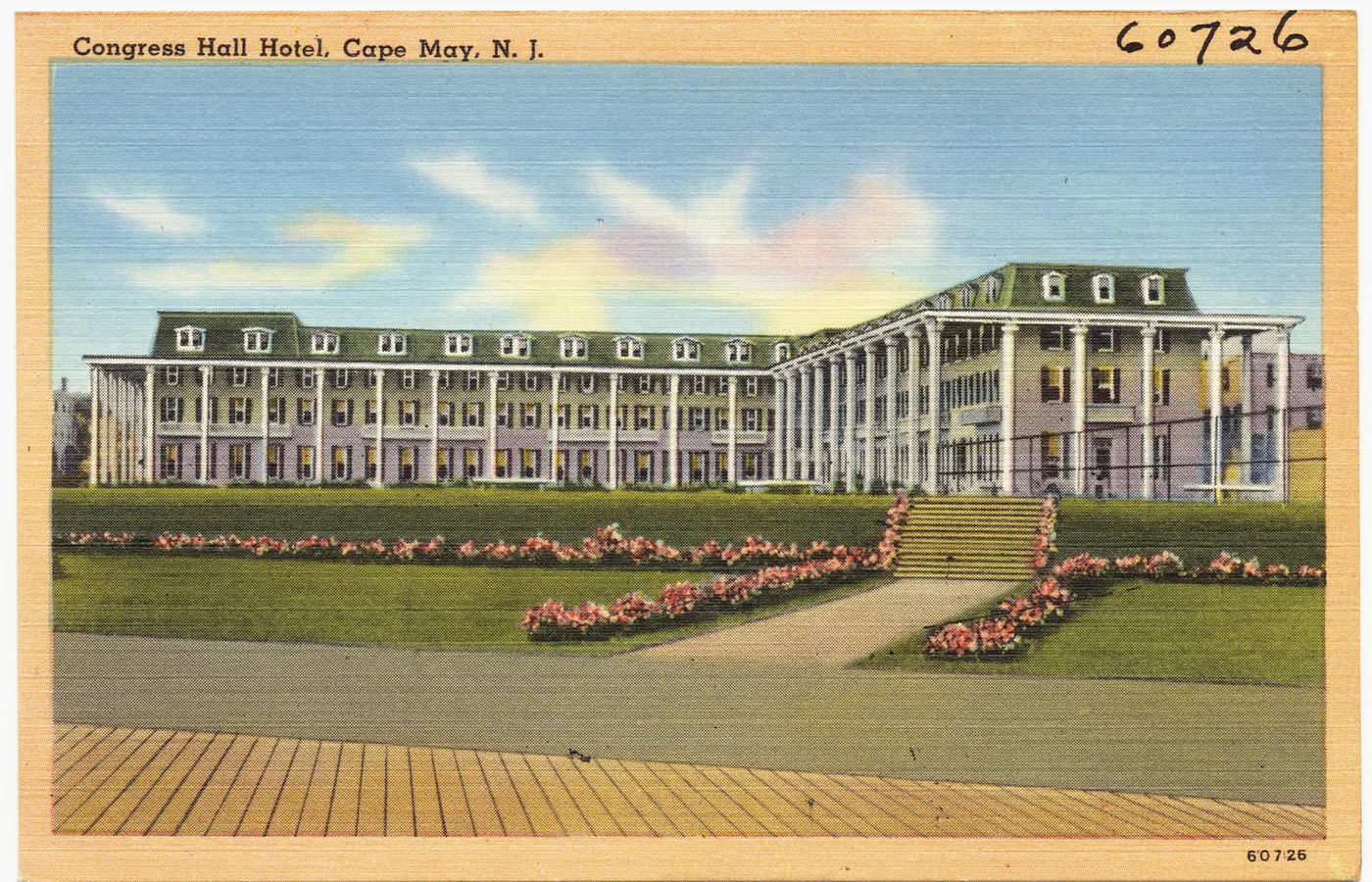
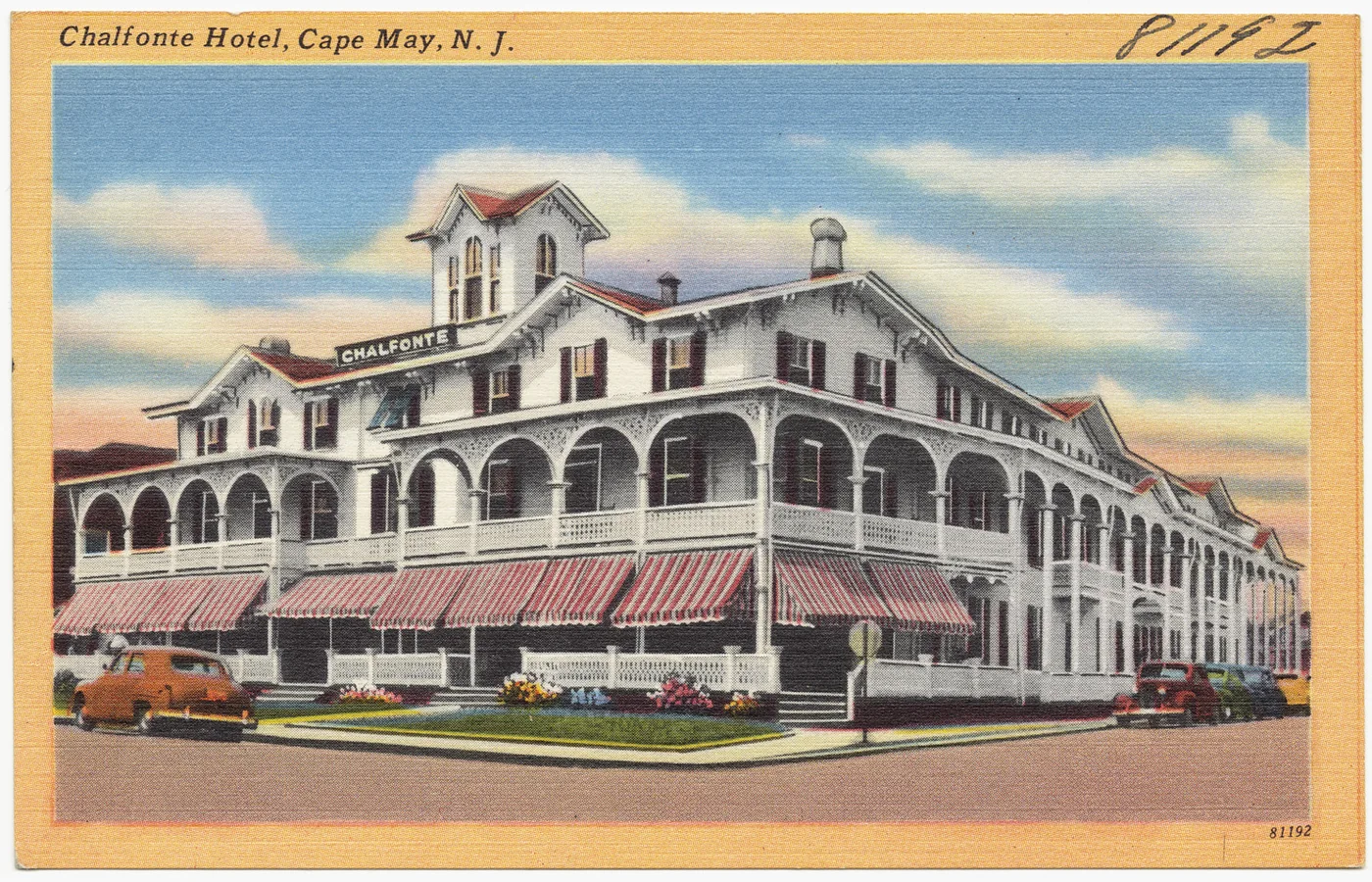
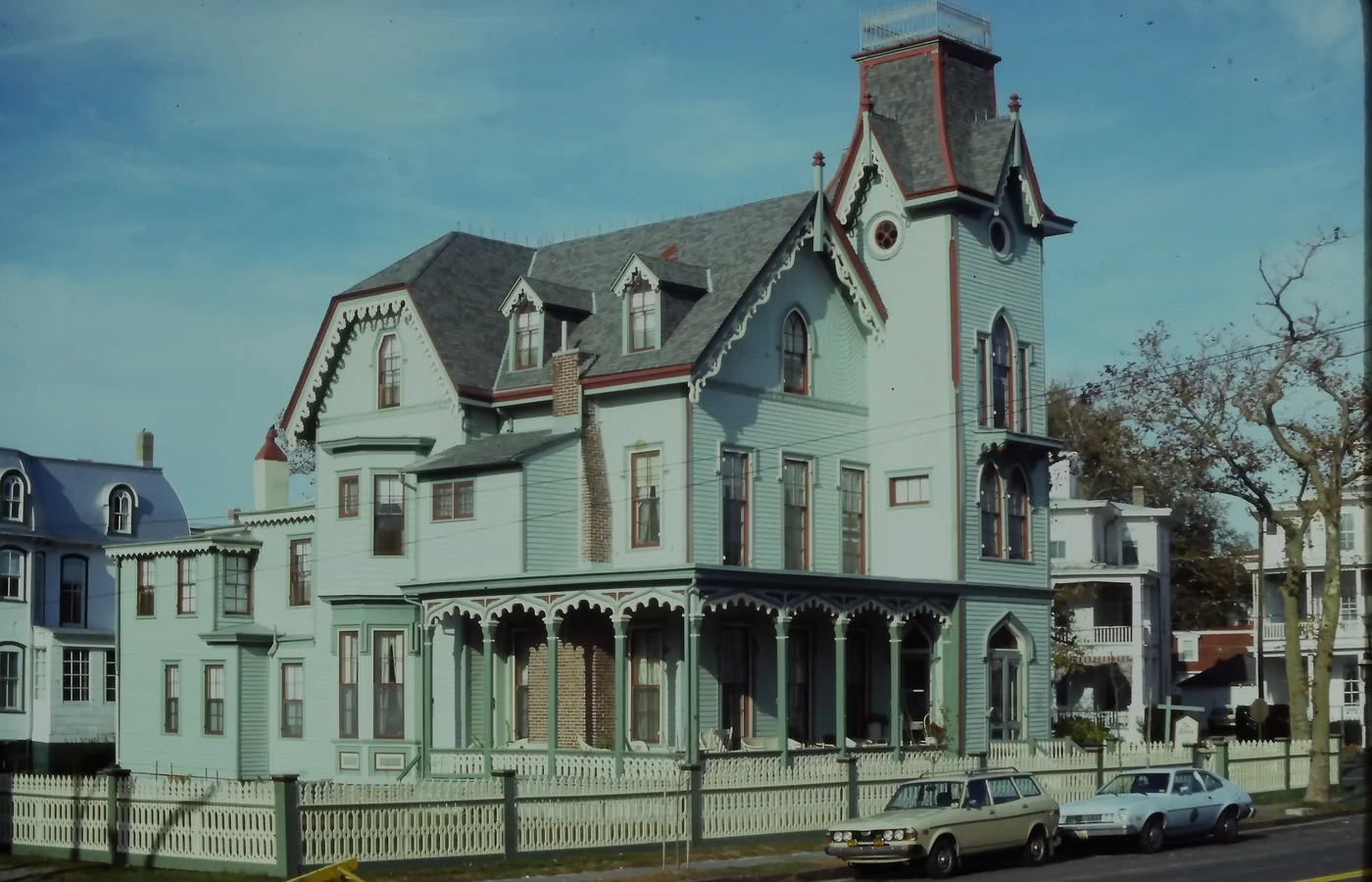
Cape May is America's oldest seaside resort — vacationers have been coming to the tip of New Jersey since the 1760s — and the whole town is a National Historic Landmark, with around six hundred preserved Victorian buildings crowding its gaslit streets. This is the bed-and-breakfast capital of the Jersey Shore: gingerbread porches on Hughes Street, Congress Hall pouring cocktails on the lawn since 1816, a working fishing fleet at the Lobster House, and a beach that families have booked by the week for generations. The guest here pays some of the highest nightly rates in the mid-Atlantic and books on atmosphere — the turret, the porch, the walk to the Washington Street Mall. That makes Cape May a presentation market to its bones, whether you own a two-bedroom cottage, a Beach Avenue condo or a twelve-room Victorian inn.

The season is classic Jersey Shore — Memorial Day through Labor Day carries the year, with July and August weekly bookings doing the heavy lifting — but Cape May has the best shoulder story on the shore. September's ocean is warm and the crowds are gone; October brings Victorian Weekend and one of the great birding spectacles in North America, when hawks, monarchs and songbirds funnel over Cape May Point by the hundred thousand; and December fills the inns for candlelight house tours and Congress Hall's Christmas season. Blended nightly rates run around $525 — among the highest on the East Coast — with occupancy near 51% across the year. The town's inventory splits between whole-home rentals, many still booked Saturday to Saturday through local realtors, and several dozen inns and B&Bs whose entire business is presentation and repeat guests.

Top Attractions & Landmarks

  • Congress Hall
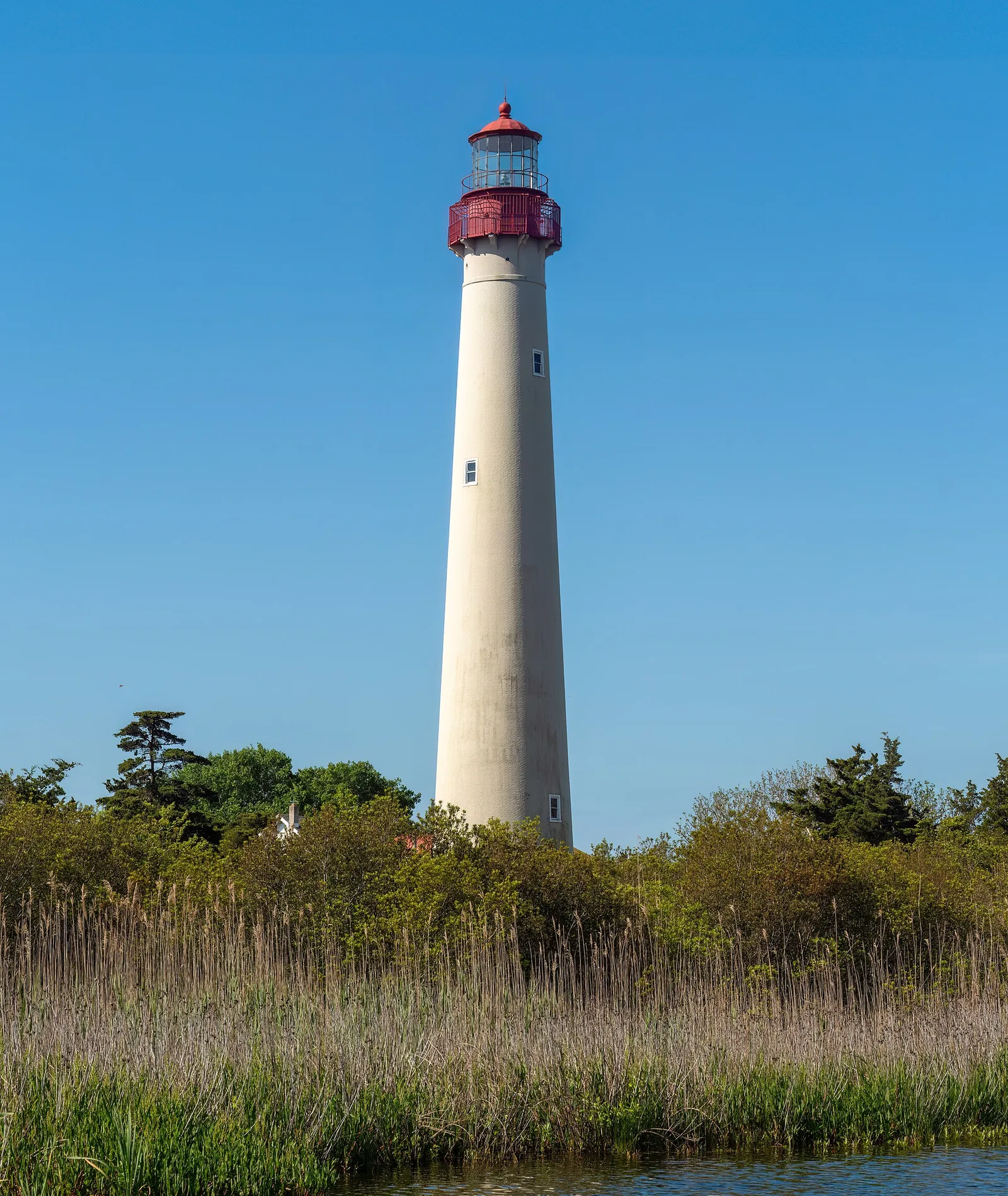
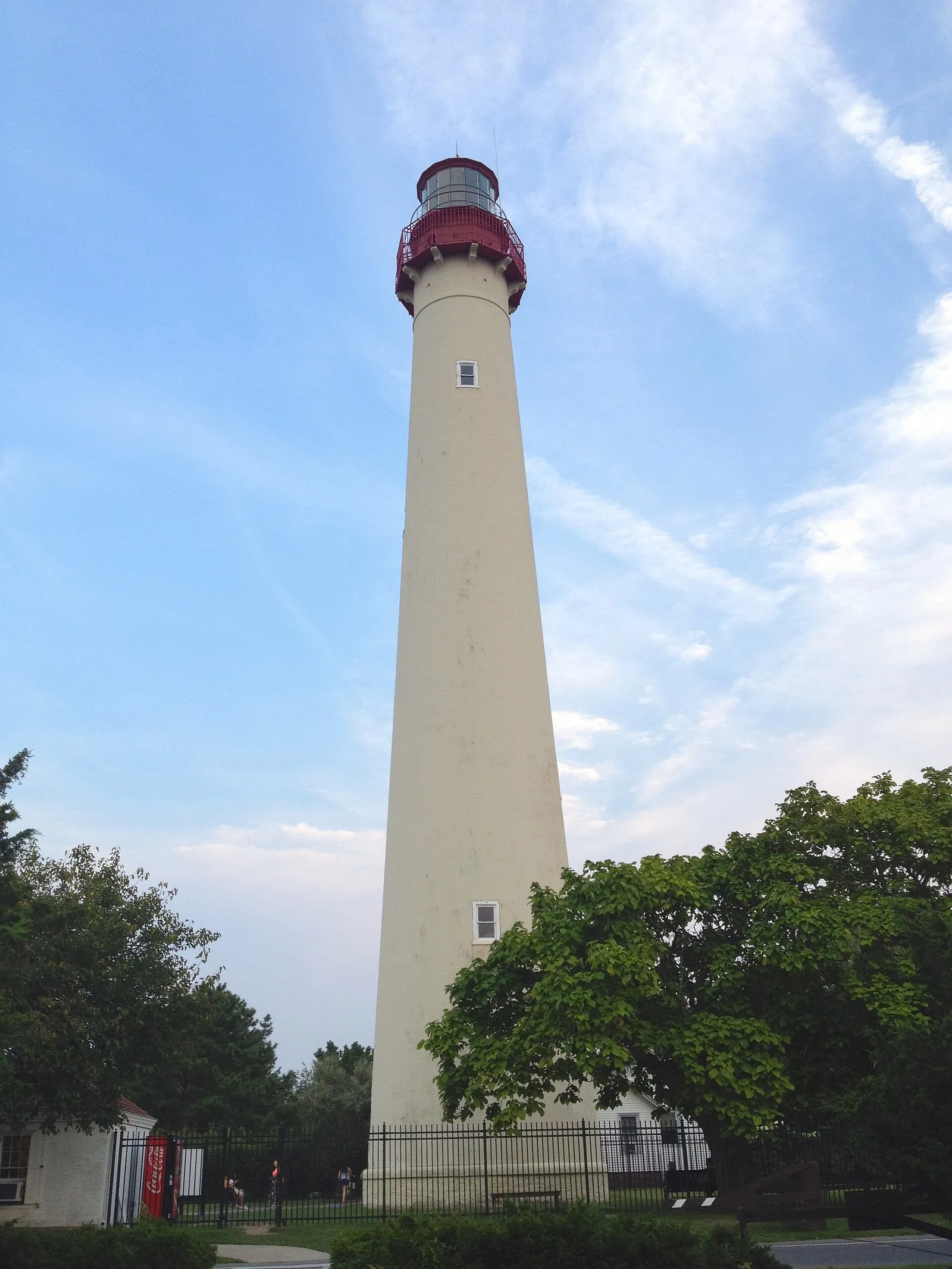
  • Cape May Lighthouse
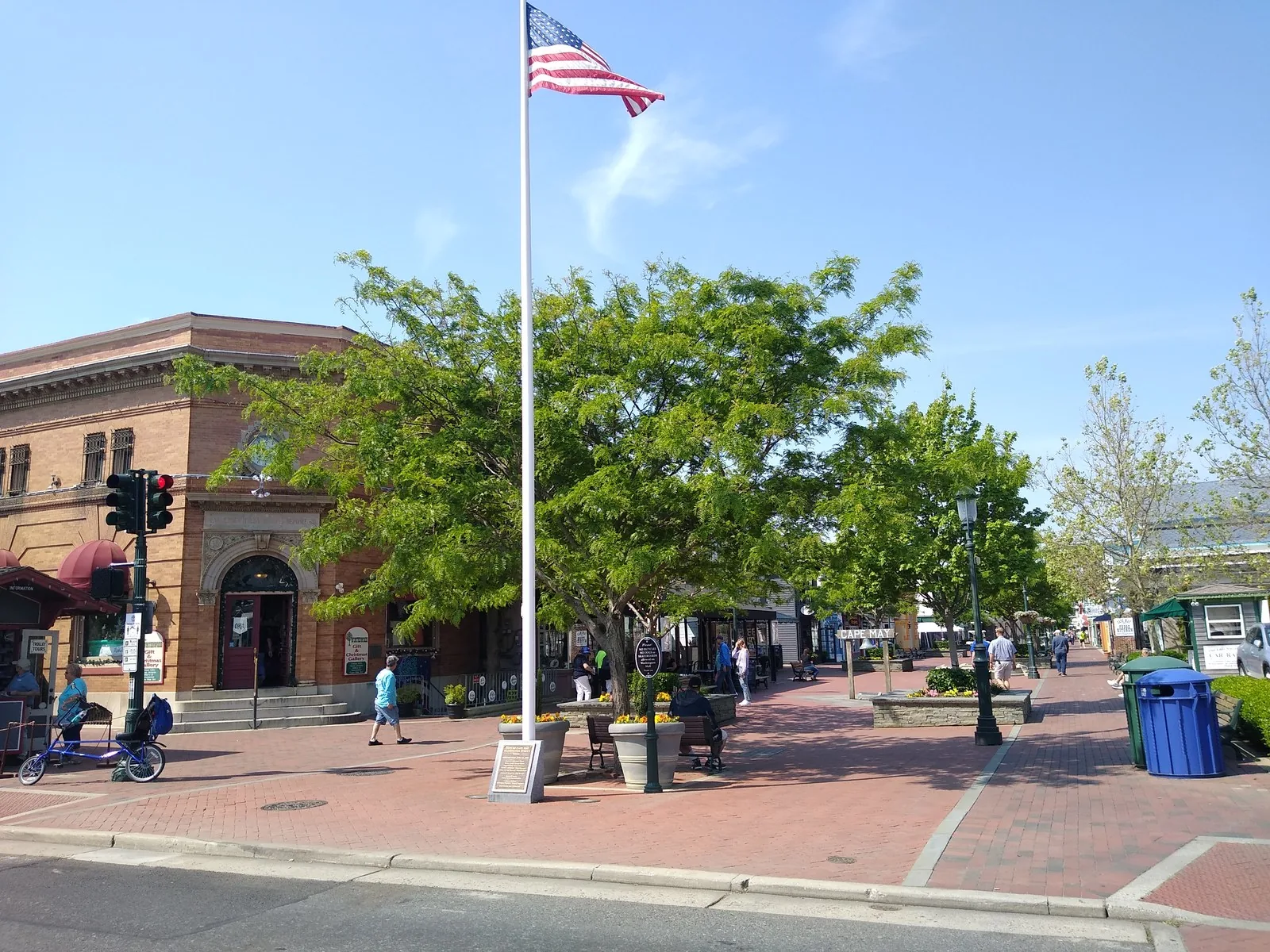
  • Washington Street Mall
  • Emlen Physick Estate
  • Sunset Beach & the SS Atlantus wreck
  • Cape May Bird Observatory
  • Beach Avenue promenade

Nearby Markets: Philadelphia  |  Baltimore  |  Virginia Beach

Airbnb marketing services in Cape May, New Jersey, USA
Postcards

Cape May through the lens

A few of the visual fingerprints we lean into when we shoot, brand and market a Cape May property — courtesy of the open Wikimedia Commons archive.

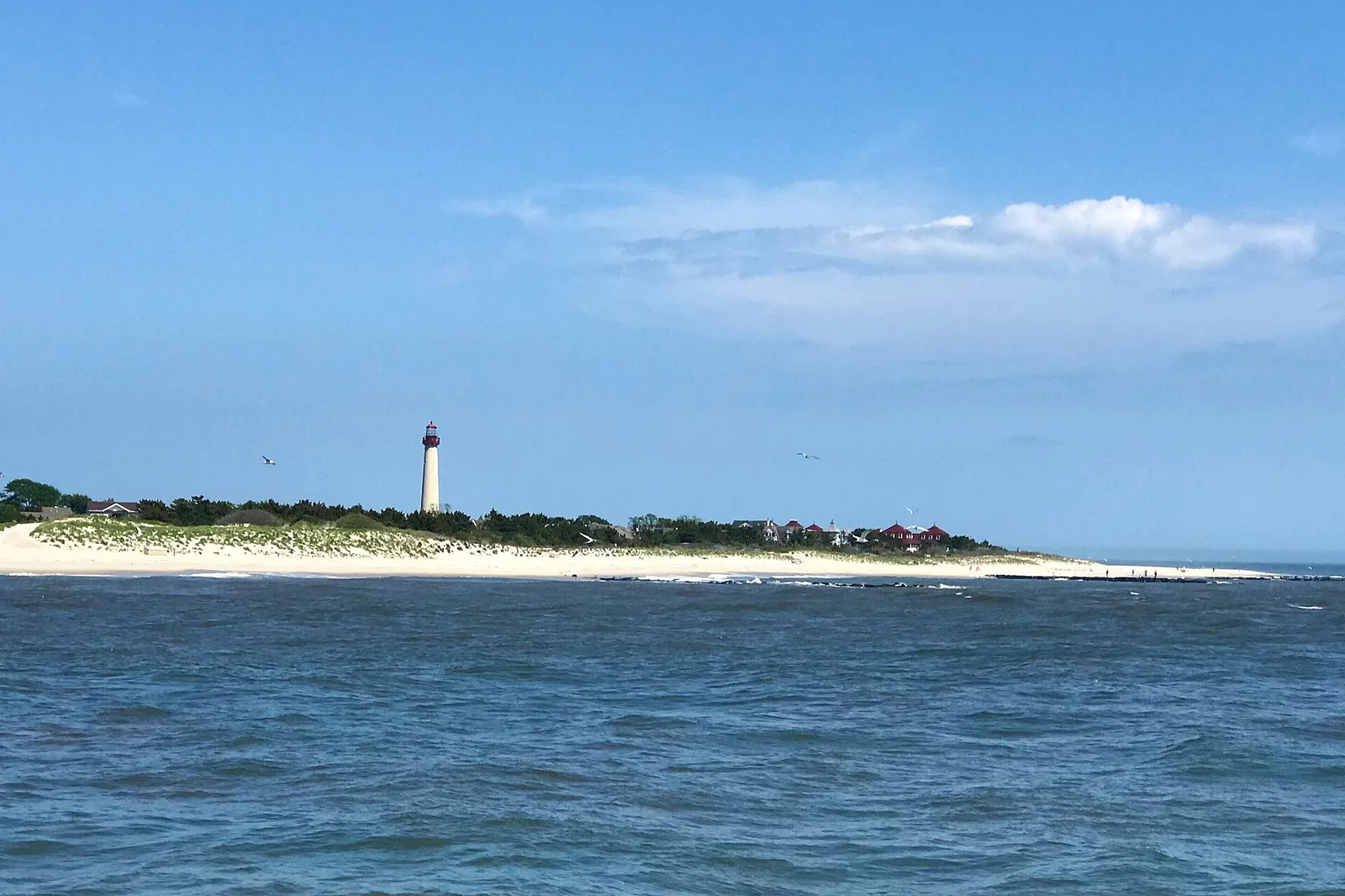
Cape May Lighthouse — Cape May airbnb marketing
Local Color
Cape Lighthouse
Cape May Lighthouse September 2020 002 — Cape May airbnb marketing
Local Color
Cape Lighthouse September
Cape May Lighthouse in Cape May, New Jersey, USA — Cape May airbnb marketing
Local Color
Cape Lighthouse in Cape May,
Cape May Lighthouse from the Delaware Bay — Cape May airbnb marketing
Local Color
Cape Lighthouse from the Delaware
Why Cavmir

The Cavmir Advantage
in Cape May

Cavmir wins in Cape May because this market rewards exactly what we do: story, photography and the direct relationship. A Victorian inn with a website from 2012 is leaving its best asset unphotographed; a family cottage listed only through the local realtor's spring sheet never reaches the couple in Philadelphia searching in January. We shoot the gingerbread, the porches and the golden-hour beach properly, write copy that sells a specific house on a specific street, market the shoulder seasons the town already gives you — birding October, Christmas December — and build direct-booking websites so B&Bs and cottage owners keep their repeat guests off the commission meter. We help position and market your property. We never manage it or touch your keys.

State of the Industry · History

The Cape May STR Market — Past & Present

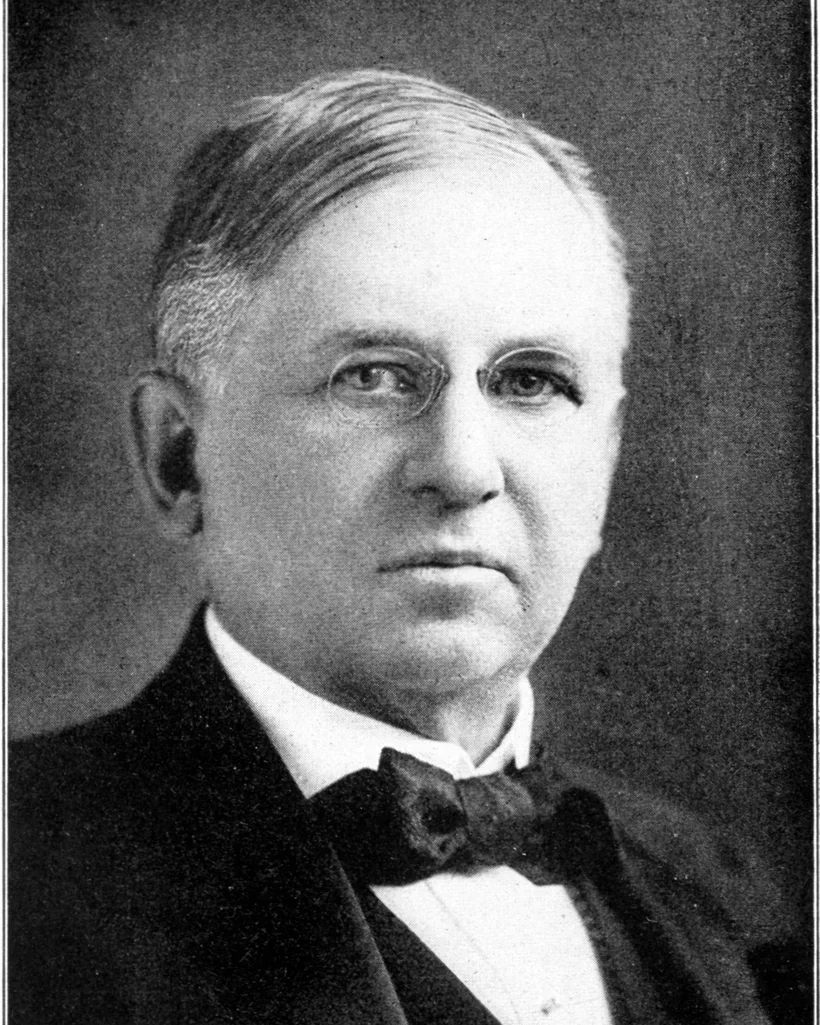
Cape May's claim is simple and documented: people have been vacationing here longer than anywhere else on the American shore. Philadelphians were advertising trips to the cape's sea bathing by 1766, steamboats ran vacationers down the Delaware in the early 1800s, and Congress Hall — opened in 1816 and rebuilt in brick after a fire — has hosted guests for over two centuries, including President Benjamin Harrison, who ran the country from its rooms during summers in the early 1890s. By the mid-nineteenth century Cape May was among the most fashionable resorts in the country, hosting presidents from Lincoln to Grant before the Civil War and after.

The town's defining accident came in November 1878, when a fire leveled some thirty-five acres of the resort district. Cape May rebuilt quickly — but in the ornate wooden Victorian style of the day, just as fashion moved on to other resorts and other architectures. Atlantic City stole the crowds; Cape May kept the buildings. A century of relative neglect preserved what boom towns demolish, and when mid-century urban renewal threatened to bulldoze the gingerbread, preservationists fought back — the Emlen Physick Estate was saved in 1970, the whole town was designated a National Historic Landmark in 1976, and the bed-and-breakfast revival of the 1970s and 80s turned aging boarding houses into the densest B&B market on the East Coast. Today's rental inventory is a study in coexistence: dozens of licensed inns and B&Bs, whole-home Victorians and cottages — many still booked Saturday to Saturday through local realtors, a shore tradition with real tax consequences — and modern condos along Beach Avenue. Everything trades on presentation, and the town gives an owner more presentation to work with than any beach market in America.

Pricing Strategy & Seasonality

Pricing, Seasonality & When to Capture ROI

Pricing Strategy

The premium map is walkability and porch quality. The historic district — Hughes Street, Columbia Avenue, the gaslit blocks around the Washington Street Mall — is the crown: turreted Victorians and carriage houses that photograph like film sets and price accordingly. Beach Avenue oceanfront condos and cottages sell the view and the promenade. West Cape May, a separate borough, offers farmhouses and cottages with a quieter, garden-town feel at a small discount; Cape May Point is the hushed end of the island near the lighthouse; and North Cape May on the bayside is the value play with Delaware Bay sunsets. Blended rates run about $525 a night — among the highest on the East Coast — with the top Victorian whole-homes and inn suites well above that in season. Weekly summer bookings still dominate the whole-home market.

Seasonality & ROI Windows

The core is the classic shore season — Memorial Day through Labor Day, with July and August weeks booked by spring. What separates Cape May is the depth of its shoulders. September is beach weather without the crowds. October brings Victorian Weekend and the fall raptor migration, when the hawk watch at Cape May Point counts tens of thousands of birds and the town fills with binoculars — a genuine, bookable demand event most owners have never marketed to. December is the third season: candlelight house tours, Congress Hall's Christmas festivities, and inns selling out weekends in a month the rest of the shore writes off. January through March is the true quiet, when the town exhales and smart owners schedule painting and photography.

Regulation & Licensing · 2026

What the Law Requires in Cape May

Cape May regulates rentals the old-fashioned municipal way: every rental property in the city must be licensed and inspected annually. The rental license runs twelve months from issuance and must be renewed each year, an inspection through the city — including the Fire Prevention Bureau — precedes issuance, and owners must designate a managing agent who resides in Cape May County to answer for the property. New Jersey layers its own requirements on top, including the state's smoke alarm, carbon monoxide and fire extinguisher certification for rentals. Note that West Cape May, Cape May Point and the other island boroughs license separately — a cottage a block over the line answers to a different clerk.

The tax structure is where New Jersey gets genuinely particular. Since 2018, short-term rentals booked through marketplaces or directly by owners are treated as transient accommodations subject to the state's 6.625% sales tax and 5% occupancy fee, and the City of Cape May adds a local occupancy tax of about 3% — but rentals arranged through a licensed real estate broker, where the keys change hands at the broker's office, sit outside those state taxes. That quirk is why the Saturday-to-Saturday realtor tradition persists here, and it materially changes the economics of how you choose to take bookings. Rules and rates get adjusted; confirm the current licensing checklist with City Hall and the tax treatment of your booking channels with your accountant before you list.

Market-Specific Tips & Challenges

Local Tips & Unique Market Challenges

Tips That Actually Move Revenue in Cape May

The Cape May strategic tip: your building is your brand — act like it. In a National Historic Landmark town, a rental with a name, a story and a properly photographed porch is a different product from unit 2B. The Victorians here come with narratives attached — the year built, the sea captain, the turret — and the listing that tells the story at golden hour outbooks the one that lists bedroom counts.

Tactically: first, shoot the exterior at dusk when the gas lamps come on and the porch lights glow; that image is the whole Cape May purchase decision in one frame. Second, market the shoulders the town already built for you — September couples, October birders and Victorian Weekend, December candlelight — with imagery and pricing purpose-built for each, because the inns figured this out decades ago and most whole-home owners never have. Third, think hard about your booking-channel mix: the realtor route has tax advantages, the marketplace route has reach, and a direct-booking website with your own repeat-guest list gives you the margin of the first with the control of the second — most successful owners here run a deliberate blend. Fourth, spell out the practicalities that decide bookings: beach tags, parking (scarce and priceless in the historic district), porch and outdoor-shower details, exact walking minutes to the Mall and the beach. Fifth, if you run an inn or B&B, invest in the website like it's your lobby — Cape May's B&B guests skew loyal and direct-booking-willing, and every OTA commission avoided on a repeat guest is pure margin.

Unique Cape May Challenges

The realities: a genuinely short core season with high fixed costs, annual licensing and inspection overhead, and historic-district stewardship — exterior changes face review, and century-old buildings cost real money to maintain. Parking is scarce, flood insurance on the low-lying blocks is a growing line item, and the weekly-rental tradition means Saturday turnovers compress housekeeping. Rates are high enough to carry all of it, but only for properties marketed at the level the town deserves.

A Curious Cape May Fact
Cape May owes its beauty to a fire and a fashion mistake. After the great fire of November 1878 leveled some thirty-five acres of the resort, the town rebuilt fast — in the ornate wooden Victorian style just going out of fashion. The smart money moved on to Atlantic City, and Cape May was left behind with its gingerbread. A century of being unfashionable preserved around six hundred Victorian buildings, and in 1976 the entire city was designated a National Historic Landmark — one of the only whole towns in America to hold the title. The architecture that once marked it as passé is now the most valuable marketing asset on the Jersey Shore.
Finance Essentials — Cape May
🛡️

Insurance

Century-old wooden buildings by the sea are a specialty underwriting case: expect scrutiny on knob-and-tube wiring, roof age, heating systems and porches, and expect flood insurance to be a material line item on the low-lying blocks — Cape May's charm sits close to sea level. STR and inn operations need proper commercial or landlord policies with strong liability limits; B&Bs carry hospitality coverage with its own requirements. Document restorations and upgrades thoroughly — they move premiums. Use a New Jersey shore broker who writes historic coastal property routinely.

🧾

Property & Income Tax

For marketplace and owner-direct bookings, plan on roughly 14.5% combined: New Jersey's 6.625% sales tax plus the 5% state occupancy fee, and the City of Cape May's local occupancy tax of about 3%. Rentals arranged through a licensed real estate broker with keys exchanged at the broker's office generally sit outside the state sales tax and occupancy fee — the quirk that keeps the realtor tradition alive — and stays of 90 days or more are treated differently again. Platforms collect some taxes on their bookings; direct bookings are on you. Property taxes are substantial. Confirm your exact treatment, channel by channel, with your accountant.

🏦

Mortgages & Financing

This is second-home and jumbo territory: historic-district Victorians and Beach Avenue oceanfront trade at prices where conventional second-home loans, jumbo products and DSCR loans underwritten on rental income all appear. Lenders will want flood-zone determinations and insurance quotes early, and appraisals on one-of-a-kind Victorians take longer than tract-condo paperwork. Inns and B&Bs finance as small commercial hospitality — a different lender conversation entirely, where documented direct-booking revenue genuinely improves terms. Model the insurance and licensing overhead into any purchase from the first spreadsheet.

Future Outlook · 2027 & Beyond

Where Cape May is Headed Next

Cape May's moat is unbuildable: nobody can add another National Historic Landmark town to the Jersey Shore. Supply in the historic district is permanently fixed, demand from Philadelphia, New York and Washington keeps compounding, and the town's shoulder seasons — birding October, Christmas December — keep strengthening as the inns market them nationally. The pressures are sea-level and insurance math on the low blocks, licensing overhead that will keep ratcheting, and the ongoing channel shift as the old realtor-weekly model and the marketplace era learn to coexist. The durable play is the branded, direct-booked property: a named Victorian or a polished inn with its own website, its own repeat-guest list and photography worthy of the architecture, in a town whose entire product is the way it looks in the evening light.

From the Desk of Sofie Sinag

Why We Love Marketing in Cape May

Cape May is the market where our job is closest to pure storytelling. The town is a National Historic Landmark with six hundred Victorian buildings, gas lamps, porches built for exactly the photograph we want to take — the raw material isn't just good, it's protected by federal designation. Every property here comes with a narrative: the year it was built, the family that summered in it, the turret, the widow's walk. Marketing that inventory with midday phone snaps is like hanging a masterpiece in a closet. Give us dusk, the lamps coming on, hydrangeas against white railings — the town does most of the work, and it never stops being satisfying.

We also love Cape May's calendar depth, because it separates the professionals from the passive. The summer weeks sell themselves; the craft is October — Victorian Weekend, and a bird migration so famous that birders fly in from other continents — and December, when the inns light their candles and sell out weekends the rest of the shore has written off. The B&B tradition here proved decades ago that this town rewards direct relationships: the same couples return to the same rooms for twenty years. Extending that logic to whole-home owners — a named house, a real website, a guest list, a channel strategy that respects the old realtor-weekly tradition while capturing the direct-booking margin — is exactly the work we like best.

Why It Matters

A great property in Cape May doesn't just want a listing — it wants a point of view, an audience, and a brand the city itself would recognise.

Cavmir's Cape May Cheat Sheet

The Picks We Recommend for Your Welcome Book

A few honest, insider picks for Cape May — the kind of specifics that make a listing read like a local wrote it, because one did. Real places, no filler.

Morning

The Cove at sunrise

The beach at Cape May's southwest curl, where surfers work the break and dolphins pass close to shore most summer mornings. It's the local's beach hour — before the tags, before the crowds — and the quiet argument for waking early on vacation.

Golden Hour

Sunset Beach, Cape May Point

The one Jersey Shore beach that faces the sunset over water, with the concrete ship Atlantus rusting offshore and an evening flag-lowering ceremony — each flag a veteran's casket flag — that stops the whole beach. It's the most moving golden hour on the shore.

Neighborhood Walk

Hughes Street

Often called the prettiest street in Cape May: a gaslit corridor of gingerbread porches, picket fences and hundred-fifty-year-old shade trees, two blocks from the Washington Street Mall. If your rental is near it, name the street — people book streets here.

Dinner That Photographs

The Ebbitt Room

The Virginia Hotel's candlelit dining room on Jackson Street — white tablecloths inside an 1879 building, cocktails on the porch first. It's the anniversary reservation in town; tell guests to book it the day they book the house.

Local Obsession

Cape May diamonds

The polished quartz pebbles that wash up at Sunset Beach, tumbled down the Delaware over centuries. Generations of families have hunted them at low tide, and the jewelers in town still cut and set them. A jar of them on your rental's windowsill is the kind of detail guests photograph.

Shoulder Season Secret

The October hawk watch

Cape May Point's hawkwatch platform counts raptors by the tens of thousands each fall — one of the great migration spectacles on Earth, with monarch butterflies drifting through the same skies. Birders book midweek in October and pay well; almost no whole-home owner has ever marketed to them.

Weekend Escape

The Cape May–Lewes Ferry

A ninety-minute crossing of the Delaware Bay to the colonial streets of Lewes — dolphins en route, cars optional. It's the add-a-day that turns a beach week into a two-state trip, and the sunset return sailing is the best cheap cruise in the mid-Atlantic.

What Guests Ask For

Beach tags, parking and the porch

The three Cape May questions. Say plainly whether beach tags are provided (summer beaches require them), exactly where the car goes in the historic district's scarce parking, and what the porch setup is — rockers, shade, evening light. Those answers close bookings here.

Local Work · Composite Case Vignettes

What Cavmir Has Done for Cape May Properties

A few composite engagements drawn from how Cavmir typically works in this market. The details are illustrative and consistent with Cape May, not pulled from a single named client.

Victorian whole-home · historic district
The Brief

A turreted house a block off Hughes Street rented steady summer weeks through the traditional realtor sheet and sat dark from mid-September to June — no name, no story, no photography beyond spring snapshots, and no channel reaching the off-season traveler.

What We Did

Cavmir named and branded the house, shot it at dusk with the gas lamps lit, built a direct-booking website alongside the existing realtor channel, and marketed October's Victorian Weekend and birding migration plus December's candlelight season to couples directly.

The Result

The house began booking shoulder weekends it had never sold, summer weeks held through the traditional channel while direct inquiries grew around them, and the owner ended the year with a guest list — an asset the property had never had.

B&B · near Washington Street Mall
The Brief

An established inn with loyal repeat guests ran on a decade-old website that buried its garden and porches, OTA listings that commoditized its rooms, and no systematic way to reach past guests when October and Christmas weekends needed filling.

What We Did

Cavmir rebuilt the brand and direct-booking website around the inn's architecture and breakfast ritual, reshot every room and the porch through the day, ran SEO for Cape May inn and B&B searches, and built an email program keyed to the town's festival calendar.

The Result

Direct bookings rose to a durable majority of revenue, the December and October weekends filled from the past-guest list before OTAs saw the inventory, and repeat guests began booking the next year's dates at checkout — the inn's loyalty finally captured instead of leased.

Beach Avenue condo · oceanfront
The Brief

A modern two-bedroom facing the promenade competed poorly against Victorian charm on the platforms — generic beach-condo presentation in a town where guests shop for atmosphere, and no story beyond the view.

What We Did

Cavmir positioned the condo as the practical base for the Victorian town — the view and the balcony leading, the walk to the Mall and the historic district mapped in minutes, September and birding-season stays pitched to couples who want the town without the stairs of an old inn.

The Result

The condo found its actual guest — returning couples and off-season travelers — occupancy spread beyond the summer core, and reviews began citing exactly the positioning the listing claimed, compounding its search placement season over season.

Ready to Grow in Cape May?

Let's Put Your Cape May
Property on the Map

Talk to Cavmir today. We'll show you exactly what your Cape May property is leaving on the table — and how fast we can change that.

Book a Free Strategy Call