Market-Specific Tips & Challenges
Local Tips & Unique Market Challenges
Tips That Actually Move Revenue in Paraty
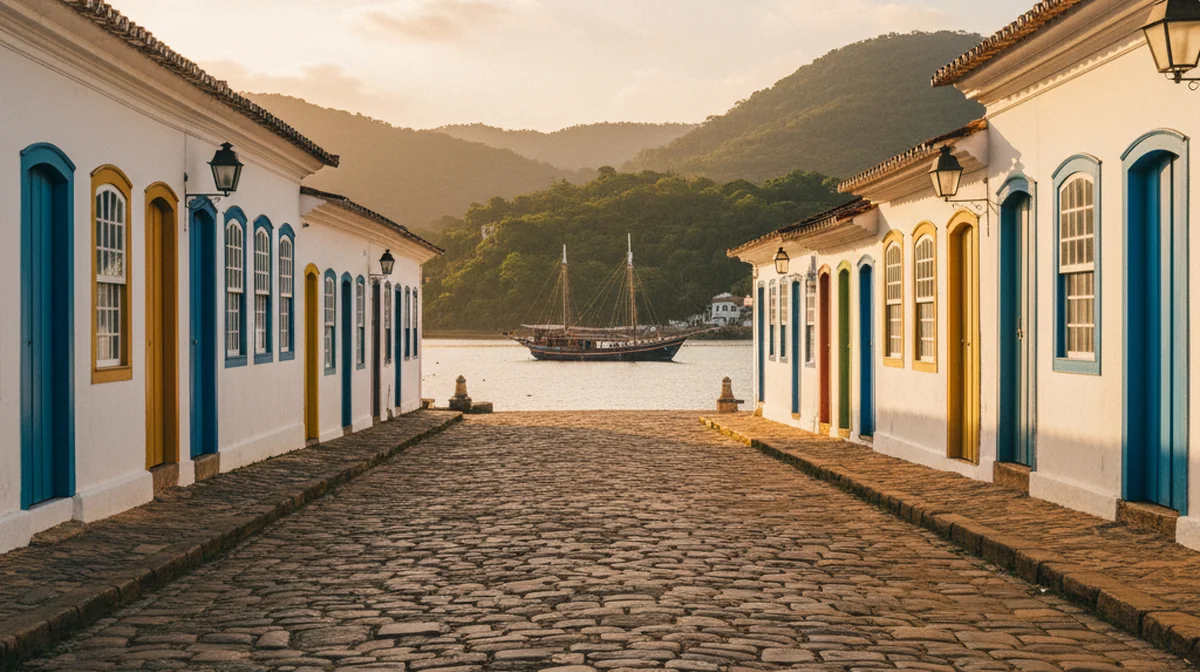
Lead with the distance to the Centro Histórico, measured in real minutes on foot. "Paraty" tells a guest nothing; "a five-minute walk to the cobblestones, on the quiet side of the canal" tells a couple exactly what their evening looks like. In a town this compact, walkability to the historic centre is the whole product, and the guest is picturing dinner and a caipirinha within strolling distance, not a drive.
Solve the parking problem out loud. The historic centre is closed to cars, its streets are famously uneven cobblestone, and at high tide the sea comes up through the drains and floods the lower streets on purpose — it is part of how the town was designed. Most of your guests will arrive by car after a four-hour drive from Rio or five from São Paulo, and the single most common anxiety is where to leave it. A listing that states plainly where guests park, and how far they then walk with luggage, removes the biggest friction in the whole booking.
Sell the water and the trips honestly. Paraty's real draw is what you do from it — the schooner and lancha trips out to the islands and beaches of the bay, the waterfalls and cachaça distilleries on the Gold Trail, the diving and kayaking. A host who can point to the specific pier, name the real beaches, and help book a reputable boat is selling the reason the guest came, not gesturing at "nature nearby."
Photograph for a hot, humid summer. Air-conditioning, a pool or a shaded veranda, and cross-ventilation read as strongly here in January as a fireplace does in a mountain town. If you have air-con in the bedrooms, say so in the first lines — in peak season it is close to non-negotiable.
Price the festivals, not just the seasons. FLIP, Carnival, Réveillon, the cachaça and jazz festivals and the national long weekends are known dates that owners routinely leave sitting at ordinary rates. Publish event pricing the moment the calendar firms up.
Unique Paraty Challenges
The first challenge is seasonality itself. Paraty is a leisure town, and its demand is genuinely peaky — a spectacular Réveillon and summer, strong festivals and long weekends, and long quiet mid-year stretches that no marketing turns into a peak. Earn well on the peaks, hold your rate through the lull, and build a direct-booking relationship so you are not starting cold each season.
The second is the historic-centre reality. Cobblestones, tidal flooding of the lower streets, no cars, and heritage rules that limit what you can change about the building are all part of the charm and all part of the friction. Set accurate expectations about the walk, the surface underfoot and the parking, because the guest who books a romantic postcard and arrives to drag a suitcase over wet cobbles at high tide writes the bad review.
The third is weather. This is one of the rainiest stretches of the Brazilian coast, and summer storms can cancel a boat trip. A host who frames the indoor plan honestly — the town itself, the restaurants, the museums and churches — protects the stay and the review when the sky closes in.
The town the tide walks into
Paraty's historic streets were built to flood on purpose. The colonial engineers laid the cobblestones with a deliberate slope and left gaps at the corners so that the highest spring tides — the ones that line up with a full or new moon — flow up through the streets and rinse them clean before draining back to the sea. Locals call the phenomenon the "tide that cleans the town," and on those days the lower streets briefly become mirrors reflecting the whitewashed houses. For a guest it is genuinely magical and worth timing a walk for; for an owner it is worth naming honestly, because the same water that makes the photograph also soaks a suitcase left in the wrong spot. Telling guests when the tides run high, and which streets they reach, turns a quirk into part of the experience instead of a surprise.
Finance Essentials — Paraty
🛡️
Insurance
A standard residential policy is unlikely to respond correctly to paying guests coming and going, and Paraty has exposures a city flat does not: tidal and storm-season flooding in the lower historic streets, the humidity that works on an old building year-round, and liability for guests around a pool. Ask your insurer directly how the policy treats short-term paying guests, whether guest liability is covered, and — this matters here — how flood and water damage are handled for a property near the water or inside the historic centre. Get the answer in writing before your first booking rather than after a claim.
🧾
Property & Income Tax
Rental income earned by an individual in Brazil is subject to personal income tax, and above a monthly threshold it falls under the carnê-leão regime, which requires monthly calculation and payment rather than a single annual settlement. Where a stay is bundled with hotel-like services, the activity can be treated differently again. Platforms do not settle your Brazilian tax obligations for you, and direct bookings are entirely your responsibility. Confirm the current thresholds and your filing obligations with a Brazilian contador — this is general information, not tax advice.
🏦
Financing & Ownership
Financing conditions in Brazil differ substantially from North American norms, and foreign buyers in particular should take local advice before assuming a mortgage structure they know from home applies here. The Paraty-specific point is that a property inside the protected historic ensemble carries heritage obligations that affect what you can renovate and how, which a lender or co-investor underwriting projected rental income needs to understand. Settle the condominium and heritage questions before the financing question. Talk to a local advisor who has actually closed short-term rental purchases on the Costa Verde, and treat this as general information rather than financial advice.