
Morning
Coffee at Morning Glass in Mānoa
Rain-forest-adjacent neighborhood café that locals treat as an office. Ten minutes from Waikiki, a different island entirely.

Expert short-term rental marketing to grow your bookings and nightly rate in Honolulu, Hawaii, USA.
Sixteen services, one team. Everything below is built in-house and scoped to your property and market. Most owners start with the 12-Step System.
Every engagement is quoted to your portfolio. These are the ready-made scopes owners pick most — our Fall Special (55% off list or more) is already applied to the website, King Broker, Hotels and à la carte scopes. A clear proposal within 48 hours.
The work is public. Selected engagements and what changed — and reviews from the owners and managers behind them.
* Market averages from AirDNA and STR market reports. A single home's numbers depend on its size, its location and how it is marketed.
Cavmir is an Airbnb marketing agency. We build the brand, the direct-booking website and the marketing for short-term rentals in Honolulu.
Honolulu is the gateway to Hawaii — and for millions of travelers, it's the destination itself. Waikiki Beach is one of the most famous stretches of coastline in the world, backed by Diamond Head crater and the buzz of Kalākaua Avenue. Beyond the tourist strip, neighborhoods like Kailua, Mānoa, and Kaimukī offer a more authentic Hawaiian experience that increasingly attracts repeat visitors seeking something beyond the resort.
Honolulu's STR market is shaped by Oahu's unique mix of international tourism, military presence, and a growing remote-work traveler segment. Waikiki and Diamond Head properties lead in revenue, while Kailua and the North Shore attract a discerning traveler willing to pay for authenticity and natural beauty.
Nearby Markets: Maui
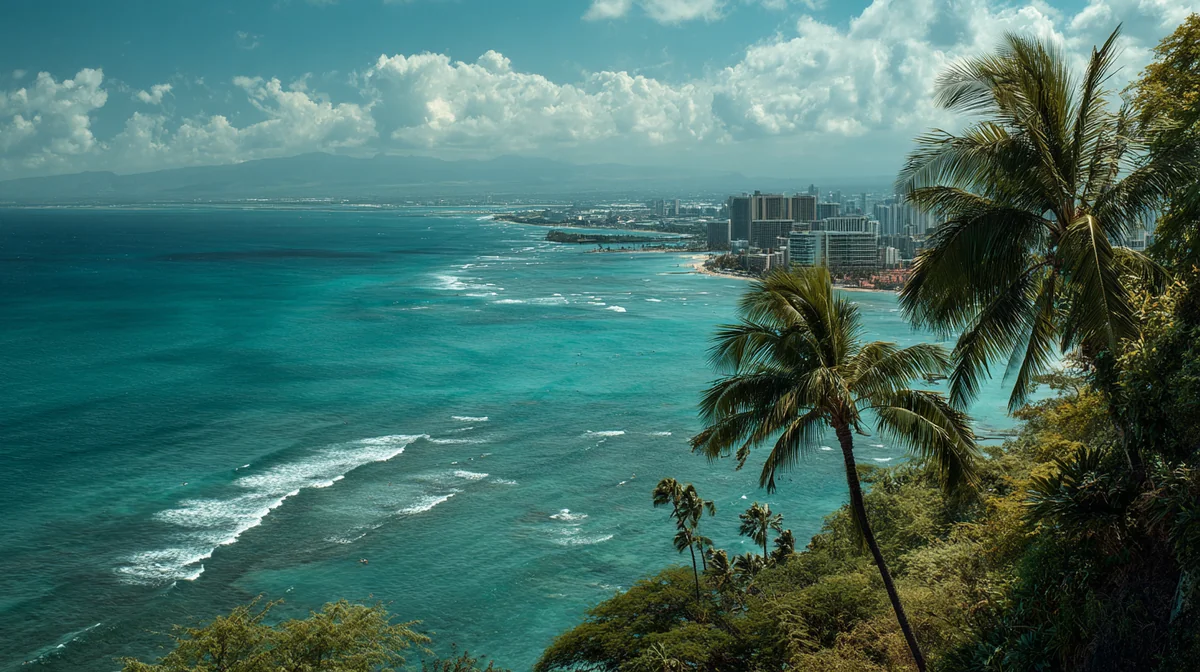
A few of the visual fingerprints we lean into when we shoot, brand and market a Honolulu property — courtesy of the open Wikimedia Commons archive.
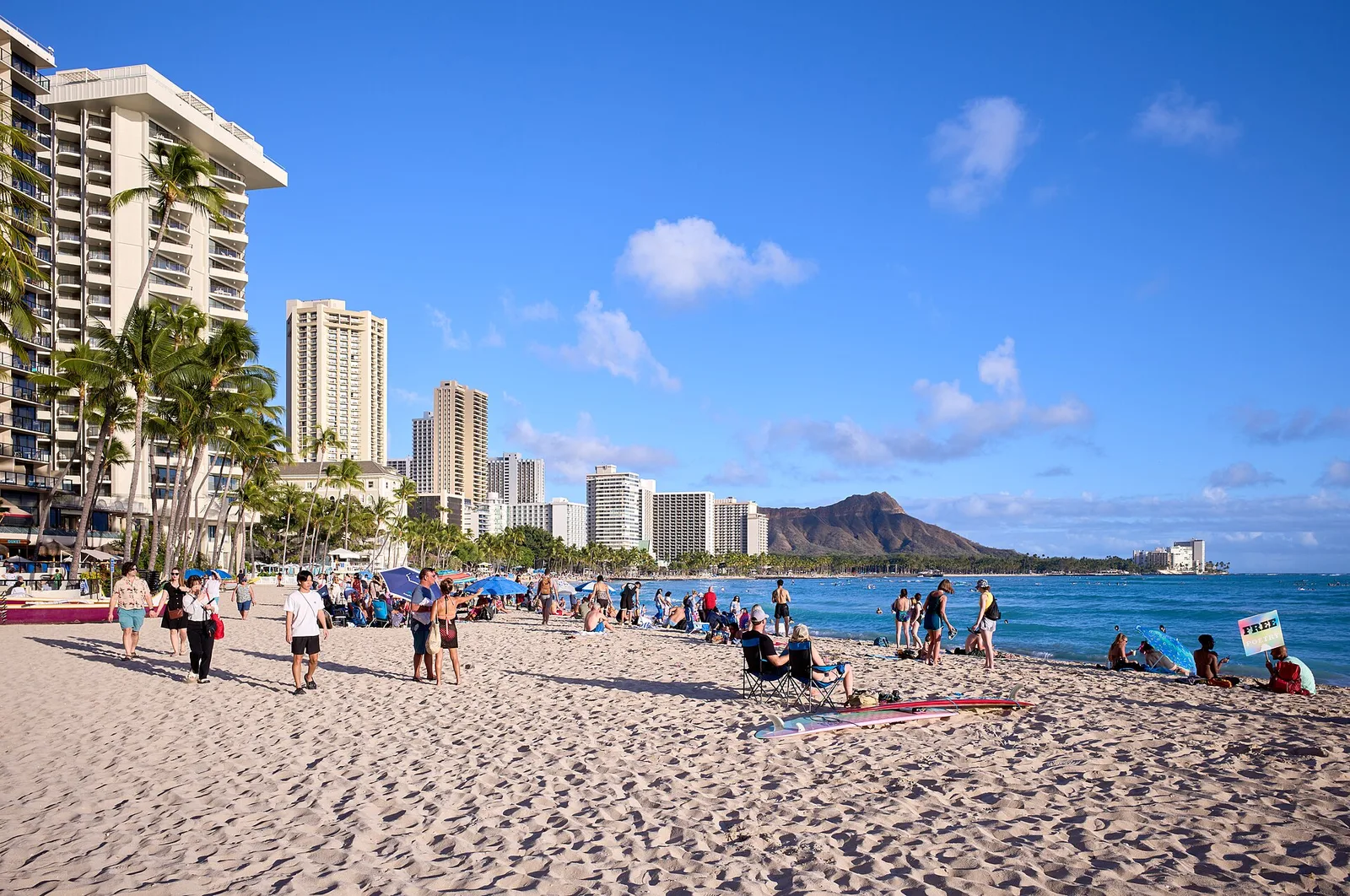
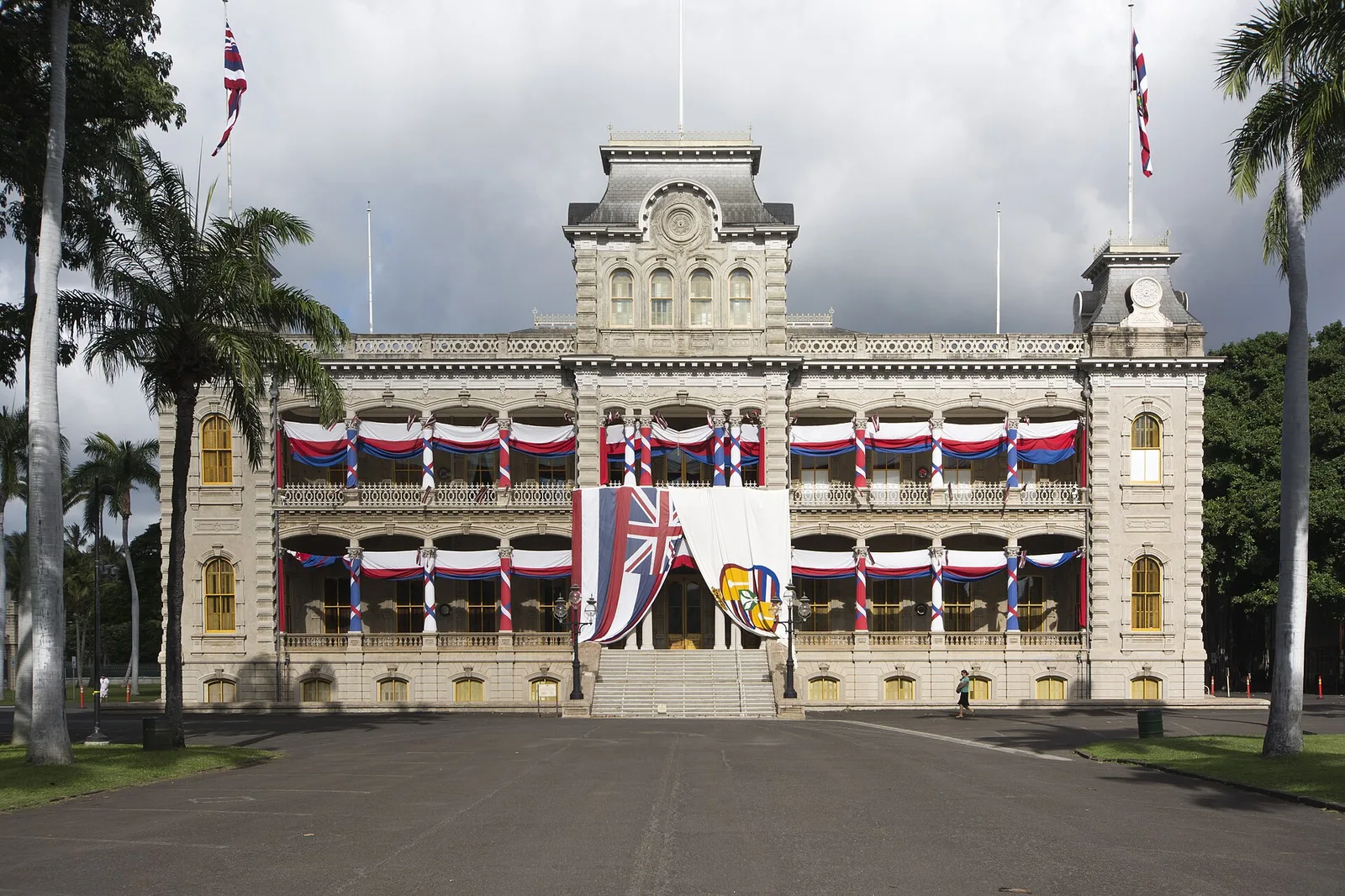
Cavmir understands that Honolulu guests choose between hundreds of near-identical Waikiki listings. We make yours unmistakably different — through storytelling, brand identity, and cinematic photography that captures what makes your property's location and character irreplaceable.
Waikiki has been sold to the mainland since the Moana opened its doors in 1901 — by hoteliers, a promotion committee, a steamship line and an Olympic champion. Cavmir writes the modern chapter of the same campaign.

Honolulu's visitor industry is older than most visitors realize. Waikiki Beach hosted royalty and traveling aristocrats from the 1860s onward — King Kalākaua built his summer cottage there. The Moana Hotel (1901) was Hawaii's first true tourist resort, and the Royal Hawaiian ('Pink Palace') followed in 1927. The ALOHA spirit framework — a literal Hawaii state statute from 1986 — codifies the cultural expectation of hospitality, and sophisticated Honolulu hosts treat it as a genuine operating principle, not a slogan.
Modern vacation-rental Honolulu — particularly the condotel culture in Waikiki — evolved through the 1970s and 1980s. Condominium buildings with commercial zoning (Ilikai, Waikiki Banyan, Aston at the Waikiki Banyan) have functioned as hotel-alternative lodging for decades. The Airbnb era added a new layer of residential STRs outside those buildings, which set the stage for the 2019 Bill 89, the 2022 Bill 41, and the contentious restrictions that now govern Oahu.
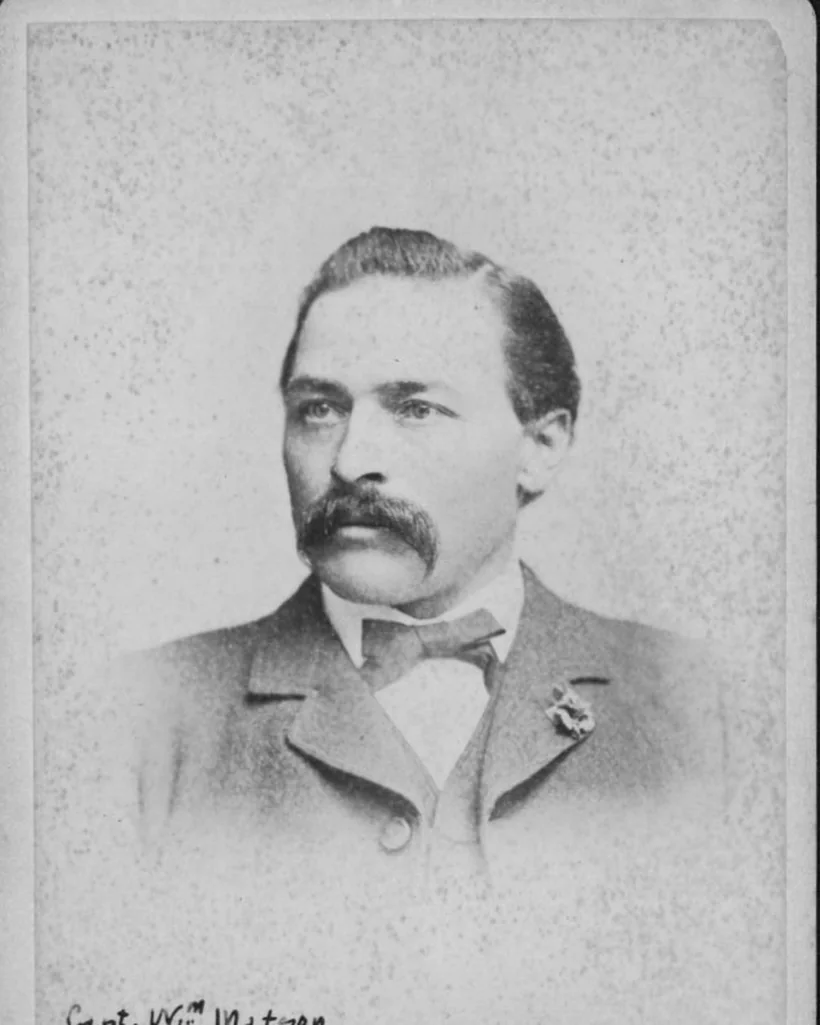
The machinery came early here. The Moana opened on Waikiki Beach in 1901, and by 1903 Honolulu's merchants had funded the Hawaii Promotion Committee — one of the first destination-marketing bureaus anywhere — to keep it full. Matson's liners turned the five-day crossing into part of the holiday, opened the Royal Hawaiian in 1927 to house their passengers, and staged Boat Days at Aloha Tower so every arrival felt like a premiere. Duke Kahanamoku carried the invitation around the world in person. Statehood and the jets multiplied the audience after 1959, and the work stayed the same: presentation, positioning, and a promise kept on arrival. It is the same business Cavmir is in today.
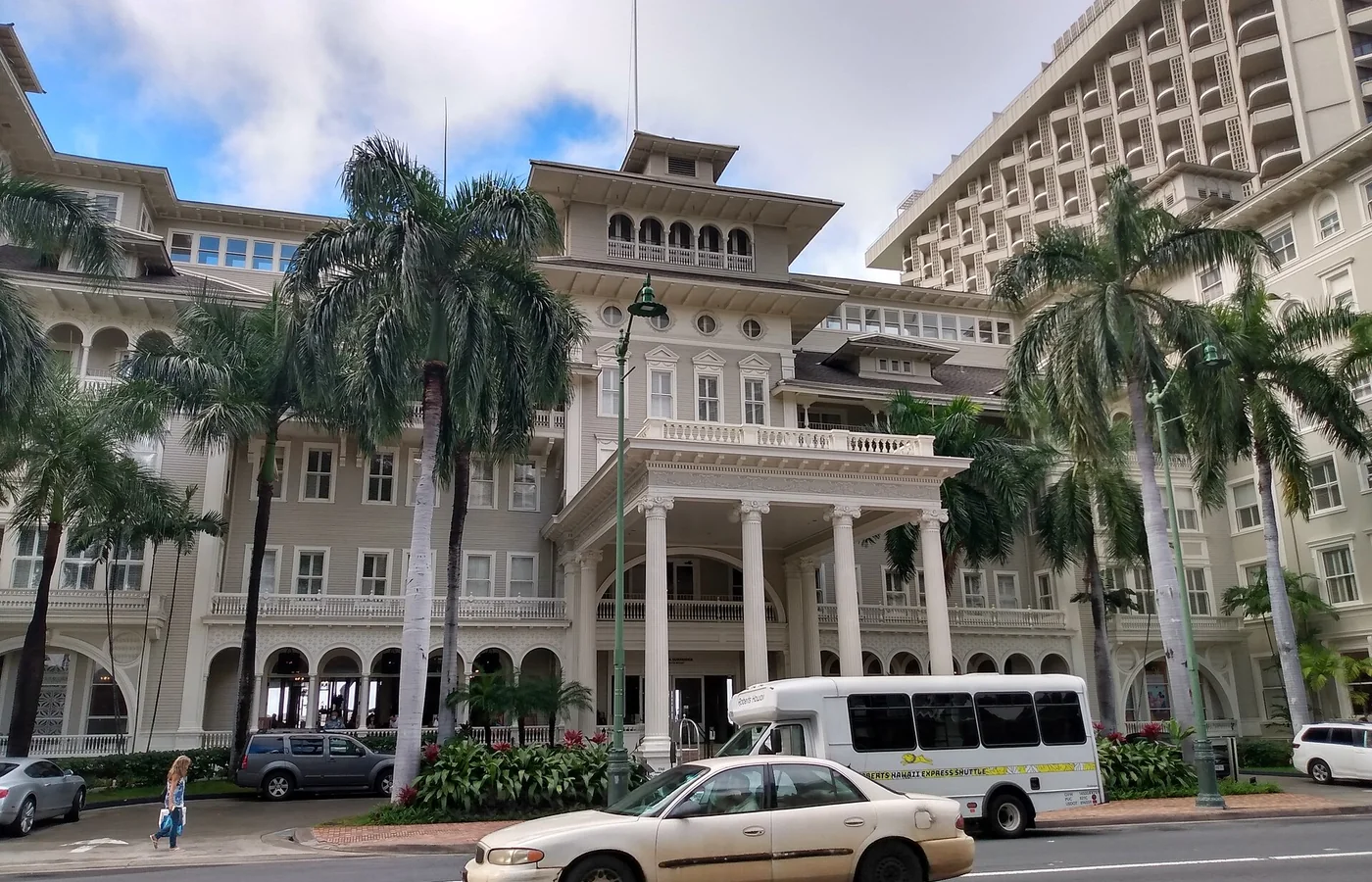
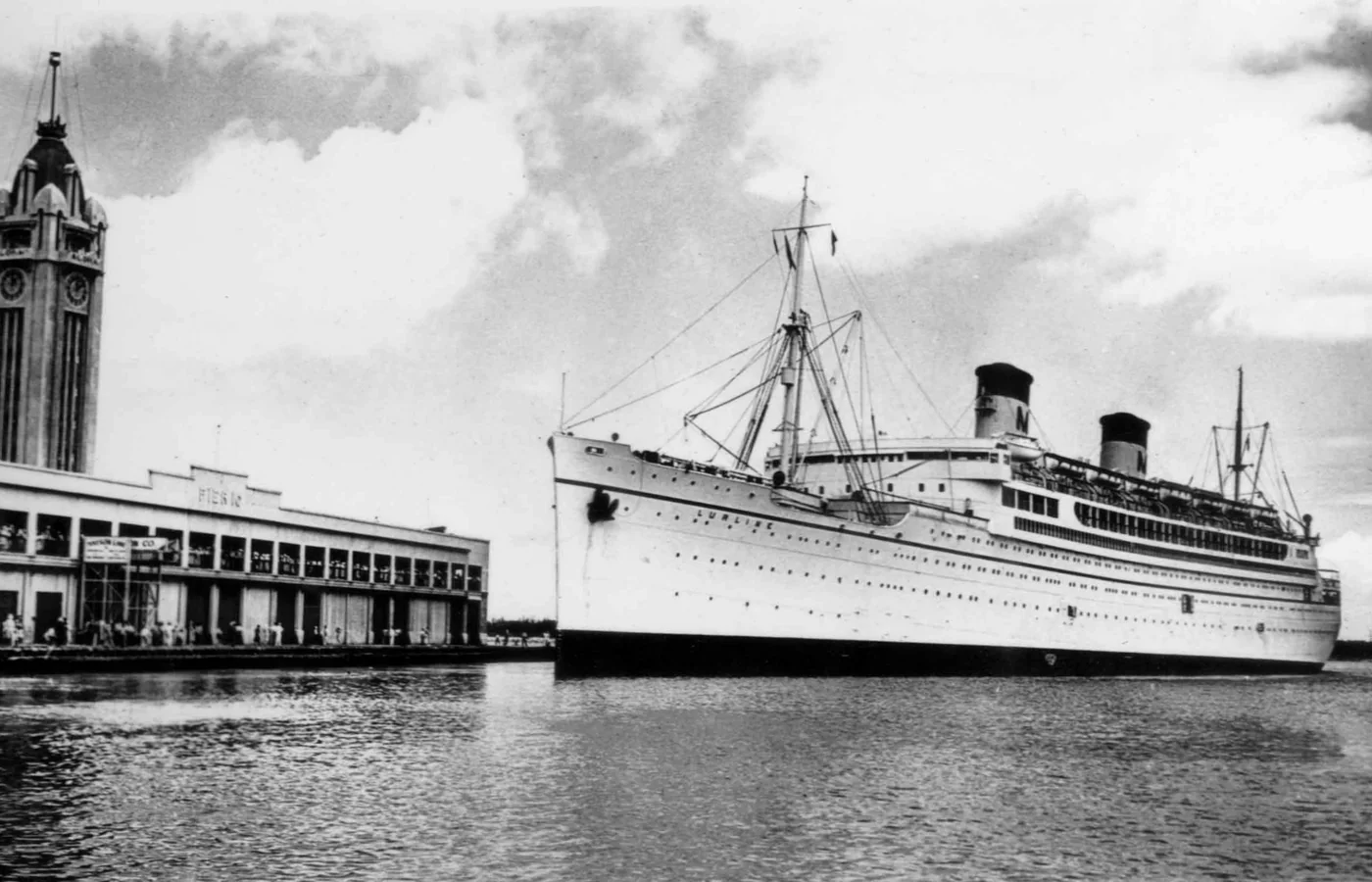
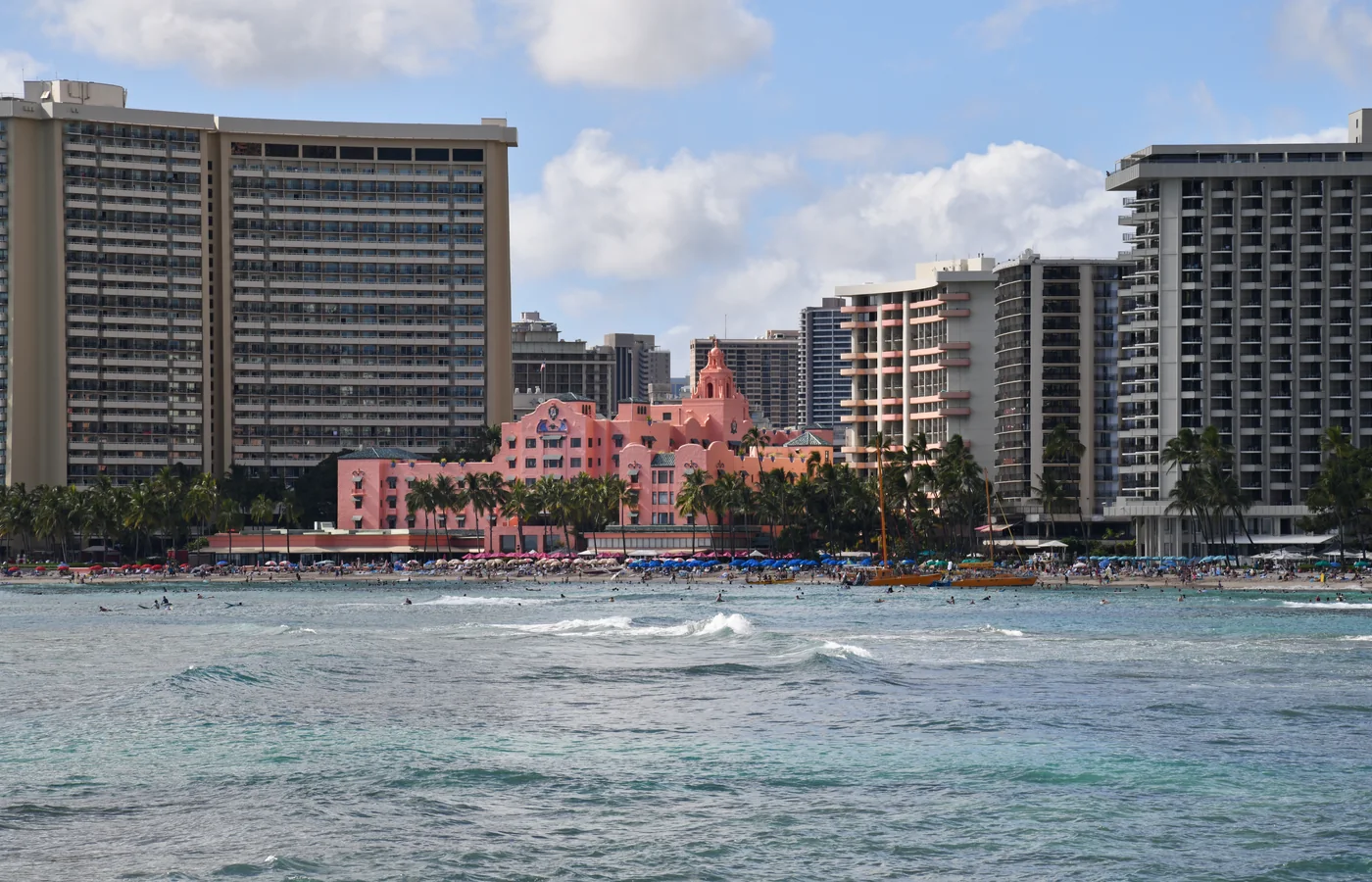
Historical images: public domain and Creative Commons via Wikimedia Commons — Duke Kahanamoku (Bain News Service, Library of Congress); Captain William Matson (Hawaii State Archives); the Moana Hotel (Tony Webster, CC BY); SS Lurline at Honolulu, 1930s (public domain); the Royal Hawaiian (Seagerthomas, CC BY-SA).
Waikiki is the pricing anchor — Diamond Head-view oceanfront commands the premium; Kalākaua Avenue and Kūhiō Avenue each have their own premium tier. Kailua and Lanikai on the windward side attract a different guest willing to pay for authenticity and quiet, but with strict NUC (nonconforming-use certificate) scarcity that creates a separate supply story. The North Shore (Hale'iwa, Turtle Bay) has surf-culture premium through the winter big-wave season. Outside these, urban Honolulu neighborhoods (Mānoa, Kaimukī, Kakaʻako) perform only within the legal 30-day-minimum structure.
The single biggest pricing move in Honolulu is anchoring to actual legal status. An Unresolved Legal STR (URV) that gets enforcement-delisted mid-season costs owners far more than any marginal rate increase could return.
Honolulu is the least-seasonal Hawaii market — even a weak month sees 60–70% occupancy on well-marketed inventory. December–March is the strongest period, driven by snowbirds, whale watching, and holiday travel. The summer family window (Jun–Jul) is a secondary peak. April–May and September–early November are the quietest — and where smart owners capture disproportionate revenue by marketing to the Japanese corporate-extended-stay market and remote workers.
Honolulu's governing rule is Bill 41 (2022), which made 30-night minimum stays the default across nearly all of Oahu unless a property is in one of the 16 specifically listed resort/hotel zones or holds a Nonconforming Use Certificate (NUC). A 2022 federal court ruling blocked the 30-day minimum from being enforced in specific apartment-zoned areas, but the broader framework remains intact. The Department of Planning and Permitting has been active with enforcement — fines start at $10,000 per day and escalate.
NUCs are the golden ticket: roughly 800 exist citywide, they're grandfathered, they cannot be created new, and they transfer with the property if renewed annually. An NUC'd Kailua property is a different asset class than an identical-looking neighbor without one. Resort-zoned condos (most of Waikiki, Ko Olina, Turtle Bay) aren't affected by the 30-day rule and operate as essentially unrestricted STRs. 2026 development to watch: further NUC enforcement audits and expansion of platform data-sharing requirements.
First — verify the zoning before you verify anything else. Building a business plan on a non-resort-zone Honolulu condo assuming you can do nightly rentals is the single most expensive mistake in this market. The Honolulu DPP website publishes zoning maps; the NUC registry is public. Use both.
Second — if your property is resort-zoned, your competition is a thousand near-identical Waikiki units. Differentiation wins: properties that invest in an actual brand identity, professional photography that captures Diamond Head at a specific time of day, and a cohesive interior-design story outperform generic competitors even at rate premiums. Third — cultivate the Japanese traveler. Japan is the single largest international source market for Honolulu, and properties with Japanese-language listings, yen-aware pricing, and communication through LINE or WhatsApp capture significant volume.
The core challenge is regulatory bifurcation: two properties that look identical to a guest can have radically different legal status and revenue potential. Beyond that, Honolulu faces a housing-cost headwind similar to Maui's — local political pressure for STR restriction remains strong. Infrastructure — the TheBus/Skyline rail expansion and ongoing Red Hill fuel contamination recovery — periodically generates headwinds for specific neighborhoods. And insurance costs, while lower than Maui's, have risen notably since 2023.
Honolulu is more insurable than Maui but still a specialty market. Standard HO-6 policies don't cover STR use. Many Waikiki condo owners layer: master building policy + individual HO-6 + STR liability rider (Proper, CBIZ). Budget $1,800–$4,500/yr on a typical Waikiki 1–2BR condo; SFH in Kailua or North Shore runs higher with wind and flood exposure.
Honolulu County property tax is lower than Maui's on STR-classified property but still significantly above owner-occupied rates. STRs fall into the Hotel/Resort class ($13.90 per $1,000 as of recent years). GET 4.712% + combined TAT 13.25% apply to all short-term revenue. Hawaii has a state income tax (top rate 11%) — a material planning factor for non-resident owners.
Conforming loan limits on Oahu are elevated. Lenders actively finance resort-zoned condos for STR use (established track record); they are more cautious on NUC and apartment-zoned properties given regulatory risk. DSCR products are available. 20–30% down is typical for STR-purpose purchases; condos with active-association litigation can be difficult to finance regardless of price.
If you only read the headline version of Oahu’s rules, you’ll get the 90-day story backwards, because it went in a full circle. Bill 41 (Ordinance 22-7, 2022) tried to redefine a transient unit as anything rented for fewer than 90 days, pushing the old 30-day floor up to 90 across most of the island. A federal judge blocked that in January 2024. Then, in early 2025, the City Council passed the same idea again as Bill 62. So the current reality isn’t “30 days” and it isn’t simply “90 days” either — it’s a split screen that depends on when your property started operating and where it sits on the zoning map. Here is where the law actually stands this year, and what it means for your compliance calendar.
On January 13, 2024, U.S. District Judge Derrick Watson enjoined the original 90-day minimum, holding that Ordinance 22-7 ran into Hawaii Revised Statutes section 46-4(a) — a county can’t simply discontinue a use that was already lawful. That knocked the enforceable floor back to 30 days for rentals already operating. The city’s answer was Bill 62 (Ordinance CO-25-02), signed January 3, 2025, with its restrictions taking effect in September 2025: it again makes it unlawful to advertise a home for stays under 90 days unless it’s a registered bed-and-breakfast or transient vacation unit. The catch, again, is retroactivity — properties lawfully running on the 30-day minimum before the change are treated as nonconforming and can keep going, while new entrants face the 90-day wall. Expect more litigation, and confirm your own status with the Department of Planning and Permitting and a Hawaii land-use attorney before you build a plan on it.
Outside the resort zones, legal nightly operation on Oahu runs on paper. New short-term rentals must register with DPP as either a bed-and-breakfast or a transient vacation unit and file a Statement of Compliance; hotels, timeshares, and holders of a Nonconforming Use Certificate are exempt from that step. NUCs are the scarce, grandfathered permits — roughly 800 exist citywide, none are being newly issued, and they must be renewed every single year between September 1 and October 15. Miss that six-week window and the NUC is gone permanently, which turns an ordinary calendar reminder into a six-figure decision. Bed-and-breakfast rules are strict too: the owner or a permanent resident has to be present, no more than two rooms, two adult guests per room. Enforcement has teeth — penalties climb to $10,000 a day for continued violations, so guessing is the expensive option.
The tax math changed on January 1, 2026. Act 96 — the state’s new climate “green fee” — lifted the Hawaii Transient Accommodations Tax from 10.25% to 11% on stays under 180 days. On Oahu, the 3% county surcharge (the OTAT) stacks on top, so your guests carry a combined 14% in TAT. Then add General Excise Tax: 4% state plus Oahu’s 0.5% county surcharge, which works out to about 4.712% once you show it as a visible pass-through on the invoice. All in, a guest’s Oahu bill carries close to 18–19% in tax on top of your rate. Your State TAT number doubles as your OTAT registration, so there’s no separate city sign-up for the tax itself. Guests pay it; you’re the one legally on the hook to remit it. Confirm the current rates with the state Department of Taxation and your accountant, since these figures move.
On Oahu, the map that matters most isn’t about nightly rate — it’s about which legal lane an address sits in. Two condos a mile apart can be a freely-rentable resort unit and a 90-day-minimum residential unit, and no amount of good marketing changes which one you own. So before you think about pricing or photography, it’s worth sorting the island the way the law does: a resort-zoned core where nightly stays are unquestioned, a set of windward pockets where legality hangs on a scarce permit, and a broad urban middle that works best on longer stays. Here’s how the real submarkets fall out, and the guest each one actually draws.
Waikiki’s resort-mixed-use blocks along Kalākaua and Kūhiō Avenues are where nightly rentals stay unambiguously legal, which is exactly why supply there is dense and differentiation is the whole game. Ko Olina, out on the leeward coast, is a planned resort community — the four lagoons, the Aulani and Four Seasons orbit — that pulls families and a strong Japanese and Korean market willing to pay for calm water and a gated feel. Turtle Bay (Kuilima) anchors the North Shore end, remote and surf-driven, a different mood entirely. In all three, you’re competing against a wall of near-identical units, so brand identity and specific, true-to-life photography do the heavy lifting. A resort address gets you in the door legally; it doesn’t get you noticed. That part is on the listing.
The windward side — Kailua town, Lanikai’s turquoise strip — is prized and supply-starved, because legal nightly operation here depends on a Nonconforming Use Certificate, and those are scarce and frozen. That scarcity is the entire story: a permitted Kailua home is a fundamentally different asset than the identical house next door with no paper. The guest skews toward repeat, higher-spend travelers who want a real neighborhood, an early paddle, and a quiet street — not a tower over a beach bar. So the marketing job is the opposite of Waikiki’s. You’re not shouting over a thousand rivals; you’re telling one clear story about the beach walk, the local kitchen down the road, and the version of Oahu that most visitors never slow down enough to find.
Kakaʻako, Ala Moana, and Mānoa are thick with condos that can’t do nightly stays but perform well on the 30-day-plus medium-term lane — traveling nurses, military moves, remote workers, film crews, and families between homes. It’s a quieter, less glamorous business with lower turnover, steadier occupancy, and far less regulatory risk hanging over it. If your building bans transient use, or your unit isn’t resort-zoned and never had an NUC, this is often the smart, legal way to run it rather than gambling on enforcement. The listing language is different — you’re selling a comfortable month, not a vacation week — and the channels are different too. It’s a lane Cavmir helps hosts position for when nightly rental simply isn’t on the table.
Once you know your legal lane, the moves that actually win on Oahu are specific to this island — the international guest mix, the density of the resort zones, and the tax mechanics that show up at checkout. Generic short-term-rental advice mostly misses here, because Oahu isn’t a mainland market with a beach. It’s a place where two-thirds of your competitive edge is decided before you buy a single towel: the zoning, the permit, and whether you’ve built the business around the guest who’s really booking. These three habits separate the Oahu listings that hold rate through a soft month from the ones that quietly discount their way to the bottom.
Put legal status at the center of the plan before a dollar goes into furniture. The DPP zoning maps and the NUC registry are both public — pull them, confirm which lane you’re in, and build around it instead of hoping. Then, because resort-zoned Oahu is so crowded, win on story. Photograph Diamond Head at the hour it actually glows, name the specific surf break or the exact beach path, and give the listing a real point of view rather than the same six stock lines every neighbor uses. Sameness is the tax you pay for skipping this work. Cavmir helps Oahu hosts turn a legal-but-anonymous unit into one guests actually remember — and that memory is what lets you hold your rate when the calendar softens.
Japan is Oahu’s largest international source market, and it rewards hosts who meet it halfway: a Japanese-language listing, yen-aware pricing, and replies over LINE or WhatsApp instead of email. Korea and Australia sit right behind. On the mainland this kind of localization is a nice-to-have; on Oahu it’s a structural share of your calendar, and ignoring it means leaving whole months underbooked. The point isn’t to bolt a clumsy machine translation onto your page — guests notice, and it reads cheap. It’s to genuinely speak to the traveler who’s been coming to Waikiki for twenty years. Cavmir helps hosts localize a listing and reach these channels without flattening the brand into something generic in the process.
Guests see roughly 18–19% in taxes stacked on top of your nightly rate, so a clean, itemized quote and an accurate all-in total matter more here than in low-tax markets — a surprise at checkout shows up in the review. Build the green-fee TAT and the OTAT into the math you display, keep your GET and TAT remittances current, and don’t let a late filing turn into a compounding penalty. Then treat the culture with real care: correct Hawaiian place names and spelling, a genuine acknowledgement of the land and its history, and recommendations that go past the tourist traps to the places locals actually send friends. Oahu guests notice the difference between a host who did the reading and one who didn’t — and the higher-quality guest books the one who did.
Honolulu in 2027 and beyond is likely to see continued NUC enforcement tightening and expanded data-sharing mandates between platforms and the DPP — meaning unpermitted listings become rapidly detectable and removable. Resort-zone condo inventory is essentially fixed by zoning, so rate growth should continue in those properties. Watch for potential rail-completion effects on neighborhoods near East Kapolei and the Skyline corridor — some currently second-tier zones may re-rate as transit access improves. Tourism volume will likely grow, but the guest mix shifts toward higher-spending international visitors as supply stays constrained.
Honolulu is the Hawai'i that doesn't translate well on a generic Airbnb page. Most listings reduce it to Waikiki and Diamond Head — but that's maybe 4% of the island's emotional landscape. The neighborhoods tell a richer story: Kaimukī's tree-lined coffee culture, Mānoa's college-town rain-forest hush, Chinatown's art walks on First Fridays, the North Shore's cold-water surf scene, Kailua's windward-side turquoise, and the quieter side of the island past Makapu'u where the road bends past blowholes and into the green. A listing that names these places — and photographs its proximity to them — lands entirely differently than one that just says "close to Waikiki."
What we love about marketing in Honolulu is the mix of international volume and regulated supply. Japanese, Korean, and Australian inbound is structural year-round; military R&R, tech-remote-workers, and mainland repeat visitors layer on top. The properties that rise above the noise here are the ones that honour the culture — Hawaiian place names used correctly, a respectful acknowledgement of land and history, and authentic recommendations that go beyond tourist traps. Honolulu guests notice the difference, and they book the difference at a premium.
The picks Cavmir recommends for Honolulu welcome books — small specifics that turn a first-time guest into a repeat guest.
Rain-forest-adjacent neighborhood café that locals treat as an office. Ten minutes from Waikiki, a different island entirely.
Windward side, east-facing. The light comes up over the Mokulua Islands. A host who mentions the 5:45am trailhead start wins the review.
Monthly art walk in the historic district. Murals, small galleries, lei shops older than the airport. A Honolulu guests never think to ask for.
Old-school Hawaiian food done right. The plate lunch as a cultural document, not a tourist gimmick.
Locals argue between Waiola, Matsumoto's, and Uncle Clay's. Hosts who have an opinion here sound like locals, not concierges.
Japanese cultural festival most tourists miss. Drives measurable booking demand in a window platforms don't price for.
Ninety minutes from Waikiki, an entirely different pace. Pie from Ted's on the drive home is the detail guests post about.
Most guests underestimate the logistics. A printed transit plan or rideshare pattern saves half their morning.
Representative engagements from Cavmir's Honolulu work. Property identifiers redacted; figures drawn from our post-campaign analytics and AirDNA ranges.
One unit among roughly 3,000 near-identical Waikiki listings. Differentiation through amenity was impossible — the building was standard. ADR tracked $40 below building median on a unit that had a measurably better view than average.
We led with the view and the floor. Architectural-grade photography at blue hour with the Diamond Head silhouette, a tight editorial built around "a quieter Waikiki" positioning, and copy rewritten for the independent traveller archetype rather than the family vacation. Added Japanese-language listing copy and Chinese-character translation support to capture inbound Asia traffic at a rate the English-only listings couldn't.
ADR climbed 26%. Occupancy held above building average for three consecutive quarters. Japanese inbound grew to 31% of bookings, a segment that consistently books longer stays and leaves higher review scores.
Legally-compliant home in a market with heavy STR regulation. Owner wanted to scale into peak-rate territory but the listing read generic-Hawaii without a connection to Kailua specifically.
Full rebrand around the windward-side identity: Kailua Beach at sunrise, the Pillbox hikes, Lanikai bakery culture. Photography emphasised the residential-neighborhood authenticity that resort guests increasingly seek. Built a direct-booking site positioned against a wish-list-booker audience segmented from Honolulu repeat guests rather than first-time Oahu travellers.
ADR up 38%. Guest-profile shift to higher-spend repeat-Hawaii travellers produced a 0.4-point review-score lift and a measurable drop in support tickets. Off-season occupancy (April, September) climbed 22 points.
Mid-market condo adjacent to the shopping district. Competing mostly on price, attracting short-stay bookings that hurt review quality and cleaning economics.
Repositioned as a quiet urban base for repeat Hawaii travellers who preferred Ala Moana to Waikiki. Raised minimum stay from 2 to 4 nights, restructured pricing to reward week-plus bookings. New photography used the Magic Island pathway and the Ala Moana sunset as the anchor — not the condo amenity shots that dominate the neighborhood's listings.
Average stay length rose from 3.1 to 6.4 nights. Cleaning cost-per-revenue-dollar dropped 44%. Review score climbed from 4.71 to 4.92 within two quarters, which in turn improved platform search placement.
Demand in Honolulu peaks around July, August and December and runs quietest around April, May and September. Here is how the year actually books — and what to do about each stretch of the calendar.
Winter holidays and high summer are the twin peaks. Mid-December through New Year's books earliest and firmest, with the Honolulu Marathon feeding the front of that wave, and July and August run full on family travel plus Japan's Obon travel season. Winter overall stays strong through March as mainland weather does the selling. Have the holiday calendar priced by early fall and summer dialed by spring; these are the weeks that fund the year.
Spring and early June are honest shoulders with great weather and thinner crowds, and late April into early May gets its own lift when Golden Week sends a wave of Japanese travelers to Waikiki. The play is precision: price around the known demand waves, keep minimums sensible, and pitch the shoulder guest on Honolulu with room to breathe.
September through early December is the soft stretch, when families are back in school and holiday planning hasn't peaked. Lean into longer stays for remote workers and snowbirds arriving early, consider kamaaina-friendly positioning for local staycations, and use the window for deep cleans and a photo refresh so the listing is immaculate when holiday shoppers start comparing.
Christmas and New Year's fill furthest ahead, followed by summer, which builds steadily through spring. Marathon week and Golden Week are predictable annual waves you can price a year in advance. Shoulder-season bookings move on a short fuse, so responsive pricing matters most from September through early December.
Nobody flies this far for a weekend: five to seven nights is the standard trip, with Japanese stays historically running a touch shorter and winter escapees stretching to weeks. Units set up for long stays capture a segment most Waikiki listings ignore.
The Honolulu winner is a renovated condo with a real view, ocean or Diamond Head, walkable to the beach in Waikiki or just outside it in Kapahulu, Ala Moana or Kakaako, where guests trade a few minutes of walking for space and quiet. A deeded parking stall is a genuine differentiator in a neighborhood where parking is scarce and expensive. Dated rattan-and-floral interiors are the market's biggest self-inflicted wound; a clean, light renovation moves a listing up a class overnight.
Waikiki is a sea of near-identical condo listings, so marketing here is about surfacing what makes yours different: the actual view, the parking stall, the renovation, the walk time to the sand. Photography from the lanai and copy with specifics beat adjectives every time, and pricing should move with the known waves, the marathon, Golden Week and the holidays, rather than sitting flat. A Google Business Profile and a simple direct-booking site capture the repeat guests and referral traffic that platforms alone miss. That's the stack Cavmir builds for Honolulu hosts, tuned to how this market actually books.
Mid-December through March is the winter peak, opened by marathon week and the holidays, and July and August form the summer peak on family travel and Japan's Obon season. Late April brings the Golden Week wave from Japan. The soft stretch runs September through early December, with Aloha Festivals dates the bright spot.
The holiday weeks book furthest ahead, often many months, and summer builds steadily through spring. Marathon week and Golden Week are predictable a year out. Shoulder-season stays book on a short fuse, frequently inside a few weeks, so keep pricing responsive from September into early December.
The West Coast leads, with Los Angeles, the Bay Area and Seattle feeding the bulk of direct routes, and Japan is the defining international feeder, concentrated around Golden Week, Obon and the marathon. Australia adds a steady stream, and Oahu's own residents book staycations. West Coast metros plus Japanese-guest readiness cover most of the demand.
A parking stall is the sleeper amenity; guests who've paid for parking in Waikiki once never forget to check. Air conditioning is expected, a lanai with a real view is what they're actually buying, and blackout curtains earn quiet gratitude from jet-lagged arrivals. Beach gear, chairs, a cooler and boogie boards save guests money and show up in reviews.
Run your Airbnb, Vrbo, or website through Cavmir's free grader. It checks the things that decide whether guests book in Honolulu — photos, listing copy, page speed, local search — and shows you where bookings leak. Takes about a minute, and there's no sales call attached.
If the report says your booking engine is the weak link, that's fixable: a direct-booking website of your own means repeat guests stop paying platform fees to come back to you. That's the work Cavmir does — see Airbnb website design in Honolulu.
Send us the listing and we'll tell you what we'd change. Not a pitch deck — a straight read on your photos, your title, your rates against the Honolulu comp set, and whether a direct-booking site would pay for itself.
You'll hear back from a person, usually inside one business day. If we don't think we can move your numbers, we'll say so. Cavmir is a short-term rental marketing agency — we position and market properties, we don't manage them.
Counted from the City & County of Honolulu's registry, run by the Department of Planning and Permitting under Ordinance 22-7 — real registry data, not an estimate. See the official program →
About 1,380 as of May 2025, per the Department of Planning and Permitting — roughly double the count from mid-2024, after the city streamlined registration. The registered number understates the full legal market: resort-zoned Waikiki condotels can operate under their zoning, and DPP itself has said it does not know how many eligible resort-zone units remain unregistered.
In five resort zones — Waikiki, Ko Olina, Turtle Bay, Makaha and Hoakalei — plus some surrounding apartment-zoned pockets, with registration. Outside those areas, unregistered rentals face a 90-night minimum stay, reinstated from September 2025. That geography concentrates Oahu's legal inventory into a handful of neighborhoods where every listing competes in the same searches — which is why presentation, photography, and a direct-booking path decide who gets seen.
The Department of Planning and Permitting, under Ordinance 22-7 (2022) as amended in 2024 and 2025. Rules and boundaries change — always confirm current requirements with DPP directly before you buy or list.
Talk to Cavmir today. We'll show you exactly what your Honolulu property is leaving on the table — and how fast we can change that.
Book a Free Strategy CallPhotography via Wikimedia Commons (images resized and cropped): Moana Surfrider, A Westin Resort & Spa, Waikiki Beach by DestinationFearFan (CC BY-SA 4.0) · The Royal Hawaiian Hotel, Waikiki by Seagerthomas (CC BY-SA 4.0).
