The mechanics of vacation rental marketing — listings, photography, a direct booking website,
search — stay the same for every property. What changes is what guests are actually buying. A
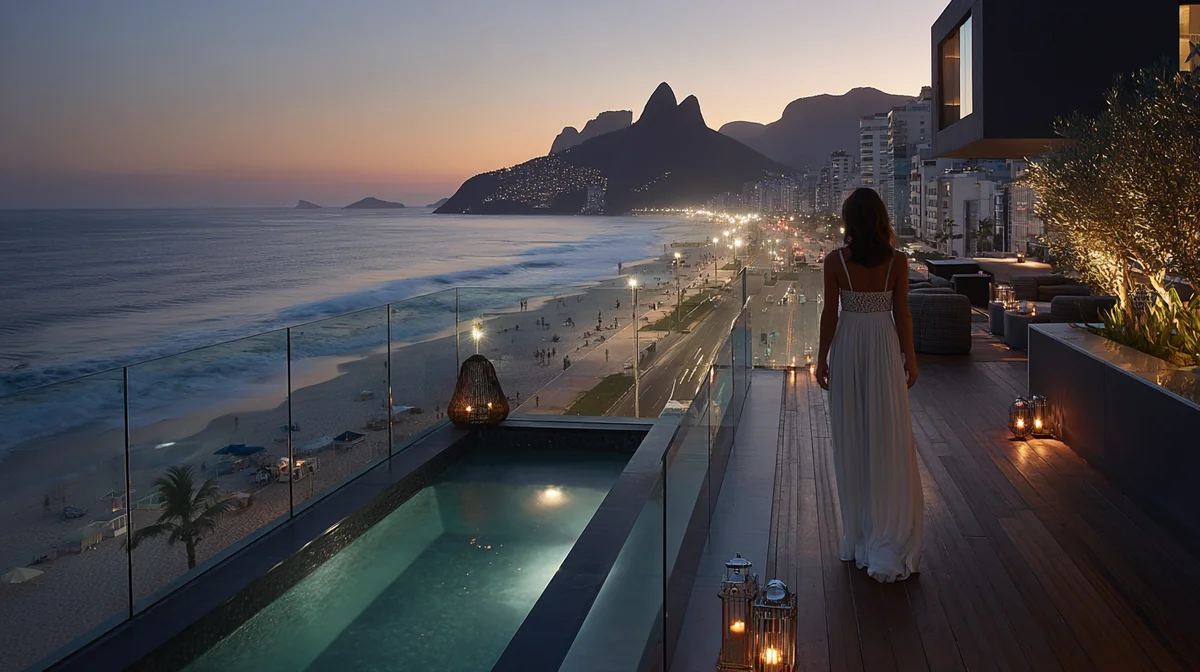
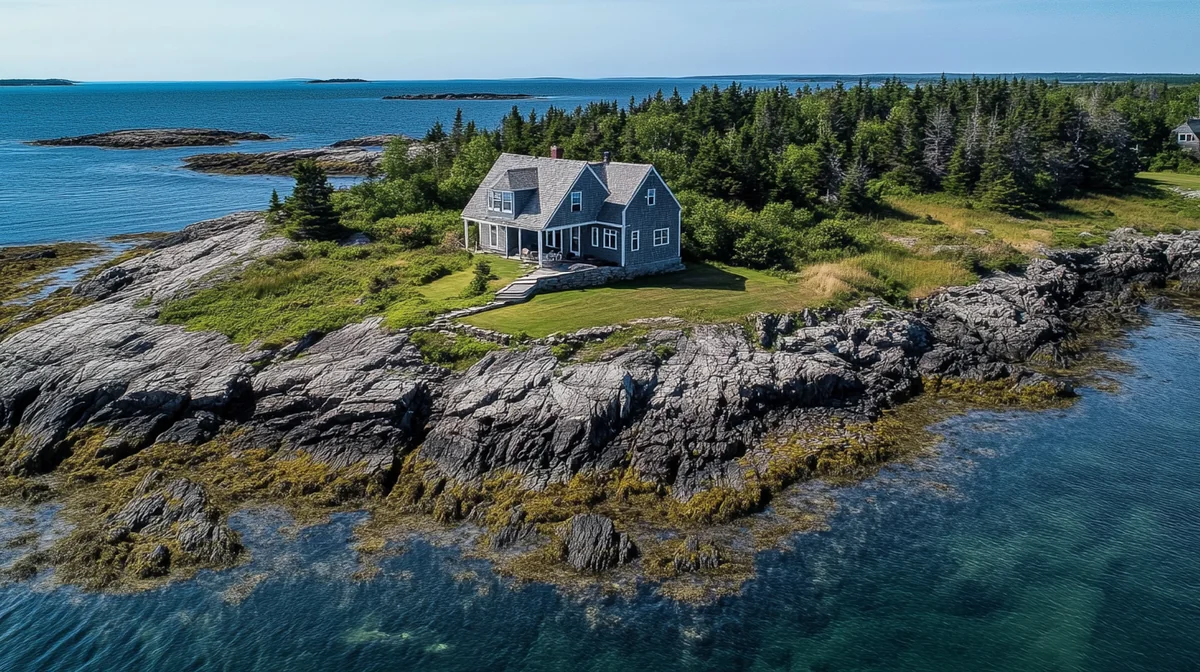
beach house sells a week of summer, and its calendar war
is won or lost in the booking window before Memorial Day. A
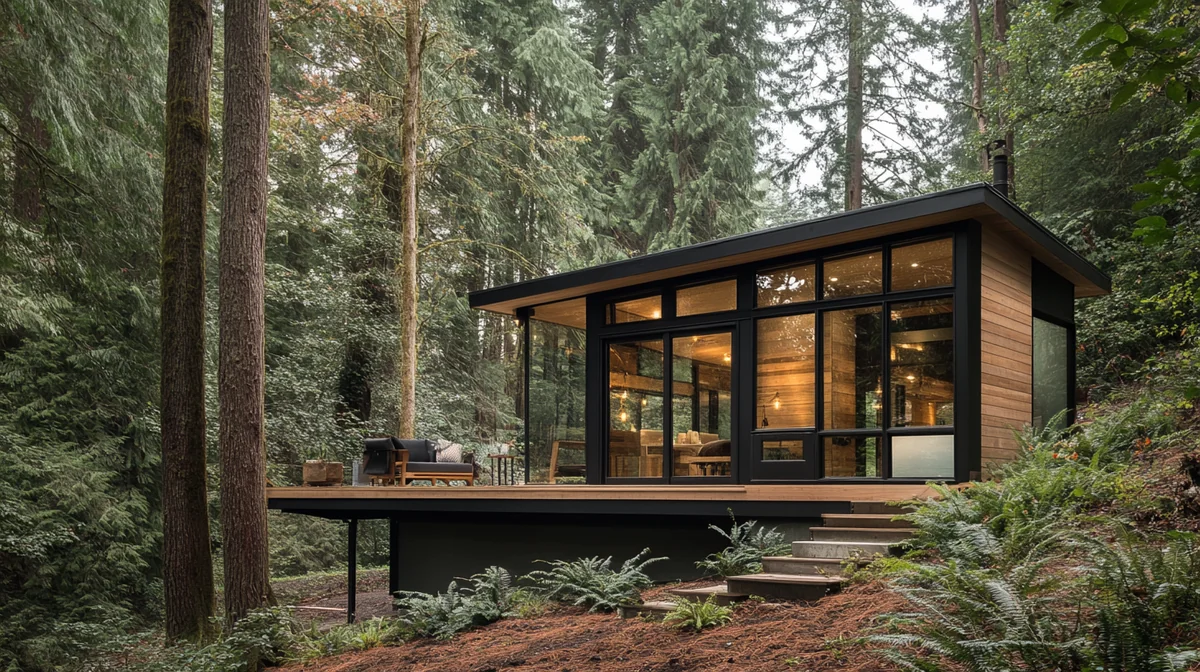
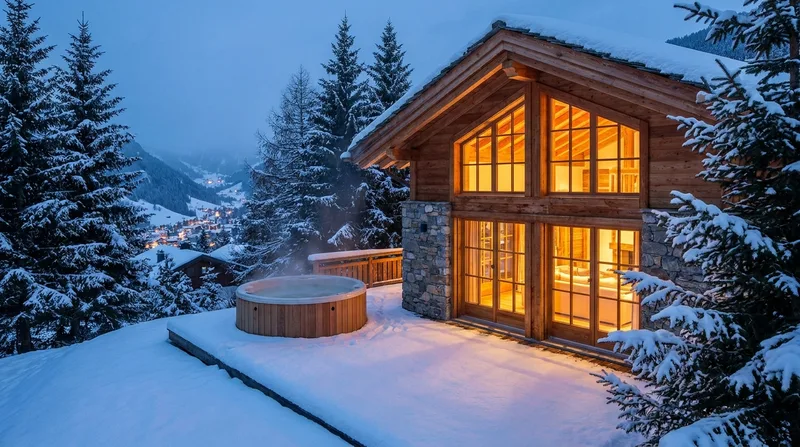
cabin sells fireplace weather, filling
hardest in leaf season and ski season — so its content calendar runs nearly opposite the beach.
Aim the same campaign at both and one of them markets an empty month.
Positioning shifts just as much. A boutique hotel
competes against chains with loyalty programs, so the marketing has to make independence the point —
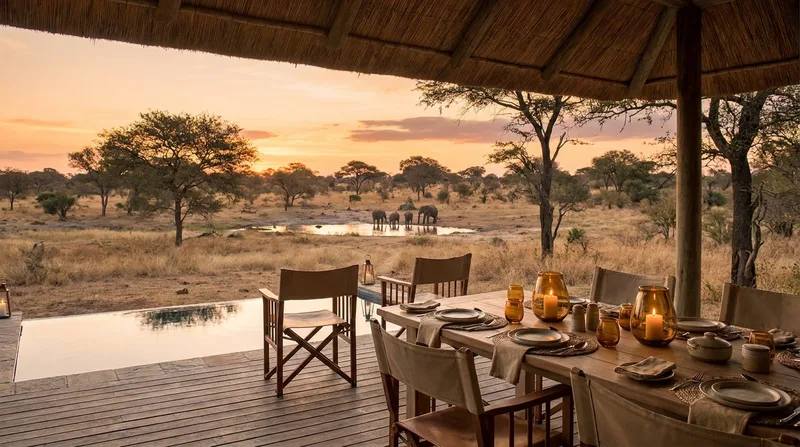
character over consistency, a name guests repeat at dinner parties. A glamping operation sells an
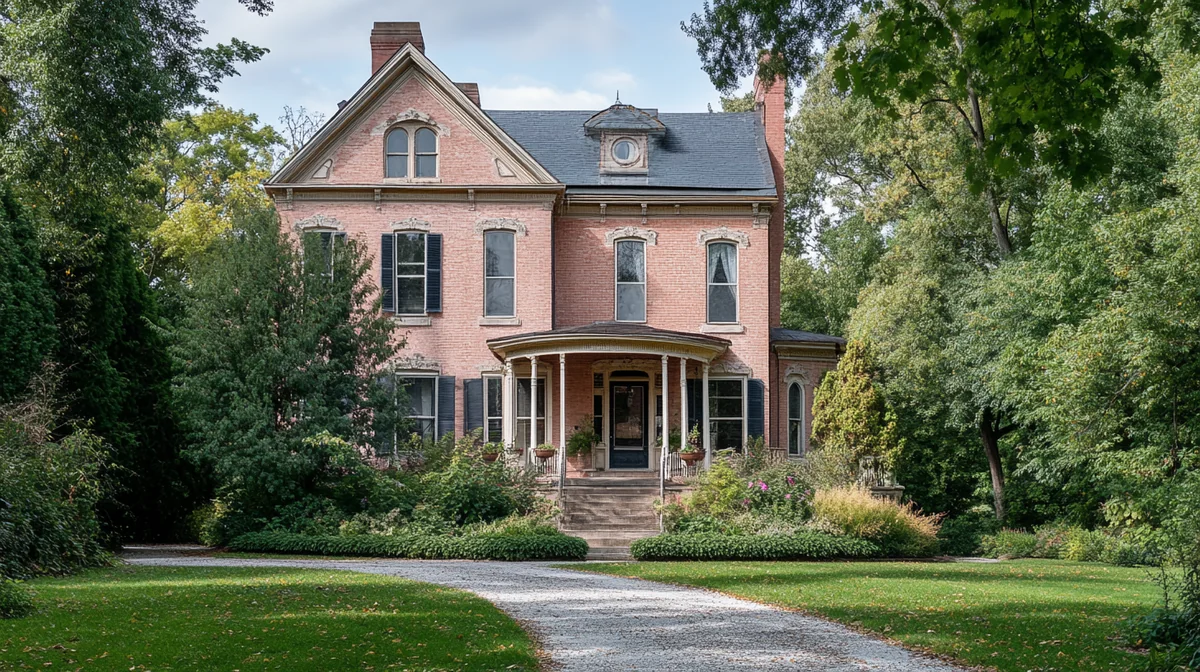
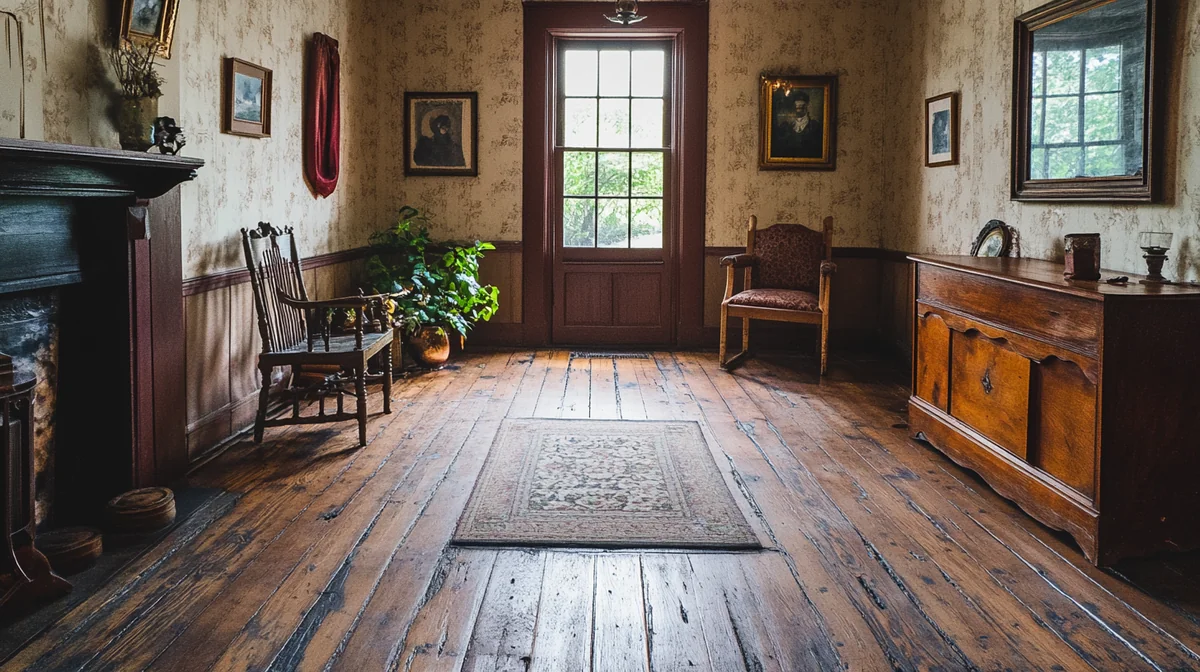
experience most guests have never had, which makes education half the funnel. A historic property is
selling trust: the guest needs to believe original floors and modern plumbing coexist. A vineyard
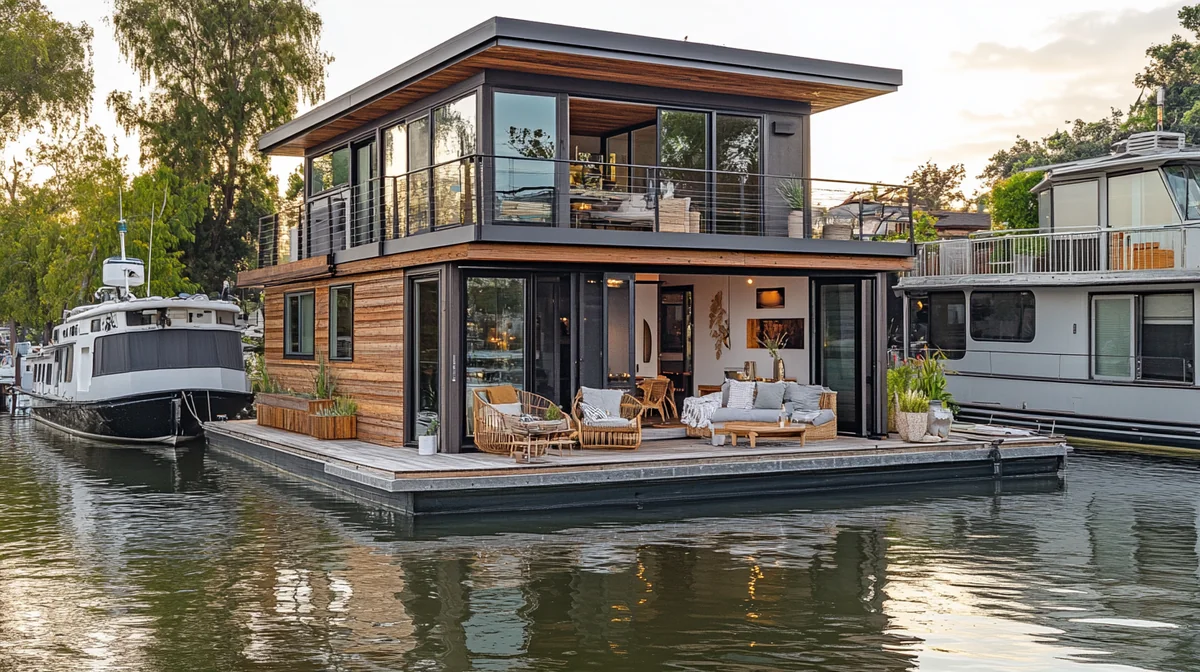
stay is as much event venue as lodging, and a houseboat listing lives or dies on answering the
questions nervous first-timers will not ask out loud. Each of these changes the photography brief,
the listing copy, the search terms worth ranking for, and which channels deserve budget.
What stays constant is the system underneath: brand, listing, website, distribution, then ongoing
search and content — the same 12-step framework every
engagement runs through, tuned to the property type on top. Market matters as much as category, too.
A Scottsdale desert villa and a Gatlinburg cabin can both be luxury homes and still compete in
completely different search landscapes, which is why the location guides
pair with these pages.
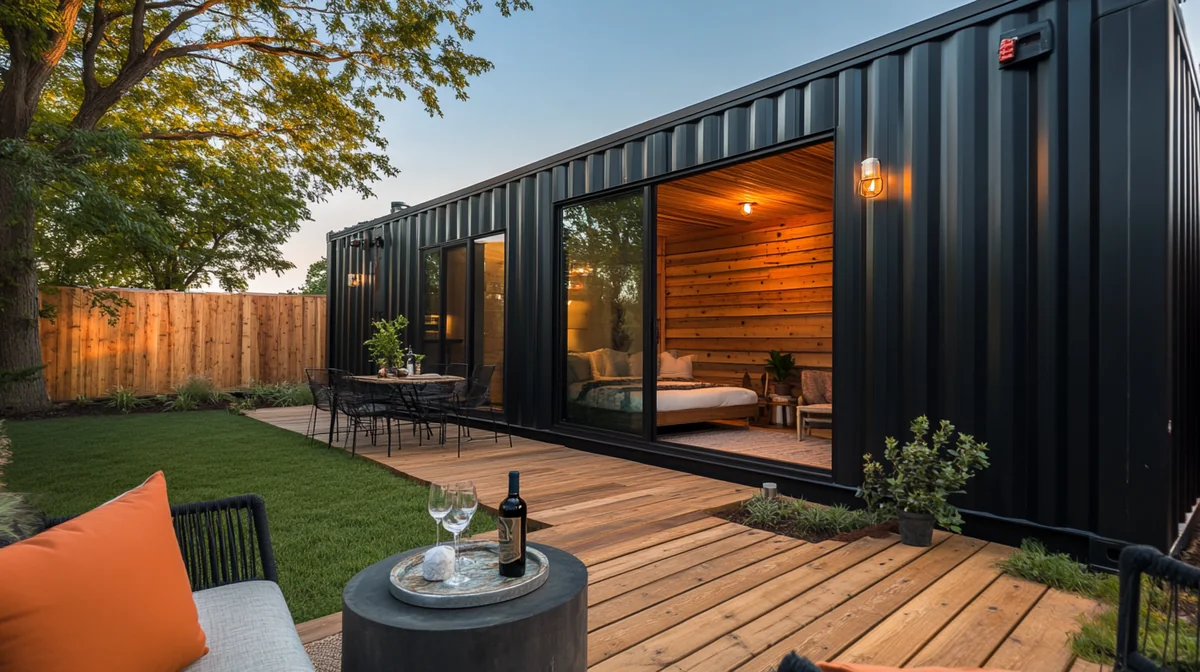
The OTAs treat categories differently, too. Airbnb gives distinctive stays — glamping setups,
container homes, houseboats, themed properties — their own browse categories, which changes how
guests discover you: by daydream first, destination second. Boutique hotels and B&Bs, meanwhile,
often earn a bigger share of their nights from Booking.com and direct reservations than a typical
home listing does, so channel mix becomes a positioning decision instead of an afterthought. And a
private island or vineyard estate sells to planners — weddings, retreats, buyouts — which pulls
inquiry handling and email into the center of the marketing system. Your property type decides not
just the message but the map of places the message needs to be.
Booking behavior swings by type as well. Beach weeks book long and early; cabin weekends book
short and late; B&B guests plan around events and anniversaries; glamping guests check the
weather forecast before the reviews. That cadence dictates when ads should spend, when emails
should send, and how far out a healthy calendar needs to look full — the details each page below
gets specific about.
That is why the twelve pages above exist. Each walks through who books that property type and
when, how its seasonality actually behaves, where the marketing spend earns its keep, the strongest
markets for the category, and how a Cavmir engagement runs for it. They are useful reading even if
you never hire an airbnb marketing agency.
Not sure which one you are?
Plenty of properties straddle two categories — the lakefront cabin that behaves like a beach
house, the farm stay running glamping tents, the historic home operating as a B&B. Pick the page
closest to how guests describe you, not how the deed does. Two quick tells: check which photos
guests screenshot, and ask what they say when friends ask where they stayed. If the answer is the
pizza oven and the vineyard rows, market the vineyard — whatever the deed says. And if it is
genuinely unclear, that is a fine first question for a free strategy
call — positioning is the part we would sort out first anyway.